
The Dangers of Releasing Crayfish: Protecting Native Ecosystems from Invaders

Welcome to Aquarium Mastery!
Curious about the hidden dangers lurking in your local waterways? You might be surprised to learn that a seemingly harmless act like releasing crayfish can have devastating consequences for native ecosystems. Dive into our featured article, "The Dangers of Releasing Crayfish: Protecting Native Ecosystems from Invaders," to uncover the surprising impact of these fascinating invertebrates and learn how to be a responsible aquarist. Ready to explore?
- Understanding the Threat: Why Releasing Crayfish Harms Ecosystems
-
Specific Dangers of Crayfish Introductions: A Detailed Breakdown
- Predation by Non-Native Crayfish: Devastating Effects on Fish and Amphibian Populations
- Competition for Resources: Outcompeting Native Crayfish and Macroinvertebrates
- Habitat Destruction: Crayfish Burrowing and Streambank Erosion
- Disease Transmission: The Risk of Spreading Crayfish Plague and White Spot Syndrome
- Case Studies: Real-World Examples of Crayfish Invasions
- Preventing Crayfish Release: Responsible Aquarium Keeping and Pet Ownership
- Protecting Native Ecosystems: What Can Be Done?
- Maintaining a Healthy Aquarium Without Harming the Environment
- Frequently Asked Questions
- Final Reflection: The Ripple Effect of Our Choices
- Unleash Your Inner Conservationist!
Understanding the Threat: Why Releasing Crayfish Harms Ecosystems
Invasive Crayfish Species: A Global Ecological Problem
Invasive crayfish species represent a significant and growing ecological problem worldwide, largely driven by human activities such as the pet trade, aquaculture, and the use of live bait. These non-native crustaceans are highly adaptable, exhibiting rapid growth rates, broad environmental tolerances, and often aggressive behaviors that allow them to thrive in new environments. Once introduced, they can quickly establish self-sustaining populations, outcompeting and displacing native species, and fundamentally altering aquatic ecosystems.
Their global distribution is alarming; for instance, the Red Swamp Crayfish ( Procambarus clarkii), originally from the Southern United States, has successfully invaded over 40 countries across Europe, Asia, Africa, and the Americas. Similarly, the Rusty Crayfish ( Orconectes rusticus) has spread extensively throughout North America from its native Ohio River Basin. The ease with which these species can be transported and their resilience make it clear that releasing crayfish harms ecosystems on a vast, international scale.
The Impact of Released Crayfish on Native Aquatic Life
When non-native crayfish are introduced into new aquatic environments, their impact on native life can be devastating and multifaceted. They often possess superior competitive abilities, including larger size, higher reproductive rates, and more aggressive foraging behaviors compared to indigenous species. This allows them to monopolize food resources, shelter, and breeding grounds, leading to the rapid decline of native crayfish populations and other invertebrates.
Beyond competition, invasive crayfish are also direct predators. They consume a wide array of native organisms, including fish eggs and larvae, amphibian eggs and tadpoles, aquatic insects, and even aquatic plants. This predation can lead to significant reductions in native fish and amphibian recruitment, disrupting delicate food webs and causing a cascading effect through the ecosystem. The severity of this impact underscores how releasing crayfish harms ecosystems by directly undermining biodiversity and ecological balance.
Releasing Crayfish Harms Ecosystems: A Chain Reaction of Consequences
The introduction of invasive crayfish initiates a complex chain reaction of ecological consequences that extend far beyond direct predation and competition. Their activities can alter nutrient cycling by consuming large quantities of organic matter and releasing nutrients, potentially leading to changes in water chemistry and algal blooms. Some species, like the Red Swamp Crayfish, are also significant bioturbators, meaning their extensive burrowing activities can increase water turbidity, disrupt sediment structures, and alter water flow patterns.
These physical and chemical alterations further degrade habitat quality for native species, making it harder for them to survive and reproduce. The loss of native aquatic plants due to crayfish grazing can eliminate crucial hiding places and food sources for fish, amphibians, and invertebrates. Ultimately, these cumulative impacts can lead to a significant loss of biodiversity, reduced ecosystem resilience, and even the extirpation of endangered native species, demonstrating unequivocally that releasing crayfish harms ecosystems in profound and lasting ways.
Specific Dangers of Crayfish Introductions: A Detailed Breakdown
Predation by Non-Native Crayfish: Devastating Effects on Fish and Amphibian Populations
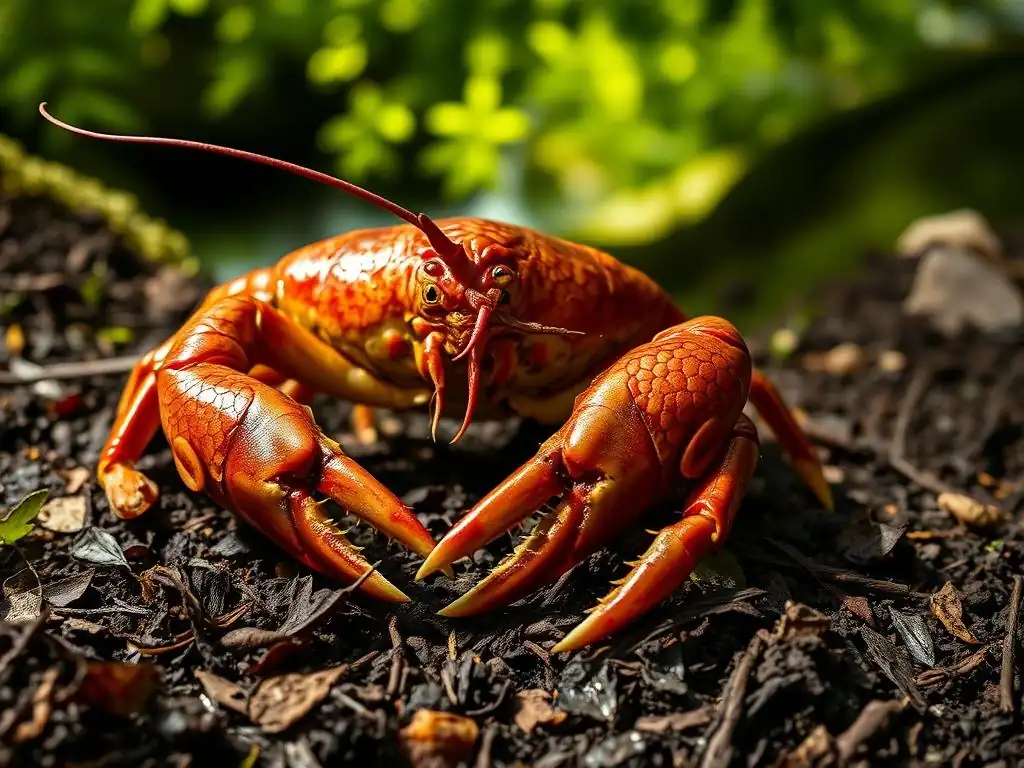
Non-native crayfish are often highly effective predators, and their introduction can have devastating consequences for vulnerable native fish and amphibian populations. They are opportunistic feeders, consuming large quantities of fish eggs and newly hatched larvae, which are particularly susceptible due to their immobility and lack of defenses. For instance, studies on the Rusty Crayfish ( Orconectes rusticus) in North American lakes have shown that they can consume up to 20% of fish eggs in critical spawning areas, leading to significant recruitment failures for species like smallmouth bass and walleye.
Similarly, amphibian populations are highly vulnerable to predation by invasive crayfish. Crayfish readily consume amphibian eggs and tadpoles, which lack the mobility to escape these aggressive predators. Research in Europe has linked the presence of the Red Swamp Crayfish ( Procambarus clarkii) to declines in native newt and frog populations, as the crayfish can decimate amphibian breeding success. This direct predatory pressure is a primary mechanism by which releasing crayfish harms ecosystems, specifically targeting the most vulnerable life stages of native vertebrates.
Competition for Resources: Outcompeting Native Crayfish and Macroinvertebrates
Invasive crayfish species are often superior competitors for vital resources such as food, shelter, and breeding sites. They typically exhibit faster growth rates, reach larger sizes, and have higher reproductive outputs compared to many native crayfish species. For example, the Red Swamp Crayfish can produce multiple clutches of eggs per year, with each clutch containing hundreds of eggs, significantly outperforming the reproductive capacity of many indigenous European and Asian crayfish species. This reproductive advantage allows them to quickly dominate available resources.
This intense competition extends beyond native crayfish to a wide array of other aquatic macroinvertebrates, including insect larvae, snails, and worms, which are crucial components of aquatic food webs. By outcompeting these organisms, invasive crayfish reduce the overall food base available for native fish, birds, and other wildlife. The displacement and decline of these essential invertebrates highlight how releasing crayfish harms ecosystems by fundamentally altering the structure and function of the entire aquatic community.
Habitat Destruction: Crayfish Burrowing and Streambank Erosion
Certain invasive crayfish species, particularly the Red Swamp Crayfish, are notorious for their extensive burrowing activities. These burrows can be several feet deep and wide, and when constructed in large numbers along streambanks, lake shores, or even in agricultural fields, they can cause significant physical damage to the environment. The cumulative effect of these burrows destabilizes soil, leading to increased erosion, slumping of banks, and alterations in water flow patterns.
Furthermore, invasive crayfish often graze heavily on submerged aquatic vegetation, which provides crucial habitat, food, and refuge for many native fish, invertebrates, and waterfowl. Their consumption of these plants can lead to a reduction or complete elimination of aquatic plant beds, transforming clear, vegetated waters into turbid, barren environments. This direct habitat destruction and modification clearly demonstrate how releasing crayfish harms ecosystems by physically altering the aquatic landscape and reducing its ecological value.
Disease Transmission: The Risk of Spreading Crayfish Plague and White Spot Syndrome
One of the most devastating impacts of non-native crayfish introductions is the transmission of diseases to which native species have no immunity. The most infamous example is the Crayfish Plague ( Aphanomyces astaci), a highly virulent water mould native to North America. While North American crayfish species have co-evolved with this pathogen and are often resistant carriers, European and some Asian native crayfish species are extremely susceptible, experiencing near 100% mortality rates upon exposure.
The introduction of infected North American crayfish, often via the pet trade or bait use, has decimated native European crayfish populations, leading to the collapse of once-thriving species like the Noble Crayfish ( Astacus astacus). Beyond crayfish plague, there's also the risk of transmitting other pathogens, such as White Spot Syndrome Virus (WSSV), which primarily affects shrimp and other crustaceans and can have significant aquaculture impacts. The potential for disease transmission is a critical, often irreversible, way that releasing crayfish harms ecosystems, particularly vulnerable native populations.
Case Studies: Real-World Examples of Crayfish Invasions
The Rusty Crayfish (Orconectes rusticus) Invasion: A North American Disaster
The Rusty Crayfish, native to the Ohio River Basin, has become one of North America's most destructive aquatic invasive species. Its spread, largely attributed to use as live bait and accidental release from aquariums, has been rapid and extensive, particularly throughout the Great Lakes region and into many northern U.S. states and Canadian provinces. This species is characterized by its large size, aggressive demeanor, and high reproductive rate, making it a formidable competitor.
Ecological impacts are severe: Rusty Crayfish outcompete native crayfish species, leading to their decline or extirpation. For example, in parts of Wisconsin and Michigan, populations of native species like the Northern Clear Water Crayfish ( Orconectes propinquus) have plummeted due to direct competition and even hybridization. Furthermore, Rusty Crayfish consume vast amounts of aquatic vegetation, reducing crucial habitat for fish and invertebrates, and prey heavily on fish eggs and young fish, directly impacting sport fish populations. This clear trajectory shows how releasing crayfish harms ecosystems directly and indirectly across North America.
The Red Swamp Crayfish (Procambarus clarkii) in Europe and Asia: A Widespread Threat
Originating from the Southern United States, the Red Swamp Crayfish has achieved a global invasion, establishing populations in over 40 countries across Europe, Asia, Africa, and Central and South America. Its success is due to remarkable adaptability, high fecundity (producing hundreds of eggs per clutch, with multiple clutches annually), and an omnivorous diet that allows it to exploit diverse food sources. It can tolerate a wide range of environmental conditions, including low oxygen and temporary droughts, by burrowing.
In Europe, particularly in Spain and France, the Red Swamp Crayfish has been linked to significant ecological and economic damage. It devastates native amphibian populations by consuming eggs and larvae, competes fiercely with native fish for food, and transmits the deadly Crayfish Plague to susceptible European species. Its extensive burrowing also damages irrigation systems, rice paddies, and natural streambanks, leading to erosion and agricultural losses. This widespread invasion vividly illustrates how releasing crayfish harms ecosystems on a global scale, affecting both natural biodiversity and human economies.
Lessons Learned: Common Factors Contributing to Successful Crayfish Invasions
The case studies of the Rusty and Red Swamp Crayfish, among others, reveal common factors that contribute to the success of invasive crayfish species. Key biological traits include high reproductive output, rapid growth to maturity, large adult size, aggressive behavior, and a broad, omnivorous diet. These characteristics give them a significant competitive advantage over native species, allowing them to quickly establish dominant populations in new environments.
Beyond biological traits, human-mediated pathways are crucial for their spread. The pet trade, where individuals may be intentionally or accidentally released, is a primary vector. The use of live crayfish as bait for fishing, and escapes from aquaculture facilities, also contribute significantly. These lessons highlight that preventing future invasions hinges on controlling these human pathways and educating the public about the severe ecological consequences, emphasizing that releasing crayfish harms ecosystems primarily due to human negligence or lack of awareness.
Preventing Crayfish Release: Responsible Aquarium Keeping and Pet Ownership
Alternatives to Releasing Crayfish: Rehoming, Humane Euthanasia, and Responsible Disposal Options
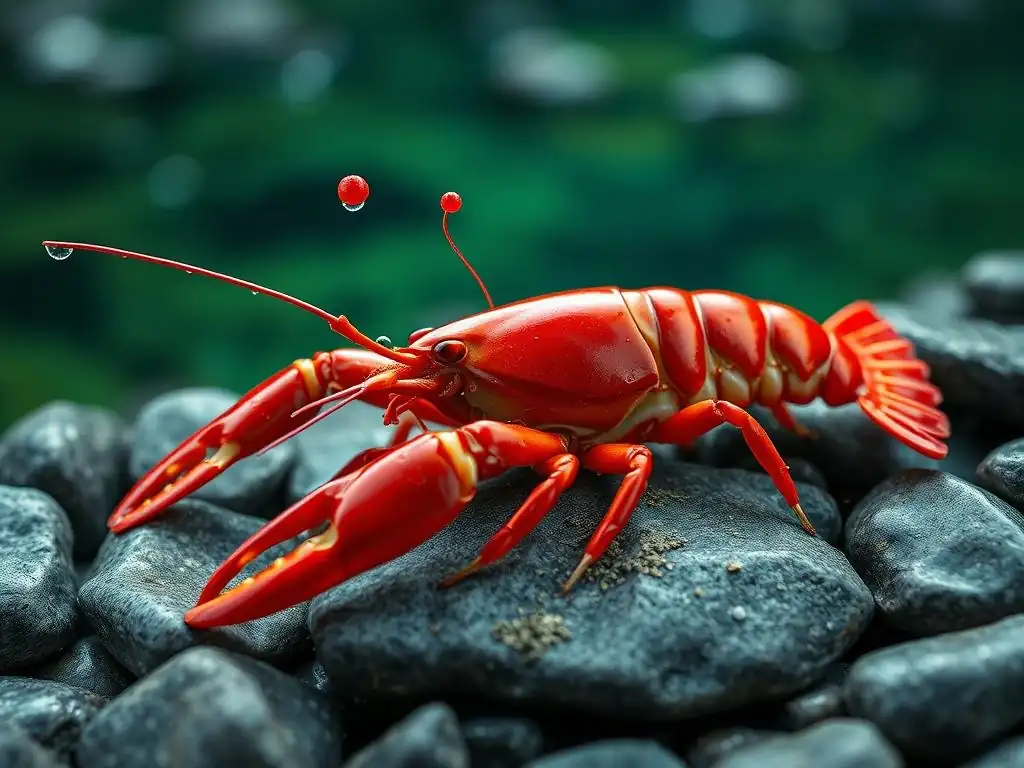
The first and most critical step in preventing invasive species introductions is to never release any aquarium animal into the wild. If an aquarist can no longer care for a crayfish, several responsible alternatives exist. Rehoming is often the best option; this can involve contacting local aquarium clubs, reputable pet stores that accept surrenders, or educational institutions that might utilize the animal for display or research. Ensuring the crayfish finds a suitable and caring new home is paramount.
When rehoming is not feasible, and as a last resort, humane euthanasia should be considered rather than releasing the animal to its likely demise or ecological damage. For invertebrates like crayfish, humane methods often involve chilling followed by freezing, which induces a state of torpor before death.
Once deceased, the crayfish should be disposed of in a sealed plastic bag within general household waste, never flushed down toilets or drains, nor buried outdoors, as even dead animals can carry pathogens or be dug up and pose a risk. This responsible approach directly prevents the detrimental act of releasing crayfish harms ecosystems.
Understanding Local Laws and Regulations Regarding Invasive Species
Responsible pet ownership includes a thorough understanding of local, state, and national laws concerning the possession and release of non-native species. Many jurisdictions have strict regulations prohibiting the sale, transport, or release of certain species identified as invasive or potentially invasive. For example, in numerous U.S. states, it is illegal to possess or transport species like the Rusty Crayfish without a special permit, let alone release them.
Ignorance of these laws is typically not a valid defense, and violations can result in significant fines, confiscation of animals, and even imprisonment. Before acquiring any new aquatic pet, especially a crayfish, it is imperative to research whether the species is legal to own in your area and whether there are any restrictions on its care or disposal. Adhering to these regulations is a crucial step in ensuring that hobbyists do not inadvertently contribute to the problem, reinforcing why releasing crayfish harms ecosystems is not only damaging but often illegal.
Educating Others: Spreading Awareness About the Dangers of Releasing Crayfish
Aquarists have a unique opportunity and responsibility to educate others about the perils of releasing pets into the wild. By sharing knowledge and experiences, hobbyists can significantly contribute to preventing future invasive species introductions. This can involve casual conversations with friends and family, participating in online forums dedicated to aquarium keeping, or even engaging with local community groups and schools.
Supporting and promoting "Don't Let It Loose" campaigns or similar public awareness initiatives is also highly effective. These campaigns often provide clear, actionable advice on responsible pet ownership and the ecological consequences of releases. By fostering a culture of responsibility within the aquarium hobby, collective efforts can reduce the incidence of accidental or intentional releases, thereby protecting native aquatic environments from the severe impacts that occur when releasing crayfish harms ecosystems.
Protecting Native Ecosystems: What Can Be Done?
Early Detection and Rapid Response Strategies
Effective management of invasive species hinges on early detection and rapid response (EDRR). The sooner an invasive crayfish population is identified in a new area, the higher the likelihood of successful containment or eradication. This often involves systematic monitoring of waterways by environmental agencies, but citizen science programs also play a crucial role, empowering local communities to report unusual sightings or suspected invasive species. Prompt reporting allows authorities to assess the situation quickly.
Once detected, rapid response protocols are initiated, which typically involve immediate assessment of the invasion's extent, followed by targeted control or removal efforts. These might include intensive trapping programs, manual removal, or habitat modification in localized areas. While complete eradication is challenging for established populations, EDRR strategies are vital for preventing small incursions from becoming widespread disasters, thereby mitigating the extensive harm that occurs when releasing crayfish harms ecosystems.
Crayfish Control and Eradication Methods: Challenges and Successes
Controlling or eradicating invasive crayfish populations is a complex and often resource-intensive undertaking, primarily due to their adaptability, high reproductive rates, and ability to disperse. Common control methods include various forms of trapping (baited traps are widely used), manual removal by divers or volunteers, and in some cases, habitat modification such as dewatering or introducing barriers. Biological control methods are generally considered risky and are rarely implemented due to unpredictable ecological side effects.
While complete eradication of large, established populations is rare, localized successes have been achieved, particularly in smaller, isolated water bodies or during the early stages of an invasion. For example, sustained trapping efforts in certain ponds have significantly reduced Red Swamp Crayfish populations, though rarely achieving full elimination. These efforts highlight the need for long-term commitment, adaptive management strategies, and integrated approaches to manage the ongoing damage caused when releasing crayfish harms ecosystems.
Supporting Conservation Efforts: Protecting Native Crayfish Habitats
Beyond direct control of invasive species, a critical component of protecting native ecosystems is the conservation and restoration of native crayfish habitats. Healthy, intact ecosystems are inherently more resilient to invasive species introductions and are better able to recover from disturbances. This involves reducing pollution, maintaining natural water flow regimes, protecting riparian zones, and restoring degraded habitats to enhance their ecological integrity.
Supporting organizations and research initiatives focused on native species conservation is also vital. Many native crayfish species are themselves endangered or threatened due to habitat loss, pollution, and the pressures from invasive competitors and diseases. By contributing to efforts that preserve genetic diversity and protect critical habitats for native crayfish, individuals can help bolster the resilience of these often-overlooked but ecologically important species, counteracting the profound negative effects that occur when releasing crayfish harms ecosystems.
Maintaining a Healthy Aquarium Without Harming the Environment
Responsible Sourcing of Aquarium Crayfish
A fundamental aspect of responsible aquarium keeping is the ethical and environmentally sound sourcing of all aquatic life, including crayfish. Hobbyists should only purchase crayfish from reputable dealers who can provide assurance about the species' origin, ensuring they are not wild-caught from sensitive ecosystems or illegally harvested. It is also crucial to choose species that are known to be less invasive or are not listed as prohibited in your region, reducing the risk should an accidental escape occur.
Before making a purchase, conduct thorough research on the specific crayfish species you intend to acquire. Verify its scientific name to avoid misidentification, understand its adult size, temperament, and specific care requirements to ensure you can provide a suitable long-term home. By making informed choices at the point of acquisition, aquarists take the first proactive step in preventing the cascading issues that arise when releasing crayfish harms ecosystems.
Managing Crayfish Populations in Aquariums: Preventing Escapes
Crayfish are notorious escape artists, possessing remarkable abilities to climb and squeeze through small openings. Therefore, maintaining a secure aquarium environment is paramount to prevent escapes that could lead to environmental harm. This requires a tightly fitting lid without any gaps, as even a small opening can be an escape route. Regular inspections of the tank and its surroundings for potential escape points are also essential.
Additionally, proper tank conditions, including adequate space, appropriate water parameters, and sufficient hiding spots, are crucial for minimizing stress and aggressive behaviors among tank inhabitants. Overcrowding can lead to crayfish attempting to escape in search of more suitable territory. By ensuring a stable and secure environment, aquarists significantly reduce the risk of their pets entering natural waterways, thereby preventing the severe consequences that follow when releasing crayfish harms ecosystems.
Contributing to a Sustainable Aquarium Hobby: Protecting Aquatic Ecosystems
The aquarium hobby, when practiced responsibly, can be a powerful force for education and conservation. By adopting sustainable practices, hobbyists contribute positively to the health of aquatic ecosystems. This includes proper disposal of aquarium water and waste – never pour tank water directly into drains that lead to natural waterways, as it can contain non-native organisms, pathogens, or chemicals. Instead, dispose of it responsibly, perhaps by using it to water houseplants.
Ultimately, contributing to a sustainable aquarium hobby means fostering a deep understanding of the interconnectedness between our aquariums and the broader environment. It means advocating for responsible pet ownership, supporting conservation efforts, and acting as stewards for aquatic life. By committing to these principles, every aquarist plays a vital role in ensuring that the joy of keeping aquariums does not come at the expense of our precious native aquatic ecosystems, actively working to prevent the widespread damage that occurs when releasing crayfish harms ecosystems.
Frequently Asked Questions
Why is releasing crayfish into the wild harmful?
Releasing crayfish can introduce invasive species that outcompete native crayfish and other aquatic life. This can lead to a loss of biodiversity and disruption of the food web.
What are the potential consequences of invasive crayfish populations?
Invasive crayfish can cause significant damage to ecosystems, including habitat destruction by burrowing, increased water turbidity, and the spread of diseases that harm native species.
How do invasive crayfish outcompete native species?
Invasive crayfish often have a higher reproductive rate, are more aggressive feeders, and are more tolerant of poor water quality than native crayfish, giving them a competitive advantage.
What should I do if I no longer want my pet crayfish?
Never release it into the wild. Instead, consider rehoming it to another responsible aquarist, donating it to a school or educational facility, or euthanizing it humanely.
How can I help prevent the spread of invasive crayfish?
Be a responsible pet owner by never releasing aquarium inhabitants into the wild. Educate others about the dangers of invasive species and support conservation efforts aimed at protecting native ecosystems.
Final Reflection: The Ripple Effect of Our Choices
The information presented throughout this article underscores a crucial point: releasing crayfish harms ecosystems. It's not simply a matter of letting a pet go; it's an action with far-reaching consequences, disrupting delicate balances and threatening the survival of native species. The urgency of this message is amplified by the increasing interconnectedness of our world, where seemingly isolated actions can have devastating global impacts.
This issue of invasive species, particularly crayfish, has profoundly shaped and continues to shape the biodiversity landscape. Understanding the interconnectedness of ecosystems is paramount, and the seemingly small act of releasing a crayfish can trigger a cascade of negative effects. In nature, nothing exists alone.
- Rachel Carson. This quote perfectly encapsulates the reality that every organism plays a role, and introducing a foreign element can unravel the entire fabric of an ecosystem.
Now, consider the power of informed choices. Let us all reflect on the responsibility we bear as stewards of the environment. Before acting, ask yourself: What are the potential consequences? How can I ensure my actions contribute to the health and resilience of our planet? By embracing mindful practices and promoting awareness, we can collectively safeguard our native ecosystems and prevent the devastating impacts of invasive species like released crayfish.
Unleash Your Inner Conservationist!
Thank you for diving into the world of crayfish and their impact on our delicate ecosystems. Now that you're armed with this knowledge, let's put it into action and safeguard our native species.
Here's how you can make a difference:
- Become a Crayfish Advocate: Report any suspected invasive crayfish sightings to your local wildlife agency or natural resources department. Early detection is key!
- Dive deeper into your local ecosystem! Volunteer for a stream cleanup or habitat restoration project in your area to gain firsthand experience and support native species.
- Share this article! Help us spread the word by sharing this information with friends, family, and fellow aquarium enthusiasts to raise awareness about the importance of responsible pet ownership and ecosystem conservation.
What steps will you take today to protect our waterways from invasive species?