
Are Moray Eels Reef Safe? Navigating Risks with Corals & Invertebrates

Welcome to Aquarium Mastery!
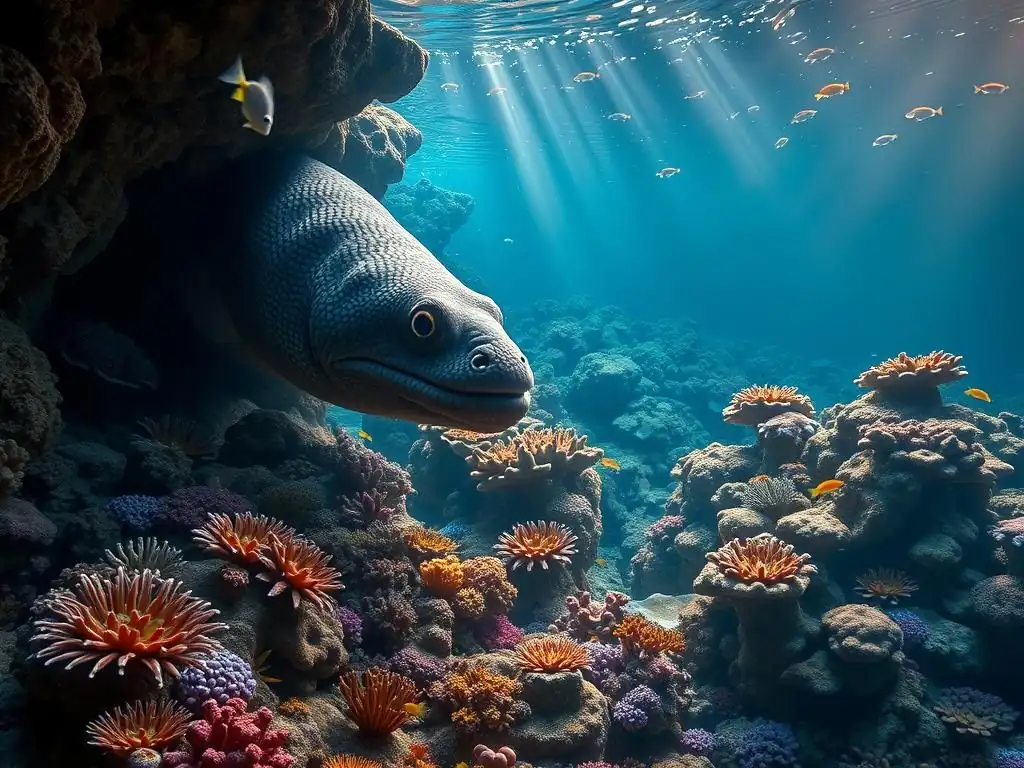
Dive into the captivating world of saltwater aquariums and discover the truth about moray eels and their compatibility with reef environments. Curious if these fascinating predators can coexist peacefully with your corals and invertebrates? Explore our in-depth article, " Are Moray Eels Reef Safe? Navigating Risks with Corals & Invertebrates," to unravel the mysteries and learn how to create a balanced and thriving reef ecosystem. Let's uncover the potential dangers and best practices together!
- Understanding Moray Eels and Reef Aquariums
- Moray Eels: Predatory Behaviors and Reef Inhabitants
- Assessing Moray Eel Reef Safety: Species Specific Considerations
- Factors Influencing Moray Eel Behavior in a Reef Environment
- Protecting Your Reef: Strategies for Coexistence
- Alternative Predatory Fish Options for Reef Tanks
- The Final Verdict: Moray Eels and Reef Tank Compatibility
-
Frequently Asked Questions
- Are Moray Eels Generally Considered Reef Safe?
- What Types of Corals Are Most Vulnerable to Moray Eels?
- Which Moray Eel Species Are Least Likely to Cause Problems in a Reef Tank?
- What are the Key Considerations When Deciding Whether to Keep a Moray Eel in a Reef Tank?
- What Can Be Done to Mitigate Risks if Keeping a Moray Eel in a Reef Tank?
- Final Reflection: Unveiling the Eel's Enigma
- Dive Deeper: Unlock a Thriving Eel-Friendly Reef!
Understanding Moray Eels and Reef Aquariums
What Makes a Reef Tank a Reef Tank?
A reef tank is a specialized marine aquarium designed to replicate a natural coral reef environment, housing not only fish but also a diverse array of corals and various invertebrates. These complex ecosystems demand meticulous attention to water chemistry and stability. Key parameters typically include a stable salinity of 1.023-1.026 specific gravity, a consistent temperature range of 72-78°F (22-26°C), and a pH level between 8.1 and 8.4.
Beyond these basic parameters, the success of a reef tank hinges on maintaining optimal levels of alkalinity (7-12 dKH), calcium (400-450 ppm), and magnesium (1250-1350 ppm) to support coral growth and overall invertebrate health. The presence of live rock, which provides biological filtration and habitat, along with a carefully selected assortment of soft corals, large polyp stony (LPS) corals, and small polyp stony (SPS) corals, defines the aesthetic and biological complexity of such a setup.
The Allure of Moray Eels in Saltwater Aquariums
Moray eels captivate aquarists with their unique serpentine bodies, cryptic behavior, and often striking patterns. Their ability to gracefully navigate intricate rockwork and their fascinating predatory instincts make them a compelling addition for many saltwater enthusiasts seeking a distinctive centerpiece fish. Unlike many open-water swimmers, moray eels typically prefer to hide within crevices, emerging only to hunt or investigate their surroundings.
The appeal of moray eels also stems from their impressive longevity; many species, such as the Snowflake Eel, can live for 10-20 years in captivity with proper care, while larger species like the Green Moray Eel can potentially exceed 30 years. This long-term commitment adds to their allure for dedicated aquarists who appreciate the opportunity to observe these ancient creatures over an extended period.
The Question of Compatibility: Can Moray Eels Live in a Reef Tank?
The compatibility of moray eels with a delicate reef environment is a complex and frequently debated topic among aquarists. At its core, the dilemma arises from the eels' inherent predatory nature clashing with the vulnerability of many common reef inhabitants. While moray eels typically do not consume corals directly, their diet of fish and invertebrates poses a significant risk to the smaller, more fragile residents of a reef tank.
Therefore, the question of "moray eels reef safety" does not have a simple yes or no answer. It depends heavily on the specific moray eel species, the size and design of the aquarium, and the aquarist's willingness to accept potential risks and adapt their tank's stocking choices. While some species are generally considered more "reef-safe with caution," others are unequivocally unsuitable for any coral-filled environment.
Moray Eels: Predatory Behaviors and Reef Inhabitants
Moray Eel Diet: A Carnivorous Appetite
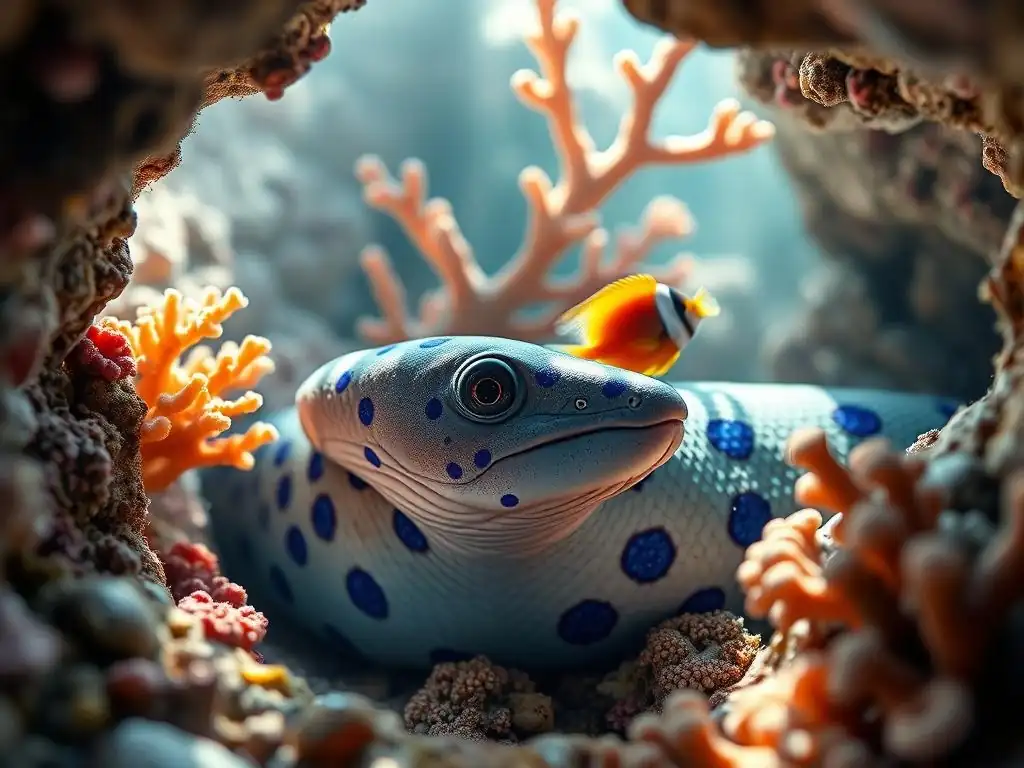
Moray eels are obligate carnivores, meaning their diet in the wild consists exclusively of animal matter. Their natural prey includes a wide variety of marine life, such as smaller fish, various crustaceans like crabs and shrimp, octopuses, and other cephalopods. They are ambush predators, often lying in wait within rock crevices and using their keen sense of smell to detect prey.
Once prey is detected, morays employ powerful, often double-jawed mouths to capture and consume their meals. Their nocturnal tendencies mean they are most active hunters during the night, which can be particularly problematic in a reef tank where many small fish and invertebrates become less vigilant after dark. This inherent predatory drive is a primary consideration when evaluating moray eels reef safety.
Potential Risks to Small Fish and Invertebrates
The most significant concern regarding moray eels reef safety revolves around their predatory threat to other tank inhabitants. Any fish small enough to fit into a moray eel's mouth, regardless of its typical temperament, is at risk. This includes popular reef fish such as small wrasses, gobies, blennies, and even juvenile clownfish. For instance, a medium-sized Snowflake Eel measuring 20 inches (50 cm) could easily consume a 3-inch (7.5 cm) clownfish or a small damselfish.
Beyond fish, moray eels pose a substantial threat to ornamental invertebrates. Cleaner shrimp, peppermint shrimp, various snail species, and small hermit crabs are all potential prey. Even larger invertebrates like emerald crabs or small decorator crabs can be targeted, as their hard exoskeletons are no match for a moray's powerful jaws. Aquarists must be prepared for the likelihood of losing these valuable reef denizens if a moray eel is introduced.
Corals and Moray Eels: A Different Dynamic
Unlike some other predatory fish that might nip at or consume corals, moray eels generally do not directly feed on or intentionally damage corals. Their diet is strictly carnivorous, focusing on mobile prey rather than sessile invertebrates. This distinction is often cited by those who argue for the possibility of moray eels reef safety in certain setups.
However, indirect damage to corals is a very real possibility. Moray eels, especially larger individuals, can be clumsy or powerful when navigating through rockwork or hunting. They may dislodge coral frags, knock over entire coral colonies, or even destabilize live rock structures while attempting to squeeze into tight spaces or pursue prey. Such actions can lead to coral stress, tissue damage, or even death, particularly for delicate SPS corals that are easily broken.
Assessing Moray Eel Reef Safety: Species Specific Considerations
Reef-Safe Moray Eel Species: Snowflake Eel (Echidna nebulosa), Zebra Moray Eel (Gymnomuraena zebra)
When discussing moray eels reef safety, two species are frequently mentioned as the most suitable candidates due to their smaller size and more specialized diets. The Snowflake Eel ( Echidna nebulosa) typically reaches an adult length of 24-30 inches (60-75 cm).
In the wild, its diet primarily consists of crustaceans, making it less likely to actively hunt fish compared to other moray species. While still a risk to ornamental shrimp and crabs, it is considered one of the most reef-safe moray eels for tanks of 50-75 gallons (approximately 190-280 liters) or larger, provided tank mates are robust and too large to be consumed.
The Zebra Moray Eel ( Gymnomuraena zebra) is often regarded as the most reef-safe moray eel due to its highly specialized diet of crabs, shrimp, and mollusks in its natural habitat, coupled with a generally very docile temperament towards fish. It can grow larger, reaching 36-60 inches (90-150 cm), but its mouth structure and feeding habits make it less of a threat to fish than other eels.
For this reason, it is considered the prime choice for aquarists prioritizing moray eels reef safety, though it will still consume nearly all ornamental crustaceans. A minimum tank size of 75-125 gallons (280-470 liters) is recommended for an adult Zebra Moray.
Moray Eels to Avoid in Reef Tanks: Green Moray Eel (Gymnothorax funebris), Giant Moray Eel (Gymnothorax javanicus)
Conversely, many moray eel species are entirely unsuitable for reef aquariums due to their immense size, highly predatory nature, and aggressive feeding habits. The Green Moray Eel ( Gymnothorax funebris) is a prime example.
While often seen in public aquariums, it can reach lengths of 8 feet (2.4 meters) or more and is an indiscriminate predator that will consume virtually any fish or invertebrate it can fit into its enormous mouth. Its sheer size and power make it a danger to tank mates and the aquascape itself, requiring hundreds of gallons to house even a sub-adult specimen, rendering it entirely impractical for most home reef tanks.
Similarly, the Giant Moray Eel ( Gymnothorax javanicus) is an apex predator of the reef, capable of exceeding 8 feet (2.4 meters) in length and weighing over 60 pounds (27 kg). This species is extremely powerful and aggressive, preying on large fish and cephalopods. Its presence in a home aquarium, especially a reef tank, is irresponsible and dangerous, as it would decimate the entire population of fish and invertebrates and require an aquatic system of thousands of gallons. Attempting to house such a species in a typical reef setup would negate any concept of moray eels reef safety.
Tank Size and Aquascaping: Mitigating Risks
Appropriate tank size and thoughtful aquascaping are crucial for maximizing moray eels reef safety, even with the more compatible species. A larger tank provides more swimming space for other fish to evade the eel and reduces overall stress for all inhabitants. For example, housing a 24-inch Snowflake Eel in a 75-gallon tank offers significantly more room for movement and hiding compared to a smaller 50-gallon setup. More volume also helps dilute waste and maintain stable water parameters, which are vital for eel health and temperament.
Aquascaping should prioritize providing ample, secure hiding spots for the moray eel. This includes creating numerous caves, tunnels, and crevices using live rock, or even incorporating PVC pipes within the rock structure to offer safe havens. It is imperative that all live rock is extremely stable and cannot be toppled by the eel's movements, preventing potential damage to corals or injury to the eel itself. Designing the aquascape with both open swimming areas for other fish and secure, stable perches for corals can help mitigate some of the risks associated with moray eels reef safety.
Factors Influencing Moray Eel Behavior in a Reef Environment
Water Quality Parameters and Moray Eel Health
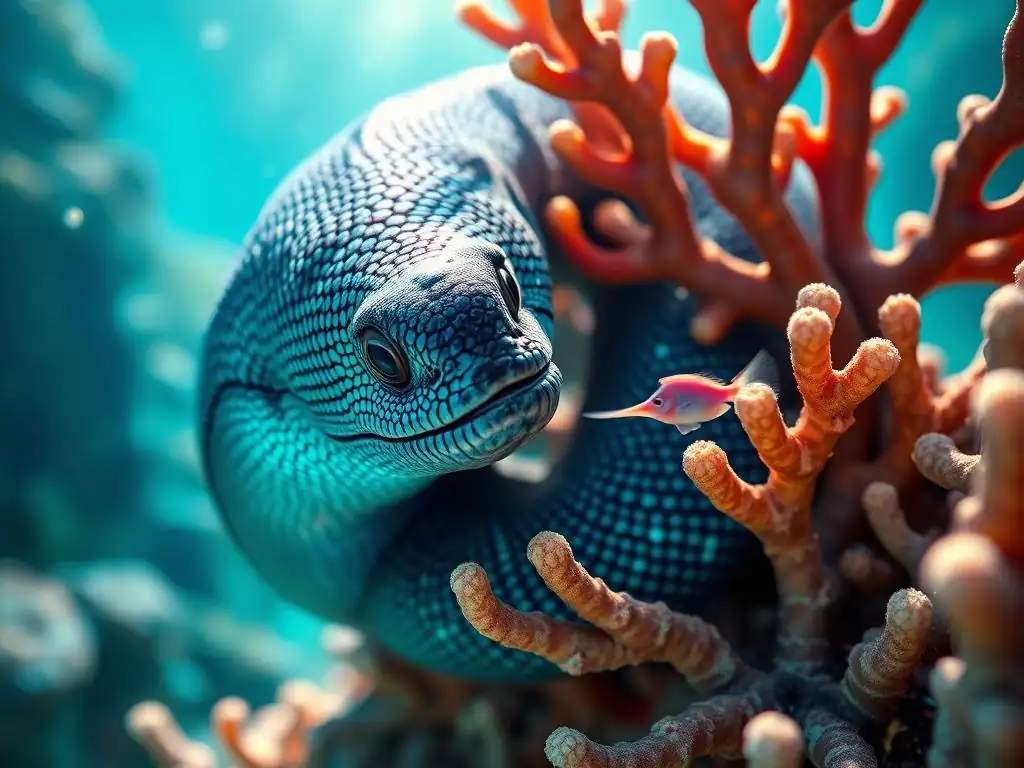
Maintaining pristine and stable water quality is paramount for the health and temperament of any moray eel, which in turn significantly influences its behavior in a reef environment. Stress caused by poor water conditions can make an eel more erratic, aggressive, and prone to unpredictable predatory outbursts. Therefore, all standard reef tank parameters must be meticulously maintained: salinity at approximately 1.025 specific gravity, a consistent temperature of 76°F (24.4°C), and a pH of 8.2.
Excellent filtration is non-negotiable, given the significant bioload even smaller moray eels can produce. Regular water changes, typically 10-20% bi-weekly, are essential to keep nitrate levels low, which is crucial for the health of both corals and fish. A healthy, unstressed moray eel is less likely to behave aggressively or unpredictably, contributing positively to overall moray eels reef safety.
Feeding Practices: Reducing Predatory Instincts
Consistent and appropriate feeding is a critical strategy to reduce a moray eel's predatory instincts within a reef tank. Well-fed eels are less likely to actively hunt tank mates out of hunger. Aquarists should offer a varied diet of high-quality frozen foods such as silversides, shrimp, squid, or krill. For adult eels, feeding 2-3 times per week is generally sufficient to keep them satiated.
It is highly recommended to target feed the moray eel using a feeding stick or tongs. This not only ensures the eel receives its fair share of food but also minimizes the risk of accidental bites to the aquarist's fingers. While regular feeding helps curb hunger-driven predation, it's important to understand that it does not entirely eliminate the inherent predatory drive of a moray eel, especially towards very small or vulnerable tank mates.
Tank Mate Selection: Choosing Compatible Inhabitants
Careful tank mate selection is perhaps the most critical factor in achieving any degree of moray eels reef safety. The golden rule is to choose tank mates that are significantly larger than the eel's mouth and are not slow-moving or bottom-dwelling. For instance, adult tangs, larger angelfish, or certain robust triggerfish (provided they are not overly aggressive themselves) can coexist with smaller, more placid moray species like the Snowflake or Zebra Eel.
Conversely, aquarists must avoid stocking small, delicate, or easily preyed-upon fish such as small wrasses, gobies, blennies, and damselfish. Furthermore, most ornamental shrimp and crabs, despite their cleaning benefits or aesthetic appeal, are at high risk of becoming a moray eel's meal. If an aquarist insists on having invertebrates, they should opt for larger, more robust species of crabs, but even then, the risk of predation remains substantial.
Protecting Your Reef: Strategies for Coexistence
Quarantine and Observation: Before Introducing a Moray Eel
Before introducing any new marine inhabitant, especially a potential predator like a moray eel, a thorough quarantine period is absolutely essential. A separate quarantine tank, ideally maintained for 4-6 weeks, allows the aquarist to observe the eel for any signs of disease, parasites, or stress. This period also provides an opportunity to ensure the eel is eating well and acclimating to captive feeding routines without the added stress of a main display tank.
Treating any health issues in a dedicated quarantine setup prevents the introduction of pathogens into the established reef system, which could devastate sensitive corals and fish. This proactive step is crucial for maintaining overall reef health and is a non-negotiable part of responsible moray eels reef safety practices.
Careful Acclimation: Minimizing Stress
Once the quarantine period is complete and the moray eel is deemed healthy, careful acclimation to the main reef tank is vital to minimize stress. Drip acclimation, slowly introducing small amounts of the main tank's water over 1-2 hours, allows the eel to gradually adjust to the new water parameters (temperature, salinity, pH). Rapid changes can induce shock and stress, potentially leading to erratic behavior or compromised health.
Introducing the moray eel during dimmed lights or after the main lights have gone out for the night can also help. This allows the eel to quietly explore its new environment and find a suitable hiding spot without the immediate pressure of inquisitive tank mates or bright illumination. A calm introduction contributes significantly to the eel's long-term well-being and its integration into the reef community, enhancing moray eels reef safety.
Monitoring Moray Eel Behavior and Reef Health
Even after successful introduction, continuous monitoring of the moray eel's behavior and the overall health of the reef system is paramount. Aquarists should regularly observe the eel for any signs of undue aggression, stress, or unusual activity. Keep a close watch for any missing or injured fish or invertebrates, which could indicate a predation event.
It's crucial to understand that despite best efforts, a moray eel's natural instincts may eventually override careful planning. If the eel consistently displays aggression towards tank mates, or if valuable reef inhabitants start disappearing, the aquarist must be prepared to make the difficult decision to remove the moray eel from the reef tank. Moray eels reef safety is not a one-time assessment but an ongoing commitment to observation and adaptation.
Alternative Predatory Fish Options for Reef Tanks
Exploring Other Unique Saltwater Fish
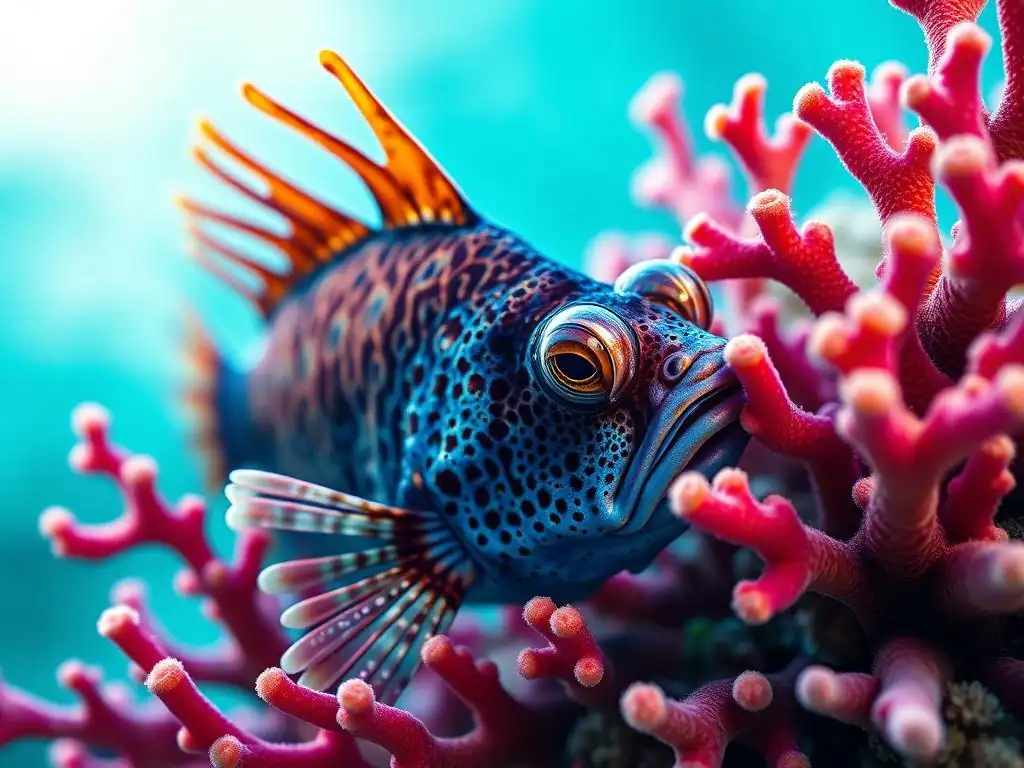
For aquarists fascinated by the predatory aesthetic but concerned about moray eels reef safety, several alternative unique saltwater fish options can provide a similar captivating presence with generally lower risk to corals and other tank mates. Dwarf lionfish, such as the Dwarf Fuzzy Lionfish ( Dendrochirus brachypterus), are popular choices. Reaching about 7 inches (18 cm), they possess a striking appearance and will consume small fish, but typically ignore corals and larger, robust tank mates.
Hawkfish are another intriguing group; a Flame Hawkfish ( Neocirrhites armatus), for example, grows to about 4 inches (10 cm) and is known for perching on rockwork. While they may occasionally prey on very small ornamental shrimp or crabs, they are generally considered very reef-safe for corals and larger fish. Certain larger dottybacks can also offer a predatory allure without the significant risks associated with moray eels.
Considerations for Choosing a Reef-Safe Predator
When selecting any predatory fish for a reef tank, thorough research is key. Aquarists must investigate the adult size of the chosen species, its typical diet in the wild and in captivity, and its known temperament. It is essential to ensure that the tank can comfortably accommodate the fish's full adult size and provide its specific environmental and hiding needs. For instance, a Dwarf Fuzzy Lionfish requires a tank of at least 30 gallons (113 liters), with plenty of open swimming space and secure hiding spots.
Prioritizing species that are known for being "reef-safe with caution" or generally compatible with corals and adequately sized tank mates is crucial. This approach minimizes the risk of unexpected predation or damage to the delicate reef ecosystem, allowing for a more harmonious display compared to the inherent challenges of ensuring moray eels reef safety.
Balancing Aesthetics and Ecosystem Health
Ultimately, the decision to introduce a predatory fish into a reef tank involves balancing the desire for a unique aesthetic with the imperative of maintaining a healthy and stable ecosystem. While the allure of a captivating predator like a moray eel is strong, it often comes with compromises regarding the types of other fish and invertebrates that can be safely housed.
For optimal ecosystem health and to avoid potential heartbreaks, sometimes the most responsible choice for certain predatory species, especially larger or more aggressive moray eels, is a dedicated FOWLR (Fish Only With Live Rock) tank. This allows the aquarist to enjoy the predatory fish without the constant worry of it impacting corals or consuming valuable reef inhabitants, thereby ensuring true moray eels reef safety for the animal itself and preventing harm to a delicate coral environment.
The Final Verdict: Moray Eels and Reef Tank Compatibility
Weighing the Risks and Rewards
The compatibility of moray eels with a reef tank environment presents a clear trade-off between inherent risks and unique rewards. The primary risks include the undeniable predatory threat to smaller fish and most ornamental invertebrates, the potential for indirect damage to corals through clumsy movements, a significant bioload requiring robust filtration, and their notorious ability to escape from tanks without secure lids. These challenges can lead to considerable financial and emotional costs if tank inhabitants are lost.
However, the rewards for dedicated aquarists can be substantial. Moray eels offer a truly unique, captivating, and often cryptic presence that becomes a fascinating centerpiece. Their ancient appearance, intelligent behavior, and long lifespans can provide years of engaging observation. For those willing to accept the inherent limitations and commit to stringent care protocols, the experience can be deeply rewarding. The question of moray eels reef safety, therefore, depends on an individual's willingness to manage these risks.
Responsible Moray Eel Keeping in a Reef Setting
Responsible moray eel keeping in a reef setting hinges on a series of critical decisions and unwavering commitment. Firstly, selecting only the most appropriate species, such as the Snowflake Eel ( Echidna nebulosa) or the Zebra Moray Eel ( Gymnomuraena zebra), is paramount. These species, while still predatory, have more specialized diets and generally less aggressive temperaments towards fish compared to their larger relatives.
Secondly, providing an adequately sized tank (e.g., 75 gallons or more for a Snowflake Eel) with an extremely secure lid and abundant, stable aquascaping is non-negotiable. Thirdly, maintaining impeccable water quality and consistent, appropriate feeding practices are crucial for the eel's health and to mitigate predatory instincts. Finally, understanding and accepting that certain reef inhabitants, particularly small shrimp and crabs, will likely become prey is part of the commitment to true moray eels reef safety.
Resources for Further Research and Expert Advice
For aquarists considering adding a moray eel to their reef system, continuous education and seeking expert advice are highly recommended. Consulting experienced aquarists who have successfully kept these fascinating creatures in reef environments can provide invaluable insights into their specific behaviors and nuanced care requirements.
Additionally, engaging with reputable online forums specializing in marine aquariums and visiting local fish stores that have knowledgeable staff experienced with unique saltwater species can offer further guidance. Cross-referencing information from multiple reliable sources ensures a comprehensive understanding of the commitment required to maintain moray eels reef safety and a thriving reef environment simultaneously.
Frequently Asked Questions
Are Moray Eels Generally Considered Reef Safe?
Generally, no. While some may coexist peacefully, most moray eels are opportunistic predators and will likely prey on smaller fish and invertebrates commonly found in reef environments. It's a significant risk.
What Types of Corals Are Most Vulnerable to Moray Eels?
Moray eels don't typically eat corals directly. However, their size and hunting behavior can damage delicate coral structures. Also, the stress caused by their presence could impact the coral's health.
Which Moray Eel Species Are Least Likely to Cause Problems in a Reef Tank?
Certain smaller moray eel species, like the Snowflake Moray, may be less destructive. However, even these pose a risk to smaller fish and invertebrates. Careful observation is always required.
What are the Key Considerations When Deciding Whether to Keep a Moray Eel in a Reef Tank?
The size of the aquarium, the temperament of the eel, and the size and type of other inhabitants are crucial factors. A dedicated fish-only tank is generally a safer and more suitable environment.
What Can Be Done to Mitigate Risks if Keeping a Moray Eel in a Reef Tank?
Provide the eel with plenty of hiding places to reduce stress. Ensure all tank mates are too large to be considered prey. Careful monitoring of the entire ecosystem is absolutely essential.
Final Reflection: Unveiling the Eel's Enigma
The exploration of moray eel reef safety, as we've seen, is not merely an academic exercise but a crucial undertaking for responsible reef keeping and conservation. Understanding the nuanced interactions between these captivating predators and the delicate coral ecosystem is paramount to ensuring the long-term health and biodiversity of our reefs. The decisions we make regarding their inclusion in reef aquariums, or even our perceptions of their role in the wild, directly impact the survival of countless other species.
This journey into the world of moray eels and their reef compatibility has highlighted the complexity of ecological balance. It's a reminder that every creature, even those perceived as potentially disruptive, plays a role in the intricate web of life. The responsibility falls on us to educate ourselves and make informed choices that minimize harm and promote harmony. As Jacques Cousteau once wisely stated, The sea, once it casts its spell, holds one in its net of wonder forever.
This wonder should inspire us to protect its delicate inhabitants.
Now, armed with a deeper understanding of the potential risks and rewards associated with moray eels in reef environments, I invite you to reflect on your own role in preserving these precious ecosystems. Consider how your choices, both big and small, can contribute to a more sustainable and balanced future for our coral reefs. Let us all strive to be informed stewards of the ocean, ensuring that the beauty and biodiversity of these underwater paradises endure for generations to come.
Dive Deeper: Unlock a Thriving Eel-Friendly Reef!
Thank you for exploring the fascinating world of moray eels and reef compatibility! We hope you’ve gained valuable insights into keeping a balanced and healthy aquarium ecosystem. Ready to put your knowledge into action?
- Plan and Design: Before introducing any moray eel, meticulously research and select compatible tank mates. Understand the specific needs of your chosen eel species, and ensure that your coral and invertebrates are not at risk.
- Share your success stories! Join the Aquarium Mastery community forum and discuss your experiences, challenges, and triumphs with keeping moray eels in reef aquariums. Help others learn and grow!
- Experiment with non-traditional feeding methods like offering food via tongs or using a dedicated feeding station to minimize the eel's predatory behavior towards smaller inhabitants.
What innovative strategies will you implement to foster harmony between your moray eel and the rest of your reef inhabitants?