
Red Sea Clownfish (Amphiprion bicinctus): TwoBarred Beauty & Anemone Hosting

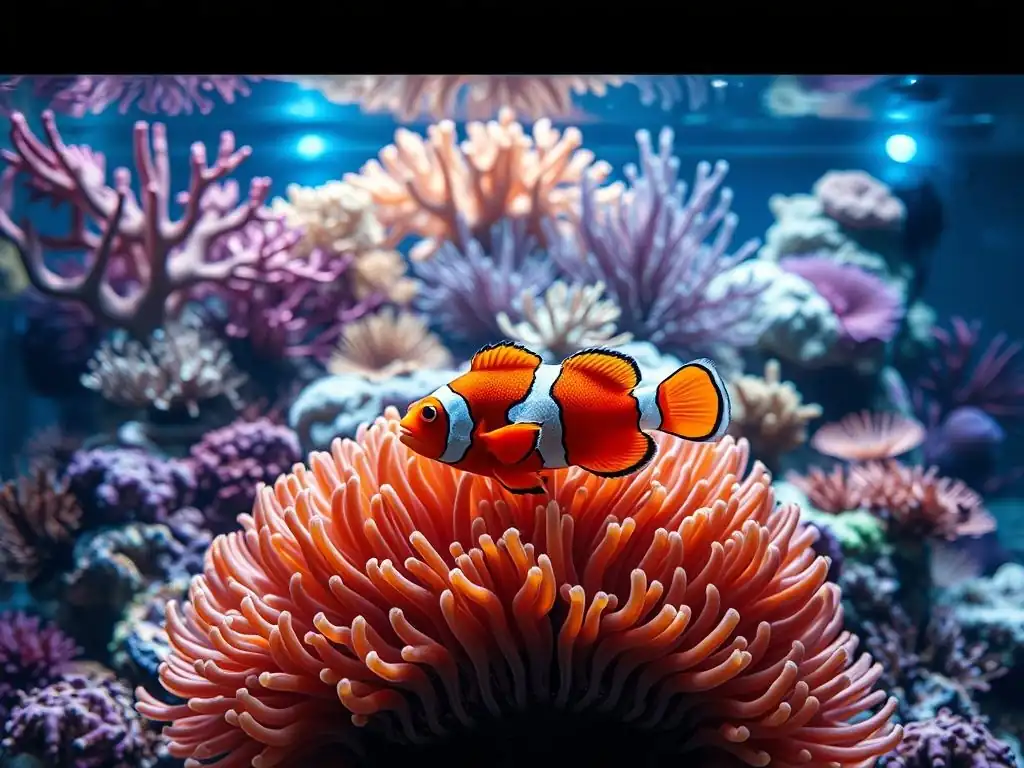
Welcome to Aquarium Mastery, your ultimate guide to thriving aquatic ecosystems!
Ever wondered how to unlock the secrets to a harmonious aquarium, especially when it comes to the captivating dance between clownfish and their anemone hosts? Dive in and discover everything you need to know about Clownfish Anemone Hosting Care, specifically focusing on the striking Red Sea Clownfish ( Amphiprion bicinctus). Learn how to recreate their natural habitat and ensure a thriving, balanced environment. What are the key factors that determine a successful symbiotic relationship? Let's explore!
- Understanding the Red Sea Clownfish (Amphiprion bicinctus)
- Clownfish Anemone Hosting: The Symbiotic Relationship
- Red Sea Clownfish Care Guide: Creating the Ideal Aquarium Environment
- Clownfish Tank Mates: Compatibility and Considerations
- Breeding Red Sea Clownfish: A Detailed Guide
- Common Health Issues in Red Sea Clownfish and Their Treatment
- Acquiring Red Sea Clownfish: Selecting Healthy Specimens
-
Frequently Asked Questions
- How crucial is an anemone for the well-being of Red Sea Clownfish?
- What types of anemones are most suitable for hosting Red Sea Clownfish?
- What specific water parameters are critical for keeping both Red Sea Clownfish and their host anemone healthy?
- How should I introduce a Red Sea Clownfish to its potential host anemone in a new aquarium?
- What are some common signs that either the Red Sea Clownfish or the anemone is stressed or unhealthy?
- Final Reflection: The Symbiotic Dance of Life
- Dive Deeper: Embrace the Clownfish Fascination!
Understanding the Red Sea Clownfish (Amphiprion bicinctus)
Origin and Habitat of the Two-Barred Clownfish
The Red Sea Clownfish, Amphiprion bicinctus, is endemic to the Red Sea and the Gulf of Aden, extending its range southwards along the coast of East Africa to Somalia. Its natural distribution encompasses the waters of countries such as Egypt, Sudan, Eritrea, Djibouti, Saudi Arabia, and Yemen. In their native environment, these captivating fish inhabit shallow coral reefs, typically found at depths ranging from 1 to 50 meters (approximately 3 to 164 feet). They are intrinsically linked to specific host anemones, seeking shelter and protection within their stinging tentacles.
Their natural habitat is characterized by warm, stable water temperatures, generally between 24°C and 28°C (75°F and 82°F), with excellent water clarity and abundant coral formations. These conditions foster a rich biodiversity, providing a complex ecosystem where the Red Sea Clownfish can thrive, feed on small invertebrates and algae, and reproduce. The presence of their host anemones, such as Entacmaea quadricolor (Bubble Tip Anemone) and Heteractis magnifica (Magnificent Sea Anemone), is crucial for their survival, offering a sanctuary from predators like larger reef fish.
Distinctive Features: Identifying Amphiprion bicinctus
The Red Sea Clownfish is readily identifiable by its striking appearance, primarily its two prominent white vertical bands set against a body coloration that can range from a vibrant orange-brown to a darker, almost chocolate-brown hue. The first band is located just behind the eye, extending from the dorsal fin to the ventral side, while the second band is positioned mid-body, typically wider and more irregular in shape, also spanning vertically across the fish. Unlike some other clownfish species, Amphiprion bicinctus consistently displays only these two bands throughout its life.
Furthermore, the caudal fin (tail fin) of the Red Sea Clownfish is often lighter than its body, sometimes appearing yellowish or even translucent, adding to its distinctiveness. Adult females are typically larger and more robust than males, a common characteristic among clownfish species, with dominant females reaching impressive sizes. Their overall body shape is robust and oval, typical of the Amphiprion genus, allowing them to navigate the anemone's tentacles with ease and agility.
Size and Lifespan of Red Sea Clownfish in Captivity
In a well-maintained home aquarium, Red Sea Clownfish can achieve an average adult size of approximately 10 to 14 centimeters (4 to 5.5 inches), with females generally reaching the larger end of this spectrum. Males typically remain slightly smaller, often around 8 to 10 centimeters (3 to 4 inches). The growth rate of these fish is influenced by several factors, including the quality and quantity of their diet, the stability of their aquarium environment, and the overall tank size, which should provide ample space for swimming and establishing territory.
When provided with optimal care, including stable water parameters, a balanced diet, and a stress-free environment, Red Sea Clownfish can exhibit remarkable longevity in captivity. It is not uncommon for Amphiprion bicinctus specimens to live for 10 to 15 years, with some exceptionally well-cared-for individuals reportedly reaching ages of 20 years or more. This long lifespan makes them a significant long-term commitment for aquarists, emphasizing the importance of consistent and diligent clownfish anemone hosting care.
Clownfish Anemone Hosting: The Symbiotic Relationship
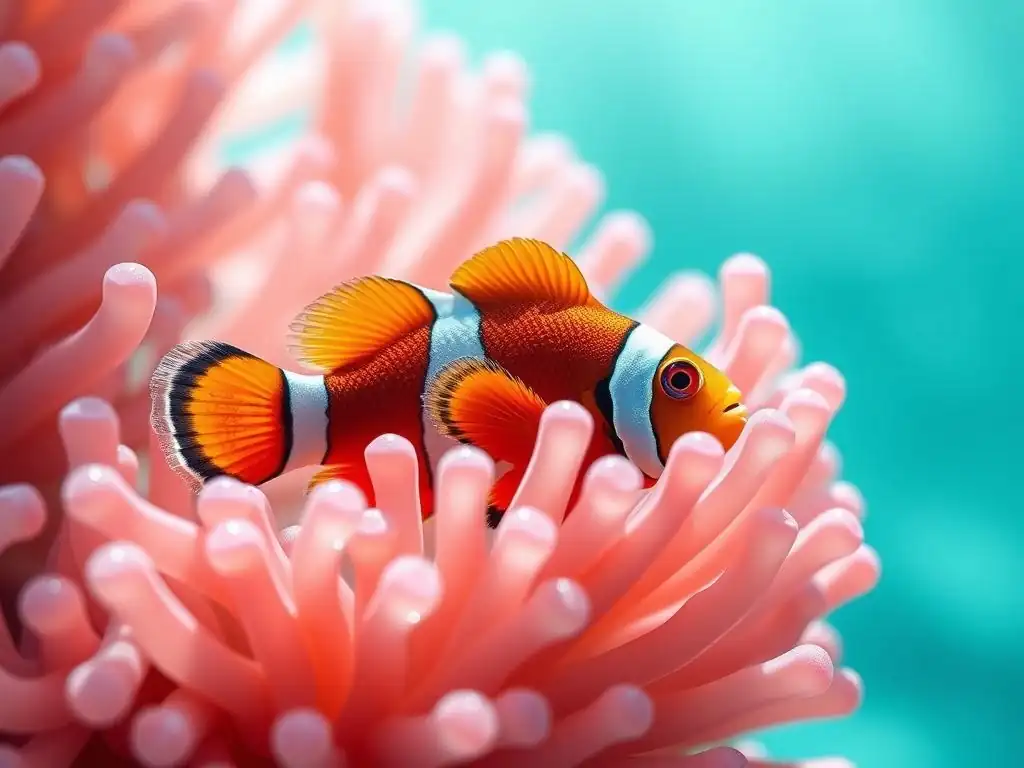
What is Anemone Hosting and Why is it Important for Clownfish?
Anemone hosting refers to the fascinating symbiotic relationship between clownfish and sea anemones, where both organisms benefit from their association. The clownfish, immune to the anemone's stinging nematocysts due to a protective mucus layer on its skin, finds refuge within the anemone's tentacles. This provides unparalleled protection from predators that would otherwise be deterred by the anemone's potent sting. In return, the clownfish actively defends the anemone from its predators, such as butterflyfish, and may also clean the anemone by consuming parasites or uneaten food particles.
This mutualistic relationship is vital for the clownfish's survival in the wild, offering a safe haven for resting, feeding, and breeding. For Red Sea Clownfish, the ability to host in an anemone significantly reduces stress and increases their lifespan, as they are less exposed to external threats.
In the aquarium, providing a suitable host anemone, especially for those interested in clownfish anemone hosting care, can mimic their natural environment, promoting natural behaviors and overall well-being. Without a host, clownfish can still thrive, but they often appear more timid and may seek shelter in rockwork or powerheads, lacking the characteristic confidence seen when hosted.
Compatible Anemones for Red Sea Clownfish in Aquariums
Ideal Anemone Species for Amphiprion bicinctus
For Red Sea Clownfish in a home aquarium, several anemone species are commonly accepted hosts, mirroring their preferences in the wild. The most popular and successful choices include the Bubble Tip Anemone ( Entacmaea quadricolor), which is known for its distinctive bulbous tips on its tentacles, and the Magnificent Sea Anemone ( Heteractis magnifica), a large and visually striking species. Other potential hosts, though less commonly accepted or more challenging to keep, include the Sebae Anemone ( Heteractis crispa) and the Long Tentacle Anemone ( Macrodactyla doreensis).
It's important to note that while these species are ideal, individual clownfish may show preference or aversion to certain anemones, and some may never host at all, even with a suitable anemone present. The success of clownfish anemone hosting care often depends on the health and size of both the clownfish and the anemone, along with the stability of the aquarium environment. For instance, a small Red Sea Clownfish might be intimidated by a very large Magnificent Sea Anemone initially, requiring time to establish the bond.
Anemone Care Requirements for Successful Hosting
Providing proper care for the host anemone is paramount for successful clownfish anemone hosting care. Anemones are demanding invertebrates with specific needs. They require mature aquariums (at least 6-12 months old) with stable water parameters, including salinity of 1.023-1.026 specific gravity, pH between 8.1 and 8.4, and temperatures ranging from 24°C to 27°C (75°F to 81°F). High-quality lighting, such as T5 HO or LED systems providing PAR levels suitable for corals, is essential as anemones derive significant energy from symbiotic algae (zooxanthellae) within their tissues.
Furthermore, strong, turbulent water flow is crucial for anemone health, ensuring nutrient delivery and waste removal. Anemones also benefit from supplemental feeding of meaty foods like mysis shrimp, chopped silversides, or krill a few times a week, especially if they are not receiving sufficient nutrition from light.
A robust filtration system, including protein skimming and live rock, is necessary to maintain pristine water quality, as anemones are highly sensitive to nitrates and phosphates. For example, a 125-gallon tank with a mature protein skimmer and at least 100 pounds of live rock would be an excellent foundation for hosting a Bubble Tip Anemone.
Establishing the Anemone-Clownfish Bond in Your Tank
Establishing the bond between a Red Sea Clownfish and its host anemone in an aquarium requires patience and attention to detail. Initially, when introducing a clownfish to a tank with an existing anemone, the fish may ignore it or even be hesitant. It is crucial to ensure the anemone is fully acclimated and settled in its preferred location before introducing the clownfish. Anemones tend to move until they find an ideal spot with suitable light and flow, and this movement can stress new tank inhabitants.
To encourage hosting, some aquarists report success by placing the clownfish near the anemone, though direct interference should be minimal to avoid stressing both organisms. Dimming the lights slightly for a few hours after introduction can also help reduce initial stress. Often, the clownfish will eventually discover the anemone on its own, guided by instinct.
It's not uncommon for the process to take anywhere from a few hours to several weeks or even months. For example, a pair of Amphiprion bicinctus introduced to a 90-gallon tank with a well-established Bubble Tip Anemone might begin hosting within a day, or they might take two weeks to tentatively explore and eventually settle in, demonstrating the variability in clownfish anemone hosting care.
Red Sea Clownfish Care Guide: Creating the Ideal Aquarium Environment
Aquarium Size and Setup for Amphiprion bicinctus
For a single Red Sea Clownfish, a minimum aquarium size of 30 gallons (approximately 113 liters) is generally recommended. However, for a pair or if planning to include a host anemone, a larger tank of at least 50-75 gallons (190-280 liters) is far more suitable. Larger tanks provide more stable water parameters, reduce territorial aggression, and allow ample space for both the clownfish and its potential host anemone to thrive. A 75-gallon tank, for example, offers sufficient volume to dilute waste products and provide swimming room.
The aquarium setup should mimic their natural reef environment. This includes a substantial amount of live rock, approximately 1-1.5 pounds per gallon, arranged to create caves, crevices, and hiding spots. These structures offer security and exploration opportunities for the clownfish. A sand bed of 2-4 inches (5-10 cm) depth is also beneficial. If an anemone is to be introduced, ensure the rockwork is stable and provides a secure base, as anemones can dislodge rocks if they move. Proper clownfish anemone hosting care necessitates a well-scaped environment that supports both species.
Water Parameters for Optimal Clownfish Health
Maintaining Proper Salinity, pH, and Temperature
Maintaining stable and appropriate water parameters is critical for the health and longevity of Red Sea Clownfish. Salinity should be kept within a specific gravity range of 1.023 to 1.026. Fluctuations outside this range can cause significant stress. The pH level should consistently be between 8.1 and 8.4, reflecting the alkaline nature of natural seawater.
Temperature is also vital, ideally maintained between 24°C and 27°C (75°F and 81°F). Using a reliable heater with a thermostat and a thermometer is essential to prevent temperature swings. For instance, a 150-watt heater is often suitable for a 75-gallon tank to maintain a stable 25°C.
Beyond these primary parameters, alkalinity (dKH 8-12), calcium (380-450 ppm), and magnesium (1250-1350 ppm) are also important, particularly if keeping corals or host anemones. Regular testing with accurate test kits is indispensable; weekly tests for salinity, pH, and temperature, along with bi-weekly or monthly tests for alkalinity, calcium, and magnesium, are recommended. Consistent monitoring helps prevent issues before they become critical, ensuring optimal clownfish anemone hosting care.
Importance of Water Changes and Filtration
Regular water changes are fundamental to maintaining pristine water quality and diluting accumulated nitrates and other undesirable compounds. For a well-stocked Red Sea Clownfish aquarium, a weekly or bi-weekly water change of 10-20% is generally recommended. For example, a 15% weekly water change on a 75-gallon tank would involve replacing 11.25 gallons of water. Using high-quality reverse osmosis/deionized (RO/DI) water mixed with a reputable marine salt mix is crucial to avoid introducing impurities.
Effective filtration is equally important. A robust filtration system for Red Sea Clownfish includes mechanical filtration (filter socks, sponges) to remove particulate matter, biological filtration (live rock, bio-media) to convert ammonia and nitrite, and chemical filtration (activated carbon, GFO) to remove dissolved organics and phosphates. A protein skimmer is highly recommended, especially for tanks with a host anemone, as it efficiently removes organic waste before it breaks down, significantly contributing to overall water quality and the success of clownfish anemone hosting care.
Feeding Your Red Sea Clownfish: Diet and Nutrition
Recommended Foods for Amphiprion bicinctus
Red Sea Clownfish are omnivores and thrive on a varied diet that mimics their natural consumption of small invertebrates, algae, and zooplankton. High-quality marine flakes and pellets specifically designed for omnivorous marine fish should form the staple of their diet. Look for foods rich in spirulina and other plant matter, alongside marine proteins. Supplementing their diet with frozen foods several times a week is highly beneficial.
Recommended frozen foods include mysis shrimp, brine shrimp (enriched), finely chopped silversides, krill, and various marine blends. For instance, feeding a small pinch of high-quality marine pellet in the morning and a small cube of frozen mysis shrimp in the evening would provide excellent nutrition. Ensuring the diet is diverse helps prevent nutritional deficiencies and boosts their immune system, contributing to their vibrant coloration and overall vitality.
Feeding Schedule and Quantity
Red Sea Clownfish should be fed small amounts two to three times per day. Overfeeding is a common mistake that can lead to poor water quality and health issues. The quantity of food offered at each feeding should be consumed within 2-3 minutes. If food remains after this time, the amount should be reduced for subsequent feedings. For a pair of adult Amphiprion bicinctus, a pinch of flakes equivalent to about 1/8th teaspoon or a 1/4 inch cube of frozen food per feeding is often sufficient.
Consistent feeding schedules help establish a routine for the fish and allow aquarists to monitor their eating habits, which can be an indicator of their health. Observing their eagerness to eat and ensuring all fish in the tank receive adequate food are important aspects of responsible clownfish anemone hosting care. A healthy Red Sea Clownfish will typically be active and show a strong feeding response.
Clownfish Tank Mates: Compatibility and Considerations
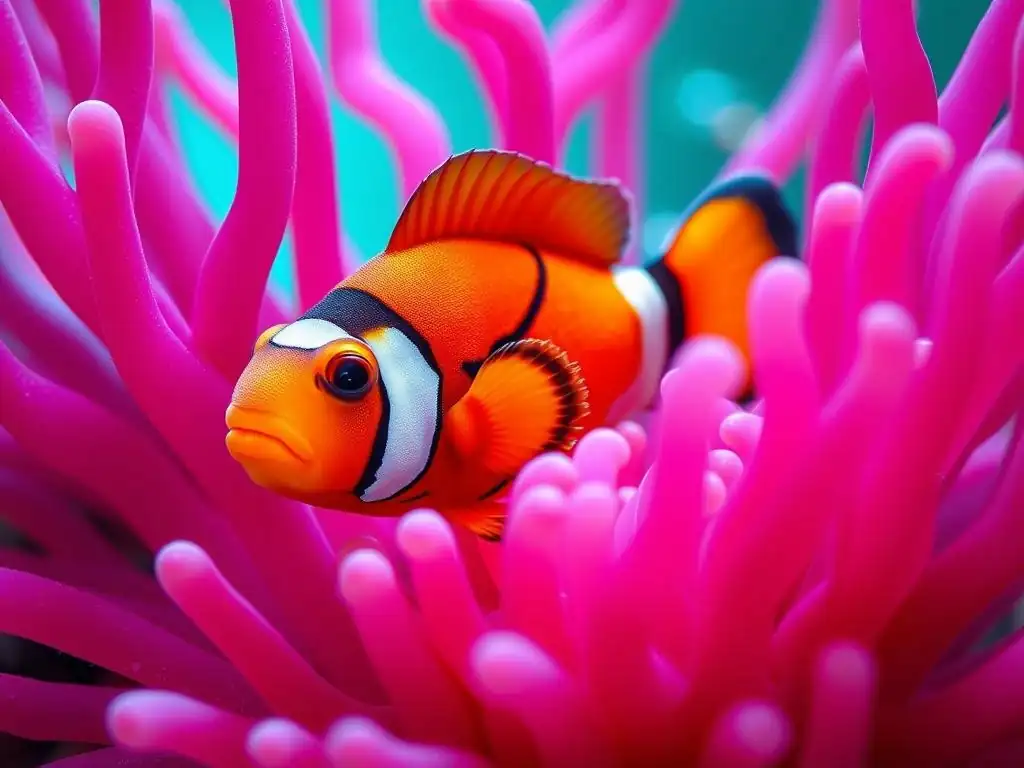
Suitable Tank Companions for Red Sea Clownfish
When selecting tank mates for Red Sea Clownfish, compatibility is key to maintaining a peaceful and thriving marine aquarium. Generally, Red Sea Clownfish are considered semi-aggressive, especially as they mature or when breeding, but they can coexist peacefully with a variety of appropriately sized and tempered fish. Good choices include most peaceful to semi-aggressive damselfish species (excluding very aggressive ones), gobies (like Yellow Watchman Gobies or Diamond Watchman Gobies), blennies (such as Lawnmower Blennies or Starry Blennies), and certain wrasse species (like six-line wrasses or flasher wrasses).
Other suitable companions might include cardinalfish, basslets (like Royal Grammas), and some species of tangs, provided the tank is large enough to accommodate their swimming needs. For example, in a 75-gallon tank, a pair of Red Sea Clownfish could comfortably share space with a Yellow Watchman Goby and a Royal Gramma, creating a diverse and harmonious community. When considering clownfish anemone hosting care, ensuring the tank mates are not a threat to the anemone is also crucial.
Fish to Avoid Housing with Amphiprion bicinctus
Certain fish species should be avoided as tank mates for Red Sea Clownfish due to their aggressive nature, predatory instincts, or potential to outcompete for resources. Highly aggressive fish like triggerfish, lionfish, large groupers, and moray eels are definite no-gos, as they view clownfish as prey. Even smaller, overly aggressive damselfish (e.g., Domino Damselfish) can harass clownfish, leading to stress and disease.
Fin-nipping fish, such as some types of angelfish or butterflyfish, might also pose a threat, especially to the clownfish's delicate fins or the host anemone. Furthermore, housing multiple species of clownfish in the same tank, especially in smaller aquariums, can lead to intense territorial disputes, as clownfish are highly territorial with their own kind. For instance, attempting to house a pair of Amphiprion bicinctus with a pair of Ocellaris Clownfish in a 50-gallon tank would almost certainly result in constant aggression and stress.
Preventing Aggression and Maintaining a Peaceful Aquarium
Preventing aggression and maintaining a peaceful aquarium environment for Red Sea Clownfish involves several strategies. Firstly, choose tank mates carefully, prioritizing species with similar temperament and size. Secondly, provide ample space and plenty of hiding spots through well-structured live rockwork. This allows fish to establish territories and retreat when feeling threatened. For example, creating multiple distinct zones with rock caves can help delineate territories.
Introducing fish in a specific order can also help; typically, less aggressive fish should be introduced first, allowing them to establish themselves before more assertive species like clownfish are added. Ensuring all fish are well-fed and that there is sufficient food for everyone can also reduce competition and aggression. Overcrowding is a significant contributor to aggression, so adhering to appropriate stocking levels is paramount for successful clownfish anemone hosting care and a harmonious tank.
Breeding Red Sea Clownfish: A Detailed Guide
Setting Up a Breeding Tank for Clownfish
To successfully breed Red Sea Clownfish, setting up a dedicated breeding tank is highly recommended. A tank size of 20-30 gallons (75-113 liters) is often sufficient for a breeding pair. The breeding tank should be kept simple, featuring a bare bottom or a very thin layer of sand to facilitate cleaning and egg collection. Essential equipment includes a reliable heater to maintain a stable temperature of 26-28°C (79-82°F), a small sponge filter or hang-on-back filter for gentle filtration, and an air stone for aeration.
Crucially, a suitable spawning surface must be provided. This can be a ceramic tile, a terracotta pot laid on its side, or a flat piece of PVC pipe. Clownfish prefer to lay their eggs on a vertical or angled surface near their chosen 'nest' area. For optimal clownfish anemone hosting care in a breeding setup, some breeders opt to include a small, healthy host anemone in the breeding tank, though it's not strictly necessary for spawning if a suitable substitute surface is present. Adequate lighting is also important, mimicking a natural day-night cycle.
Identifying Male and Female Amphiprion bicinctus
Identifying the sex of Red Sea Clownfish, like other clownfish species, is based on size and behavior, as they are protandrous hermaphrodites. All clownfish are born male, and the largest, most dominant fish in a group will transition into a female. Therefore, a breeding pair will typically consist of a larger female and a smaller, but still mature, male. The female will be noticeably larger and often more robust than her male counterpart. For example, a female might be 12 cm long, while her male partner is 9 cm.
Behaviorally, the female will often exhibit more dominant actions, such as chasing the male or taking the lead in exploring. The male, in turn, will often display submissive behaviors towards the female, including fin quivering or presenting his side. If starting with a group of juveniles, the largest will become the female, and the second largest will typically become the breeding male, demonstrating the fascinating social hierarchy crucial for clownfish anemone hosting care and breeding.
Spawning and Egg Care in Clownfish
Once a breeding pair of Red Sea Clownfish has formed and is settled in their breeding tank, spawning can occur regularly, often every 10-14 days. Prior to spawning, the pair will meticulously clean their chosen spawning surface. The female will then lay hundreds of small, oval-shaped eggs, typically numbering between 300 and 1000, in neat rows. The eggs are usually orange or yellow and stick firmly to the substrate. Immediately after the female lays the eggs, the male will follow to fertilize them.
During the incubation period, which typically lasts 7-10 days depending on temperature, the male takes on the primary responsibility for caring for the eggs. He will diligently fan them with his fins to ensure proper oxygenation and remove any unfertilized or fungused eggs by mouthing them. The female may also participate in fanning and guarding. The eggs will gradually darken as they develop, with tiny silver eyes becoming visible just before hatching. Providing consistent clownfish anemone hosting care for the adults during this period supports successful egg development.
Raising Clownfish Fry: From Hatching to Juvenile
Clownfish fry typically hatch at night, approximately 7-10 days after spawning. They are very small, about 3-4 mm long, and are planktonic, drifting in the water column. Immediately after hatching, the fry need to be transferred to a separate rearing tank to prevent them from being eaten by the parent fish or getting sucked into filtration systems. The rearing tank should be dimly lit, bare-bottomed, and equipped with gentle aeration, such as an air stone.
The most critical aspect of raising clownfish fry is providing appropriate first foods. For the first few days, the fry will consume their yolk sac. After that, they require live, rotifer-sized food.
Culturing Brachionus plicatilis rotifers is essential, as the fry are too small to consume newly hatched brine shrimp. After 5-7 days, once the fry have grown slightly, they can be transitioned to newly hatched brine shrimp ( Artemia nauplii). Consistent feeding, multiple times a day (e.g., 4-6 times), and meticulous water quality management through small, frequent water changes are vital for high survival rates as they grow into juvenile clownfish.
Common Health Issues in Red Sea Clownfish and Their Treatment
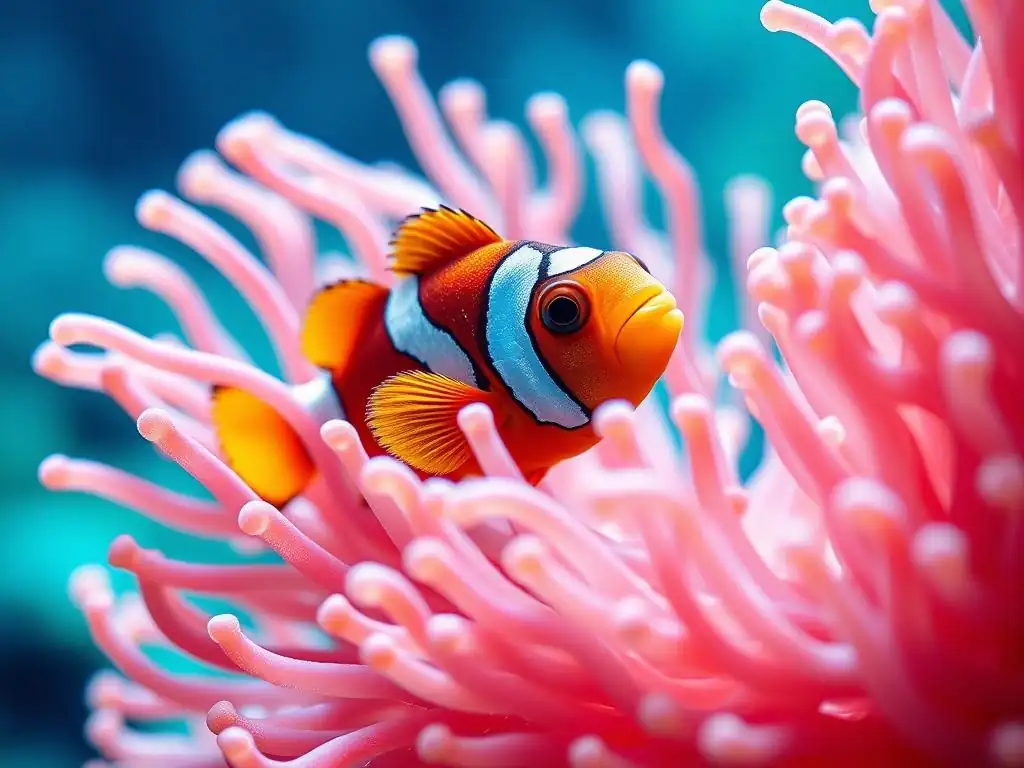
Recognizing Symptoms of Disease in Amphiprion bicinctus
Early recognition of disease symptoms is crucial for effective treatment and preventing the spread of illness in a Red Sea Clownfish aquarium. Healthy clownfish are typically active, have vibrant coloration, clear eyes, and exhibit a strong appetite. Any deviation from these norms can indicate a problem. Symptoms to watch for include changes in coloration (e.g., dullness, patches), erratic swimming patterns (e.g., darting, rubbing against objects), labored breathing (rapid gill movement), clamped fins, loss of appetite, and visible spots, lesions, or growths on the body or fins.
For instance, a clownfish suddenly refusing food for 24 hours while also showing rapid gill movement might indicate a parasitic infection. Observing the clownfish's behavior daily, especially during feeding, provides valuable insight into their health status. Maintaining excellent water quality and providing proper clownfish anemone hosting care are primary preventative measures against most common ailments.
Common Clownfish Diseases and Parasites
Marine Ich (White Spot Disease)
Marine Ich, caused by the parasite Cryptocaryon irritans, is one of the most prevalent and devastating diseases in saltwater aquariums. It manifests as small, white spots resembling grains of salt on the fish's body, fins, and gills. Infected Red Sea Clownfish may also exhibit labored breathing, scratching against tank decorations, and lethargy. The parasite has a complex life cycle, with free-swimming stages that can infect other fish in the tank.
Treatment typically involves transferring the infected fish to a separate quarantine tank for medication, as many treatments are harmful to invertebrates and corals. Copper-based medications (e.g., Cupramine) or hyposalinity (gradually reducing salinity to 1.008-1.010 for several weeks) are common treatment methods. The main display tank should be left fallow (fish-free) for 6-8 weeks to break the parasite's life cycle. Effective clownfish anemone hosting care includes isolating new fish to prevent Ich introduction.
Brooklynella Hostilis
Brooklynella Hostilis, often referred to as "Clownfish Disease," is a highly contagious and rapidly fatal parasitic infection that primarily affects clownfish, though other marine fish can also be susceptible. Symptoms include excessive mucus production, leading to a cloudy or slimy appearance on the skin, rapid and labored breathing, lethargy, and a loss of appetite. Unlike Ich, Brooklynella does not typically present as distinct white spots but rather as patches of skin sloughing off.
Due to its rapid progression, immediate treatment is crucial. Formalin-based medications (e.g., Formalin-MS) are often effective, administered as dips or short-term baths in a quarantine tank. Freshwater dips, carefully conducted for 5-10 minutes with pH and temperature matched water, can also provide temporary relief by causing the parasites to detach. After treatment, maintaining excellent water quality and reducing stress are vital for the Red Sea Clownfish's recovery.
Treatment Options and Prevention Strategies
Treatment for common clownfish diseases like Ich and Brooklynella often involves medicating fish in a separate quarantine tank to protect the main display tank's ecosystem, especially if a host anemone is present. Medications such as copper (for Ich) or formalin (for Brooklynella) are effective but require careful dosing and monitoring. For bacterial infections, broad-spectrum antibiotics may be used, often mixed with food if the fish is still eating.
Prevention is always better than cure. The most critical prevention strategy is a strict quarantine procedure for all new fish additions. A dedicated quarantine tank (QT) should be set up and new fish observed for 4-6 weeks before introduction to the main display.
This allows for early detection and treatment of diseases without risking the entire tank. Maintaining stable, pristine water parameters, providing a varied and nutritious diet, and minimizing stress are also key preventative measures. For those focused on clownfish anemone hosting care, ensuring the host anemone is also healthy and free of parasites is part of a holistic prevention strategy.
Acquiring Red Sea Clownfish: Selecting Healthy Specimens
Choosing Healthy Clownfish at Your Local Fish Store
When acquiring Red Sea Clownfish from a local fish store, careful observation is paramount to selecting healthy specimens. Look for fish that are active and swimming confidently, not hiding timidly in a corner or exhibiting erratic movements. Their coloration should be vibrant and uniform, without any dull patches, faded areas, or visible spots. The fins should be intact, without tears or fraying, and held naturally, not clamped against the body.
Observe their breathing; gills should be moving smoothly and at a normal rate, not rapid or labored. Check for clear eyes, free of cloudiness or swelling. Most importantly, ensure the fish is eating readily when offered food, as a strong appetite is a key indicator of good health. For instance, if the store feeds their fish, watch how eagerly the Amphiprion bicinctus respond to the food. Avoid purchasing fish from tanks that contain sick or deceased fish, as this indicates potential disease outbreaks.
Quarantine Procedures for New Additions
Implementing a strict quarantine procedure for all new Red Sea Clownfish is non-negotiable for responsible aquarium keeping. A dedicated quarantine tank (QT) of at least 10-20 gallons should be set up with basic filtration (sponge filter), a heater, and an air stone. The QT should be bare-bottomed to facilitate cleaning and observation. New clownfish should be placed in the QT for a minimum of 4-6 weeks.
During the quarantine period, observe the fish daily for any signs of disease. It's common practice to proactively treat with a broad-spectrum anti-parasitic medication (e.g., copper for Ich prevention) and a bacterial medication, following product instructions carefully. This prophylactic treatment helps eradicate any latent diseases before they manifest in the main display tank. For example, a 30-day copper treatment at 0.5 ppm is often used to ensure no Ich parasites are carried over. This rigorous process is a cornerstone of effective clownfish anemone hosting care, protecting your established inhabitants.
Ensuring Ethical Sourcing of Amphiprion bicinctus
Ensuring ethical sourcing of Red Sea Clownfish is an important consideration for responsible aquarists. Wild-caught clownfish can sometimes be collected using methods that harm the reef or are unsustainable. However, Amphiprion bicinctus are increasingly available as aquacultured (tank-bred) specimens, which is the most ethical and sustainable option. Aquacultured clownfish are typically hardier, less prone to disease (as they haven't been exposed to wild pathogens), and already accustomed to aquarium life and prepared foods.
When purchasing, inquire with your local fish store or online vendor about the origin of their Red Sea Clownfish. Many reputable suppliers will clearly label their fish as "tank-bred" or "aquacultured." Choosing aquacultured clownfish reduces pressure on wild populations and supports sustainable practices within the aquarium industry. This not only benefits the environment but also often results in a healthier, more adaptable fish for your home aquarium, ultimately simplifying long-term clownfish anemone hosting care.
Frequently Asked Questions
How crucial is an anemone for the well-being of Red Sea Clownfish?
While Red Sea Clownfish can survive without an anemone in a well-maintained aquarium, providing one allows them to exhibit natural behaviors and reduces stress. Anemones offer protection and a sense of security.
What types of anemones are most suitable for hosting Red Sea Clownfish?
Several anemone species are known to host Red Sea Clownfish. Popular choices include the Bubble-Tip Anemone (Entacmaea quadricolor) and the Magnificent Sea Anemone (Heteractis magnifica). Research compatibility carefully.
What specific water parameters are critical for keeping both Red Sea Clownfish and their host anemone healthy?
Maintaining stable water parameters is paramount. Key factors include consistent temperature (around 76-82°F), appropriate salinity (1.024-1.026 specific gravity), and low levels of nitrates and phosphates.
How should I introduce a Red Sea Clownfish to its potential host anemone in a new aquarium?
Introduce the clownfish to the tank before the anemone, allowing it to acclimate. Provide ample hiding spots and observe the clownfish's interaction with the anemone closely. Patience is key.
What are some common signs that either the Red Sea Clownfish or the anemone is stressed or unhealthy?
Signs of stress in clownfish include rapid breathing, loss of appetite, and clamped fins. Anemone stress can manifest as deflation, loss of color, or expulsion of zooxanthellae (bleaching). Monitor them daily.
Final Reflection: The Symbiotic Dance of Life
The intricate relationship between the Red Sea Clownfish and its anemone host, as we've explored, isn't just a fascinating biological phenomenon; it's a powerful metaphor for interdependence and resilience in a world facing increasing environmental pressures. Understanding the nuances of Amphiprion bicinctus care, especially concerning anemone hosting, offers a microcosm of the larger challenges and opportunities we face in preserving biodiversity and fostering sustainable ecosystems.
This delicate dance of survival, where one species provides shelter and the other protection, profoundly impacts the delicate balance of coral reefs. Witnessing this symbiotic relationship firsthand, whether through careful observation in an aquarium or through the lens of scientific research, underscores the interconnectedness of all living things. In nature, nothing exists alone.
- Rachel Carson. This quote perfectly encapsulates the essence of clownfish-anemone hosting, a reminder that our actions ripple outwards, affecting the entire web of life.
As we conclude this exploration of Clownfish anemone hosting care, I invite you to consider your own role in this intricate ecosystem. How can you contribute to the preservation of these beautiful creatures and their fragile habitats? Let us all strive to be mindful stewards, ensuring that future generations can marvel at the vibrant beauty of the Red Sea Clownfish and the enduring power of symbiotic relationships.
Dive Deeper: Embrace the Clownfish Fascination!
Thank you for exploring the captivating world of the Red Sea Clownfish with us! We hope you've gained a newfound appreciation for these vibrant creatures and their symbiotic relationship with anemones. Now, let's translate that knowledge into action!
Here are a few ways to keep the clownfish adventure going:
- Commit to further learning by researching compatible tank mates for Amphiprion bicinctus and share your findings in the comments below.
- Discover the artistic side of aquariums and create a sketch or painting of your vision for a thriving Red Sea Clownfish biotope.
- Share this article with fellow aquarium enthusiasts and spark a conversation about the beauty and unique challenges of keeping these two-barred wonders.
What aspect of the Red Sea Clownfish's behavior or care most intrigues you to explore further?