
The Great Snail Debate: To Keep or Not To Keep Pest Snails?

Welcome to Aquarium Mastery!
Ever wondered if those tiny snails hitchhiking in your aquarium are friends or foes? Dive into our deep dive on pest snail aquarium care and discover the truth behind these often-misunderstood invertebrates. Are they a nuisance to be eradicated, or do they play a secret, beneficial role in your aquatic ecosystem? Unravel the mystery and decide for yourself: to keep or not to keep?
- Understanding Pest Snails in Freshwater Aquariums
- The Case Against Pest Snails: Problems and Concerns
- Controlling Pest Snail Populations: Effective Methods
- Pest Snail Aquarium Care: Addressing the Root Cause
- Coexistence or Eradication: Finding the Right Balance
- Preventing Future Pest Snail Infestations
- Frequently Asked Questions
- Final Reflection: The Delicate Balance of Ecosystems
- Embrace the Ecosystem: Ignite Your Aquarium's Balance!
Understanding Pest Snails in Freshwater Aquariums
Identifying Common Aquarium Pest Snails
Freshwater aquariums are often home to a variety of small, rapidly reproducing snails, commonly dubbed "pest snails" due to their prolific breeding. The most frequently encountered species include the Bladder Snail (Physa acuta), Ramshorn Snail (Planorbella spp. ), and Malaysian Trumpet Snail (Melanoides tuberculata).
Bladder snails are characterized by their small, sinistral (left-opening) shells, often reaching only 0.4 inches (1 cm) in size, and can lay dozens of eggs every few days. Ramshorn snails, with their distinctive flat, coiled shells resembling a ram's horn, come in various colors like red or brown and can grow up to 1 inch (2.5 cm). They are equally prolific, with a single snail capable of laying gelatinous clutches containing 10-50 eggs.
Malaysian Trumpet Snails are easily identified by their conical, spiral shells, typically reaching 1 inch (2.5 cm) in length, and their habit of burrowing into the substrate. Unlike the other two, they are livebearers, reproducing rapidly by parthenogenesis, meaning a single snail can establish an entire colony without a mate. This makes their population explosion particularly swift. While these species are generally harmless to healthy fish, their rapid reproduction can quickly lead to an overwhelming number if not properly managed, prompting many aquarists to consider effective pest snail aquarium care strategies.
How Pest Snails Enter Your Fish Tank
The primary way pest snails infiltrate a seemingly pristine freshwater aquarium is through new additions, often without the aquarist's knowledge. Live aquarium plants are by far the most common culprits. Snail eggs, which are tiny, translucent, and often camouflaged, can be easily attached to plant leaves, stems, or even roots. When these plants are introduced directly into the tank, the eggs hatch, and a new snail population begins to establish itself. Even plants that appear clean can harbor microscopic eggs or juvenile snails.
Beyond plants, pest snails can also hitchhike on new fish or other invertebrates. While less common, a small snail or an egg clutch might cling to a fish's fins or a piece of decor from a local fish store tank. Substrate or decorations that have been previously used in another aquarium, if not thoroughly cleaned and disinfected, can also introduce these unwanted guests. Implementing strict quarantine protocols for all new additions is a fundamental aspect of proactive pest snail aquarium care, significantly reducing the risk of an infestation.
The Potential Benefits of Having Pest Snails
Despite their "pest" designation, these snails offer several benefits that can contribute to a healthier aquarium ecosystem. They are excellent detritivores, constantly scavenging the tank for uneaten food, decaying plant matter, and fish waste. This helps to break down organic debris that would otherwise accumulate, reducing the bioload and improving water quality. In a 20-gallon community tank, for instance, a moderate population of 50-70 small snails can significantly reduce the amount of leftover food, preventing ammonia spikes from decaying matter.
Furthermore, snails like Malaysian Trumpet Snails are highly beneficial for substrate aeration. By constantly burrowing through the gravel or sand, they prevent the formation of anaerobic pockets, which can release harmful gases like hydrogen sulfide. This natural "tilling" action helps circulate nutrients for plant roots and prevents compaction. Their presence can also serve as a useful indicator of overfeeding; if snail populations suddenly boom, it often signals that too much food is being offered, prompting the aquarist to adjust feeding habits as part of responsible pest snail aquarium care.
The Case Against Pest Snails: Problems and Concerns
Pest Snail Overpopulation: A Common Aquarium Issue
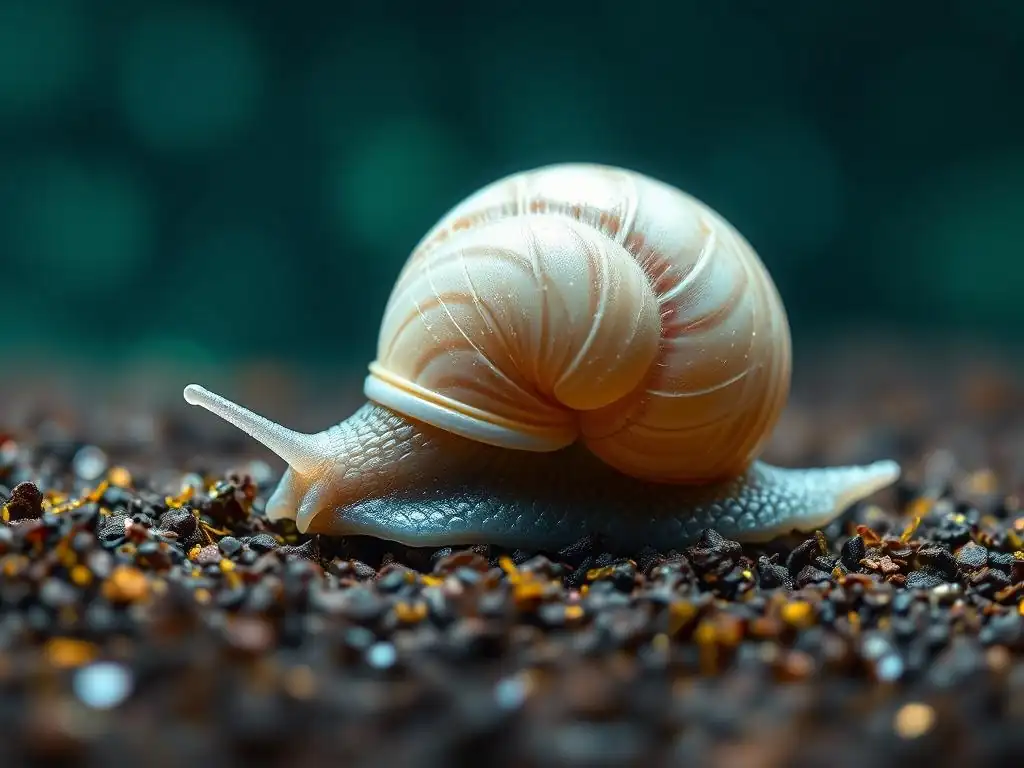
The most significant concern for many aquarists regarding pest snails is their potential for rapid overpopulation. Species like bladder snails and ramshorn snails are hermaphroditic and can reproduce sexually or asexually, laying dozens of eggs in a single clutch every few days. A single bladder snail introduced into a 10-gallon tank can, theoretically, lead to hundreds of offspring within a few weeks under ideal conditions with ample food. This exponential growth can quickly transform a few beneficial scavengers into an unsightly and overwhelming infestation.
An unchecked snail population not only becomes an aesthetic nuisance, covering tank walls, plants, and decorations, but also contributes significantly to the tank's bioload. While they consume waste, their own waste production increases proportionally with their numbers. This can lead to elevated nitrate levels and potentially impact water quality, even if ammonia and nitrite remain at zero. Managing this potential for overpopulation is a core challenge in pest snail aquarium care, requiring consistent monitoring and intervention.
Damage to Live Aquarium Plants Caused by Snails
While many pest snails primarily consume decaying plant matter and algae, certain species or exceptionally large populations can pose a threat to healthy live aquarium plants. Ramshorn snails, for example, are known to nibble on softer-leaved plants, especially if their preferred food sources like algae and detritus are scarce. Delicate plants such as Cabomba, Rotala, or certain types of Ludwigia are particularly vulnerable to their grazing.
Similarly, an abundance of snails can strip the slime coat from plant leaves, making them more susceptible to algal growth or disease. In tanks with high snail densities, even species typically considered "plant-safe" can resort to eating healthy foliage out of necessity. This damage not only detracts from the aesthetic appeal of a planted tank but can also stunt plant growth or even lead to their demise, making plant protection a crucial aspect of pest snail aquarium care for planted tank enthusiasts.
Aesthetic Impact: Unwanted Appearance in the Tank
Beyond the functional issues, the sheer visual impact of a large pest snail population can be off-putting for many aquarists. Imagine a beautifully aquascaped 30-gallon tank suddenly covered in hundreds, if not thousands, of tiny snails clinging to every surface – the glass, filter intake, heater, and all plant leaves. This can detract significantly from the intended aesthetic, making the tank appear neglected or dirty, even if water parameters are otherwise stable.
The sight of numerous snail trails on the glass or clusters of eggs adhered to leaves can also be unappealing. For aquarists who meticulously plan their tank's layout and appearance, an uncontrolled snail bloom can be a major source of frustration. While some may tolerate a small number of beneficial snails, the visual invasion of a full-blown infestation often drives the desire for aggressive pest snail aquarium care and eradication methods.
Controlling Pest Snail Populations: Effective Methods
Natural Predators for Snail Control in Aquariums
Utilizing natural predators is often the preferred method for managing pest snail populations, as it avoids chemicals and contributes to a balanced ecosystem. This approach is a cornerstone of sustainable pest snail aquarium care.
Assassin Snails: The Natural Snail Predator
The Assassin Snail (Anentome helena) is perhaps the most effective and popular biological control for pest snails. These fascinating invertebrates actively hunt and consume other snails, including ramshorns, bladder snails, and even smaller Malaysian Trumpet Snails. They are relatively small, growing up to 1 inch (2.5 cm), and are not known to harm fish or shrimp. For a moderate snail problem in a 20-gallon tank, introducing 3-5 Assassin Snails can visibly reduce the pest population within weeks.
Assassin Snails reproduce much slower than pest snails, laying only a few eggs at a time, preventing them from becoming a pest themselves. They are also quite hardy and will switch to eating uneaten fish food or specialized sinking pellets once the snail population diminishes, ensuring they don't starve. Their efficiency and non-aggressive nature make them an excellent, long-term solution for pest snail aquarium care.
Fish that Eat Snails: Loaches, Puffers, and Gouramis
Several fish species can also contribute to snail control, though their effectiveness varies and careful consideration of their specific needs is crucial. Clown Loaches (Chromobotia macracanthus) are renowned snail eaters, but they grow very large (up to 12 inches or 30 cm) and require large tanks (100+ gallons) and social groups, making them unsuitable for most home aquariums. Dwarf Chain Loaches (Ambastaia sidthimunkai), on the other hand, are smaller (2.5 inches or 6 cm) and excellent snail eaters, suitable for tanks 20 gallons and up.
Pufferfish, particularly freshwater species like the Dwarf Puffer (Carinotetraodon travancoricus), are highly effective snail predators. Dwarf Puffers are small (1 inch or 2.5 cm) and require species-specific tanks due to their nippy nature, but they will decimate a snail population. Paradise Gouramis (Macropodus opercularis) are another option; these colorful fish can grow up to 3 inches (7.5 cm) and will actively hunt small snails. When considering fish predators for pest snail aquarium care, always research their specific tank requirements, temperament, and compatibility with existing inhabitants.
Manual Removal of Pest Snails: A Hands-On Approach
For smaller infestations or as a supplementary method, manual removal is a straightforward and immediate way to reduce pest snail numbers. This involves simply picking snails off the glass, plants, and decorations by hand. A common technique is to place a blanched piece of lettuce, cabbage, or zucchini in the tank overnight. The snails are attracted to the decaying vegetable matter and will gather on it, allowing for easy removal of dozens or even hundreds of snails in one go.
This method is entirely safe for all aquarium inhabitants and requires no special equipment beyond a net or tongs. While it may not eradicate an entire population, consistent manual removal, perhaps two to three times a week, can significantly curb population growth. It's an active and immediate form of pest snail aquarium care, particularly effective when combined with other control methods to maintain a manageable snail count.
Snail Traps: Luring and Removing Unwanted Snails
Snail traps offer a passive yet effective way to remove large numbers of pest snails without disturbing the tank's inhabitants. Commercial snail traps are available, which typically involve a small container with bait that snails can enter but struggle to exit. Alternatively, a simple DIY trap can be created using a small plastic container, like a film canister or a shallow dish, with a few small holes. Bait, such as a blanched vegetable or a piece of fish food, is placed inside, and the trap is left in the tank overnight.
The snails, attracted by the food, will crawl into the trap. In the morning, the trap can be removed, along with the captured snails. This method is highly efficient for reducing populations rapidly, especially when dealing with a significant bloom. Using snail traps consistently, perhaps every other night for a week or two, can dramatically bring down snail numbers, making it a valuable tool in comprehensive pest snail aquarium care.
Chemical Treatments: Weighing the Risks and Benefits of Snail Control
Chemical treatments are often considered a last resort for snail control due to potential risks to other tank inhabitants. While effective, they require careful application and an understanding of their impact on the entire aquatic ecosystem.
Copper-Based Treatments: Potential Toxicity and Invertebrate Sensitivity
Copper-based medications are highly effective at eliminating snails, as copper is toxic to all invertebrates. However, this broad-spectrum toxicity is precisely why they must be used with extreme caution. Even low concentrations of copper, often as little as 0.1 to 0.3 ppm (parts per million), which are lethal to snails, can also be fatal to desirable invertebrates such as shrimp (e.g., Cherry Shrimp, Amano Shrimp) and crabs. Many aquatic plants are also sensitive to copper and can suffer damage or even die.
Furthermore, copper can be absorbed by the substrate and decorations, slowly leaching back into the water over time, potentially causing long-term issues for future invertebrate inhabitants. Using copper requires precise dosing and often a copper test kit to monitor levels, making it a complex and risky option for general pest snail aquarium care, especially in community tanks or planted setups.
Plant-Safe Snail Control Options
Several commercial products are marketed as "plant-safe" snail killers, often containing active ingredients like flubendazole or specific plant extracts. These products aim to disrupt the snail's nervous system or reproductive cycle without harming plants or fish. For example, some treatments claim to be safe for plants and fish while effectively targeting snail eggs and adults. However, even these "plant-safe" options require careful consideration.
While less harmful than copper, some of these treatments can still impact sensitive fish species or desirable invertebrates like nerite snails, which are often kept for algae control. It's crucial to thoroughly research product reviews and understand potential side effects before introducing any chemical into the aquarium. Always follow the manufacturer's instructions precisely and consider removing any valuable invertebrates before treatment to ensure their safety, prioritizing the overall health of your aquarium's inhabitants in your pest snail aquarium care regimen.
Pest Snail Aquarium Care: Addressing the Root Cause
Maintaining Proper Water Parameters to Discourage Snail Growth
Effective pest snail aquarium care goes beyond just removal; it involves addressing the underlying conditions that allow snail populations to boom. Snails thrive in tanks with abundant food and stable, generally favorable water conditions. While they are tolerant of a wide range of parameters, consistently high nitrate levels, often a byproduct of decaying organic matter, can indirectly fuel algae growth, which is a primary food source for many pest snails.
Regular water changes (e.g., 25-30% weekly for a typical 20-gallon tank) help to reduce nitrates and other dissolved organic compounds that contribute to algal blooms. Maintaining clean substrate through regular vacuuming also removes detritus, another significant food source. By keeping water parameters within optimal ranges for your fish and plants, and minimizing excess nutrients, you naturally create an environment less conducive to massive snail reproduction, making it harder for them to proliferate.
Avoiding Overfeeding to Reduce Snail Food Sources
Overfeeding is arguably the single biggest contributor to pest snail explosions in aquariums. Any uneaten food that settles on the substrate or gets trapped in decorations becomes a feast for snails, providing them with the abundant nutrition needed for rapid reproduction. Fish often need far less food than aquarists provide; a good rule of thumb is to feed only what your fish can consume entirely within 2-3 minutes, once or twice a day.
For example, in a 10-gallon tank with a few guppies, a tiny pinch of flake food is often sufficient, not a large scoop. If you notice food lying on the bottom after a few minutes, you are almost certainly overfeeding. Reducing food portions not only starves out the snails, limiting their growth and reproduction, but also improves overall water quality by minimizing decaying organic matter. This simple adjustment to feeding habits is a remarkably effective and essential component of pest snail aquarium care.
Quarantine New Plants to Prevent Snail Introduction
One of the most proactive and effective measures in pest snail aquarium care is to quarantine all new live plants before introducing them to your main display tank. As previously mentioned, plants are the most common vector for snail eggs and tiny juveniles. A simple quarantine procedure can save you from a future headache.
A common method is a bleach dip (1 part bleach to 19 parts water for 2-3 minutes, followed by thorough rinsing and a dechlorinator bath) or an alum dip (1 tablespoon alum per gallon of water for 2-3 days). Another popular method is a potassium permanganate dip.
For those who prefer a less chemical approach, simply keeping new plants in a separate bucket or small tank with a light for 2-3 weeks, performing daily water changes, will allow any eggs to hatch and the juvenile snails to be easily spotted and removed before the plants ever enter your main aquarium.
Coexistence or Eradication: Finding the Right Balance
Creating a Balanced Ecosystem in Your Aquarium
The decision to coexist with or eradicate pest snails largely depends on an aquarist's goals and philosophy regarding their tank. In a truly balanced aquarium ecosystem, a small, manageable population of snails can be highly beneficial. They act as part of the clean-up crew, consuming detritus, uneaten food, and algae, thereby contributing to nutrient cycling and reducing the bioload. For instance, in a well-established 55-gallon tank with moderate planting and fish, a population of 50-100 bladder or ramshorn snails might be perfectly healthy and even desirable.
A balanced ecosystem implies that natural checks and balances are in place. If the tank is not overfed and regular maintenance is performed, snail populations tend to regulate themselves based on food availability. They only become a "pest" when their numbers explode due to an imbalance, often caused by excessive feeding or insufficient cleaning. Fostering a healthy, balanced environment is a key principle of holistic pest snail aquarium care, allowing for peaceful coexistence.
Deciding Whether to Keep or Eliminate Pest Snails
The choice between keeping or eliminating pest snails is a personal one, influenced by various factors. For some aquarists, a few snails are an acceptable part of the aquarium's natural biology and are appreciated for their scavenging abilities. They might view them as an indicator of tank health, where a population boom signals a need to adjust feeding or maintenance routines. These individuals might focus on population control rather than complete eradication, perhaps by introducing a few assassin snails or manually removing excess snails during routine cleaning.
Conversely, aquarists who prioritize a pristine aesthetic, or those with highly sensitive live plants, might opt for complete eradication. The sight of numerous snails on the glass or damaged plant leaves can be a significant deterrent. For these individuals, aggressive measures like chemical treatments (with caution), robust snail traps, or dedicated snail-eating fish might be the preferred approach. Ultimately, the decision hinges on the aquarist's tolerance level, tank type, and long-term vision for their aquatic display, shaping their pest snail aquarium care strategy.
Snail Management in Planted vs. Fish-Only Tanks
The approach to pest snail management often differs significantly between heavily planted aquariums and fish-only setups. In planted tanks, snails can be both a blessing and a curse. Their detritivorous habits are beneficial for plant health, breaking down organic matter and aerating the substrate, which helps nutrient uptake. However, as noted, some species or large populations can damage delicate plant leaves. Chemical treatments, especially copper, are generally avoided in planted tanks due to their toxicity to plants and desirable invertebrates (like shrimp) that are often kept alongside plants.
In contrast, fish-only tanks offer more flexibility. Without sensitive plants or invertebrates, chemical treatments might be considered with less concern for collateral damage (though still with caution for the fish themselves). Manual removal and snail traps are equally effective in both setups. Biological controls like Assassin Snails are excellent for planted tanks as they are plant-safe. Understanding the specific dynamics of your tank type is crucial for developing an effective and safe pest snail aquarium care plan.
Preventing Future Pest Snail Infestations
Regular Aquarium Maintenance and Monitoring
Consistent and thorough aquarium maintenance is the cornerstone of preventing future pest snail infestations and maintaining a balanced ecosystem. This includes regular water changes, typically 25-30% weekly or bi-weekly depending on tank size and bioload, to dilute nitrates and remove dissolved organic compounds. Critically, gravel vacuuming or substrate cleaning should be performed weekly to remove uneaten food, fish waste, and decaying plant matter before it can accumulate and become a food source for snails.
Monitoring the tank daily for any signs of increasing snail populations is also vital. A sudden increase in visible snails often indicates overfeeding or a lapse in cleaning. By addressing these issues promptly, you can nip a potential infestation in the bud. Proactive and consistent pest snail aquarium care through diligent maintenance keeps snail numbers in check and promotes overall tank health.
Careful Introduction of New Livestock and Plants
The most effective long-term strategy for preventing pest snail infestations is to be extremely cautious and meticulous when introducing any new livestock or plants into your aquarium. As discussed, these are the primary vectors for snail eggs and juveniles. Every new plant should undergo a proper quarantine procedure, such as a bleach dip, alum dip, or a dedicated quarantine tank for several weeks. This allows any hidden eggs to hatch and the young snails to be identified and removed before they ever reach your main display.
Similarly, new fish and invertebrates should be quarantined in a separate tank for at least two to four weeks. While less common, snails or their eggs can sometimes hitchhike on their bodies or in the transport water. By adhering to strict quarantine protocols for all new additions, you significantly reduce the risk of inadvertently introducing pest snails, making this a fundamental aspect of proactive pest snail aquarium care.
Long-Term Strategies for a Snail-Free Aquarium (or a Balanced Snail Population)
Achieving a truly snail-free aquarium is challenging and often unnecessary, but maintaining a balanced or minimal snail population is entirely achievable through consistent long-term strategies. The core principles revolve around controlling food availability and preventing reintroduction. Always feed your fish sparingly, ensuring all food is consumed within a few minutes, and avoid leaving uneaten food to rot. This is the single most impactful action you can take in pest snail aquarium care.
Regularly cleaning the substrate and performing water changes will remove the organic detritus that snails feed on. For those who prefer a snail-free environment, maintaining a small population of Assassin Snails or a compatible snail-eating fish (like Dwarf Chain Loaches for larger tanks) can provide continuous biological control. By integrating these practices into your routine, you can effectively manage pest snail populations, ensuring they remain a beneficial clean-up crew rather than an overwhelming nuisance, creating a thriving and aesthetically pleasing aquatic environment.
Frequently Asked Questions
How do pest snails get into my aquarium in the first place?
Pest snails are often introduced unintentionally on live plants or in substrate transferred from other aquariums. They can also hitchhike on decorations.
Are pest snails really that bad for my aquarium?
Not always! While they can become a nuisance if their population explodes, they can also help by consuming algae and detritus, contributing to a cleaner tank. The key is population control.
What are some effective methods for controlling pest snail populations?
Manual removal is one option, but it's tedious. Introducing snail-eating fish or assassin snails can help. Also, avoid overfeeding your fish, as excess food fuels snail growth.
What are some common types of pest snails found in aquariums?
Common culprits include bladder snails, pond snails, and ramshorn snails. Identifying the species helps in determining the best control methods.
Can I completely eradicate pest snails from my aquarium?
Complete eradication is often difficult and may require drastic measures like treating the entire tank with chemicals. However, effective control strategies can keep their numbers manageable and prevent them from becoming a major problem.
Final Reflection: The Delicate Balance of Ecosystems
The debate surrounding pest snails in aquariums, as we've explored, highlights a much larger truth: the interconnectedness of even the smallest ecosystems. What begins as a seemingly minor decision – to keep or eradicate these tiny creatures – ripples outwards, impacting the health of our tanks and reflecting our broader approach to managing the natural world. The choices we make in our miniature aquatic environments mirror the challenges we face in larger, more complex ecosystems, demanding careful consideration and a deep understanding of consequences.
This seemingly simple question of pest snail aquarium care has profoundly influenced, and continues to influence, the way aquarists approach tank maintenance and biodiversity. It's a constant reminder that even unwanted inhabitants play a role, and that eradication is not always the best solution. The first rule of intelligent tinkering is to save all the parts,
as Aldo Leopold so eloquently stated. This rings true in the aquarium as much as it does in the wilderness; understanding the function of each element, even the seemingly insignificant, is crucial for creating a thriving and balanced environment.
So, as you consider your own aquarium and the role of these often-maligned snails, I invite you to reflect on the broader implications. How can you apply the lessons learned about balance and interconnectedness to other areas of your life? Consider the impact of your choices, both big and small, and strive to cultivate a deeper understanding of the delicate ecosystems that surround you, both within your glass walls and beyond.
Embrace the Ecosystem: Ignite Your Aquarium's Balance!
Thank you for diving into the world of snails and their impact on your aquarium! Now that you're equipped with the knowledge to assess their role, it's time to take action and shape your underwater environment for optimal health and beauty.
- Prioritize Assessing Your Snail Population: Take a week to closely observe your tank. Note the types of snails, their numbers, and what they're eating. This observation period is crucial for informed decisions.
- Share your snail stories! Head to an aquarium forum and post pictures of your snails, asking for identification help or sharing your experience.
- Surprise your fish! If you've decided to thin the snail population, try offering crushed snails as a protein-rich treat (if your fish enjoy them! ).
What interesting snail behavior have you observed in your aquarium, and how has it influenced your approach to aquarium management?