
Feeding Peacock Cichlids: Protein Power for Vibrant Colors & Health

Welcome to Aquarium Mastery!
Ever wondered what the secret is to unlocking the truly vibrant colors and optimal health of your Peacock Cichlids? It's all about their diet! Dive in and discover our comprehensive Peacock Cichlid Food Guide, where we reveal the protein-packed secrets to keeping these stunning freshwater beauties thriving. Ready to transform your cichlids' lives? Let's get feeding!
- Understanding the Dietary Needs of Peacock Cichlids
- The Ultimate Peacock Cichlid Food Guide: Choosing the Right Options
- Feeding Schedule and Portion Control for Peacock Cichlids
- Maintaining Vibrant Colors Through Proper Peacock Cichlid Feeding
- Common Feeding Mistakes to Avoid with Peacock Cichlids
- Transitioning Your Peacock Cichlids to New Foods
- Optimizing Your Peacock Cichlid Food Guide: Tips and Tricks
-
Frequently Asked Questions
- What is the best type of food to feed my Peacock Cichlids to enhance their colors?
- How often should I feed my Peacock Cichlids?
- What is the ideal protein content for Peacock Cichlid food?
- Can I feed my Peacock Cichlids live food, and if so, what are some good options?
- What are some signs that I am overfeeding my Peacock Cichlids?
- Final Reflection: The Vibrant Legacy of Peacock Cichlids
- Unleash Your Cichlids' True Colors!
Understanding the Dietary Needs of Peacock Cichlids
The Importance of a Balanced Diet for Peacock Cichlids
A meticulously balanced diet is paramount for the long-term health, vitality, and stunning coloration of Peacock Cichlids (Aulonocara species). These captivating freshwater fish, native to the rocky and sandy regions of Lake Malawi, thrive when their captive diet closely mimics their natural intake, which primarily consists of small invertebrates, crustaceans, and insect larvae found in the substrate. Without a proper Peacock cichlid food guide, aquarists risk compromising their fish's immune system, stunting growth, and diminishing their vibrant hues.
A high-quality, varied diet provides the essential nutrients needed for robust immune function, efficient metabolic processes, and strong skeletal development. For instance, a well-fed Peacock Cichlid is significantly less susceptible to common aquarium ailments like bloat or fin rot. Ensuring they receive a diverse range of foods not only supports their physiological needs but also contributes to their overall well-being, promoting active behavior and reducing stress, which are crucial aspects of a comprehensive Peacock cichlid food guide.
Protein: The Cornerstone of Peacock Cichlid Nutrition
Protein stands as the most critical macronutrient in the Peacock cichlid food guide, forming the fundamental building blocks for muscle development, tissue repair, and overall growth. As primarily carnivorous or invertivorous species in their natural habitat, Peacock Cichlids require a diet rich in high-quality animal protein. Expert recommendations suggest that their staple diet should contain a minimum of 40-55% crude protein to support their active metabolism and rapid growth, especially in juvenile stages.
Insufficient protein intake can lead to stunted growth, weakened musculature, and a general lack of vigor in Peacock Cichlids. For example, a young Peacock Cichlid consistently fed a diet with only 25-30% protein may grow at a rate 30-40% slower than one receiving a protein-optimal diet. High-quality protein sources, such as fish meal, shrimp meal, and spirulina, provide the complete amino acid profiles necessary for these fish to thrive and exhibit their full potential in terms of size and vibrant color.
Key Nutrients for Optimal Health and Coloration in Peacock Cichlids
Beyond protein, a comprehensive Peacock cichlid food guide must emphasize the importance of other vital nutrients for optimal health and breathtaking coloration. Lipids, or fats, are essential for energy reserves and the absorption of fat-soluble vitamins, typically making up 8-12% of a quality cichlid diet. These include beneficial Omega-3 and Omega-6 fatty acids, crucial for cellular function and maintaining healthy skin and fins.
Vitamins and minerals play a pivotal role in metabolic processes, immune system function, and overall vitality. For instance, Vitamin C supports immune health and stress resistance, while Vitamin E acts as an antioxidant. Carotenoids, such as astaxanthin and beta-carotene, are particularly significant as they are directly responsible for the brilliant red, orange, and yellow pigments seen in many Peacock Cichlid varieties. A diet lacking these specific pigments will inevitably result in dull, faded colors, even in genetically vibrant specimens, underscoring their importance in any effective Peacock cichlid food guide.
The Ultimate Peacock Cichlid Food Guide: Choosing the Right Options
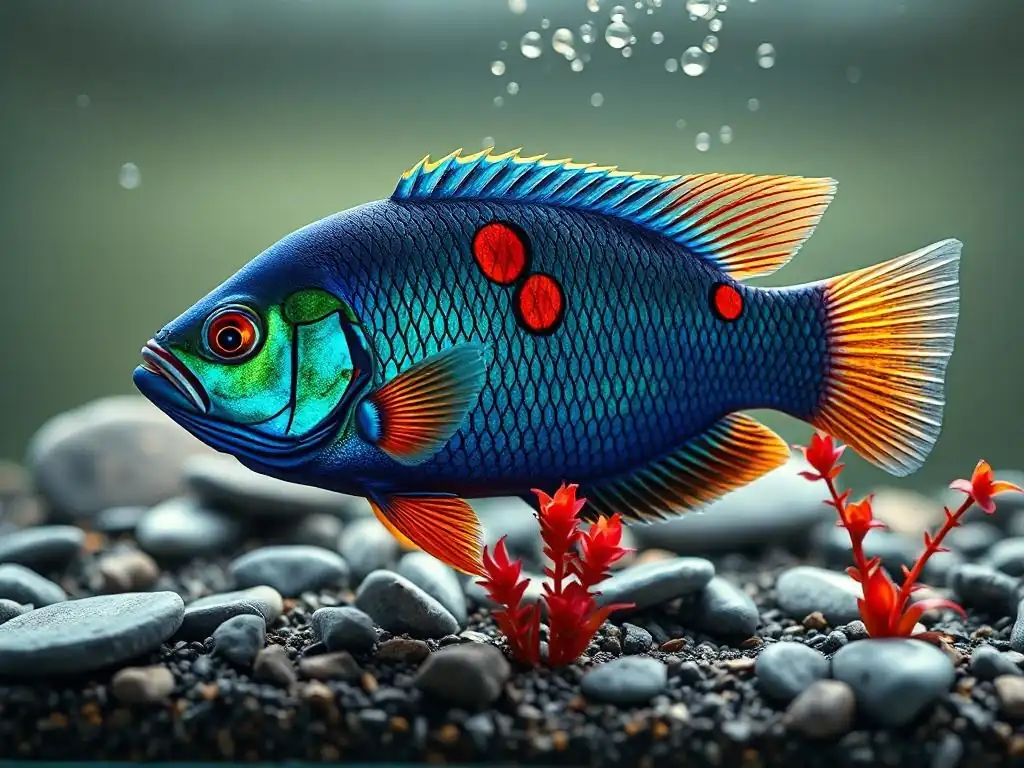
High-Quality Cichlid Pellets: A Staple Food for Peacock Cichlids
High-quality cichlid pellets form the cornerstone of a balanced Peacock cichlid food guide, offering a convenient and nutritionally complete option for daily feeding. These specially formulated pellets are designed to meet the specific dietary needs of African cichlids, providing a consistent source of protein, fats, vitamins, and minerals. Opt for sinking pellets, as Peacock Cichlids are primarily mid-to-bottom dwellers, making it easier for them to consume food before it dissipates, and reducing surface gulping.
When selecting pellets, carefully review the ingredient list to ensure that fish meal, krill, or spirulina are among the first few ingredients, indicating a high protein content, typically above 40%. Brands like Hikari Cichlid Gold, New Life Spectrum Thera-A, or Omega One Cichlid Pellets are often recommended by experienced aquarists due to their superior nutritional profiles and digestibility. Regularly incorporating these pellets into your Peacock cichlid food guide provides a solid foundation for their diet, promoting steady growth and reducing the risk of nutritional deficiencies.
Frozen Foods: Enhancing Diet Variety and Providing Essential Nutrients
Frozen foods are an excellent way to enhance diet variety and provide essential nutrients that might be less concentrated in dry pellets. These options offer a closer resemblance to the natural prey of Peacock Cichlids, stimulating their natural feeding instincts and providing a rich source of protein and beneficial fatty acids. Before feeding, always thaw frozen foods in a small amount of tank water to prevent temperature shock and ensure proper ingestion, making them a valuable component of a comprehensive Peacock cichlid food guide.
Introducing frozen foods 2-3 times per week can significantly boost your cichlids' health and coloration. This variety helps prevent boredom and ensures a broader spectrum of nutrients, which can be particularly beneficial for conditioning breeding pairs or supporting growth in juveniles. The high moisture content and palatability of frozen foods also make them an excellent choice for finicky eaters or new additions to the aquarium, contributing positively to your overall Peacock cichlid food guide.
Bloodworms for Peacock Cichlids: Benefits and Considerations
Bloodworms are a highly palatable and protein-rich frozen food option that many Peacock Cichlids readily accept. Their high iron content can contribute to strong blood health, and their wiggly nature often entices even shy fish to feed. As a treat, bloodworms can be a valuable addition to a varied Peacock cichlid food guide, providing a burst of protein and encouraging active feeding behaviors.
However, while beneficial, bloodworms should be offered in moderation, perhaps 1-2 times per week. They are relatively high in fat and can be messy, potentially impacting water quality if overfed. Additionally, some aquarists report that over-reliance on bloodworms can lead to a less varied diet, potentially causing nutritional imbalances over time. Ensure they are sourced from reputable suppliers to minimize any risk of introducing pathogens into your aquarium.
Brine Shrimp: A Nutritious Treat for Peacock Cichlids
Brine shrimp (Artemia salina), whether frozen or live, serve as a nutritious and highly digestible treat for Peacock Cichlids, particularly smaller specimens or juveniles. While not as protein-dense as other options, they are rich in crude protein (approximately 50-60% dry weight) and contain a good profile of amino acids, making them excellent for conditioning fish or encouraging appetite in new or recovering individuals. Their small size makes them easily digestible and less likely to cause digestive upset.
Many aquarists include brine shrimp in their Peacock cichlid food guide as a regular supplement, perhaps 2-3 times a week. They are particularly useful for encouraging spawning behavior in breeding pairs due to their high nutritional value and natural appeal. For best results, consider feeding enriched brine shrimp, which have been gut-loaded with spirulina or other beneficial supplements to further boost their nutritional content for your cichlids.
Mysis Shrimp: An Excellent Protein Source for Peacock Cichlids
Mysis shrimp are widely regarded as one of the best frozen food options for Peacock Cichlids due to their exceptional nutritional profile. They are packed with high-quality protein, often exceeding 60% dry weight, and are rich in essential fatty acids, including Omega-3s, which are vital for vibrant coloration and overall fish health. Their relatively larger size compared to brine shrimp makes them a substantial meal for adult Peacock Cichlids, making them a cornerstone of any robust Peacock cichlid food guide.
The natural carotenoids present in mysis shrimp also contribute significantly to enhancing the red, orange, and yellow pigments in Peacock Cichlids, making their colors pop. Feeding mysis shrimp 2-3 times per week can visibly improve the vibrancy and intensity of your fish's coloration within a few weeks. Their palatability and nutritional density make them an indispensable component of a diverse and effective Peacock cichlid food guide.
Live Foods: Stimulating Natural Feeding Behaviors in Peacock Cichlids
Live foods offer an unparalleled way to stimulate the natural hunting behaviors of Peacock Cichlids, providing mental enrichment and an extremely nutritious meal. Watching your cichlids actively chase and consume live prey is a fascinating display of their predatory instincts. Options like live blackworms, daphnia, or small ghost shrimp (for larger specimens) can be excellent additions to a varied Peacock cichlid food guide.
However, the use of live foods comes with inherent risks, primarily the potential for introducing parasites or diseases into your aquarium. It is crucial to source live foods from highly reputable suppliers who maintain strict hygiene standards or, even better, to culture them yourself. While the benefits of mental stimulation and superior nutrition are significant, careful consideration of source and potential risks is paramount when incorporating live foods into your Peacock cichlid food guide.
Culturing Live Foods for Your Peacock Cichlids
Culturing live foods at home is an excellent way to ensure a clean, disease-free, and readily available supply for your Peacock Cichlids. Common and relatively easy-to-culture options include daphnia, blackworms, and even small colonies of feeder guppies or mollies (though these are generally only suitable for larger, more aggressive cichlids, and caution is advised due to potential aggression and nutritional imbalances if fed exclusively). For smaller Peacock Cichlids, daphnia are a particularly good choice, as they are rich in protein and carotenoids.
Starting a daphnia culture requires minimal setup: a container of aged water, a starter culture, and a food source like green water or yeast. A successful daphnia culture can produce hundreds of small crustaceans daily, providing a continuous supply of nutritious live food. While culturing requires some initial effort and space, it offers peace of mind regarding the health and safety of the food, making it a highly recommended practice for dedicated aquarists looking to optimize their Peacock cichlid food guide.
Vegetable Matter: Supplementing the Diet of Peacock Cichlids
While Peacock Cichlids are primarily carnivorous, incorporating a small amount of vegetable matter into their diet is a crucial, often overlooked, aspect of a balanced Peacock cichlid food guide. Even obligate carnivores benefit from some plant-based fiber and nutrients, which aid in digestion and can prevent common issues like constipation or bloat. This vegetable matter should not be the primary component of their diet but rather a supplement.
Offering vegetable matter 1-2 times per week helps ensure a well-rounded nutritional intake. It provides essential vitamins, minerals, and dietary fiber that may be less abundant in purely animal-based foods. Ignoring this aspect can lead to digestive discomfort and potentially long-term health issues, highlighting the importance of a holistic approach in your Peacock cichlid food guide.
Spirulina Flakes: Boosting Immunity and Coloration in Peacock Cichlids
Spirulina flakes are an invaluable addition to any Peacock cichlid food guide, acting as a powerful natural supplement for boosting immunity and enhancing coloration. Spirulina, a blue-green algae, is exceptionally rich in protein (approximately 50-60%), essential amino acids, vitamins (B complex, E), and minerals. Crucially, it is also one of the most concentrated natural sources of carotenoids, including beta-carotene and phycocyanin, which directly contribute to the vibrant red, orange, and blue pigments in Peacock Cichlids.
Regularly feeding spirulina flakes, either as a standalone treat or mixed with their regular pellets, can visibly intensify your cichlids' colors within weeks. Beyond aesthetics, the high nutrient density of spirulina strengthens the immune system, making fish more resilient to disease. Many high-quality cichlid pellets already include spirulina, but supplementing with pure spirulina flakes ensures your fish receive an optimal dose of this beneficial algae.
Blanched Vegetables: A Healthy Addition to the Peacock Cichlid Diet
Blanched vegetables offer a healthy and natural way to supplement the Peacock cichlid food guide with essential fiber and vitamins. Options like shelled peas, zucchini slices, and spinach are well-received by many cichlids. To prepare, simply blanch the vegetables by boiling them briefly (1-2 minutes) until they are tender, then allow them to cool completely before offering them to your fish. This process softens the vegetables, making them easier to digest.
Shelled peas, in particular, are often recommended for cichlids experiencing constipation or swim bladder issues due to their high fiber content. Offering blanched vegetables once or twice a week provides a natural source of roughage, aiding in digestive regularity and preventing common gut problems. This simple addition can significantly contribute to the overall health and longevity of your Peacock Cichlids, reinforcing the diversity recommended in a complete Peacock cichlid food guide.
Feeding Schedule and Portion Control for Peacock Cichlids
Determining the Correct Feeding Frequency for Peacock Cichlids
Establishing the correct feeding frequency is a critical component of any effective Peacock cichlid food guide. For adult Peacock Cichlids, feeding once or twice daily is generally sufficient. A single feeding ensures they receive adequate nutrition without overtaxing their digestive system or unduly impacting water quality. If feeding twice, ensure the portions are smaller to avoid overfeeding.
Juvenile Peacock Cichlids, however, benefit from more frequent feedings, typically 2-3 times per day. Their rapid growth rates demand a constant supply of nutrients, and smaller, more frequent meals are easier for their developing digestive systems to process. Consistency in your feeding schedule helps establish a routine for your fish, reducing stress and encouraging healthy feeding behaviors, which is a key principle in a good Peacock cichlid food guide.
Avoiding Overfeeding: Protecting Water Quality and Fish Health
Overfeeding is one of the most common and detrimental mistakes in aquarium keeping, severely impacting both water quality and fish health. Excess food that goes uneaten quickly decomposes, releasing ammonia, nitrites, and nitrates into the water. This leads to dangerous spikes in toxic compounds, stressing fish, compromising their immune systems, and making them susceptible to diseases. A proper Peacock cichlid food guide always emphasizes strict portion control.
Beyond water quality, chronic overfeeding can lead to serious health issues for the fish themselves, including fatty liver disease, digestive upset, and the dreaded bloat, which is often fatal in cichlids. For example, feeding 15-20% more food than necessary daily can lead to measurable increases in nitrates within a week and significantly elevate the risk of bloat within a month. Implementing a "2-minute rule"—feeding only what your fish can consume entirely within two minutes—is a simple yet highly effective strategy to prevent overfeeding and protect your aquarium ecosystem.
How Much to Feed: Portioning Food for Your Peacock Cichlids
Determining the exact amount of food to offer requires careful observation and adherence to the "2-minute rule." This means you should provide only enough food that your Peacock Cichlids can completely consume within approximately 1-2 minutes. Any food remaining after this short period indicates overfeeding and should be promptly removed to prevent water parameter degradation. This precise portioning is a cornerstone of any effective Peacock cichlid food guide.
The exact quantity will vary depending on the number of fish, their size, age, and activity level. For instance, a small group of 5-7 adult Peacock Cichlids might consume a pinch (roughly 0.5 grams) of high-quality pellets in two minutes, whereas juveniles might need slightly less but more frequently. It's always better to underfeed slightly than to overfeed, as cichlids can go for a few days without food without ill effects. Regularly observing your fish's appetite and body condition will allow you to fine-tune portion sizes, ensuring optimal health and water quality, as detailed in this Peacock cichlid food guide.
Maintaining Vibrant Colors Through Proper Peacock Cichlid Feeding
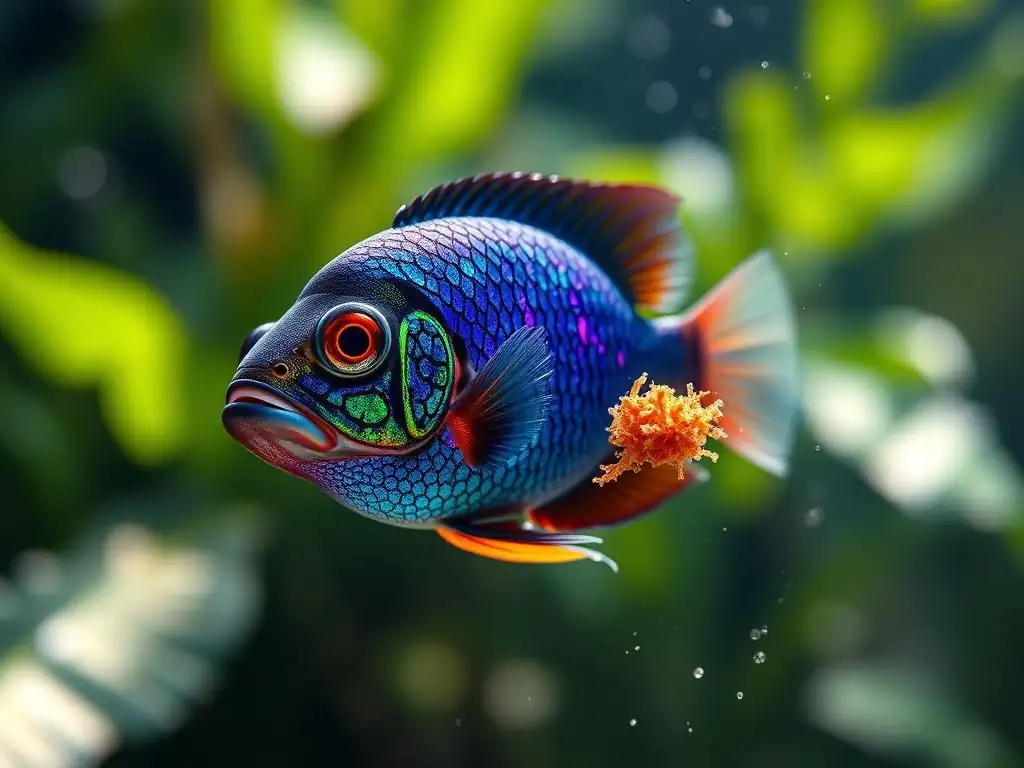
The Link Between Diet and Peacock Cichlid Coloration
The breathtaking colors of Peacock Cichlids are not merely genetic; they are profoundly influenced by their diet. The vibrant reds, blues, and yellows that make these fish so appealing are derived from specific pigments, primarily carotenoids, which must be ingested through food. Without a diet rich in these essential compounds, even genetically superior specimens will exhibit dull, muted coloration. This direct link makes diet a critical factor in any Peacock cichlid food guide focused on aesthetics.
A deficiency in color-enhancing nutrients can lead to a noticeable fading of their characteristic patterns and hues. For example, a Peacock Cichlid that should display a brilliant orange might appear pale yellow or even whitish if its diet lacks sufficient astaxanthin. Conversely, a well-fed fish, receiving a consistent supply of carotenoid-rich foods, will not only maintain its natural vibrancy but often intensify its coloration, showcasing its full genetic potential.
Foods that Enhance Red, Blue, and Yellow Pigments in Peacock Cichlids
To truly unlock and maintain the spectacular red, blue, and yellow pigments of your Peacock Cichlids, your Peacock cichlid food guide must include specific color-enhancing foods. For reds and oranges, look for foods rich in astaxanthin, a powerful carotenoid found abundantly in krill, shrimp, and specialized color-enhancing cichlid pellets. These pellets often list "astaxanthin" or "carotenoids" among their ingredients.
For blues and yellows, spirulina and certain algae are invaluable. Spirulina, a blue-green algae, contains phycocyanin (for blues) and beta-carotene (for yellows and oranges). Foods containing high levels of these natural pigments, such as spirulina flakes or pellets with spirulina as a primary ingredient, should be incorporated regularly. A balanced Peacock cichlid food guide will leverage these natural sources to ensure a full spectrum of color enhancement.
Natural Color Enhancers for Peacock Cichlids: Astaxanthin and Carotenoids
Astaxanthin and other carotenoids are the natural powerhouses behind the vibrant coloration of Peacock Cichlids. These lipid-soluble pigments are absorbed from the diet and deposited in the dermal layers and fins, giving the fish their characteristic hues. Astaxanthin, in particular, is a potent antioxidant and is responsible for many of the brilliant red and orange tones. It is naturally found in the diet of wild cichlids through their consumption of crustaceans and algae.
Incorporating foods naturally rich in these compounds is far superior to relying on artificial colorants. Krill, mysis shrimp, and high-quality spirulina are excellent natural sources of astaxanthin and various carotenoids. Many premium Peacock cichlid food guide pellets are fortified with these natural enhancers to ensure maximum color potential. Consistent feeding of these ingredients, often making up 5-10% of their specialized diet, will yield noticeable improvements in color intensity within a few weeks, making your Peacock Cichlids truly stand out.
Common Feeding Mistakes to Avoid with Peacock Cichlids
Feeding Low-Quality Foods: Impact on Health and Color
One of the most common pitfalls in Peacock Cichlid care is feeding low-quality or generic fish foods. These products often contain excessive fillers (like corn or wheat flour), low-grade proteins, and minimal essential nutrients. While cheaper upfront, their long-term impact on fish health and coloration is severe. Fish fed such diets often appear dull, lethargic, and are more susceptible to disease, directly contradicting the goals of a good Peacock cichlid food guide.
Low-quality foods are poorly digested, leading to increased waste production and a higher bioload on the aquarium's filtration system. This can result in consistently elevated nitrates, frequent algae blooms, and a general decline in water quality, further stressing the fish. For example, pellets with less than 35% protein and high ash content (above 10%) are indicative of poor quality and should be avoided in any serious Peacock cichlid food guide aiming for optimal health and vibrant colors.
Ignoring Vegetable Matter: Preventing Digestive Issues
Despite their carnivorous tendencies, ignoring the small but crucial role of vegetable matter in a Peacock cichlid food guide can lead to significant digestive issues. While they don't graze on algae like Mbuna cichlids, a complete absence of fiber can cause constipation, intestinal blockages, and contribute to bloat. Their natural diet, even of invertebrates, often includes some incidental plant material.
Many aquarists make the mistake of feeding only high-protein animal-based foods, believing it's all their cichlids need. However, supplementing with spirulina flakes or occasional blanched vegetables like peas or zucchini provides essential roughage that aids in healthy gut motility and nutrient absorption. Neglecting this small but vital dietary component can lead to a less efficient digestive system and increase the risk of serious gastrointestinal problems, underscoring the importance of a holistic Peacock cichlid food guide.
Overfeeding and Its Consequences: Water Quality and Bloat
Overfeeding is arguably the single most damaging mistake an aquarist can make when following a Peacock cichlid food guide. Its consequences are twofold: severe degradation of water quality and direct harm to the fish, most notably the dreaded cichlid bloat. Uneaten food quickly decomposes, releasing ammonia and nitrites, which are highly toxic to fish, even in small concentrations. This creates a perpetually unhealthy environment, stressing fish and making them vulnerable to secondary infections.
From a fish health perspective, constant overfeeding leads to excessive fat accumulation, fatty liver disease, and severe digestive distress. Cichlid bloat, characterized by a swollen abdomen, labored breathing, and loss of appetite, is often a direct result of overfeeding, particularly with foods that are hard to digest or expand significantly in the stomach. Once bloat sets in, it is often fatal, with survival rates rarely exceeding 20-30% even with immediate treatment. Adhering strictly to the "2-minute rule" and providing appropriate portion sizes, as outlined in this Peacock cichlid food guide, is paramount to avoiding these devastating consequences.
Transitioning Your Peacock Cichlids to New Foods
Gradual Introduction of New Foods
When introducing new foods into your Peacock cichlid food guide, a gradual approach is key to ensuring acceptance and preventing digestive upset. Cichlids, like many fish, can be wary of unfamiliar textures or flavors. Instead of abruptly switching their entire diet, start by mixing a small amount of the new food with their established, preferred food. For example, if introducing a new pellet, mix 75% old food with 25% new food for the first few days.
Over the course of a week to ten days, slowly increase the proportion of the new food while decreasing the old. This allows your cichlids to acclimate to the taste and texture without feeling deprived or stressed. This method also helps their digestive systems adapt to any new ingredients, minimizing the risk of issues like bloat. Patience in this transition period is a hallmark of a thoughtful Peacock cichlid food guide.
Monitoring Your Cichlids' Reaction to Dietary Changes
Throughout any dietary transition, diligent monitoring of your Peacock Cichlids' reaction is crucial. Observe their appetite: are they readily consuming the new food, or are they spitting it out? Pay attention to their feeding behavior; a sudden decrease in enthusiasm for food can indicate disinterest or digestive discomfort. Their feces can also provide clues: healthy feces should be solid and dark, while white, stringy, or excessively loose feces can signal digestive upset or internal issues.
Also, watch for any changes in their overall activity level, body condition, or coloration. A fish that becomes lethargic, loses weight, or experiences faded colors after a diet change may be reacting poorly to the new food. If any negative signs appear, revert to their old diet or try a different new food. This continuous observation allows you to fine-tune your Peacock cichlid food guide based on individual fish responses, ensuring their well-being.
Optimizing Your Peacock Cichlid Food Guide: Tips and Tricks
Soaking Pellets Before Feeding: Improving Digestibility
A simple yet highly effective trick to optimize your Peacock cichlid food guide is to soak dry pellets in a small amount of tank water for 1-2 minutes before feeding. Dry pellets can expand significantly once ingested, potentially causing discomfort or contributing to bloat in sensitive cichlids. Soaking them pre-emptively allows them to absorb water and expand outside the fish's stomach.
This simple preparation makes the pellets softer and easier for your cichlids to digest, reducing the strain on their digestive system. It also ensures that the fish are getting fully hydrated food, which can be beneficial for overall gut health. Many experienced aquarists incorporate this practice, finding it reduces the incidence of digestive issues and improves nutrient absorption, making it a valuable addition to any Peacock cichlid food guide.
Varying the Diet Regularly: Ensuring a Balanced Intake
The key to a truly optimal Peacock cichlid food guide lies in regular dietary variation. While a high-quality pellet can serve as a staple, relying solely on one type of food, even a good one, can lead to subtle nutritional deficiencies over time and may bore the fish. Introducing a rotation of different foods ensures a broader spectrum of vitamins, minerals, and trace elements that might be present in varying concentrations across different food types.
For instance, rotate between a high-quality cichlid pellet, frozen mysis shrimp, frozen bloodworms, and spirulina flakes throughout the week. This variety not only provides a more complete nutritional profile but also stimulates the fish's appetite and keeps them engaged during feeding times. A varied Peacock cichlid food guide mimics the diversity of their natural foraging, promoting superior health, vibrant colors, and overall longevity.
Observing Your Fish's Feeding Behavior: Adjusting the Diet as Needed.
The most crucial tip for optimizing your Peacock cichlids food guide is continuous observation of your fish's feeding behavior. Your cichlids are the best indicators of whether their diet is meeting their needs. Are they eager to eat? Do they consume all the food quickly, or do they spit it out? Are they maintaining good body condition – neither too thin nor bloated? Are their colors consistently vibrant?
If you notice a lack of appetite, dull coloration, or changes in their waste, it may be a sign that their diet needs adjustment. Perhaps they need more protein, a different type of food, or less frequent feedings. By paying close attention to these cues, you can fine-tune quantities, types of food, and feeding schedules to perfectly match the individual requirements of your Peacock Cichlids. This proactive and responsive approach is the hallmark of an expert Peacock cichlid food guide.
Frequently Asked Questions
What is the best type of food to feed my Peacock Cichlids to enhance their colors?
The best food for enhancing color in Peacock Cichlids is one rich in natural color enhancers like spirulina and astaxanthin. These help bring out their vibrant coloration.
How often should I feed my Peacock Cichlids?
Peacock Cichlids should be fed 2-3 times a day in small amounts they can consume within a few minutes. Avoid overfeeding to maintain water quality.
What is the ideal protein content for Peacock Cichlid food?
Peacock Cichlids thrive on a diet with a high protein content, ideally between 40-50%. This is crucial for their growth and overall health.
Can I feed my Peacock Cichlids live food, and if so, what are some good options?
Yes, live food is beneficial for Peacock Cichlids. Great options include bloodworms, brine shrimp, and daphnia, but use them as a supplement, not a staple.
What are some signs that I am overfeeding my Peacock Cichlids?
Signs of overfeeding include cloudy water, uneaten food accumulating at the bottom of the tank, and increased algae growth. Adjust feeding accordingly to prevent these issues.
Final Reflection: The Vibrant Legacy of Peacock Cichlids
The journey of understanding the dietary needs of Peacock Cichlids, as explored in this guide, underscores a fundamental truth: proper nutrition is the cornerstone of vibrant life. What began as a practical exploration of the best feeding strategies for these magnificent fish transcends mere husbandry; it becomes a testament to the interconnectedness of environment, diet, and the flourishing of beauty in the natural world.
This deep dive into the Peacock Cichlid's diet has not only illuminated the path to optimal health and coloration for these fish, but also highlighted the broader responsibility we have as custodians of aquatic life. Witnessing the transformative power of a protein-rich diet on these creatures has been a humbling reminder of the delicate balance that sustains all living things. We are what we eat, but what we eat also shapes the world around us.
This quote, though often applied to human health, resonates deeply with the principles of responsible fishkeeping and the profound impact our choices have on the well-being of these aquatic gems.
Now, as you close this guide, consider the lessons learned about the power of informed care and the profound impact of nutrition. Let this knowledge inspire you to not only provide the best possible diet for your Peacock Cichlids, but also to cultivate a deeper appreciation for the intricate web of life that connects us all. Embrace the responsibility of stewardship, and let your dedication to these vibrant creatures be a testament to the beauty and power of informed, compassionate care.
Unleash Your Cichlids' True Colors!
Thanks for diving into the world of Peacock Cichlid nutrition! We hope you’ve gained some valuable insights into keeping your fish healthy and vibrant. Now, let’s put that knowledge into action:
- Commit to a "Protein Power Week": Carefully monitor your cichlids' color and activity levels as you prioritize high-quality protein-rich foods for one week. Document your observations!
- Experiment with Offering Live Foods: Introduce a small, safe portion of live brine shrimp or daphnia to your cichlids’ diet and Observe their hunting behavior.
- Share Your Secret Recipe: Do you have a tried-and-true food combination that your Peacock Cichlids adore? Post in the community forum at AquariumMastery.com and help other keepers!
What protein-packed food are you most excited to try feeding your Peacock Cichlids first?