
Beyond Algae: The Diverse Diets of Different Freshwater Snail Species

Welcome to Aquarium Mastery!
Ever wondered if your freshwater snails are getting everything they need to thrive? Beyond the algae, lies a fascinating world of dietary preferences. Dive into our in-depth exploration of freshwater snail dietary needs and unlock the secrets to a healthier, happier, and more vibrant aquarium. Ready to discover what really makes your snails tick? Let's get started!
- Understanding Freshwater Snail Dietary Needs in the Aquarium
-
Exploring the Feeding Habits of Common Freshwater Snail Species
- Nerite Snails: Specialized Algae Grazers and Their Dietary Limitations
- Mystery Snails: Omnivorous Scavengers with a Varied Appetite
- Ramshorn Snails: Detritus Eaters and Plant Debris Consumers
- Assassin Snails: Carnivorous Predators Targeting Other Snails
- Pond Snails and Bladder Snails: Opportunistic Feeders and Their Impact on Tank Ecosystems
- Freshwater Snail Feeding Guide: Providing a Balanced Diet
- Advanced Freshwater Snail Nutrition: Tailoring Diets to Specific Needs
- Optimizing Your Aquarium Ecosystem for Healthy Snail Feeding
- Conclusion: Mastering Freshwater Snail Nutrition for a Thriving Aquarium
-
Frequently Asked Questions
- What are the primary dietary needs of most freshwater snails?
- Do all freshwater snail species eat the same things?
- What supplemental foods can I offer my freshwater snails?
- How often should I feed my freshwater snails supplemental foods?
- How do I know if my freshwater snails are getting enough to eat?
- Final Reflection: Unveiling the Hidden World of Freshwater Snail Diets
- Dive Deeper: Unlock the Secrets of a Thriving Snail Habitat!
Understanding Freshwater Snail Dietary Needs in the Aquarium
Why Knowing Your Snail's Diet is Crucial for Aquarium Health
Proper nutrition is fundamental to the health and longevity of any aquarium inhabitant, and freshwater snails are no exception. An inadequate diet can lead to a host of problems for your shelled companions, including stunted growth, brittle or pitted shells, and a weakened immune system, making them more susceptible to disease. For instance, a Mystery Snail that might typically live for 2-3 years can see its lifespan drastically cut to less than a year if its specific freshwater snail dietary needs are not met, often manifesting as severe shell erosion within months.
Furthermore, understanding the specific freshwater snail dietary needs of your species plays a vital role in maintaining the overall health and balance of your aquarium ecosystem. Overfeeding, or providing the wrong type of food, not only directly harms the snails but also contributes to poor water quality through excess decaying organic matter. This can lead to dangerous spikes in ammonia and nitrites, particularly in smaller tanks under 20 gallons, potentially jeopardizing the health of all inhabitants, including fish and plants.
The Myth of the Algae-Eating Snail: Beyond the Green Scum
A common misconception among aquarists is that all freshwater snails primarily subsist on algae, serving as universal tank cleaners. While many snail species do graze on algae, relying solely on naturally occurring algae in a well-maintained, clean aquarium is often insufficient and can lead to starvation. In a mature tank with efficient filtration and minimal light, the amount of algae available might be negligible, certainly not enough to sustain even a small population of snails.
This oversimplification of freshwater snail dietary needs often results in snails becoming malnourished as they deplete the limited algae resources. For example, a single Nerite Snail can clear a 10-gallon tank of visible green spot algae within a week or two, leaving it with no primary food source. Therefore, moving beyond the "algae-eater" myth is crucial for providing a truly balanced and appropriate diet for your specific snail species, ensuring their well-being and preventing them from slowly starving in a seemingly clean environment.
Exploring the Feeding Habits of Common Freshwater Snail Species
Nerite Snails: Specialized Algae Grazers and Their Dietary Limitations
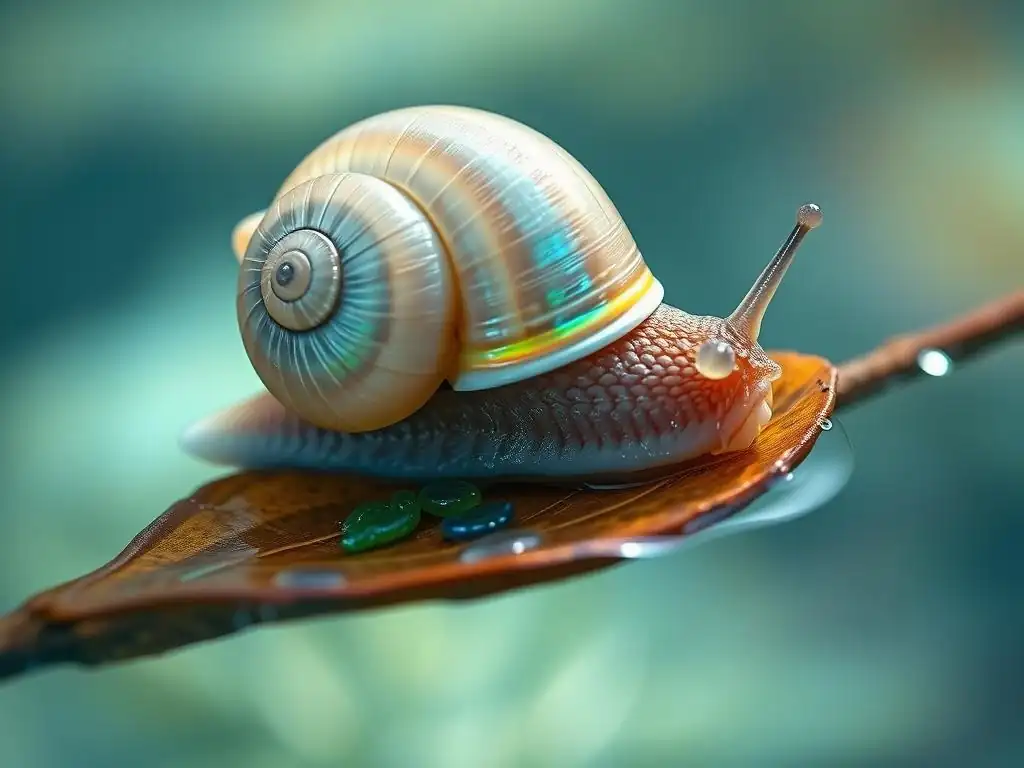
Nerite snails, such as the Zebra Nerite ( Neritina natalensis) or Horned Nerite ( Clithon corona), are renowned for their exceptional ability to consume various types of algae, including diatoms (brown algae) and green spot algae. They possess a specialized radula that effectively scrapes tough, adherent algae from surfaces like glass, rocks, and décor. However, their dietary preferences are quite specific, often leading them to ignore softer, stringier algae types like hair algae, which can be frustrating for aquarists hoping for a complete algae solution.
Despite their reputation, Nerite snails have significant dietary limitations that are crucial to understand for their long-term health. Unlike many other snail species, they typically do not readily consume commercial fish flakes, pellets, or even blanched vegetables, making their freshwater snail dietary needs challenging to meet in an algae-scarce tank. In an aquarium with minimal natural algae growth, a Nerite snail can starve within a few weeks if no alternative, acceptable food sources are provided, as they are not efficient at processing detritus or biofilm for sustained nutrition.
Supplementing a Nerite Snail Diet: What to Feed When Algae is Scarce
When natural algae growth in the aquarium is insufficient, supplementing a Nerite snail's diet becomes essential. Blanched vegetables such as zucchini slices, cucumber, or spinach leaves can be offered, though it's important to note that many Nerites will only consume them after they have softened considerably and developed a layer of biofilm. Specialized algae wafers high in spirulina are another option, but success rates vary, with perhaps only 30-50% of Nerites readily accepting them.
A more effective method to supplement their freshwater snail dietary needs is to cultivate algae outside the main tank. Placing smooth rocks or pieces of driftwood in a separate container with ample light, even direct sunlight (carefully monitored to prevent overheating), can encourage a thick growth of preferred algae. These "algae rocks" can then be rotated into the main display tank for the Nerites to graze on, providing a continuous, natural food source that they are instinctively drawn to.
Mystery Snails: Omnivorous Scavengers with a Varied Appetite
Mystery snails ( Pomacea bridgesii), also known as Apple snails (though distinct from the invasive Pomacea canaliculata), are highly popular in freshwater aquariums due to their striking colors and active foraging behavior. These snails are omnivorous scavengers, meaning their freshwater snail dietary needs encompass a wide range of food sources. In their natural habitat and in the aquarium, they consume decaying plant matter, biofilm, detritus, soft algae, and any uneaten fish food that settles on the substrate.
Their varied appetite makes them relatively easy to feed compared to more specialized snails like Nerites. Mystery snails actively explore the tank, using their siphon to detect food sources and their strong radula to consume it. Given their potential to grow quite large, often reaching 2 inches (5 cm) in shell diameter, their nutritional requirements are substantial, necessitating a consistent and diverse food supply for optimal growth and vibrant shell coloration.
Feeding Mystery Snails: A Balanced Diet for Optimal Growth
To ensure optimal growth and health for Mystery snails, a balanced diet is crucial. High-quality sinking pellets formulated for omnivorous bottom feeders or snails are an excellent staple. These should be supplemented with blanched vegetables like lettuce, kale, spinach, or zucchini, which provide essential vitamins and fiber. For added protein, small amounts of frozen bloodworms or brine shrimp can be offered occasionally, particularly beneficial for breeding individuals.
Calcium is another critical component of the Mystery snail's diet, vital for strong shell development and preventing common issues like shell erosion and pitting. If water hardness (GH) is low, or if their diet lacks sufficient calcium, their shells can become brittle and damaged, sometimes showing visible signs of deterioration across 20-30% of the shell surface. Supplementing with calcium-rich foods or adding a source like cuttlebone to the tank can significantly improve shell health and contribute to their overall freshwater snail dietary needs.
Ramshorn Snails: Detritus Eaters and Plant Debris Consumers
Ramshorn snails ( Planorbella spp.), easily identifiable by their distinctive coiled, ram's horn-shaped shells, are highly efficient detritivores. Their primary freshwater snail dietary needs revolve around consuming decaying organic matter, making them excellent members of the aquarium clean-up crew. They voraciously consume dead or decaying plant leaves, uneaten fish food, and the biofilm that coats all surfaces in the tank. While they will graze on soft algae, they are not as effective as Nerites at removing tougher, more adherent algae types.
One notable characteristic of Ramshorn snails is their prolific breeding rate, which is directly linked to food availability. In an environment with an abundance of decaying plant matter or uneaten fish food, a single Ramshorn snail can lay multiple clutches of eggs, each containing 10-30 eggs, every few days. This rapid reproduction often leads to population explosions, which, while indicating a healthy food source, can become aesthetically undesirable and contribute to the bioload if not managed.
Ramshorn Snail Feeding Strategies: Controlling Populations Through Diet
The most effective strategy for controlling Ramshorn snail populations is to manage their freshwater snail dietary needs by limiting their food sources. Overfeeding fish is a common culprit for snail booms; any fish food that is not consumed promptly and settles on the substrate becomes a feast for Ramshorn snails. Therefore, reducing the amount of food given to fish is the first and most impactful step in population control.
Beyond reducing fish food, diligent tank maintenance plays a crucial role. Regular gravel vacuuming removes accumulated detritus and uneaten food from the substrate, directly eliminating a primary food source for Ramshorns. Promptly removing any dead or decaying plant leaves from the aquarium also prevents them from becoming a significant food item. By strictly controlling the available food, aquarists can effectively manage Ramshorn snail numbers, keeping them at a beneficial, rather than overwhelming, level.
Assassin Snails: Carnivorous Predators Targeting Other Snails
Assassin snails ( Anentome helena) stand out among freshwater snails due to their carnivorous nature. Unlike the herbivorous or omnivorous species, Assassin snails are obligate molluscivores, primarily preying on other snails. They are frequently introduced into aquariums specifically to control populations of pest snails like Ramshorns, Pond, and Bladder snails. A small group of 5-10 Assassin snails can effectively reduce a moderate pest snail infestation by 50-70% within a few weeks to a couple of months.
Their hunting method involves burying themselves in the substrate and emerging to ambush unsuspecting prey. They use their long proboscis to consume the tissues of their victims, leaving behind empty shells. While their primary freshwater snail dietary needs are met by other snails, they are opportunistic and will also scavenge on protein-rich detritus, uneaten fish food, or even small dead fish if live prey is scarce, though live snails remain their preferred food.
Assassin Snail Diet: Ensuring They Receive Adequate Nutrition
Once a tank's pest snail population has been significantly reduced or eliminated, it is crucial to supplement the Assassin snails' diet to ensure they receive adequate nutrition. They will not thrive on algae wafers or blanched vegetables. Instead, protein-rich foods such as frozen bloodworms, brine shrimp, or high-quality sinking pellets formulated for carnivorous bottom feeders should be offered. These can be dropped near them, as they are not particularly active hunters when prey is not abundant.
Providing sufficient protein is vital for their health and activity; without it, Assassin snails can become lethargic, lose their vibrant coloration, and eventually starve. For a small colony of 5-10 Assassin snails in a tank devoid of pest snails, offering a few frozen bloodworms every other day might be necessary to maintain their health. Regularly monitoring their activity levels and plumpness can indicate if their freshwater snail dietary needs are being met.
Pond Snails and Bladder Snails: Opportunistic Feeders and Their Impact on Tank Ecosystems
Pond snails ( Lymnaea spp.) and Bladder snails ( Physa spp.) are two common freshwater snail species often found inadvertently introduced into aquariums, typically hitchhiking on live plants. These snails are highly opportunistic feeders with incredibly broad freshwater snail dietary needs, allowing them to thrive on almost any organic matter available. They consume algae, biofilm, detritus, decaying plant matter, and crucially, any uneaten fish food, making them highly efficient members of the clean-up crew.
While beneficial in small numbers for consuming waste, their highly opportunistic feeding habits and incredibly rapid reproduction rates often lead to them being considered "pest" snails. Their ability to reproduce quickly, laying multiple clutches of 50-100 eggs if food is abundant, means they can quickly overrun an aquarium. Their small size, usually less than 0.5 inches, allows them to exploit even the tiniest food particles, contributing to their pervasive presence in many tanks.
Managing Pond and Bladder Snail Populations Through Dietary Control
The exponential growth of Pond and Bladder snail populations is almost always a direct indicator of overfeeding in the aquarium. Therefore, the most effective and sustainable method for managing their numbers is through strict dietary control. Reducing the amount of food given to fish and other tank inhabitants to only what can be consumed within a few minutes will significantly cut off their primary food source.
Beyond adjusting feeding habits, meticulous aquarium maintenance is key. Regular gravel vacuuming to remove uneaten food and accumulated detritus, along with prompt removal of any dead or dying plant leaves, directly reduces the available food for these snails. By consistently limiting their access to excess nutrients and organic waste, aquarists can effectively manage the freshwater snail dietary needs of Pond and Bladder snails, thereby controlling their populations without the need for chemical treatments that can harm other invertebrates or fish.
Freshwater Snail Feeding Guide: Providing a Balanced Diet
Essential Nutrients for Freshwater Snails: Vitamins, Minerals, and Protein
For freshwater snails to thrive, a balanced intake of essential nutrients is paramount. Calcium is perhaps the most critical mineral, directly impacting shell integrity. Without adequate calcium, snail shells can become soft, brittle, pitted, or eroded, leaving the snail vulnerable to bacterial infections and physical injury. Studies show that a calcium deficiency can lead to significant shell damage, visibly affecting up to 50% of the shell surface in severe, prolonged cases.
Beyond calcium, protein is vital for growth, tissue repair, and reproduction, particularly for larger or breeding species like Mystery Snails. Vitamins and various trace minerals are also essential for overall metabolic function, immune system strength, and maintaining vibrant coloration. Different freshwater snail dietary needs dictate varying ratios of these nutrients; for instance, carnivorous snails require significantly more protein than herbivorous grazers, while all snails benefit from a consistent supply of calcium.
Suitable Food Sources for Freshwater Snails: A Comprehensive List
Providing a varied diet is crucial to ensure all freshwater snail dietary needs are met, as no single food source can provide a complete nutritional profile for every species. A combination of commercial foods and natural supplements is often the best approach. This comprehensive list details various suitable food sources, catering to the diverse feeding habits discussed previously.
The key to successful snail feeding lies in understanding the specific preferences of your snail species and offering a diverse menu. This approach not only ensures nutritional completeness but also encourages natural foraging behaviors, contributing to a more engaging and healthier aquarium environment for your snails.
Algae Wafers and Sinking Pellets: A Staple Food for Many Snails
Algae wafers and sinking pellets are convenient and widely available commercial food options that serve as a staple for many freshwater snail species, particularly omnivores and some herbivores. These foods are specifically formulated for bottom feeders and invertebrates, often fortified with essential vitamins, minerals, and calcium. For herbivorous snails, choosing wafers high in spirulina or other plant-based ingredients is beneficial.
It is crucial to select sinking varieties to ensure snails, which primarily feed on the substrate or tank surfaces, can easily access them. While these are excellent supplementary foods, it's important to avoid overfeeding. A common guideline is to provide only what your snails can consume within a few hours; for instance, a 1-inch algae wafer might be sufficient for 3-4 medium-sized Mystery Snails for an entire day, preventing excess waste that can foul water.
Blanched Vegetables: A Healthy Treat for Herbivorous and Omnivorous Snails
Blanched vegetables are a highly nutritious and natural food source for many herbivorous and omnivorous freshwater snails, including Mystery Snails, Ramshorns, and even some Nerites (though less consistently). Suitable options include zucchini, cucumber, spinach, romaine lettuce, and kale. Blanching involves briefly boiling the vegetables for 1-2 minutes, then cooling them, which softens the cell walls, making them easier for snails to consume and ensuring they sink readily.
These vegetables provide essential vitamins, minerals, and fiber, contributing significantly to a balanced diet. Offer a small piece at a time, securing it with a veggie clip or a clean rock to prevent it from floating. It is imperative to remove any uneaten vegetable matter within 24 hours to prevent it from decaying and negatively impacting water quality, which can otherwise lead to ammonia spikes and bacterial blooms.
Calcium Supplements: Promoting Strong Shell Growth in Freshwater Snails
Calcium is arguably the most vital nutrient for freshwater snails, directly impacting the strength and integrity of their shells. Beyond calcium-fortified commercial foods, direct calcium supplementation may be necessary, especially in areas with naturally soft water (low GH). Common methods include adding a piece of cuttlebone (often sold for birds, but safe for aquariums) to the tank, which slowly dissolves and releases calcium into the water.
Alternatively, liquid calcium supplements designed for aquariums or even food-grade calcium carbonate powder can be used, carefully dosed to avoid sudden pH fluctuations. Maintaining adequate General Hardness (GH) in the aquarium water, ideally between 8-12 dGH for most common freshwater snail species, is also crucial, as snails absorb calcium directly from the surrounding water. Consistent calcium availability is key to preventing shell pitting, erosion, and ensuring robust shell growth throughout their lifespan.
Avoiding Overfeeding: Preventing Water Quality Issues and Snail Overpopulation
Overfeeding is one of the most common mistakes in aquarium keeping, and it has direct, detrimental effects on both water quality and snail populations. Excess food that goes uneaten quickly decomposes, releasing ammonia and nitrites into the water. These compounds are highly toxic to all aquarium inhabitants, including snails, leading to stress, disease, and potentially fatalities. Moreover, the increased organic load can fuel unsightly algal blooms and bacterial growth.
Beyond water quality degradation, overfeeding directly contributes to the overpopulation of opportunistic snails like Ramshorns, Pond, and Bladder snails. These species reproduce rapidly when food is abundant, turning a few beneficial scavengers into hundreds of "pest" snails within weeks. The general rule is to feed only what your snails (and other tank inhabitants) can consume within 2-3 hours for pellets/wafers, or 12-24 hours for blanched vegetables. Promptly remove any uneaten food to maintain a clean and healthy environment, thereby managing their freshwater snail dietary needs and population.
Advanced Freshwater Snail Nutrition: Tailoring Diets to Specific Needs
Breeding and Growth: Adjusting Diets for Optimal Reproduction
For aquarists interested in breeding freshwater snails, or those with juvenile snails undergoing rapid growth, adjusting their diet becomes critical. Increased protein and calcium intake are particularly vital during these phases. Female snails require substantial nutritional resources for egg production; a well-fed Mystery Snail female, for example, can lay an egg clutch containing anywhere from 50 to 200 eggs every 1-2 weeks. Insufficient protein or calcium can lead to reduced egg viability or even prevent egg-laying altogether.
Similarly, juvenile snails require a nutrient-dense diet to support their rapid growth and ensure the development of strong, healthy shells from an early age. Providing access to high-quality protein sources, consistent calcium, and a variety of micro-nutrients helps prevent shell deformities and ensures they reach their full adult size and potential. Tailoring their freshwater snail dietary needs during these life stages directly impacts their reproductive success and overall vitality.
Addressing Dietary Deficiencies: Recognizing and Correcting Nutritional Imbalances
Recognizing the signs of dietary deficiencies is crucial for prompt intervention and maintaining snail health. The most common deficiency is calcium, manifesting as visible shell pitting, erosion, or a brittle, thin shell. White patches or a "chalky" appearance on the shell can also indicate a lack of available calcium or poor absorption. Snails suffering from calcium deficiency may also exhibit reduced activity or spend more time retracted into their shells.
Other deficiencies, such as a lack of protein or essential vitamins, can lead to more general symptoms like lethargy, stunted growth, a complete loss of appetite, or faded coloration. To correct these imbalances, increase the amount of calcium-rich foods or supplements, offer a wider variety of protein-rich foods (for omnivores/carnivores), and ensure a consistent supply of natural biofilm and detritus for species that rely on them. Observing their feeding habits and shell condition regularly is key to addressing their freshwater snail dietary needs effectively.
The Role of Biofilm in Freshwater Snail Nutrition
Biofilm, often overlooked, plays a surprisingly significant role in the freshwater snail dietary needs of many species, especially juveniles and grazers. Biofilm is a complex microbial community consisting of bacteria, algae, fungi, and other microorganisms that naturally adheres to all submerged surfaces in an aquarium, including glass, rocks, plants, and substrate. It forms a nutrient-rich, continuous food source that many snails constantly graze upon.
Even specialized algae eaters like Nerite snails consume substantial amounts of biofilm along with algae, as it provides a more complete nutritional profile than just raw algae alone. For detritivores and filter feeders, biofilm is a primary dietary component, offering a rich blend of proteins, fats, and carbohydrates. Promoting a healthy, mature biofilm layer in the aquarium can significantly contribute to the overall well-being and natural feeding behaviors of many snail species, reducing their reliance on supplementary foods.
Optimizing Your Aquarium Ecosystem for Healthy Snail Feeding
Promoting Algae Growth Naturally: Balancing Light and Nutrients
For snail species that primarily graze on algae, such as Nerites, promoting natural algae growth within the aquarium can be a highly effective way to meet their freshwater snail dietary needs. This doesn't mean allowing unsightly algae blooms, but rather cultivating a healthy, manageable film. Achieving this balance involves providing 8-10 hours of moderate lighting daily and ensuring stable, low-to-moderate nutrient levels in the water.
Allowing some indirect sunlight to hit certain parts of the tank for short periods (e.g., 1-2 hours) can also encourage desirable algae types like green spot algae. However, caution must be exercised to prevent overheating the tank. A well-established, mature aquarium often develops a natural balance where beneficial algae grow at a rate that provides a continuous food source for grazing snails without becoming a nuisance, minimizing the need for constant supplementation.
Creating a Detritus-Rich Environment for Detritus-Feeding Snails
For detritus-feeding snails like Ramshorns and many Pond/Bladder snails, creating a "detritus-rich" environment means providing a consistent source of decomposing organic matter. This does not imply a dirty or unkempt tank, but rather one that supports the natural breakdown of plant matter and other organic debris. This can be achieved by leaving a thin layer of mulm (fine organic debris) on the substrate during gravel vacuuming, rather than siphoning it all out.
Incorporating botanicals such as Indian almond leaves, alder cones, or cholla wood can also contribute to a detritus-rich environment. As these materials slowly break down, they provide a continuous supply of decaying organic matter and biofilm, which are primary components of these snails' freshwater snail dietary needs. This approach supports their natural feeding behaviors and helps maintain a self-sustaining ecosystem where these snails can thrive.
Maintaining Water Quality: The Impact of Feeding on Aquarium Parameters
The way you manage freshwater snail dietary needs directly impacts overall aquarium water quality, which in turn affects the health of all tank inhabitants. Overfeeding, or allowing uneaten food to accumulate, significantly increases the bioload, leading to elevated levels of ammonia, nitrite, and nitrate. These toxic compounds stress snails, making them susceptible to disease, shell problems, and ultimately, shortening their lifespan.
Therefore, meticulous water quality management is integral to healthy snail feeding. Regular water changes (e.g., 25% weekly for a typical tank) are essential to remove dissolved organic pollutants and replenish essential minerals. Effective mechanical and biological filtration helps process waste and maintain stable parameters. By ensuring pristine water quality, aquarists create an optimal environment where snails can safely consume their food and thrive without the adverse effects of poor water conditions.
Conclusion: Mastering Freshwater Snail Nutrition for a Thriving Aquarium
The Importance of Observation: Monitoring Your Snails' Feeding Habits
Mastering freshwater snail nutrition is an ongoing process that heavily relies on careful observation. Aquarists should regularly monitor their snails' feeding habits, activity levels, and shell condition. A snail that is actively moving, grazing, and has a smooth, intact shell is generally well-fed and healthy. Conversely, a snail that remains retracted into its shell for extended periods, exhibits lethargy, or shows visible signs of shell pitting or erosion is likely experiencing nutritional deficiencies or environmental stress.
Observing how quickly food is consumed, or if certain food items are ignored, can provide valuable insights into their specific freshwater snail dietary needs and preferences. For instance, if algae wafers remain untouched by Nerites, it's a strong indicator they need a different food source. This continuous monitoring allows for prompt adjustments to their diet or tank parameters, ensuring their long-term well-being and contributing to a thriving aquarium ecosystem.
Continuing Education: Staying Informed About Freshwater Snail Dietary Needs
The field of aquarium keeping is constantly evolving, with new research and insights regularly emerging regarding the specific freshwater snail dietary needs of various species. What might have been considered common knowledge a decade ago could now be refined or even debunked. Therefore, continuing education and staying informed are crucial for any dedicated aquarist aiming for optimal snail health.
Engaging with reputable aquarium communities, consulting scientific articles, and reading updated care guides can provide invaluable information on advanced nutritional strategies, new food products, and the latest understanding of snail physiology. This commitment to ongoing learning ensures that aquarists can adapt their feeding practices to provide the best possible care, fostering a deeper connection with their aquatic inhabitants and ensuring their freshwater snail dietary needs are always met with the most current knowledge.
Frequently Asked Questions
What are the primary dietary needs of most freshwater snails?
Most freshwater snails primarily need a diet consisting of algae and biofilm. However, a varied diet is crucial for their health, often including supplemental food sources.
Do all freshwater snail species eat the same things?
No, different freshwater snail species have varied dietary preferences. Some are primarily algae eaters, while others might prefer detritus or even plant matter.
What supplemental foods can I offer my freshwater snails?
You can supplement their diet with algae wafers, blanched vegetables like zucchini or spinach, and even small amounts of fish food.
How often should I feed my freshwater snails supplemental foods?
The frequency depends on the snail population and algae availability, but generally, 2-3 times a week is sufficient. Overfeeding can lead to poor water quality.
How do I know if my freshwater snails are getting enough to eat?
Signs of a healthy diet include active grazing, healthy shell growth, and a lack of interest in unhealthy plants. Look for consistent activity levels and observe their general appearance.
The exploration of freshwater snail dietary needs reveals a fascinating microcosm of ecological interdependence, far exceeding the simplistic notion of algae-grazing. Understanding these diverse diets is not merely an academic exercise; it's crucial for maintaining healthy aquatic ecosystems and successfully managing these often-overlooked creatures in aquariums and conservation efforts. The intricate web of consumption and decomposition highlights the vital role snails play in nutrient cycling and overall biodiversity.
This journey into the culinary preferences of freshwater snails has profoundly impacted my understanding of the interconnectedness within freshwater environments. It's humbling to realize how much we often overlook the complexity of even the smallest creatures and their impact on the larger ecosystem. In nature, nothing exists alone.
- Rachel Carson. This quote perfectly encapsulates the essence of this exploration, reminding us that each species, with its unique dietary needs, contributes to the delicate balance of life.
Now, consider the implications of this knowledge. How can you, as an aquarist, a conservationist, or simply an observer of nature, apply these insights? Take a moment to reflect on your own impact on freshwater ecosystems. Are you making informed choices about the snails you keep, the products you use, and the habitats you protect? Let this understanding of freshwater snail dietary needs inspire you to act as a steward of these vital ecosystems, ensuring a thriving future for these often-underappreciated creatures and the environments they call home.
Dive Deeper: Unlock the Secrets of a Thriving Snail Habitat!
Thanks for exploring the fascinating world of freshwater snail diets! We hope you've discovered some valuable insights into keeping your shelled friends happy and healthy. Now, let's turn that knowledge into action!
Here's how you can take the next step:
- Experiment with a new, snail-specific food source in your aquarium this week. Observe which snails are most drawn to it and note any changes in their behavior or shell growth.
- Share your own experiences! What unexpected foods have your snails enjoyed? Post a photo or video of your snails feasting on your aquarium's community forum.
- Feeling adventurous? Try cultivating a small patch of aquatic plants in a separate container to offer as a rotating treat.
What unique food combinations have you found that your snails absolutely adore? Share your culinary discoveries in the comments below!