
Understanding LPS Coral Skeleton Growth: Calcium, Alkalinity & More

Welcome to Aquarium Mastery!
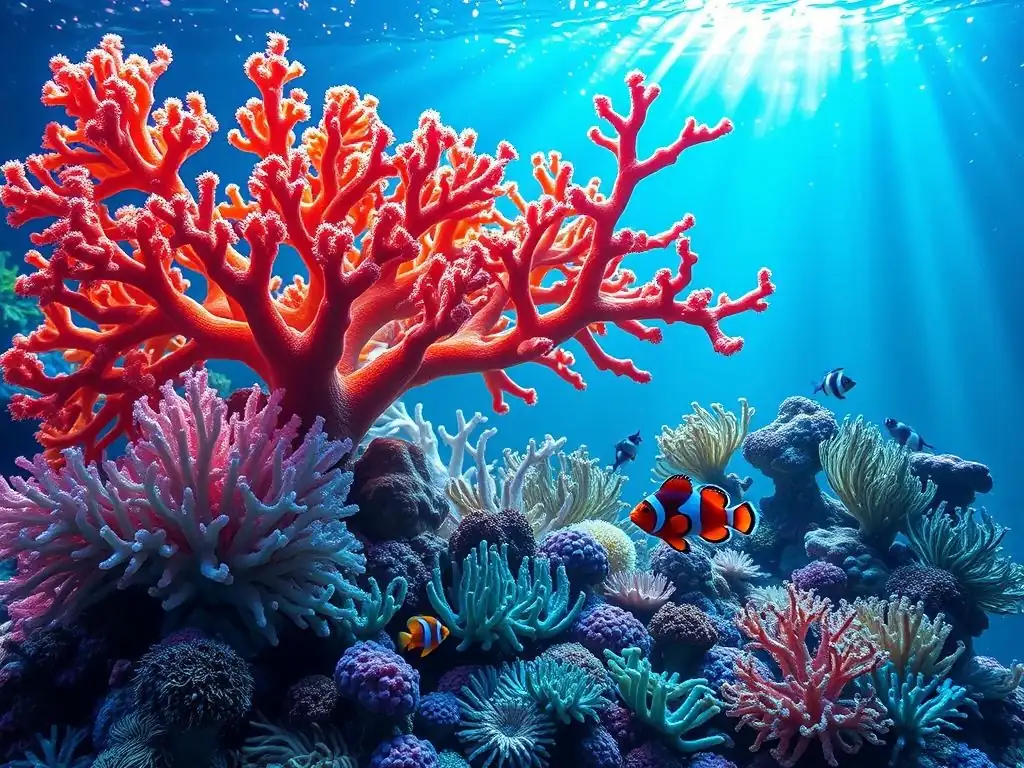
Ever wondered how to unlock the secrets to vibrant and flourishing LPS corals? Dive in and discover everything you need to know about achieving optimal growth in your LPS corals. We're breaking down the science behind LPS coral skeleton growth, exploring the vital roles of calcium, alkalinity, and other key elements. Ready to witness the magnificent transformation of your LPS corals? Let's explore!
- Introduction to LPS Coral Skeletal Development
- Key Elements for LPS Coral Skeleton Growth
- Optimizing Water Chemistry for Enhanced LPS Coral Skeleton Growth
- Factors Influencing LPS Coral Skeleton Growth
- LPS Coral Skeleton Growth Tips: A Practical Guide
- Troubleshooting Common LPS Coral Skeleton Growth Problems
- Advanced Techniques for Promoting LPS Coral Skeleton Growth
- Conclusion: Achieving Success with LPS Coral Skeleton Growth
-
Frequently Asked Questions
- How crucial are calcium and alkalinity for LPS coral skeleton growth?
- What water parameters should I monitor and maintain for optimal LPS coral skeleton growth?
- What role does lighting play in LPS coral skeleton growth?
- What are some common signs of calcium or alkalinity deficiencies in LPS corals?
- Besides calcium and alkalinity, what other factors can influence LPS coral skeleton growth?
- Final Reflection: The Living Architecture of Our Reefs
- Unleash Your Inner Reef Architect!
Introduction to LPS Coral Skeletal Development
Why Understanding LPS Coral Growth is Crucial for Reef Tank Success
Understanding the intricate process of LPS coral skeleton growth is paramount for any reef aquarist aiming for a thriving and stable marine environment. A robust skeletal structure is not merely an aesthetic feature; it is fundamental to the coral's overall health, resilience, and ability to recover from stressors.
Corals like Euphyllia, Favia, and Acanthastrea rely on consistent calcification to build their foundational support, which in turn allows for healthy tissue expansion and vibrant coloration. Without adequate skeletal development, these corals can become fragile, susceptible to tissue recession, and less capable of withstanding minor environmental fluctuations, ultimately compromising the longevity of your prized colonies.
Moreover, a deep comprehension of LPS coral skeleton growth tips empowers aquarists to proactively address potential deficiencies and optimize their tank's conditions. For instance, observing stunted growth or a lack of new skeletal formation in an otherwise healthy-looking Blastomussa coral can signal a subtle imbalance in calcium or alkalinity before more severe symptoms appear. This proactive approach not only safeguards the significant investment in LPS corals but also contributes to the ecological balance of the entire reef system, ensuring that these captivating invertebrates can flourish and display their full natural splendor.
The Basics of LPS Coral Skeletogenesis
LPS coral skeletogenesis, the process of forming a skeleton, is a complex biological marvel driven primarily by calcification. This process involves the coral polyp secreting a calcium carbonate matrix, specifically the mineral aragonite, to build its stony framework. The primary building blocks for this process are calcium ions (Ca2+) and carbonate ions (CO32-), which are absorbed directly from the surrounding seawater by the coral.
A significant facilitator of this process is the symbiotic relationship between the coral polyp and its zooxanthellae, the microscopic algae residing within its tissues. These zooxanthellae perform photosynthesis, converting light energy into sugars and other organic compounds.
This energy not only fuels the coral's metabolic processes but also aids in the calcification process by helping to remove protons (H+) from the calcifying fluid, thereby increasing the pH and making it easier for calcium and carbonate ions to combine and precipitate as aragonite. Without the proper balance of these elements and the energy provided by zooxanthellae, optimal LPS coral skeleton growth cannot be achieved.
Key Elements for LPS Coral Skeleton Growth
Calcium's Role in LPS Coral Skeleton Formation
Calcium is arguably the most critical major element for LPS coral skeleton growth, serving as the fundamental building block for their aragonite skeletons. Corals actively absorb calcium ions (Ca2+) from the surrounding water and transport them to the calcification site, where they combine with carbonate ions to form calcium carbonate. In natural seawater, calcium levels typically range between 400 and 450 parts per million (ppm). Maintaining levels within this range in a reef aquarium is essential for robust skeletal development.
If calcium levels drop significantly below this optimal range, corals will struggle to form new skeletal material, leading to stunted or brittle growth. Conversely, excessively high calcium levels (e.g., above 500 ppm) can sometimes lead to issues with alkalinity stability or precipitation, though this is less common than deficiencies. For instance, a Goniopora coral experiencing calcium deficiency might show less extension of its polyps and a lack of new basal growth, indicating insufficient raw material for its continuous skeletal expansion. Consistent calcium availability is a cornerstone of effective LPS coral skeleton growth tips.
Alkalinity: The Buffer that Drives LPS Coral Growth
Alkalinity, often measured in dKH (degrees of carbonate hardness), is another indispensable parameter for LPS coral skeleton growth. It represents the concentration of carbonate and bicarbonate ions in the water, which are the other half of the calcium carbonate equation. Beyond providing the necessary carbonate ions for calcification, alkalinity also functions as a crucial pH buffer, helping to stabilize the aquarium's pH and prevent drastic fluctuations that can stress corals. The ideal alkalinity range for most LPS corals is typically between 7 and 11 dKH, with many aquarists aiming for 8-9 dKH for consistent results.
Corals actively consume carbonate ions during calcification, meaning alkalinity levels can drop rapidly in densely stocked reef tanks. If alkalinity levels fall too low (e.g., below 6 dKH), corals may exhibit significantly reduced growth rates, tissue recession, or even complete loss of tissue. This is because there aren't enough carbonate ions available for the coral to build its skeleton efficiently.
For example, an Acanthastrea coral in a low alkalinity environment might show a dull appearance and poor polyp inflation, struggling to expand its skeletal matrix. Maintaining stable alkalinity is a vital component of any successful LPS coral skeleton growth tips regimen.
Magnesium's Importance for Calcium and Alkalinity Balance
While not directly incorporated into the coral skeleton in large quantities like calcium and carbonate, magnesium plays a critical supporting role in LPS coral skeleton growth by influencing the solubility and availability of calcium and alkalinity. Magnesium ions (Mg2+) prevent calcium carbonate from prematurely precipitating out of the water column, ensuring that these essential building blocks remain dissolved and accessible for corals to absorb. Without adequate magnesium, calcium and alkalinity can combine and precipitate as a solid, becoming unavailable for coral calcification and often forming unsightly deposits on heaters or pumps.
The natural seawater concentration for magnesium is typically around 1250 to 1350 ppm. Maintaining levels within this range is crucial for the overall stability of your reef tank's water chemistry. If magnesium levels drop too low (e.g., below 1100 ppm), it can become challenging to maintain stable calcium and alkalinity, even with consistent dosing. This is particularly noticeable in tanks where calcium and alkalinity levels inexplicably drop or become difficult to raise. Therefore, monitoring and maintaining optimal magnesium levels is an often-overlooked but essential element among effective LPS coral skeleton growth tips.
The Significance of Strontium in LPS Coral Calcification
Strontium is a trace element that, while not a primary component, is considered beneficial and often directly incorporated into the aragonite lattice of coral skeletons. It is chemically similar to calcium and can substitute for calcium ions in the crystal structure of calcium carbonate. Although the exact mechanisms and its absolute necessity are still areas of ongoing research, many studies suggest that strontium contributes to the strength and density of the coral skeleton, potentially enhancing LPS coral skeleton growth and resilience.
In natural seawater, strontium concentrations typically range from 8 to 10 ppm. While corals consume strontium, the rate of depletion is generally much slower than that of calcium and alkalinity. Regular water changes often replenish sufficient amounts of strontium in many reef tanks.
However, in heavily stocked systems or those with very active calcification, targeted strontium supplementation might be considered. For example, a Favia coral that consistently shows strong calcification may benefit from stable strontium levels, contributing to a more robust and dense skeletal structure over time. Including attention to trace elements like strontium can refine your LPS coral skeleton growth tips.
Optimizing Water Chemistry for Enhanced LPS Coral Skeleton Growth
Maintaining Ideal Calcium Levels for LPS Corals
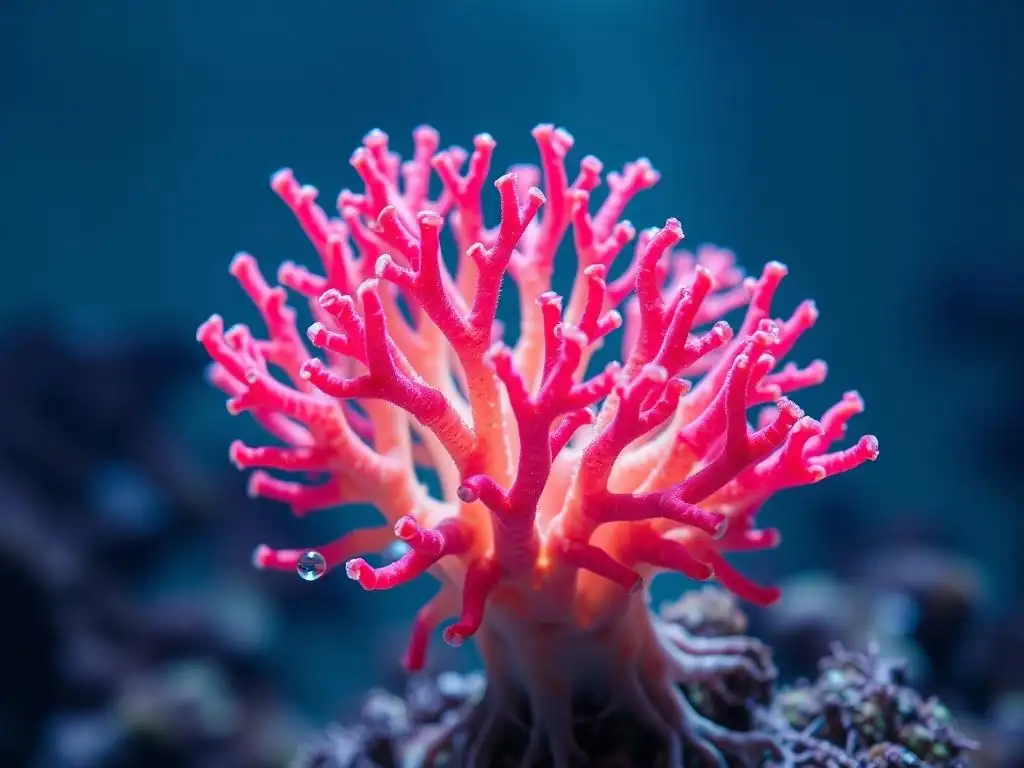
To achieve optimal LPS coral skeleton growth, maintaining stable calcium levels within the ideal range of 400-450 ppm is paramount. Regular testing, ideally every few days or weekly depending on tank maturity and coral density, is essential to monitor calcium consumption. If your tests reveal a steady drop, it indicates that your corals are actively calcifying and consuming calcium. To replenish this, aquarists commonly employ various methods: liquid calcium supplements, Kalkwasser (calcium hydroxide solution), or calcium reactors.
For smaller tanks or those with a moderate coral load, two-part liquid supplements or Kalkwasser dosing can be effective. For instance, if your 50-gallon reef tank with several Euphyllia colonies consistently drops from 420 ppm to 400 ppm over three days, you would calculate the appropriate amount of supplement to bring it back up, then dose that daily or every other day. Larger, densely populated tanks often benefit from a calcium reactor, which provides a continuous, stable supply of calcium and alkalinity by dissolving a calcium carbonate media with CO2, ensuring consistent LPS coral skeleton growth tips are applied.
Achieving Optimal Alkalinity for LPS Coral Growth
Optimal alkalinity for LPS coral growth typically falls within the 8-10 dKH range, though some aquarists prefer a slightly higher or lower stable value. Alkalinity is consumed rapidly by calcifying corals, making consistent monitoring and replenishment crucial. Daily or every-other-day testing is recommended, especially in tanks with significant coral biomass. If your alkalinity drops, you'll need to dose a buffer solution, commonly sodium bicarbonate or sodium carbonate.
It is critical to raise alkalinity slowly and incrementally to avoid sudden swings, which can be highly detrimental to corals and lead to alkalinity burn or tissue recession. For example, if your alkalinity tests at 6.5 dKH, do not attempt to raise it to 9 dKH in a single dose. Instead, raise it by no more than 0.5-1 dKH per day until the desired level is achieved. Consistent, small daily doses are far superior to large, infrequent ones for promoting healthy LPS coral skeleton growth.
Balancing Magnesium Levels for Healthy LPS Coral Skeletons
Balancing magnesium levels is less about daily adjustments and more about maintaining a stable baseline within the 1250-1350 ppm range. Magnesium is consumed at a much slower rate than calcium and alkalinity, so monthly testing is often sufficient for most reef tanks. If your magnesium levels consistently fall below the ideal range, it can hinder your ability to maintain stable calcium and alkalinity, as magnesium prevents their premature precipitation.
To correct low magnesium, liquid magnesium supplements are readily available. Similar to alkalinity, it is important to raise magnesium levels gradually to avoid shocking your tank inhabitants. For example, if your magnesium tests at 1000 ppm, aim to raise it by no more than 50-100 ppm per day until the target range is met. Once optimal levels are achieved, occasional small top-offs or replenishment through regular water changes can often maintain stability, contributing to robust LPS coral skeleton growth tips.
The Importance of Regular Water Testing for LPS Coral Health
Regular water testing is the cornerstone of successful reef keeping and absolutely critical for promoting LPS coral skeleton growth. It provides the necessary data to understand your tank's consumption rates for calcium, alkalinity, and magnesium, allowing you to tailor your dosing regimen accurately. Without consistent testing, you are essentially guessing at your tank's needs, which can lead to unstable parameters and stressed corals.
High-quality test kits for calcium, alkalinity, and magnesium should be part of every reef aquarist's toolkit. Testing frequency can vary, but a common schedule involves daily or every-other-day testing for alkalinity, weekly for calcium, and monthly for magnesium. For instance, if you notice your Blastomussa coral showing signs of reduced polyp extension, your first step should be to test your core parameters. The results will guide your adjustments, ensuring that your LPS coral skeleton growth tips are based on precise data rather than assumptions.
Factors Influencing LPS Coral Skeleton Growth
Lighting and its Impact on LPS Coral Calcification
Lighting is a primary energy source for photosynthetic LPS corals, directly influencing their calcification rates and overall LPS coral skeleton growth. The symbiotic zooxanthellae within coral tissues utilize light for photosynthesis, producing sugars and oxygen that fuel the coral's metabolic processes, including the energy-intensive process of laying down calcium carbonate. Too little light can lead to coral starvation and a significant reduction in growth, as the zooxanthellae cannot produce enough energy.
Conversely, excessive lighting can cause photoinhibition or bleaching, where the zooxanthellae are expelled, severely stressing the coral and halting calcification. LPS corals generally thrive under moderate PAR (Photosynthetically Active Radiation) levels, typically ranging from 50 to 150 PAR, depending on the species and individual coral acclimation. For example, a Duncansops coral might bleach if moved too quickly from a low-light area to a 200 PAR spot, whereas a Favia might thrive at 100 PAR. Finding the "sweet spot" for light intensity and spectrum is a crucial LPS coral skeleton growth tip.
Flow Rate and Nutrient Uptake in LPS Corals
Proper flow rate is vital for LPS coral skeleton growth as it facilitates nutrient uptake and waste removal. Moderate, turbulent, and indirect flow is generally preferred for most LPS corals. This type of flow ensures that essential elements like calcium, alkalinity, and trace elements, as well as dissolved organic matter and planktonic food sources, are consistently delivered to the coral polyps. Without adequate flow, a "boundary layer" of depleted water can form around the coral, starving it of necessary building blocks.
Furthermore, appropriate flow helps to prevent the accumulation of detritus and waste products on the coral's tissue, which can lead to tissue necrosis or bacterial infections. However, excessively strong or direct flow can physically damage delicate coral tissues, cause polyps to retract, or prevent proper feeding, all of which hinder growth. For instance, a Trachyphyllia coral placed in a high-flow area might struggle to inflate its polyps fully, leading to reduced feeding opportunities and subsequently slower skeletal growth. Optimizing flow is as important as water chemistry when considering LPS coral skeleton growth tips.
The Role of Trace Elements in LPS Coral Development
Beyond the major elements like calcium, alkalinity, and magnesium, various trace elements play supportive roles in LPS coral skeleton growth and overall coral health. Elements such as strontium, iodine, potassium, and boron are consumed by corals, albeit in much smaller quantities. While their direct involvement in calcification is less pronounced than calcium and alkalinity, they are essential cofactors in various enzymatic reactions and metabolic processes within the coral and its symbiotic algae.
For example, iodine is thought to be involved in the coral's defense mechanisms and coloration, while potassium is important for cellular function. Boron can also act as a pH buffer within the coral's calcifying fluid. In tanks with regular water changes (e.g., 10-20% bi-weekly), sufficient trace elements are often replenished naturally. However, in heavily stocked systems or those with specific coral demands, targeted supplementation of a balanced trace element mix can further enhance coral vitality and support robust LPS coral skeleton growth. Always research specific element needs and dose carefully.
Temperature's Effect on LPS Coral Metabolism and Growth
Temperature is a fundamental environmental parameter that profoundly impacts the metabolism and, consequently, the LPS coral skeleton growth rate. Most LPS corals thrive within a stable temperature range of 75-79°F (24-26°C). Within this optimal range, the coral's metabolic processes, including respiration, photosynthesis by zooxanthellae, and calcification, operate efficiently.
Deviations from this ideal range can significantly stress corals. Temperatures consistently below 75°F can slow down the coral's metabolism, leading to reduced energy production and noticeably stunted growth. Conversely, temperatures consistently above 80°F can lead to increased metabolic rates, higher oxygen consumption, and, critically, stress the zooxanthellae, potentially leading to coral bleaching. For example, a Lobophyllia coral exposed to persistent temperatures of 82°F might show signs of paleness and reduced tissue inflation, indicative of metabolic stress hindering its skeletal development. Maintaining temperature stability is a basic yet crucial LPS coral skeleton growth tip.
LPS Coral Skeleton Growth Tips: A Practical Guide
Regular Water Changes: Replenishing Essential Elements
Regular water changes are one of the most fundamental and effective LPS coral skeleton growth tips for any reef tank. They serve multiple vital purposes: replenishing essential major and trace elements that are consumed by corals and other invertebrates, reducing the accumulation of undesirable nitrates and phosphates, and diluting other potential pollutants. For most reef tanks, a routine of 10-20% water change every two to four weeks is a good starting point, though highly stocked tanks might benefit from more frequent, smaller changes.
When performing water changes, always use high-quality salt mix and RODI (Reverse Osmosis Deionized) water to ensure you're introducing clean, perfectly mixed saltwater with the correct parameters. For instance, if your tank has a heavy Euphyllia and Acanthastrea load, a bi-weekly 15% water change can significantly help in maintaining stable calcium and alkalinity levels, reducing your reliance on heavy dosing and providing a broad spectrum of trace elements beneficial for robust LPS coral skeleton growth.
Targeted Feeding for Enhanced LPS Coral Growth
While LPS corals derive significant energy from their symbiotic zooxanthellae through photosynthesis, many species are also highly effective heterotrophic feeders, meaning they capture and consume particulate food. Targeted feeding with appropriate foods can significantly enhance LPS coral skeleton growth and overall health by providing additional energy and nutrients that photosynthesis alone might not supply. Foods like mysis shrimp, brine shrimp, finely chopped seafood, or specialized coral pellets and powdered foods are excellent choices.
When feeding, turn off your return pump and powerheads for 10-15 minutes to allow the corals to capture the food effectively without it being immediately swept away. For example, a Blastomussa wellsi will readily accept a small piece of mysis shrimp directly placed onto its polyps, visibly engulfing it. Consistent, targeted feeding (e.g., 2-3 times per week) can lead to noticeably plumper polyps, faster tissue growth, and subsequently, accelerated skeletal deposition, making it a powerful LPS coral skeleton growth tip.
Proper Placement for Optimal Lighting and Flow
Strategic placement of LPS corals within your aquarium is crucial for optimizing their exposure to appropriate lighting and flow, directly impacting LPS coral skeleton growth. Different LPS species have varying requirements, but generally, they prefer moderate light and indirect, turbulent flow. Avoid placing them in areas with direct, blasting flow or intense light that can cause tissue damage or bleaching.
For instance, a Torch coral (Euphyllia glabrescens) thrives when placed on a rock ledge in the mid-to-lower section of the tank, where it receives moderate PAR (e.g., 75-125 PAR) and gentle, swaying flow that allows its polyps to extend fully without being pushed against the rockwork. Conversely, a Fungia plate coral often does best on the sandbed, where it gets stable, lower flow and moderate light.
Observing how your corals react to their placement – full polyp extension, vibrant color, and healthy tissue – will guide you in finding their ideal spot, which is a key LPS coral skeleton growth tip.
Monitoring and Adjusting Water Parameters Based on Coral Response
Beyond just testing numbers, a truly effective LPS coral skeleton growth tip involves keenly observing your corals' physical response to your tank's water parameters and environmental conditions. Corals are living indicators of your tank's health. Signs of vibrant health include full polyp extension, strong feeding response, bright and consistent coloration, and visible new tissue or skeletal growth. Conversely, retracted polyps, fading color, tissue recession, or a lack of growth are clear signals that something is amiss.
For example, if your Favites coral starts to show signs of tissue recession from its base, and your alkalinity tests low (e.g., 6 dKH), you know to slowly and steadily increase your alkalinity dosing. If your Hammer coral (Euphyllia ancora) appears pale despite good parameters, you might consider slightly increasing light intensity or ensuring it's receiving adequate target feeding. Regularly correlating your test results with your corals' appearance allows for precise, responsive adjustments, leading to superior LPS coral skeleton growth.
Troubleshooting Common LPS Coral Skeleton Growth Problems
Identifying Signs of Calcium Deficiency in LPS Corals
Calcium deficiency is a direct impediment to LPS coral skeleton growth and can manifest in several identifiable ways. The most common sign is a noticeable slowdown or complete cessation of new skeletal growth. For instance, if you've been monitoring a Goniopora colony and see no new basal growth or extension of its skeletal structure over several weeks, despite otherwise stable parameters, low calcium (e.g., consistently below 380 ppm) is a prime suspect.
Additionally, in some cases, severe calcium deficiency can lead to brittle skeletons that are prone to breakage or even tissue recession as the coral struggles to maintain its existing structure. While LPS corals are generally more resilient than SPS corals to minor calcium dips, prolonged deficiency will inevitably lead to poor health and a lack of calcification. Regular testing and proactive supplementation based on consumption rates are crucial LPS coral skeleton growth tips to avoid this issue.
Recognizing Alkalinity Imbalance and its Effects
Alkalinity imbalance, whether too low or too high, can severely impact LPS coral skeleton growth and overall health. Low alkalinity (e.g., consistently below 7 dKH) is a common issue, as corals rapidly consume carbonate ions. Signs include stunted growth, reduced polyp extension, and in severe cases, tissue recession, often starting from the base. Corals may appear "shrunken" or dull. This is because there aren't enough carbonate ions available for calcification, and the unstable pH can stress the coral.
Conversely, excessively high alkalinity (e.g., above 12 dKH) can also be problematic. While less common, it can lead to alkalinity "burn," where coral tissue appears to recede rapidly, sometimes with a whitish film, and can cause calcium carbonate precipitation in the water column, making the water cloudy. For example, a sudden drop in alkalinity might cause an Acanthastrea to retract its polyps and appear stressed, halting its skeletal development. Maintaining stability within the ideal range (8-10 dKH) is key for optimal LPS coral skeleton growth tips.
Addressing Common Pests and Diseases Affecting LPS Coral Skeletons
Pests and diseases can significantly hinder LPS coral skeleton growth by stressing the coral, diverting its energy from calcification to defense or recovery, and sometimes directly causing tissue loss that exposes the skeleton. Common pests include various types of flatworms (e.g., Prostheceraeus flatworms), nudibranchs (e.g., Phestilla spp. on Euphyllia), or even predatory snails that feed on coral tissue. These pests typically cause irritation, poor polyp extension, and eventually tissue recession, leaving the skeleton vulnerable.
Diseases, often bacterial in nature, can also devastate LPS corals. For instance, Brown Jelly Disease (often caused by Vibrio bacteria) is a rapid and aggressive tissue necrosis that quickly consumes coral tissue, exposing the skeleton and leading to death if not addressed promptly. Regular observation for any unusual growths, discoloration, or tissue loss is crucial. If pests are identified, mechanical removal, dips, or biological controls might be necessary. Prompt action is a critical part of LPS coral skeleton growth tips when facing these threats.
Dealing with Brown Jelly Disease and Tissue Recession
Brown Jelly Disease (BJD) and general tissue recession are among the most feared ailments for LPS coral keepers, as they directly threaten the coral's living tissue and, by extension, its ability to maintain or increase LPS coral skeleton growth. Brown Jelly Disease is characterized by a rapidly spreading, slimy, brown-to-grey jelly-like mass that consumes coral tissue, often leaving bare skeleton in its wake. It is highly contagious and can spread quickly to other corals.
Tissue recession, on the other hand, can be caused by a multitude of stressors, including poor water quality (e.g., unstable parameters, high nitrates/phosphates), inadequate lighting or flow, aggression from other corals or fish, or starvation. For example, a Lobophyllia showing tissue receding from its base or edges needs immediate attention.
The first step for both is often to frag off the healthy parts of the coral to save them, if possible, and to dip affected corals in an iodine or antibiotic solution. Identifying and rectifying the underlying cause of tissue recession is paramount for future LPS coral skeleton growth tips.
Advanced Techniques for Promoting LPS Coral Skeleton Growth
Using Calcium Reactors for Stable Calcium and Alkalinity
For experienced aquarists managing larger or densely stocked reef tanks with significant demand for calcium and alkalinity, a calcium reactor represents an advanced and highly effective method for promoting robust LPS coral skeleton growth. A calcium reactor works by slowly dissolving a calcium carbonate-based media (like aragonite or crushed coral) using carbon dioxide (CO2) injected into a sealed chamber. This process lowers the pH within the reactor, making the media soluble and releasing calcium and carbonate ions back into the aquarium water.
The primary benefit of a calcium reactor is its ability to provide a consistent and stable supply of both calcium and alkalinity simultaneously, mimicking natural consumption more closely than manual dosing. Once properly calibrated, it requires less frequent intervention than two-part dosing, making parameter stability easier to achieve. For example, a 200-gallon system with numerous large Euphyllia and Favia colonies would likely see significant benefits from a calcium reactor in maintaining consistent levels around 420 ppm calcium and 8.5 dKH alkalinity, fostering superior LPS coral skeleton growth.
The Benefits of Dosing Trace Elements for LPS Coral Health
While regular water changes often replenish a baseline of trace elements, advanced reef keepers sometimes opt for targeted trace element dosing to further enhance LPS coral skeleton growth and overall coral vitality. Trace elements like strontium, iodine, potassium, and boron are consumed by corals and can become depleted in systems with high coral biomass or infrequent water changes. Commercial trace element supplements are formulated to provide these micronutrients in balanced proportions.
The benefits can include improved coloration, enhanced polyp extension, and potentially more robust skeletal growth and disease resistance. For example, a Duncansops coral might exhibit more vibrant green coloration with consistent iodine and potassium levels. However, it's crucial to dose trace elements cautiously and according to manufacturer instructions, as overdosing can be harmful. Regular testing for specific trace elements is typically not practical for the home aquarist, so relying on reputable all-in-one solutions or observing coral response is key. Judicious use of these can be an advanced LPS coral skeleton growth tip.
Utilizing Refugiums for Natural Nutrient Control
Utilizing a refugium is an advanced technique that can indirectly but significantly contribute to LPS coral skeleton growth by fostering a healthier, more stable overall reef environment. A refugium is a separate sump chamber or external tank plumbed into the main display, designed to provide a safe haven for beneficial organisms and typically houses macroalgae like Chaetomorpha or Caulerpa. The primary function of macroalgae in a refugium is natural nutrient export.
As macroalgae grow, they absorb nitrates and phosphates from the water column, effectively competing with nuisance algae in the main display tank. This reduction in undesirable nutrients creates a cleaner, more pristine water quality that reduces stress on LPS corals, allowing them to allocate more energy towards calcification and growth rather than dealing with environmental stressors. Additionally, refugiums can serve as a breeding ground for beneficial copepods and amphipods, providing a natural food source for corals. A stable, low-nutrient environment is a cornerstone for robust LPS coral skeleton growth tips.
Conclusion: Achieving Success with LPS Coral Skeleton Growth
Recap of Key Principles for Healthy LPS Coral Skeletons
Achieving vibrant and robust LPS coral skeleton growth in your reef aquarium hinges on a synergistic combination of stable water chemistry, optimal environmental conditions, and attentive husbandry. The bedrock of success lies in maintaining consistent levels of the major building blocks: calcium (400-450 ppm), alkalinity (8-10 dKH), and magnesium (1250-1350 ppm). These parameters must be regularly monitored and meticulously adjusted to meet the demands of your calcifying corals. Beyond these, providing appropriate lighting (moderate PAR), balanced, turbulent flow, and supplementing with essential trace elements are equally crucial.
Furthermore, a comprehensive approach to LPS coral skeleton growth tips includes regular water changes to replenish consumed elements and remove undesirable nutrients, along with targeted feeding to provide the necessary energy for tissue and skeletal development. Observational skills are paramount; learning to read your corals' health through their polyp extension, coloration, and growth patterns will enable you to make timely and effective adjustments. By integrating these principles, aquarists can create a thriving environment where their LPS corals not only survive but truly flourish, showcasing impressive skeletal development.
Further Resources for LPS Coral Care and Growth
The journey of mastering LPS coral skeleton growth is an ongoing learning process, rich with continuous discovery and refinement. While this guide provides a comprehensive overview, the world of reef keeping is vast and ever-evolving. Experienced aquarists consistently emphasize the value of continuous learning, keen observation, and community engagement. Websites dedicated to reef aquariums, such as AquariumMastery.com, offer a wealth of detailed articles, species profiles, and troubleshooting guides that delve deeper into specific aspects of LPS coral care, feeding, and health.
Engaging with online forums and local aquarium clubs can also provide invaluable insights, allowing you to learn from the experiences of others and share your own. Remember that every reef tank is unique, and what works perfectly for one system might require slight adjustments for another. By combining the fundamental LPS coral skeleton growth tips discussed here with ongoing research and a commitment to understanding your specific tank's needs, you can achieve remarkable success in cultivating stunning and healthy LPS coral colonies.
Frequently Asked Questions
How crucial are calcium and alkalinity for LPS coral skeleton growth?
Calcium and alkalinity are absolutely essential for LPS coral skeletal development. They are the primary building blocks that corals use to create their calcium carbonate skeletons, supporting growth and overall health.
What water parameters should I monitor and maintain for optimal LPS coral skeleton growth?
You should closely monitor and maintain calcium levels between 400-450 ppm, alkalinity between 8-11 dKH, and magnesium around 1250-1350 ppm. Regular testing and adjustments are crucial.
What role does lighting play in LPS coral skeleton growth?
While LPS corals rely less on light than SPS corals, proper lighting is still important for their symbiotic algae (zooxanthellae). These algae provide energy that aids in calcification and skeleton formation.
What are some common signs of calcium or alkalinity deficiencies in LPS corals?
Signs include slowed or stunted growth, pale coloration, and tissue recession. You might also notice brittle or weakened skeletal structures.
Besides calcium and alkalinity, what other factors can influence LPS coral skeleton growth?
Other factors include stable water temperature, proper water flow, adequate nutrient levels (nitrates and phosphates), and the presence of trace elements like strontium and iodine.
Final Reflection: The Living Architecture of Our Reefs
The intricate dance of calcium and alkalinity, so crucial to LPS coral skeleton growth, is more than just a scientific curiosity; it's a vital thread in the tapestry of our planet's health. Understanding these delicate processes, as we've explored, is not merely about keeping corals alive in our tanks, but about safeguarding the future of entire reef ecosystems facing unprecedented environmental pressures.
This journey into the microscopic world of coral calcification has profoundly impacted my own perspective, highlighting the interconnectedness of all living things. It's a humbling reminder that even the smallest actions, like maintaining proper water parameters in a reef aquarium, can contribute to a larger narrative of conservation. In the end, we will conserve only what we love; we will love only what we understand; and we will understand only what we are taught.
- Baba Dioum's words resonate deeply, urging us to embrace knowledge as a powerful tool for protecting the fragile beauty of our oceans.
Now, armed with a deeper understanding of LPS coral skeleton growth, I invite you to reflect on your own role in this vital ecosystem. Consider the choices you make, both big and small, and how they might impact the health of our reefs. Let's strive to be informed stewards, nurturing these living architectures for generations to come, ensuring their vibrant colors and ecological importance endure.
Unleash Your Inner Reef Architect!
Thank you for diving into the fascinating world of LPS coral growth! We hope you've gained valuable insights into the delicate balance of calcium and alkalinity needed to create a thriving reef environment. Now, let's translate this knowledge into action and supercharge your coral's skeletal development.
Here are some steps you can take right away:
- Prioritize testing: Dedicate time this week to rigorously test your aquarium's calcium and alkalinity levels. Consistent monitoring is crucial!
- Dive Deeper: Research specialized additives designed to optimize calcium and alkalinity uptake in LPS corals and see if it is right for your aquarium.
- Share the Knowledge: Post your best LPS coral growth tips or a photo of your reef to Aquarium Mastery's community forum. Let's learn together!
What small adjustment will you make today to ensure your LPS corals thrive?