
Cardinalfish and Anemones: A Safe Cohabitation or Risky Business?

Welcome to Aquarium Mastery!
Ever wondered if those dazzling Cardinalfish can actually live in harmony with anemones in your saltwater aquarium? It's a question that's sparked countless debates among aquarists. Delve into our comprehensive guide on Cardinalfish anemone safe pairing to uncover the secrets of successful cohabitation, potential risks, and expert tips to ensure a thriving, vibrant reef environment. Ready to unlock the key to a peaceful underwater paradise? Let's dive in!
- Introduction: Exploring the Cardinalfish and Anemone Relationship in Saltwater Aquariums
- Understanding Cardinalfish: A Profile for Reef Tank Enthusiasts
- Anemones in the Reef Tank: Beauty and Potential Hazards
- Cardinalfish Anemone Safe Pairing: Debunking the Myths
- Case Studies: Successful and Unsuccessful Cardinalfish-Anemone Combinations
- Minimizing Risks: Tips for Keeping Cardinalfish Safe Around Anemones
- Alternative Tank Mates for Cardinalfish: Safe and Compatible Options
- Cardinalfish Health and Anemone Exposure: Recognizing and Treating Injuries
- Conclusion: Making Informed Decisions About Cardinalfish and Anemone Tank Mates
-
Frequently Asked Questions
- Is it generally safe to keep Cardinalfish with Anemones?
- Which Cardinalfish species are most likely to be anemone-safe?
- What types of Anemones should definitely be avoided when keeping Cardinalfish?
- What are the potential benefits of pairing Cardinalfish with Anemones?
- What are the key considerations for successfully keeping Cardinalfish and Anemones together?
- Final Reflection: The Delicate Dance of Symbiosis
- Uncover the Secrets of a Thriving Anemone-Cardinalfish Partnership!
Introduction: Exploring the Cardinalfish and Anemone Relationship in Saltwater Aquariums
The allure of a vibrant reef aquarium often includes the dynamic interactions between its inhabitants. For many aquarists, the symbiotic relationship between clownfish and their host anemones is a hallmark of marine life. This natural partnership frequently leads enthusiasts to wonder if other popular reef fish, such as cardinalfish, can similarly engage in a "Cardinalfish anemone safe pairing" within their home tanks. While cardinalfish are undeniably captivating with their peaceful demeanor and striking patterns, their interaction with the stinging tentacles of an anemone is fundamentally different from that of a clownfish.
This article delves into the complexities of keeping cardinalfish and anemones together, aiming to provide a clear, informative perspective on the potential risks and rare successes. We will explore the specific characteristics of popular cardinalfish species and common anemones, analyze the factors influencing compatibility, and offer practical advice for minimizing risks. Understanding the true nature of the "Cardinalfish anemone safe pairing" is crucial for maintaining a healthy and thriving saltwater environment, ensuring the well-being of all your aquatic residents.
Understanding Cardinalfish: A Profile for Reef Tank Enthusiasts
Cardinalfish, belonging to the family Apogonidae, are a diverse group of small, generally peaceful marine fish highly prized by reef tank enthusiasts. They are known for their often striking coloration, nocturnal habits in the wild (though they adapt to daytime feeding in captivity), and their tendency to school or group, adding dynamic movement to an aquarium. Most species remain relatively small, typically reaching lengths of 3 to 5 inches, making them suitable for a variety of tank sizes.
These fish are predominantly carnivorous, feeding on zooplankton and small invertebrates. Their calm temperament makes them excellent candidates for community reef tanks, where they rarely bother other fish or sessile invertebrates. However, their peaceful nature also means they can be vulnerable to more aggressive tank mates. When considering a "Cardinalfish anemone safe pairing," it's vital to remember that their lack of natural immunity to anemone stings distinguishes them significantly from true host species like clownfish.
Pajama Cardinalfish (Sphaeramia nematoptera)
The Pajama Cardinalfish, easily identifiable by its distinctive pattern of a dark band, red eyes, and polka-dotted rear half, is one of the most popular cardinalfish species in the aquarium trade. Originating from the Indo-Pacific, these captivating fish typically grow to about 3 inches (7.5 cm) in length, making them well-suited for tanks as small as 20 gallons for a single specimen, though a group of three or more thrives in 30 gallons or larger. They are known for their incredibly peaceful disposition, rarely displaying aggression towards other tank inhabitants.
In their natural habitat, Pajama Cardinalfish are often found congregating among branching corals or rocky crevices, seeking shelter during the day. They do not naturally associate with anemones as host species, and their delicate fins and slow-moving nature make them potentially vulnerable to accidental contact with stinging tentacles. Their schooling behavior in captivity, where they often hover in open water or around rockwork, further highlights that a "Cardinalfish anemone safe pairing" is not an inherent behavior but rather a scenario requiring careful management to avoid mishaps.
Banggai Cardinalfish (Pterapogon kauderni)
The Banggai Cardinalfish stands out with its elegant, elongated fins and striking black and white striped body. Native exclusively to the Banggai Archipelago in Indonesia, this species has become a conservation concern due to overcollection and habitat degradation. In captivity, Banggai Cardinalfish typically reach a size of about 3 inches (7.5 cm) and are best kept in pairs or small groups in tanks of 30 gallons or more. While generally peaceful towards other species, males can exhibit territorial behavior towards other Banggais, especially during breeding.
Unlike many cardinalfish, Banggai Cardinalfish are mouthbrooders, with the male carrying the eggs and fry in his mouth until they are ready to be released. In the wild, they are often found inhabiting shallow, protected areas, seeking refuge among sea urchins, branching corals, or even discarded debris, using these structures for protection.
They do not naturally host anemones, and their relatively slow movement and inquisitive nature can make them susceptible to accidental stings if placed in close proximity to a potent anemone. Therefore, the concept of a "Cardinalfish anemone safe pairing" for this species primarily revolves around preventing any contact whatsoever.
Diet and Feeding Habits in Captivity
Cardinalfish are carnivorous feeders, and their dietary needs in captivity closely mirror their natural diet of small invertebrates and zooplankton. In the wild, they are opportunistic predators, often emerging at dusk to feed on copepods, amphipods, and other tiny crustaceans drifting in the water column. Replicating this in a home aquarium is crucial for their long-term health and vibrant coloration.
For optimal nutrition, cardinalfish in captivity should be offered a varied diet of high-quality frozen foods. Excellent choices include enriched mysis shrimp, brine shrimp, finely chopped krill, and various marine preparations.
Many aquarists find success feeding them two to three times a day in small portions to ensure all fish get enough to eat, especially in a community tank where faster feeders might outcompete them. While some cardinalfish may eventually accept high-quality marine flakes or pellets, frozen foods are generally preferred for their nutritional value and palatability, contributing significantly to their overall vitality and resilience, which can be a factor in surviving accidental "Cardinalfish anemone safe pairing" encounters.
Anemones in the Reef Tank: Beauty and Potential Hazards
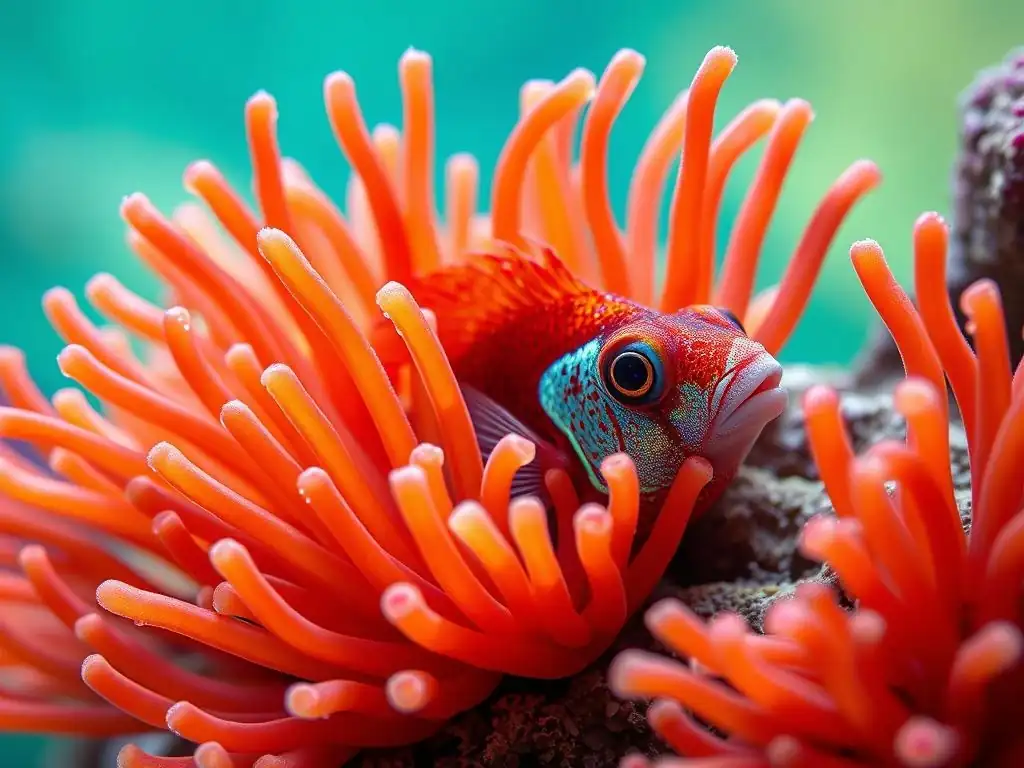
Anemones are mesmerizing invertebrates that can add significant beauty and natural appeal to a saltwater aquarium. Their flowing tentacles, vibrant colors, and unique forms make them a focal point for many aquarists. However, despite their aesthetic appeal, anemones are also predatory animals equipped with nematocysts – stinging cells – that they use to capture prey and defend themselves. While some fish, most notably clownfish, have developed a protective mucus layer that allows them to live symbiotically with anemones, most other marine species, including cardinalfish, lack this natural immunity.
The presence of an anemone in a reef tank introduces a dynamic element that requires careful consideration, especially when assessing the possibility of a "Cardinalfish anemone safe pairing." Their ability to move, their potent stings, and their opportunistic feeding habits mean they can pose a significant threat to non-immune tank mates. Understanding the specific characteristics and care requirements of different anemone species is paramount for responsible reef keeping.
Bubble Tip Anemone (Entacmaea quadricolor)
The Bubble Tip Anemone (BTA) is one of the most commonly kept anemones in reef aquariums, largely due to its vibrant coloration (ranging from greens, reds, and browns to rose and purple) and its status as a primary host for many popular clownfish species. These anemones are characterized by their often bulbous or bubble-shaped tentacle tips, though they can also appear stringy depending on light, flow, and feeding. BTAs can grow quite large, with oral discs reaching up to 12 inches (30 cm) or more in diameter in mature specimens, requiring substantial space in a tank.
While generally considered moderately potent in their sting compared to some other anemones, a Bubble Tip Anemone can still deliver a significant sting to non-immune fish. They are known to move around the tank until they find an ideal spot with suitable light and flow, which can bring them into unexpected proximity with other tank inhabitants. For a "Cardinalfish anemone safe pairing," even a BTA presents a considerable risk. Accidental contact, especially if a cardinalfish is startled or cornered, can result in severe injury or even death, as cardinalfish do not possess the protective mucus of clownfish.
Carpet Anemone (Stichodactyla gigantea)
Carpet Anemones, particularly species like Stichodactyla gigantea, are truly magnificent but also among the most dangerous anemones for non-host fish in a reef tank. They are characterized by their incredibly broad, flat oral disc covered in short, highly adhesive tentacles that resemble a shaggy carpet. These anemones can grow to enormous sizes, often exceeding 20 inches (50 cm) in diameter, and their colors vary widely, including vibrant greens, blues, and browns. Their sheer size and potent sting make them a dominant feature in any aquarium they inhabit.
The sting of a Carpet Anemone is exceptionally strong and its tentacles are extremely sticky, making it very difficult for any fish that comes into contact with them to escape. They are aggressive feeders, capable of capturing and consuming sizable fish. Given their formidable predatory nature and highly potent nematocysts, attempting a "Cardinalfish anemone safe pairing" with a Carpet Anemone is almost universally advised against. Any accidental brush by a cardinalfish would likely result in immediate and fatal consequences, as these anemones are designed to immobilize and consume prey much larger than a typical cardinalfish.
Anemone Care Requirements: Light, Flow, and Water Quality
Maintaining a healthy anemone is crucial for its well-being and, by extension, the safety of other tank inhabitants. Anemones are demanding invertebrates with specific requirements for light, water flow, and water quality. They require intense, full-spectrum lighting, often provided by strong LED fixtures or T5HO lighting, to support their symbiotic zooxanthellae algae, which provide a significant portion of their nutritional needs. Insufficient lighting can lead to an anemone becoming stressed, bleaching, or even dying, which can then release toxins into the water.
Moderate to strong, but indirect, water flow is also essential to bring food to the anemone and keep its disc clean, preventing detritus from settling. Stagnant water can lead to tissue necrosis, while direct, blasting flow can cause stress. Furthermore, pristine and stable water parameters are non-negotiable.
This includes stable salinity (typically 1.025 specific gravity), consistent temperature (around 75-80°F or 24-27°C), undetectable ammonia and nitrite, very low nitrates and phosphates, and adequate levels of calcium and alkalinity for skeletal growth (though anemones primarily rely on their soft tissues). A healthy, well-fed anemone is generally less aggressive and less likely to actively seek out prey, but even then, the inherent risk to non-immune fish like cardinalfish in a "Cardinalfish anemone safe pairing" scenario remains significant due to their potent stinging cells.
Cardinalfish Anemone Safe Pairing: Debunking the Myths
The idea of a "Cardinalfish anemone safe pairing" is largely a misconception rooted in the popular image of clownfish thriving within anemone tentacles. It's crucial for aquarists to understand that cardinalfish, unlike clownfish, do not possess the specialized mucus coating that protects them from an anemone's potent nematocysts. Therefore, any contact between a cardinalfish and an anemone can be detrimental, ranging from minor burns and stress to fatal stings. The "safety" in such a pairing is not about symbiosis, but rather about the absence of contact, which is difficult to guarantee in a closed system.
While anecdotal reports of cardinalfish coexisting with anemones without immediate harm exist, these are often instances of pure luck, specific environmental conditions, or very limited direct interaction. These observations should not be interpreted as evidence of inherent compatibility or a "Cardinalfish anemone safe pairing." The fundamental biological difference in their protective mechanisms means that cardinalfish remain vulnerable to an anemone's defensive and predatory capabilities. Responsible reef keeping necessitates acknowledging this inherent risk rather than hoping for a benign outcome.
Can Cardinalfish Live Safely with Anemones? Assessing the Risks
The notion of cardinalfish living "safely" with anemones is largely a misnomer, as they lack any natural defense against an anemone's sting. While a cardinalfish might not actively seek out an anemone, accidental contact is a constant threat in a shared aquarium environment. Anemones are opportunistic predators; if a fish brushes against their tentacles, especially if the anemone is hungry or disturbed, it will instinctively sting. The risk is not just limited to direct, sustained contact. Even a brief brush can inflict a significant burn, leading to tissue damage, secondary infections, and severe stress for the cardinalfish.
Furthermore, anemones are mobile. They can relocate within the tank to find optimal lighting or flow, potentially moving into areas where cardinalfish frequently hover or hide. This unpredictable movement increases the likelihood of an unsuspecting cardinalfish encountering the anemone's stinging tentacles. Therefore, when considering a "Cardinalfish anemone safe pairing," the core assessment must always lean towards high risk due to the cardinalfish's complete lack of immunity and the anemone's inherent predatory nature.
Factors Influencing Cardinalfish Vulnerability to Anemone Stings
Several factors contribute to a cardinalfish's vulnerability to anemone stings, underscoring the challenge of achieving a "Cardinalfish anemone safe pairing." Primarily, the absence of a protective mucus layer, as found in clownfish, means cardinalfish have no biological defense against the nematocysts. This makes their delicate skin and fins highly susceptible to chemical burns and physical damage upon contact. Any stress the cardinalfish might be experiencing from other tank mates, poor water quality, or insufficient hiding places can further compromise its immune system, making it even more vulnerable to the effects of a sting.
The size and health of the anemone also play a critical role. Larger, more established anemones typically have more potent stings and a greater reach. A well-fed anemone might be less inclined to actively "hunt," but its defensive stinging mechanism remains fully operational.
Conversely, a stressed or hungry anemone might be more aggressive in its stinging response. Finally, the overall tank environment, including tank size, layout, and the availability of ample clear swimming space and separate hiding spots, directly influences the chances of accidental contact. A crowded tank with an active anemone significantly elevates the risk for any non-immune fish like cardinalfish.
Size and Species: How They Affect Cardinalfish-Anemone Compatibility
The specific size and species of both the cardinalfish and the anemone profoundly impact the feasibility of any "Cardinalfish anemone safe pairing." Generally, smaller cardinalfish, particularly juveniles, are at a much higher risk. Their smaller body mass means a sting from even a moderately potent anemone can have a more severe, even fatal, impact. For instance, a small Pajama Cardinalfish (around 2 inches) is significantly more vulnerable to a sting than a larger, more robust adult.
Conversely, the species of anemone is a critical determinant of risk. Highly aggressive and potently stinging species like Carpet Anemones ( Stichodactyla spp.) or Magnificent Anemones ( Heteractis magnifica) pose an extreme threat to cardinalfish. Their strong stings and adhesive tentacles make escape nearly impossible for any non-immune fish.
Less aggressive anemones, such as some smaller Bubble Tip Anemones, might present a slightly lower, but still significant, risk. While a larger Banggai Cardinalfish might appear more resilient due to its size, it still lacks the fundamental immunity, meaning any direct contact with a potent anemone can be lethal. Therefore, the "compatibility" is not about a natural fit, but rather a calculation of risk based on the power of the anemone versus the vulnerability of the cardinalfish.
Case Studies: Successful and Unsuccessful Cardinalfish-Anemone Combinations
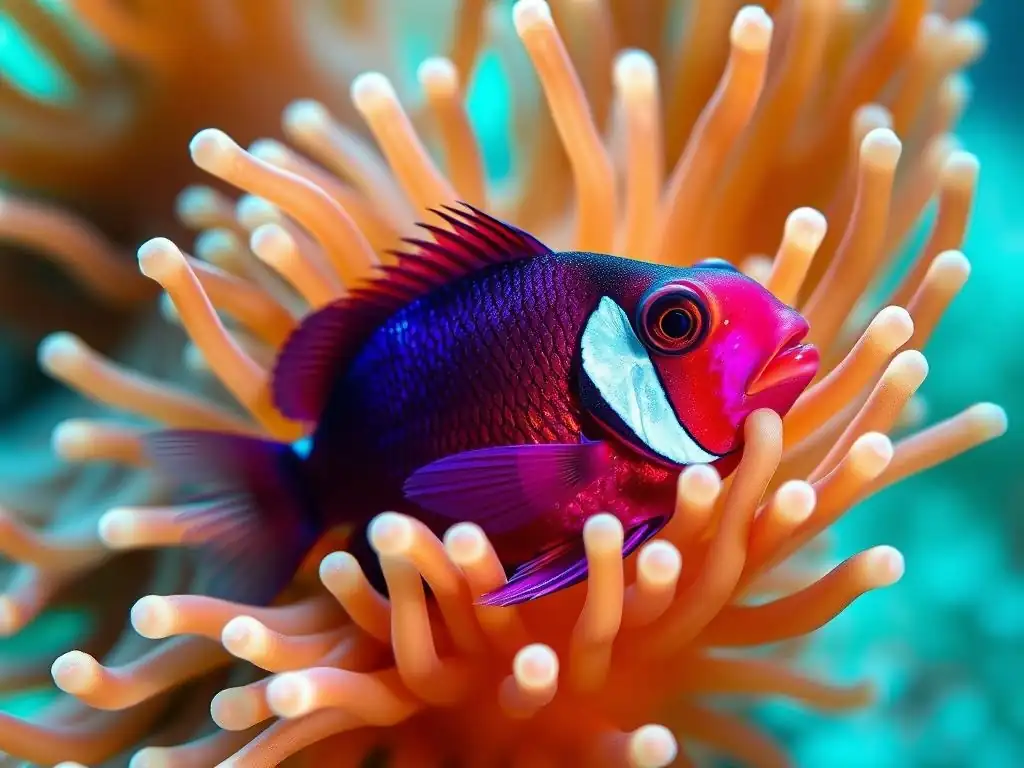
While the concept of a "Cardinalfish anemone safe pairing" is fraught with inherent risks, some aquarists have reported periods of apparent coexistence. It's crucial to understand that these "successful" outcomes are often a testament to careful tank management, specific environmental factors, and sometimes, sheer luck, rather than a true symbiotic relationship. Conversely, "unsuccessful" pairings highlight the predictable dangers that arise when a non-immune fish encounters a predatory invertebrate. Examining these scenarios helps to underscore the critical factors at play.
These case studies, while based on generalized observations rather than specific documented instances, illustrate the spectrum of possibilities. They serve as a reminder that even when things appear to be going well, the underlying risk for cardinalfish in the presence of anemones always remains. The goal is not to find a "safe" pairing in the sense of a symbiotic one, but rather to understand how to minimize the chances of a fatal encounter.
Pajama Cardinalfish with Bubble Tip Anemone - A Positive Outcome
In a carefully managed 75-gallon reef aquarium, a school of five Pajama Cardinalfish coexisted for over a year with a well-established, moderately sized Bubble Tip Anemone. The tank featured extensive live rockwork providing numerous caves and overhangs, creating ample hiding spots for the cardinalfish far from the anemone's typical location. The anemone itself was introduced into a mature system (over 18 months old), which allowed it to settle quickly in a corner with strong light and moderate flow, where it remained largely stationary.
The aquarist ensured the anemone was consistently well-fed with large pieces of marine-grade shrimp or silversides two to three times a week, reducing its predatory drive. The cardinalfish were also fed multiple times daily with frozen mysis and brine shrimp, ensuring they were not stressed or foraging too aggressively near the anemone. Observations revealed that the cardinalfish generally gave the anemone a wide berth, showing no interest in approaching its tentacles.
On rare occasions, a cardinalfish might accidentally brush a very peripheral tentacle during a feeding frenzy, but quickly darted away without apparent harm, likely due to the anemone's satiated state and the cardinalfish's immediate retreat. This scenario highlights that a "Cardinalfish anemone safe pairing" in this context relied heavily on space, an established, well-fed anemone, and the cardinalfish's natural aversion to the stinging invertebrate.
Banggai Cardinalfish with Carpet Anemone - A Negative Outcome
A different scenario unfolded in a 40-gallon reef tank housing a large (approximately 15-inch diameter) Carpet Anemone ( Stichodactyla gigantea) and a pair of Banggai Cardinalfish. The aquarist admired the beauty of both species and hoped for a unique interaction. The Carpet Anemone, a highly aggressive and potent stinger, had been in the tank for about six months and was visually impressive. The Banggai Cardinalfish were introduced after the anemone had settled.
Within three days of introduction, one of the Banggai Cardinalfish was found partially consumed by the Carpet Anemone. The remaining Banggai Cardinalfish exhibited extreme stress, hiding constantly and refusing food. The small tank size meant that the Carpet Anemone's expansive disc and highly adhesive tentacles occupied a significant portion of the available space, leaving very few safe zones for the cardinalfish.
Despite the aquarist's efforts to provide alternative hiding spots, the sheer predatory efficiency of the Carpet Anemone, combined with the Banggai Cardinalfish's relatively slow movement and lack of immunity, led to a swift and unfortunate outcome. This instance starkly demonstrates that a "Cardinalfish anemone safe pairing" is virtually impossible with such a potent and large predatory anemone, especially in a limited environment.
Analyzing the Reasons Behind Success and Failure
The divergent outcomes in these case studies underscore that true "Cardinalfish anemone safe pairing" is not about a symbiotic relationship, but rather about the careful management of risk and environment. The "positive outcome" with the Pajama Cardinalfish and Bubble Tip Anemone was largely attributable to a combination of factors: generous tank volume (75 gallons providing ample swim space), a mature and stable anemone that rarely moved, consistent and generous feeding of both species (reducing the anemone's predatory drive), and the inherent caution of the Pajama Cardinalfish.
The success was not due to immunity, but to the avoidance of significant contact.
Conversely, the "negative outcome" involving the Banggai Cardinalfish and Carpet Anemone highlights the inherent dangers. The primary reasons for failure were the anemone's extremely potent sting and large size relative to the tank (40 gallons), the Banggai Cardinalfish's lack of immunity and relatively slower escape response, and the limited escape routes.
The Carpet Anemone's nature as an active, aggressive predator meant that any accidental contact was likely to be fatal. These examples illustrate that while some aquarists might experience temporary "success" through diligent management and fortunate circumstances, the fundamental vulnerability of cardinalfish to anemone stings remains a constant and significant risk, making a truly "Cardinalfish anemone safe pairing" an aspiration rather than a natural reality.
Minimizing Risks: Tips for Keeping Cardinalfish Safe Around Anemones
For aquarists determined to keep cardinalfish in a tank with an anemone, understanding and implementing risk minimization strategies is absolutely critical. Since a true "Cardinalfish anemone safe pairing" based on symbiosis does not exist, the focus must shift to preventing any form of contact between these two species. This involves careful planning, species selection, and continuous observation to ensure the well-being of the cardinalfish. Prioritizing the safety of the fish over purely aesthetic desires is paramount.
Even with the most meticulous planning, it's important to acknowledge that complete elimination of risk is rarely possible when keeping non-immune fish with stinging invertebrates. However, by adhering to best practices, aquarists can significantly reduce the likelihood of unfortunate incidents. These tips are designed to create an environment where cardinalfish have the best possible chance of avoiding a dangerous encounter with an anemone.
Choosing the Right Anemone Species for Cardinalfish Companions
The most crucial step in attempting any "Cardinalfish anemone safe pairing" is the careful selection of the anemone species – or, more accurately, avoiding the most dangerous ones. Highly aggressive and potently stinging anemones such as Carpet Anemones ( Stichodactyla spp. ), Magnificent Anemones ( Heteractis magnifica), or Sebae Anemones ( Heteractis crispa) should be strictly avoided. Their large size, powerful stings, and often adhesive tentacles make them an extreme hazard to any non-immune fish.
If an anemone is absolutely desired, a smaller, less aggressive species like a Bubble Tip Anemone ( Entacmaea quadricolor) might be considered, but only with extreme caution and in a very large tank. Even then, the risk is still present.
A safer alternative, if the goal is to add a vibrant, sessile invertebrate, might be to consider corals that resemble anemones but lack their predatory stinging power, such as certain large polyp stony (LPS) corals (e.g., Hammer or Torch corals, while still stinging, are generally less mobile and predatory) or even large mushroom corals ( Discosoma or Rhodactis spp. ), which pose significantly less threat to cardinalfish.
Introducing Cardinalfish and Anemones to the Aquarium: A Gradual Approach
A gradual and thoughtful introduction process can significantly reduce stress and improve the chances of a "Cardinalfish anemone safe pairing" by minimizing initial accidental contact. If you plan to keep both, it is generally recommended to introduce the anemone first and allow it to fully settle into its chosen location, which can take several weeks or even months. Anemones will often move until they find their preferred spot for light and flow, and introducing fish before it settles risks the anemone moving into an area frequented by the cardinalfish.
Once the anemone is stable and well-established, and you are certain it is healthy and not prone to excessive movement, then carefully introduce the cardinalfish. Acclimate the cardinalfish slowly to the tank's water parameters. Upon introduction, closely observe their behavior. Ensure there are plenty of alternative hiding spots and rockwork far from the anemone where the cardinalfish can retreat and feel secure. This gradual approach allows the cardinalfish to become familiar with their surroundings and the anemone's presence without immediate pressure.
Providing Ample Space and Hiding Places for Cardinalfish
One of the most critical factors for successful "Cardinalfish anemone safe pairing" (meaning, risk mitigation) is providing a sufficiently large aquarium with abundant, diverse aquascaping. A minimum tank size of 75 gallons is highly recommended if you intend to keep an anemone with cardinalfish, allowing for ample swimming room for the cardinalfish and a clear separation zone from the anemone. The larger the tank, the more space there is for the anemone to settle without encroaching on the cardinalfish's territory.
The aquascaping should include numerous caves, crevices, and overhangs using live rock. These structures serve as crucial hiding places where cardinalfish can retreat when feeling stressed or to simply rest, well away from the anemone's reach. Ensure that these hiding spots are not directly downstream from the anemone and that there are clear escape routes should a cardinalfish accidentally wander too close. A well-designed aquascape can significantly reduce the chances of a cardinalfish being cornered or inadvertently brushing against an anemone's tentacles.
Observation and Intervention: Monitoring Interactions and Addressing Problems
Continuous and diligent observation is paramount when attempting to maintain a "Cardinalfish anemone safe pairing." Aquarists should regularly monitor the behavior of both the cardinalfish and theemone, especially during feeding times and after lights-out, as some cardinalfish are more active during these periods. Look for any signs of stress in the cardinalfish, such as clamped fins, rapid breathing, erratic swimming, excessive hiding, or a reluctance to feed. Any visible lesions or white patches on the cardinalfish's body or fins could indicate an anemone sting.
Similarly, observe the anemone's behavior. Is it moving frequently? Is it extending its tentacles aggressively? If you notice any concerning interactions or signs of injury on your cardinalfish, immediate intervention is necessary. This might involve carefully moving the cardinalfish to a separate quarantine or hospital tank for recovery, or in extreme cases, safely relocating the anemone to another system if it proves too dangerous for the tank's inhabitants. Proactive monitoring and a willingness to intervene are essential for the welfare of your fish.
Alternative Tank Mates for Cardinalfish: Safe and Compatible Options
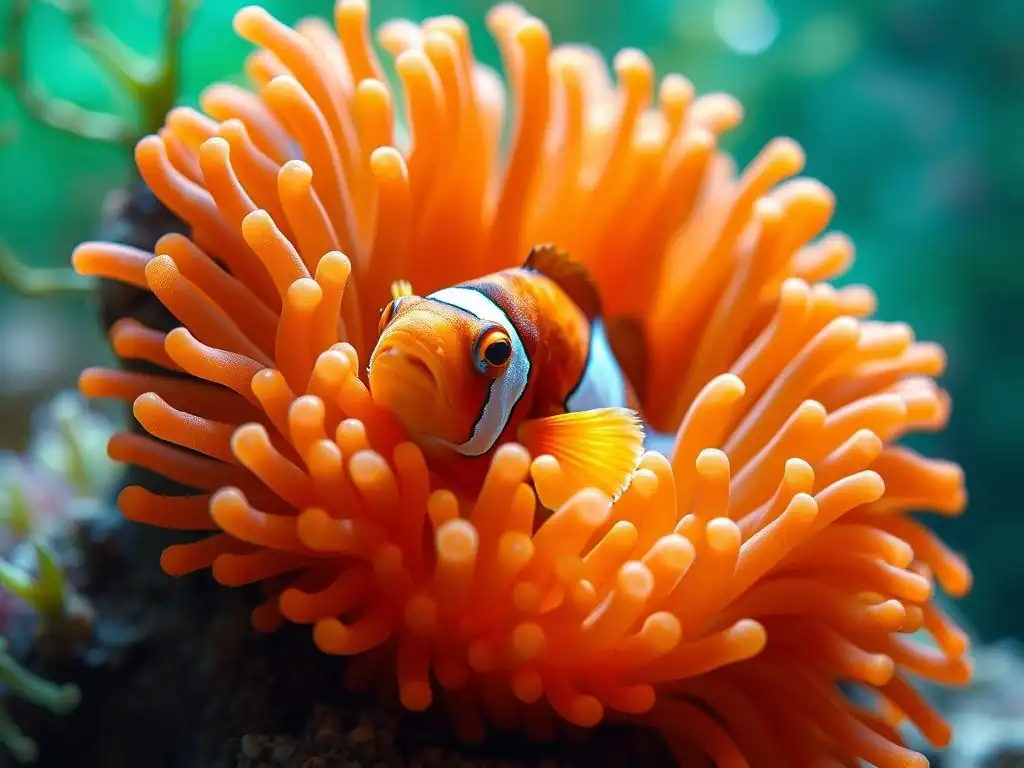
Given the inherent risks associated with attempting a "Cardinalfish anemone safe pairing," many aquarists opt for a safer and equally engaging approach by selecting alternative tank mates. Cardinalfish are generally peaceful and compatible with a wide array of other marine species, making it easy to create a vibrant and harmonious reef aquarium without the added stress of a predatory anemone. Focusing on species that share similar temperament and environmental needs will ensure a thriving community.
There are numerous options for fish and invertebrates that will not pose a threat to cardinalfish and will complement their peaceful nature. This approach not only enhances the aesthetic appeal of the tank but also significantly reduces the potential for harm, allowing both the cardinalfish and their tank mates to flourish in a stress-free environment.
Other Peaceful Fish Species Suitable for a Reef Tank with Cardinalfish
Cardinalfish thrive in a peaceful community setting, and there are many excellent choices for tank mates that pose no threat and often share similar care requirements. Small, docile gobies are a fantastic option; species like the Yellow Watchman Goby ( Cryptocentrus cinctus) or Diamond Watchman Goby ( Valenciennea puellaris) add character and help with sand sifting. Blennies, such as the Lawnmower Blenny ( Salarias fasciatus) or Starry Blenny ( Salarias ramosus), are also great additions, known for their unique personalities and algae-grazing habits.
Other suitable companions include various species of Firefish ( Nemateleotris spp. ), such as the Purple Firefish ( Nemateleotris decora) or Red Firefish ( Nemateleotris magnifica), which are graceful, shy, and add vertical interest to the tank. Certain peaceful damselfish, like the Azure Damsel ( Chrysiptera hemicyanea), can also coexist, though aggressive damsels should always be avoided. For larger tanks (75 gallons+), smaller tangs like the Kole Tang ( Ctenochaetus strigosus) or Yellow Tang ( Zebrasoma flavescens) can be considered, provided they have ample swimming space and are introduced carefully to avoid aggression.
Invertebrates That Complement Cardinalfish in a Reef Aquarium
Beyond fish, a wide variety of invertebrates can enhance a reef aquarium with cardinalfish, adding diversity, functionality, and visual interest without the inherent dangers of large stinging anemones. Cleaner shrimp species, such as the Skunk Cleaner Shrimp ( Lysmata amboinensis) or Peppermint Shrimp ( Lysmata wurdemanni), are popular choices. They are not only visually appealing but also contribute to tank health by consuming detritus and parasites.
Various snail species (e.g., Nassarius snails, Turbo snails, Trochus snails) are excellent members of a clean-up crew, diligently grazing on algae and sifting sand. Hermit crabs (e.g., Blue Leg Hermit Crabs, Red Leg Hermit Crabs) also help with detritus removal.
Starfish, such as the Sand Sifting Starfish ( Archaster typicus) or various brittle and serpent stars, can further assist in substrate maintenance. Corals, particularly large polyp stony (LPS) corals like Hammer ( Euphyllia ancora), Frogspawn ( Euphyllia divisa), or Torch ( Euphyllia glabrescens) corals, and various soft corals (e.g., Zoanthids, Mushrooms, Leather corals) provide stunning aesthetics and habitat without posing the same predatory threat as an anemone, making them far more suitable for a "Cardinalfish anemone safe pairing" in terms of overall tank harmony.
Cardinalfish Health and Anemone Exposure: Recognizing and Treating Injuries
Despite the best precautions, accidental contact between a cardinalfish and an anemone can sometimes occur. Recognizing the signs of an anemone sting and knowing how to respond promptly is crucial for improving the cardinalfish's chances of survival and recovery. Anemone stings can range in severity from minor tissue irritation to severe burns that can lead to rapid death if not addressed. The lack of a protective mucus layer in cardinalfish means their delicate skin is highly susceptible to the toxins released by the anemone's nematocysts.
Immediate intervention is key, as untreated stings can quickly lead to secondary bacterial or fungal infections, further complicating recovery. Understanding the symptoms and having a plan for treatment can make a significant difference in the outcome for an injured cardinalfish, reinforcing that a "Cardinalfish anemone safe pairing" requires constant vigilance and preparedness for intervention.
Identifying Signs of Anemone Sting on Cardinalfish
Recognizing the signs of an anemone sting on a cardinalfish requires careful observation. The most immediate and obvious indicators are often visible lesions or burns on the fish's skin, typically appearing as white, opaque, or reddish patches where contact occurred. These areas might also show signs of tissue necrosis, appearing as sunken or discolored spots. The delicate fins can become tattered or show signs of erosion, and scales might be missing from the affected area.
Beyond physical marks, behavioral changes are strong indicators of a sting. An injured cardinalfish may become lethargic, exhibit rapid or labored breathing, or swim erratically. It might lose its appetite, refuse to feed, or spend an unusual amount of time hiding, displaying signs of extreme stress. In severe cases, the fish may appear disoriented or even lose its balance. Prompt identification of these symptoms is vital, as early intervention significantly improves the prognosis for a cardinalfish affected by an anemone sting.
Treatment Options for Cardinalfish Injured by Anemones
If a cardinalfish is observed with signs of an anemone sting, immediate action is paramount. The first and most crucial step is to carefully remove the injured cardinalfish from the main display tank and place it into a dedicated quarantine or hospital tank. This isolation prevents further contact with the anemone and allows for focused treatment without stress from other tank mates. The hospital tank should be set up with stable, pristine water conditions, mimicking the main tank's parameters.
Treatment typically involves maintaining impeccable water quality through frequent small water changes (e.g., 10-20% daily) to minimize bacterial load and aid healing. If the lesions appear infected, a broad-spectrum antibacterial medication (e.g., Furan-2 or Maracyn 2) should be administered according to product instructions. For fungal infections, an antifungal treatment (e.g., Pimafix) may be necessary.
Adding a stress coat product or vitamins (like Vita-Chem) to the water can help support the fish's immune system and promote slime coat regeneration. Continue treatment until the physical signs of injury begin to heal and the fish's behavior returns to normal, which can take several days to weeks depending on the severity of the sting.
Conclusion: Making Informed Decisions About Cardinalfish and Anemone Tank Mates
The exploration of "Cardinalfish and Anemones: A Safe Cohabitation or Risky Business?" clearly indicates that while cardinalfish are captivating additions to a reef aquarium, their pairing with anemones carries significant and inherent risks. Unlike clownfish, cardinalfish lack the biological mechanisms to protect themselves from an anemone's potent sting, making them highly vulnerable to injury or death upon contact. The concept of a "Cardinalfish anemone safe pairing" is therefore not about natural symbiosis, but rather about managing a dangerous situation through meticulous planning and constant vigilance to prevent any interaction.
Ultimately, the decision to house cardinalfish and anemones together requires a deep understanding of the risks involved and a commitment to prioritizing animal welfare. While a visually stunning display can be achieved, it should never come at the expense of a fish's health and safety. Responsible aquarists strive to create environments where all inhabitants can thrive, free from unnecessary stress and danger.
Balancing Aesthetics and Animal Welfare in the Reef Aquarium
The allure of a vibrant reef tank often involves the desire to replicate natural ecosystems, complete with diverse species and captivating interactions. However, when it comes to "Cardinalfish anemone safe pairing," the balance between aesthetic appeal and animal welfare heavily favors the latter. While an anemone can add a dramatic focal point to a tank, its predatory nature and potent sting pose a constant threat to non-immune fish like cardinalfish. Prioritizing the long-term health and safety of your aquatic inhabitants means making informed choices that might sometimes mean foregoing certain aesthetic combinations.
Experienced aquarists understand that a truly beautiful aquarium is one where all its inhabitants are thriving, healthy, and exhibiting natural behaviors without undue stress. This often necessitates choosing compatible tank mates that do not pose a direct threat to each other. Opting for alternative, safe invertebrate or fish species that complement cardinalfish can create an equally stunning and far more humane display, demonstrating a commitment to responsible reef keeping over fleeting visual gratification.
The Importance of Research and Observation for Successful Reef Keeping
Successful reef keeping is built upon a foundation of thorough research, continuous learning, and diligent observation. Before introducing any new species, especially those with potential compatibility issues like cardinalfish and anemones, aquarists must invest time in understanding their specific needs, behaviors, and potential interactions. Resources like AquariumMastery.com provide invaluable information to guide these decisions, helping aquarists anticipate challenges and prevent problems before they arise.
Once inhabitants are introduced, ongoing observation is critical. Regularly monitoring the behavior and health of all fish and invertebrates allows aquarists to detect early signs of stress, aggression, or injury. This proactive approach enables timely intervention, whether it's adjusting water parameters, separating incompatible species, or treating ailments. A well-researched and closely observed aquarium is not just a collection of animals; it is a dynamic, thriving ecosystem where every inhabitant has the best possible chance to flourish, making the pursuit of a genuinely "Cardinalfish anemone safe pairing" a constant exercise in risk assessment and dedicated care.
Frequently Asked Questions
Is it generally safe to keep Cardinalfish with Anemones?
It's not universally safe. While some Cardinalfish species might coexist peacefully with certain anemone types, others may be eaten or stung. Research is crucial before attempting this pairing.
Which Cardinalfish species are most likely to be anemone-safe?
The Bangaii Cardinalfish is often considered a good candidate. However, even with these, success isn't guaranteed and depends on the individual fish and anemone.
What types of Anemones should definitely be avoided when keeping Cardinalfish?
Avoid carpet anemones (Stichodactyla) as these are predatory and pose a significant threat to Cardinalfish, regardless of species.
What are the potential benefits of pairing Cardinalfish with Anemones?
There are no inherent benefits for the Cardinalfish. The anemone provides no specific advantage to the fish. The pairing is primarily for aquarist aesthetics.
What are the key considerations for successfully keeping Cardinalfish and Anemones together?
Tank size, anemone type, Cardinalfish species, and individual temperaments all play a role. Careful observation and a well-established tank are crucial for success.
Final Reflection: The Delicate Dance of Symbiosis
The exploration of the relationship between cardinalfish and anemones, as we've seen, reveals a fascinating microcosm of the marine world, where survival hinges on delicate balances. Understanding the nuances of a "safe pairing" is more crucial than ever, especially as coral reefs face unprecedented threats from climate change and habitat destruction. The success or failure of these symbiotic relationships serves as a stark reminder of the interconnectedness of all life within these fragile ecosystems.
This intricate dance between cardinalfish and anemones has not only captivated scientists but also underscores the profound beauty and complexity of the natural world. My own fascination with this topic stems from the realization that even the smallest creatures can teach us invaluable lessons about cooperation and resilience. In nature, nothing exists alone.
- Rachel Carson. This quote perfectly encapsulates the essence of this relationship, highlighting the interdependence that defines life on our planet and the importance of preserving these delicate connections.
Now, consider the lessons learned from the cardinalfish and anemone pairing. How can we apply this understanding of symbiotic relationships to our own lives and communities? Let us strive to foster environments of mutual support and understanding, recognizing that our individual well-being is inextricably linked to the health and prosperity of the world around us. Let's commit to protecting these fragile ecosystems, ensuring that future generations can witness the wonder of this delicate dance for themselves.
Uncover the Secrets of a Thriving Anemone-Cardinalfish Partnership!
Thanks for diving deep into the fascinating relationship between cardinalfish and anemones! You've now got the insights to understand their potential symbiosis. Ready to take the next step?
Here are some actions you can take:
- Carefully observe your existing anemone and cardinalfish (if you have them) for signs of interaction – or lack thereof! Note their behavior patterns.
- Research local aquarium societies or online forums and share your experiences or ask questions about cardinalfish-anemone pairings.
- Consider the ethical implications before introducing cardinalfish to a new anemone – is it the right fit for both creatures' well-being?
What fascinating behavior have you observed between cardinalfish and anemones? Share your thoughts in the comments below!