
Quarantine Protocols for New Cardinalfish: Protecting Your Established Reef

Welcome to Aquarium Mastery!
Intrigued by the vibrant beauty of cardinalfish? But are you prepared to safeguard your existing reef ecosystem? Dive into our comprehensive guide on new cardinalfish quarantine protocols and discover essential steps to ensure a smooth and healthy introduction for your new aquatic companions. Learn how to protect your treasured reef and unlock the secrets to a thriving aquarium. Keep reading to learn more!
- Why Quarantine New Cardinalfish is Essential for a Healthy Reef Tank
- Setting Up a Dedicated Cardinalfish Quarantine Tank
-
The Cardinalfish Quarantine Process: A Step-by-Step Guide
- Acclimation of New Cardinalfish to the Quarantine Tank
- Observation Period: Monitoring for Signs of Illness in Cardinalfish
- Common Cardinalfish Diseases and Their Symptoms
- Treatment Options for Sick Cardinalfish in Quarantine
- Feeding Cardinalfish During Quarantine: Ensuring Proper Nutrition
- Water Changes in the Quarantine Tank: Maintaining Water Quality
- Extended Quarantine for Cardinalfish: When is it Necessary?
- Transferring Quarantined Cardinalfish to the Main Reef Tank
- Cardinalfish Quarantine Best Practices for Reef Aquariums
- Troubleshooting Common Quarantine Issues with Cardinalfish
- Advanced Quarantine Techniques for Sensitive Cardinalfish Species
- Benefits of Following Strict New Cardinalfish Quarantine Protocols
-
Frequently Asked Questions
- How long should I quarantine new cardinalfish before introducing them to my main reef tank?
- What size quarantine tank is appropriate for cardinalfish?
- What are some common diseases or parasites to watch out for during quarantine?
- What water parameters are essential to monitor and maintain during the quarantine period?
- What should I do if I observe signs of illness in my quarantined cardinalfish?
- Final Reflection: Safeguarding Reef Ecosystems
- Unleash a Thriving Reef: Your Cardinalfish Adventure Starts Now!
Why Quarantine New Cardinalfish is Essential for a Healthy Reef Tank
Preventing Disease Introduction: The Importance of Cardinalfish Quarantine
Quarantining new cardinalfish is the single most effective preventative measure an aquarist can take to safeguard an established reef ecosystem. Even seemingly healthy fish can carry a multitude of dormant pathogens, ranging from microscopic parasites like Cryptocaryon irritans (Marine Ich) to various bacterial and viral agents.
These pathogens, often stressed by the collection, shipping, and acclimation process, may not show overt symptoms until they are introduced into a new environment, where they can rapidly proliferate. By isolating new additions, you create a controlled environment to monitor for and treat these hidden threats before they can impact your main display tank.
The financial and emotional investment in a thriving reef tank is substantial, and a single disease outbreak can devastate years of effort. Imagine losing a prized collection of corals, rare invertebrates, and established fish due to a preventable introduction. A dedicated new cardinalfish quarantine protocols setup, costing a fraction of the main tank, acts as an indispensable barrier, preventing widespread infections that are far more challenging and costly to eradicate once they take hold in a complex reef environment filled with sensitive invertebrates that cannot tolerate many common fish medications.
Protecting Existing Fish: Minimizing the Risk of Outbreaks
Existing fish in a display tank have developed a certain level of immunity to their current environment's microbial flora. However, this immunity can be overwhelmed by the introduction of novel, virulent pathogens carried by new arrivals. Introducing an unquarantined cardinalfish, for instance, could unleash a highly contagious disease like Velvet ( Amyloodinium ocellatum), which can spread with terrifying speed throughout an entire fish population. This can lead to rapid mortalities, sometimes within 24-48 hours, as the disease attacks gill tissues, suffocating the fish.
Furthermore, the stress of a new environment can weaken the immune system of existing tank inhabitants, making them more susceptible to any new disease introduced. Imagine a thriving school of established tangs and clownfish suddenly exhibiting signs of distress, scratching against rockwork, or developing visible lesions. This cascade effect is precisely what new cardinalfish quarantine protocols aim to prevent, ensuring the long-term health and stability of your entire fish community. It minimizes the risk of a single new fish triggering a catastrophic outbreak that impacts every living creature in your carefully cultivated reef.
Understanding Cardinalfish Susceptibility to Common Aquarium Diseases
Cardinalfish, such as the popular Banggai Cardinalfish ( Pterapogon kauderni) or Pajama Cardinalfish ( Sphaeramia nematoptera), are generally hardy fish once settled, but they are particularly susceptible to stress-related illnesses during the initial stages of capture, transport, and acclimation. The journey from their natural habitat or a holding facility to your home aquarium is inherently stressful, weakening their immune systems. This vulnerability makes them prime targets for opportunistic pathogens like external parasites (Ich, Velvet, flukes) and bacterial infections.
Their relatively smooth scales and often calm demeanor can make early signs of external parasites, such as small white spots or a dusty sheen, more noticeable compared to fish with thicker slime coats or more active swimming patterns. However, their susceptibility also means that any disease they carry can progress rapidly if left unchecked. Implementing robust new cardinalfish quarantine protocols accounts for this inherent vulnerability, providing a crucial window to observe and treat any emerging health issues before they can spread to the main display tank.
Setting Up a Dedicated Cardinalfish Quarantine Tank
Choosing the Right Size Quarantine Tank for Cardinalfish
Selecting an appropriately sized quarantine tank is crucial for effective new cardinalfish quarantine protocols. For a small group of cardinalfish (e.g., 2-5 individuals), a 10-gallon or 20-gallon long aquarium is generally sufficient. A 10-gallon tank can comfortably house a single Banggai Cardinalfish or a pair of Pajama Cardinalfish during their quarantine period. For a larger school, a 20-gallon long offers more horizontal swimming space, which helps reduce aggression and stress among schooling species.
The size choice is also practical for medication dosing and water quality management. A smaller tank requires less medication, making treatments more economical and precise, especially for sensitive fish like cardinalfish. However, it also means that water parameters can fluctuate more rapidly, necessitating more diligent monitoring and smaller, more frequent water changes to maintain stability and ensure the fish remain comfortable and healthy throughout their isolation period.
Essential Equipment for a Cardinalfish Quarantine Setup
A basic yet effective cardinalfish quarantine setup requires several key pieces of equipment. These include the aquarium itself, a reliable heater with an integrated thermostat, an air pump with an air stone for aeration and circulation, a simple sponge filter for biological filtration, a thermometer to monitor temperature, and a tight-fitting lid to prevent escapes. Additionally, having a dedicated refractometer for salinity testing and test kits for ammonia, nitrite, and nitrate is paramount for monitoring water quality.
For hiding places, simple PVC pipe elbows or inert, non-porous decorations like smooth plastic plants can be used. Avoid porous live rock or sand from your main tank, as these can absorb medications, harbor pathogens, or complicate cleaning. The goal is a sterile, easily maintainable environment where fish can be observed clearly and treated effectively, adhering strictly to new cardinalfish quarantine protocols.
Heater and Thermostat for Stable Temperature
Maintaining a stable water temperature is critical for the health of quarantined cardinalfish and the efficacy of certain medications. Most tropical marine cardinalfish thrive in temperatures ranging from 76°F to 78°F (24°C to 26°C). Fluctuations outside this range can induce significant stress, weakening the fish's immune system and making them more susceptible to disease or hindering their recovery.
Select a submersible heater with an integrated, reliable thermostat appropriate for the tank size. For a 10-gallon tank, a 50-watt heater is typically adequate, while a 20-gallon tank might require a 75-watt or 100-watt unit. Always use a separate thermometer to verify the heater's accuracy, as precise temperature control is a cornerstone of successful new cardinalfish quarantine protocols.
Filtration System: Sponge Filter vs. Other Options
For a quarantine tank, a simple air-driven sponge filter is highly recommended over more complex filtration systems like hang-on-back (HOB) filters or sumps. Sponge filters provide excellent biological filtration, housing beneficial bacteria that convert toxic ammonia and nitrite into less harmful nitrate. They are also easy to clean, don't remove medications from the water column, and create minimal water flow, which is ideal for the generally calm nature of cardinalfish.
While HOB filters can provide mechanical and some biological filtration, their carbon inserts often remove medications, requiring their removal during treatment. Sumps are overly complicated and unnecessary for the temporary nature of a quarantine setup. A seasoned sponge filter from an established tank can be transferred to the quarantine tank to instantly seed it with beneficial bacteria, expediting the cycling process and ensuring stable water parameters from day one.
Lighting Considerations for Quarantined Cardinalfish
Elaborate lighting systems are entirely unnecessary for a cardinalfish quarantine tank. The primary purpose of lighting in this setup is to allow for clear observation of the fish and their behavior, as well as any signs of disease. A simple, low-wattage LED strip or even ambient room light is perfectly sufficient.
In fact, subdued lighting can be beneficial, helping to reduce stress for new cardinalfish, especially during their initial acclimation period. Overly bright lights can cause them to hide excessively, making observation difficult, and potentially increasing their stress levels, which can suppress their immune response and hinder recovery.
Water Parameters to Maintain in the Quarantine Tank
Maintaining pristine and stable water parameters is paramount in a cardinalfish quarantine tank. The salinity should ideally match that of your main display tank, typically between 1.023 and 1.025 specific gravity, to minimize stress during eventual transfer. Temperature should be kept consistent, usually between 76-78°F (24-26°C). Most importantly, ammonia and nitrite levels must remain at zero, as these are highly toxic to fish, even in small concentrations.
Regular testing (daily or every other day) for ammonia, nitrite, and nitrate is non-negotiable. While a cycled sponge filter will handle biological filtration, regular small water changes (e.g., 20-25% every 2-3 days) are often necessary, especially when medicating or if the biofilter is still maturing, to keep nitrates low and replenish essential elements. Consistent water quality is a foundational element of effective new cardinalfish quarantine protocols.
The Cardinalfish Quarantine Process: A Step-by-Step Guide
Acclimation of New Cardinalfish to the Quarantine Tank
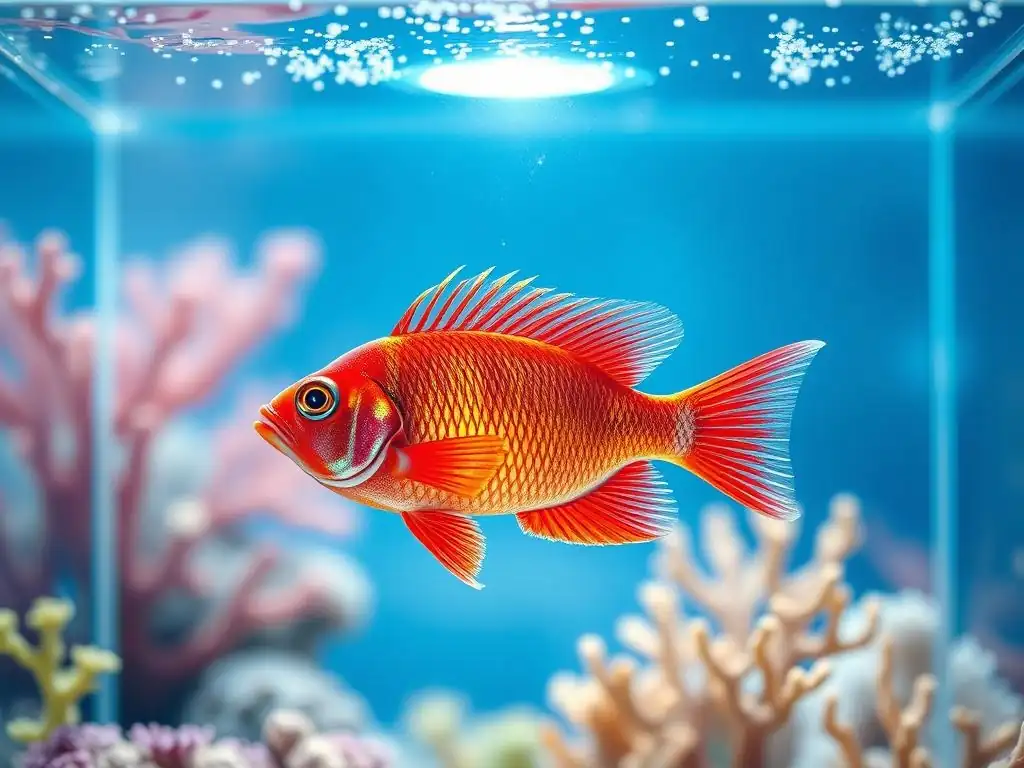
Proper acclimation of new cardinalfish to the quarantine tank is a critical first step in successful new cardinalfish quarantine protocols. Upon arrival, float the sealed bag containing the fish in the quarantine tank for 15-20 minutes to equalize the water temperature. After temperature equalization, open the bag, roll down the edges to create an air pocket, and begin a slow drip acclimation using airline tubing and a control valve. Drip water from the quarantine tank into the bag at a rate of 1-2 drops per second.
Continue this drip acclimation for at least 30-60 minutes, or until the volume of water in the bag has quadrupled. This gradual process minimizes osmotic shock due to differences in pH, salinity, and other water parameters. Once acclimation is complete, gently net the cardinalfish from the bag and transfer them to the quarantine tank, discarding all the water from the shipping bag to prevent the introduction of pathogens or harmful substances. Keep the quarantine tank lights off for the first few hours to help reduce initial stress.
Observation Period: Monitoring for Signs of Illness in Cardinalfish
A standard quarantine period for new cardinalfish typically lasts 4 to 6 weeks, assuming no signs of disease emerge. During this time, daily visual inspection of the fish is absolutely crucial. Observe their swimming patterns, respiration rate (gill movement), fin condition, body coloration, and overall behavior. Are they active and alert, or lethargic and hiding excessively? Are their fins clamped, or are they fully extended?
Pay close attention during feeding times to assess their appetite and feeding response. Look for any visible spots, patches, lesions, or unusual growths on their body, fins, or gills. Early detection of symptoms allows for prompt intervention, significantly increasing the chances of successful treatment and preventing potential spread. Maintaining a detailed logbook of observations can be highly beneficial for tracking progress and identifying subtle changes.
Common Cardinalfish Diseases and Their Symptoms
Marine Ich (White Spot Disease)
Marine Ich, caused by the parasite Cryptocaryon irritans, is one of the most common and feared diseases in saltwater aquariums. It manifests as small, white spots resembling grains of salt scattered across the fish's body, fins, and sometimes gills. Infected cardinalfish may exhibit signs of irritation, such as "flashing" (scratching their bodies against tank decorations), rapid breathing, clamped fins, and lethargy.
The lifecycle of Marine Ich involves a free-swimming stage that infects fish, a feeding stage (trophont) embedded in the fish's skin (the visible white spots), and a reproductive stage (tomont) that falls off the fish and multiplies in the substrate or water column. This complex lifecycle, lasting several weeks depending on temperature, necessitates prolonged treatment to eradicate all stages of the parasite.
Velvet Disease (Amyloodinium)
Velvet disease, caused by the dinoflagellate parasite Amyloodinium ocellatum, is highly contagious and often more virulent and rapidly fatal than Marine Ich. Its symptoms can be more subtle, appearing as a fine, dusty, yellowish-gold coating on the fish's skin, which can be difficult to see without a flashlight. Cardinalfish infected with Velvet often show rapid and labored breathing, as the parasite primarily attacks the gill tissue, leading to suffocation.
Other signs include dull coloration, excessive mucus production, clamped fins, and lethargy. The lifecycle of Velvet is much faster than Ich, sometimes completing in just a few days, which explains its rapid progression and high mortality rate if left untreated. Immediate and aggressive treatment is essential upon diagnosis.
Bacterial Infections in Cardinalfish
Bacterial infections in cardinalfish can be either external or internal, often arising as secondary infections due to stress, poor water quality, or damage to the fish's slime coat. External symptoms include cloudy eyes, fin rot (frayed or decaying fins), red streaks on the body or fins, ulcers, and open sores. These are often caused by opportunistic bacteria like Vibrio species.
Internal bacterial infections are harder to diagnose but may present as a swollen abdomen (dropsy), loss of appetite, lethargy, abnormal swimming, or difficulty maintaining buoyancy. Timely diagnosis and appropriate antibiotic treatment are crucial for recovery, as these infections can quickly overwhelm a fish's system.
Treatment Options for Sick Cardinalfish in Quarantine
Copper-Based Medications: When and How to Use Them
Copper-based medications are highly effective against external parasites like Marine Ich and Velvet, making them a cornerstone of new cardinalfish quarantine protocols when these diseases are present. They work by interfering with the parasite's metabolic processes. It is absolutely critical to use a reliable copper test kit (e.g., Chemet or Hanna Checker) to monitor copper levels precisely, as both underdosing (ineffective) and overdosing (toxic to fish) can have severe consequences.
Common therapeutic ranges are typically 0.15-0.25 ppm for chelated copper products (e.g., Copper Power, Cupramine) or 0.35-0.5 ppm for ionic copper (e.g., CopperSafe). The copper level must be maintained consistently for the entire duration of the parasite's lifecycle, usually 2-4 weeks, even if symptoms disappear, to ensure complete eradication. Never use copper in the main display tank, as it is highly toxic to corals, invertebrates, and beneficial bacteria in live rock.
Antibiotics for Bacterial Infections: Choosing the Right Treatment
For external bacterial infections, broad-spectrum antibiotics administered to the water column, such as Furan-2 (nitrofurazone) or Maracyn 2 (minocycline), can be effective. These medications target a wide range of gram-positive and gram-negative bacteria responsible for fin rot, cloudy eyes, and skin lesions. For suspected internal bacterial infections, medicated foods containing antibiotics like Metronidazole, Kanamycin, or Neomycin are often more effective, as they deliver the medication directly to the fish's digestive system.
Always complete the full course of antibiotics as directed by the manufacturer, even if the fish appears to recover quickly. Prematurely stopping treatment can lead to a relapse and contribute to antibiotic resistance. During antibiotic treatments, remove activated carbon filtration, as it will absorb the medication, rendering it ineffective.
Freshwater Dips: A Treatment Option for Certain Parasites
Freshwater dips can provide immediate, temporary relief for external parasites like Ich, Velvet, and flukes on cardinalfish. This method involves briefly immersing the fish in dechlorinated freshwater (RO/DI water is ideal) that has been temperature and pH matched to the quarantine tank, but with zero salinity. The sudden change in osmotic pressure causes the freshwater parasites to swell and detach from the fish's body.
The dip duration should be short, typically 3 to 5 minutes, and the fish must be closely monitored for signs of extreme stress (e.g., lying on its side, gasping excessively). While effective at removing parasites present on the fish, a freshwater dip is not a cure for the entire disease lifecycle and should be followed by full medication in the quarantine tank to eradicate remaining parasites and prevent re-infection.
Feeding Cardinalfish During Quarantine: Ensuring Proper Nutrition
Proper nutrition is paramount for the recovery and overall health of cardinalfish during quarantine. A well-fed fish has a stronger immune system, better able to fight off existing infections and resist new ones. Offer a varied diet of high-quality foods, including frozen mysis shrimp, enriched brine shrimp, finely chopped seafood, and high-quality marine pellets or flakes specifically formulated for carnivorous or omnivorous marine fish.
Feed small amounts 2-3 times daily, ensuring all food is consumed within a few minutes to prevent uneaten food from fouling the water. Monitor their appetite closely; a sudden refusal to eat can be an early indicator of illness or stress. Some cardinalfish might be finicky initially due to stress, so offering a variety of foods can help entice them to eat.
Water Changes in the Quarantine Tank: Maintaining Water Quality
Regular water changes are an indispensable part of maintaining optimal water quality in a cardinalfish quarantine tank, especially when medicating. Even with a functioning biological filter, waste products and nitrates can accumulate, stressing the fish and hindering their recovery. Aim for small, frequent water changes, such as 20-25% every 2-3 days, or more often if ammonia or nitrite levels begin to rise.
Always prepare replacement saltwater that matches the quarantine tank's salinity and temperature precisely to avoid shocking the fish. Use a dedicated bucket and siphon for the quarantine tank to prevent cross-contamination with your main display system. Consistent water changes dilute dissolved organic compounds, remove residual medications, and replenish essential elements, all contributing to a healthier environment for your new cardinalfish quarantine protocols.
Extended Quarantine for Cardinalfish: When is it Necessary?
Dealing with Persistent Health Issues in Cardinalfish
An extended quarantine period becomes necessary if cardinalfish continue to exhibit signs of illness, if new symptoms appear, or if a disease with a particularly long lifecycle is diagnosed. The standard 4-6 week observation period is based on the lifecycles of common parasites like Ich and Velvet at typical aquarium temperatures. However, if symptoms persist beyond this, or if a second round of treatment is required due to a relapse or resistant strain, the quarantine period must be prolonged accordingly.
For example, if a cardinalfish shows recurring Ich spots after a full copper treatment, it indicates the initial treatment was either incomplete or a new infection occurred, necessitating another 2-4 weeks of observation and potential re-treatment. Similarly, if internal parasites or bacterial infections are suspected and require a longer course of medication, the fish must remain in quarantine until fully recovered and symptom-free for an extended period, typically at least two weeks post-treatment.
When quarantining multiple cardinalfish, especially schooling species, it's important to observe their social dynamics. While cardinalfish are generally peaceful, stress from a new environment or limited space in a smaller quarantine tank can sometimes lead to aggression or bullying among individuals. This stress can weaken their immune systems, making them more vulnerable to disease.
Look for signs of constant chasing, nipped fins, or one fish consistently hiding while others are active. If severe aggression is observed, it may be necessary to separate the aggressor or provide additional hiding spots to reduce stress. Addressing these social dynamics is a critical, albeit often overlooked, aspect of comprehensive new cardinalfish quarantine protocols.
Transferring Quarantined Cardinalfish to the Main Reef Tank
Gradual Acclimation to the Main Tank's Water Parameters
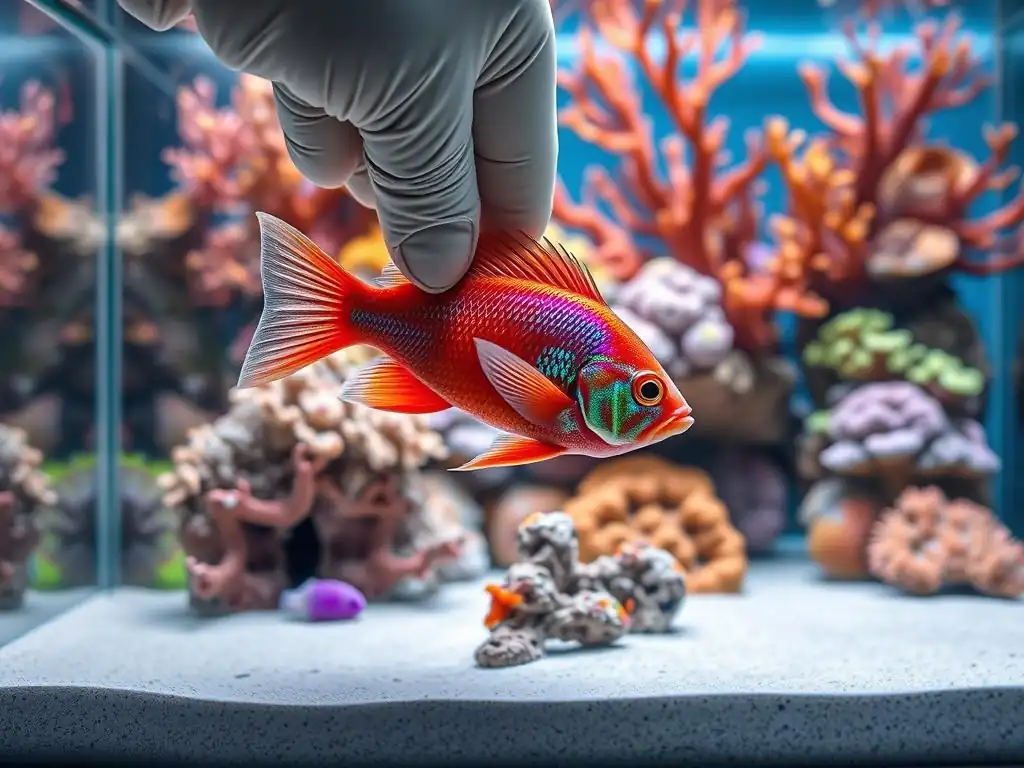
Before transferring cardinalfish from the quarantine tank to the main reef tank, it is crucial to gradually acclimate them to the main tank's specific water parameters. While the goal is to keep quarantine parameters close to the main tank, slight differences can still cause stress. Over a period of 24-48 hours, slowly adjust the quarantine tank's salinity and temperature to precisely match the main display tank. This can be done by performing small, frequent water changes in the quarantine tank using water directly from the main display.
For the final transfer, a slow drip acclimation is recommended. Place the cardinalfish in a clean bucket with some quarantine tank water, then drip water from the main display tank into the bucket using airline tubing until the volume has quadrupled. This ensures a gentle transition, minimizing shock and stress, which are vital for successful new cardinalfish quarantine protocols.
Introducing Cardinalfish to the Existing Reef Community
Introducing new cardinalfish to an established reef community requires careful consideration to minimize stress for both the newcomers and existing inhabitants. It's often beneficial to turn off the main tank's lights during the introduction to reduce aggression from established fish and allow the new cardinalfish to explore and find hiding places without immediate harassment. Gently net the fish from the acclimation bucket and release them into the main tank, preferably near a rock structure where they can quickly seek shelter.
Introducing them just before the main tank's lights go out for the night can also be advantageous, allowing them to settle overnight in darkness. If your existing fish are particularly territorial, consider rearranging some rockwork in the main tank beforehand. This temporarily disrupts established territories, giving the new cardinalfish a better chance to integrate without severe bullying.
Post-Introduction Monitoring: Watching for Signs of Stress or Disease
Even after a successful quarantine and transfer, continued daily monitoring of your new cardinalfish in the main display tank is important for the first week or two. Observe their behavior, appetite, and interaction with existing tank mates. Look for any signs of stress, such as hiding excessively, refusing to eat, or clamped fins. While thorough new cardinalfish quarantine protocols significantly reduce the risk, stress from a new environment can sometimes trigger dormant pathogens or make fish susceptible to opportunistic infections.
Also, watch for any signs of aggression from established fish, which can stress the new cardinalfish. Be prepared to intervene if severe bullying occurs, which might involve temporary separation or re-arrangement of tank decor. Prompt action can prevent minor issues from escalating into significant problems.
Cardinalfish Quarantine Best Practices for Reef Aquariums
Maintaining a Detailed Quarantine Log
Maintaining a detailed quarantine logbook is a best practice that significantly enhances the effectiveness of new cardinalfish quarantine protocols. This log should include the date of arrival, the species and number of fish, initial observations, water parameters (temperature, salinity, ammonia, nitrite, nitrate) tested daily or every other day, and any medications administered (including dosage, date, and duration).
A comprehensive log allows you to track the fish's progress, identify patterns in behavior or symptoms, and ensure that medication dosages and durations are followed precisely. It serves as an invaluable record for troubleshooting any issues that arise and provides a clear history for each fish, informing future decisions about additions to your reef tank.
Disinfecting Quarantine Equipment After Each Use
Thorough disinfection of all quarantine equipment after each use is critical to prevent cross-contamination of pathogens to future inhabitants. Once a quarantine period is complete and the fish have been transferred, drain the tank and clean all equipment (tank, heater, filter, air stone, tubing, nets, buckets) with a strong disinfectant solution. A common and effective solution is a 1:9 bleach to water mixture, or a strong vinegar solution for equipment that might be sensitive to bleach.
Allow the equipment to soak for at least 30 minutes, then rinse thoroughly with fresh, dechlorinated water. For bleach-treated items, a final soak in a strong dechlorinator solution (e.g., Prime) is recommended. Allow all equipment to air dry completely before storing. This meticulous cleaning ensures that no dormant pathogens remain to infect your next batch of new cardinalfish.
Recognizing and Addressing Stress in Cardinalfish During Quarantine
Recognizing and addressing stress in cardinalfish during quarantine is vital for their successful recovery and acclimatization. Signs of stress include clamped fins, rapid breathing, hiding excessively, loss of appetite, faded coloration, erratic swimming, or rubbing against objects. These behaviors indicate that the fish is uncomfortable and potentially vulnerable to illness.
To mitigate stress, ensure water parameters are stable and optimal, provide ample hiding places (PVC pipes or inert decor), keep lighting subdued, and minimize external disturbances like loud noises or sudden movements near the tank. Maintaining a calm and secure environment helps cardinalfish feel safer, which directly supports their immune system and improves the efficacy of new cardinalfish quarantine protocols.
Troubleshooting Common Quarantine Issues with Cardinalfish
Cardinalfish Refusing to Eat in Quarantine
It is common for new cardinalfish to initially refuse food in the quarantine tank due to stress from shipping and a new environment. If a cardinalfish refuses to eat for the first 24-48 hours, don't panic. Try offering a variety of high-quality foods, such as frozen mysis shrimp, enriched brine shrimp, or finely chopped seafood, at different times of the day. Sometimes, adding a garlic-based appetite stimulant (e.g., Seachem GarlicGuard) to the food can entice finicky eaters.
If the refusal persists for more than a few days, begin to investigate potential underlying causes beyond initial stress. Check all water parameters meticulously (ammonia, nitrite, nitrate, salinity, temperature, pH) to rule out environmental issues. Also, observe for any subtle signs of illness that might be impacting their appetite, such as rapid breathing, clamped fins, or unusual coloration. Persistent refusal to eat warrants closer inspection and potentially, treatment.
Cardinalfish Showing Signs of Stress or Agitation
If cardinalfish in quarantine are showing prolonged signs of stress or agitation (e.g., constant hiding, erratic swimming, rapid breathing, fading color, or aggression towards tankmates), it's crucial to identify and address the cause. First, re-test all water parameters to ensure they are stable and optimal. Sub-optimal water quality is a primary stressor. Ensure the tank has sufficient hiding places, such as PVC pipes or inert decor, to provide a sense of security.
Reduce external disturbances by placing the quarantine tank in a quiet area, minimizing sudden movements, and keeping lighting subdued. If multiple cardinalfish are exhibiting aggression, consider separating them into individual compartments or separate tanks if feasible. Addressing these stressors is paramount for the success of new cardinalfish quarantine protocols, as chronic stress can severely compromise a fish's immune system.
Unexplained Cardinalfish Deaths During Quarantine
While heartbreaking, unexplained cardinalfish deaths during quarantine, especially in the initial days, can occur despite best efforts. This often indicates a severe underlying condition that the fish was already suffering from prior to arrival, such as extreme stress from shipping, internal parasites, or a pre-existing bacterial or viral infection that progressed rapidly.
Immediately after a death, perform a full suite of water parameter tests (ammonia, nitrite, nitrate, salinity, temperature, pH) to rule out any acute environmental issues. While an unfortunate event, such occurrences underscore the immense value of quarantine. The death of a single fish in a dedicated quarantine tank is far preferable to an entire tank wipeout if that same fish had been introduced directly into your main display, highlighting the necessity of strict new cardinalfish quarantine protocols.
Advanced Quarantine Techniques for Sensitive Cardinalfish Species
Using Probiotics in the Quarantine Tank
Incorporating probiotics into the quarantine tank can be a beneficial advanced technique, particularly for sensitive cardinalfish species or those recovering from antibiotic treatments. Probiotic products, often containing beneficial bacteria strains, can help maintain stable water quality by enhancing the biological filtration process, especially in newly set up quarantine tanks or after medication cycles that might impact the nitrogen cycle.
Beyond water quality, certain probiotics are believed to support the fish's digestive health and immune system. By promoting a healthy gut microbiome, probiotics can aid in nutrient absorption and potentially increase resistance to opportunistic infections, giving delicate new cardinalfish a stronger foundation during their critical quarantine period.
Incorporating Live Food to Encourage Feeding
For cardinalfish that are particularly finicky or stressed and refusing to eat prepared foods, incorporating live food can be a highly effective strategy to encourage feeding. Live brine shrimp (especially enriched with nutritional supplements), copepods, or even small feeder shrimp can often entice even the most reluctant eaters. The natural movement of live prey stimulates their hunting instincts, often triggering a feeding response that dry or frozen foods might not.
However, sourcing live food requires caution to avoid introducing new pathogens into the quarantine tank. Ideally, live foods should be cultured at home or purchased from highly reputable sources that can guarantee pathogen-free stock. Providing this natural and highly palatable food source can significantly reduce stress and help new cardinalfish regain strength and vitality during new cardinalfish quarantine protocols.
Providing Hiding Places to Reduce Stress
For shy or sensitive cardinalfish species, providing ample and appropriate hiding places in the quarantine tank is not just a basic setup component but an advanced technique for stress reduction. While simple PVC pipes are functional, more natural-looking inert decorations like ceramic caves or smooth, non-porous plastic plants can provide a greater sense of security and mimic their natural environment more closely.
The presence of multiple hiding spots allows cardinalfish to retreat and feel secure, reducing chronic stress that can otherwise compromise their immune system. A less stressed fish is more likely to eat, recover from illness, and successfully acclimate to its new surroundings, making this a crucial element of effective new cardinalfish quarantine protocols.
Benefits of Following Strict New Cardinalfish Quarantine Protocols
A Thriving Reef Ecosystem: Long-Term Health and Stability
The most significant benefit of adhering to strict new cardinalfish quarantine protocols is the long-term health and stability of your entire reef ecosystem. By preventing the introduction of diseases, you safeguard not only your existing fish but also your valuable corals, invertebrates, and beneficial microfauna. A disease-free environment allows corals to thrive, fish to exhibit natural behaviors, and the entire system to flourish without the constant threat of catastrophic outbreaks.
This proactive approach fosters a resilient and vibrant reef, where all inhabitants can reach their full potential in terms of growth, coloration, and longevity. It transforms your aquarium from a reactive battleground against diseases into a stable, healthy, and self-sustaining microcosm, reflecting years of dedicated effort and care.
Reduced Risk of Disease Outbreaks and Fish Loss
Strict new cardinalfish quarantine protocols dramatically reduce the risk of devastating disease outbreaks. By isolating and observing new additions for 4-6 weeks (or longer if necessary), you gain the opportunity to detect and treat any hidden pathogens before they can enter your main display tank. This preventive measure can prevent the loss of potentially hundreds or thousands of dollars worth of livestock, including rare fish and expensive corals, that could be wiped out by a single, unquarantined introduction.
Many common marine diseases, once established in a display tank, are incredibly difficult, if not impossible, to eradicate without resorting to drastic measures like tearing down the entire system or removing all fish for prolonged treatment. Quarantine eliminates this risk, saving you immense time, money, and emotional distress associated with widespread fish loss and tank remediation.
Peace of Mind Knowing Your Reef is Protected
Ultimately, following strict new cardinalfish quarantine protocols provides aquarists with invaluable peace of mind. Knowing that every new finned inhabitant has undergone a rigorous inspection and treatment period before joining your cherished reef community instills confidence and reduces the constant anxiety of a potential disease outbreak. This proactive approach transforms the hobby from a source of constant worry into one of true enjoyment and satisfaction.
It is a hallmark of responsible reef keeping, demonstrating a commitment to the welfare of your aquatic pets and the preservation of your beautiful, thriving reef. This dedication ensures the long-term success and enjoyment of your aquarium, allowing you to simply admire the beauty and wonder of your protected underwater world.
Frequently Asked Questions
How long should I quarantine new cardinalfish before introducing them to my main reef tank?
A quarantine period of at least four weeks is highly recommended. This allows you to observe for any signs of disease or parasites and prevent them from spreading to your established reef.
What size quarantine tank is appropriate for cardinalfish?
A 10-20 gallon tank is generally sufficient for quarantining a small group of cardinalfish. Ensure the tank has appropriate filtration and stable water parameters to minimize stress.
What are some common diseases or parasites to watch out for during quarantine?
Observe for signs of ich (white spot disease), velvet disease, and external parasites. Also, watch for changes in behavior such as lethargy or rapid breathing, which can indicate underlying health issues.
What water parameters are essential to monitor and maintain during the quarantine period?
Maintaining stable water parameters is crucial. Pay close attention to ammonia, nitrite, and nitrate levels, keeping them at zero. Also, monitor salinity and pH to ensure they are within the appropriate range for cardinalfish.
What should I do if I observe signs of illness in my quarantined cardinalfish?
Immediately begin treatment based on the specific disease or parasite identified. Research appropriate medications and follow dosage instructions carefully, while maintaining excellent water quality.
Final Reflection: Safeguarding Reef Ecosystems
The meticulous protocols outlined in this article, while seemingly specific to new cardinalfish quarantine, resonate far beyond the confines of a single species. The principles of observation, isolation, and proactive treatment are not just best practices for reef keeping; they are a microcosm of the broader responsibility we bear towards preserving delicate ecosystems, both within our tanks and in the wild. The health of our reefs, whether artificial or natural, hinges on our commitment to preventing the introduction and spread of disease.
This journey into quarantine procedures has underscored the profound interconnectedness of all life within a reef environment. It's a constant reminder that our actions, however small, can have significant consequences. In the end, we will conserve only what we love; we will love only what we understand; and we will understand only what we are taught.
- Baba Dioum. This quote encapsulates the very essence of responsible reef keeping: understanding the delicate balance and acting as informed stewards.
As you consider adding new life to your reef, remember the lessons learned here. Don't just see a vibrant cardinalfish; see a potential vector, a responsibility, and an opportunity to contribute to the overall health of your underwater world. Let the principles of quarantine guide not only your reef keeping practices, but also your broader approach to conservation and environmental stewardship. Embrace the challenge, and together, we can ensure the beauty and resilience of our reefs for generations to come.
Unleash a Thriving Reef: Your Cardinalfish Adventure Starts Now!
Thank you for diving deep into the world of cardinalfish quarantine! Now that you're equipped with the knowledge to protect your established reef, let's turn that information into action.
Here are a few steps you can take to ensure your new cardinalfish thrive:
- Prioritize a full 6-8 week quarantine for all new cardinalfish before introducing them to your display tank. This is non-negotiable for the health of your reef.
- Share this article with fellow reef keepers to spread awareness about responsible introduction practices.
- Explore the Aquarium Mastery community forum to compare quarantine strategies and troubleshoot any challenges you encounter.
What specific quarantine protocol adjustments will you make based on what you've learned today?