
Reef Safe Schoolers: A Deep Dive into Cardinalfish and Anthias Coral Interactions

Welcome to Aquarium Mastery!
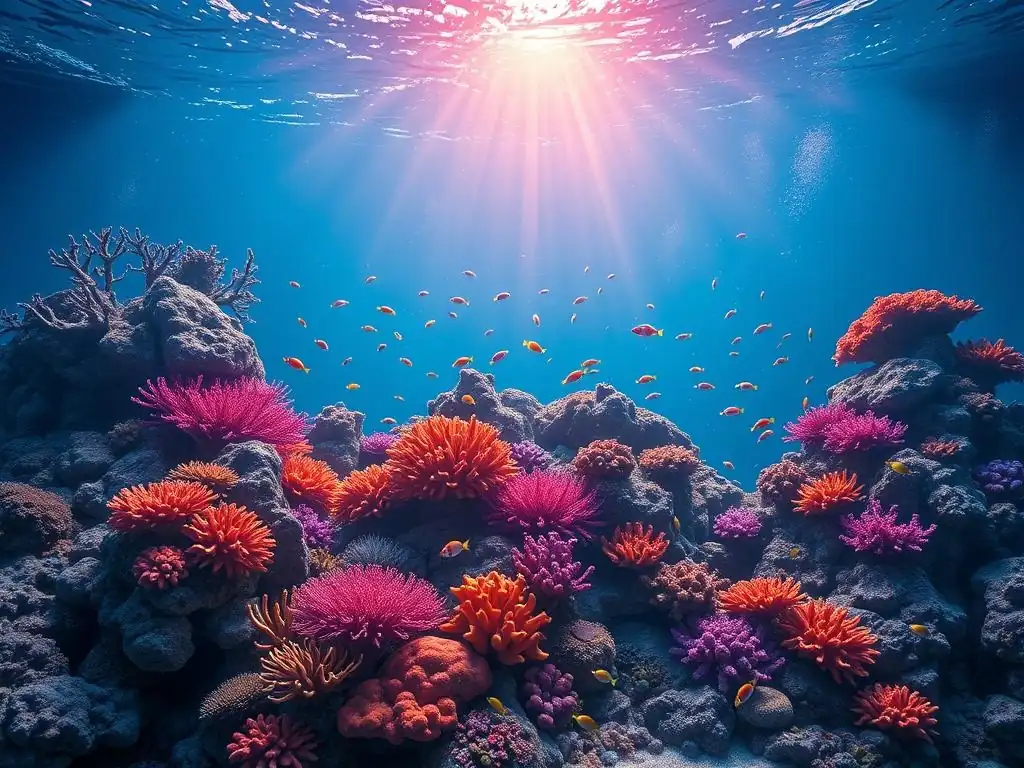
Ever wondered if those vibrant Cardinalfish you admire can really thrive alongside your delicate corals? Dive in and unlock the secrets to harmonious reefkeeping with our comprehensive Cardinalfish tank compatibility guide. Discover which species play nicely and how to create a stunning, balanced ecosystem in your saltwater aquarium. Intrigued? Let's explore the fascinating world of Cardinalfish and Anthias coral interactions together!
- Understanding Cardinalfish and Anthias: Reef Aquarium Essentials
- Cardinalfish Tank Compatibility Guide: Selecting the Right Species
- Cardinalfish and Anthias: Coral Reef Interactions and Benefits
- Creating a Harmonious Reef Aquarium: Cardinalfish and Anthias Considerations
- Avoiding Common Problems with Cardinalfish and Anthias in Reef Tanks
- Cardinalfish and Anthias Care: Maintaining a Thriving Reef Environment
- Advanced Tips for Keeping Cardinalfish and Anthias in Reef Aquariums
- Conclusion: The Beauty and Benefits of Cardinalfish and Anthias in Reef Aquariums
-
Frequently Asked Questions
- How compatible are Cardinalfish with different types of corals in a reef tank?
- What are the ideal tank mates for Cardinalfish in a reef environment?
- What water parameters are crucial to maintain for Cardinalfish in a reef tank?
- Can Cardinalfish and Anthias coexist peacefully in the same reef tank?
- What are some common health issues affecting Cardinalfish in reef aquariums, and how can they be prevented?
- Final Reflection: The Symbiotic Dance of Reef Life
- Transform Your Reef: Nurture the Perfect Cardinalfish & Anthias Harmony!
Understanding Cardinalfish and Anthias: Reef Aquarium Essentials
Introducing Cardinalfish: Peaceful Reef Dwellers
Cardinalfish, belonging to the family Apogonidae, are renowned for their generally peaceful temperament and nocturnal habits, making them excellent candidates for community reef aquariums. These fascinating fish often exhibit a unique mouth-brooding behavior, where the male carries the eggs in his mouth until they hatch, a truly remarkable display for aquarists to observe. While many species are active during twilight hours, several popular varieties adapt well to daytime activity in a home aquarium setting.
Typically growing to an average size of 2 to 5 inches, cardinalfish require stable water conditions and plenty of hiding spots within the live rock structure of a reef tank. Their calm demeanor ensures they pose little to no threat to corals or other invertebrates, making them truly reef-safe additions. This peaceful nature is a key factor in their popularity among enthusiasts seeking a serene and harmonious aquatic environment.
Anthias: Vibrant Schooling Fish for Reef Tanks
Anthias, members of the Serranidae family (specifically the subfamily Anthiinae), are celebrated for their dazzling array of colors and their captivating schooling behavior. These active, planktivorous fish bring an unparalleled vibrancy and constant movement to the middle and upper levels of a reef aquarium. They are primarily found in the Indo-Pacific, inhabiting outer reef slopes and drop-offs where they feed on zooplankton.
Characterized by their elongated bodies and often striking sexual dimorphism, Anthias typically range in size from 3 to 7 inches, depending on the species. Their energetic nature and schooling instincts necessitate a spacious tank with ample water flow to simulate their natural pelagic environment. While generally peaceful towards other reef inhabitants, some Anthias species can exhibit intraspecific aggression, particularly among males, underscoring the importance of proper group size and tank design.
Why Choose Cardinalfish and Anthias for Your Reef Aquarium?
The selection of Cardinalfish and Anthias for a reef aquarium offers a multitude of benefits, enhancing both the aesthetic appeal and the ecological balance of the system. Their combined presence introduces a dynamic visual contrast: the calm, often stationary elegance of cardinalfish against the constant, swirling motion of schooling anthias. This diversity in behavior creates a more engaging and naturalistic underwater landscape.
Beyond their visual charm, both groups are highly valued for their reef-safe nature, ensuring the safety of delicate corals and invertebrates. They contribute to the overall health of the ecosystem by consuming micro-fauna and plankton, and their relatively low aggression levels make them compatible with a wide array of other peaceful marine species, making them ideal choices for a well-rounded and thriving reef environment.
Cardinalfish Tank Compatibility Guide: Selecting the Right Species
Cardinalfish Species Profiles: A Compatibility Overview
When considering the Cardinalfish tank compatibility guide, it's essential to understand that while most cardinalfish are peaceful, their specific needs and social structures vary. Generally, they thrive in groups, and providing adequate space and hiding spots is crucial to prevent any potential mild intraspecific squabbles, especially if kept in too small a number or tank. Their calm disposition makes them excellent companions for nearly all reef-safe fish and invertebrates.
A critical aspect of a successful Cardinalfish tank compatibility guide is ensuring stable water parameters and a mature tank environment, as cardinalfish can be sensitive to fluctuations. They are not typically aggressive feeders, so care must be taken to ensure they get enough food when housed with faster or more boisterous tank mates. Understanding these nuances is key to integrating them successfully into a vibrant reef system.
Banggai Cardinalfish: Reef-Safe and Peaceful
The Banggai Cardinalfish ( Pterapogon kauderni) is perhaps the most iconic and sought-after cardinalfish, famed for its striking black and white striped pattern and long, flowing fins. Originating from the Banggai Archipelago in Indonesia, these fish are exceptionally peaceful and pose no threat to corals or other invertebrates, making them a perfect fit for any reef aquarium. They typically grow to about 3 inches (7.5 cm) in length.
While often seen in pairs or small groups in the wild, in a home aquarium, they can be kept singly, in a bonded pair, or in a larger group of 5-7 individuals to minimize potential intraspecific aggression. A minimum tank size of 30 gallons (approximately 113 liters) is recommended for a pair, with larger tanks offering more stability and space for groups. They are relatively slow swimmers and require a peaceful environment, avoiding highly aggressive or overly boisterous tank mates.
Pajama Cardinalfish: A Popular Choice for Reef Tanks
The Pajama Cardinalfish ( Sphaeramia nematoptera) is another highly popular choice among reef aquarists due to its distinctive appearance and docile nature. Characterized by its bright yellow face, dark mid-body band, and polka-dotted rear, this species adds a unique visual element to any tank. They are excellent reef inhabitants, showing no aggression towards corals, anemones, or other invertebrates. They reach an adult size of about 3-4 inches (7.5-10 cm).
Pajama Cardinalfish are known for their schooling behavior and are best kept in groups of three or more, which helps them feel more secure and display their natural social interactions. A minimum tank size of 30 gallons (approximately 113 liters) is suitable for a small group, with larger tanks (50+ gallons) allowing for a more robust school. They are hardy and adaptable, readily accepting a variety of frozen and live foods, making them a great option for both novice and experienced reef keepers looking for a peaceful and visually appealing schooling fish.
Flame Cardinalfish: A Striking and Peaceful Option
The Flame Cardinalfish ( Apogon maculatus) is a lesser-known but equally captivating cardinalfish species, prized for its vibrant red coloration and peaceful disposition. Native to the Atlantic Ocean, including the Caribbean, this species brings a fiery splash of color to the reef tank. Like its cardinalfish relatives, the Flame Cardinalfish is completely reef-safe, making it a worry-free addition to any coral-dominated system. They typically grow to a maximum size of around 4 inches (10 cm).
These cardinalfish are generally solitary or found in loose aggregations in their natural habitat, but can be kept singly, in pairs, or in small groups in a home aquarium. A tank of at least 40 gallons (approximately 150 liters) is recommended to provide ample space and stability. They prefer tanks with plenty of shaded areas and rockwork for hiding, and their calm nature means they are best housed with other peaceful fish species. Their striking appearance and gentle demeanor make them a truly rewarding choice for aquarists.
Anthias Species Profiles: Reef Compatibility and Care
When evaluating the Cardinalfish tank compatibility guide in conjunction with Anthias, it's important to note that while Anthias are also reef-safe, their high energy levels and specific feeding requirements necessitate careful planning. Unlike the often solitary or paired cardinalfish, most Anthias species thrive in groups, ideally with a single dominant male and multiple females, to facilitate their natural social hierarchy and reduce stress. This schooling behavior is a key aspect of their appeal.
Furthermore, Anthias are planktivores that require multiple small feedings throughout the day to maintain their health and vibrant coloration. Neglecting their dietary needs can lead to emaciation and stress, making them susceptible to disease. Therefore, a successful Cardinalfish tank compatibility guide that includes Anthias must account for these frequent feeding schedules and ensure all tank inhabitants can coexist peacefully without undue competition for food.
Lyretail Anthias: Adding Color to Your Reef
The Lyretail Anthias ( Pseudanthias squamipinnis) is one of the most popular and visually stunning Anthias species, known for its dramatic color changes between males and females and the male's distinctive lyre-shaped tail. Males display vibrant magenta and purple hues, while females are typically orange. They are active swimmers, bringing constant motion and dazzling color to the middle and upper water columns of a reef tank. Lyretail Anthias can grow quite large for an Anthias, with males reaching up to 6-7 inches (15-18 cm) and females around 4 inches (10 cm).
To successfully keep Lyretail Anthias, a minimum tank size of 75 gallons (approximately 284 liters) is recommended for a small group (e.g., one male and 3-5 females) to accommodate their active swimming and schooling behavior. They require excellent water quality and moderate to strong water flow. Due to their high metabolism, they need to be fed small, meaty foods like enriched brine shrimp, Mysis shrimp, and copepods at least 3-5 times daily. Their peaceful nature towards other fish, excluding their own species hierarchy, makes them an excellent reef-safe addition.
Dispar Anthias: A Hardy Reef-Friendly Option
The Dispar Anthias ( Pseudanthias dispar) is a smaller, hardier, and more adaptable Anthias species, making it an excellent choice for a wider range of reef aquariums. These beautiful fish feature a striking orange to reddish-orange body that fades to yellow on the belly, often with a distinct red line along the dorsal fin. They typically reach an adult size of about 3.5 inches (9 cm), making them suitable for slightly smaller systems than some of their larger Anthias relatives.
A minimum tank size of 50 gallons (approximately 189 liters) is recommended for a small group of Dispar Anthias, as they thrive when kept in a school of 5-7 individuals. Their schooling behavior is more pronounced in larger groups, creating a truly spectacular display. Dispar Anthias are known for their willingness to accept a broader range of prepared foods, including high-quality flakes and pellets, in addition to frozen meaty foods. This makes their frequent feeding requirements somewhat easier to manage, contributing to their reputation as a more robust and reef-friendly Anthias.
Sunset Anthias: A Smaller, Reef-Safe Anthias
The Sunset Anthias ( Pseudanthias parvirostris) is a captivating and relatively diminutive Anthias species, making it one of the best options for smaller reef tanks that still desire the vibrant schooling appeal of Anthias. As its name suggests, this fish displays beautiful sunset hues, with an orange-yellow body often transitioning to pink or purple, especially on the fins. They are one of the smallest Anthias, typically reaching a maximum size of around 2.5-3 inches (6-7.5 cm).
Due to their smaller size, Sunset Anthias can be kept in tanks as small as 30 gallons (approximately 113 liters) for a small group (3-5 individuals), though a 50-gallon tank or larger will allow for more dynamic schooling behavior. Like all Anthias, they are planktivores and require multiple daily feedings of small, meaty foods such as copepods, enriched brine shrimp, and cyclop-eeze. Their peaceful nature and modest size make them an ideal choice for nano and smaller reef setups, adding a touch of vibrant color and constant activity without overwhelming the system.
Cardinalfish and Anthias: Coral Reef Interactions and Benefits
The Role of Schooling Fish in a Reef Ecosystem
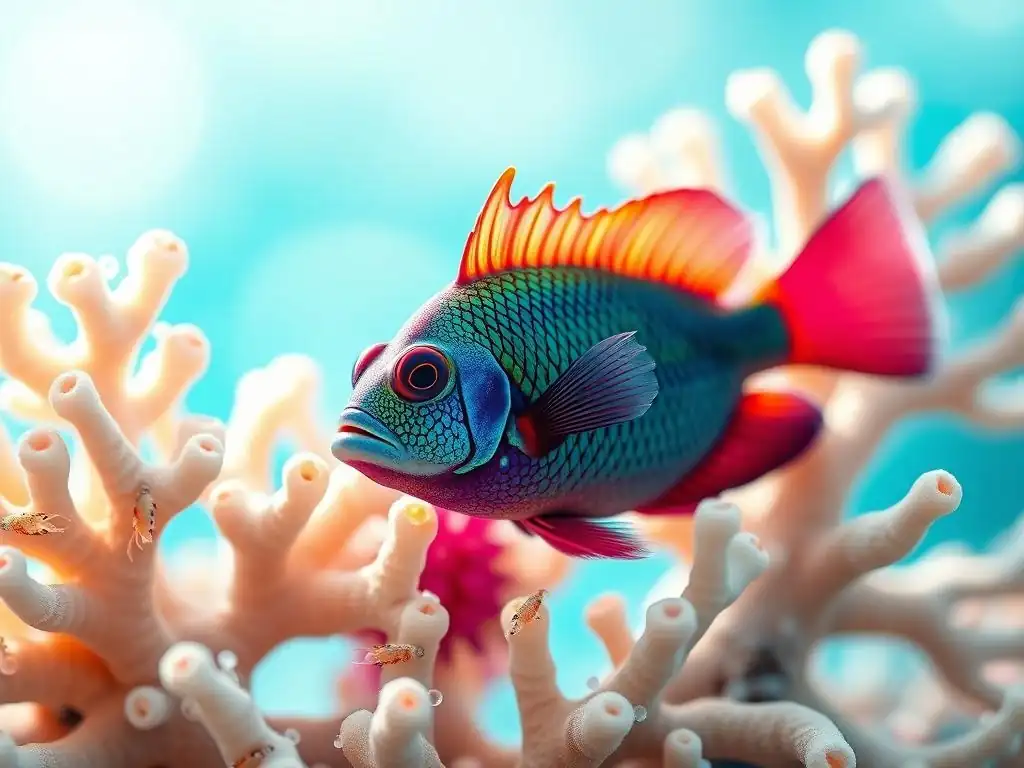
Schooling fish like Cardinalfish and Anthias play a pivotal role in the visual dynamism and ecological balance of a reef ecosystem, both in the wild and in a home aquarium. Their synchronized movements create a mesmerizing spectacle, drawing the eye and adding a sense of natural movement that solitary fish cannot replicate. This behavior is not merely for show; it serves as a collective defense mechanism against predators, enhancing the security of individual fish within the group.
Ecologically, these schooling aggregations contribute to the overall health and vibrancy of the reef. They occupy various niches, from cardinalfish often seeking shelter within branching corals and rockwork, to anthias actively foraging for plankton in the water column. Their presence signifies a healthy and thriving environment, as they are often among the first to show signs of stress if water quality or environmental conditions deteriorate, serving as living indicators of tank stability.
Cardinalfish and Anthias: Natural Pest Control
While Cardinalfish and Anthias are not typically marketed as dedicated "pest control" fish in the same vein as certain wrasses that target flatworms or Aiptasia, their natural foraging behaviors do contribute subtly to the management of micro-fauna within the reef. Anthias, being obligate planktivores, constantly graze on copepods, rotifers, and other small crustaceans present in the water column. This continuous consumption helps to keep populations of these microscopic organisms in check, ensuring a balanced ecosystem and potentially reducing competition for resources among other filter-feeding invertebrates.
Similarly, cardinalfish, though less active water column feeders, will opportunistically consume small invertebrates and detritus within the rockwork and substrate. This includes various amphipods and other minute creatures that can multiply rapidly if left unchecked. While their impact on specific "pests" might be minimal compared to specialized predators, their overall contribution to the natural food web and detritus consumption helps maintain the cleanliness and ecological equilibrium of the reef aquarium.
Nutrient Cycling and Water Quality Benefits
The presence of Cardinalfish and Anthias, like all aquatic life, naturally contributes to the nutrient cycling within a reef aquarium, which, when properly managed, can be beneficial to water quality. As they metabolize food, they excrete waste products primarily in the form of ammonia, which is then converted by beneficial bacteria through the nitrogen cycle into nitrites and ultimately nitrates. This process, while requiring robust filtration, ensures the continuous processing of organic waste.
Furthermore, their constant activity, particularly that of schooling Anthias, helps to keep particulate matter suspended in the water column, making it more accessible for mechanical filtration systems to remove. This slight agitation can also aid in the distribution of dissolved oxygen and nutrients throughout the tank. However, it is crucial to balance the bioload, as an excessive number of fish without adequate filtration will lead to an undesirable accumulation of nitrates and phosphates, which can fuel nuisance algae growth. Regular water changes and efficient protein skimming are paramount to harness these benefits without compromising water quality.
Creating a Harmonious Reef Aquarium: Cardinalfish and Anthias Considerations
Tank Size and Water Parameters for Cardinalfish and Anthias
Establishing the correct tank size and maintaining stable water parameters are foundational for the health and harmonious coexistence of Cardinalfish and Anthias in a reef aquarium. For a small group of Cardinalfish (e.g., 3-5 Pajama or Banggai Cardinals), a minimum tank size of 30-40 gallons (approximately 113-150 liters) is generally recommended.
However, for schooling Anthias, especially species like Lyretail Anthias, a minimum of 75 gallons (around 284 liters) is often necessary for a small group (1 male, 3-5 females) to provide ample swimming space and accommodate their active lifestyle. Larger tanks, 100 gallons (378 liters) or more, are ideal for diverse Anthias schools and a broader Cardinalfish tank compatibility guide.
Critical water parameters must be consistently maintained: salinity between 1.023 and 1.026, pH levels from 8.1 to 8.4, and a stable temperature range of 72-78°F (22-25.5°C). Additionally, for a thriving reef, alkalinity should be maintained at 8-12 dKH, calcium at 400-450 ppm, and magnesium at 1250-1350 ppm. Regular testing and precise dosing are essential to prevent fluctuations that can stress these sensitive fish and their coral companions, ensuring a stable and healthy environment for all inhabitants.
Choosing Compatible Tank Mates for Cardinalfish and Anthias
Selecting appropriate tank mates is crucial for a peaceful and thriving reef environment when incorporating Cardinalfish and Anthias. Both groups are generally peaceful, but their delicate nature means they can be easily intimidated or outcompeted by aggressive or overly boisterous species. Ideal companions include other docile reef-safe fish such as clownfish, gobies, blennies, and smaller tangs (provided the tank size is adequate). Small, peaceful wrasses can also be good additions, as can most invertebrates like shrimp, crabs, and snails.
Conversely, it is imperative to avoid highly aggressive or predatory fish such as large angelfish, triggers, puffers, lionfish, and certain large groupers, as these can view Cardinalfish and Anthias as prey or aggressively compete for food and territory. Even semi-aggressive species should be introduced with caution. A well-researched Cardinalfish tank compatibility guide emphasizes pairing these schooling fish with species that share their calm temperament and dietary needs, ensuring that all inhabitants can coexist without undue stress or competition.
Feeding Cardinalfish and Anthias in a Reef Environment
Proper nutrition is paramount for the long-term health and vibrant coloration of Cardinalfish and Anthias in a reef environment, and their dietary needs differ significantly. Cardinalfish are generally less demanding; they are omnivorous and will readily accept a variety of high-quality frozen foods such as Mysis shrimp, enriched brine shrimp, finely chopped seafood, and even good quality flakes or pellets once or twice daily. Their slower feeding pace means they should be fed before more aggressive tank mates to ensure they get enough food.
Anthias, on the other hand, are obligate planktivores with very high metabolisms, requiring frequent, small feedings throughout the day—ideally 3-5 times. Their diet should consist primarily of small, meaty foods like enriched brine shrimp, copepods, cyclop-eeze, and finely chopped Mysis shrimp. Failure to provide sufficient, consistent nutrition can lead to emaciation and a decline in health. Utilizing an automatic feeder or target feeding can be highly beneficial to meet their demanding dietary schedule, ensuring these active fish receive the constant nourishment they need to thrive and display their stunning colors.
Avoiding Common Problems with Cardinalfish and Anthias in Reef Tanks
Preventing and Treating Diseases in Schooling Fish
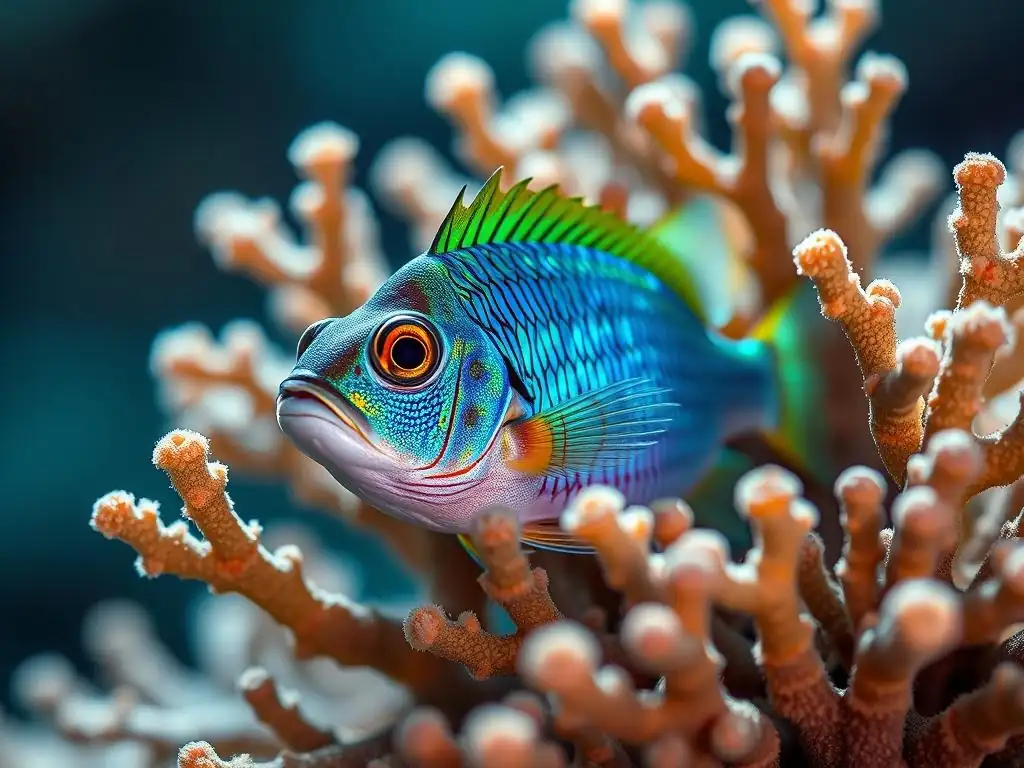
Preventing and treating diseases in schooling fish like Cardinalfish and Anthias requires a proactive and vigilant approach, as stress from improper conditions or incompatible tank mates can quickly compromise their immune systems. The cornerstone of disease prevention is a robust quarantine protocol for all new additions, lasting 4-6 weeks in a separate tank. During this period, observe for common ailments like marine Ich ( Cryptocaryon irritans), marine Velvet ( Amyloodinium ocellatum), bacterial infections (fin rot, cloudy eyes), or parasitic infestations.
Should disease manifest, prompt identification and treatment are crucial. Many marine fish diseases are highly contagious, and a rapid response can prevent a widespread outbreak. Treatment typically involves moving the affected fish to a hospital tank to administer medications such as copper-based treatments for parasites or antibiotics for bacterial infections, as many medications are harmful to corals and invertebrates in the main display tank. Maintaining pristine water quality, stable parameters, and a stress-free environment are the best defenses against illness.
Addressing Aggression and Competition in the Aquarium
While Cardinalfish are generally peaceful, and Anthias are peaceful towards other species, intraspecific aggression and competition for resources can arise if not properly managed. In Cardinalfish, aggression is rare but can occur within groups if the tank is too small or if an insufficient number of individuals are kept, leading to bullying of weaker fish. Providing ample hiding spots and ensuring a sufficiently large group (e.g., 5-7 individuals for schooling species) can mitigate this.
For Anthias, hierarchical aggression is common, particularly among males or when new individuals are introduced. A single dominant male typically presides over a harem of females; introducing multiple males or an insufficient number of females can lead to severe fighting. Providing plenty of rockwork with caves and overhangs allows subordinate fish to escape. Ensuring multiple feeding spots or broadcast feeding can also reduce competition for food. If aggression becomes problematic, re-evaluating the group structure or tank size may be necessary to maintain a harmonious environment.
Ensuring Proper Acclimation for New Additions
Proper acclimation is a critical step for all new fish, but it is especially vital for sensitive species like Cardinalfish and Anthias to minimize stress and prevent osmotic shock. A sudden change in water parameters (salinity, pH, temperature) can severely weaken a fish's immune system, making it susceptible to disease and even leading to immediate fatality. The drip acclimation method is highly recommended for these species, as it allows for a slow and gradual equalization of water chemistry.
To perform drip acclimation, place the new fish in a clean bucket with its original shipping water. Use airline tubing to siphon water from the display tank, tying a knot in the tubing or using a control valve to regulate the drip rate to about 2-3 drops per second. Allow the water volume in the bucket to double or triple over 30-60 minutes. Once acclimated, gently net the fish and introduce it to the display tank, discarding the water from the bucket. Turning off the main tank lights for a few hours after introduction can further reduce stress.
Cardinalfish and Anthias Care: Maintaining a Thriving Reef Environment
Regular Water Changes and Monitoring
Regular water changes and vigilant monitoring of water parameters are fundamental practices for maintaining a thriving reef environment for Cardinalfish and Anthias. Weekly or bi-weekly water changes of 10-20% of the tank volume help to replenish essential trace elements, reduce accumulated nitrates and phosphates, and maintain overall water quality. Using high-quality salt mix and RODI (Reverse Osmosis Deionized) water is crucial to avoid introducing undesirable contaminants.
Consistent monitoring of key water parameters—including salinity (1.023-1.026), pH (8.1-8.4), alkalinity (8-12 dKH), calcium (400-450 ppm), magnesium (1250-1350 ppm), and nitrates (below 10 ppm)—is paramount. Any significant fluctuations can cause stress to fish and corals. Keeping a log of test results allows aquarists to identify trends and address issues proactively, ensuring a stable and healthy habitat that minimizes stress for these delicate reef inhabitants.
Providing Adequate Hiding Places and Flow
Providing adequate hiding places and appropriate water flow is essential for the comfort and well-being of both Cardinalfish and Anthias. Cardinalfish, being more nocturnal and often shy, require plenty of shaded caves, crevices, and overhangs within the live rock structure where they can retreat during the day or when feeling threatened. A well-aquascaped tank with complex rockwork ensures they have secure spaces to call their own.
Anthias, while active water column swimmers, also benefit from rockwork that offers crevices for resting or escaping aggression, especially during the night. However, unlike cardinalfish, most Anthias species thrive in moderate to strong water flow, mimicking their natural outer reef environments. Strategic placement of powerheads can create varied flow patterns throughout the tank, providing both high-flow areas for Anthias to swim against and calmer zones for Cardinalfish, catering to the diverse needs within a single reef system.
Observing Behavior and Addressing Issues Promptly
Daily observation of Cardinalfish and Anthias behavior is a critical aspect of their care and can provide early warning signs of potential problems. Healthy fish exhibit natural swimming patterns, vibrant coloration, and a strong appetite. Any deviation from these norms—such as clamped fins, labored breathing (gasping at the surface), faded colors, refusal to eat, erratic swimming, scratching against rocks, or signs of aggression—should be noted immediately.
Promptly addressing any observed issues is key to preventing minor problems from escalating into serious health crises or widespread outbreaks. This might involve re-testing water parameters, isolating an aggressive fish, or, if disease is suspected, moving the affected fish to a hospital tank for diagnosis and treatment. Early intervention based on careful observation significantly increases the chances of successful resolution and ensures the continued health and vitality of your reef inhabitants.
Advanced Tips for Keeping Cardinalfish and Anthias in Reef Aquariums
Aquascaping for Optimal Schooling Behavior
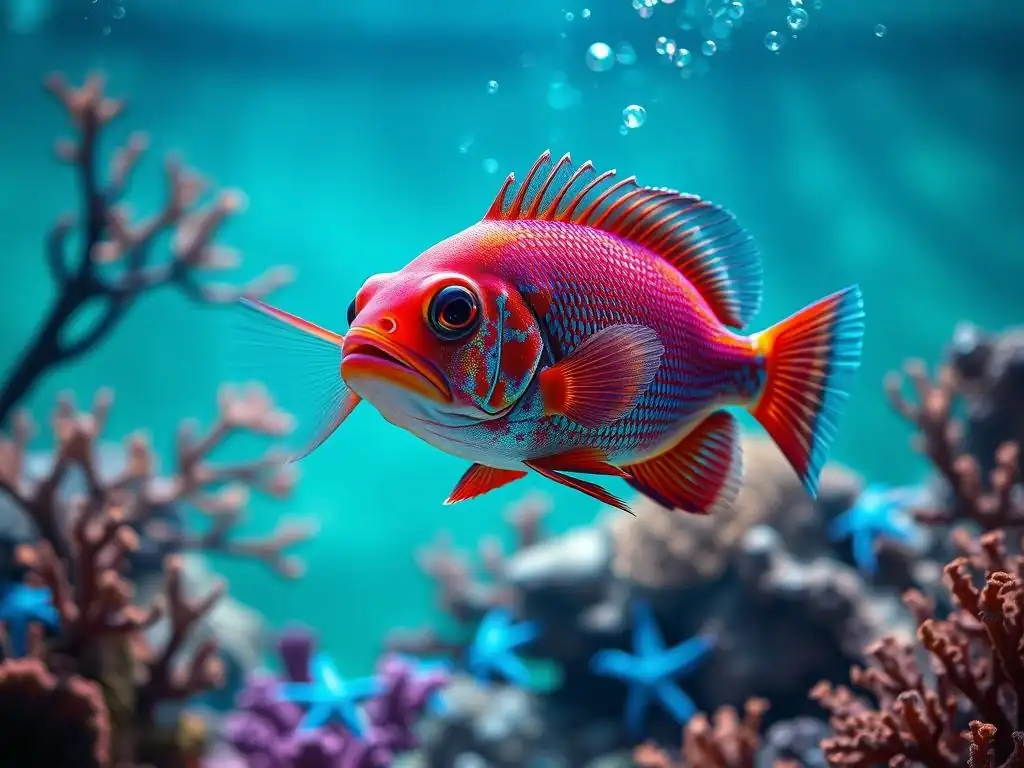
Advanced aquascaping techniques can significantly enhance the natural schooling behavior of Anthias and the comfort of Cardinalfish, creating a more dynamic and aesthetically pleasing reef display. For Anthias, design the aquascape with open swimming areas in the mid-to-upper water column, allowing them ample space to school freely without obstruction. This open space should be complemented by strong, yet varied, water flow to simulate their natural pelagic environment.
Simultaneously, incorporate intricate live rock structures with numerous caves, overhangs, and crevices to provide ample hiding spots for Cardinalfish. These sheltered areas are crucial for their security and nocturnal habits. A balanced aquascape will feature both expansive swimming zones and complex rock formations, catering to the distinct behavioral needs of both Anthias and Cardinalfish, encouraging their natural instincts and reducing stress within the community.
Specialized Feeding Techniques for Anthias
Given their high metabolism and constant activity, Anthias require specialized feeding techniques to ensure they receive adequate nutrition. Beyond the standard 3-5 small daily feedings, consider using an automatic feeder set to dispense small amounts of food at regular intervals throughout the day, particularly when you are not home. This consistent provision of food closely mimics their natural grazing behavior on plankton in the wild.
For shyer or newly introduced Anthias, target feeding with a long pipette or turkey baster can ensure they receive food directly, preventing more aggressive tank mates from consuming it all. Offering a diverse diet of high-quality frozen foods such as enriched Mysis shrimp, copepods, and cyclop-eeze is crucial. Some aquarists even culture live copepods to provide a continuous, highly nutritious food source, which can significantly boost Anthias health and coloration.
Plankton Supplementation for Anthias Health and Coloration
Plankton supplementation is an advanced, yet highly beneficial, practice for optimizing the health and enhancing the vibrant coloration of Anthias in a reef aquarium. As obligate planktivores, Anthias naturally consume a wide variety of microscopic organisms in the water column. While frozen meaty foods are essential, supplementing with live or high-quality frozen plankton, such as various species of copepods and rotifers, provides a more complete and natural diet.
Regularly dosing the tank with live copepods, for instance, not only provides a continuous food source for Anthias to graze on throughout the day but also contributes to the overall biodiversity of the reef ecosystem. This consistent access to diverse planktonic nutrition helps to boost their immune systems, improve their overall vitality, and intensify their already stunning natural hues, ensuring they display their most brilliant coloration and thrive long-term in the aquarium environment.
Conclusion: The Beauty and Benefits of Cardinalfish and Anthias in Reef Aquariums
Cardinalfish and Anthias stand out as exceptional choices for reef aquariums, offering a unique blend of beauty, peaceful temperament, and ecological benefits. Their collective presence transforms a static display into a dynamic, living ecosystem, with the tranquil elegance of cardinalfish providing a striking contrast to the vibrant, schooling activity of anthias. This guide has explored their specific care requirements, highlighting the importance of a well-researched Cardinalfish tank compatibility guide to ensure a harmonious community.
From selecting the right species based on their individual profiles to understanding their crucial roles in nutrient cycling and their subtle contributions to micro-fauna management, proper husbandry is key. By adhering to precise water parameters, providing adequate space and diverse aquascaping, and implementing specialized feeding techniques, aquarists can successfully cultivate a thriving reef environment. Ultimately, the integration of these captivating "reef safe schoolers" not only enhances the aesthetic appeal of a reef tank but also contributes to a more balanced and naturalistic underwater world, bringing immense satisfaction to any dedicated aquarist.
Frequently Asked Questions
How compatible are Cardinalfish with different types of corals in a reef tank?
Cardinalfish are generally considered reef safe, meaning they typically don't bother corals. However, it's crucial to ensure they are getting enough food so they don't resort to picking at corals out of desperation.
What are the ideal tank mates for Cardinalfish in a reef environment?
Cardinalfish are peaceful and do well with other peaceful reef inhabitants. Good tank mates include Anthias, gobies, and smaller wrasses. Avoid aggressive species that could bully them.
What water parameters are crucial to maintain for Cardinalfish in a reef tank?
Maintaining stable water parameters is vital. This includes a specific gravity of 1.024-1.026, a pH of 8.1-8.4, and low levels of nitrates and phosphates. Regular water changes are essential.
Can Cardinalfish and Anthias coexist peacefully in the same reef tank?
Yes, Cardinalfish and Anthias can often coexist peacefully, as they occupy different niches in the tank. Anthias are generally mid-water swimmers, while Cardinalfish tend to stay closer to rockwork.
What are some common health issues affecting Cardinalfish in reef aquariums, and how can they be prevented?
Common issues include ich and other parasites. Quarantine new fish, maintain excellent water quality, and provide a varied diet to boost their immune system to prevent these issues.
Final Reflection: The Symbiotic Dance of Reef Life
The exploration of cardinalfish and anthias interactions within reef ecosystems, as detailed in this guide, underscores the delicate balance and intricate relationships that define a thriving aquarium. Understanding these nuances is not merely about achieving aesthetic harmony in our tanks; it's about fostering a miniature world where each creature plays a vital role, mirroring the complexity and fragility of the ocean itself.
This journey into the world of reef-safe schoolers has undeniably deepened our appreciation for the interconnectedness of life. It reminds us that responsible reef keeping extends beyond simply providing food and water; it requires a conscious effort to understand and respect the natural behaviors and needs of each species. In nature, nothing exists alone.
- Rachel Carson. This quote perfectly encapsulates the essence of reef ecosystems, where the well-being of one species is inextricably linked to the health of the entire community.
As you consider adding cardinalfish and anthias to your own reef aquarium, I urge you to reflect on the lessons learned here. Let this guide serve not just as a compatibility chart, but as an invitation to become a more informed and conscientious reef keeper. By prioritizing the well-being of these fascinating creatures and striving to replicate their natural environment, you contribute to the preservation of these delicate ecosystems, one tank at a time.
Transform Your Reef: Nurture the Perfect Cardinalfish & Anthias Harmony!
Thank you for exploring the fascinating world of cardinalfish and anthias with us! We hope you've gained valuable insights into their coral interactions and how to cultivate a thriving reef ecosystem. Now, it's time to put that knowledge into action.
Here are some steps you can take today:
- Prioritize a Reef-Safe Environment: Carefully research and select corals known to coexist peacefully with both cardinalfish and anthias, focusing on species compatibility and minimizing aggression within your reef tank to ensure all creatures thrive.
- Share this guide with fellow reef enthusiasts! Help spread awareness about the importance of choosing reef-safe fish and maintaining a balanced aquarium.
- Experiment with creating a 'Dusk Zone': Mimic the natural crepuscular behavior of cardinalfish by dimming the lights earlier in one section of your tank, providing them a comfortable refuge to retreat to as daylight wanes.
What innovative coral pairing will you try in your aquarium after reading this guide?