
Best Carpeting Plants for Beginners: Easy Green Coverage

Welcome to Aquarium Mastery!
Ever dreamt of a lush, vibrant carpet of green flourishing in your aquarium? Beginner aquarium carpet plants can transform your tank into a stunning underwater landscape, and it's easier than you think! Ready to learn which species are perfect for beginners and how to achieve that coveted, verdant carpet? Dive in and let's unlock the secrets to a thriving, beautifully carpeted aquarium.
- Introduction to Beginner Aquarium Carpet Plants
-
Top Carpeting Plants for Beginner Aquarists
- Dwarf Sagittaria: A Hardy and Versatile Choice for Beginners
- Micro Sword (Lilaeopsis brasiliensis): Low Maintenance Carpeting
- Monte Carlo: The Popular Choice for Easy Carpeting
- Pearlweed (Hemianthus glomeratus): Fast-Growing and Beginner-Friendly
- Staurogyne Repens: A Robust and Forgiving Carpeting Plant
- Setting Up Your Aquarium for Beginner Carpet Plants
- Planting and Maintaining Your Beginner Aquarium Carpet
- Troubleshooting Common Issues with Beginner Carpet Plants
- Long-Term Care and Propagation of Carpeting Plants
- Conclusion: Achieving a Beautiful Carpeted Aquarium as a Beginner
-
Frequently Asked Questions
- What exactly are aquarium carpet plants, and why are they popular?
- What are some of the easiest carpet plants for a beginner to start with?
- How much light do I need to grow carpet plants successfully?
- What kind of substrate is best for growing carpet plants?
- How do I propagate carpet plants to expand my aquarium carpet?
- Final Reflection: Cultivating Underwater Gardens
- Cultivate Your Aquatic Paradise: Get Started Now!
Introduction to Beginner Aquarium Carpet Plants
Why Choose Carpeting Plants for Your First Aquarium?
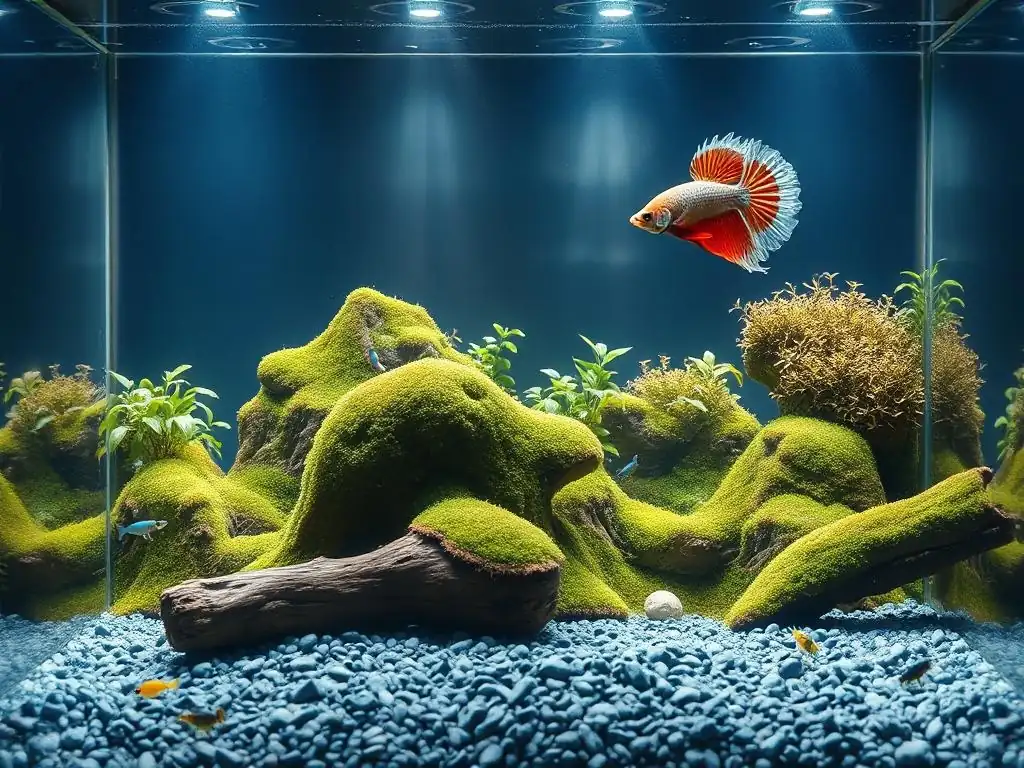
Choosing beginner aquarium carpet plants for your first aquarium transforms a simple glass box into a vibrant, living ecosystem. These plants create a lush, natural-looking foreground that mimics real underwater landscapes, adding significant aesthetic depth and visual appeal. Beyond beauty, a carpeted floor provides a sense of maturity and stability to a new tank, making it feel less like a setup and more like a miniature natural habitat.
Furthermore, carpeting plants offer a natural refuge for small fish, fry, and invertebrates, providing essential hiding spots and reducing stress. They contribute significantly to the overall biological health of the aquarium by absorbing excess nutrients like nitrates and phosphates. For instance, a well-established carpet can help reduce nitrate levels by 20-30% in a moderately stocked tank, competing directly with nuisance algae for these vital compounds.
Understanding the Benefits of a Carpeted Aquarium Floor
A densely carpeted aquarium floor offers numerous ecological advantages. These plants help oxygenate the substrate, preventing the formation of anaerobic pockets that can release harmful gases like hydrogen sulfide. Their root systems also provide an expansive surface area for beneficial bacteria to colonize, enhancing the biological filtration capacity of the tank and contributing to clearer, healthier water.
From the perspective of your aquatic inhabitants, a carpeted floor serves as a natural foraging ground where fish can graze on micro-organisms and detritus. This mimics their natural environment, promoting natural behaviors and reducing boredom. A thick carpet also provides a soft landing for any falling food, preventing it from sinking deep into the substrate and decaying, which can lead to water quality issues.
Key Considerations for Selecting Easy Carpet Plants
When selecting beginner aquarium carpet plants, simplicity and resilience are paramount. Look for species known for their low light requirements, tolerance to varying water parameters, and minimal need for supplemental CO2. "Easy" in this context often means plants that are forgiving of minor fluctuations in water chemistry and can thrive with basic fertilization, reducing the steep learning curve for new aquarists.
Consider the plant's growth rate and its ultimate height. Some easy aquarium carpet plants grow slower, requiring less frequent trimming, while others are fast growers that still remain manageable. Also, pay attention to their preferred substrate type – many beginner-friendly carpet plants thrive best in fine-grained substrates like sand or small gravel, which allow their delicate root systems and runners to spread effectively.
Top Carpeting Plants for Beginner Aquarists
Dwarf Sagittaria: A Hardy and Versatile Choice for Beginners
Dwarf Sagittaria (Sagittaria subulata) stands out as an exceptional choice for beginner aquarium carpet plants due to its remarkable hardiness and adaptability. This grass-like plant typically grows to a height of 2 to 6 inches, though it can stretch taller in deeper tanks or lower light conditions, sometimes reaching up to 12 inches. Its upright, slender leaves provide a natural, untamed look, and it tolerates a wide range of water parameters, including pH from 6.0 to 8.0 and temperatures from 68-82°F (20-28°C), making it incredibly forgiving for novices.
What truly makes Dwarf Sagittaria an easy aquarium carpet plant is its ability to thrive under moderate lighting without the need for supplemental CO2 injection. It spreads readily via runners, gradually forming a dense, natural-looking carpet across the substrate over several months. Its robust nature makes it suitable for both small nano tanks and larger community aquariums, offering versatility for any aquascaper aiming for a lush, green foreground.
Dwarf Sagittaria Care Guide: Lighting, Substrate, and Propagation
For optimal growth, Dwarf Sagittaria prefers moderate lighting, generally in the range of 20-30 PAR (Photosynthetically Active Radiation) at the substrate level. While it can survive in lower light, its growth will be slower, and it may grow taller in an attempt to reach more light. As a heavy root feeder, a nutrient-rich substrate is highly recommended, or the consistent use of root tabs placed near the plant's base. When planting, separate larger clumps into individual plantlets and plant them a few inches apart to allow ample space for their runners to spread and establish.
Propagation of Dwarf Sagittaria is remarkably simple. The plant naturally produces new plantlets along its runners, which emerge from the parent plant. Once these new plantlets have developed a few leaves and a small root system, they can be gently separated from the runner using sharp scissors and replanted elsewhere in the tank to expand your carpet. Regular trimming of any excessively tall leaves will encourage the plant to send out more runners, leading to a denser, more compact carpet effect.
Troubleshooting Common Dwarf Sagittaria Issues
One of the most common issues encountered with Dwarf Sagittaria is yellowing leaves, which often signal a deficiency in iron or other essential micronutrients. This can typically be remedied by adding a comprehensive liquid fertilizer containing micronutrients or by placing iron-rich root tabs directly into the substrate near the plant's roots. Slow or stunted growth, on the other hand, might indicate insufficient lighting or a general lack of macro-nutrients like nitrogen, phosphorus, or potassium.
If you observe leaves melting, particularly after introducing the plant to a new aquarium, it's often a sign of "aquarium melt," where the plant is adapting to new water parameters. Ensuring stable water conditions and avoiding drastic fluctuations in temperature or pH will minimize this. While Dwarf Sagittaria doesn't strictly require CO2, a consistent source of carbon, even from fish respiration in a well-stocked tank, can prevent melting and promote more vigorous growth. Algae growth on the leaves usually points to an imbalance in light duration or intensity relative to available nutrients.
Micro Sword (Lilaeopsis brasiliensis): Low Maintenance Carpeting
Micro Sword (Lilaeopsis brasiliensis) is another excellent low-maintenance option among beginner aquarium carpet plants, renowned for its ability to form a dense, bright green carpet that strikingly resembles a miniature underwater lawn. Its slender, upright blades typically grow to a height of 1 to 3 inches, creating a very neat and uniform foreground. This plant is prized for its resilience and ability to thrive in a variety of aquarium conditions, making it a reliable choice for those seeking easy aquarium carpet plants.
A significant advantage of Micro Sword is its moderate light requirement, meaning it can grow successfully without the need for supplemental CO2 injection, although CO2 will undoubtedly accelerate its growth and increase carpet density. It prefers a temperature range of 70-80°F (21-27°C) and a pH range of 6.0-7.5. Like Dwarf Sagittaria, it spreads effectively by sending out runners that root into the substrate, gradually filling in the available space.
Micro Sword Care Guide: Planting, Trimming, and CO2 Needs
When planting Micro Sword, it's best to separate larger clumps into smaller individual plantlets, ideally 1-2 inches apart, and plant them firmly into the substrate, ensuring that their roots are completely covered. A fine-grained substrate such as sand or very small gravel (1-2mm) is highly recommended, as it allows the delicate runners to easily root and spread across the bottom. The finer substrate also helps hold the plantlets in place, preventing them from floating up.
Regular trimming of the taller blades is crucial for encouraging lateral growth and promoting a denser, more compact carpet. For beginner setups, while CO2 injection is not strictly required, even a low-tech approach with consistent liquid carbon supplements (e.g., a few milliliters per 10 gallons weekly) or the CO2 produced by fish respiration can provide enough carbon for decent growth. With optimal conditions and CO2 injection (e.g., 10-20 ppm), Micro Sword can carpet a 10-gallon tank in as little as 2-3 months.
Achieving a Lush Micro Sword Carpet in a Low-Tech Aquarium
Achieving a lush Micro Sword carpet in a low-tech aquarium primarily relies on patience and consistent care. Focus on providing consistent moderate lighting, typically around 15-25 PAR at the substrate level, for a duration of 7-8 hours daily. A nutrient-rich substrate, such as an aquasoil or an inert substrate supplemented with root tabs, will provide essential nutrients directly to the plant's roots, which are crucial for its development.
Furthermore, consistent liquid fertilization, particularly with iron and other micronutrients, will support healthy growth. Avoid drastic fluctuations in water parameters, as stability is key for all beginner aquarium carpet plants. While growth will be slower compared to high-tech setups, a healthy and dense Micro Sword carpet can still be achieved over several months, typically taking 6-12 months to fully carpet a 20-gallon tank in a well-maintained low-tech environment.
Monte Carlo: The Popular Choice for Easy Carpeting
Monte Carlo (Micranthemum tweediei) has rapidly become one of the most popular and relatively easy aquarium carpet plants, especially for aquarists aiming for a visually stunning aquascape. It forms a tight, vibrant green carpet with distinctively small, round leaves, typically staying under 1 inch in height. Its rapid growth rate and ability to spread horizontally make it a highly sought-after plant for creating a dense foreground.
While Monte Carlo is frequently featured in high-tech, CO2-injected setups, it is surprisingly adaptable and can thrive in medium-light, low-tech conditions with proper care, making it accessible even for beginners. It prefers water temperatures between 68-77°F (20-25°C) and a pH range of 6.0-7.5. The plant spreads by sending out delicate runners that root into the substrate, creating a seamless green expanse over time.
Monte Carlo Care Guide: Light, Fertilization, and Water Parameters
For Monte Carlo, medium to high light (e.g., 30-50 PAR) is ideal for achieving rapid and dense growth, encouraging its characteristic compact form. However, it can adapt to moderate light (20-30 PAR), though carpeting will be slower and the leaves may be slightly larger. Fertilization is crucial: Monte Carlo greatly benefits from a nutrient-rich substrate, such as aquasoil, and consistent dosing of liquid fertilizers, particularly those rich in iron and nitrates. Root tabs can also be highly beneficial for established plants.
Regarding water parameters, stability is key. Monte Carlo generally prefers soft to medium-hard water. While CO2 injection (e.g., 20-30 ppm) will significantly boost its growth rate and density, allowing it to carpet a 10-gallon tank in 1-2 months, a well-balanced low-tech setup with consistent liquid carbon supplements can still yield a decent carpet over a longer period, such as 4-6 months for a 5-gallon tank with moderate light and no pressurized CO2.
Propagating Monte Carlo for a Thicker Carpet
Propagating Monte Carlo is straightforward and essential for achieving a thicker, more uniform carpet. Simply trim existing runners or small clumps of the plant and replant them into the substrate. Small sections, ideally about an inch square, can be separated from a larger mat and planted a few inches apart to encourage faster coverage across the desired area. Ensure the tiny roots are firmly anchored in the substrate using planting tweezers.
Regular trimming is paramount for maintaining a dense Monte Carlo carpet. When the carpet becomes too thick, the lower layers can become shaded, leading to melting due to insufficient light and water circulation. Use sharp, long-handled scissors to trim the top layers, allowing light and nutrients to penetrate to the base. This process also stimulates new, denser growth from the trimmed areas, ensuring the vitality and lushness of your easy aquarium carpet plants.
Pearlweed (Hemianthus glomeratus): Fast-Growing and Beginner-Friendly
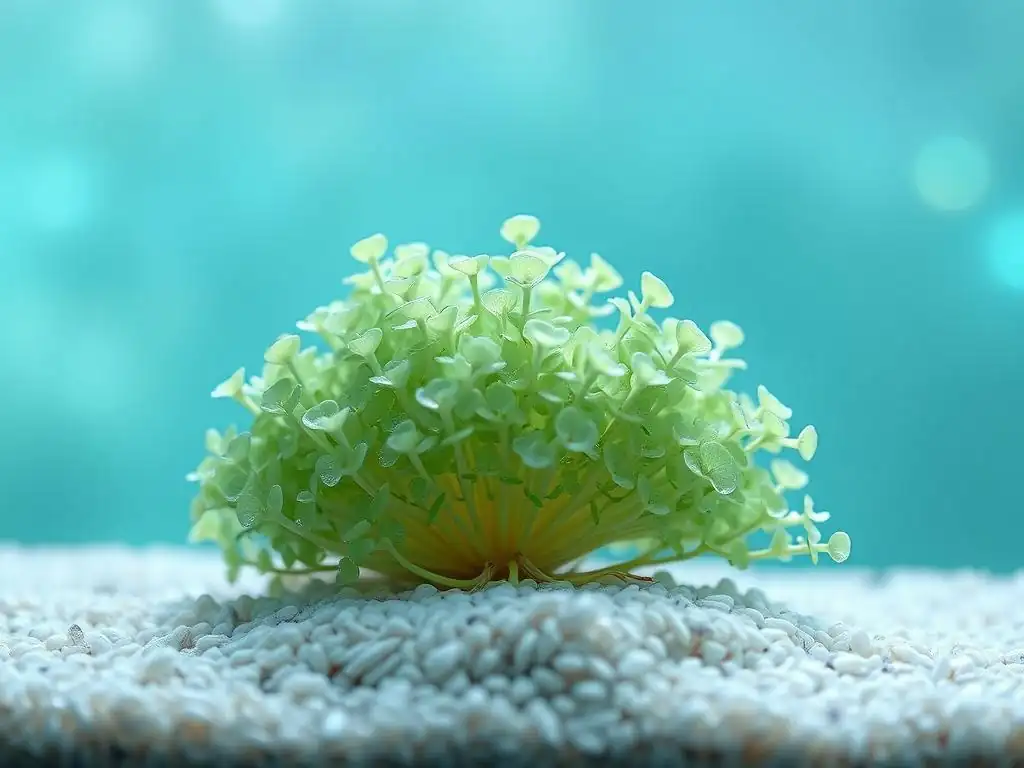
Pearlweed (Hemianthus glomeratus), though technically a stem plant, is incredibly versatile and can be effectively used as an excellent beginner aquarium carpet plant with proper trimming. It's characterized by its bright green, small, round leaves, which create a fine-textured and attractive appearance. While it can grow tall, reaching up to 12 inches as a free-growing stem plant, its carpeting potential when kept trimmed makes it highly desirable.
Pearlweed is remarkably forgiving and can thrive in a wide range of aquarium conditions, making it suitable for both low-tech and high-tech setups. It prefers temperatures of 68-79°F (20-26°C) and a pH of 6.0-7.5. Its rapid growth rate is a significant advantage for beginners eager to see quick results and establish a lush green foreground in their aquarium, making it a standout among easy aquarium carpet plants.
Pearlweed Care Guide: Trimming, Placement, and Nutrient Requirements
Trimming is the most crucial aspect of using Pearlweed as a carpet. Regular and aggressive trimming of vertical growth, often every 1-2 weeks, is necessary to force the plant to grow horizontally and bush out. Plant individual stems or small bunches about an inch apart directly into the substrate. While not particular about substrate type, it benefits significantly from nutrient-rich options like aquasoil or consistent dosing of liquid fertilizers.
For lighting, moderate to high light (e.g., 25-45 PAR) encourages dense, compact growth and promotes its carpeting habit. Pearlweed is a moderate feeder and benefits from a balanced liquid fertilizer containing both macro (nitrogen, phosphorus, potassium) and micronutrients. Due to its fast growth, it is highly efficient at absorbing nitrates, potentially reducing nitrate levels by 15-25% weekly in a well-planted tank, which helps in algae control.
Creating a Dense Pearlweed Carpet with Proper CO2 Levels
While Pearlweed can grow in low-tech setups, CO2 injection (e.g., 15-25 ppm) will drastically accelerate its growth rate and density, allowing it to form a dense carpet in a relatively short period, often covering a 20-gallon tank in just 1-2 months. In a low-tech environment, consistent liquid carbon supplements can still encourage decent horizontal growth and help achieve a carpet, albeit at a slower pace.
Ensure good water flow throughout the aquarium to distribute CO2 and nutrients evenly to all parts of the Pearlweed carpet. Consistent trimming is paramount to maintain its carpeted form, preventing it from growing tall and leggy. By regularly cutting back the vertical stems, you encourage the plant to branch out horizontally and create the desired dense, low-lying carpet.
Staurogyne Repens: A Robust and Forgiving Carpeting Plant
Staurogyne Repens is a robust and forgiving plant that excels as a beginner aquarium carpet plant when maintained with proper trimming. It features slightly larger, elongated green leaves compared to Monte Carlo, and typically grows to a height of 2-4 inches when encouraged to carpet. Its sturdy stems and strong root system make it less prone to uprooting, providing a stable and attractive foreground.
This plant is highly adaptable to various aquarium conditions, tolerating pH levels from 6.0 to 8.0 and temperatures from 68-82°F (20-28°C). It can thrive in medium light conditions without the absolute necessity of CO2 injection, although its growth, bushiness, and overall vibrancy are significantly enhanced with supplemental CO2. This versatility makes it an excellent choice for those seeking easy aquarium carpet plants that offer both beauty and resilience.
Staurogyne Repens Care Guide: Lighting, Fertilization, and Water Hardness
For Staurogyne Repens, medium light (e.g., 20-35 PAR) is generally sufficient for healthy growth. However, providing higher light will encourage more compact growth and can even induce a reddish tint in the leaves, adding another layer of aesthetic appeal. As a moderate feeder, it benefits significantly from a nutrient-rich substrate, such as an aquasoil, and regular liquid fertilization, particularly with iron and potassium. Root tabs are also highly effective for delivering nutrients directly to its root system.
Regarding water parameters, Staurogyne Repens is quite adaptable but generally prefers soft to moderately hard water. To achieve a carpeted effect, plant individual stems or small groups about an inch apart. Trimming the top growth consistently is crucial; this encourages lateral branching and forces the plant to grow horizontally, resulting in a denser, lower-lying carpet.
Maintaining a Healthy Staurogyne Repens Carpet
Regular trimming is absolutely essential to maintain the carpeted form of Staurogyne Repens. As the stems grow taller, simply cut them back using sharp, long-handled scissors. The trimmed sections can then be replanted directly into the substrate to propagate new plants and expand the carpet area, making it a very efficient plant for propagation.
Ensure good water circulation within the aquarium, especially around the dense carpet, to prevent the formation of dead spots where detritus can accumulate. Monitor for any signs of nutrient deficiency, such as yellowing or browning leaves, and adjust your fertilization regimen accordingly. A healthy Staurogyne Repens carpet not only enhances the visual appeal of your aquarium but also provides excellent foraging ground and shelter for various bottom-dwelling fish and invertebrates.
Setting Up Your Aquarium for Beginner Carpet Plants
Choosing the Right Substrate for Carpeting Plants
The foundation for a successful carpeted aquarium begins with the right substrate. For most beginner aquarium carpet plants, fine-grained substrates are highly recommended. Materials such as specialized aquarium sand or small gravel (with a particle size of 1-3mm) are ideal. These fine substrates allow the delicate root systems of carpeting plants to spread easily and provide a firm anchor for their runners, preventing them from floating to the surface. Avoid coarse gravel, as it makes planting difficult and can hinder proper root development.
To maximize nutrient availability, consider using a nutrient-rich aquasoil as your primary substrate layer. Aquasoils are specifically designed to provide essential nutrients for aquatic plants, often sustaining them for 6-12 months without the need for additional fertilization. Alternatively, if using an inert substrate like sand, lay down a layer of specialized plant substrate or strategically place root tabs beneath where your carpet plants will be planted to ensure a steady supply of nutrients directly to their roots.
Essential Lighting for Healthy Carpet Plant Growth
Adequate lighting is crucial for the healthy growth of beginner aquarium carpet plants, but it's equally important not to overdo it. For most easy carpet plants, moderate light intensity is sufficient, typically falling within the range of 15-30 PAR (Photosynthetically Active Radiation) at the substrate level. PAR is a more accurate measure of light usable by plants compared to lumens or watts. Providing the correct PAR ensures plants photosynthesize efficiently without promoting excessive algae growth.
Investing in LED lights with adjustable intensity or those designed specifically for planted aquariums is highly beneficial. Using a timer to maintain a consistent photoperiod, usually 6-8 hours daily, is also vital. Overlighting is a common mistake for beginners and is a primary cause of stubborn algae outbreaks. Starting with a shorter duration and gradually increasing it as plants establish and show signs of growth can help prevent algae issues.
CO2 Injection vs. Liquid Carbon for Carpeting Plants: What's Best for Beginners?
When considering carbon supplementation for beginner aquarium carpet plants, aquarists often weigh CO2 injection against liquid carbon supplements. While pressurized CO2 injection undoubtedly yields the fastest and densest carpet growth, leading to vibrant pearling, it can be a more complex and expensive initial investment for novices, requiring precise equipment and monitoring. It's generally recommended for those ready to delve deeper into planted tank husbandry.
For true beginner-friendly carpet plants, many species can grow adequately without any supplemental carbon. However, if you desire faster growth rates or a significantly denser carpet without the complexity of pressurized CO2, liquid carbon supplements (such as glutaraldehyde-based products) are an excellent first step. These products provide a bioavailable carbon source and can also act as mild algaecides. While less potent than injected CO2, they are simpler to dose and safer for beginners, offering a good balance of efficacy and ease of use.
Planting and Maintaining Your Beginner Aquarium Carpet
Planting Techniques for Different Carpeting Plants
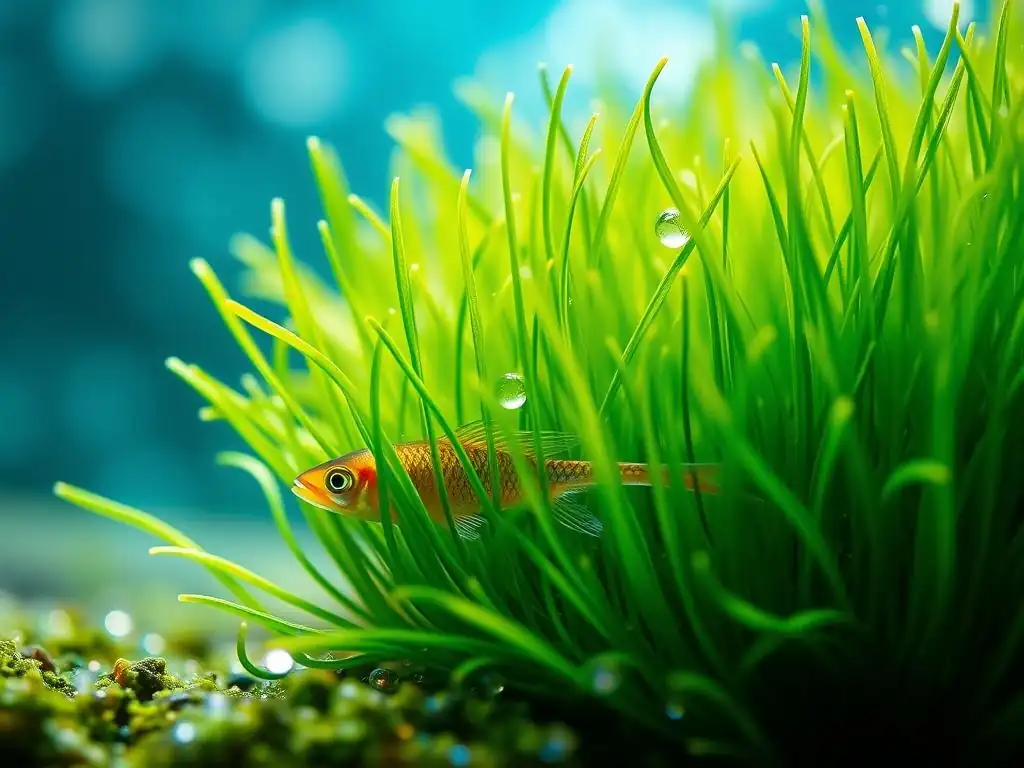
Proper planting techniques are crucial to ensure your beginner aquarium carpet plants establish successfully and don't float away. The general approach involves separating larger plant clumps into smaller, manageable portions, typically about 1-inch clumps or individual stems. Use long, specialized planting tweezers to gently push the roots or base of the plant into the substrate, ensuring they are fully buried and anchored firmly. Plant these portions a few inches apart to allow ample space for them to spread and fill in the gaps.
For runner-producing plants like Dwarf Sagittaria, Micro Sword, and Monte Carlo, plant the main "mother" plant, and its runners will naturally spread across the substrate. For stem plants such as Pearlweed and Staurogyne Repens, trim off the lower leaves from each stem section (leaving a few nodes exposed) and plant the bare stem directly into the substrate. The nodes will then sprout new roots. Always handle delicate plants with care to minimize damage during planting.
Fertilization Strategies for Optimal Carpet Growth
Effective fertilization is vital for maintaining a lush and healthy carpet of beginner aquarium carpet plants. Plants require a balanced supply of both macro-nutrients (Nitrogen, Phosphorus, Potassium - NPK) and micronutrients (Iron, Magnesium, Calcium, Boron, etc.). For most easy carpet plants, a good all-in-one liquid fertilizer, dosed weekly according to the product's instructions, can provide a comprehensive nutrient profile. For heavy root feeders like Dwarf Sagittaria and Staurogyne Repens, root tabs placed periodically near their root zones are highly effective.
It's often wise to start with half the recommended dose of liquid fertilizer and observe your plants' response over a few weeks. Adjust the dosage as needed based on their growth and appearance. For instance, if leaves show yellowing or bleaching, it often indicates an iron deficiency, which can be remedied by increasing iron supplementation. If growth is stunted despite adequate light, ensure all essential macro-nutrients are present in sufficient quantities. Consistent fertilization prevents deficiencies that can lead to stunted growth or algae outbreaks.
Regular Trimming and Maintenance for a Lush Carpet
Regular trimming is absolutely essential for maintaining a dense, healthy, and aesthetically pleasing carpet of beginner aquarium carpet plants. As your carpet grows, the upper layers can begin to shade the lower portions, leading to melting or browning of the leaves due to lack of light and circulation. Use sharp, long-handled scissors to trim the top 20-30% of the carpet. This stimulates new, bushier growth from the base and ensures light can penetrate to the lower layers.
The frequency of trimming depends on the growth rate of your specific carpet plants; fast growers like Pearlweed may require trimming every 2-4 weeks, while slower growers might only need it monthly. After trimming, carefully remove any floating plant trimmings from the water to prevent them from decaying and contributing to organic waste. Consistent trimming not only maintains the carpet's height but also encourages lateral spreading and overall density.
Controlling Algae Growth in Your Carpeted Aquarium
Algae growth is a common challenge in any planted aquarium, and it can quickly smother delicate beginner aquarium carpet plants. Algae outbreaks often signal an imbalance in light, nutrients, or CO2. If you notice excessive algae, the first step is often to reduce your light duration (e.g., from 10 hours to 7 hours) or intensity. Overlighting is a frequent culprit for green spot algae or hair algae on leaves.
Ensure proper nutrient levels in the water; both too little and too much of certain nutrients can trigger algae. Introduce natural algae-eating inhabitants such as Otocinclus catfish (typically 1 per 5 gallons) or Amano shrimp (1 per 2 gallons), which are excellent at grazing on green algae without harming plants. Manual removal of algae with a soft brush or your fingers is also important. Consistent water changes (e.g., 30% twice weekly) help dilute excess nutrients that algae thrive on.
Troubleshooting Common Issues with Beginner Carpet Plants
Identifying and Addressing Nutrient Deficiencies
Identifying nutrient deficiencies early is key to maintaining healthy beginner aquarium carpet plants. Common signs include yellowing leaves (often indicating an iron deficiency, particularly in new growth), stunted or pale growth (suggesting a lack of nitrogen or phosphorus), and holes or decaying edges on older leaves (pointing to potassium deficiency). New growth that is pale or distorted can indicate a deficiency in various micronutrients like magnesium or calcium.
To address these deficiencies, use a comprehensive liquid fertilizer that provides a full spectrum of macro and micronutrients. For heavy root feeders, targeted root tabs are highly effective, delivering nutrients directly where they are needed. For instance, if your Dwarf Sagittaria shows overall yellowing, supplementing with iron-rich liquid fertilizer or root tabs can quickly resolve the issue. Regular observation of your plants' color and growth habit will guide your fertilization adjustments.
Dealing with Algae Outbreaks in Your Carpet
Algae outbreaks, such as unsightly hair algae or green spot algae, can quickly overwhelm and smother your delicate beginner aquarium carpet plants. These outbreaks are usually a symptom of an imbalance in the aquarium, commonly caused by excessive light, too many nutrients (often from overfeeding or infrequent water changes), or insufficient CO2.
To tackle an algae outbreak, first, reduce your light period (e.g., to 6-7 hours daily) and consider reducing light intensity. Increase the frequency and volume of your water changes (e.g., 30% twice weekly) to dilute excess nutrients. Manually remove as much algae as possible from your carpet using a soft brush or your fingers. Introducing effective algae-eating inhabitants like Amano shrimp (e.g., 5-10 for a 20-gallon tank) or Otocinclus catfish can also be highly beneficial. For severe cases, a complete blackout period of 2-3 days (no light, tank covered) can often reset the balance.
Preventing Carpet Plants from Up-Rooting
Up-rooting is a common frustration, especially with newly planted beginner aquarium carpet plants or in tanks with active fish that like to dig. The primary method to prevent this is to ensure plants are firmly anchored during the initial planting process. Use tweezers to push the roots or the base of the plant deep into the substrate, making sure they are completely covered. Using a fine-grained substrate like sand or small gravel (1-2mm) provides better grip for delicate roots compared to larger gravel.
If certain fish species are the culprits, consider their compatibility with planted tanks; some bottom dwellers, like larger cichlids, are notorious for digging. For smaller fish, ensure they are not stressed, as stress can sometimes lead to unusual behavior. Strong water currents from filters can also dislodge plants; adjust your filter outflow to create a gentler flow over the carpeted area, perhaps by directing it towards the glass or adding a spray bar.
Recognizing and Treating Plant Diseases
True plant diseases caused by pathogens are relatively rare in the aquarium hobby; most "plant diseases" observed are actually symptoms of nutrient deficiencies, environmental stress, or improper care. The most common issue beginners encounter is "aquarium melt," where newly introduced plants shed their existing leaves and grow new ones adapted to the aquarium's water parameters. This is a natural adaptation process and not a disease.
To "treat" these issues, focus on providing optimal conditions: ensure stable water parameters (temperature, pH, hardness), provide adequate and balanced nutrients through substrate and liquid fertilizers, and maintain excellent water quality through regular water changes. Remove any severely melted or decaying leaves promptly to prevent them from polluting the water and encouraging algae. Avoid sudden, drastic changes in temperature, pH, or light, as these can shock plants and trigger melting or stunting.
Long-Term Care and Propagation of Carpeting Plants
Propagating Your Carpeting Plants for Expansion
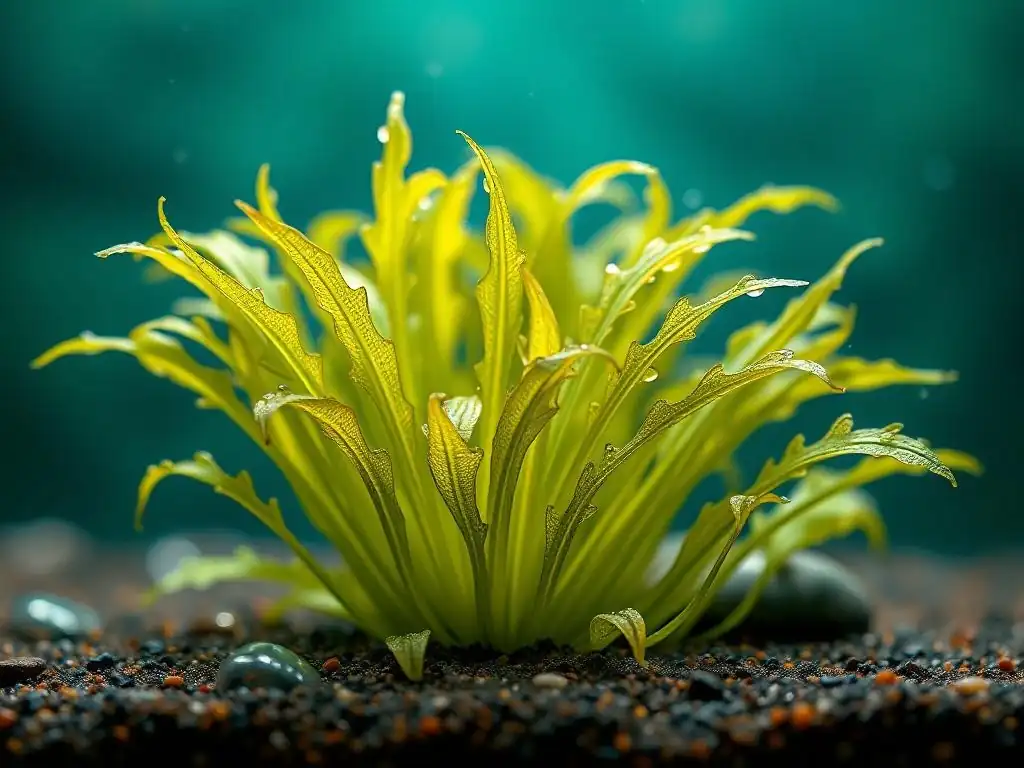
Propagating your beginner aquarium carpet plants is a rewarding aspect of long-term care, allowing you to expand your carpet or share plants with others. Most easy carpet plants propagate through one of two main methods: runners or stem cuttings. Plants like Dwarf Sagittaria, Micro Sword, and Monte Carlo produce runners that spread horizontally, sending up new plantlets along the way. To propagate, simply wait for these new plantlets to form a few leaves and roots, then gently snip the runner connecting them to the parent plant and replant the new plantlet elsewhere.
For stem plants such as Pearlweed and Staurogyne Repens, propagation is done via stem cuttings. When you trim these plants, take healthy stem sections (typically 2-3 inches long) that have at least a few nodes. Remove the leaves from the bottom inch of the cutting and plant this bare section directly into the substrate. New roots will sprout from the nodes, and the cutting will begin to grow, contributing to the density and expansion of your carpet.
Maintaining a Healthy and Thriving Carpet Long-Term
Maintaining a healthy and thriving carpet of beginner aquarium carpet plants long-term requires consistent attention to fundamental aquarium husbandry. Regular water changes (e.g., 25-30% weekly) are crucial for replenishing essential minerals and removing accumulated waste products. Stable water parameters, including temperature and pH, are paramount, as sudden fluctuations can stress plants. Routine fertilization, whether through liquid fertilizers or root tabs, must be continued to ensure plants receive all necessary macro and micronutrients as they grow and absorb them.
Avoid overcrowding your aquarium with fish, as excessive bioload can lead to high organic waste, which fuels algae growth and can negatively impact plant health. Stay diligent with filter maintenance to ensure efficient removal of particulate matter and chemical pollutants, contributing to overall water quality. Consistent monitoring of your plants for any signs of stress, discoloration, or stunted growth will allow for timely intervention.
Recognizing Signs of Aging and Rejuvenating Your Carpet
Over time, a dense carpet of beginner aquarium carpet plants can become too thick, leading to potential issues. The lower layers of the carpet may become shaded due to the dense canopy above, resulting in a lack of light and poor water circulation. Signs of an aging or overly dense carpet include browning, yellowing, or melting of leaves at the base of the carpet, and a general thinning of the carpet from the bottom up.
Rejuvenation involves aggressive trimming to revitalize the carpet. For runner-producing plants like Monte Carlo, you might need to thin out overly dense areas by removing sections of the established mat. For stem-based carpets like Pearlweed or Staurogyne Repens, a more drastic "reset" might be necessary. This involves trimming large sections of the carpet down to the substrate, allowing new, healthier growth to emerge from the buried stems or roots. While this might seem severe, it ensures the long-term vitality and lushness of your easy aquarium carpet plants, preventing them from decaying from the bottom up.
Conclusion: Achieving a Beautiful Carpeted Aquarium as a Beginner
Achieving a beautiful, lush carpet in your freshwater aquarium is an entirely attainable goal for beginners, provided you select the right beginner aquarium carpet plants and commit to consistent, fundamental care. The aesthetic appeal of a densely carpeted foreground, coupled with the ecological benefits it provides, transforms a simple tank into a captivating underwater landscape. Patience is a virtue in aquascaping, and the journey of watching your chosen easy aquarium carpet plants spread and flourish is incredibly rewarding.
By focusing on the recommended low-maintenance carpet plants—such as Dwarf Sagittaria, Micro Sword, Monte Carlo, Pearlweed, and Staurogyne Repens—and adhering to sound practices in lighting, substrate choice, fertilization, and regular trimming, you can create a vibrant, healthy carpet. Consistent monitoring of your tank's parameters and plant health will lead to long-term success, allowing you to enjoy a thriving, natural-looking aquascape that will be the envy of many.
Frequently Asked Questions
What exactly are aquarium carpet plants, and why are they popular?
Aquarium carpet plants are low-growing plants that spread horizontally, creating a lush, green "carpet" on the aquarium substrate. They're popular for their aesthetic appeal and ability to provide shelter for smaller fish and invertebrates.
What are some of the easiest carpet plants for a beginner to start with?
Some easy beginner options include Marsilea hirsuta, Dwarf Sagittaria, and Monte Carlo. These plants are generally tolerant of a wider range of water parameters and lighting conditions.
How much light do I need to grow carpet plants successfully?
While some carpet plants require high light, many beginner-friendly options thrive under moderate lighting. Experimentation and observation are key to determining what works best in your specific tank.
What kind of substrate is best for growing carpet plants?
A nutrient-rich substrate is highly recommended for carpet plants. Options include aquarium soil or a layer of inert substrate supplemented with root tabs.
How do I propagate carpet plants to expand my aquarium carpet?
Many carpet plants can be propagated by simply dividing the plant and replanting the sections. Others spread via runners, which can be cut and replanted once they develop roots.
Final Reflection: Cultivating Underwater Gardens
The journey into aquascaping, especially with beginner aquarium carpet plants, is more than just adding greenery; it's about creating miniature ecosystems that thrive and bring a slice of nature into our homes. The ease with which these plants can transform a bare tank into a lush, vibrant landscape speaks volumes about the accessibility of this rewarding hobby, and its potential to connect us with the natural world.
The impact of a thriving planted aquarium extends beyond mere aesthetics. It's a testament to our ability to nurture and sustain life, even in confined spaces, and a constant reminder of the delicate balance within ecosystems. This connection fosters a deeper appreciation for the environment and encourages responsible stewardship. The best time to plant a tree was 20 years ago. The second best time is now.
This ancient proverb resonates deeply with the aquascaping world; the sooner we begin, the sooner we can enjoy the fruits (or, in this case, the verdant carpets) of our labor.
So, take the plunge! Embrace the simplicity and beauty of beginner aquarium carpet plants. Let the gentle sway of their leaves and the vibrant hues of their growth inspire you to create your own underwater paradise. Reflect on the lessons learned, the patience cultivated, and the joy of witnessing life flourish under your care. Your journey into aquascaping is not just about creating a beautiful tank; it's about nurturing a connection with nature and cultivating a deeper appreciation for the delicate balance of life.
Cultivate Your Aquatic Paradise: Get Started Now!
Thank you for diving into the world of carpeting plants! We hope you've found inspiration and confidence to create your own lush underwater landscape. Now, let's translate that knowledge into action.
Here are some steps to kickstart your carpeting journey:
- Start Small, Dream Big: Begin with a small, manageable area in your aquarium to practice planting and maintenance techniques. This minimizes potential setbacks and maximizes your learning experience.
- Dive Deeper: Research specific carpet plant species (like Dwarf Hairgrass or Monte Carlo) suitable for your tank's lighting and water parameters. Consider experimenting with different fertilizers to optimize their growth.
- Share the Green:Document your planting journey on social media or aquarium forums. Your experiences can help and inspire other beginners!
What's the first carpeting plant you're excited to try in your aquarium, and what specific challenges are you anticipating?