
Blue Light vs. Full Spectrum for SPS: What Do Your Acropora and Montipora Really Crave?

Welcome to Aquarium Mastery!
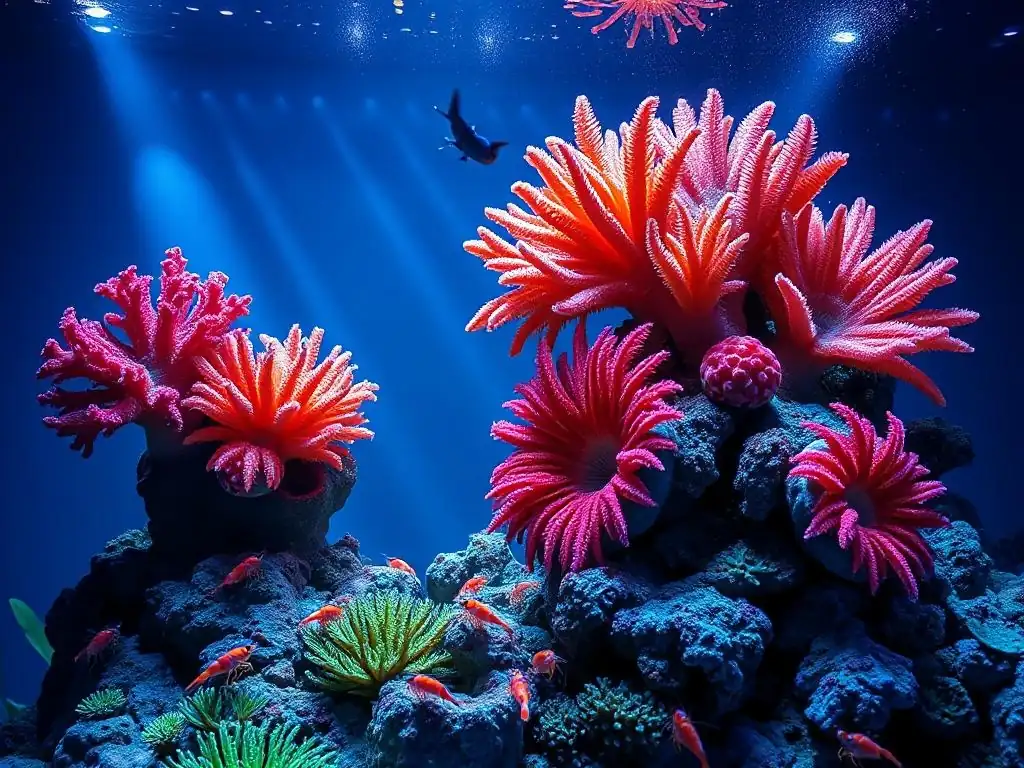
Ever wondered if your prized Acropora and Montipora are getting exactly what they need to thrive? Dive into our latest article, " Blue Light vs. Full Spectrum for SPS: What Do Your Acropora and Montipora Really Crave?" and unlock the secrets to perfect SPS coral lighting requirements. Are you giving your corals the right recipe for success? Find out inside, and let's unlock the vibrant potential of your reef together!
- LED vs. Metal Halide for SPS: What Do Your Acropora and Montipora Really Crave?
- Understanding SPS Coral Lighting Requirements: A Deep Dive
- LED Lighting and SPS Corals: The Benefits and Limitations
- Metal Halide Lighting for SPS Corals: A Balanced Approach
- Comparing LED and Metal Halide: Which is Best for Your SPS?
- Fine-Tuning Your SPS Coral Lighting: Key Considerations
- Optimizing Water Parameters for Enhanced Lighting Results
- Practical Tips for Implementing Your Chosen Lighting Strategy
- Conclusion: Achieving Optimal SPS Coral Health Through Informed Lighting Choices
-
Frequently Asked Questions
- How crucial is the specific light spectrum for the health of SPS corals?
- What's the main difference between blue light and full spectrum light for SPS corals?
- Can I successfully grow SPS corals using only blue light?
- What are the potential downsides of using too much blue light on SPS corals?
- How do I determine the ideal lighting setup for my SPS coral aquarium?
- Final Reflection: Illuminating the Future of Reef Keeping
- Ignite Your SPS Reef: Start Seeing Explosive Growth!
LED vs. Metal Halide for SPS: What Do Your Acropora and Montipora Really Crave?
Understanding SPS Coral Lighting Requirements: A Deep Dive
The Importance of Light for SPS Coral Health and Growth
Light is the fundamental energy source for Small Polyp Stony (SPS) corals like Acropora and Montipora. These corals host symbiotic dinoflagellates called zooxanthellae within their tissues, which perform photosynthesis. Through this process, zooxanthellae convert light energy into sugars, amino acids, and other organic compounds, providing up to 90% of the coral's nutritional needs.
This energy is critical not only for the coral's daily metabolic functions but also for calcification, the process of building their calcium carbonate skeletons, which is essential for their growth and structural integrity. Without adequate SPS coral lighting requirements being met, corals will suffer from energy deficiency, leading to slowed growth, tissue recession, and eventually, bleaching and mortality.
The quality and intensity of light directly dictate the rate at which SPS corals can grow and maintain their health. For instance, under optimal lighting conditions, a healthy Acropora millepora colony can exhibit growth rates of 1 to 2 inches per month, while a Montipora capricornis can rapidly spread several inches across rockwork in a year.
Conversely, if their SPS coral lighting requirements are not met, these growth rates can plummet significantly, sometimes to less than half an inch per month, or even cease entirely. Prolonged periods of insufficient light can lead to "browning out" as corals increase zooxanthellae density to compensate, or worse, bleaching if the light is too intense or fluctuating, causing the expulsion of these vital symbionts.
Identifying Key Light Spectrum Components for SPS Coral
SPS corals primarily utilize specific wavelengths of light for photosynthesis. The blue spectrum, particularly wavelengths between 450-470 nanometers (nm), is crucial because it is strongly absorbed by chlorophyll a and c, the primary photosynthetic pigments in zooxanthellae. Additionally, wavelengths in the violet/UV range (400-420nm) and even some red light (620-660nm) are absorbed by accessory pigments, contributing to the overall photosynthetic efficiency and coral health. While blue light is paramount, a broader spectrum is essential to support the full range of photosynthetic processes and to promote the production of various protective and fluorescent pigments that give corals their vibrant colors.
Beyond photosynthesis, the light spectrum significantly influences coral coloration and pigment production. For example, the intense blue light often favored in reef aquariums enhances the expression of green and blue fluorescent proteins in many Acropora species, leading to their striking appearance.
However, a balanced spectrum, including greens and reds, helps prevent issues like "browning out" or unnatural color shifts, promoting a more natural and diverse palette of hues. Meeting the comprehensive SPS coral lighting requirements across the visible spectrum ensures that corals can produce a full array of pigments, allowing them to exhibit their true genetic coloration and adapt to varying light conditions.
LED Lighting and SPS Corals: The Benefits and Limitations
The Role of LEDs in SPS Photosynthesis
LEDs (Light Emitting Diodes) have revolutionized reef keeping due to their ability to deliver precise wavelengths of light highly efficiently. Modern reef LEDs are engineered with specific diodes that target the key spectral components essential for SPS coral photosynthesis, predominantly in the blue region.
This focused output ensures that the zooxanthellae receive the most photosynthetically active radiation, leading to robust energy production. Many high-end LED fixtures also incorporate UV and violet diodes (e.g., 400-420nm), which, while not directly photosynthetic, are believed by some researchers to stimulate protective pigments and enhance the vibrant coloration in Acropora and Montipora species, contributing to their overall vitality.
One significant advantage of LEDs is their superior energy conversion efficiency compared to traditional lighting methods. They produce significantly less waste heat, meaning more electrical energy is converted directly into light. This reduced heat output directly benefits the aquarium by minimizing temperature fluctuations and lowering the demand on chillers, especially in warmer climates. Maintaining stable water temperatures is crucial for SPS coral health, and the lower heat contribution from LEDs makes it easier to consistently meet the demanding SPS coral lighting requirements without introducing additional thermal stress to the delicate reef ecosystem.
Controllability and Efficiency of LEDs for SPS
The level of control offered by LED lighting systems is unparalleled in the aquarium hobby. Most high-quality LED fixtures feature advanced programmability, allowing aquarists to precisely control intensity, spectrum, and photoperiod throughout the day. This includes simulating natural dawn and dusk cycles, cloud cover, and even lunar phases, providing a dynamic light environment that closely mimics the natural reef. Independent control over various color channels (e.g., blue, white, red, green, UV) enables aquarists to fine-tune the spectrum to enhance specific coral colors or to cater to the unique SPS coral lighting requirements of different species within the same tank.
In addition to superior control, LEDs offer significant long-term energy efficiency. They consume considerably less power than equivalent metal halide systems, leading to substantial reductions in electricity bills. For example, a high-output 200-watt LED fixture can often provide similar or even higher Photosynthetically Active Radiation (PAR) levels to a 400-watt metal halide system, potentially cutting lighting-related energy costs by 30-50% annually for a typical reef setup. Furthermore, LEDs have a much longer lifespan, often rated for 50,000 hours or more, significantly reducing bulb replacement costs compared to metal halides, which require new bulbs every 6-12 months.
Potential Drawbacks of Initial LED Investment and Spectrum Control for SPS
Despite their numerous benefits, quality LED fixtures for SPS corals come with a substantial initial investment. High-end units capable of providing the necessary intensity and spectrum for thriving Acropora and Montipora colonies can range from several hundred to over a thousand dollars per fixture, often requiring multiple units for larger tanks. This upfront cost can be a significant barrier for many hobbyists, especially when compared to the relatively lower initial outlay for a basic metal halide system. While long-term energy savings and reduced bulb replacement costs can offset this over time, the immediate financial commitment is a notable consideration.
Another potential drawback lies in the very feature that makes LEDs so appealing: their advanced spectrum control. While offering unparalleled customization, this complexity can be daunting for novice users or those without a deep understanding of coral photobiology. Incorrectly set spectrums or excessive intensity can lead to severe issues such as bleaching, stunted growth, or undesirable coloration.
For instance, an overly blue spectrum without sufficient white light can cause corals to appear "washed out" or fail to provide the necessary energy for all photosynthetic pathways, despite high PAR readings. Dialing in the optimal SPS coral lighting requirements often involves a steep learning curve and careful observation.
Metal Halide Lighting for SPS Corals: A Balanced Approach
Simulating Natural Sunlight: The Advantages of Metal Halide Lighting
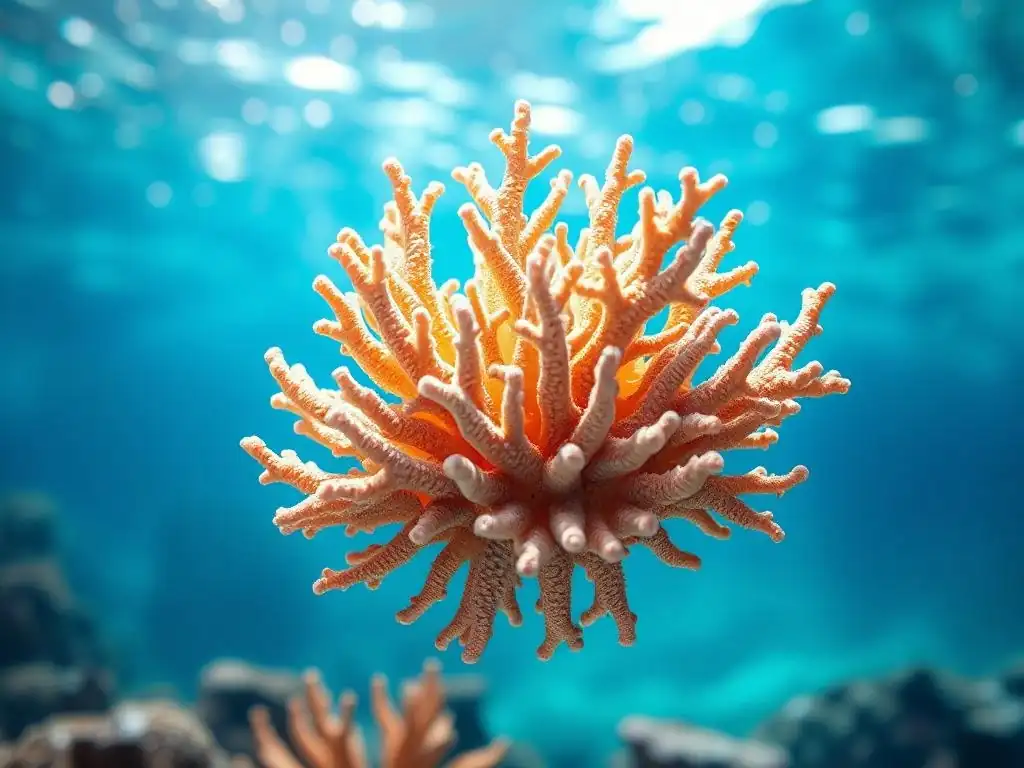
Metal halide lighting is renowned for producing an incredibly broad, intense, and natural-looking light spectrum that closely mimics tropical sunlight. Unlike the discrete wavelengths emitted by LEDs, metal halides generate a continuous spectrum, including beneficial UV and infrared components, which many experienced aquarists believe contributes to a more natural coloration and overall health in SPS corals.
This "point source" light also creates dramatic shimmer lines and natural shadows within the aquarium, aesthetically enhancing the reef display and potentially benefiting corals by providing dynamic light patterns akin to those found on natural reefs. Many enthusiasts attest that corals under metal halides exhibit a unique "pop" that is difficult to replicate with other lighting technologies.
The wide light spread and depth penetration of metal halide fixtures are significant advantages, particularly for larger or deeper tanks. A single 250-watt or 400-watt metal halide bulb can effectively illuminate a substantial area, delivering high PAR levels uniformly across the tank and reaching deep into the water column.
This broad coverage often results in more consistent growth rates across an entire SPS dominated reef tank, reducing the likelihood of shaded areas or localized hotspots that can occur with improperly positioned LED clusters. Meeting the demanding SPS coral lighting requirements for colonies positioned at various depths is often more straightforward with the robust, penetrating output of metal halides.
Metal Halide Lighting and the Production of Essential Pigments in SPS Corals
The full, continuous spectrum provided by metal halide lighting is often credited with promoting the production of a wider and more diverse range of protective and fluorescent pigments in SPS corals. This comprehensive light profile, including wavelengths across the entire visible spectrum and beyond, is thought to encourage corals to produce pigments that reflect their true genetic potential, leading to very natural and deep coloration.
Many hobbyists observe that corals under metal halides often display a subtle, nuanced spectrum of colors that can sometimes appear different from those under predominantly blue LED setups, which tend to emphasize fluorescent greens and blues.
For specific coral species, the comprehensive spectrum of metal halides can be particularly beneficial. For example, some yellow and green Acropora species are reported to maintain their true, vibrant hues more consistently under metal halides, whereas under certain LED profiles, they might appear muted, shift towards an orange-pink, or even brown out.
This suggests that the broader light availability ensures all necessary pathways for pigment synthesis are activated, contributing to the full expression of the coral's natural beauty. Ensuring that all aspects of SPS coral lighting requirements are met, including those for pigment production, is a hallmark of successful metal halide use.
Achieving Optimal Growth Rates with Metal Halide Lighting
Metal halide lighting has long held a strong reputation for promoting rapid and robust growth in SPS corals. This is largely attributed to their intense, broad-spectrum output, which ensures that all necessary wavelengths for photosynthesis and calcification are abundantly available to the zooxanthellae. Many experienced reefkeepers have consistently reported faster growth rates, sometimes 10-20% higher for fast-growing species like Acropora valida or Montipora digitata, compared to early generations of LED fixtures. The sheer power and spectral completeness of metal halides provide an uninhibited energy source for the demanding metabolic processes of SPS corals.
Furthermore, the consistency of light output from a metal halide bulb, throughout its recommended lifespan (typically 6-12 months before replacement), contributes to stable growth. Unlike some LED arrays where individual diodes can degrade at different rates, potentially causing subtle shifts in spectrum or intensity over time, a metal halide bulb provides a predictable and uniform light field. This stability ensures that the SPS coral lighting requirements are consistently met without unexpected shifts, simplifying the long-term management of a reef tank and allowing corals to grow without constant re-acclimation to changing light conditions.
Comparing LED and Metal Halide: Which is Best for Your SPS?
Growth Rate Comparison: LED vs. Metal Halide
Historically, metal halides were the undisputed champions for achieving rapid growth rates in SPS corals. Their intense, broad-spectrum output provided an abundance of energy for photosynthesis and calcification. However, modern, high-quality LED fixtures specifically designed for reef aquariums have significantly narrowed this gap, with many now capable of rivaling or even surpassing metal halide growth rates when properly configured.
For example, some reefers report Acropora valida growing 1.5 inches per month under optimized LED setups, a performance comparable to the best results achieved with metal halides. This evolution is due to advancements in diode technology, spectrum tuning, and optical design.
The "best" lighting for growth ultimately depends on the specific LED fixture's quality, the aquarist's skill in programming and positioning, and their diligence in meeting precise SPS coral lighting requirements. A poorly chosen or incorrectly configured LED system will undoubtedly underperform compared to a well-maintained metal halide setup. Conversely, a top-tier LED system, when expertly managed, can offer comparable or superior growth results without the associated heat, energy consumption, and frequent bulb replacement costs of metal halides. The key is understanding that both technologies, when optimally utilized, can foster excellent growth in SPS corals.
Coloration and Pigmentation: A Side-by-Side Analysis
When it comes to coloration, both LED and metal halide lighting offer distinct aesthetic advantages. LEDs often excel at making corals "pop" with intense blues, greens, and purples, primarily due to their strong output in the blue spectrum. This emphasizes the fluorescent pigments within the coral tissues, creating a vibrant, often otherworldly glow. This effect is particularly striking for species like Acropora millepora or Montipora undata, which can display incredibly vivid hues under LED illumination.
Metal halides, on the other hand, tend to produce a more natural, deep, and broad spectrum of colors. Many aquarists describe the coloration under metal halides as more "true to life," as the comprehensive spectrum allows for the full expression of all coral pigments, not just the fluorescent ones.
For example, a red Montipora digitata might appear a fiery, deep red under metal halide, while under a blue-heavy LED, it might lean towards an orange-pink. The choice between LED and metal halide for coloration often comes down to personal aesthetic preference and the specific SPS coral lighting requirements desired for a particular look in the reef tank.
Overall SPS Coral Health: The Long-Term Effects of Each Lighting Strategy
Both LED and metal halide lighting strategies, when properly managed and maintained, can support healthy SPS corals for many years. Metal halides have a proven track record spanning decades, with countless successful reef tanks flourishing under their intense, broad-spectrum light. Their consistency and robust output have made them a staple for serious SPS enthusiasts.
LEDs, while a newer technology in the reefing world, have also demonstrated excellent long-term results. However, achieving sustained health under LEDs often requires careful monitoring of spectrum and intensity to prevent issues like bleaching, slow degradation, or photoinhibition, especially during the initial acclimation period. Ultimately, consistency in meeting the SPS coral lighting requirements, combined with stable water parameters, is more critical than the light source itself. A stable environment, whether under LED or metal halide, where light levels are appropriate and parameters are maintained within ideal ranges, is the ultimate determinant of long-term coral health and vitality.
Fine-Tuning Your SPS Coral Lighting: Key Considerations
PAR (Photosynthetically Active Radiation) Levels: Finding the Sweet Spot
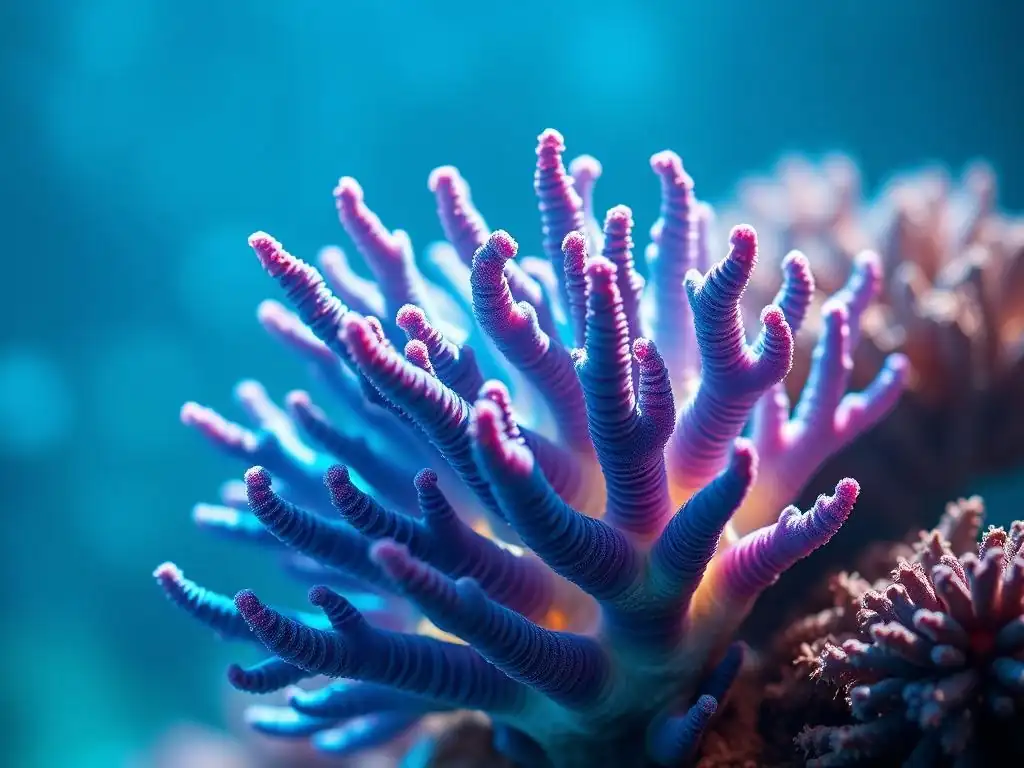
PAR, or Photosynthetically Active Radiation, measures the amount of light within the visible spectrum (400-700 nanometers) that is available for photosynthesis. For SPS corals, maintaining appropriate PAR levels is critical for their health and growth. These corals typically thrive in high-PAR environments, often requiring levels between 250-500 PAR at the coral's surface, depending on the specific species and its natural habitat depth.
For instance, fast-growing Acropora species generally prefer higher PAR (e.g., 350-450 PAR), while some Montipora species might do well with slightly less (e.g., 250-350 PAR). Understanding these ranges is fundamental to meeting their SPS coral lighting requirements effectively.
Measuring and adjusting PAR is an invaluable step in optimizing your lighting. A PAR meter is an essential tool for accurately assessing light intensity throughout your tank. It allows aquarists to identify hot spots or shaded areas and make informed adjustments. Since PAR levels decrease significantly with depth and distance from the light source, adjusting the light fixture's height, modifying its intensity settings (for LEDs), or repositioning corals within the tank are common strategies. This precise control ensures that each coral receives its specific SPS coral lighting requirements without being over-exposed to damaging levels or under-exposed to insufficient energy.
Light Acclimation: Gradually Introducing SPS Corals to New Lighting
Light acclimation is a critical process when introducing new corals to an existing tank or when changing the lighting system. SPS corals are highly sensitive to sudden shifts in light intensity or spectrum. A rapid increase in light can cause severe photoinhibition and stress, leading to rapid tissue loss and bleaching (the expulsion of zooxanthellae) within a matter of days. This stress response is a defense mechanism but ultimately deprives the coral of its primary energy source, potentially leading to its demise.
To prevent such shock, a gradual acclimation method is essential. For LED lighting, this typically involves starting the new corals or the new lighting system at a reduced intensity, often 30-50% of the target output, and slowly ramping up the intensity by 5-10% weekly over a period of 4 to 8 weeks.
For metal halides, acclimation might involve placing new corals lower in the tank initially, using a screen or mesh to diffuse light for the first few weeks, or reducing the photoperiod before gradually increasing it. This controlled, incremental approach is vital for allowing the coral's zooxanthellae to adapt to the new light conditions, ensuring their SPS coral lighting requirements are met without detrimental stress.
Monitoring SPS Coral Health: Identifying Signs of Lighting Stress
Vigilant observation of your SPS corals is paramount for identifying signs of lighting stress. Signs of too much light, or "photoinhibition," typically include paling of the coral tissue, leading to a bleached (stark white skeletal showing through) appearance, or tissue necrosis that often begins at the tips or most exposed areas. Corals might also exhibit excessive polyp retraction during the day, indicating discomfort. For example, an Acropora valida turning stark white at its tips within a few days of a significant light change is a clear indicator of light shock, requiring immediate adjustment to the SPS coral lighting requirements.
Conversely, signs of too little light include browning out of the coral tissue (due to an increase in zooxanthellae density to compensate for insufficient light), slow or no discernible growth, and a general loss of vibrant coloration. A Montipora capricornis that gradually loses its vibrant orange hue and becomes a dull brown over several weeks, despite stable water parameters, often points to insufficient PAR levels. Consistent monitoring of these visual cues and understanding the nuances of coral behavior are crucial for making timely and appropriate adjustments to ensure their SPS coral lighting requirements are consistently met for optimal health.
Optimizing Water Parameters for Enhanced Lighting Results
The Interplay Between Lighting and Water Chemistry for SPS
While optimal lighting is paramount, it is only one piece of the puzzle for thriving SPS corals. Water parameters play an equally critical role, as they directly support the calcification process and overall coral metabolism, which are fueled by the energy generated from light.
The calcium carbonate skeleton of SPS corals is built using calcium and alkalinity from the water column, a process heavily reliant on the energy produced through photosynthesis. Without stable and appropriate water chemistry, even the most perfectly tuned SPS coral lighting requirements will not yield healthy, growing corals, as the building blocks for their growth will be missing or unstable.
Furthermore, poor water quality can significantly exacerbate lighting stress, making corals more susceptible to damage. For instance, if alkalinity levels fluctuate wildly, corals become more vulnerable to bleaching and tissue recession, even under moderate light intensity. Conversely, a stable and balanced aquatic environment allows corals to maximize their photosynthetic output and efficiently utilize the light energy for robust growth, vibrant coloration, and strong immune responses. This symbiotic relationship underscores that meeting SPS coral lighting requirements must always be considered in conjunction with maintaining pristine water chemistry.
Maintaining Ideal Alkalinity, Calcium, and Magnesium Levels
For SPS corals, maintaining precise and stable levels of alkalinity, calcium, and magnesium is absolutely critical. These are the primary building blocks for their aragonite skeletons. Ideal target ranges are typically 7.5-8.5 dKH for alkalinity, 400-450 ppm for calcium, and 1250-1350 ppm for magnesium.
Alkalinity, in particular, is a measure of the water's buffering capacity and its ability to resist pH swings, directly impacting the calcification process. Consistent testing, often 2-3 times per week for alkalinity in heavily stocked SPS tanks, and precise dosing methods (e.g., two-part solutions, calcium reactor, or kalkwasser) are essential to maintain these parameters within tight tolerances.
Fluctuations in these parameters can have severe consequences for SPS corals, even if their SPS coral lighting requirements are perfectly met. Low alkalinity can lead to slowed growth, tip recession, and even tissue necrosis, as corals struggle to build their skeletons. Insufficient calcium directly hinders calcification rates. Magnesium, while not directly incorporated into the skeleton, is crucial for regulating the bioavailability of calcium and alkalinity, making it vital for maintaining the stability of the other two parameters. Maintaining these levels consistently is paramount for ensuring corals can effectively utilize the light energy they receive.
Nutrient Levels and Their Impact on SPS Coral Coloration Under Different Light
The balance of nutrient levels, specifically nitrate and phosphate, significantly impacts SPS coral health and coloration, often interacting with the lighting strategy. While often viewed as undesirable, trace amounts of nutrients are necessary for the health of zooxanthellae. However, excessively high nutrient levels (e.g., nitrates above 10 ppm, phosphates above 0.1 ppm) can lead to "browning out" of corals. This occurs as zooxanthellae multiply excessively in response to abundant nutrients, masking the coral's vibrant underlying pigments, regardless of whether the tank is lit by LEDs or metal halides.
Conversely, ultra-low nutrient systems (ULNS) can significantly enhance coral coloration, particularly under strong blue-dominant LED lighting. In ULNS, where nitrates are often undetectable and phosphates are near zero, zooxanthellae density within the coral tissue is reduced. This allows the coral's own fluorescent and protective pigments to be more prominent, resulting in brighter, more intense colors.
However, maintaining a ULNS requires precise control to prevent coral starvation, which can be detrimental even if SPS coral lighting requirements are perfectly met. The interplay between light and nutrient levels is a delicate balance that reef keepers must master for optimal SPS health and coloration.
Practical Tips for Implementing Your Chosen Lighting Strategy
Selecting the Right Lighting Fixture for Your SPS Coral Tank
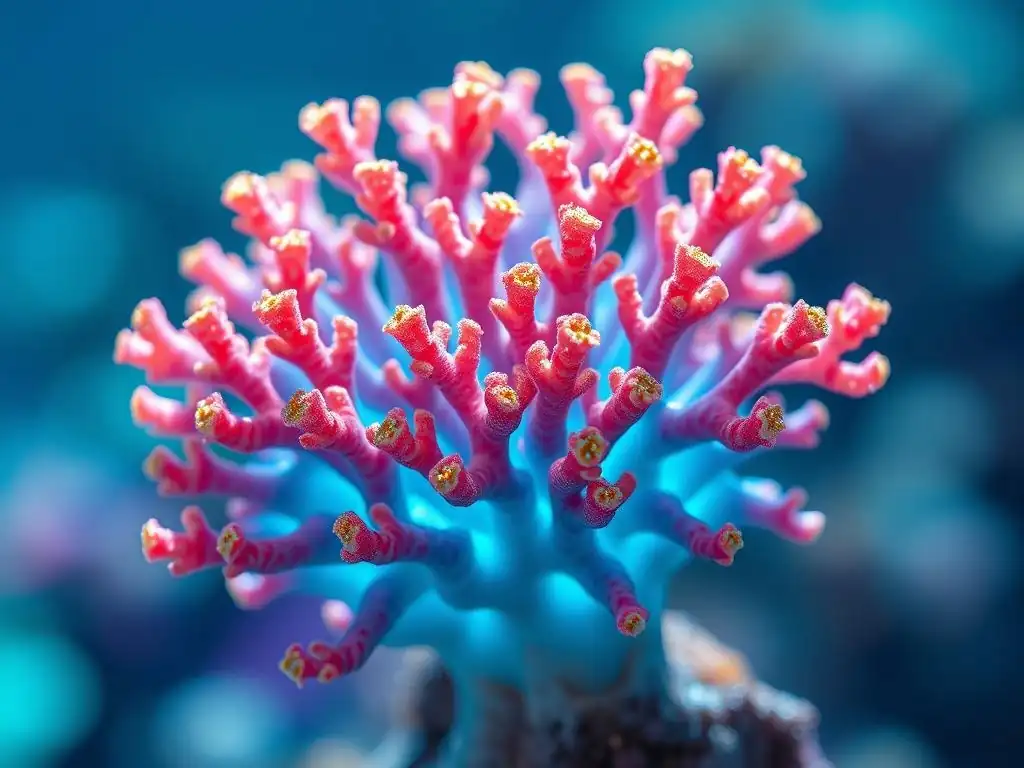
Choosing the appropriate lighting fixture is a foundational step for a successful SPS coral tank. For LED systems, consider the tank's dimensions, the desired PAR levels at different depths, and the advanced control features offered.
Research reputable brands known for their success with SPS corals, such as Ecotech Radion, Kessil, or AI Hydra, which offer proven spectrums and robust build quality. For metal halide systems, determine the appropriate wattage (e.g., 250W for tanks up to 24 inches deep, 400W for deeper tanks or larger footprints) and select a reputable electronic ballast and high-quality bulb (e.g., Radium, Phoenix, Giesemann) known for their spectral output suitable for SPS.
It is crucial to match the chosen fixture to your tank's specific dimensions and your planned coral stocking density. A 48-inch tank heavily populated with demanding Acropora species might require two 250W metal halides or multiple high-output LED units to ensure even coverage and meet the demanding SPS coral lighting requirements across the entire footprint. Under-lighting can lead to poor growth and coloration, while over-lighting can cause bleaching and stress. Proper planning ensures uniform light distribution, preventing shaded areas or excessive hotspots that can negatively impact coral health.
Recommended Lighting Schedules and Intensities for Each Type
Establishing a consistent and appropriate lighting schedule is vital for SPS corals. A typical photoperiod for reef tanks ranges from 8 to 12 hours per day, including a gradual ramp-up and ramp-down period to simulate natural dawn and dusk. For LED systems, a common schedule might involve 1-2 hours of blue-only "dawn" light, followed by 6-8 hours of mixed spectrum peak intensity, and then another 1-2 hours of blue-only "dusk" light before total darkness. This gradual transition helps reduce stress on corals.
Intensity settings vary significantly between lighting types and individual fixtures. For metal halides, intensity is largely fixed by the bulb wattage and fixture height, typically positioned 8-12 inches above the water surface to provide high PAR. For LEDs, intensity is highly customizable; it is generally recommended to start with lower percentages (e.g., 50-70% of the fixture's maximum output) and gradually increase based on coral response and PAR meter readings.
This allows corals to acclimate slowly and ensures that their specific SPS coral lighting requirements are met without shocking them. Regular adjustments based on coral growth and coloration are key to long-term success.
Troubleshooting lighting-related issues in SPS corals requires keen observation and methodical adjustments. If corals are paling, turning white, or exhibiting rapid tissue loss from the tips or exposed areas, the light is likely too intense or the change was too sudden. Immediate actions include reducing intensity (for LEDs), raising the light fixture, or moving the affected coral lower in the tank. These signs indicate photoinhibition, where the coral's zooxanthellae are being damaged by excessive light.
Conversely, if corals are browning out, losing their vibrant colors, or showing significantly slowed or no growth, the light might be insufficient. In such cases, increasing intensity (for LEDs), lowering the light fixture, or considering a bulb/fixture upgrade might be necessary. It is crucial to stress the importance of observing coral behavior; polyps extended during the day usually indicate happy corals, while retracted polyps, tissue recession, or unusual color changes are clear red flags. Consistent monitoring and small, incremental adjustments to the SPS coral lighting requirements are always more effective and safer than drastic changes.
Conclusion: Achieving Optimal SPS Coral Health Through Informed Lighting Choices
Recap of Key Considerations for SPS Coral Lighting
Achieving optimal health and vibrant growth in SPS corals hinges on a comprehensive understanding and careful management of their lighting requirements. Light is the primary energy source for these corals, driving photosynthesis and calcification. Both LED and metal halide technologies offer distinct advantages: LEDs provide unparalleled control, energy efficiency, and intense coloration, while metal halides deliver a broad, natural spectrum, strong penetration, and a proven track record for robust growth. Regardless of the chosen technology, maintaining appropriate PAR levels, implementing gradual light acclimation, and consistently monitoring coral health are critical for success.
Furthermore, the interplay between lighting and water chemistry cannot be overstated. Stable alkalinity, calcium, and magnesium levels are essential building blocks for coral skeletons, and nutrient balance influences coloration. There isn't a single "best" light for all SPS corals; rather, the ideal choice depends on individual goals, budget, aesthetic preferences, and the commitment to understanding the specific SPS coral lighting requirements of your chosen species. When properly implemented and managed, both technologies can lead to stunning, thriving SPS displays, rewarding the dedicated aquarist with a vibrant piece of the reef.
The Future of SPS Coral Lighting Technology and Research
The field of SPS coral lighting is continually evolving, with ongoing advancements promising even greater efficiency and precision. LED technology, in particular, is at the forefront of this innovation, with research focusing on improving spectrum tuning, enhancing light penetration into deeper tanks, and developing more efficient diodes that produce less heat and consume less power. Hyperspectral LED research is exploring the delivery of even more precise wavelengths of light to trigger specific biological responses in corals, potentially unlocking new levels of growth and coloration.
Looking ahead, the integration of smart reef systems is a promising avenue, where lighting could be dynamically adjusted based on real-time coral health metrics, water parameters, or even environmental data streamed from natural reefs. This could lead to automated systems that adapt to the precise SPS coral lighting requirements as corals grow and mature. Continued scientific research into the exact photobiology of different SPS species will further refine our understanding of their intricate light needs, ultimately leading to even healthier, more resilient, and more vibrant reef aquariums for hobbyists worldwide.
Frequently Asked Questions
How crucial is the specific light spectrum for the health of SPS corals?
The light spectrum is extremely important for SPS coral health. SPS corals rely on zooxanthellae, symbiotic algae, for energy, and these algae are highly sensitive to the light spectrum provided.
What's the main difference between blue light and full spectrum light for SPS corals?
Blue light primarily supports photosynthesis at deeper levels, stimulating growth and color. Full spectrum light mimics natural sunlight more closely, promoting overall coral health and potentially enhancing coloration.
Can I successfully grow SPS corals using only blue light?
While some growth is possible with blue light alone, it's not ideal long-term. Full spectrum light provides a broader range of wavelengths necessary for optimal health and coloration.
What are the potential downsides of using too much blue light on SPS corals?
Excessive blue light can cause coral bleaching or stress, leading to a browning effect. It can also promote the growth of undesirable algae if not balanced correctly.
How do I determine the ideal lighting setup for my SPS coral aquarium?
Research the specific requirements of your SPS species. Consider a combination of blue and full spectrum LEDs, and monitor your corals closely for signs of stress or improved health.
Final Reflection: Illuminating the Future of Reef Keeping
The preceding exploration of blue light versus full spectrum lighting for SPS corals underscores a crucial point: understanding the specific needs of our reef inhabitants is paramount to their health and our success. As reef keeping evolves, moving beyond simplistic formulas and embracing nuanced observation becomes increasingly vital. This isn't just about replicating natural conditions; it's about optimizing them for the unique demands of our captive ecosystems.
This journey into the spectral preferences of Acropora and Montipora highlights the profound impact our choices have on these delicate organisms. The ongoing debate surrounding optimal lighting underscores the dynamic nature of reef keeping and the continuous quest for knowledge. The only true wisdom is in knowing you know nothing.
- Socrates. This quote resonates deeply, reminding us that humility and a willingness to learn are essential as we strive to create thriving reef environments.
Now, consider the implications of this knowledge in your own reef keeping journey. Are you truly observing your corals, or simply adhering to established norms? Let this article be a catalyst for deeper understanding, encouraging you to experiment, analyze, and ultimately, provide the light that allows your SPS corals to flourish, contributing to the beauty and resilience of our shared underwater world.
Ignite Your SPS Reef: Start Seeing Explosive Growth!
Thanks for diving deep into the spectral needs of your SPS corals! We hope you've gained valuable insights into optimizing your lighting for Acropora and Montipora. Now, let's translate that knowledge into a vibrant, thriving reef.
Here's how you can take action:
- Perform a PAR Audit: The most crucial step! Measure the PAR values at different depths in your tank and adjust your lighting to match the optimal ranges for your SPS corals. This is the key to unlocking their full color potential.
- Experiment with spectrum blending. Introduce small shifts in the blue to white light ratio on a weekly basis to see what makes your corals "pop."
- Share this article with another reefing friend you know would be interested in mastering reef lighting!
Ready to transform your SPS corals from dull to dazzling? Which spectral adjustment are you most excited to test in your reef tank this week?