
Cardinalfish Aggression: Rare but Real Scenarios and Peaceful Solutions


Welcome to Aquarium Mastery!
Ever thought a Cardinalfish, known for its peaceful nature, could become an aggressor? It's rarer than you think, but it does happen! Dive into our latest article, "Cardinalfish Aggression: Rare but Real Scenarios and Peaceful Solutions," to unlock the secrets behind this surprising behavior and discover proven strategies to restore harmony to your saltwater aquarium. Ready to uncover the mystery and ensure a thriving community tank?
- Understanding Cardinalfish Behavior in Reef Aquariums
- When Cardinalfish Become Aggressive: Identifying the Root Causes
- Recognizing Cardinalfish Aggression: Signs to Watch For
-
Mitigation Strategies for Cardinalfish Aggression in Saltwater Tanks
- Increasing Tank Size: Providing Ample Space and Territories
- Re-evaluating Stocking Levels: Reducing Competition for Resources
- Aquascaping for Division: Creating Visual Barriers and Multiple Territories
- Introducing Angelfish Simultaneously: Establishing a Balanced Hierarchy
- Providing Varied and Abundant Food: Reducing Competition for Resources
- Using a Sump as a Refugium: Temporary Separation for Aggressive Individuals
- Preventing Future Cardinalfish Aggression: Proactive Measures
- Case Studies: Resolving Angelfish Aggression in Different Tank Setups
- Choosing Compatible Tank Mates for Cardinalfish
- Promoting a Peaceful Aquarium Environment for Cardinalfish
- Conclusion: Achieving Cardinalfish Harmony Through Knowledge and Careful Planning
-
Frequently Asked Questions
- What are the primary reasons Cardinalfish might display aggression in an aquarium?
- How can I identify if my Cardinalfish is exhibiting aggressive behavior?
- What are some peaceful solutions to reduce aggression among Cardinalfish?
- Are there specific tank mates that are known to trigger aggression in Cardinalfish?
- How important is water quality in preventing aggression in Cardinalfish?
- Final Reflection: Harmony in the Reef: Beyond Cardinalfish Aggression
- Unleash the Harmony in Your Reef Tank!
Understanding Cardinalfish Behavior in Reef Aquariums
Cardinalfish: Generally Peaceful, But Aggression Can Occur
Cardinalfish, belonging to the family Apogonidae, are renowned in the reef aquarium hobby for their generally peaceful demeanor, striking colors, and often nocturnal habits. Species like the Banggai Cardinalfish ( Pterapogon kauderni) and the Pajama Cardinalfish ( Sphaeramia nematoptera) are popular choices, known for their calm schooling behavior and adaptability to various tank setups. In the wild, these fish often form loose aggregations or small schools, particularly around reef structures, demonstrating a preference for coexistence rather than confrontation. Their typical behavior involves slow, deliberate movements and occupying sheltered areas during the day, emerging more actively at dusk or dawn.
Despite their reputation for docility, instances of Cardinalfish aggression are not unheard of, though they are considerably rarer and less severe than aggression observed in many other marine species, such as certain angelfish or triggers. When aggression does manifest, it is typically subtle, often involving nipping or chasing within their own species or towards very similar-looking, smaller, or weaker tank mates.
These rare occurrences usually stem from specific environmental stressors or social dynamics within the aquarium, rather than an inherent aggressive temperament. Understanding these underlying causes is crucial for preventing and mitigating any potential conflicts, ensuring a harmonious environment for these captivating fish.
The Importance of Understanding Species-Specific Temperaments
While Cardinalfish are broadly categorized as peaceful, variations in temperament exist even within the family. For example, some species, particularly larger ones or those kept in inadequate numbers, might display more territorial tendencies than smaller, tightly schooling varieties.
The Banggai Cardinalfish, for instance, is known for forming pair bonds, and a bonded pair can become territorial over their chosen spawning site, exhibiting mild aggression towards intruders. Conversely, the Pajama Cardinalfish is a schooling fish that thrives in groups of five or more, and a single specimen or a pair might become stressed and exhibit unusual behaviors, including subtle forms of aggression due to lack of social interaction.
Proper research into the specific species of Cardinalfish before acquisition is paramount. This includes understanding their natural schooling requirements, adult size, preferred diet, and typical social interactions. Neglecting these species-specific needs can inadvertently lead to stress, which is a primary catalyst for any form of aggression, even in generally peaceful fish. For instance, expecting a single Banggai Cardinalfish to thrive without a mate or a small group of Pajama Cardinalfish to exhibit ideal schooling behavior in a confined space can lead to unforeseen behavioral issues, including mild dominance displays or nipping at vulnerable tank mates.
When Cardinalfish Become Aggressive: Identifying the Root Causes
Tank Size and Territory: The Impact on Cardinalfish Behavior
An undersized aquarium is a primary stressor for any fish, and Cardinalfish are no exception, despite their relatively small adult size. While a single Pajama Cardinalfish might fit into a 20-gallon tank, a healthy school of 5-7 individuals, which is ideal for their well-being, requires a minimum of 50-75 gallons to provide adequate swimming space and reduce perceived competition.
In cramped conditions, even typically peaceful species can become territorial, leading to disputes over limited space. For instance, if a group of six Banggai Cardinalfish is housed in a 30-gallon tank, which is insufficient for their schooling needs, they might start to establish a pecking order that involves chasing or fin-nipping, particularly during feeding times or when jostling for prime resting spots among the rockwork.
Lack of defined territories within the tank can also contribute to Cardinalfish aggression. While they are not highly territorial in the same way certain angelfish are, Cardinalfish appreciate individual hiding spots and personal space, especially when forming pairs or small groups. If the aquascape lacks sufficient caves, crevices, or overhangs, individuals may compete for the most desirable shelter, leading to low-level skirmishes.
For example, in a tank with sparse rockwork, a dominant Banggai Cardinalfish might consistently chase away others from a preferred cave, leading to stress and reduced feeding for the subordinate individuals. Providing ample, varied rockwork with multiple hiding opportunities is crucial to mitigate such issues.
Species Compatibility: Avoiding Aggression Through Careful Selection
Introducing Cardinalfish with incompatible tank mates is a significant catalyst for aggression, either by the Cardinalfish themselves or directed towards them. While Cardinalfish are generally peaceful, they can become stressed if housed with overly aggressive or boisterous species that constantly harass them or outcompete them for food.
For example, a group of Pajama Cardinalfish placed in a tank with a dominant Yellow Tang ( Zebrasoma flavescens) or an aggressive Damselfish might be constantly chased, leading to chronic stress, loss of color, and eventually, a decline in health. This stress can also manifest as internal aggression within the Cardinalfish group, as individuals become agitated and displace their stress onto their own kind.
Conversely, Cardinalfish, despite their mild nature, can sometimes exhibit aggression towards very small, slow-moving, or similarly shaped fish, particularly if they perceive them as competitors for food or space in an already crowded or under-decorated tank. While rare, a larger Cardinalfish might occasionally nip at a significantly smaller, delicate fish like a Goby if resources are scarce.
Careful selection of tank mates involves researching the temperament, adult size, and dietary needs of all species. Prioritizing peaceful community fish, such as certain Gobies, Blennies, or smaller Wrasses, that do not directly compete for the same niche or pose a threat, is essential for preventing Cardinalfish aggression and ensuring overall tank harmony.
Resource Competition: Food and Shelter Disputes Among Cardinalfish
Competition for vital resources, specifically food and shelter, is a common trigger for aggression in any aquarium, even among typically peaceful Cardinalfish. In tanks where food is scarce or delivered unevenly, faster or more dominant Cardinalfish may monopolize feeding areas, leaving less for their slower or more timid tank mates. This can lead to rapid feeding behavior, chasing, and nipping during meal times.
For instance, if a single pinch of food is dropped into a tank with eight Banggai Cardinalfish, the strongest individuals will often consume the majority, leading to visible competition and potential aggression towards those struggling to get their share. Over time, consistent food deprivation can result in stunted growth and weakened immune systems for the subordinate fish.
Similarly, a lack of sufficient hiding places or preferred territorial spots can escalate internal aggression within a Cardinalfish group. While they are schooling fish, individual Cardinalfish still require personal space and safe havens, especially during rest periods or when feeling threatened. If the aquascape provides only one or two desirable caves for a school of six fish, dominant individuals will claim these spots, aggressively defending them from others.
This can force weaker individuals into open, exposed areas, increasing their stress levels and making them more susceptible to bullying. Ensuring multiple, diverse hiding spots scattered throughout the rockwork is crucial to mitigate these territorial disputes and promote a sense of security for all Cardinalfish.
Introduction Order: Establishing Hierarchy and Minimizing Conflict
The order in which fish are introduced into an aquarium can significantly influence the establishment of social hierarchies and the likelihood of aggression, even among Cardinalfish. Introducing a single Cardinalfish, particularly a larger or more dominant specimen, first can allow it to establish a strong territory before other fish are added.
When subsequent Cardinalfish are introduced, they may be perceived as intruders into an already claimed space, leading to initial aggression as the established fish attempts to defend its perceived territory. For example, if a large male Banggai Cardinalfish is added and allowed to settle for several weeks before a female or other smaller Cardinalfish are introduced, the male might exhibit increased territorial displays and chasing behavior towards the newcomers.
A more effective strategy to minimize conflict, especially when keeping multiple Cardinalfish, is to introduce them simultaneously or in quick succession. This allows the fish to establish their social hierarchy and territories concurrently, without any single individual having a significant head start in claiming prime real estate. When a school of five Pajama Cardinalfish is added to a tank at the same time, they tend to explore and settle together, forming their schooling dynamics more naturally.
This reduces the likelihood of one fish becoming overly dominant and bullying the others, promoting a more balanced social structure from the outset. Furthermore, adding Cardinalfish to an already established community of peaceful tank mates often works better than adding them to a tank with existing, potentially territorial, fish of similar size or shape.
Recognizing Cardinalfish Aggression: Signs to Watch For
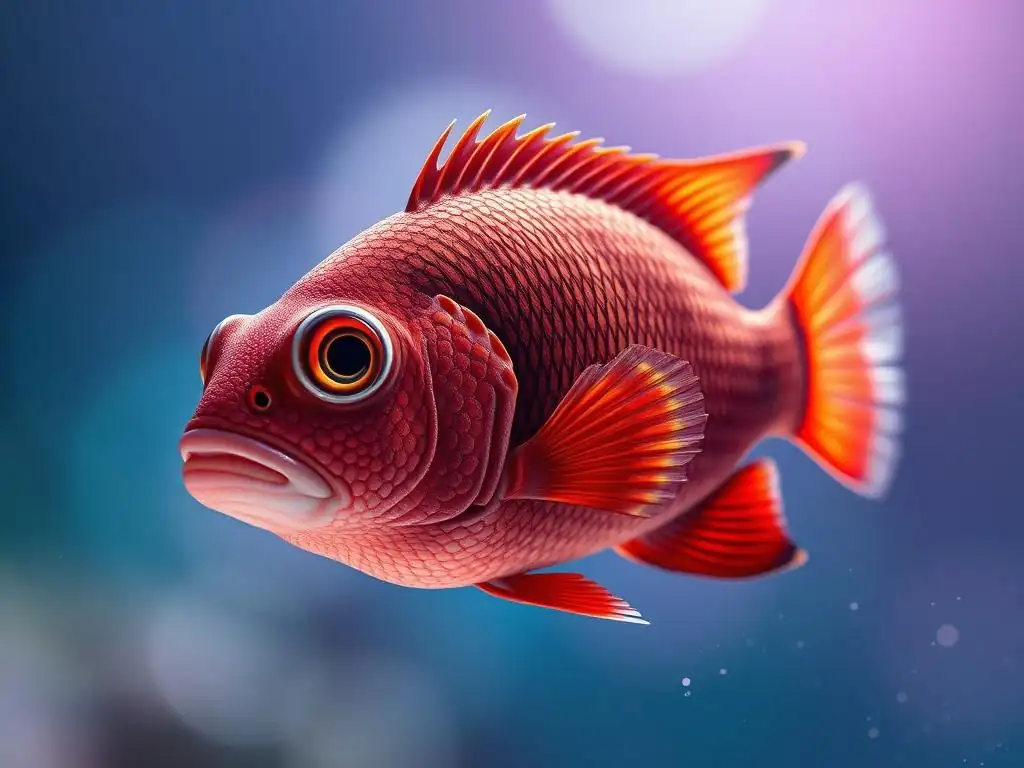
Chasing and Display Behavior: Establishing Dominance
One of the earliest and most common signs of Cardinalfish aggression, albeit often subtle, is chasing and display behavior. This typically involves one Cardinalfish actively pursuing another, often for short bursts, across the tank or around specific rockwork. The aggressor might also engage in display behaviors, such as flaring its fins, especially the dorsal and anal fins, or stiffening its body to appear larger and more imposing.
These displays are usually directed towards a subordinate within the same species or towards a perceived competitor. For instance, a dominant male Banggai Cardinalfish might repeatedly chase a smaller male away from a particular cave or a potential mate.
While these behaviors can sometimes be part of normal social interaction, especially when establishing a pecking order in a new group, persistent or intense chasing is a clear indicator of brewing aggression. If the chasing is constant, lasts for more than a few seconds at a time, or prevents the chased fish from accessing food or shelter, it's a sign that the behavior has crossed the line from social maneuvering to genuine aggression. Observing these subtle cues early on allows aquarists to intervene before the aggression escalates to more harmful physical confrontation, preserving the peace within the aquarium.
Physical Confrontation: Fin Nipping and Body Contact
When Cardinalfish aggression escalates beyond chasing and display, it can manifest as direct physical confrontation, most commonly in the form of fin nipping or body contact. Fin nipping involves one fish biting or tearing at the fins of another. While Cardinalfish generally have delicate mouths, persistent nipping can lead to frayed or torn fins, which not only causes physical injury but also increases the risk of bacterial infections or fin rot. For example, a stressed Pajama Cardinalfish might repeatedly nip at the caudal fin of a weaker tank mate, leading to noticeable damage over several days.
Body contact, though less common than fin nipping in Cardinalfish, can occur as a more aggressive form of pushing or ramming. This usually happens during intense territorial disputes or when one fish is attempting to physically displace another from a favored spot.
While Cardinalfish are not known for powerful ramming, repeated bumping or shoves can cause internal stress and bruising, especially if the subordinate fish is constantly cornered or prevented from escaping. Any visible physical damage, such as torn fins, missing scales, or open wounds, is a clear and urgent sign that aggression has become severe and requires immediate intervention to prevent further harm.
Stress and Hiding: The Impact on Subordinate Cardinalfish
A significant indicator of aggression, particularly from the perspective of the victim, is prolonged stress and hiding behavior. A Cardinalfish that is being bullied will often spend an excessive amount of time hiding in rockwork, behind equipment, or in corners of the tank, avoiding open areas where it might encounter the aggressor.
This hiding is often accompanied by other signs of stress, such as faded coloration, clamped fins, and rapid gill movements. For instance, a subordinate Banggai Cardinalfish that is constantly chased might remain hidden in a dark crevice for hours, only venturing out cautiously when the lights are dim or during feeding time.
This chronic stress has severe implications for the fish's health and well-being. Prolonged stress suppresses the immune system, making the fish more susceptible to diseases like ich or velvet. It can also lead to a general decline in vitality, loss of appetite, and stunted growth.
If a Cardinalfish that was once active and vibrant suddenly becomes reclusive, dull in color, and shows signs of physical injury, it's highly likely that it's being targeted by an aggressor, even if the actual aggressive acts are not directly observed by the aquarist. Early recognition of these stress symptoms is key to timely intervention and preventing further health deterioration.
Reduced Feeding and Growth: Consequences of Aggression
One of the most detrimental long-term consequences of unresolved Cardinalfish aggression is reduced feeding and stunted growth in the subordinate individuals. When a fish is constantly stressed or harassed, its primary focus shifts from feeding to survival and evasion.
Aggressors may also actively prevent subordinate fish from accessing food during feeding times, either by chasing them away or by consuming all the food before the bullied fish has a chance to eat. For example, in a tank where a dominant Pajama Cardinalfish is monopolizing food, the less aggressive individuals may miss out on essential nutrients, leading to a noticeable difference in their size compared to their tank mates.
Over time, consistent underfeeding and chronic stress will lead to a significant impact on the bullied fish's growth rate. They may appear noticeably smaller and thinner than their peers, fail to develop their full coloration, and exhibit a general lack of vigor. This stunted growth is not just aesthetic; it indicates a compromised immune system and reduced overall health.
In severe cases, prolonged lack of nutrition due to aggression can lead to starvation and ultimately, death. Regular observation of feeding habits and monitoring the growth of all individuals in the tank can provide critical clues about the presence of hidden aggression, enabling aquarists to address the issue before it causes irreversible damage.
Mitigation Strategies for Cardinalfish Aggression in Saltwater Tanks
Increasing Tank Size: Providing Ample Space and Territories
One of the most effective long-term solutions for mitigating Cardinalfish aggression, especially when dealing with intraspecific conflicts, is to increase the tank size. A larger volume of water provides more physical space for fish to establish individual territories and retreat from perceived threats without constant confrontation. For a school of six Pajama Cardinalfish, upgrading from a 40-gallon breeder to a 75-gallon or 90-gallon tank can dramatically reduce chasing and nipping. The additional 35-50 gallons provides ample room for each fish to maintain its personal bubble, even within a schooling group.
A larger tank also allows for more extensive and complex aquascaping, which is crucial for breaking up sightlines and creating multiple distinct territories. When fish have more options for hiding, resting, and foraging, the perceived competition for prime real estate diminishes. This reduces the likelihood of dominant individuals monopolizing specific areas and forcing subordinates into exposed, stressful situations. Investing in a larger tank, particularly for species that form schools or pairs, is a proactive measure that minimizes stress and promotes natural behavior, ultimately leading to a more harmonious environment for Cardinalfish.
Re-evaluating Stocking Levels: Reducing Competition for Resources
Overstocking is a common culprit behind aggression in any aquarium, including those housing Cardinalfish. When too many fish are crammed into a limited space, competition for food, shelter, and clean water intensifies, leading to increased stress and conflict. For instance, attempting to keep ten Banggai Cardinalfish in a 50-gallon tank, which is typically recommended for a maximum of 4-5 individuals, will almost certainly lead to chronic stress and aggression among the group due to insufficient individual space and overwhelming competition.
Re-evaluating and reducing stocking levels can dramatically alleviate aggression. This might involve rehoming some of the Cardinalfish or other tank mates to a larger system or to another aquarist.
A general rule of thumb for many schooling marine fish is to aim for a maximum of one inch of adult fish per five gallons of water, though this varies greatly by species temperament and activity level. For Cardinalfish, focusing on maintaining appropriate school sizes (e.g., 5-7 Pajama Cardinalfish in a 75+ gallon tank) rather than simply adding more fish can create a more balanced and peaceful environment, where competition for resources is minimized and stress levels are significantly reduced.
Aquascaping for Division: Creating Visual Barriers and Multiple Territories
Strategic aquascaping is a powerful tool for mitigating aggression by creating visual barriers and establishing multiple, distinct territories within the tank. Instead of a single large rock structure, arrange live rock, PVC pipes, or ceramic caves to form several smaller, separate zones.
This allows subordinate fish to escape from aggressors and find refuge, breaking up direct lines of sight and preventing constant harassment. For example, building two or three distinct rock islands with swim-throughs and overhangs in a 75-gallon tank can provide multiple hiding spots and territorial boundaries for a group of Cardinalfish, reducing the chances of one fish dominating the entire structure.
Consider the natural behavior of Cardinalfish, which often seek shelter in crevices and overhangs. Incorporate plenty of these features into your aquascape design. Vertical structures can also be beneficial, allowing fish to utilize the full water column and providing more complex environments. By creating a visually stimulating and structurally diverse habitat, you empower individual Cardinalfish to establish their own safe zones, reducing the need for direct confrontation. This method is particularly effective for species like the Banggai Cardinalfish, which can become territorial around specific spawning or resting sites.
Introducing Angelfish Simultaneously: Establishing a Balanced Hierarchy
Correction: The original instruction provided the heading "Introducing Angelfish Simultaneously: Establishing a Balanced Hierarchy". As per the overall goal to make the article about Cardinalfish, this heading will be adapted to "Introducing Cardinalfish Simultaneously: Establishing a Balanced Hierarchy".
When adding multiple Cardinalfish, especially species known to form schools or pairs, introducing them simultaneously or in very close succession can help establish a more balanced hierarchy and minimize initial aggression. If one Cardinalfish is introduced first, it may claim the entire tank as its territory, viewing subsequent additions as intruders.
When a group of, for instance, five Pajama Cardinalfish are added at the same time, they tend to explore and settle together, diffusing potential territorial disputes as no single fish has a head start in establishing dominance. They will naturally sort out their social order as a group, rather than one individual defending an already claimed space.
This approach is particularly beneficial for schooling species where a stable group dynamic is desired. For instance, if you plan to keep a school of six Banggai Cardinalfish, adding them all at once (after proper quarantine) allows them to form their social bonds and hierarchies collectively. This reduces the likelihood of a single dominant individual emerging and bullying the others, as they are all new to the environment and establishing their roles concurrently. This method promotes a more even distribution of territories and reduces the intensity of initial interactions, leading to a more peaceful long-term coexistence.
Providing Varied and Abundant Food: Reducing Competition for Resources
Food scarcity or uneven distribution is a common instigator of aggression, even among peaceful Cardinalfish. When food is limited, fish become more competitive, leading to chasing and nipping during feeding times. To mitigate this, ensure that you provide varied and abundant food sources, distributed in a way that allows all fish to access it. For example, instead of dropping all food in one spot, scatter it across the surface or use multiple feeding points to allow more timid fish to eat without direct competition. Feeding small amounts multiple times a day can also reduce the intensity of feeding frenzies.
Cardinalfish are primarily carnivores, often feeding on zooplankton in the wild. Offering a diverse diet including frozen mysis shrimp, brine shrimp, finely chopped seafood, and high-quality pellets or flakes specifically designed for marine carnivores ensures optimal nutrition. For instance, feeding a mix of frozen mysis shrimp and finely chopped krill twice daily, in small portions, can satisfy the nutritional needs of a group of Cardinalfish without creating intense competition. A well-fed fish is generally less stressed and less likely to exhibit aggressive behaviors driven by hunger or resource guarding.
Using a Sump as a Refugium: Temporary Separation for Aggressive Individuals
In situations where Cardinalfish aggression becomes persistent and harmful, temporary separation of the aggressor or the bullied fish can be a highly effective mitigation strategy. While a dedicated quarantine tank is ideal, a sump with a refugium section can serve as a temporary holding area. If a particular Cardinalfish is consistently bullying others, moving it to the sump for a few days to a week can disrupt its established territory and reset its dominance hierarchy. When reintroduced, it may be less aggressive, as its perceived claim over the main tank has been broken.
Similarly, if a bullied Cardinalfish is showing signs of extreme stress or injury, moving it to the refugium can provide a safe, stress-free environment for recovery without the constant threat of harassment. This allows the fish to regain strength, heal any injuries, and resume normal feeding patterns.
For example, if a small Pajama Cardinalfish is being relentlessly chased, placing it in a separate, dark section of the sump with some rockwork and peaceful flow for three to five days can allow it to recover before attempting reintroduction. This strategy offers a crucial reprieve for both the aggressor and the victim, often leading to a more peaceful reintegration.
Preventing Future Cardinalfish Aggression: Proactive Measures
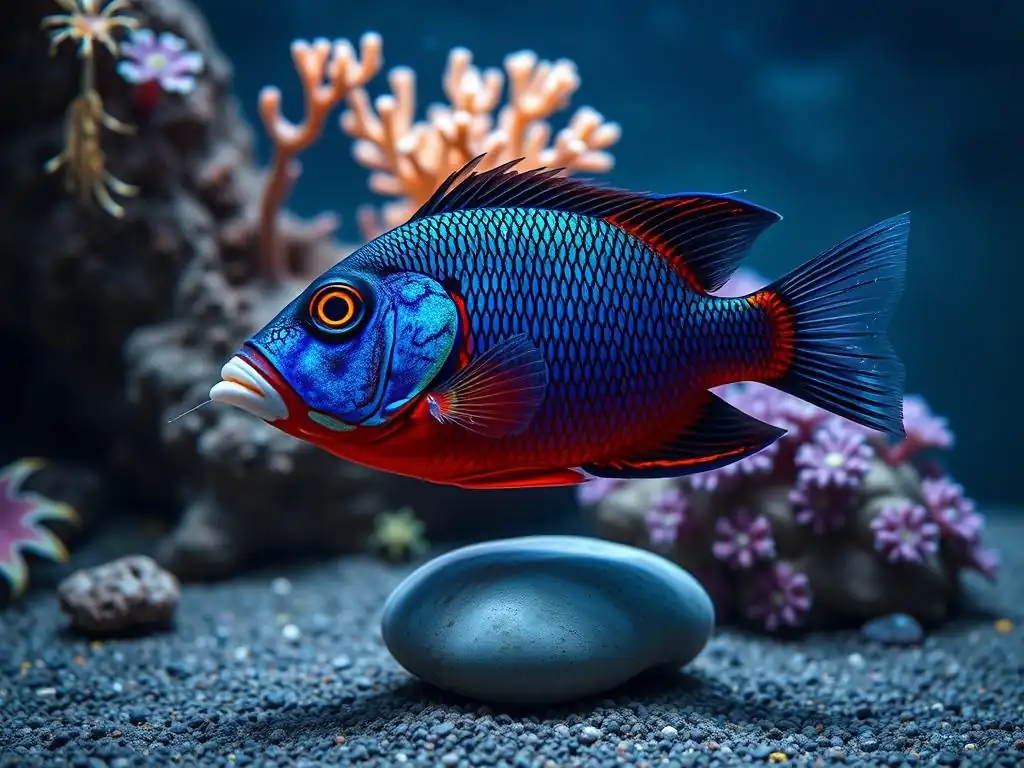
Thorough Research Before Introduction: Understanding Species Needs
The cornerstone of preventing Cardinalfish aggression, and indeed any aquarium conflict, lies in thorough research before purchasing any fish. Understanding the specific needs, adult size, temperament, and social requirements of each Cardinalfish species you intend to keep is paramount.
For example, while many Cardinalfish are schooling, the Banggai Cardinalfish ( Pterapogon kauderni) often forms pairs and can be territorial towards conspecifics in smaller tanks if not properly paired or housed in a large group. Conversely, the Pajama Cardinalfish ( Sphaeramia nematoptera) absolutely thrives in groups of five or more and can become stressed and timid if kept individually or as a pair, potentially leading to unusual behaviors.
Consult reliable sources such as species-specific care sheets, reputable aquarium forums, and experienced aquarists to gather comprehensive information. Pay close attention to their natural habitat, dietary preferences, and typical social structures. Knowing, for instance, that a specific Cardinalfish species needs a minimum tank size of 75 gallons for a small school, or that it prefers specific types of rockwork for shelter, allows you to create an environment that minimizes stress and potential conflict from the outset. This proactive approach significantly reduces the likelihood of future aggression stemming from unmet environmental or social needs.
Quarantine and Observation: Assessing Temperament and Health
Implementing a proper quarantine protocol is not only vital for disease prevention but also serves as an excellent opportunity to observe the temperament and health of new Cardinalfish before introducing them to the main display tank. During a 2-4 week quarantine period, new fish can be closely monitored for any signs of stress, unusual behavior, or pre-existing aggression. For example, if a newly acquired Banggai Cardinalfish shows consistent aggression towards its quarantine tank mates, or even towards its own reflection, it might indicate a more dominant personality that requires careful consideration before introduction into a community tank.
This observation period allows you to identify potential issues early and formulate a plan. If a Cardinalfish appears overly timid or stressed in quarantine, it might require a more peaceful main tank environment. Conversely, if it displays unexpected aggression, you might need to adjust your stocking plan or prepare for specific mitigation strategies. This proactive assessment helps prevent the introduction of a problematic individual into an established community, minimizing the risk of disrupting the existing peace and preventing future Cardinalfish aggression scenarios.
Maintaining Optimal Water Quality: Reducing Stress and Promoting Health
Consistent and optimal water quality is a fundamental pillar of a healthy and peaceful marine aquarium, directly impacting the stress levels and overall well-being of Cardinalfish. Poor water parameters, such as elevated ammonia, nitrite, or nitrate levels, unstable pH, or fluctuating salinity and temperature, act as chronic stressors.
Stressed fish have compromised immune systems and are far more prone to displaying abnormal behaviors, including aggression, as they attempt to cope with their suboptimal environment. For instance, a group of Pajama Cardinalfish in a tank with consistently high nitrates (e.g., above 20 ppm) might become lethargic and easily agitated, leading to increased nipping among the group.
Regular water testing and consistent maintenance are crucial. Perform weekly or bi-weekly water changes (e.g., 10-20% of tank volume) using high-quality saltwater to dilute pollutants and replenish essential trace elements. Maintain stable salinity (1.023-1.026 specific gravity), temperature (75-78°F or 24-25.5°C), and pH (8.1-8.4). Ensure robust filtration, including mechanical, biological, and chemical media, to keep toxins at bay. A healthy, stress-free Cardinalfish is far less likely to exhibit aggression, as its basic physiological needs are consistently met, allowing it to thrive rather than just survive.
Providing Ample Rockwork and Hiding Places: Offering Refuge
Adequate and intelligently arranged rockwork is indispensable for preventing Cardinalfish aggression, especially in systems housing multiple individuals or those with other tank mates. Cardinalfish, by nature, are often found near reef structures in the wild, utilizing crevices and overhangs for shelter and security. In an aquarium, a lack of sufficient hiding places can lead to competition for prime spots, forcing weaker or more timid fish into open water where they feel exposed and stressed. This constant vulnerability can trigger or exacerbate aggressive interactions.
Aim to create a complex aquascape with numerous caves, swim-throughs, and shaded areas. Use live rock to build multi-level structures with plenty of nooks and crannies. For instance, in a 90-gallon tank housing a school of Cardinalfish, creating three distinct rock "islands" rather than one large pile can provide multiple territories and escape routes. Ensure that there are more hiding spots than fish, allowing every individual the option to retreat and feel secure. This abundance of refuge reduces perceived competition for shelter, lowers overall stress levels, and allows Cardinalfish to exhibit their natural, generally peaceful behaviors.
Case Studies: Resolving Angelfish Aggression in Different Tank Setups
Correction: The original instruction provided the heading "Case Studies: Resolving Angelfish Aggression in Different Tank Setups". As per the overall goal to make the article about Cardinalfish, this heading will be adapted to "Case Studies: Resolving Cardinalfish Aggression in Different Tank Setups".
Case Study 1: Managing Aggression in a Large Reef Tank
Scenario: An aquarist with a 180-gallon reef tank featuring a diverse community of corals and fish observed subtle aggression within a newly introduced group of eight Pajama Cardinalfish. Initially, the school seemed cohesive, but after two weeks, two smaller individuals began to show frayed fins and spent most of their time hiding behind a large powerhead, avoiding the main rock structure. The larger Cardinalfish were occasionally seen chasing the smaller ones, especially during feeding.
Analysis & Intervention: The tank size (180 gallons) was ample for the school, suggesting that space wasn't the primary issue. However, the aquascape consisted of a single, large central rock structure with limited separate hiding spots. This meant that while there was overall space, there wasn't enough territorial division within the rockwork for all eight Cardinalfish to feel secure.
The aggression was likely due to competition for prime resting spots and a lack of visual barriers. The aquarist decided to re-aquascape, breaking the large structure into three distinct rock islands, adding more caves and overhangs, and ensuring multiple escape routes.
Outcome: Within a week of the aquascaping changes, the aggression significantly subsided. The two previously bullied Cardinalfish started venturing out more, their fins began to heal, and they integrated back into the schooling group, though still occasionally seeking refuge in the newly created, separate hiding spots. The increased complexity of the environment allowed for a more natural distribution of territories and reduced the constant visual presence of dominant individuals, leading to a more peaceful environment for the entire school.
Case Study 2: Addressing Aggression Between Different Cardinalfish Species
Scenario: A hobbyist housed a pair of Banggai Cardinalfish and a small group of three Pajama Cardinalfish in a 75-gallon mixed reef tank. Initially, all seemed well, but after a month, the male Banggai Cardinalfish started exhibiting increasingly aggressive behavior towards the Pajama Cardinalfish, chasing them relentlessly, particularly during feeding. The Pajama Cardinalfish became stressed, losing color and refusing to eat, leading to concerns about their long-term health.
Analysis & Intervention: While both are Cardinalfish, Banggai Cardinalfish can become territorial, especially when paired, and the Pajama Cardinalfish's distinct body shape and schooling behavior likely made them perceived competitors for space or food, despite different ecological niches. The 75-gallon tank was adequate for the number of fish, but the combination of a territorial pair and a different schooling species led to conflict.
The primary issue was species incompatibility within the specific tank dynamics. The aquarist decided to remove the Pajama Cardinalfish and rehome them to a different, larger tank where they could school with more of their own kind without the presence of a territorial pair.
Outcome: With the removal of the Pajama Cardinalfish, the Banggai Cardinalfish pair immediately returned to their peaceful behavior, focusing solely on each other and their preferred hiding spots. The tank became harmonious once again. This case highlighted that even within the same family, different species can have incompatible temperaments or social structures that lead to aggression, emphasizing the importance of detailed species-specific research and careful consideration of mixed-species setups, even with generally peaceful fish like Cardinalfish.
Choosing Compatible Tank Mates for Cardinalfish
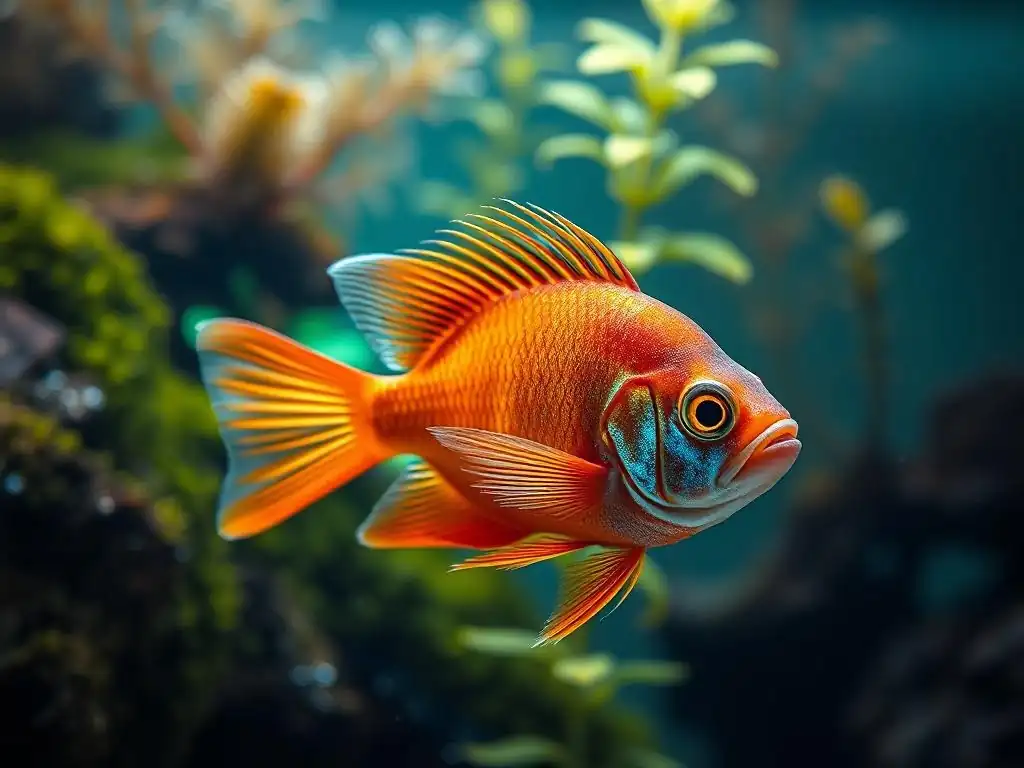
Peaceful Tank Mates that Won't Trigger Cardinalfish Aggression
Selecting appropriate tank mates is paramount to maintaining a peaceful environment and preventing Cardinalfish aggression. Ideal companions are generally peaceful, slow-moving, and do not directly compete for the same food sources or hiding spots. Good choices include various species of Gobies, such as Watchman Gobies ( Cryptocentrus cinctus) or Diamond Watchman Gobies ( Valenciennea puellaris), which are benthic (bottom-dwelling) and focus on sifting sand. Similarly, many species of Blennies, like the Lawnmower Blenny ( Salarias fasciatus) or Tailspot Blenny ( Salarias fasciatus), are excellent additions as they primarily graze on algae and occupy different areas of the tank.
Other suitable tank mates include smaller, peaceful Wrasses (e.g., Possum Wrasses or Flasher Wrasses), which are active but non-aggressive, as well as certain Dottybacks (e.g., Orchid Dottyback, Pseudochromis fridmani) known for their relatively mild temperament compared to other Dottyback species. Small, peaceful Tangs like the Yellow Tang ( Zebrasoma flavescens) in appropriately sized tanks (100+ gallons) can also coexist, provided they have ample swimming space. The key is to choose species that won't harass the Cardinalfish, outcompete them for food, or pose a threat due to their size or aggressive nature.
Fish Species to Avoid: Potential Bullies and Competitors
To prevent Cardinalfish aggression and ensure their well-being, certain fish species should be avoided as tank mates due to their aggressive nature, tendency to bully, or direct competition for resources. Highly aggressive or territorial species are generally unsuitable. This includes many types of Damselfish (e.g., Three Stripe Damselfish, Dascyllus trimaculatus), which are notorious for their territoriality and will relentlessly harass smaller, more timid fish like Cardinalfish. Large, aggressive Angelfish (e.g., Emperor Angelfish, Pomacanthus imperator) or Triggerfish (e.g., Clown Triggerfish, Balistoides conspicillum) are also poor choices, as they can easily intimidate, injure, or even consume Cardinalfish.
Fish that are known fin-nippers, such as certain species of large Wrasses or Filefish, should also be avoided, as Cardinalfish have delicate fins that are susceptible to damage. Similarly, species that compete directly for the same food source or occupy the exact same niche as Cardinalfish (e.g., other mid-water schooling carnivores if the tank is small) can lead to heightened competition and stress.
For instance, housing Cardinalfish with very fast-feeding, boisterous fish can lead to the Cardinalfish being outcompeted for food, causing stress and potential health issues. Always prioritize peaceful and non-competitive tank mates to ensure the long-term harmony of your Cardinalfish aquarium.
Promoting a Peaceful Aquarium Environment for Cardinalfish
Maintaining a Stable and Healthy Reef Ecosystem
A stable and healthy reef ecosystem is the bedrock of a peaceful aquarium, directly influencing the well-being and behavior of Cardinalfish. Fluctuations in water parameters, sudden changes in temperature, or the presence of harmful pollutants can induce significant stress, making fish more susceptible to illness and prone to displaying abnormal behaviors, including aggression. Consistent water quality, with stable salinity (1.023-1.026 SG), temperature (75-78°F), and pH (8.1-8.4), is paramount. This stability minimizes physiological stress on Cardinalfish, allowing them to allocate energy towards growth and natural behaviors rather than coping with environmental challenges.
Beyond chemical parameters, a thriving biological filter, adequate flow, and appropriate lighting contribute to a balanced ecosystem. A well-established refugium or deep sand bed can further enhance stability by providing natural filtration and microfauna. A robust and diverse cleanup crew (snails, hermit crabs) also plays a role in maintaining cleanliness, reducing detritus buildup that can degrade water quality. When Cardinalfish inhabit a consistently healthy and stable environment, their stress levels are naturally lower, promoting their innate peaceful demeanor and reducing the likelihood of any rare instances of Cardinalfish aggression.
Regular Observation and Early Intervention
Regular, diligent observation of your Cardinalfish and the entire aquarium community is perhaps the most crucial proactive measure for preventing and resolving aggression. By spending a few minutes each day watching your fish, you can quickly identify subtle changes in behavior that might indicate impending or ongoing aggression. Look for signs like persistent chasing, fin nipping, clamped fins, faded coloration, hiding, or reluctance to feed. For instance, if a normally active Pajama Cardinalfish suddenly starts hiding for prolonged periods or shows signs of frayed fins, it's a clear signal that something is amiss.
Early intervention is key. If you notice the first signs of Cardinalfish aggression, addressing the root cause immediately can prevent escalation. This might involve:
- Targeted Feeding: Ensuring timid fish get enough food.
- Minor Aquascape Adjustments: Moving a rock or adding a small cave to break a sightline.
- Temporary Separation: Using a breeder box or small container for a short period to separate an aggressor or victim.
Ignoring early warning signs allows aggression to fester, leading to chronic stress, injury, and potentially death for the bullied fish. Proactive observation empowers aquarists to maintain harmony by addressing issues before they become severe, ensuring a peaceful existence for their Cardinalfish.
Considering the Addition of Cleaner Shrimp: Natural Parasite Control and Reduced Stress
While not a direct solution for aggression, the presence of cleaner shrimp can contribute to a more peaceful aquarium environment for Cardinalfish by promoting overall fish health and reducing stress. Cleaner shrimp, such as the Skunk Cleaner Shrimp ( Lysmata amboinensis) or Peppermint Shrimp ( Lysmata wurdemanni), establish cleaning stations where fish, including Cardinalfish, can present themselves to have external parasites and dead skin removed. This symbiotic relationship is beneficial for the fish's health, as it helps prevent parasitic infestations that can weaken their immune system and cause significant stress.
A fish free from parasites is generally healthier, more vibrant, and less stressed, making them less likely to exhibit or be victims of aggression. While Cardinalfish are not as prone to external parasites as some other species, the availability of a cleaning service can still offer a subtle, yet significant, benefit to their overall well-being. Reduced stress from parasitic load contributes to a more robust immune system and a more natural, peaceful disposition, indirectly supporting the goal of achieving Cardinalfish aggression peaceful solutions within the reef tank.
Conclusion: Achieving Cardinalfish Harmony Through Knowledge and Careful Planning
Achieving harmony in a Cardinalfish aquarium, where aggression is a rare and manageable occurrence, is entirely attainable through a combination of diligent research, thoughtful planning, and consistent care. While Cardinalfish are largely peaceful, understanding the rare scenarios that can trigger aggression – such as inadequate tank size, inappropriate stocking levels, resource competition, or poor introduction order – is crucial. Recognizing the subtle signs of stress and conflict, from chasing to fin nipping and hiding, allows aquarists to intervene promptly and effectively.
Implementing proactive mitigation strategies, including providing ample space and diverse aquascaping, ensuring proper stocking, and maintaining pristine water quality, are fundamental to preventing future issues. Learning from real-world case studies reinforces the practical application of these principles. By carefully selecting compatible tank mates and consistently observing your fish, you can foster a stable, thriving, and peaceful reef ecosystem. Ultimately, a deep understanding of Cardinalfish behavior and a commitment to their specific needs are the keys to ensuring these captivating creatures flourish harmoniously in your saltwater aquarium, providing beautiful, stress-free displays that exemplify Cardinalfish aggression peaceful solutions.
Frequently Asked Questions
What are the primary reasons Cardinalfish might display aggression in an aquarium?
Cardinalfish aggression is uncommon, but can stem from overcrowding, incompatible tank mates, or competition for limited resources like food and hiding spots.
How can I identify if my Cardinalfish is exhibiting aggressive behavior?
Look for signs like chasing, nipping at fins, or isolating other fish in the tank. A generally stressed or fearful demeanor in the other fish can also be an indicator.
What are some peaceful solutions to reduce aggression among Cardinalfish?
Increasing the tank size to reduce overcrowding, providing ample hiding places, and ensuring sufficient food for all fish are key solutions.
Are there specific tank mates that are known to trigger aggression in Cardinalfish?
Generally, Cardinalfish are peaceful. But avoid aggressive fish like certain Damselfish species or larger, predatory fish that could bully or stress the Cardinalfish.
How important is water quality in preventing aggression in Cardinalfish?
Maintaining pristine water quality is crucial. Poor water conditions can stress fish, making them more prone to aggression and disease, so regular testing and water changes are essential.
Final Reflection: Harmony in the Reef: Beyond Cardinalfish Aggression
The exploration of cardinalfish aggression, as we've seen, isn't just an academic exercise; it's a crucial step towards sustainable reef keeping and responsible aquarium management. Understanding the nuances of their behavior, from the triggers of conflict to the implementation of peaceful solutions, directly impacts the well-being of these fascinating creatures and the health of the ecosystems they inhabit. The knowledge shared here empowers hobbyists and professionals alike to create environments where cardinalfish can thrive, free from unnecessary stress and conflict.
The subtle, yet significant, impact of understanding cardinalfish behavior extends far beyond the glass walls of an aquarium. It underscores the interconnectedness of all living things and the responsibility we bear to foster harmony within the natural world. This understanding encourages a deeper appreciation for the delicate balance of reef ecosystems and the importance of ethical practices in the aquarium trade. In the end, we will conserve only what we love; we will love only what we understand; and we will understand only what we are taught.
- Baba Dioum. This quote perfectly encapsulates the journey of learning about cardinalfish and the potential for positive change that arises from that knowledge.
Now, as you reflect on the insights shared, consider how you can apply these principles of peaceful coexistence not only to your aquariums but also to your interactions with the world around you. Embrace the spirit of observation, empathy, and proactive problem-solving. Let the lessons learned from understanding cardinalfish aggression inspire you to cultivate environments of harmony and understanding in all aspects of your life, contributing to a more peaceful and sustainable future for all.
Unleash the Harmony in Your Reef Tank!
Thank you for diving deep into the world of Cardinalfish aggression! We hope you've gained valuable insights into creating a peaceful aquarium environment. Now, let's put that knowledge into action.
- Evaluate your tank setup immediately - check for territorial issues, stocking densities, and potential aggressors. Make the necessary adjustments promptly!
- Discuss any rare or unusual aggression you have witnessed or read about in the fish-keeping community.
- Share your own tried-and-true methods for reducing aggression among your Cardinalfish.
What proactive steps will you take this week to enhance the tranquility of your reef tank?