
Are White Cloud Mountain Minnows Suitable for Ponds? An InDepth Look

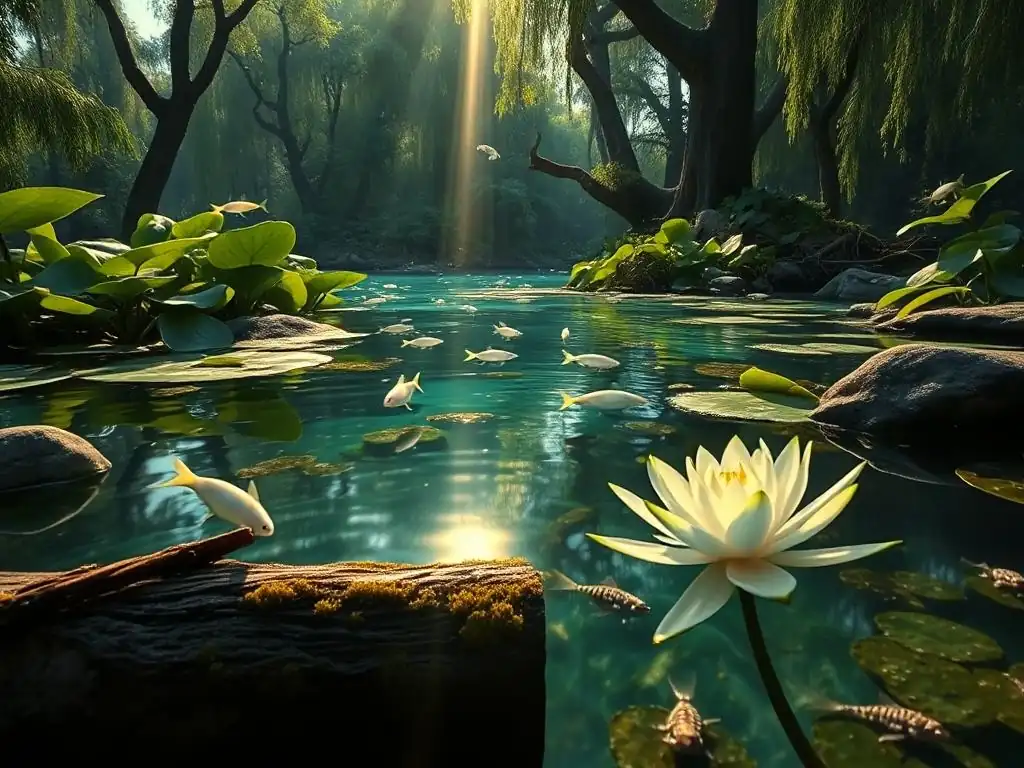
Welcome to Aquarium Mastery, your ultimate resource for all things aquatic! Ever wondered if those shimmering White Cloud Mountain Minnows you admire in aquariums could thrive in a pond environment? Dive into our in-depth exploration to uncover the secrets of White Cloud Minnows pond care and discover if these hardy fish are the perfect addition to your outdoor oasis. Get ready to unlock the potential of your pond!
- Introduction: White Cloud Minnows and Pond Environments
- Understanding White Cloud Mountain Minnows
- White Cloud Minnow Pond Care: Key Considerations
-
Advantages of Keeping White Cloud Minnows in a Pond
- Natural Diet and Foraging Behavior in a Pond Setting
- Enhanced Coloration and Breeding Potential in Ponds
- Natural Pest Control: Mosquito Larvae and White Cloud Minnows
- Predation Risks: Protecting White Clouds from Predators
- Overwintering White Cloud Minnows in Cold Climates
- Algae Blooms and Water Quality Issues in Ponds
- Setting Up a Pond for White Cloud Mountain Minnows
- Feeding White Cloud Minnows in a Pond Environment
- Maintaining a Healthy White Cloud Minnow Pond
- White Cloud Minnow Pond Mates: Compatible Species
- Breeding White Cloud Minnows in a Pond
- Common Problems and Solutions for White Cloud Minnows in Ponds
- Conclusion: Are White Cloud Mountain Minnows Right for Your Pond?
-
Frequently Asked Questions
- Are White Cloud Mountain Minnows truly suitable for outdoor ponds?
- What is the ideal pond size for keeping White Cloud Mountain Minnows?
- What are the key water parameters to monitor in a pond with White Cloud Mountain Minnows?
- What types of plants are beneficial for a White Cloud Mountain Minnow pond?
- How do I protect White Cloud Mountain Minnows in a pond during the winter?
- Final Reflection: Embracing Nature's Delicate Balance
- Dive Deeper: Unleash the Potential of Your Pond!
Introduction: White Cloud Minnows and Pond Environments
White Cloud Mountain Minnows ( Tanichthys albonubes ) are a beloved staple in the aquarium hobby, celebrated for their vibrant colors, peaceful demeanor, and remarkable hardiness. Originating from the White Cloud Mountain region of China, these small schooling fish are often considered an excellent choice for beginners due to their adaptability to a wide range of water conditions. Their robust nature naturally leads many aquarists to ponder their suitability for outdoor environments, specifically garden ponds.
This article delves into the specifics of White Cloud Mountain Minnows and their potential as pond inhabitants. We will explore the critical aspects of white cloud minnows pond care, including temperature tolerance, water quality, and environmental needs, to determine if these charming fish can thrive beyond the confines of an indoor aquarium. Understanding their requirements is key to a successful transition to a pond setting.
Understanding White Cloud Mountain Minnows
Natural Habitat and Ideal Conditions for White Clouds
White Cloud Mountain Minnows naturally inhabit the cool, clear mountain streams and pools of the White Cloud Mountain region in Guangdong province, China. These environments are characterized by their flow, high oxygen content, and relatively stable, cooler temperatures compared to many tropical fish habitats. The water in their native streams typically has a pH ranging from 6.0 to 8.0, with soft to moderately hard water.
Translating these natural conditions to an artificial setting, whether an aquarium or a pond, is crucial for their well-being. While White Clouds are famously adaptable, providing clean, well-oxygenated water that mimics their native cool stream environment will promote optimal health, vibrant coloration, and a longer lifespan. This understanding forms the foundation for effective white cloud minnows pond care.
White Cloud Minnow Size, Temperament, and Lifespan
White Cloud Mountain Minnows are relatively small fish, typically reaching a mature size of about 1.5 to 2 inches (approximately 3.5 to 5 cm) in length. They are renowned for their peaceful temperament, making them excellent community fish. As schooling fish, they thrive when kept in groups of at least six or more individuals, which reduces stress and encourages their natural behaviors. Observing a large school of White Clouds darting through the water is a truly captivating sight.
Under optimal conditions, White Cloud Minnows can live for 3 to 5 years, and sometimes even longer in a well-maintained pond environment that offers more space and natural foraging opportunities. Their active nature means they will explore all levels of the water column, though they are often seen near the surface or mid-water, actively seeking out food. Their small size and non-aggressive disposition are important factors in considering white cloud minnows pond care, especially when thinking about potential pond mates.
White Cloud Minnow Pond Care: Key Considerations
Water Temperature and White Cloud Minnows: Pond Suitability
White Cloud Mountain Minnows are often lauded as "coldwater" fish, distinguishing them from most tropical species. They thrive in a temperature range of 64-72°F (18-22°C), but possess a remarkable tolerance for cooler temperatures, capable of surviving dips down to approximately 50°F (10°C) for extended periods, and even lower for short durations if properly acclimated. This makes them significantly more suitable for outdoor ponds in temperate climates than most other commonly kept aquarium fish.
However, extreme cold can still be detrimental. Ponds in regions with harsh winters, where water temperatures consistently drop below 40°F (4°C) or freeze solid, pose a significant risk without specific overwintering strategies. Rapid or drastic temperature fluctuations, common in shallow ponds during sudden weather changes, can also stress the fish, highlighting a key challenge in white cloud minnows pond care.
Pond Size and Stocking Density for White Cloud Mountain Minnows
While White Cloud Minnows are small, their active schooling nature means they require adequate space, even in a pond. A general guideline for healthy white cloud minnows pond care suggests providing at least 10-20 gallons of water per fish when planning for a larger school. For a thriving group of 10-15 White Clouds, a pond of at least 150-200 gallons is a reasonable starting point, allowing ample swimming room and contributing to water stability.
Overstocking is a common pitfall that can quickly degrade water quality, stunt growth, and increase susceptibility to disease. It's crucial to consider the mature size of the fish and their need for schooling when determining stocking density. A spacious and appropriately stocked pond encourages natural behaviors, enhances their coloration, and ensures better overall health for your White Cloud Mountain Minnows.
Water Quality Parameters for White Clouds in Ponds
Maintaining stable and appropriate water quality parameters is paramount for any successful white cloud minnows pond care regimen. White Clouds are quite adaptable but thrive in a pH range of 6.0 to 8.0, with a slight preference for neutral to slightly alkaline water in a pond setting. Ammonia and nitrite levels must consistently remain at zero, as even small concentrations of these toxins can be lethal. Nitrate levels should ideally be kept below 20 ppm.
Beyond pH and nitrogen compounds, water hardness (GH) and alkalinity (KH) are also important. White Clouds tolerate a GH range of 5-20 dGH (80-300 ppm) and a KH of 3-10 dKH (50-180 ppm). Regular testing with a reliable liquid-based test kit is indispensable, as outdoor ponds are subject to environmental influences like rainfall and organic decomposition, which can significantly impact water chemistry.
Importance of Pond Filtration for White Cloud Minnows
Effective filtration is a non-negotiable component of good white cloud minnows pond care. A robust filtration system, ideally combining both mechanical and biological filtration, is essential for maintaining pristine water quality. Mechanical filtration physically removes suspended debris, uneaten food, and fish waste, preventing water cloudiness and sludge buildup.
Biological filtration, facilitated by beneficial bacteria colonizing filter media, is perhaps even more critical. These bacteria convert harmful ammonia and nitrites, byproducts of fish waste and decaying matter, into less toxic nitrates. For a typical white cloud minnows pond, a filter rated for at least 1.5 to 2 times the pond's actual volume is recommended to ensure sufficient water turnover and purification. The addition of a UV sterilizer can also be highly beneficial in controlling stubborn green water algae, ensuring clearer water and a healthier environment for your minnows.
Advantages of Keeping White Cloud Minnows in a Pond
Natural Diet and Foraging Behavior in a Pond Setting
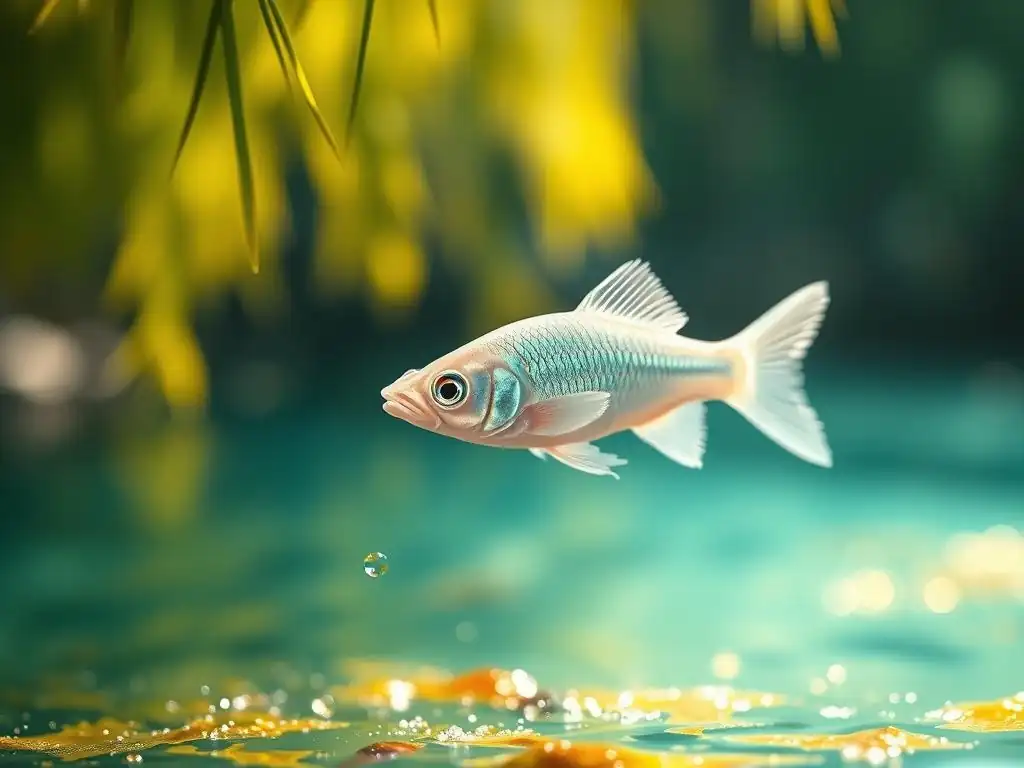
One of the significant advantages of keeping White Cloud Mountain Minnows in a pond is their access to a more natural and varied diet. In a pond environment, these fish will actively forage on a wide array of small insects, insect larvae (including mosquito larvae), various forms of algae, and detritus present in the water column and on surfaces. This diverse natural diet provides essential nutrients and micronutrients that might be less abundant in a purely commercial flake-fed aquarium.
This natural foraging behavior not only contributes to their nutritional intake but also promotes a more active and engaging fish. Research in aquaculture suggests that opportunities for natural feeding and environmental enrichment can significantly reduce stress and promote overall well-being in fish. For instance, a small school of White Clouds can efficiently consume a considerable number of mosquito larvae daily, contributing to natural pest control around the pond.
Enhanced Coloration and Breeding Potential in Ponds
Many aquarists observe that White Cloud Mountain Minnows kept in outdoor ponds often develop more vibrant and intense coloration compared to their indoor counterparts. This enhanced pigmentation is frequently attributed to several factors: exposure to natural sunlight, a more varied and nutrient-rich diet derived from natural foraging, and the larger, more stimulating environment of a pond. The reds in their fins and tails, in particular, can become significantly more pronounced and brilliant.
Furthermore, the spaciousness and natural conditions of a pond can substantially boost breeding success for White Clouds. With ample hiding spots among dense aquatic plants and a natural substrate, eggs and fry have a much higher chance of survival from predation. A well-established pond ecosystem naturally provides the necessary micro-organisms (infusoria) for newly hatched fry to feed on, leading to higher survival rates than are often achieved in indoor breeding tanks, making it an ideal environment for white cloud minnows pond care focused on propagation.
Natural Pest Control: Mosquito Larvae and White Cloud Minnows
Perhaps one of the most practical and environmentally beneficial advantages of keeping White Cloud Minnows in a pond, especially during warmer months, is their efficiency as a natural mosquito control agent. White Clouds are opportunistic omnivores with a particular fondness for small invertebrates, including the larvae of mosquitoes. They will actively hunt and consume mosquito larvae, significantly reducing the mosquito population around the pond area.
This biological pest control method is an excellent, chemical-free alternative to commercial larvicides, contributing to a healthier ecosystem and a more enjoyable outdoor living space. A reasonably sized school of 10-15 White Clouds can effectively keep a medium-sized pond (e.g., 200-300 gallons) largely free of mosquito larvae, providing a continuous and sustainable solution to a common nuisance, making it a valuable aspect of white cloud minnows pond care.
Predation Risks: Protecting White Clouds from Predators
Ponds, being open ecosystems, expose White Cloud Minnows to a variety of natural predators that are typically absent in indoor aquariums. Birds such as herons, kingfishers, and even larger songbirds can easily spot and prey upon small fish from above. Mammals like raccoons, cats, and even local opossums can also pose significant threats, especially during the night. Larger aquatic insects, amphibians (like bullfrogs), and even larger fish (if present) can also decimate a population of small minnows rapidly.
Effective white cloud minnows pond care must therefore include robust predator deterrence strategies. This can involve installing physical barriers like fine mesh netting over the pond, providing ample hiding spots with dense aquatic plants (e.g., water lilies, submerged grasses), or creating deep areas in the pond (at least 2-3 feet) where fish can retreat to safety. Without these measures, predation can quickly negate all efforts to establish a thriving White Cloud population.
Overwintering White Cloud Minnows in Cold Climates
While White Cloud Minnows are known for their cold tolerance, they are not truly ice-hardy in all climates. In regions where pond water consistently drops below 40°F (4°C) for extended periods or freezes solid, overwintering becomes a major challenge for white cloud minnows pond care. They require a sufficiently deep, unfrozen section of water to survive the winter months, where they can enter a state of reduced metabolism.
For successful overwintering, a pond should ideally be at least 2.5-3 feet (approximately 75-90 cm) deep at its lowest point to prevent the entire water column from freezing solid. Pond heaters or de-icers can create an open area for gas exchange, preventing dangerous gas buildup, but they do not necessarily heat the entire pond. In extremely cold climates (e.g., USDA Hardiness Zones 5 and below), it's often safer and more reliable to bring White Clouds indoors for the winter into a large, established aquarium.
Algae Blooms and Water Quality Issues in Ponds
Ponds are inherently susceptible to algae blooms, particularly green water algae, due to direct exposure to sunlight and the accumulation of nutrients from fish waste, uneaten food, and decaying organic matter. While a certain amount of algae is natural and beneficial, excessive blooms can deplete oxygen levels at night (due to respiration), stress fish, and severely obscure visibility, making proper white cloud minnows pond care more difficult.
Maintaining stable water quality in an outdoor pond requires constant vigilance. Fluctuations in pH, ammonia, and nitrite can occur more rapidly than in indoor aquariums due to environmental factors such as heavy rainfall (which can alter pH and introduce pollutants) or sudden temperature changes. Regular water testing and proactive measures, such as partial water changes, the addition of beneficial bacteria, and adequate filtration, are essential to mitigate these common water quality issues.
Setting Up a Pond for White Cloud Mountain Minnows
Choosing the Right Pond Liner and Substrate
For a successful white cloud minnows pond care setup, selecting the appropriate pond liner is a foundational decision for long-term durability and water retention. EPDM rubber liners, typically 45 mil thickness, are highly recommended due to their exceptional durability, flexibility, and resistance to UV degradation, often lasting for 20 years or more. Preformed plastic ponds offer a simpler, quicker installation for smaller setups but provide less design flexibility.
While not strictly necessary, a substrate can significantly contribute to a more natural pond environment and support beneficial bacterial colonies. A fine, smooth gravel or sand, or even a layer of natural pond soil mixed with clay, applied to a depth of 1-3 inches (2.5-7.5 cm) can provide rooting for aquatic plants and a surface for biofilm development. Always ensure any chosen substrate is inert and free of sharp edges or chemical treatments that could harm the fish.
Planting Aquatic Plants for Shelter and Oxygenation
Aquatic plants are an indispensable element for a healthy and thriving white cloud minnows pond care system. Submerged plants like Anacharis ( Egeria densa ) or Hornwort ( Ceratophyllum demersum ) are vital as they provide significant oxygenation during daylight hours, absorb excess nutrients (thereby competing with algae), and offer excellent hiding spots for White Clouds and their vulnerable fry from potential predators. Aim for 30-50% plant coverage to create a balanced ecosystem.
Floating plants, such as Water Hyacinth ( Eichhornia crassipes ) or Water Lettuce ( Pistia stratiotes ), offer natural shade, which helps reduce excessive algae growth by blocking sunlight, and provide additional cover for the fish. Marginal plants like Irises or Cattails, planted along the pond's edge, contribute to natural filtration and enhance the aesthetic appeal, creating a more stable and biologically diverse environment for your White Cloud Mountain Minnows.
Introducing White Cloud Minnows to the Pond: Acclimation Process
Proper acclimation is a critical step to minimize stress and prevent shock when introducing White Cloud Mountain Minnows to their new pond environment. Begin by floating the sealed bag containing the fish in the pond water for 20-30 minutes. This allows the water temperature in the bag to gradually equalize with the pond water, preventing a sudden temperature shock which can be fatal. This gradual temperature adjustment is a crucial aspect of responsible white cloud minnows pond care.
After temperature equalization, open the bag and begin slowly adding small amounts of pond water into the bag over another 30-60 minutes, roughly every 10-15 minutes, until the water in the bag is predominantly pond water. This gradual mixing helps the fish adjust to the pond's specific water chemistry (pH, hardness, etc.). Finally, gently net the fish and release them into the pond, discarding the bag water, as it may contain ammonia or other undesirable substances from transport.
Feeding White Cloud Minnows in a Pond Environment
Supplementing their Diet with High-Quality Fish Food
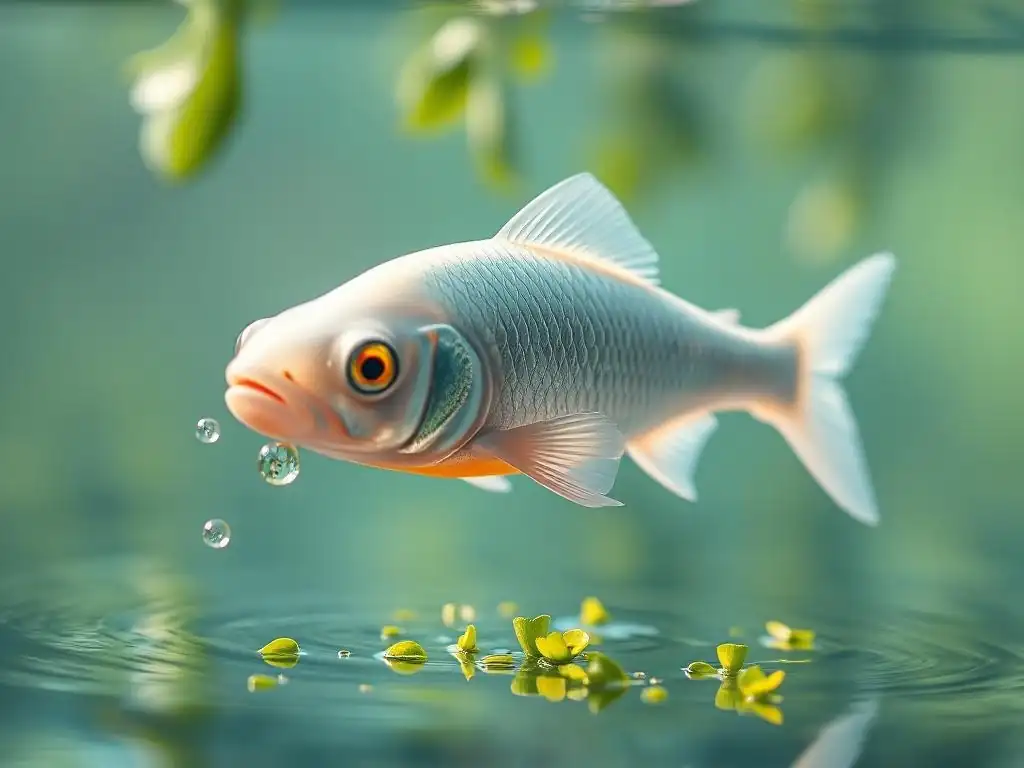
While White Cloud Mountain Minnows will naturally forage for food in a pond, supplementing their diet with high-quality commercial fish food is essential, especially in newly established ponds or those with limited natural food sources. Use a small, sinking or slowly sinking flake or micro-pellet food specifically formulated for small omnivorous fish. Feed once or twice daily, offering only an amount they can consume entirely within 2-3 minutes to prevent overfeeding.
Overfeeding is a common pitfall in white cloud minnows pond care and can rapidly lead to poor water quality, algae blooms, and potential health issues for your fish. It is always better to slightly underfeed than to overfeed. During colder months, when their metabolism slows down, significantly reduce feeding frequency and quantity, or cease feeding altogether if water temperatures consistently drop below 50°F (10°C), as their digestive systems become less efficient.
Natural Food Sources in the Pond: Algae and Invertebrates
A significant advantage of keeping White Cloud Minnows in a pond is their access to a diverse and nutritious range of natural food sources. They will readily graze on soft algae films that grow on pond surfaces, consume small detritus particles, and actively hunt for tiny aquatic invertebrates that naturally inhabit pond water. These natural food items include mosquito larvae, daphnia, cyclops, and various other micro-crustaceans.
This natural diet provides a broader spectrum of essential vitamins, minerals, and proteins than commercial dry foods alone, contributing to better coloration, stronger immune systems, and increased longevity. For instance, the carotenoids present in algae and small crustaceans can significantly enhance the vibrant red and yellow pigments in their fins and bodies, a highly sought-after benefit in white cloud minnows pond care.
Maintaining a Healthy White Cloud Minnow Pond
Regular Water Testing and Adjustments
Consistent monitoring of water parameters is absolutely fundamental to successful white cloud minnows pond care. Test the pond water weekly for ammonia, nitrite, nitrate, and pH, particularly during the initial cycling phase of a new pond and during periods of high feeding or significant temperature fluctuations. Ammonia and nitrite levels must always be undetectable, as they are highly toxic to fish. Nitrates should ideally be kept below 20 ppm.
Based on the results of your water tests, make necessary adjustments promptly. If nitrates begin to rise above acceptable levels, perform a partial water change (e.g., 20-30% of the pond volume) to dilute them. If pH fluctuates wildly, consider adding a buffering agent specifically designed for ponds to stabilize it. Proactive maintenance and maintaining stable parameters are far more effective than attempting to correct severe imbalances after they occur.
Pond Cleaning and Debris Removal
Regular physical cleaning is a crucial, ongoing task in effective white cloud minnows pond care. Use a fine-mesh net daily or every few days to remove fallen leaves, uneaten fish food, and any other floating debris from the pond surface. A pond vacuum can be employed periodically to remove sludge and detritus that accumulates on the bottom, preventing the buildup of anaerobic pockets and nutrient overload that can fuel algae growth and stress fish.
More thorough cleaning may be required during seasonal transitions. In spring, remove any accumulated winter debris. In autumn, it is highly advisable to place a fine net over the pond to prevent excessive leaf fall, which can decompose, drastically lower water quality, and deplete oxygen levels over the colder months. The goal is to keep the pond as free of decaying organic matter as possible to maintain a healthy environment.
Monitoring for Signs of Disease and Parasites
Diligent observation of your White Cloud Mountain Minnows is key to early detection of any health issues, allowing for prompt intervention. Regularly look for changes in their behavior, such as lethargy, clamped fins, erratic swimming, flashing (rubbing against objects), or gasping at the surface. Also, inspect for any physical signs of illness, including white spots (indicative of Ich), fuzzy growths (fungus), fin erosion (fin rot), or visible parasites.
If signs of disease are noted, it's advisable to isolate affected fish if possible and research appropriate pond-safe treatments. Many common fish diseases are exacerbated by poor water quality, so addressing any underlying water issues should always be the first step in white cloud minnows pond care when illness arises. Always use fish-safe medications and meticulously follow the dosage instructions provided by the manufacturer.
White Cloud Minnow Pond Mates: Compatible Species
Compatible Pond Fish: Goldfish, Rosy Red Minnows
When selecting pond mates for White Cloud Mountain Minnows, prioritize species with similar temperature tolerances, peaceful temperaments, and comparable sizes to avoid predation or aggressive competition for food. Small, single-tailed goldfish varieties like Comets or Shubunkins can be suitable companions, provided the pond is sufficiently large (e.g., several hundred gallons) and the goldfish are not so large as to pose a threat to the smaller White Clouds.
Rosy Red Minnows ( Pimephales promelas ) are another excellent choice for pond companionship. They share similar cold-hardiness and peaceful natures, and their slightly larger adult size (up to 3 inches) means they are generally safe from being preyed upon by White Clouds (though White Clouds rarely prey on other fish anyway). Other small, non-aggressive coldwater species that do not grow too large can also be considered, always ensuring that the white cloud minnows pond care requirements are met for all inhabitants.
Incompatible Pond Fish: Large Predatory Fish (Koi, Bass)
It is crucial to avoid introducing large or predatory fish into a pond inhabited by White Cloud Minnows. Koi, despite their widespread popularity in ponds, grow to a very large size (often exceeding 2 feet in length) and will easily consume small White Clouds. Similarly, game fish such as Bass, Crappie, Sunfish, or even larger species of catfish are natural predators and will quickly decimate a White Cloud population, rendering any white cloud minnows pond care efforts futile.
Even seemingly harmless larger fish can outcompete White Clouds for food, leading to starvation, or simply stress them out due to the significant size difference. It is best to stick to fish that are known to be peaceful and remain relatively small, or ensure the pond is specifically designed with separate zones or is large enough to comfortably accommodate vastly different size classes without conflict or predation.
Breeding White Cloud Minnows in a Pond
Creating Ideal Breeding Conditions in a Pond Setting
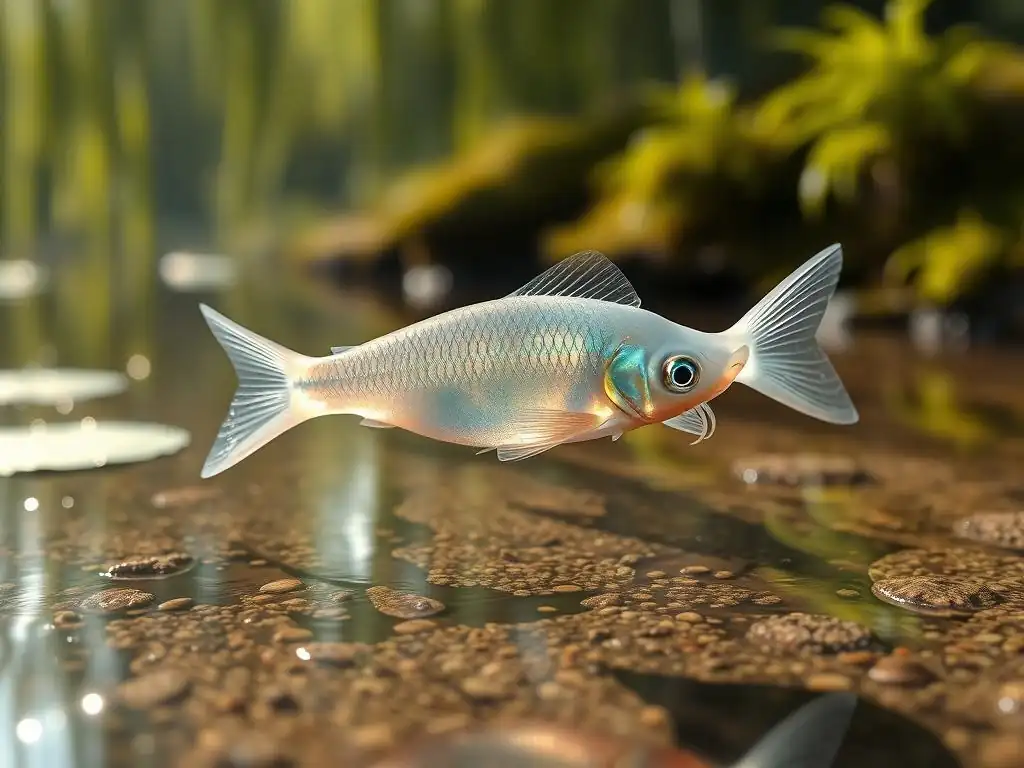
White Cloud Mountain Minnows are prolific egg layers and can readily breed in a well-maintained pond environment. They are "egg scatterers," meaning they will randomly deposit their tiny, adhesive eggs among fine-leaved plants, spawning mops, or even on the substrate. To encourage breeding, ensure excellent water quality, provide a varied and nutritious diet, and offer plenty of dense vegetation like Java Moss, Hornwort, or artificial spawning brushes.
A slight increase in water temperature within their ideal range (e.g., to 72°F or 22°C) combined with regular, small partial water changes can often stimulate spawning activity. The natural cues of sunlight, the abundance of live food, and a stable, mature ecosystem within the pond often provide the perfect conditions for White Clouds to breed successfully without much direct intervention, making white cloud minnows pond care for breeding relatively straightforward.
Identifying White Cloud Minnow Eggs and Fry
White Cloud Minnow eggs are exceptionally tiny, clear, and adhesive, making them quite difficult to spot with the naked eye, as they are typically laid discreetly among plants or on textured surfaces. Depending on the water temperature, the eggs will typically hatch within 24-48 hours. The newly hatched fry are even smaller, initially appearing as almost translucent slivers of glass, often clinging to plant leaves or hiding amongst the substrate.
Initially, the fry will feed on infusoria (microscopic organisms) and other micro-organisms that are naturally abundant in a mature pond environment. As they grow, they can be supplemented with newly hatched brine shrimp or finely crushed high-quality flake food. Their extremely small size and fragility in the early stages highlight the critical need for ample dense plant cover and hiding spots within the white cloud minnows pond care setup to ensure their survival from predation.
Protecting Fry from Predation and Ensuring Survival
The biggest challenge when breeding White Cloud Minnows in a pond is effectively protecting the delicate eggs and newly hatched fry from predation. Adult fish, including their own parents, as well as various aquatic insects and other pond inhabitants, will readily consume the eggs and fry. Dense, fine-leaved aquatic plants like Hornwort, Water Sprite, or even large clumps of Java Moss offer the best natural protection, providing countless intricate hiding spots where fry can escape their predators.
For aquarists aiming for higher fry survival rates, it is possible to carefully move spawning mops or heavily egg-laden plants to a separate, dedicated nursery tank or tub. However, in a well-planted and established pond, a surprising number of fry can survive to adulthood naturally, contributing to a self-sustaining population without intensive intervention. This natural propagation is a rewarding aspect of successful white cloud minnows pond care.
Common Problems and Solutions for White Cloud Minnows in Ponds
Treating Common Diseases: Ich, Fin Rot
White Cloud Mountain Minnows, like all fish, can contract diseases, with Ich ( Ichthyophthirius multifiliis ) and Fin Rot being among the most common ailments. Ich manifests as small, white spots resembling grains of salt on the fish's body and fins, while Fin Rot causes the fins to appear frayed, ragged, or disintegrate. Both diseases are often triggered by stress, poor water quality, or significant temperature fluctuations, underscoring the importance of proactive white cloud minnows pond care.
Treating diseases in a large pond environment can be challenging due to the sheer volume of water. For Ich, a gradual increase in water temperature (if safe for other pond inhabitants and within the White Cloud's comfortable range) combined with pond-safe Ich treatments can be effective. For Fin Rot, improving water quality through partial water changes and the application of pond-safe antibacterial treatments are recommended. Always remove activated carbon from filters before administering any medication to ensure its efficacy.
Addressing Algae Blooms and Water Clarity Issues
Algae blooms, particularly green water, are a frequent and often frustrating problem in outdoor ponds, significantly impacting water clarity and potentially depleting oxygen levels at night. Excessive direct sunlight exposure and nutrient overload (from overfeeding, excessive fish waste, or decaying organic matter) are the primary culprits behind these blooms. This is a recurring aspect of white cloud minnows pond care that demands consistent attention.
Solutions for algae control involve a multi-faceted approach. Reducing direct sunlight exposure with shade sails or by ensuring floating plants cover 50-70% of the pond surface is effective. Increasing filtration, particularly biological filtration, and introducing more submerged aquatic plants to outcompete algae for nutrients are also beneficial. UV clarifiers are highly effective against green water algae by causing the single-celled algae to clump together, allowing the pond filter to remove them from the water column.
Preventing Predator Attacks: Netting, Shelters
As previously discussed, predation poses a significant and constant threat to White Cloud Minnows in outdoor ponds. Aerial predators like herons can strike quickly and silently, while ground predators such as raccoons or cats may fish along the pond edges, often under the cover of darkness. Implementing effective preventative measures is an essential component of comprehensive white cloud minnows pond care.
Physical barriers, such as a fine mesh net stretched securely over the pond, are the most effective deterrents for aerial predators. For ground predators, ensuring the pond edges are steep or difficult to access can help. Crucially, creating deep hiding spots within the pond (at least 2.5-3 feet deep) and providing dense aquatic plant cover (e.g., large water lilies, thick submerged plant beds) offers vital refuge for the minnows, allowing them to escape and hide when predators are present.
Conclusion: Are White Cloud Mountain Minnows Right for Your Pond?
White Cloud Mountain Minnows offer a unique blend of hardiness, beauty, and practical benefits that make them a compelling choice for outdoor ponds in many regions. Their tolerance for cooler temperatures, natural foraging instincts, and ability to help control mosquito populations are significant advantages. However, successful white cloud minnows pond care hinges on understanding and mitigating the inherent challenges of an outdoor environment, primarily predation risks and the need for robust overwintering strategies in colder climates.
Ultimately, the suitability of White Cloud Mountain Minnows for your pond depends on your local climate, the specific design and depth of your pond, and your commitment to ongoing maintenance. With proper planning, adequate filtration, strategic planting, and diligent monitoring, these charming and resilient fish can truly thrive, bringing life and activity to your outdoor aquatic feature. Before introducing White Clouds, thoroughly assess your pond's conditions and your ability to provide the dedicated care they require to ensure a flourishing and sustainable White Cloud population.
Frequently Asked Questions
Are White Cloud Mountain Minnows truly suitable for outdoor ponds?
Yes, they are generally suitable. White Cloud Mountain Minnows are known for their cold-water tolerance, making them a good choice for ponds in many climates. However, ensure the pond doesn't freeze solid.
What is the ideal pond size for keeping White Cloud Mountain Minnows?
A pond of at least 50 gallons is recommended. This provides enough space for a school of minnows to thrive and maintain good water quality. Smaller ponds may experience rapid temperature fluctuations.
What are the key water parameters to monitor in a pond with White Cloud Mountain Minnows?
Regularly check pH, ammonia, nitrite, and nitrate levels. Maintain a stable pH and ensure zero ammonia and nitrite. Partial water changes will help control nitrate buildup.
What types of plants are beneficial for a White Cloud Mountain Minnow pond?
Plants like water lilies, hornwort, and anacharis are great additions. They provide oxygen, shelter, and natural food sources for the minnows, improving the pond's ecosystem.
How do I protect White Cloud Mountain Minnows in a pond during the winter?
Ensure a portion of the pond remains ice-free using a pond heater or aerator. This allows for gas exchange and prevents toxic gas build-up. Bring them indoors if winters are extremely harsh.
Final Reflection: Embracing Nature's Delicate Balance
The exploration of whether White Cloud Mountain Minnows are suitable for ponds highlights a crucial aspect of responsible pet ownership and ecological awareness. Understanding the needs of these delicate creatures and their potential impact on pond ecosystems is paramount in today's world, where the lines between domestic life and the natural world are increasingly blurred. By carefully considering factors like water temperature, pond size, and potential predators, we can ensure the well-being of these beautiful fish and the health of our backyard ecosystems.
This journey into the world of White Cloud Mountain Minnows and pond care has underscored the importance of informed decision-making. It reminds us that even seemingly small choices, like introducing a particular species to a pond, can have significant ripple effects. The greatness of a nation and its moral progress can be judged by the way its animals are treated.
- Mahatma Gandhi. This quote resonates deeply, reminding us that our responsibility extends beyond our own species to encompass all living beings, especially those under our care.
Now, as you consider adding these shimmering jewels to your pond, take a moment to reflect. Are you truly prepared to provide the environment they need to thrive? Can you commit to monitoring their health and the overall balance of your pond ecosystem? Let this article serve as a catalyst for thoughtful action, ensuring that your pursuit of beauty and tranquility in your backyard contributes to, rather than detracts from, the delicate harmony of nature.
Dive Deeper: Unleash the Potential of Your Pond!
Thank you for exploring the fascinating world of White Cloud Mountain Minnows with us. We hope you've discovered whether these dazzling fish are the right fit to bring life and vibrancy to your pond. Now, let's transform that knowledge into action!
Here are some exciting next steps you can take:
- Take the Plunge: If you're confident, begin preparing your pond environment by testing the water parameters and ensuring optimal conditions for White Clouds. This is your primary action!
- Explore creative aquascaping ideas to enhance your pond's aesthetics and provide natural shelter for your future finned friends. Think beyond the ordinary!
- Share this article with fellow pond enthusiasts or local aquarium communities. Spread the joy of White Clouds!
What unique aquascaping element will you introduce to make your White Cloud Mountain Minnow pond truly stand out?