
Cost Comparison: Budgeting for Cardinalfish Schools vs. Anthias Harems

Welcome to Aquarium Mastery!
Ever wondered if you could achieve that stunning saltwater schooling effect without breaking the bank? Dive in and let's explore the surprisingly affordable world of Cardinalfish! Uncover the truth about Cardinalfish schooling budget aquarium costs compared to the often-pricier Anthias harems. Are you ready to discover the secrets to a vibrant, budget-friendly reef tank? Let's get started!
- Cost Comparison: Banggai Cardinalfish School vs. Lyretail Anthias Harem
- Introduction: Banggai Cardinalfish vs. Lyretail Anthias – A Reef Aquarium Cost Analysis
- Understanding Banggai Cardinalfish Schooling Behavior and Aquarium Needs
- Lyretail Anthias Harems: Social Dynamics and Space Considerations
- Initial Aquarium Setup Costs: Banggai Cardinalfish vs. Lyretail Anthias
- Fish Acquisition Costs: A Detailed Breakdown
- Ongoing Maintenance Costs: Banggai Cardinalfish vs. Lyretail Anthias
- Long-Term Health and Potential Healthcare Expenses
- Banggai Cardinalfish Schooling Budget: Example Scenario and Cost Projection
- Lyretail Anthias Harem Budget: Example Scenario and Cost Projection
- Which is More Affordable? Banggai Cardinalfish Schooling vs. Lyretail Anthias Harems - A Summary
-
Frequently Asked Questions
- How much more expensive is it to keep a harem of Anthias compared to a school of Cardinalfish?
- What are the main cost drivers when setting up an aquarium for a school of Cardinalfish, focusing on budget options?
- Are there specific Cardinalfish species that are more affordable for a budget aquarium setup?
- How does the maintenance schedule impact the long-term costs of keeping Cardinalfish versus Anthias?
- What is the minimum tank size recommended for a healthy school of Cardinalfish, and how does this affect the overall aquarium budget?
- Final Reflection: The Enduring Value of Informed Choices in Aquascaping
- Ignite Your Reef Tank Dreams Now!
Cost Comparison: Banggai Cardinalfish School vs. Lyretail Anthias Harem
Introduction: Banggai Cardinalfish vs. Lyretail Anthias – A Reef Aquarium Cost Analysis
When planning a vibrant reef aquarium, choosing the right inhabitants is paramount, and schooling or harem-forming fish can add dynamic beauty. Among the most popular choices for saltwater enthusiasts are the Banggai Cardinalfish (Pterapogon kauderni) and the Lyretail Anthias (Pseudanthias squamipinnis). Both species offer captivating social behaviors and stunning aesthetics, but their specific needs and social structures lead to significant differences in initial setup and ongoing maintenance costs. This article will delve into a detailed cost comparison, helping you budget effectively for your ideal reef aquarium.
Understanding the financial implications of housing either a Banggai Cardinalfish school or a Lyretail Anthias harem is crucial for long-term success and enjoyment. Factors such as tank size, filtration, lighting, and the number of fish required to exhibit natural behaviors all contribute to the overall expenditure. Our aim is to provide a comprehensive breakdown of these expenses, from initial acquisition to daily care, ensuring you have a clear picture of the Cardinalfish schooling budget aquarium costs versus those associated with an Anthias harem.
Understanding Banggai Cardinalfish Schooling Behavior and Aquarium Needs
Banggai Cardinalfish: Specific Needs for Schooling in Reef Tanks
Banggai Cardinalfish are renowned for their striking appearance and unique schooling behavior, making them a centerpiece in many reef aquariums. Unlike some schooling fish that constantly swim in tight formations, Banggais often "hover" in groups, exhibiting a fascinating social hierarchy. Their specific needs include stable water parameters, ample hiding spots, and a calm environment, as they can be easily stressed by overly aggressive tank mates. They are also known for their mouth-brooding behavior, where the male carries the eggs, adding another layer of interest for dedicated aquarists.
To foster natural schooling behavior and minimize stress, these fish require a well-established tank with mature live rock and a stable biological filter. They thrive in temperatures between 76-82°F (24-28°C), salinity of 1.023-1.026 specific gravity, and a pH of 8.1-8.4. Providing plenty of shaded areas and vertical structures, such as branching corals or tall rock formations, mimics their natural habitat among sea urchins and anemones, encouraging them to group together and feel secure.
Tank Size Requirements for a Banggai Cardinalfish School
The appropriate tank size is a critical factor in determining the overall Cardinalfish schooling budget aquarium costs. While a single Banggai Cardinalfish can be housed in a 20-gallon (approx. 75-liter) tank, establishing a healthy school requires significantly more space. For a small school of 6-8 individuals, a minimum tank size of 50-75 gallons (approx. 190-285 liters) is generally recommended. This allows for adequate swimming space, multiple territories, and reduces potential aggression, especially during breeding attempts.
Larger tanks, such as 90-120 gallons (approx. 340-455 liters), are ideal for supporting a more robust school of 10-15 Banggais, promoting more natural interactions and minimizing stress. The increased volume also provides greater water stability, which is beneficial for these sensitive fish. While a smaller tank might seem to lower initial Cardinalfish schooling budget aquarium costs, it often leads to higher stress, increased aggression, and potential health issues for the fish, ultimately costing more in the long run through potential losses and treatment.
Banggai Cardinalfish Schooling: Minimum Number and Aggression Factors
For Banggai Cardinalfish to exhibit true schooling behavior and thrive, a minimum number of individuals is crucial. Keeping fewer than 4-6 can lead to increased stress, reclusive behavior, or even aggression among the few individuals present. A group of 6-8 fish is often considered a good starting point to observe their schooling dynamics without overcrowding. In larger tanks, groups of 10 or more can create a truly spectacular display.
Aggression among Banggai Cardinalfish is typically low, especially in larger schools where aggression is diffused among many individuals. However, territorial disputes can arise, particularly between males during breeding or if the tank is too small or lacks sufficient hiding places. Introducing all fish at once, if possible, or in closely timed batches, can help establish a stable pecking order. Monitoring their behavior closely and ensuring a well-aquascaped environment with visual breaks will help mitigate potential aggression and ensure the long-term success of your Cardinalfish schooling budget aquarium costs.
Lyretail Anthias: Specific Needs for Reef Aquariums
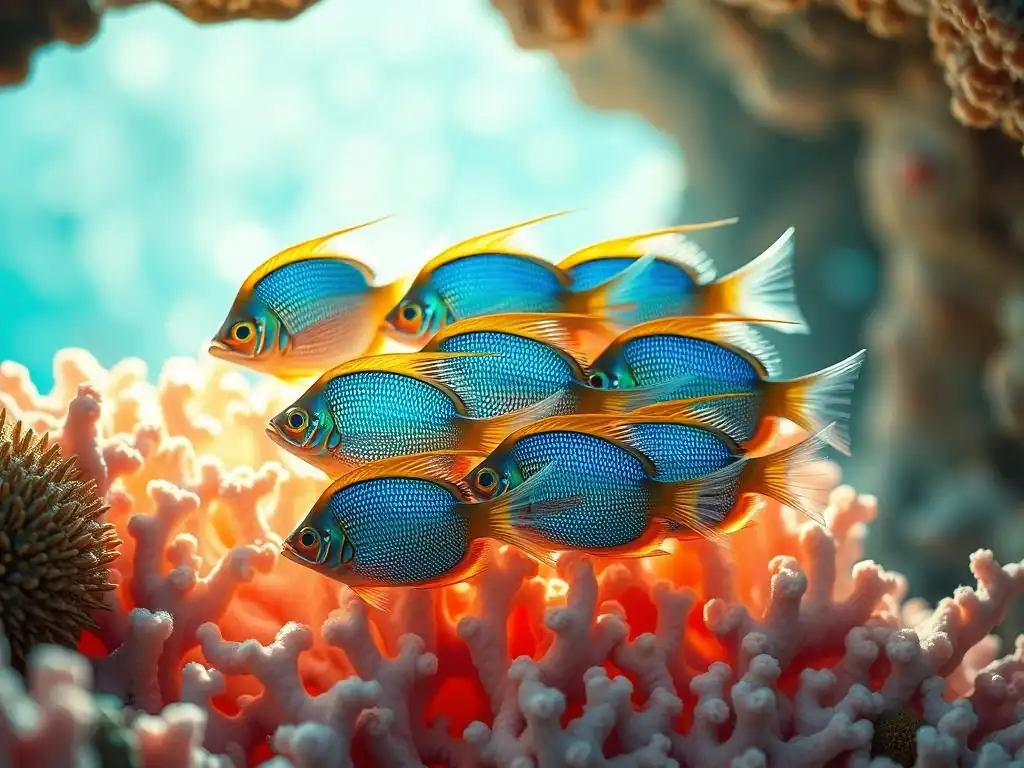
Lyretail Anthias (Pseudanthias squamipinnis) are dazzling, active fish that bring a burst of color and constant motion to any reef aquarium. They are pelagic spawners in the wild, constantly swimming in the water column and feeding on zooplankton. In captivity, they require pristine water quality, strong water flow, and frequent small feedings throughout the day to mimic their natural feeding habits. Their vibrant coloration and graceful movements make them highly sought after, but their specific care requirements necessitate a well-planned setup.
These fish are protogynous hermaphrodites, meaning all are born female and the dominant female in a group will transform into a male if one is not present. This social structure is vital to their well-being in an aquarium. They thrive in temperatures of 74-80°F (23-27°C), salinity of 1.024-1.026 specific gravity, and a pH of 8.1-8.4. Providing ample open swimming space, coupled with numerous live rock structures for retreat, is essential for a healthy and thriving Lyretail Anthias harem.
Defining a Harem: Male to Female Ratios in Lyretail Anthias Groups
The social structure of Lyretail Anthias is based on harems, typically consisting of one dominant male and multiple females. It is crucial to maintain this ratio in an aquarium setting to prevent stress and aggression. A common recommendation is to keep one male with at least 4-6 females. Introducing multiple males into a confined aquarium space will almost certainly lead to fatal aggression, as dominant males will fight to the death.
When purchasing Lyretail Anthias, it's often difficult to distinguish sex at juvenile stages, as they are all typically female. The male develops more elongated fins and a more vibrant, often purplish coloration as they mature. To establish a harem, it is best to introduce a group of juveniles, allowing them to naturally form their social hierarchy, with the largest or most dominant female transitioning into a male. This approach helps ensure a stable group dynamic and minimizes stress, which is a key consideration when calculating the overall aquarium costs.
Space and Hiding Places: Essential for Lyretail Anthias Harem Success
Lyretail Anthias are highly active swimmers and require significant open water space to thrive. For a small harem of 1 male and 4-5 females, a minimum tank size of 75-90 gallons (approx. 285-340 liters) is recommended. This allows them ample room to swim freely and establish their territories without constant conflict. Larger harems, or those housed with other active fish, would benefit from 120 gallons (approx. 455 liters) or more.
Despite their active nature, Lyretail Anthias also need plenty of hiding places within the live rock aquascape. These retreats provide security, especially for subordinate females, and allow them to escape if feeling threatened or during sleeping periods. A well-designed aquascape with caves, overhangs, and crevices will reduce stress and promote natural behaviors. Failing to provide adequate space and hiding spots can lead to constant stress, aggression, and ultimately, fish loss, impacting your long-term aquarium costs.
Initial Aquarium Setup Costs: Banggai Cardinalfish vs. Lyretail Anthias
Tank Size and Equipment: Comparing Initial Investment
The initial investment for a saltwater aquarium is substantial, and the choice between a Banggai Cardinalfish school or a Lyretail Anthias harem significantly influences the required tank size and accompanying equipment. For a Banggai Cardinalfish school (e.g., 6-8 individuals), a 50-75 gallon setup is a good starting point. A new 75-gallon reef-ready tank with stand might cost approximately $800-$1,200. This includes the bare tank and stand, but not the complex filtration or lighting.
In contrast, a Lyretail Anthias harem (e.g., 1 male, 4-5 females) demands a larger tank, typically 75-90 gallons minimum, due to their active nature and social structure. A 90-gallon reef-ready setup with stand could range from $1,000-$1,500. The larger volume not only provides more swimming space but also contributes to greater water stability, which is highly beneficial for Anthias. While the tank itself might not be disproportionately more expensive for Anthias, the subsequent equipment often scales with tank size, affecting the overall aquarium costs.
Filtration Needs for Banggai Cardinalfish Schooling vs. Lyretail Anthias Harems
Both Banggai Cardinalfish and Lyretail Anthias require robust filtration to maintain pristine water quality, but the intensity can differ. For a Banggai Cardinalfish school, a quality sump-based filtration system with a protein skimmer rated for at least 75-100 gallons is essential. This might include a sump at $150-$300, a protein skimmer at $200-$500, return pump at $100-$250, and various media. Total basic filtration setup for a 75-gallon Banggai tank could be around $450-$1,000.
Lyretail Anthias, being more active and requiring frequent feedings, produce more bioload and necessitate even more powerful and efficient filtration. For a 90-gallon Anthias harem tank, a protein skimmer rated for 100-150 gallons is advisable, potentially costing $300-$700. Additionally, stronger flow pumps might be needed to create the turbulent water movement Anthias prefer, adding another $150-$300 for powerheads. Thus, the filtration component of the aquarium costs for an Anthias harem often leans towards the higher end, potentially reaching $600-$1,200 or more for initial setup.
Lighting Requirements and Associated Costs
Lighting is a significant component of reef aquarium setup costs, especially if you plan to keep corals. For a Banggai Cardinalfish school, moderate lighting is generally sufficient, as they prefer somewhat shaded areas in the wild. If the tank is fish-only with live rock (FOWLR) or houses only low-light corals like zoanthids or mushrooms, a basic LED fixture for a 75-gallon tank might cost $200-$400. This provides adequate illumination for viewing and supports basic photosynthetic life.
Lyretail Anthias, while not directly dependent on intense light, are often housed in vibrant reef setups that feature a variety of corals. If the aim is a mixed reef, the lighting system will need to accommodate the coral inhabitants, not just the fish. For a 90-gallon tank with moderate to high-light corals, a quality LED fixture or a hybrid T5/LED system could range from $500-$1,200 or more. Therefore, while not strictly a fish-specific cost, the typical tank environment for Anthias often dictates a higher lighting investment, impacting overall aquarium costs.
Substrate and Aquascaping: Budgeting for Aesthetics and Functionality
Substrate and aquascaping materials are crucial for both aesthetics and providing a functional environment for your fish. For a 75-gallon Banggai Cardinalfish tank, approximately 75-100 lbs (34-45 kg) of live sand or aragonite substrate would be needed, costing around $75-$150. Live rock, essential for biological filtration and providing hiding places, might require 75-100 lbs as well, costing $400-$700 depending on type (dry rock vs. cured live rock). Banggais appreciate vertical structures and shaded caves.
For a 90-gallon Lyretail Anthias tank, similar amounts of substrate would be required, with comparable costs. However, the aquascaping for Anthias emphasizes open swimming areas combined with numerous complex rock structures for retreat. This might involve more intricate rock work or larger pieces to create varied habitats and strong flow channels. While the per-pound cost of rock remains similar, the design might necessitate a slightly larger volume or more specialized shapes, potentially increasing the aquascaping component of the aquarium costs to $500-$900.
Fish Acquisition Costs: A Detailed Breakdown
Banggai Cardinalfish Pricing: Availability and Variations
Banggai Cardinalfish are widely available in the aquarium trade, with prices varying based on size, source (wild-caught vs. tank-bred), and supplier. A single Banggai Cardinalfish typically costs between $15-$30. Tank-bred individuals are often slightly more expensive but are generally hardier and less prone to disease, making them a worthwhile investment. For a school of 6 individuals, the initial acquisition cost would range from $90-$180.
It's important to factor in the cost of shipping if purchasing online, which can add $40-$80 or more per order. While the individual price is modest, the need for a school means the cumulative fish acquisition cost contributes significantly to the overall Cardinalfish schooling budget aquarium costs. Opting for tank-bred Banggais, though a higher upfront cost, can reduce the risk of disease and loss, saving money on potential replacements or treatments in the long run.
Lyretail Anthias Pricing: Sex Ratio Impact
Lyretail Anthias are also commonly available, but their pricing can vary more significantly than Banggai Cardinalfish, especially when considering the desired sex ratio for a harem. A single Lyretail Anthias typically costs between $25-$50. Juvenile females are generally on the lower end of this range, while larger, more mature males or those specifically identified as such might be at the higher end.
For a harem of 1 male and 4-5 females, the total acquisition cost would range from $125-$300. If one opts to purchase a confirmed male, the price for that individual might be higher. Shipping costs, similar to Banggai Cardinalfish, must also be factored in. The cumulative cost for a harem can quickly add up, making the fish acquisition a notable component of the total aquarium costs for a Lyretail Anthias setup.
Quarantine Tank Setup: Essential for New Fish Acclimation (Banggai Cardinalfish & Lyretail Anthias)
Regardless of whether you choose Banggai Cardinalfish or Lyretail Anthias, a dedicated quarantine tank (QT) is an absolutely essential investment for the long-term health of your main display tank. A basic 10-gallon (approx. 38-liter) QT setup, including a small heater ($20-$40), sponge filter ($10-$20), small powerhead ($20-$30), and LED light ($20-$40), can cost approximately $70-$130. This setup is crucial for observing new fish, treating potential diseases, and preventing the introduction of pathogens into your established reef.
The cost of medications, if needed, should also be considered. For instance, a bottle of copper-based medication might cost $15-$30, and other treatments for common ailments like Ich or velvet can add similar amounts. While this adds to the immediate aquarium costs, skipping quarantine is a false economy that often leads to devastating disease outbreaks in the main tank, resulting in significant fish losses and far higher treatment expenses in the long run.
Ongoing Maintenance Costs: Banggai Cardinalfish vs. Lyretail Anthias
Feeding Requirements and Food Costs: Banggai Cardinalfish Schooling vs. Lyretail Anthias Harems
Feeding is a daily ongoing expense. Banggai Cardinalfish are relatively slow eaters and benefit from 1-2 feedings per day of varied, high-quality foods. Their diet should include small, meaty foods such as mysis shrimp, brine shrimp, and finely chopped seafood. A typical 8 oz (approx. 227g) pack of frozen mysis shrimp costs around $10-$15 and might last a school of 6 Banggais for 2-3 months. Dry foods like high-quality pellets or flakes can supplement this, costing $10-$20 per container, lasting several months. Estimated monthly food cost for a Banggai school: $5-$10.
Lyretail Anthias, in contrast, are highly active and have very fast metabolisms, requiring multiple small feedings throughout the day (3-5 times is ideal). They primarily feed on zooplankton in the wild, so their captive diet should consist of small, nutrient-rich frozen foods like enriched brine shrimp, copepods, and finely chopped mysis shrimp. A 16 oz (approx. 454g) pack of frozen foods might cost $15-$25 and could be consumed by a harem of 5-6 Anthias in just 1-2 months.
This higher frequency and volume of feeding significantly increases their monthly food bill. Estimated monthly food cost for an Anthias harem: $15-$30. This difference is a major contributor to the ongoing aquarium costs.
Water Chemistry Maintenance: Salt Mix, Testing Kits, and Supplements
Maintaining stable water chemistry is paramount for any saltwater aquarium. This involves regular water changes, which require salt mix. For a 75-gallon Banggai Cardinalfish tank, performing a 15-20% water change bi-weekly means mixing 11-15 gallons of saltwater. A 200-gallon bucket of quality salt mix costs $60-$80 and yields approximately 200 gallons of saltwater. This would last roughly 6-9 months, equating to $8-$13 per month for salt.
For a 90-gallon Lyretail Anthias tank, bi-weekly 15-20% water changes would require 13-18 gallons of saltwater. Using the same salt mix, this would translate to $10-$16 per month. Both setups also require regular testing kits for parameters like salinity, alkalinity, calcium, and magnesium. A basic set of API test kits might cost $40-$60 initially, with refills costing $15-$30 each periodically. If keeping corals, additional supplements like trace elements or two-part solutions could add $10-$30 monthly. The larger volume for Anthias slightly increases the water change related aquarium costs.
Saltwater Aquarium Maintenance Schedule: Impacts on Budget
The frequency and rigor of maintenance directly impact ongoing budget. Both Banggai Cardinalfish and Lyretail Anthias tanks require weekly tasks like checking salinity, temperature, and feeding, along with bi-weekly or monthly tasks like water changes, filter cleaning, and equipment inspection. For a Banggai Cardinalfish school, a routine 15% bi-weekly water change is often sufficient to maintain good water quality, especially if the tank is not heavily stocked with corals.
Lyretail Anthias, due to their higher feeding requirements and active metabolism, often necessitate more frequent attention to water quality. While bi-weekly water changes might suffice, some aquarists opt for weekly smaller changes (e.g., 10%) to keep nutrient levels consistently low, particularly in coral-heavy tanks. This slightly increased frequency translates to marginally higher consumption of salt mix and RO/DI water. Additionally, the need for multiple daily feedings for Anthias means a greater time commitment, which, while not a direct monetary cost, is an important consideration in the overall aquarium costs and personal budgeting.
Power Consumption: Lighting, Pumps, and Heaters
Electricity consumption is an often-overlooked but significant ongoing cost for any aquarium. The main power consumers are lighting, heating, and water pumps (return pump, protein skimmer pump, powerheads). For a 75-gallon Banggai Cardinalfish tank with moderate lighting and standard filtration, the total power draw might average 200-300 watts. At an average electricity cost of $0.15 per kWh, this translates to approximately $21.60-$32.40 per month.
A 90-gallon Lyretail Anthias tank, typically with more powerful lighting (if corals are present) and stronger water flow (multiple powerheads), could average 300-450 watts. This would result in a monthly electricity bill of approximately $32.40-$48.60. Heaters will cycle on and off based on ambient room temperature, but generally add a consistent baseline. The larger volume and higher equipment demands for an Anthias setup typically lead to higher power consumption, contributing to increased long-term aquarium costs.
Long-Term Health and Potential Healthcare Expenses
Common Banggai Cardinalfish Diseases and Treatment Costs
Banggai Cardinalfish are generally hardy once acclimated but can be susceptible to common saltwater diseases if stressed or introduced to an unhealthy environment. Common ailments include marine ich (Cryptocaryon irritans) and velvet (Amyloodinium ocellatum), often triggered by poor water quality or aggressive tank mates. Symptoms include white spots on the body or rapid breathing. Treatment typically involves moving the affected fish to a quarantine tank and administering copper-based medications or hyposalinity. A bottle of copper treatment costs around $15-$30, while specialized medications for bacterial infections can range from $20-$50.
Another concern for Banggais can be bacterial infections, especially if fin nipping occurs or water quality declines. These often manifest as fin rot or cloudy eyes. Antibiotics, whether administered through food or water, can cost $20-$40 per treatment cycle. Preventing these issues through proper quarantine, stable water parameters, and a stress-free environment is the most cost-effective approach. Ignoring early signs of disease can lead to widespread infection in the main tank, resulting in significant fish loss and much higher overall aquarium costs for treatments.
Common Lyretail Anthias Diseases and Treatment Costs
Lyretail Anthias are more prone to stress-related diseases, particularly if housed in inadequate space, improper harem ratios, or subjected to poor water quality. Marine ich and velvet are also common threats, especially given their active nature and potential for stress during shipping or acclimation. Treatment protocols are similar to Banggai Cardinalfish, involving quarantine and the use of copper or other parasiticides, with costs ranging from $15-$50 per medication.
Anthias are also susceptible to internal parasites due to their high metabolism and constant feeding. Symptoms might include emaciation despite regular eating, or stringy white feces. Treatment often involves medicated foods, which can be more expensive or require custom preparation, potentially costing $20-$60 for a course of treatment. Given their higher sensitivity to stress and specific needs, the potential for healthcare expenses for an Anthias harem can be slightly higher than for a Banggai Cardinalfish school, directly impacting the long-term aquarium costs.
Importance of Quarantine: Preventing Disease Spread
The importance of a dedicated quarantine tank cannot be overstated for either Banggai Cardinalfish or Lyretail Anthias. A quarantine period of 4-6 weeks for all new fish allows for observation, pre-emptive treatment for common parasites like Ich, and ensures the fish are eating well and healthy before introduction to the main display. This prevents the catastrophic spread of diseases from new arrivals to your established, healthy fish population.
While setting up and operating a quarantine tank adds an initial cost (estimated $70-$130 for basic setup) and requires additional time and effort, it is a small price to pay compared to the potential financial and emotional toll of a disease outbreak in your main tank. A severe outbreak can lead to the loss of all fish, corals, and invertebrates, requiring extensive and costly treatments, or even a complete tank breakdown and restart. Investing in proper quarantine significantly reduces long-term aquarium costs by protecting your entire aquatic ecosystem.
Banggai Cardinalfish Schooling Budget: Example Scenario and Cost Projection
Planning a 6-Banggai Cardinalfish School Aquarium
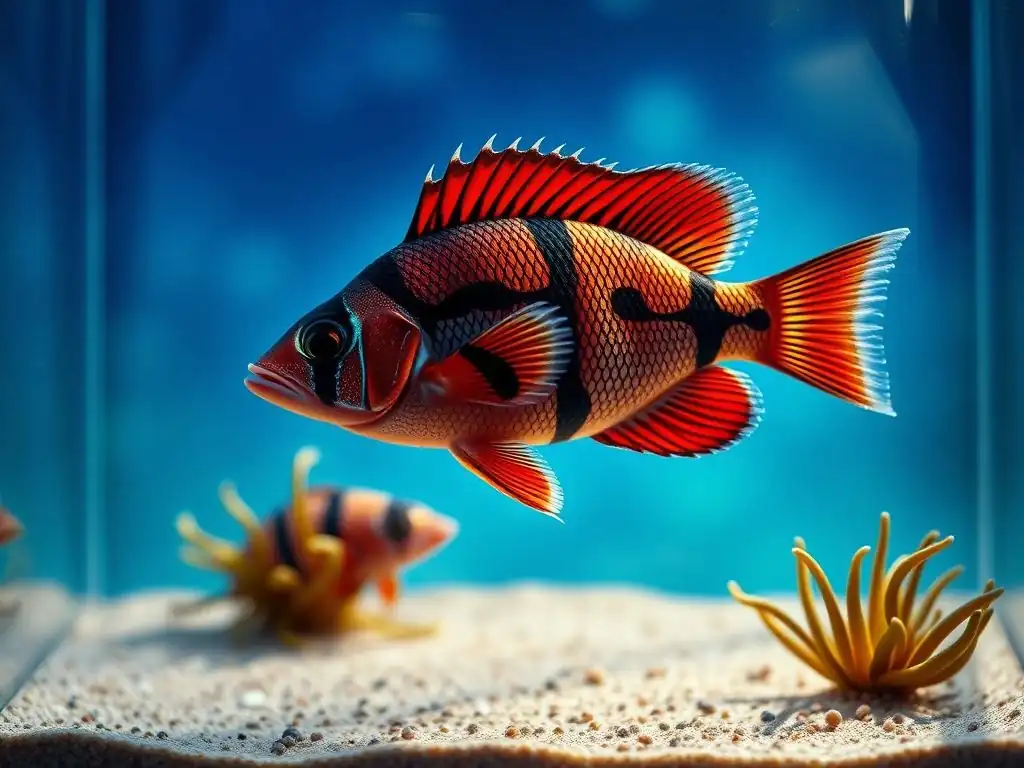
Let's project the costs for setting up and maintaining a 6-Banggai Cardinalfish school in a 75-gallon reef aquarium. This size provides ample space for their schooling behavior and allows for future additions of invertebrates or peaceful corals. The tank will be a reef-ready model, equipped with a sump, protein skimmer, and moderate LED lighting, suitable for a FOWLR (Fish Only With Live Rock) or low-light coral setup.
The aquascape will feature approximately 80 lbs of live rock, creating numerous hiding spots and vertical structures that mimic their natural habitat. We will also factor in the cost of 80 lbs of live sand for the substrate. This scenario focuses on providing an optimal environment for the Cardinalfish schooling budget, ensuring their health and well-being without unnecessary overspending on high-end equipment if corals are not the primary focus.
Estimated Initial Setup Cost for Banggai Cardinalfish School
Here is an estimated breakdown of the initial Cardinalfish schooling budget aquarium costs for a 75-gallon setup:
- 75-gallon Reef-Ready Tank & Stand: $950
- Sump (30-gallon): $200
- Protein Skimmer (rated for 100 gallons): $350
- Return Pump: $150
- Heater (300W): $50
- Powerhead (x1, for circulation): $70
- LED Lighting (moderate, for FOWLR/low-light coral): $300
- Live Rock (80 lbs @ $7/lb): $560
- Live Sand (80 lbs @ $1.50/lb): $120
- RO/DI Unit: $200
- Salt Mix (200-gallon bucket): $70
- Test Kits (basic): $50
- 6 Banggai Cardinalfish (@ $20/fish): $120
- Quarantine Tank Setup (10-gallon): $100
- Miscellaneous (net, buckets, thermometer, refractometer): $100
Estimated Total Initial Setup Cost: $3,690
Estimated Monthly Maintenance Cost for Banggai Cardinalfish School
Here is an estimated breakdown of the ongoing monthly Cardinalfish schooling budget aquarium costs:
- Electricity (approx. 250W average @ $0.15/kWh): $27.00
- Salt Mix (for bi-weekly 15% water changes): $10.00
- Frozen Food (mysis, brine shrimp): $8.00
- Dry Food (pellets/flakes): $3.00
- RO/DI Water Filter Replacement (prorated): $5.00
- Test Kit Reagents (prorated): $5.00
- Miscellaneous Supplies (cleaning tools, etc., prorated): $5.00
Estimated Total Monthly Maintenance Cost: $63.00
Lyretail Anthias Harem Budget: Example Scenario and Cost Projection
Planning a 5-Lyretail Anthias Harem Aquarium
This scenario outlines the costs for establishing a 5-Lyretail Anthias harem (1 male, 4 females) in a 90-gallon reef aquarium. This tank size provides ample swimming space for these active fish and allows for a more diverse coral population if desired. The setup will include a robust sump-based filtration system, a powerful protein skimmer, and a higher-end LED lighting system, designed for a mixed reef environment that would typically house Anthias.
The aquascape will incorporate approximately 100 lbs of live rock, creating a complex structure with open swimming channels and numerous retreats. We will also include 100 lbs of live sand as substrate. This comprehensive approach ensures that the Lyretail Anthias have the ideal environment to thrive, considering their high activity levels and social dynamics, which directly impacts the overall aquarium costs.
Estimated Initial Setup Cost for Lyretail Anthias Harem
Here is an estimated breakdown of the initial aquarium costs for a 90-gallon Lyretail Anthias harem setup:
- 90-gallon Reef-Ready Tank & Stand: $1,200
- Sump (40-gallon): $250
- Protein Skimmer (rated for 150 gallons): $450
- Return Pump (higher flow): $200
- Heater (300W): $50
- Powerheads (x2, for strong circulation): $200
- LED Lighting (high-end, for mixed reef): $800
- Live Rock (100 lbs @ $7/lb): $700
- Live Sand (100 lbs @ $1.50/lb): $150
- RO/DI Unit: $200
- Salt Mix (200-gallon bucket): $70
- Test Kits (advanced): $80
- 5 Lyretail Anthias (@ $35/fish average): $175
- Quarantine Tank Setup (10-gallon): $100
- Miscellaneous (net, buckets, thermometer, refractometer): $100
Estimated Total Initial Setup Cost: $4,925
Estimated Monthly Maintenance Cost for Lyretail Anthias Harem
Here is an estimated breakdown of the ongoing monthly aquarium costs for a Lyretail Anthias harem:
- Electricity (approx. 400W average @ $0.15/kWh): $43.20
- Salt Mix (for bi-weekly 15% water changes): $13.00
- Frozen Food (mysis, copepods, frequent feedings): $25.00
- Dry Food (high-quality pellets): $5.00
- RO/DI Water Filter Replacement (prorated): $6.00
- Test Kit Reagents & Supplements (prorated): $15.00
- Miscellaneous Supplies (cleaning tools, etc., prorated): $7.00
Estimated Total Monthly Maintenance Cost: $114.20
Which is More Affordable? Banggai Cardinalfish Schooling vs. Lyretail Anthias Harems - A Summary
Total Cost of Ownership: Long-Term Financial Implications
Comparing the estimated initial setup costs and monthly maintenance, the Cardinalfish schooling budget aquarium costs are noticeably lower than those for a Lyretail Anthias harem. The Banggai Cardinalfish setup in our example projects an initial cost of approximately $3,690, with ongoing monthly expenses around $63.00. This makes it a more accessible entry point for aquarists looking to house schooling fish in a reef environment.
Conversely, the Lyretail Anthias harem setup, designed for their specific needs, comes with a higher estimated initial investment of about $4,925, and monthly maintenance costs around $114.20. Over a five-year period, the total cost of ownership for the Banggai Cardinalfish tank would be roughly $3,690 + (60 months * $63) = $7,470. For the Lyretail Anthias tank, it would be $4,925 + (60 months * $114.20) = $11,777. These figures highlight the significant long-term financial difference between the two choices.
Factors that Influence the Overall Aquarium Costs
Several factors heavily influence the overall aquarium costs for either setup. Tank size is perhaps the most significant, as larger tanks require more powerful and expensive equipment (filtration, lighting, heating) and more materials for aquascaping and water changes. The type and quality of equipment chosen also play a crucial role; opting for higher-efficiency or more advanced systems will increase initial costs but might reduce long-term energy consumption or provide better performance.
The choice of livestock, specifically the number of fish and their individual prices, directly impacts the initial acquisition cost. Beyond that, the feeding requirements (frequency and type of food) and the need for specialized supplements or more frequent water changes for certain species contribute significantly to ongoing expenses. Finally, unforeseen healthcare costs due to disease outbreaks can drastically inflate the budget, underscoring the value of preventive measures like quarantine.
Making an Informed Decision: Budgeting for Your Reef Aquarium
Making an informed decision about whether to pursue a Banggai Cardinalfish school or a Lyretail Anthias harem ultimately comes down to your budget, experience level, and the specific aesthetic and activity level you desire for your reef aquarium. If minimizing initial and ongoing aquarium costs is a primary concern, a Banggai Cardinalfish schooling budget offers a more economical path without sacrificing visual appeal or fascinating behavior. They are also generally more forgiving for intermediate aquarists.
If you have a more flexible budget and are prepared for the higher demands of an active, frequently fed species, a Lyretail Anthias harem provides an unparalleled display of color and constant motion, often as part of a vibrant mixed reef. Thorough budgeting, including both initial setup and projected long-term maintenance, is essential for a successful and enjoyable reef keeping journey, ensuring you can provide the best possible environment for your chosen inhabitants.
Frequently Asked Questions
How much more expensive is it to keep a harem of Anthias compared to a school of Cardinalfish?
Anthias typically require a larger tank and more frequent feedings, leading to higher initial and ongoing costs. Cardinalfish, being smaller and less demanding, are generally a more budget-friendly option.
What are the main cost drivers when setting up an aquarium for a school of Cardinalfish, focusing on budget options?
The primary cost drivers are the tank itself, filtration system, lighting, and substrate. Opting for used equipment and basic lighting can significantly reduce costs.
Are there specific Cardinalfish species that are more affordable for a budget aquarium setup?
The Pajama Cardinalfish is often a readily available and relatively inexpensive option. Keep in mind that availability and local pricing will vary.
How does the maintenance schedule impact the long-term costs of keeping Cardinalfish versus Anthias?
Anthias need more frequent water changes and specialized food, increasing maintenance costs. Cardinalfish are generally more resilient and require less intensive care.
What is the minimum tank size recommended for a healthy school of Cardinalfish, and how does this affect the overall aquarium budget?
A 20-gallon tank is often considered the minimum for a small school of Cardinalfish. Smaller tanks are cheaper initially, but larger tanks promote better water stability and fish health, potentially saving money in the long run by reducing disease outbreaks.
Final Reflection: The Enduring Value of Informed Choices in Aquascaping
The detailed cost comparison presented throughout this article underscores the crucial role of informed decision-making in the captivating world of reef aquariums. Beyond the initial allure of vibrant colors and dynamic movement, responsible aquarists must carefully consider the long-term financial implications of their choices, ensuring both the health of their aquatic inhabitants and the sustainability of their passion.
This exploration into the budgeting differences between cardinalfish schools and anthias harems highlights the ongoing need for transparency and accessibility of information within the aquascaping community. Understanding the true costs, both direct and indirect, allows hobbyists to create thriving ecosystems without compromising their financial well-being or the welfare of the animals they cherish. The best aquarium is not necessarily the most expensive, but the one that is most thoughtfully planned and responsibly maintained.
As you embark on your own aquascaping journey, remember that the true beauty lies not just in the visual spectacle, but in the conscious choices you make. Let this cost comparison serve as a reminder to research thoroughly, plan meticulously, and prioritize the well-being of your aquatic companions. By embracing informed decision-making, you can cultivate a stunning and sustainable reef aquarium that brings joy for years to come.
Ignite Your Reef Tank Dreams Now!
Thanks for diving deep into the world of reef budgeting! Now that you're equipped with the knowledge of cardinalfish and anthias costs, it's time to take the plunge and create the reef of your dreams. Here's how to get started:
- Start small: Kickstart your Reef plan today.:
- Share your new reefing knowledge with others.
- Explore lesser-known reef fish and invertebrates to expand your reef horizons.
Ready to finalize your reef stocking list?