
Euphyllia Diseases & Pests: Identify, Treat & Prevent Common Issues

Welcome to Aquarium Mastery!
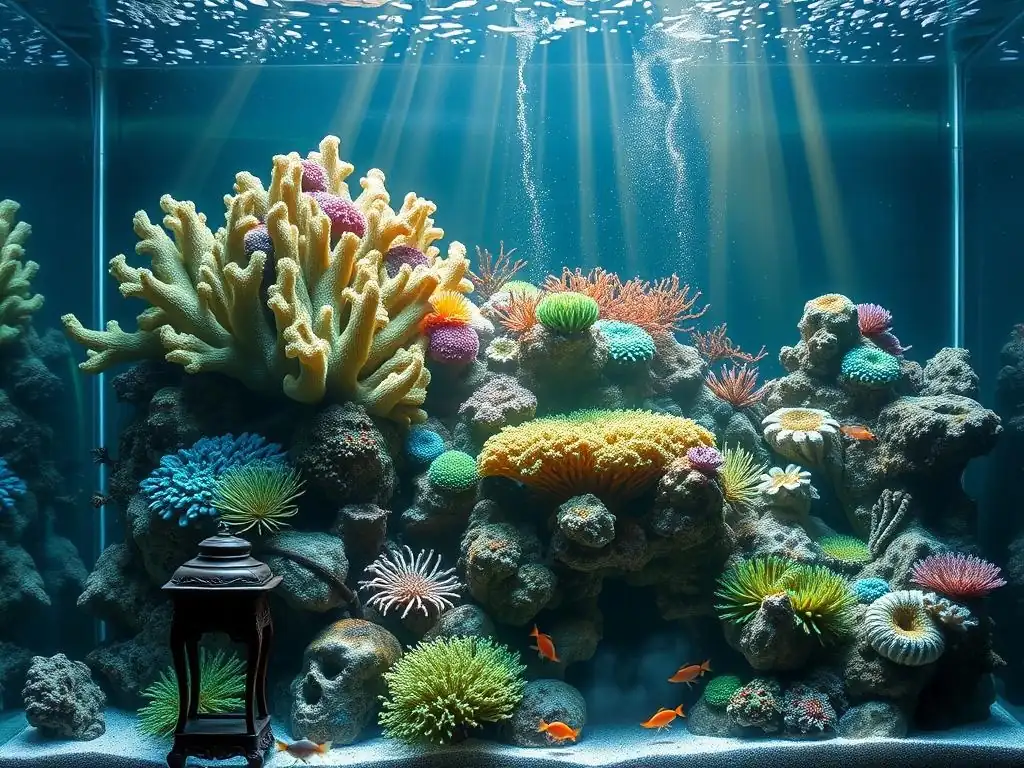
Ever wondered why your prized Euphyllia coral isn't looking its best? Uncover the secrets to vibrant, healthy coral in our comprehensive guide to Euphyllia coral disease treatment. Dive in to learn how to identify, treat, and even prevent common issues, and ensure your LPS coral thrives. Ready to unlock the secrets?
- Euphyllia Diseases & Pests: Identification, Treatment & Prevention
- Introduction to Euphyllia Coral Health
- Identifying Common Euphyllia Diseases
- Euphyllia Coral Disease Treatment Options
- Preventing Euphyllia Diseases and Pest Infestations
- Euphyllia Coral Disease Treatment: A Summary of Best Practices
-
Frequently Asked Questions
- What are the most common diseases that affect Euphyllia corals?
- How can I identify pests that might be harming my Euphyllia coral?
- What steps should I take if I suspect my Euphyllia coral has brown jelly disease?
- What water parameters are crucial for preventing Euphyllia coral diseases?
- What are some preventative measures I can take to keep my Euphyllia corals healthy and disease-free?
- Final Reflection: Protecting the Beauty of Euphyllia
- Ignite Your Coral Care Journey!
Euphyllia Diseases & Pests: Identification, Treatment & Prevention
Introduction to Euphyllia Coral Health
Understanding the Importance of Proactive Euphyllia Care
Euphyllia corals, prized for their mesmerizing sway and vibrant colors, are a significant investment for many aquarists, both in terms of cost and the dedication required for their care. Proactive care is not merely about maintaining a beautiful display; it's crucial for the long-term survival and thriving of these delicate organisms. Early detection of stress or disease, coupled with prompt intervention, can often mean the difference between recovery and irreversible loss. A vigilant approach to water quality, lighting, flow, and the introduction of new inhabitants forms the foundation of robust Euphyllia health.
Ignoring subtle signs of distress can quickly escalate minor issues into severe health crises, making effective Euphyllia coral disease treatment more challenging. For instance, a slight recession of tissue, if left unaddressed, can rapidly progress to Brown Jelly Disease (BJD) or tissue necrosis. Establishing a routine of daily observation and maintaining stable parameters within narrow ranges—such as alkalinity between 8-10 dKH, calcium at 400-450 ppm, and magnesium at 1300-1400 ppm—significantly reduces the susceptibility of Euphyllia to various ailments. This preventative mindset is paramount for fostering a resilient coral population.
Common Euphyllia Health Problems: An Overview
Euphyllia corals, like all living organisms, are susceptible to a range of health issues stemming from environmental stressors, bacterial infections, and parasitic infestations. These problems can manifest in various ways, from subtle changes in coloration and polyp extension to rapid tissue loss and complete colony demise. Understanding the primary categories of these ailments is the first step in effective diagnosis and subsequent Euphyllia coral disease treatment.
Broadly, Euphyllia health problems can be categorized into infectious diseases (such as bacterial infections like Brown Jelly Disease and tissue necrosis), environmental stress responses (including bleaching due to inappropriate lighting or water parameters, and algae overgrowth), and pest infestations (like flatworms and nudibranchs). Each category requires a distinct approach to identification and intervention, emphasizing the need for aquarists to be well-versed in recognizing the specific signs associated with each type of affliction to ensure timely and appropriate care.
Identifying Common Euphyllia Diseases
Brown Jelly Disease in Euphyllia: Symptoms and Diagnosis
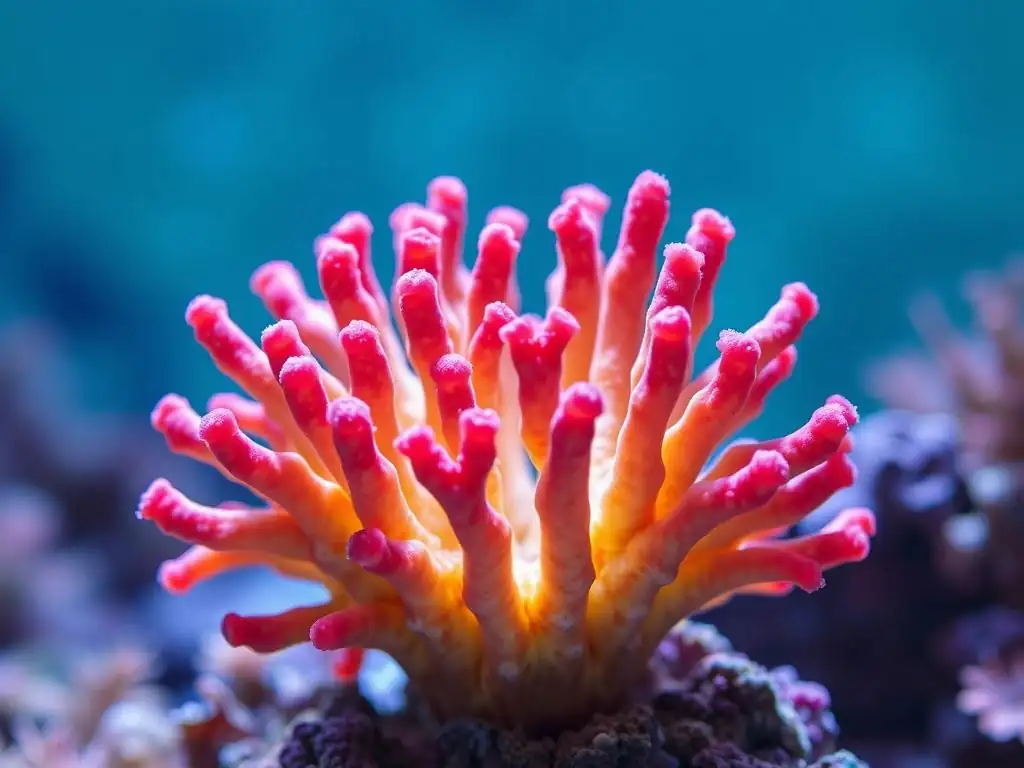
Brown Jelly Disease (BJD) is one of the most feared and rapidly destructive diseases affecting Euphyllia corals. It is a highly contagious bacterial infection that manifests as a slimy, brown, gelatinous mass rapidly consuming coral tissue. This "jelly" is a collection of necrotic coral tissue, protozoa, and bacteria, often accompanied by a foul odor, indicating severe tissue degradation. The disease typically starts as a small lesion and can engulf an entire colony within 24 to 48 hours if left untreated.
Diagnosis of BJD is primarily visual, observing the characteristic brown, slimy patches on the coral's polyps or skeleton. Affected areas will show complete tissue loss, exposing the white skeleton underneath. The disease often appears after a stress event, such as a significant water parameter swing, physical damage, or the introduction of a new, infected coral. Immediate isolation of the affected coral is critical to prevent the spread of this aggressive pathogen to other corals in the display tank, making prompt Euphyllia coral disease treatment essential.
Euphyllia Tissue Necrosis (ETN) & Rapid Tissue Necrosis (RTN): Recognizing the Signs
Euphyllia Tissue Necrosis (ETN) and Rapid Tissue Necrosis (RTN) are severe conditions characterized by the rapid loss of coral tissue, often leaving behind bare skeleton. While both involve tissue death, RTN is incredibly fast, often stripping an entire colony down to its skeleton overnight. ETN, on the other hand, is a slower, more progressive form of tissue loss, typically starting from the base of the coral or an injured area and gradually moving upwards. In both cases, the affected tissue appears to recede or slough off, revealing the underlying white skeleton.
Recognizing the signs of ETN and RTN early is crucial for any chance of successful Euphyllia coral disease treatment. For ETN, aquarists may notice a gradual shrinking of polyps, particularly near the base, or a dulling of color in the affected areas before tissue recession becomes apparent. With RTN, the sudden, dramatic loss of tissue across large sections of the coral or the entire colony is unmistakable. These conditions are often triggered by significant environmental stress, such as drastic shifts in temperature (e.g., a sudden 3-4°C increase or decrease), prolonged exposure to poor water quality, or severe light shock.
Algae Growth on Euphyllia: Identification and Impact
Algae growth on Euphyllia corals, while often a symptom of underlying water quality issues rather than a disease itself, can severely impede coral health and lead to tissue recession or even death. Common types of algae found on corals include film algae, hair algae, and turf algae, appearing as green, brown, or black fuzzy or slimy coatings. This overgrowth typically occurs when nutrient levels—specifically nitrates and phosphates—are elevated in the aquarium, providing a food source for the algae to proliferate.
The impact of algae on Euphyllia is multifaceted. Firstly, it smothers the coral tissue, blocking light essential for the symbiotic zooxanthellae that live within the coral and provide it with energy. This light deprivation can lead to coral starvation and bleaching. Secondly, algae can irritate the coral tissue, causing it to recede as a defensive mechanism, and in severe cases, the algae can physically outcompete and overwhelm the coral. Addressing the root cause of high nutrients through improved filtration, reduced feeding, and regular water changes is a critical component of Euphyllia coral disease treatment plans when algae is present.
Bleaching in Euphyllia Corals: Causes and Indicators
Bleaching in Euphyllia corals is a stark indicator of severe stress, manifesting as a loss of color, where the coral turns pale white or translucent. This phenomenon occurs when the coral expels its symbiotic zooxanthellae, the microscopic algae living within its tissues that provide most of its color and up to 90% of its energy through photosynthesis. While not a disease in itself, bleaching leaves the coral highly vulnerable to disease and starvation.
The primary causes of Euphyllia bleaching are environmental stressors, with temperature fluctuations being a leading culprit. A sudden increase or decrease in water temperature by as little as 2-3°C outside the ideal range of 24-26°C can trigger bleaching. Other significant factors include excessive or insufficient lighting (PAR levels outside the optimal 50-150 PAR for LPS corals), drastic changes in salinity, elevated nutrient levels, and exposure to certain toxins. Recognizing the early signs of paling and addressing the underlying stressor immediately is paramount for any successful Euphyllia coral disease treatment, as prolonged bleaching significantly reduces the coral's chances of recovery.
Identifying Pests Affecting Euphyllia
Flatworms on Euphyllia: Recognizing and Addressing the Issue
Flatworms, particularly the reddish-brown Convolutriloba retrogemma species, are common pests that can infest Euphyllia corals and other parts of the reef aquarium. These small, oval-shaped worms typically range from 1-3 mm in size and often congregate on coral tissue, live rock, and sandbeds. While they don't directly consume coral tissue in the same way nudibranchs do, their presence can be highly detrimental. They irritate the coral, causing it to retract polyps, and in large numbers, they can smother the coral by blocking light and airflow, leading to tissue recession and increased susceptibility to bacterial infections.
Recognizing a flatworm infestation on Euphyllia involves close observation. Look for small, disc-shaped worms moving sluggishly across the coral's surface, especially when the polyps are retracted. They are often more visible when lights are off or dim. A tell-tale sign of a severe infestation is a "dusting" of brown particles that are actually flatworm eggs or waste, particularly noticeable on the sandbed. Addressing flatworm issues is a critical aspect of Euphyllia coral disease treatment, often requiring chemical treatments combined with manual removal and siphoning.
Nudibranchs and Their Impact on Euphyllia Health
Nudibranchs are a diverse group of marine gastropods, and while many are harmless, certain species are obligate coral predators that can cause significant damage to Euphyllia corals. These specialized feeders often exhibit excellent camouflage, blending seamlessly with their host coral, making them incredibly difficult to spot. They feed directly on coral tissue, leaving behind tell-tale bite marks or areas of stripped skeleton. Unlike flatworms, which cause irritation and smothering, predatory nudibranchs actively consume coral flesh, leading to rapid tissue loss.
Identifying nudibranchs on Euphyllia typically requires a keen eye and often a flashlight during nighttime inspections, as some species are nocturnal. Look for tiny, elongated, or slug-like creatures matching the coral's color or texture.
Evidence of their presence includes localized tissue recession, small bite marks on polyps, or the appearance of their distinctive spiral egg clutches, often laid on the coral skeleton or nearby rock. While less common to find species specifically targeting Euphyllia compared to Montipora or Acropora, any unidentified nudibranch on a coral should be viewed with suspicion and prompt removal is essential for effective Euphyllia coral disease treatment.
Euphyllia Coral Disease Treatment Options
Treating Brown Jelly Disease in Euphyllia: A Step-by-Step Guide
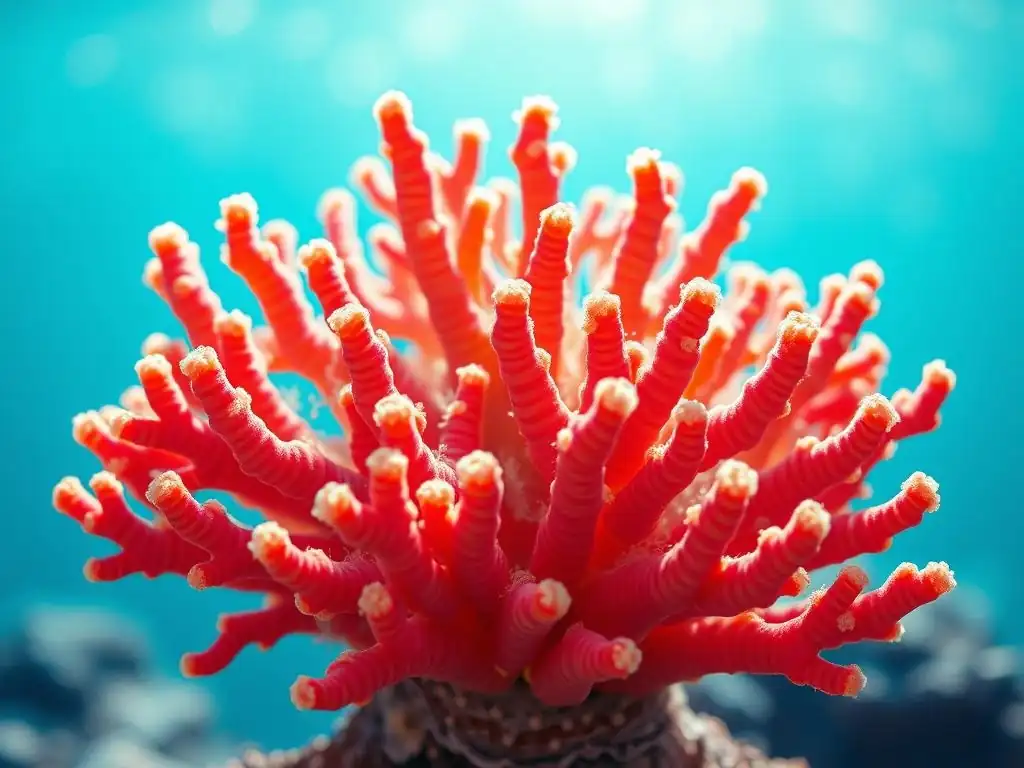
Brown Jelly Disease (BJD) demands immediate and decisive action due to its rapid progression and contagious nature. The first and most critical step in Euphyllia coral disease treatment for BJD is to remove the affected coral from the main display tank immediately to prevent the spread of the infection to other healthy corals. Place the infected coral in a separate quarantine or treatment container with clean, established aquarium water.
Once isolated, carefully siphon off as much of the brown jelly as possible using a small turkey baster or syringe, ensuring not to dislodge healthy tissue. After removal, a targeted treatment such as a coral dip or antibiotic application is necessary. Continue to monitor the coral closely in isolation, repeating the treatment if the brown jelly reappears, and maintaining pristine water conditions to support recovery.
Coral Dips for Brown Jelly Treatment
Coral dips are a cornerstone of immediate Euphyllia coral disease treatment for BJD. Commercial dips containing iodine (such as Lugol's solution), essential oils (like those found in products like Revive or Coral RX), or broad-spectrum antimicrobials can be highly effective. To administer a dip, prepare a separate container with tank water and the recommended dosage of the chosen dip solution. Gently submerge the affected coral for the specified duration, typically 5 to 10 minutes, ensuring the solution reaches all affected areas.
During the dip, gently agitate the coral or use a small powerhead to dislodge any remaining brown jelly. After the dip, rinse the coral thoroughly in clean tank water before returning it to the quarantine tank. It is vital to adhere strictly to the manufacturer's instructions for dosage and duration, as over-dipping can cause additional stress to the coral. Repeat the dipping process daily or every other day, depending on the severity of the infection and the coral's response, until all signs of BJD have vanished.
Antibiotic Treatments for Euphyllia Infections
For severe cases of Brown Jelly Disease or other suspected bacterial infections in Euphyllia, antibiotic treatments can be a highly effective component of Euphyllia coral disease treatment. Broad-spectrum antibiotics like Ciprofloxacin or Furan-2 are often utilized. These antibiotics can be administered as a short-term bath in a separate container, or in some cases, a very dilute solution can be directly applied to the affected area of the coral using a syringe, ensuring minimal impact on beneficial bacteria in the main display tank.
When using antibiotics, it's crucial to follow precise dosing instructions and avoid prolonged exposure, as these medications can be harsh on corals and beneficial bacteria. A typical Ciprofloxacin bath might involve 10-20 mg per liter of aquarium water for 30 minutes to an hour, while Furan-2 might be used at a similar concentration. After the antibiotic bath, return the coral to a clean quarantine tank with stable parameters. Monitor closely for signs of recovery and be prepared to repeat the treatment if the infection persists, ensuring the coral has the best chance to heal.
Addressing Euphyllia Tissue Necrosis (ETN) & Rapid Tissue Necrosis (RTN)
Addressing Euphyllia Tissue Necrosis (ETN) and Rapid Tissue Necrosis (RTN) requires swift action, as these conditions can decimate a colony very quickly. While there's no single magic bullet, a multi-pronged approach focusing on isolation, fragging, and environmental stability offers the best chance for recovery. The primary goal is to halt the spread of tissue loss and preserve any healthy sections of the coral.
The initial step in Euphyllia coral disease treatment for necrosis is to identify and remove the affected coral from the main display tank to prevent potential spread, especially if the cause is infectious. Thoroughly inspect the coral for any signs of physical damage or pests that might have initiated the tissue loss. Simultaneously, assess and stabilize all water parameters, as environmental stress is a common trigger for these conditions.
Fragging as a Treatment for ETN/RTN: Isolation Techniques
Fragging, or cutting, the healthy portions of an affected Euphyllia colony is often the most effective and sometimes the only viable Euphyllia coral disease treatment for ETN and RTN. The goal is to create a clean separation between the healthy, unaffected tissue and the rapidly decaying or receding tissue. This process helps to prevent the spread of the necrosis from the diseased portion to the healthy parts.
To perform fragging, use sterilized tools such as bone cutters or a Dremel with a diamond cutting wheel. Make a precise cut through the healthy skeleton, ensuring there is a buffer zone of at least 1-2 cm of healthy tissue beyond the visible line of necrosis.
After cutting, dip the healthy frag in an antiseptic solution (like a diluted iodine dip) for 5-10 minutes to cleanse the cut edges and then place it in a separate, pristine quarantine tank. The isolated frag should be monitored closely for any further signs of tissue loss, and optimal water parameters must be maintained to encourage healing and growth.
Maintaining Optimal Water Parameters to Combat Tissue Loss
Maintaining optimal and stable water parameters is paramount in combating and preventing Euphyllia Tissue Necrosis (ETN) and Rapid Tissue Necrosis (RTN). Fluctuations in critical parameters are major stressors that can trigger or exacerbate tissue loss. For Euphyllia, this means consistently holding alkalinity between 8-10 dKH, calcium at 400-450 ppm, and magnesium at 1300-1400 ppm. Temperature should remain stable within 24-26°C, and salinity at 1.025-1.026 specific gravity.
Regular testing, ideally weekly for alkalinity, calcium, and magnesium, and daily for temperature and salinity, allows for immediate adjustments. Small, frequent adjustments are always preferable to large, sudden changes. Consistent water changes, typically 10-20% bi-weekly, help to dilute accumulated nitrates and phosphates, which should ideally be near undetectable levels (nitrates <10 ppm, phosphates <0.03 ppm). A stable environment reduces stress on the coral, enabling it to allocate its energy towards growth and recovery rather than fighting environmental fluctuations, thus supporting Euphyllia coral disease treatment and overall health.
Managing Algae Growth on Euphyllia Corals
Managing algae growth on Euphyllia corals is a crucial aspect of their long-term health and a key component of Euphyllia coral disease treatment when algae becomes problematic. The presence of algae on coral tissue is almost always indicative of elevated nutrient levels (nitrates and phosphates) in the aquarium, coupled with sufficient light for the algae to photosynthesize. Addressing the root cause is paramount: reduce feeding, ensure adequate nutrient export (e.g., protein skimming, refugium, GFO reactor), and perform regular water changes.
Beyond addressing the underlying causes, direct intervention is often necessary to remove the existing algae that is smothering the coral. This involves a combination of manual removal techniques and the introduction of natural grazers. Consistency in these efforts, alongside vigilant monitoring of water parameters, will help ensure the coral can recover and thrive without the constant irritation and light deprivation caused by algal overgrowth.
Manual Removal of Algae: A Gentle Approach
Manual removal of algae directly from Euphyllia corals requires a very gentle and precise approach to avoid further stressing or damaging the delicate coral tissue. For soft, film-like algae, a soft-bristled toothbrush or a small, dedicated coral brush can be carefully used to gently brush the algae off the coral surface. For more stubborn or turf algae, a small siphon or turkey baster can sometimes dislodge loose strands, or a very soft, fine-tipped tool can be used to carefully pick away at the algae.
It is crucial to avoid excessive scrubbing or forceful contact, as this can easily damage the coral's polyps or skeleton, creating new entry points for bacterial infections. After manual removal, it's advisable to perform a small water change to remove any dislodged algae particles from the water column before they can resettle. This method, while labor-intensive for dense growth, provides immediate relief to the coral and is a vital step in Euphyllia coral disease treatment plans involving algae overgrowth.
Introducing Algae-Eating Invertebrates
Introducing appropriate algae-eating invertebrates into the aquarium can be an effective biological method for managing algae growth and supporting Euphyllia coral disease treatment. Various snails, such as Trochus snails, Nerite snails, and Turbo snails, are excellent grazers that will consume film and hair algae from rocks and tank walls, indirectly reducing the overall nutrient load that could feed algae on corals. Small hermit crabs, like Blue Leg or Scarlet Hermit Crabs, also contribute to detritus and algae consumption.
For more stubborn algae, such as turf algae, certain species of sea urchins, like the Tuxedo Urchin or Pencil Urchin, can be very effective, though care must be taken to ensure they don't accidentally knock over or damage corals due to their grazing habits. While invertebrates are a natural control method, they should be seen as a supplement to proper nutrient management, not a replacement. Overstocking grazers without addressing the underlying nutrient issue will only lead to their starvation or an incomplete solution to the algae problem.
Recovering Bleached Euphyllia: Restoring Color and Health
Recovering bleached Euphyllia corals is a delicate process that requires patience and meticulous attention to environmental stability. Bleaching, the expulsion of zooxanthellae, is a severe stress response, and the coral is in a highly vulnerable state. The primary goal of Euphyllia coral disease treatment for bleached corals is to identify and eliminate the stressor that caused the bleaching and then provide optimal conditions for the coral to regain its symbiotic algae and energy reserves.
This recovery process can take weeks to months, and success is not guaranteed, especially if the bleaching was severe or prolonged. Consistent monitoring and a stable, pristine environment are far more critical than any aggressive intervention. The focus should be on creating a low-stress environment where the coral can slowly re-acquire zooxanthellae and resume its photosynthetic processes.
Gradual Acclimation to Lighting: Preventing Further Stress
One of the most common triggers for Euphyllia bleaching is sudden changes or excessive lighting. When recovering a bleached Euphyllia, gradual acclimation to lighting is paramount to prevent further stress and encourage the return of zooxanthellae. If the coral bleached due to too much light, move it to a shaded area of the tank or lower the intensity of your lights significantly (e.g., reducing PAR by 20-30% initially).
Over several weeks, slowly increase the light intensity or gradually move the coral into brighter areas. For instance, increase PAR by 5-10 PAR per week until it reaches the optimal range of 50-150 PAR for LPS corals. If the coral bleached due to insufficient light, the same gradual approach applies, slowly increasing light exposure. This slow, controlled increase allows the coral's zooxanthellae population to rebuild and acclimate without being shocked, forming a critical part of the Euphyllia coral disease treatment for bleached specimens.
Optimizing Water Chemistry for Euphyllia Recovery
Optimizing water chemistry is fundamental for the recovery of bleached Euphyllia corals. Bleaching depletes the coral's energy reserves, making it highly dependent on stable and pristine water conditions to re-establish its symbiotic relationship with zooxanthellae. Maintain all core parameters—alkalinity (8-10 dKH), calcium (400-450 ppm), magnesium (1300-1400 ppm), temperature (24-26°C), and salinity (1.025-1.026 SG)—within their optimal ranges and, crucially, keep them stable. Fluctuations will only further stress the already weakened coral.
Beyond the major parameters, ensure that nitrates and phosphates are kept as low as possible (ideally <10 ppm nitrates, <0.03 ppm phosphates) through regular water changes and efficient nutrient export. While feeding bleached corals directly is debated, some aquarists opt for very fine, liquid coral foods or amino acids to provide supplemental energy. However, avoid overfeeding, which can elevate nutrients. Providing a clean, stable, and nutrient-poor environment allows the coral to focus its energy on recovery and is a cornerstone of effective Euphyllia coral disease treatment for bleached specimens.
Eliminating Pests from Euphyllia
Eliminating pests from Euphyllia corals is a critical preventative and curative measure in Euphyllia coral disease treatment. Pests, whether flatworms, nudibranchs, or other unwanted hitchhikers, can cause direct tissue damage, stress, and secondary infections. Early detection through vigilant inspection is key, as infestations can rapidly escalate and spread throughout the aquarium.
Once identified, a multi-pronged approach involving physical removal, chemical treatments, and robust quarantine protocols is often necessary to eradicate pests effectively. Consistency and thoroughness in these efforts are crucial to ensure that the coral is fully rid of the invaders and can recover its health without ongoing irritation or predation.
Flatworm Eradication: Dipping and Quarantine Protocols
Flatworm eradication from Euphyllia typically involves a combination of chemical treatment and strict quarantine protocols. For a widespread infestation, a product like Flatworm Exit (FWX) can be used in the display tank, but it's crucial to follow instructions carefully, as mass flatworm die-offs can release toxins. For targeted Euphyllia coral disease treatment, dipping the affected coral in a commercial coral dip containing iodine or essential oils (e.g., Revive, Coral RX) for 5-10 minutes in a separate container is highly effective at dislodging and killing flatworms.
After dipping, vigorously swirl or gently baste the coral to dislodge any remaining worms, then rinse thoroughly in clean tank water. Place the dipped Euphyllia in a dedicated quarantine tank for at least 4-6 weeks. During this quarantine period, observe the coral daily for any signs of returning flatworms or newly hatched eggs. Repeat dipping as necessary, typically every 3-5 days, until no flatworms are observed for at least two consecutive weeks. This rigorous quarantine ensures no reintroduction of pests into the main display.
Nudibranch Removal: Manual Inspection and Treatment Options
Nudibranch removal from Euphyllia corals is primarily a manual process, as these specialized predators are often resistant to general dips and chemical treatments designed for other pests. The first step in this Euphyllia coral disease treatment is meticulous daily inspection of the affected coral, especially at night or when polyps are retracted, using a flashlight. Look for the nudibranchs themselves, which are often camouflaged, or their distinctive egg spirals, usually found on the coral skeleton or nearby rock.
Once spotted, gently remove the nudibranchs using tweezers or a small siphon. It's crucial to remove both the adults and any egg masses, as a single clutch can contain hundreds of eggs. After removal, place the Euphyllia in a dedicated quarantine tank for several weeks. Continue daily inspections during quarantine, as more nudibranchs may emerge from eggs that were missed or newly hatched. Repeat manual removal as needed. Some aquarists also employ predatory wrasses, such as Six-Line Wrasses or Melanurus Wrasses, in their display tanks, as they may prey on nudibranchs, though this is not a guaranteed solution.
Preventing Euphyllia Diseases and Pest Infestations
Maintaining Optimal Water Parameters for Euphyllia Health
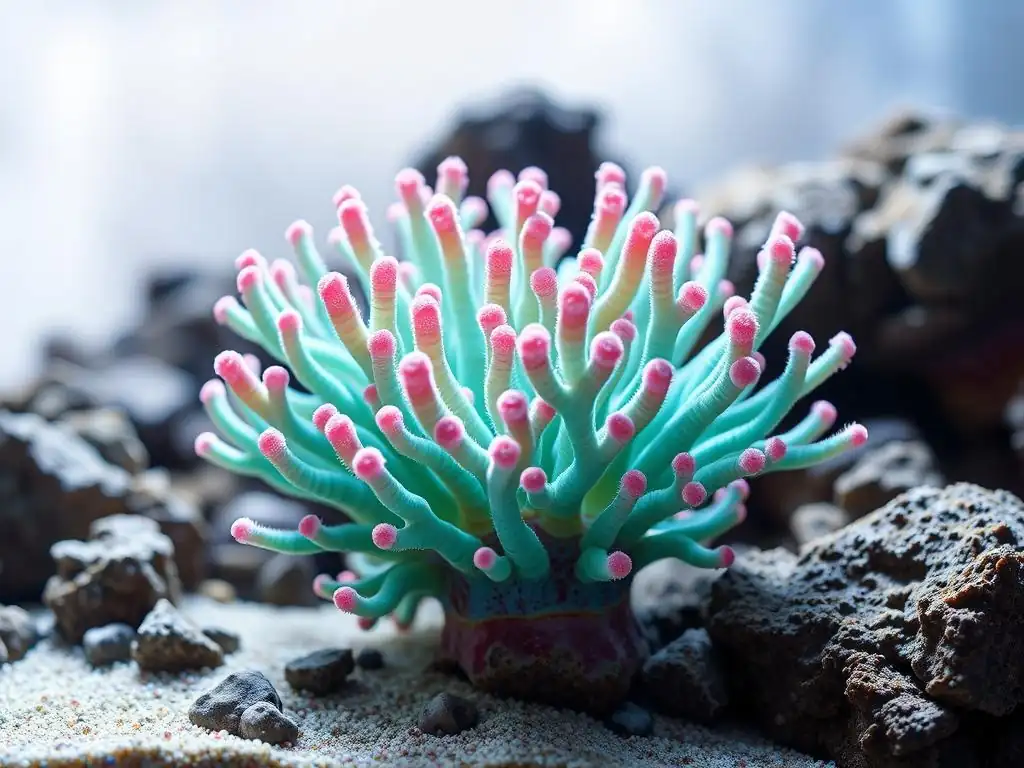
Maintaining optimal and stable water parameters is the cornerstone of preventing Euphyllia diseases and pest infestations. Euphyllia corals thrive in consistent conditions and are highly sensitive to fluctuations. Key parameters include alkalinity (8-10 dKH), calcium (400-450 ppm), magnesium (1300-1400 ppm), temperature (24-26°C), and salinity (1.025-1.026 SG). Deviations outside these narrow ranges, even for short periods, can induce significant stress, weakening the coral's immune system and making it susceptible to infections like Brown Jelly Disease or tissue necrosis.
Regular testing, ideally weekly for the major elements and daily for temperature and salinity, allows for proactive adjustments. Utilizing quality test kits and reliable dosing equipment (if needed) helps maintain these levels precisely. Furthermore, keeping nitrates below 10 ppm and phosphates below 0.03 ppm prevents nuisance algae growth that can smother corals. A clean, stable environment significantly reduces the likelihood of Euphyllia coral disease treatment being necessary.
The Importance of Stable Alkalinity, Calcium, and Magnesium
Stable alkalinity, calcium, and magnesium levels are critically important for the skeletal growth and overall physiological health of Euphyllia corals. Alkalinity (carbonate hardness) directly impacts the coral's ability to deposit calcium carbonate, which forms its skeleton. Fluctuations in alkalinity, even by 0.5-1.0 dKH within a 24-hour period, can stress the coral and lead to tissue recession or slowed growth. Calcium is the primary building block for the skeleton, and maintaining levels between 400-450 ppm ensures adequate supply for calcification.
Magnesium, while not directly incorporated into the skeleton, plays a vital role in the bioavailability of calcium and alkalinity, preventing their premature precipitation. Levels between 1300-1400 ppm are essential for these processes to occur efficiently. Consistent testing and precise dosing, whether through two-part solutions, calcium reactors, or kalkwasser, are paramount. Stability in these parameters strengthens the coral's natural defenses, making it more resilient to stressors that might otherwise necessitate Euphyllia coral disease treatment.
Regular Water Testing and Adjustments
Regular water testing is the primary tool for monitoring and maintaining the stable water parameters essential for Euphyllia health. For critical parameters like alkalinity, calcium, and magnesium, testing at least once a week provides a clear picture of consumption rates and allows for timely adjustments. More frequent testing may be necessary for newly established tanks or when adding new corals, or if you suspect an issue. Temperature and salinity should be checked daily, ideally with a reliable thermometer and refractometer, respectively.
When test results indicate a deviation from optimal ranges, adjustments should be made gradually to avoid shocking the coral. For instance, if alkalinity is low, increase it slowly over several days rather than a large single dose. Consistent small adjustments, rather than reactive large ones, minimize stress on the corals. Maintaining a log of test results and dosing amounts can help identify trends and predict future needs, significantly reducing the chances of needing intensive Euphyllia coral disease treatment.
Proper Lighting and Flow for Euphyllia Corals
Providing proper lighting and flow is fundamental to the long-term health and vibrant appearance of Euphyllia corals. These LPS (Large Polyp Stony) corals have specific requirements that, if not met, can lead to stress, bleaching, tissue recession, and increased susceptibility to disease. Understanding and meeting these needs is a key preventative measure against common ailments.
Incorrect lighting or flow can be as detrimental as poor water quality. Too much or too little light, or direct, turbulent flow, can rapidly diminish a Euphyllia's health, making it more vulnerable to opportunistic infections and pests. Therefore, careful consideration of these environmental factors is crucial for successful Euphyllia coral disease treatment and overall husbandry.
Understanding PAR Levels and Light Spectrum
Understanding PAR (Photosynthetically Active Radiation) levels and light spectrum is critical for providing appropriate lighting for Euphyllia corals. Euphyllia generally thrive under moderate PAR levels, typically ranging from 50 to 150 PAR. Too high PAR can lead to bleaching, where the coral expels its symbiotic zooxanthellae, while too low PAR can result in starvation and dull coloration. Using a PAR meter to measure light intensity at the coral's location is the most accurate way to ensure proper lighting.
The light spectrum also plays a significant role. Euphyllia, like most corals, benefit from a spectrum rich in blue light (around 450-470 nm), which penetrates water efficiently and is highly utilized by zooxanthellae for photosynthesis. While some white light is beneficial for visual appeal and broader spectrum coverage, an overly yellow or red spectrum can encourage nuisance algae growth. Gradual acclimation to new lighting setups, increasing intensity or photoperiod slowly over weeks, is essential to prevent shock and subsequent bleaching, a common stressor that can lead to the need for Euphyllia coral disease treatment.
Ensuring Adequate Water Circulation
Ensuring adequate water circulation, or flow, is vital for the health of Euphyllia corals. Unlike SPS corals that prefer strong, turbulent flow, Euphyllia typically thrive in moderate, indirect, and oscillating flow. This type of flow helps to deliver food particles and essential nutrients to the coral polyps while simultaneously carrying away waste products and detritus that can accumulate on the coral's surface. Stagnant water around Euphyllia can lead to the accumulation of detritus, which can then foster bacterial growth and lead to infections like Brown Jelly Disease or tissue necrosis.
Conversely, excessively strong or direct flow can damage the delicate polyps, causing them to retract frequently, preventing proper feeding, and potentially leading to tissue abrasions. Aim for flow that gently sways the polyps without causing them to constantly retract or "sheet" (where the polyps are pushed against the skeleton). Powerheads placed to create a broad, indirect flow pattern, possibly with wavemakers, are ideal. Proper flow is a key environmental factor in preventing the conditions that often necessitate Euphyllia coral disease treatment.
Quarantine Procedures for New Euphyllia Additions
Quarantine procedures for new Euphyllia additions are a non-negotiable best practice for preventing the introduction of diseases and pests into an established reef aquarium. Many common coral ailments, including Brown Jelly Disease, flatworms, and nudibranchs, are introduced inadvertently with new livestock. Skipping quarantine, even for seemingly healthy specimens, poses a significant risk to your entire coral collection, potentially leading to widespread issues that require extensive Euphyllia coral disease treatment.
A dedicated quarantine tank allows for observation, preventative dips, and targeted treatments in isolation, ensuring that only healthy, pest-free corals are introduced into the display. This proactive measure saves countless hours of troubleshooting and potential losses in the long run. The initial investment in a small quarantine setup is minimal compared to the potential cost of treating or replacing an entire infected reef system.
The Benefits of a Dedicated Quarantine Tank
A dedicated quarantine tank offers numerous benefits for the health and longevity of your reef aquarium, especially when adding new Euphyllia corals. Firstly, it provides a controlled environment to observe new corals for signs of disease, pests, or stress without risking the health of your existing inhabitants. This isolation prevents the direct transfer of pathogens like Brown Jelly Disease or parasites like flatworms and nudibranchs into your main display tank, which can be devastating.
Secondly, a quarantine tank allows for the safe and effective administration of preventative dips and treatments. You can perform harsh dips for pests without exposing your display tank's inhabitants to the chemicals. If a new Euphyllia develops a problem, targeted Euphyllia coral disease treatment can be applied in the quarantine tank without affecting water parameters or beneficial bacteria in the main system. This proactive approach significantly reduces the risk of widespread outbreaks and saves time, money, and corals in the long run.
Observation and Treatment Protocols
Effective quarantine involves a structured observation and treatment protocol for all new Euphyllia corals. Upon arrival, gently acclimate the coral to the quarantine tank water. Then, perform an initial preventative dip using a commercial coral dip (e.g., Lugol's iodine, Revive, Coral RX) for the recommended duration (typically 5-10 minutes) to dislodge any external pests like flatworms or nudibranchs. After the dip, rinse the coral and place it in the quarantine tank.
The coral should remain in quarantine for a minimum of 4-6 weeks. During this period, observe the coral daily for any signs of disease (e.g., tissue recession, brown jelly), pests (e.g., flatworms, nudibranchs, parasitic snails), or unusual behavior. If any issues arise, implement targeted Euphyllia coral disease treatment (e.g., repeat dips, antibiotic baths for bacterial infections). Only after the coral has shown no signs of disease or pests for the entire quarantine period should it be transferred to the main display tank.
Regular Euphyllia Inspection and Maintenance
Regular Euphyllia inspection and maintenance are indispensable practices for preventing and promptly addressing health issues. A daily routine of visually checking your corals allows you to catch subtle signs of stress or the initial stages of disease or pest infestation before they escalate into major problems. This proactive vigilance is far more effective than reactive Euphyllia coral disease treatment once a problem has taken hold.
Beyond just looking, active maintenance steps like gentle cleaning and detritus removal also contribute significantly to a healthy environment around your Euphyllia. These consistent efforts reduce localized stressors and improve water quality, bolstering the coral's natural resilience.
Identifying Early Signs of Disease or Pest Infestation
Identifying early signs of disease or pest infestation is crucial for effective Euphyllia coral disease treatment and prevention. Conduct a visual inspection of your Euphyllia corals at least once a day, preferably when polyps are fully extended and again when they are retracted. Look for subtle changes such as reduced polyp extension, dulling of color (paling or darkening), localized tissue recession, or any unusual growths or slime. Small white spots could indicate parasitic snails, while reddish-brown specks might be flatworms.
Also, observe the coral's overall behavior. Is it retracting more frequently than usual? Is it reacting negatively to light or flow that it previously tolerated? Any deviation from its normal appearance or behavior warrants closer inspection, potentially with a magnifying glass or flashlight. Prompt identification allows for immediate isolation and targeted intervention, significantly increasing the chances of successful recovery and preventing the spread of issues to other corals.
Gentle Cleaning and Detritus Removal
Gentle cleaning and detritus removal around Euphyllia corals are important maintenance tasks that contribute significantly to their health and prevent the onset of diseases. Euphyllia corals, especially those with large polyps, can trap detritus, uneaten food, and shed waste within their folds and around their base. This accumulated organic matter can decompose, leading to localized areas of poor water quality, elevated nutrients, and an environment conducive to bacterial growth, potentially triggering issues like Brown Jelly Disease or tissue necrosis.
Using a turkey baster or a small, dedicated siphon, gently direct a stream of water around and over the coral to dislodge any accumulated detritus. Perform this regularly, perhaps during weekly water changes, to ensure the waste is removed from the system. Be extremely careful not to blast the coral's polyps directly or cause physical damage. This simple yet effective practice helps maintain a clean micro-environment around the coral, reducing stressors and minimizing the need for extensive Euphyllia coral disease treatment.
Euphyllia Coral Disease Treatment: A Summary of Best Practices
Quick Reference Guide: Common Diseases, Symptoms, and Treatments
| Disease/Pest | Key Symptoms | Primary Treatment | Prevention Focus |
|---|
Frequently Asked Questions
What are the most common diseases that affect Euphyllia corals?
The most common diseases include brown jelly disease, characterized by a gelatinous brown substance, and tissue necrosis, where coral tissue sloughs off, often due to stress or poor water quality. Also, rapid tissue necrosis (RTN) is a fast spreading disease.
How can I identify pests that might be harming my Euphyllia coral?
Look for signs like coral-eating nudibranchs, which are small, colorful sea slugs. Also check for flatworms, which can irritate the coral. Finally, Aiptasia anemones can sting and compete with Euphyllia.
What steps should I take if I suspect my Euphyllia coral has brown jelly disease?
Immediately isolate the infected coral to prevent the spread to other corals in the tank. Then, use a turkey baster to remove the brown jelly and consider a coral dip with iodine.
What water parameters are crucial for preventing Euphyllia coral diseases?
Maintaining stable alkalinity, calcium, and magnesium levels is crucial. Also, ensuring proper salinity and temperature is very important. Regular water changes and testing are essential for water quality.
What are some preventative measures I can take to keep my Euphyllia corals healthy and disease-free?
Quarantine new corals to prevent introducing pests or diseases. Ensure proper water flow and adequate lighting. Finally, avoid sudden changes in water parameters to reduce stress on the coral.
Final Reflection: Protecting the Beauty of Euphyllia
The intricacies of coral health, particularly concerning Euphyllia, are not merely academic; they are a vital reflection of the health of our oceans. Understanding and addressing Euphyllia coral disease treatment is now more critical than ever, as climate change and pollution continue to stress these delicate ecosystems, threatening the vibrant beauty and biodiversity they support.
This journey into the world of Euphyllia diseases and pests has underscored the fragility and resilience of these captivating corals. My hope is that this information empowers aquarists and reef enthusiasts to become proactive stewards of these underwater gardens, fostering a deeper appreciation for their intricate needs. We are tied to the ocean. And when we go back to the sea, whether it is to sail or to watch it, we are going back from whence we came.
- John F. Kennedy. This quote reminds us of our inherent connection to the ocean and our responsibility to protect its wonders.
Now, armed with knowledge about identification, treatment, and prevention, I urge you to reflect on your own role in preserving these underwater treasures. Consider how your actions, both within your aquarium and beyond, can contribute to the well-being of Euphyllia corals and the broader marine environment. Let us all strive to be informed, responsible, and passionate advocates for the health and longevity of these magnificent creatures, ensuring their beauty endures for generations to come.
Ignite Your Coral Care Journey!
Thank you for diving deep into the world of Euphyllia health! We hope this guide has empowered you with the knowledge to keep your corals thriving. Now, let’s turn that knowledge into action!
- Immediately Inspect Your Euphyllia: Carefully examine your corals for any signs of disease or pests discussed in this article. Early detection is key!
- Share Your Experience: Post photos of your Euphyllia corals (healthy or not!) in reefing groups and ask for community feedback. Learning from each other strengthens the hobby.
- Research & Experiment: Delve into advanced coral dips and treatments; test their impact on frag growth and document the results.
What's one new observation you'll be making about your Euphyllia today thanks to this guide?