
Favia Color Morphs: Unveiling the Rainbow of Possibilities

Welcome to Aquarium Mastery!
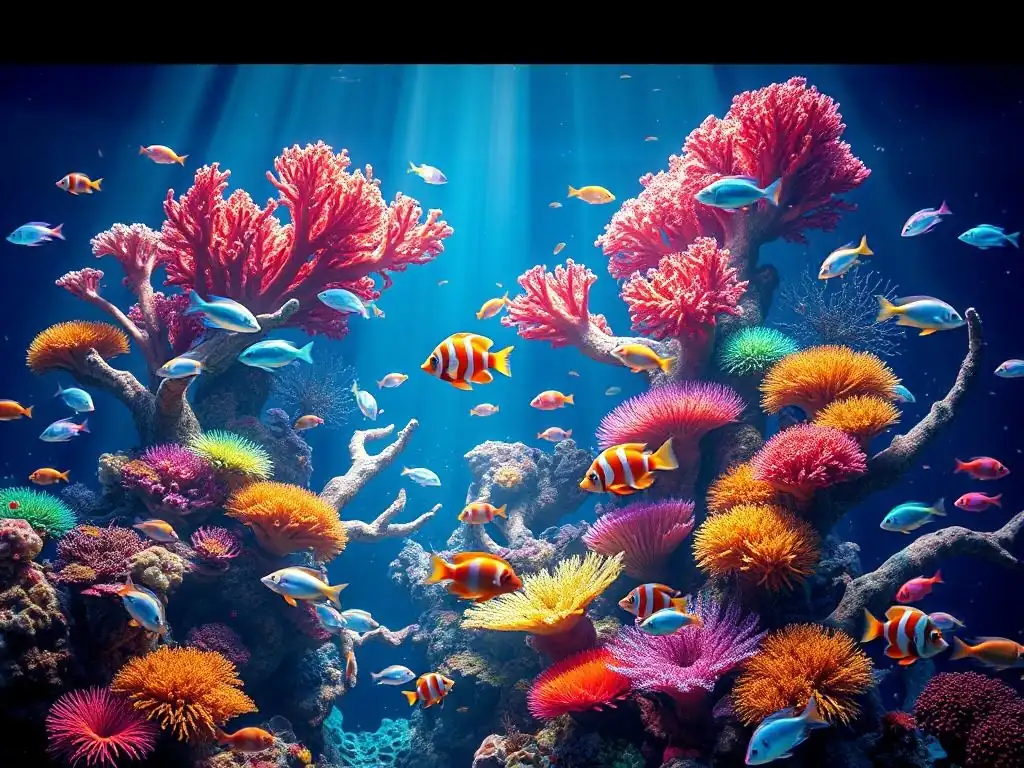
Ever wondered about the vibrant secrets hidden within the reef? Get ready to dive deep into the captivating world of Favia coral color morphs! Prepare to be amazed by the sheer diversity and beauty of these fascinating LPS corals. This is just the beginning of your journey into understanding and appreciating the rainbow of possibilities that Favia corals offer. Keep reading to unlock the secrets to identifying, caring for, and showcasing these gems in your own reef aquarium... are you ready to unveil the magic?
- Favia Coral Color Morphs: Unveiling the Rainbow of Possibilities
- Understanding Favia Corals: An Introduction to the Genus
- The Enchanting World of Favia Coral Color Morphs
- Identifying Favia Coral Color Morphs
- Caring for Your Favia Coral Color Morphs
- Acquiring Favia Coral Color Morphs
- Showcasing Stunning Favia Coral Color Morph Aquascapes
- Advanced Favia Coral Coloration Techniques
- Conclusion: Appreciating the Diversity of Favia Coral Color Morphs
- Frequently Asked Questions
- Final Reflection: Embracing the Ever-Changing Reef
- Unleash the Favia Rainbow!
Favia Coral Color Morphs: Unveiling the Rainbow of Possibilities
Understanding Favia Corals: An Introduction to the Genus
What are Favia Corals? A Beginner's Guide
Favia corals, often referred to as "brain corals" due to their characteristic convoluted or bumpy appearance, are a popular choice among reef aquarists. These large polyp stony (LPS) corals are colonial, meaning they are composed of many individual polyps connected by a shared skeletal structure. Each polyp possesses its own mouth and tentacles, typically retracting during the day and extending at night to feed. Their robust nature and relatively straightforward care requirements make them an excellent entry point for hobbyists venturing into the world of stony corals.
Originating primarily from the Indo-Pacific region, Favia corals exhibit diverse growth forms, ranging from encrusting colonies that spread over rockwork to massive, dome-shaped structures, and occasionally even branching patterns in certain species. Their unique skeletal formations, characterized by distinct corallites (individual polyp cups) that share common walls, contribute significantly to the visual interest of a reef tank. The varied textures and potential for stunning Favia coral color morphs make them highly desirable additions for creating dynamic and captivating underwater landscapes.
Favia Coral Taxonomy and Classification
The classification of Favia corals has undergone significant revisions in recent years, reflecting advances in genetic sequencing and morphological studies. Historically, the genus Favia was part of the family Faviidae. However, much of the Faviidae family, including many species previously identified as Favia, has been reclassified into new families such as Merulinidae, or moved to different genera like Dipsastrea or Paraclavarina. This ongoing taxonomic evolution means that what hobbyists commonly refer to as "Favia" might technically belong to a closely related genus like Favites, which shares a similar appearance but differs in how its corallites are structured.
Despite these scientific reclassifications, the term "Favia" persists widely in the aquarium trade to describe this general group of brain corals. Understanding their broader classification, which places them within the Kingdom Animalia, Phylum Cnidaria, Class Anthozoa, and Order Scleractinia (stony corals), helps to appreciate their biological context. For aquarists, recognizing the common trade names while being aware of the scientific nuances ensures more precise identification and care information, especially when dealing with specific Favia coral color morphs.
The Growing Popularity of Favia Corals in Reef Aquariums
Favia corals have steadily climbed the ranks of popularity in the reef aquarium hobby, largely due to their unique combination of aesthetic appeal, relative hardiness, and the stunning array of Favia coral color morphs they present. Unlike some more delicate SPS (small polyp stony) corals, Favia are generally more forgiving of minor fluctuations in water parameters, making them suitable for a broader range of experienced and even intermediate aquarists. Their ability to thrive in moderate lighting and flow conditions further contributes to their accessibility.
The visual impact of a well-grown Favia colony in a reef tank is undeniable. Their distinct, often colorful "eyes" or oral discs, set against a contrasting body, create a captivating focal point. Furthermore, their diverse growth patterns allow aquarists to integrate them into various aquascaping designs, from encrusting vibrant patches to forming substantial, textured mounds. The constant discovery and propagation of new and exciting Favia coral color morphs continue to fuel their demand, encouraging hobbyists to collect and showcase these living jewels.
The Enchanting World of Favia Coral Color Morphs
What Determines Favia Coral Coloration?
The breathtaking array of Favia coral color morphs is a complex interplay of biological factors, primarily the symbiotic relationship with zooxanthellae and the production of fluorescent and non-fluorescent proteins by the coral host itself. While zooxanthellae, the microscopic algae living within the coral tissue, contribute to the baseline brown and green hues through their photosynthetic pigments, the most vibrant and diverse colors – such as reds, oranges, blues, and purples – are largely due to the coral's own genetic machinery.
These vibrant proteins absorb light energy and either re-emit it as a different color (fluorescent proteins) or simply reflect a specific color (chromoproteins).
Beyond genetics, environmental factors play a crucial role in the expression and intensity of Favia coral color morphs. Light intensity and spectrum, water chemistry, nutrient levels, and even water flow can significantly influence how these colors manifest. For instance, higher blue light spectrums often enhance the fluorescence of certain pigments, making greens and blues appear more vivid, while nutrient-rich water might lead to an overgrowth of zooxanthellae, causing the coral to appear browner and less colorful. Maintaining stable and optimal conditions is key to unlocking and preserving the full spectrum of a Favia's potential coloration.
Zooxanthellae and Pigments: The Secret Behind Vibrant Colors
The symbiotic relationship between Favia corals and their zooxanthellae is fundamental to their survival and, to a degree, their coloration. These dinoflagellate algae reside within the coral's tissues, performing photosynthesis and providing the coral with up to 90% of its energy requirements. The varying density and specific types of zooxanthellae can influence the coral's overall brown or olive-green tones. For example, a coral with a very high density of zooxanthellae might appear darker or browner, potentially masking underlying vibrant pigments.
However, the truly spectacular Favia coral color morphs are primarily attributed to the coral's own production of specialized proteins. These include fluorescent proteins (FPs), which absorb light at one wavelength (e.g., blue) and re-emit it at a longer wavelength (e.g., green, red, or yellow), and non-fluorescent chromoproteins (CPs), which simply reflect specific colors.
For instance, Green Fluorescent Protein (GFP) is responsible for many of the vibrant greens seen in corals, while various red fluorescent proteins (RFPs) contribute to the fiery reds and oranges. The unique combination and distribution of these proteins, along with the influence of environmental factors, result in the endless palette of Favia coral color morphs that captivate aquarists.
Exploring the Spectrum: Common Favia Coral Color Variations
Green Favia: Hulk Favia
Green Favia corals are among the most common and easily recognizable Favia coral color morphs, often displaying intense, almost neon green hues. A prime example is the "Hulk Favia," named for its resemblance to the comic book character's signature color. These corals typically feature a vibrant green body with contrasting darker or lighter oral discs, creating a striking visual effect. Their popularity stems not only from their vivid coloration but also from their relatively robust nature, making them a staple in many reef aquariums.
The intensity of green in these Favia coral color morphs can vary significantly based on lighting conditions and water parameters. Under strong blue-spectrum lighting, the green fluorescence truly pops, appearing almost iridescent. Hobbyists often seek out strains with particularly bright or unique patterns of green, such as those with contrasting stripes or speckled polyps, to add a dynamic splash of color to their aquascape.
Red Favia: Dragon Soul Favia
Red Favia corals are highly sought after for their deep, fiery coloration that can range from rich maroon to bright cherry red. The "Dragon Soul Favia" is a well-known example, celebrated for its intense red body often contrasted with streaks of orange, yellow, or even blue in its polyps. These Favia coral color morphs bring a dramatic warmth to a reef tank, standing out against the blues and greens of other corals. Their demand is consistently high due to their striking visual impact and unique appearance.
Achieving and maintaining the most vibrant reds in these Favia coral color morphs often requires careful attention to specific lighting spectrums, particularly those with a balanced blend of blue and white light that encourages the expression of red fluorescent proteins. They can be a beautiful focal point, drawing the eye with their intense and captivating hues.
Orange Favia: Fire and Ice Favia
Orange Favia corals provide a brilliant, warm glow to the reef aquarium, with shades ranging from pumpkin orange to a more subtle, peachy tone. The "Fire and Ice Favia" is a particularly stunning example of this Favia coral color morph, typically showcasing a vivid orange body with contrasting blue or green oral discs, creating a captivating "fire and ice" effect. This unique combination of warm and cool tones makes it a highly prized specimen among collectors.
The vibrancy of orange Favia coral color morphs is often enhanced under specific lighting conditions, where the orange pigments are optimally expressed. Their distinct patterns and the sharp contrast between their primary body color and polyp coloration make them an exquisite addition, capable of adding significant visual interest and depth to any aquascape.
Rainbow Favia: The Most Sought-After Color Morph
Rainbow Favia corals represent the pinnacle of Favia coloration, displaying a stunning medley of multiple colors within a single colony. These highly coveted Favia coral color morphs can feature combinations of green, red, orange, blue, and purple, often appearing as distinct stripes, patches, or concentric rings across the coral's surface. The complexity and rarity of these multi-colored specimens make them the most sought-after and often the most expensive Favia varieties in the hobby.
The creation of a "rainbow" effect is due to the presence of various types of fluorescent and non-fluorescent proteins, along with varying densities of zooxanthellae, all expressed simultaneously within different parts of the same coral colony. Cultivating and maintaining the full spectrum of colors in Rainbow Favia coral color morphs requires meticulous attention to water parameters, stable lighting, and optimal feeding, ensuring that each pigment type can express its full potential.
Rare and Unique Favia Color Morphs: A Collector's Dream
Beyond the common variations, the world of Favia corals includes an exciting realm of rare and unique Favia coral color morphs that are the ultimate prize for dedicated collectors. These include highly specific strains with distinct patterns or exceptionally intense and unusual color combinations not commonly seen. Examples include "Watermelon Favia," which typically exhibits a striking contrast of bright green and deep red, often with distinct "stripes" or "eyes," or "Reverse Watermelon," where the colors are inverted. Other named strains, such as "JF Burning Asphalt," might feature a dark, almost black base with intensely bright, contrasting oral discs.
These rare Favia coral color morphs often command premium prices due to their limited availability, unique genetic expressions, and sometimes slower growth rates, which make propagation challenging. Acquiring them often involves sourcing from specialized coral vendors, participating in coral auctions, or trading with other advanced hobbyists. The thrill of owning and showcasing one of these exceptional Favia coral color morphs is a significant draw for many in the reefing community, highlighting the ongoing fascination with the incredible diversity of marine life.
Identifying Favia Coral Color Morphs
Visual Cues: How to Distinguish Different Color Morphs
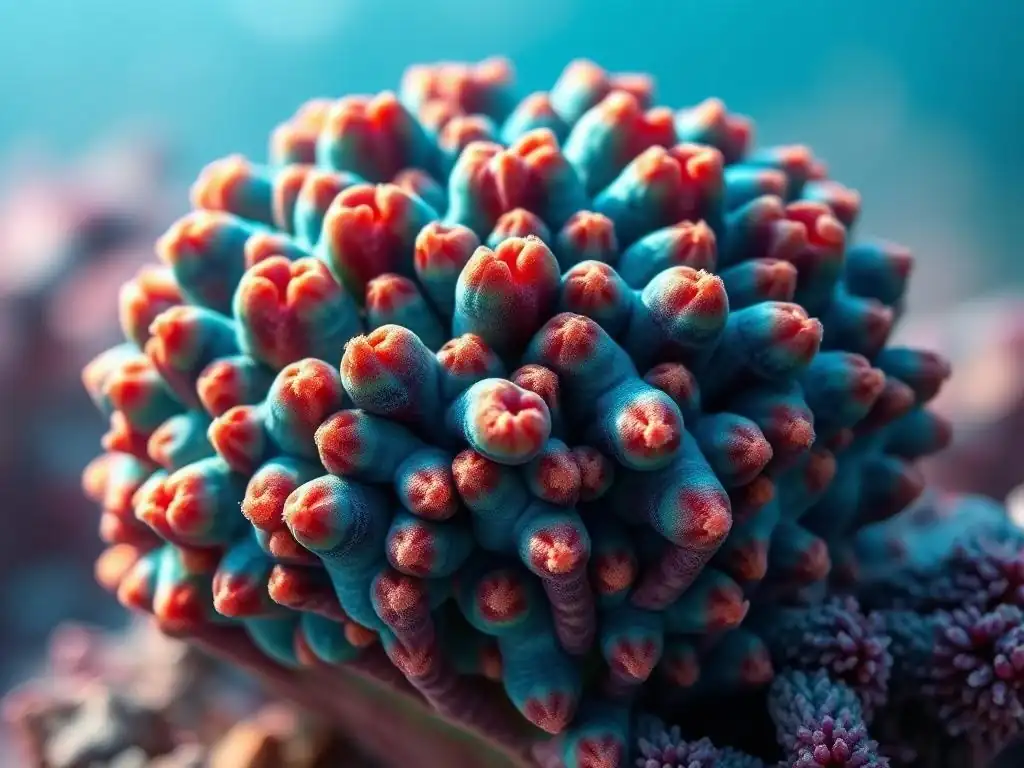
Distinguishing between the myriad of Favia coral color morphs relies heavily on careful visual observation, focusing on several key cues. The primary body color of the coral is the most obvious indicator, whether it's a vibrant green, a deep red, or a fiery orange.
Beyond the overall hue, pay close attention to the color of the septa, which are the radiating skeletal ridges within each corallite, and the oral discs, the central mouths of the polyps. These often provide contrasting colors that define a specific morph, such as a green body with bright red mouths, or an orange body with blue eyes.
Furthermore, unique patterns like stripes, speckles, or concentric rings across the colony's surface are crucial for identifying specific Favia coral color morphs, especially the highly prized "Rainbow" or "Watermelon" varieties. Observing the coral under different lighting conditions, particularly under full spectrum daylight and then under blue-only (actinic) lighting, can also reveal hidden fluorescent pigments and help confirm the true vibrancy of its colors. Taking clear photographs can aid in comparison and identification.
The Role of Lighting in Color Expression
Lighting plays a paramount role in the expression and vibrancy of Favia coral color morphs, acting as both a trigger for pigment production and a visual enhancer. Different light spectrums can significantly influence how a coral's colors are perceived and even how they develop over time. For instance, blue-heavy (actinic) lighting, typically in the 450-470nm range, is excellent for exciting fluorescent proteins, making blues, greens, and reds "pop" and appear more intense. This is why many reef tanks feature a strong blue component in their lighting schedule.
Conversely, a more balanced full-spectrum light, containing whites, reds, and greens in addition to blues, is essential for the coral's overall health and photosynthesis, contributing to its fundamental energy production. While blue light enhances fluorescence, a lack of other spectrums might hinder the coral's ability to produce certain chromoproteins or maintain optimal zooxanthellae density, potentially leading to duller colors or browning over time. Aquarists often experiment with their light settings, gradually adjusting spectrum and intensity, to find the "sweet spot" that maximizes the aesthetic appeal of their Favia coral color morphs while ensuring their long-term health.
Identifying Bleaching and Browning: A Warning Sign
Identifying signs of stress such as bleaching and browning is crucial for the health and vibrant Favia coral color morphs. Bleaching occurs when the coral expels its symbiotic zooxanthellae, often due to severe stress from factors like excessively high light intensity, extreme temperature fluctuations (e.g., above 84°F or below 72°F), or drastic changes in water chemistry. When bleached, the coral appears pale white or translucent, as its colorful pigments are no longer masked by the zooxanthellae, but this indicates a severe energy deficit and potential mortality if not addressed promptly.
Conversely, browning is typically a sign of too little light or an excess of nutrients (nitrates and phosphates) in the water, leading to an over-proliferation of zooxanthellae. The increased density of these algae makes the coral appear dull, muddy brown, and can obscure its natural Favia coral color morphs. While less immediately life-threatening than bleaching, browning indicates an imbalance that can hinder growth and prevent the coral from expressing its full coloration potential. Both conditions serve as clear warning signs that environmental adjustments are needed to restore the coral's health and vibrant appearance.
Caring for Your Favia Coral Color Morphs
Optimal Water Parameters for Favia Coral Health
Maintaining stable and optimal water parameters is the cornerstone of successful Favia coral care, directly impacting their health, growth, and the vibrancy of their Favia coral color morphs. Consistency is often more important than hitting exact target numbers, as sudden fluctuations can induce significant stress. Regular testing, ideally weekly or bi-weekly, is essential to monitor these parameters and make precise adjustments.
Alkalinity, Calcium, and Magnesium: Essential Elements
For Favia corals, like all stony corals, alkalinity (dKH), calcium (Ca), and magnesium (Mg) are fundamental building blocks for skeletal growth. Alkalinity, ideally maintained between 8.0-12.0 dKH, with many hobbyists targeting 9.0-10.0 dKH, is crucial for corals to utilize calcium for calcification. Calcium levels should be kept between 400-450 ppm, as it forms the primary component of the coral's aragonite skeleton.
Magnesium, typically maintained between 1250-1350 ppm, plays a vital role in ensuring that calcium and alkalinity remain soluble and available for the coral to absorb, preventing precipitation. Dosing these elements, often through a balanced two-part solution or a calcium reactor, becomes necessary as corals consume them for growth.
Maintaining Stable Salinity and Temperature
Salinity and temperature are equally critical for the well-being of Favia coral color morphs. A stable salinity level of 1.025-1.026 specific gravity (or 35 ppt) is recommended, mirroring natural seawater conditions. Even minor fluctuations of more than 0.001-0.002 specific gravity within a day can cause stress. Temperature should be maintained within a stable range of 76-82°F (24.4-27.8°C), with consistency being paramount. Rapid temperature swings exceeding 2°F in a short period can stress corals and lead to issues like bleaching. Utilizing reliable heaters and chillers, along with proper tank circulation, helps to ensure these parameters remain steady.
Lighting Requirements for Vibrant Coloration
Proper lighting is not only essential for the survival of Favia corals through photosynthesis but also plays a critical role in enhancing and maintaining the vibrant Favia coral color morphs. While Favia are generally considered moderate light corals, the specific intensity and spectrum can significantly influence their appearance.
PAR Levels and Light Spectrum: A Detailed Guide
Favia corals thrive under moderate Photosynthetically Active Radiation (PAR) levels, typically ranging from 75 to 150 PAR. Some well-acclimated and established colonies might tolerate up to 200 PAR, but it's crucial to acclimate new corals gradually to prevent bleaching. Placing Favia in the middle to lower sections of the tank is often ideal to achieve these PAR levels.
The light spectrum is equally important; a blue-rich spectrum (actinic light, typically around 450-470nm) dramatically enhances the fluorescence of many Favia coral color morphs, making their greens, blues, and reds pop. However, a balanced full spectrum (e.g., 10,000K to 20,000K color temperature) that includes white and other colors is vital for overall coral health and optimal photosynthesis, preventing browning and ensuring robust growth. Implementing a gradual ramp-up and ramp-down in lighting schedules can also reduce stress.
Feeding Your Favia Coral for Enhanced Colors and Growth
While Favia corals derive a significant portion of their energy from their symbiotic zooxanthellae, direct feeding is highly beneficial for accelerating growth, improving overall health, and intensifying the Favia coral color morphs. These corals are carnivorous and possess large polyps capable of capturing and consuming various food particles from the water column.
Target Feeding vs. Broadcast Feeding
Favia corals respond exceptionally well to target feeding, which involves delivering food directly to the coral's extended polyps, typically at night when their sweeping tentacles are most active. Using a pipette or a turkey baster allows for precise delivery, ensuring the coral captures the food efficiently. This method minimizes excess nutrients in the water column that could fuel undesirable algae growth. While broadcast feeding, where food is dispersed throughout the tank, can provide some benefit, it is less efficient for Favia corals compared to direct target feeding. Aim to feed your Favia 1-2 times per week.
Recommended Food Sources for Favia Corals
A varied diet is best for Favia corals. Excellent food sources include small meaty items such as mysis shrimp, enriched brine shrimp, finely chopped pieces of marine flesh like clam or fish, and copepods. Many commercially available liquid coral foods and amino acid solutions also provide beneficial nutrients that can enhance growth and coloration.
While phytoplankton is not a direct food source for Favia, it contributes to the overall health of the reef ecosystem by feeding zooplankton, which in turn can be consumed by corals. Regular, consistent feeding, combined with optimal water parameters, will contribute significantly to the vibrant Favia coral color morphs and robust health of your colony.
Preventing and Treating Common Favia Coral Diseases
Despite their hardiness, Favia corals are susceptible to certain diseases and pests. Proactive prevention through stable conditions and careful quarantine is the best defense, but knowing how to identify and treat common issues is essential for preserving your Favia coral color morphs.
Coral Bleaching: Causes and Prevention
Coral bleaching, characterized by the coral turning pale white or translucent due to the expulsion of zooxanthellae, is a severe stress response. Primary causes include sudden increases in light intensity (especially for newly introduced corals), rapid or extreme temperature fluctuations (e.g., above 84°F or below 72°F), drastic changes in salinity, or prolonged periods of poor water quality.
Prevention focuses on maintaining extremely stable water parameters, acclimating new corals slowly to existing lighting, ensuring consistent temperatures, and providing adequate water flow. If bleaching occurs, identify and rectify the underlying cause immediately, reduce light intensity, and maintain pristine water conditions to give the coral the best chance of recovery.
Brown Jelly Disease: Identification and Treatment
Brown Jelly Disease (BJD) is a highly aggressive and rapidly progressing infection caused by protozoa, often triggered by stress, physical damage, or poor water quality. It manifests as a slimy, brown, jelly-like substance rapidly consuming coral tissue, often starting from an injured area. BJD is highly contagious and can quickly spread to other corals in the tank. Immediate action is critical: if possible, remove the affected coral from the main display.
For smaller colonies or frags, a brief (30-60 second) dip in an iodine-based coral dip or a freshwater dip (matched to tank temperature and pH) may help. Physically siphoning off the jelly, increasing water flow around the affected area, and fragging off healthy tissue from the infected part are common treatment strategies. Improving overall water quality and reducing stressors are also vital for recovery.
Pest Control: Dealing with Nudibranchs and Other Threats
Favia corals can be targeted by specific pests, most notably Favia-eating nudibranchs. These small, often camouflaged sea slugs feed exclusively on Favia tissue and can devastate a colony unnoticed. Other general reef pests like flatworms can also irritate corals. Prevention is key: thoroughly inspect all new Favia coral color morphs before introduction and implement a quarantine procedure for 2-4 weeks in a separate tank.
During quarantine, perform regular dips (e.g., in an iodine-based coral dip or pest-specific product) and visually inspect the coral daily for any signs of pests or eggs. If nudibranchs are found in the main tank, manual removal with tweezers is effective, though repeat removals may be necessary as eggs can hatch. Some predatory fish, like Six-Line Wrasses, can help control flatworms but are not reliable for nudibranchs.
Acquiring Favia Coral Color Morphs
Reputable Sources for Purchasing Favia Corals
When acquiring Favia coral color morphs, choosing a reputable source is paramount to ensure you receive healthy, pest-free specimens. Local Fish Stores (LFS) offer the advantage of allowing you to inspect the coral in person, observe its health, and discuss its specific care requirements with knowledgeable staff. This hands-on approach can be particularly beneficial for beginners.
Online retailers provide a much wider selection of Favia coral color morphs, including rare and exotic varieties that might not be available locally. When purchasing online, look for vendors with strong reputations, positive customer reviews, clear images of their corals, and a robust "arrive alive" guarantee. Researching their shipping practices and communication responsiveness is also advisable.
Finally, local coral swaps or reef club events are excellent opportunities to acquire frags from fellow hobbyists. These frags are often already acclimated to aquarium conditions and can be more robust, sometimes at a lower cost than retail, providing access to unique Favia coral color morphs propagated directly by enthusiasts.
Quarantine Procedures for New Arrivals
Implementing a strict quarantine procedure for all new Favia coral color morphs (and any other new livestock) is a non-negotiable step in maintaining a healthy, thriving reef aquarium. A dedicated quarantine tank (QT) should be set up with cycled water, a heater, a small powerhead for flow, and basic lighting. New corals should reside in the QT for a minimum of 2-4 weeks, allowing time to observe for any signs of pests or diseases that might not be immediately apparent.
Upon arrival, new Favia corals should be carefully dipped in a commercial coral dip (e.g., an iodine-based solution or a product specifically designed to remove pests like flatworms or nudibranchs) following the manufacturer's instructions. This step helps to dislodge or kill external parasites before the coral enters the QT. During the quarantine period, closely monitor the coral for any unusual spots, tissue loss, or visible pests.
If any issues arise, they can be treated in the QT without risking the health of your established display tank. This diligent approach significantly reduces the risk of introducing unwanted hitchhikers or pathogens into your main system, protecting your existing Favia coral color morphs.
Fragging Favia Corals: Propagating Your Favorite Morphs
Fragging Favia corals is a rewarding process that allows hobbyists to propagate their favorite Favia coral color morphs, share them with others, or create new colonies from a single mother colony. Favia corals are relatively easy to frag due to their robust skeletal structure. The primary tools required are bone cutters or, for larger or more dense colonies, a Dremel tool with a diamond cutting wheel. Always wear appropriate safety gear, including eye protection and gloves, during the fragging process.
To frag a Favia, carefully identify a section of the coral that includes several polyps and a portion of the shared skeleton. Make a clean cut through the skeleton, ensuring each new frag has at least a few healthy polyps. After cutting, it's beneficial to dip the frag in an iodine-based solution or a coral dip to aid in wound healing and prevent infection.
Allow the newly cut frags to heal for a few days in an area of lower flow and light before mounting them onto frag plugs or small pieces of live rock with coral glue. Favia corals generally heal well and quickly encrust their new base, continuing to grow and display their vibrant Favia coral color morphs.
Showcasing Stunning Favia Coral Color Morph Aquascapes
Designing a Reef Tank with Favia Corals as Focal Points
Designing a reef tank with Favia coral color morphs as focal points allows for breathtaking visual impact, leveraging their vibrant hues and unique textures. When planning your aquascape, consider the placement of Favia corals in areas of moderate flow and moderate lighting, typically the mid-to-lower sections of your rockwork. Ensure ample space around each Favia colony, as they can grow into substantial encrusting or massive structures, and some species can be moderately aggressive with their sweeping tentacles, potentially stinging nearby corals.
To maximize the aesthetic appeal, group different Favia coral color morphs together to create a mosaic of contrasting colors and patterns. For instance, a vibrant "Rainbow Favia" can be positioned near a deep "Dragon Soul Favia" to highlight their individual beauty and collective diversity. Utilize the varied growth forms of Favia – from flat, encrusting pieces to more dome-shaped colonies – to add depth and interest to your rockwork. Their distinct "eyes" and often raised corallites provide intricate details that draw the viewer's eye, making them excellent choices for creating captivating underwater landscapes.
Compatible Tank Mates for Favia Corals
Selecting compatible tank mates is crucial for the long-term health and prosperity of your Favia coral color morphs. Generally, Favia corals are relatively peaceful but can be moderately aggressive, especially at night when their feeding tentacles extend. Most "reef-safe" fish are suitable companions, including popular choices like clownfish, gobies, blennies, and various types of wrasses. It's important to avoid fish species known for nipping at corals, such as certain angelfish, butterflyfish, or triggerfish, which could damage the delicate polyps of your Favia.
In terms of invertebrates, common clean-up crew members like snails (e.g., turbo, trochus, nassarius) and hermit crabs are generally safe and beneficial for maintaining tank cleanliness. However, caution should be exercised with larger or more aggressive shrimp (e.g., certain pistol shrimp that can disturb rockwork) or crabs that might accidentally or intentionally disturb the corals.
When placing Favia near other corals, ensure adequate spacing from more aggressive LPS corals with long sweepers (like some Euphyllia species) to prevent chemical warfare or physical stinging. A general rule of thumb is to allow at least 4-6 inches of clearance around a growing Favia colony, or more depending on its size and the aggression of its neighbors.
Advanced Favia Coral Coloration Techniques
Understanding the Role of Trace Elements
Beyond the primary water parameters, understanding the role of trace elements can be an advanced technique for enhancing the Favia coral color morphs and overall vitality. Elements such as iron, potassium, iodine, and strontium are consumed by corals and play various roles in their metabolic processes, including the production of their vibrant pigments and skeletal development. For instance, iron is often linked to the vibrancy of green and blue pigments, while potassium can influence red and pink hues.
While regular water changes with high-quality salt mix will replenish many of these elements, heavily stocked reef tanks with significant coral biomass may deplete them more rapidly. Advanced hobbyists might consider targeted dosing of specific trace elements, but this requires precise testing and a thorough understanding of their interactions to avoid overdosing, which can be detrimental. It is crucial to ensure primary parameters (alkalinity, calcium, magnesium, salinity, temperature) are perfectly stable before venturing into trace element dosing, as stability in the core elements has a far greater impact on Favia coral health and color.
Manipulating Lighting to Enhance Color
Manipulating lighting is one of the most direct and effective advanced techniques for enhancing Favia coral color morphs. While consistent PAR levels are essential for health, fine-tuning the light spectrum can dramatically bring out specific colors. Experimenting with different blue-to-white ratios is a common practice; increasing the proportion of blue light (especially in the 450-470nm range) will typically intensify the fluorescence of green, blue, and red pigments, making these Favia coral color morphs appear more vivid and "pop" under actinic viewing.
Conversely, a more balanced spectrum with ample white light (e.g., 10,000K-14,000K) can promote healthier growth and ensure the coral receives the full range of light necessary for all its physiological processes, preventing browning and allowing chromoproteins to express their true colors. Advanced lighting systems with programmable channels allow aquarists to create custom photoperiods, including dawn/dusk simulations and peak intensity periods, optimizing both coral health and the visual appeal of their Favia coral color morphs. Gradual adjustments and careful observation of the coral's response are key to successful light manipulation.
Conclusion: Appreciating the Diversity of Favia Coral Color Morphs
Frequently Asked Questions
What are Favia coral color morphs?
Favia coral color morphs refer to the varied and stunning color patterns found within Favia species. These differences arise from variations in pigment production and the presence of symbiotic algae called zooxanthellae.
Why are Favia coral color morphs so diverse?
The diversity stems from a combination of factors including genetics, light intensity, and the availability of nutrients. Different environments trigger different expression of pigments, resulting in a rainbow of possibilities.
How do I enhance the colors of my Favia coral?
Providing optimal lighting and maintaining stable water parameters are crucial. Supplementing with trace elements like iodine and strontium can also enhance coloration in some morphs.
Are certain Favia color morphs rarer or more valuable than others?
Yes, certain rare color morphs, particularly those with unique patterns or intense coloration, tend to be more sought after and therefore command higher prices within the aquarium trade.
What should I consider when choosing a Favia color morph for my reef tank?
Consider the lighting requirements of the specific morph and ensure your tank provides adequate intensity and spectrum. Also, research the growth rate and aggression level to ensure it's compatible with your existing inhabitants.
Final Reflection: Embracing the Ever-Changing Reef
The vibrant tapestry of Favia coral color morphs, as explored in this article, is more than just a visual spectacle; it's a powerful reminder of the dynamic and resilient nature of our planet's ecosystems. The sheer diversity we've uncovered underscores the importance of continued research and conservation efforts to protect these fragile environments from the ever-increasing pressures of climate change and habitat destruction.
The allure of Favia color morphs extends beyond the scientific realm, deeply influencing the aesthetic appreciation of the underwater world and driving the aquarium hobby. This fascination highlights our inherent connection to nature and the responsibility we bear to understand and safeguard its intricate beauty. In the end, we will conserve only what we love; we will love only what we understand; and we will understand only what we are taught.
- Baba Dioum
As we conclude this exploration of Favia coral color morphs, I invite you to reflect on the interconnectedness of all living things. Let the dazzling array of colors serve as a catalyst for greater awareness and a renewed commitment to environmental stewardship. Consider how you can contribute, however small, to preserving the delicate balance of our oceans and ensuring that future generations can witness the breathtaking beauty of the reef.
Unleash the Favia Rainbow!
Thanks for diving into the mesmerizing world of Favia color morphs! We hope you’re now inspired to see these corals in a whole new light. Ready to take your reef keeping passion to the next level?
Here are a few ways to continue your Favia adventure:
- Carefully observe your Favia colony for subtle color changes over the next few weeks. Document your findings and track environmental parameters. You might just discover a unique morph!
- Share your favorite Favia photos and color morph stories on social media using #AquariumMasteryFavia. Let's build a vibrant community of Favia enthusiasts!
- Consider experimenting (responsibly!) with different lighting spectrums and nutrient levels to see how they affect your Favia's coloration. Remember to document and share your results!
What surprising color shifts have you witnessed in your own Favia corals? Share your experiences in the comments below!