
Feeding Strategies for Mixed Schools: Catering to Both Cardinalfish & Anthias Needs

Welcome to Aquarium Mastery!
Ever wondered how to keep both the shimmering Cardinalfish and vibrant Anthias happy and healthy in a mixed saltwater aquarium? Unlocking the secrets to successful Cardinalfish anthias feeding strategies can be the key to a thriving reef environment. Dive in and discover the nuances of catering to their distinct dietary needs, and learn how to create a balanced feeding regimen that will ensure a colorful and vibrant underwater world! Ready to master the art of feeding your mixed school? Let's get started!
- Feeding Strategies for Mixed Reef Aquariums: Cardinalfish & Anthias
- Understanding the Nutritional Needs of Cardinalfish and Anthias
- Cardinalfish Anthias Feeding Strategies: Creating a Balanced Diet
- Live Food Options for Cardinalfish and Anthias: Enhancing Natural Behavior
- Frozen Food Selection: A Practical Approach to Cardinalfish Anthias Feeding
- Supplementation for Cardinalfish & Anthias: Vitamins and Minerals
- Addressing Feeding Challenges in Mixed Schools
- Optimizing Water Quality for Effective Feeding
- Recommended Feeding Schedule for Mixed Cardinalfish Anthias Schools
- Choosing the Right Feeding Equipment
- Common Feeding Mistakes to Avoid
- Advanced Feeding Techniques for Sensitive Species
- Long-Term Health Through Proper Cardinalfish Anthias Feeding Strategies
-
Frequently Asked Questions
- What are the primary dietary differences between Cardinalfish and Anthias that require specific feeding strategies?
- How often should I feed a mixed school of Cardinalfish and Anthias to ensure both species get adequate nutrition?
- What types of food are best suited for Cardinalfish anthias feeding strategies in a mixed aquarium environment?
- How can I prevent Anthias from outcompeting Cardinalfish for food during feeding times?
- What are some signs that either my Cardinalfish or Anthias are not getting enough food, and how can I adjust my feeding strategies accordingly?
- Final Reflection: Nurturing Harmony in the Reef
- Ignite Your Reef Tank: Create a Thriving Ecosystem!
Feeding Strategies for Mixed Reef Aquariums: Cardinalfish & Anthias
Understanding the Nutritional Needs of Cardinalfish and Anthias
Cardinalfish Dietary Requirements: Protein, Lipids, and Vitamins
Cardinalfish, particularly popular species like the Banggai Cardinalfish (Pterapogon kauderni) and Pajama Cardinalfish (Sphaeramia nematoptera), are primarily carnivorous. In their natural reef habitats, their diet largely consists of small invertebrates, zooplankton, and tiny crustaceans. Therefore, a high-protein diet is crucial for their optimal growth, vibrant coloration, and overall vitality. When selecting dry foods, aim for options with at least 40-50% crude protein content to adequately meet their needs.
Beyond protein, essential fatty acids (lipids) and a broad spectrum of vitamins are vital for robust immune function, cellular health, and proper organ function. For instance, Omega-3 fatty acids, commonly found in marine-derived proteins such as those from Mysis shrimp or copepods, support healthy cell membranes and can help reduce inflammation. Vitamin C is critical for immune response and tissue repair, while Vitamin A contributes to vision and epithelial health. Deficiencies in these nutrients can lead to issues such as fin erosion, stunted growth, or increased susceptibility to disease.
Anthias Feeding Habits: Frequent Small Meals for Active Metabolism
Anthias, including popular varieties like the Lyretail Anthias (Pseudanthias squamipinnis) or Dispar Anthias (Pseudanthias dispar), are pelagic planktivores. In their natural reef environments, they constantly graze on zooplankton drifting in the water column. This continuous feeding behavior translates to a remarkably high metabolic rate, necessitating frequent, small meals throughout the day rather than one or two large feedings. Their constant activity and high energy expenditure demand a steady supply of nutrients.
Due to their active nature and continuous feeding requirements in the wild, Anthias can quickly become emaciated if not fed adequately and frequently in an aquarium setting. It is common practice for experienced aquarists to feed Anthias 3-5 times daily, and sometimes even more, to closely mimic their natural grazing patterns. Each feeding should be small enough to be fully consumed within 2-3 minutes to prevent excess food from decaying and negatively impacting water quality.
Cardinalfish Anthias Feeding Strategies: Creating a Balanced Diet
Tailoring Food Size and Type: Small Pellets, Flakes, and Frozen Options
When implementing effective cardinalfish anthias feeding strategies, selecting the appropriate food size and type is paramount for both species. Cardinalfish generally prefer larger, more substantial pieces of food, given their relatively larger mouths. Small pellets (typically 1-2mm) or finely chopped frozen foods like Mysis shrimp or krill are well-suited for their consumption. Their feeding behavior often involves grabbing individual pieces of food from the water column.
Anthias, conversely, have smaller mouths and are naturally accustomed to consuming minute planktonic particles. Fine flakes, micro-pellets (less than 1mm), and finely shredded or whole frozen foods like cyclops, enriched brine shrimp, or rotifers are ideal. Offering a diverse mix of these food types ensures that both cardinalfish and anthias can readily access suitable nutrition, which helps reduce competition and ensures all fish receive adequate sustenance.
Optimizing Feeding Frequency: Multiple Times Per Day
To effectively cater to the diverse metabolic and behavioral needs of cardinalfish and anthias, optimizing feeding frequency is a cornerstone of successful cardinalfish anthias feeding strategies. While cardinalfish can thrive on 1-2 substantial feedings per day, Anthias, with their high metabolism, typically require 3-5 smaller feedings to sustain their energy levels. A common and effective compromise in a mixed tank is to feed at least three times daily, ensuring that each portion is relatively small.
This frequent feeding schedule not only meets the elevated metabolic demands of Anthias but also provides a more natural feeding rhythm for all inhabitants, simulating the constant availability of food found in a healthy reef environment. This approach minimizes stress related to hunger, promotes consistent energy levels, and can encourage more active, vibrant displays from both cardinalfish and anthias, contributing to their overall well-being.
Live Food Options for Cardinalfish and Anthias: Enhancing Natural Behavior
Culturing Live Foods: Brine Shrimp, Copepods, and Rotifers
Incorporating live foods is a highly beneficial cardinalfish anthias feeding strategy, as it closely mimics their natural diets and strongly stimulates their innate hunting instincts. Culturing live foods such as newly hatched brine shrimp (Artemia nauplii), various species of copepods (e.g., Tisbe, Tigriopus), and rotifers (Brachionus plicatilis) provides a continuous, highly nutritious, and easily digestible supply of prey. These cultures can often be maintained relatively simply at home.
Brine shrimp nauplii are particularly excellent for newly acquired or finicky eaters due to their high movement and palatability, typically consumed within minutes. Copepods and rotifers are superb for smaller Anthias and provide essential fatty acids and carotenoids that enhance coloration. A typical home culture setup for brine shrimp can yield millions of nauplii daily from a single batch of cysts, while copepod cultures can be sustained in small dedicated containers or refugiums, often thriving on phytoplankton.
The Benefits of Live Food: Improved Coloration and Breeding
The inclusion of live food within comprehensive cardinalfish anthias feeding strategies offers significant advantages beyond basic nutritional intake. Live foods, especially those gut-loaded with nutrient-rich phytoplankton or enriched with spirulina, contribute substantially to vibrant coloration in both species, intensifying the reds, yellows, and blues often seen in healthy specimens. The natural pigments within these live foods are more readily assimilated by the fish.
Furthermore, live food can act as a powerful breeding trigger, stimulating reproductive behaviors in many reef fish. For instance, providing a consistent supply of copepods has been observed to significantly increase the likelihood of spawning in various marine species, including Anthias and Cardinalfish. The dynamic movement and natural appeal of live prey stimulate appetite, encourage natural foraging behaviors, and enhance overall vitality, leading to healthier, more robust fish populations.
Frozen Food Selection: A Practical Approach to Cardinalfish Anthias Feeding
Choosing High-Quality Frozen Foods: Mysis Shrimp, Krill, and Plankton
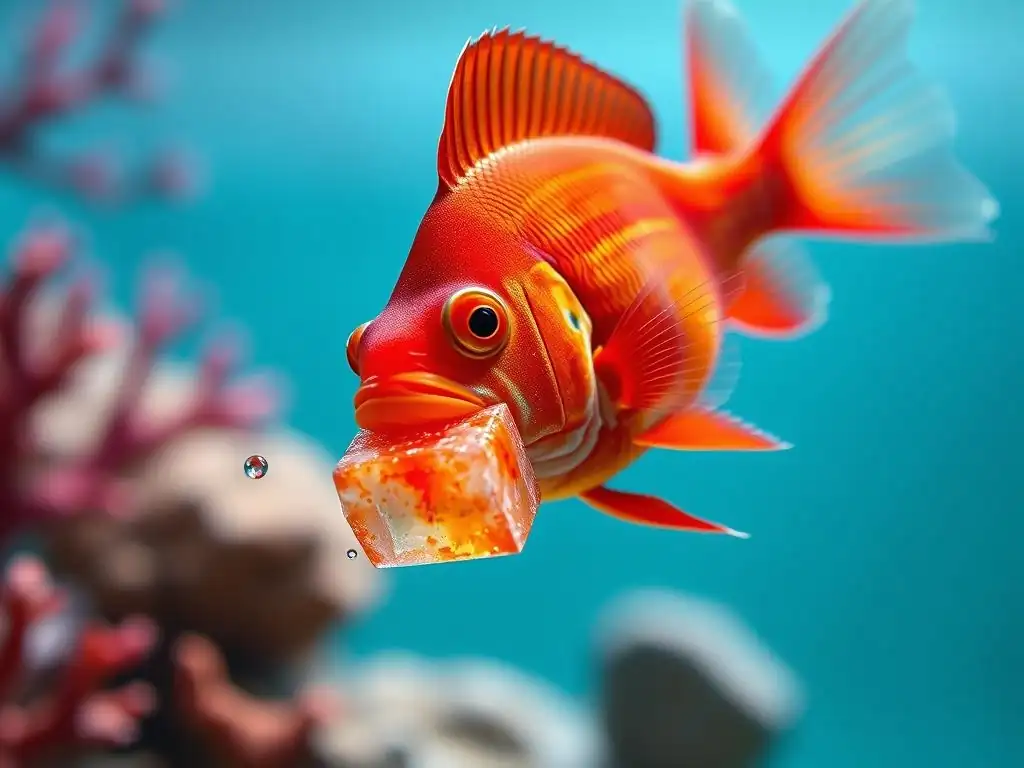
Frozen foods form a cornerstone of practical cardinalfish anthias feeding strategies, offering significant convenience and a broad nutritional profile. High-quality options like Mysis shrimp (e.g., Hikari BioPure Mysis, Piscine Energetics Mysis), finely chopped krill, and various plankton blends are excellent choices due to their high protein and beneficial fatty acid content. Mysis shrimp are particularly favored by many aquarists because of their high protein content (often around 60% dry weight) and appealing palatability to a wide range of marine fish.
When selecting frozen foods, it is crucial to choose reputable brands that employ flash-freezing techniques to minimize nutrient degradation. Avoid products with excessive binders, fillers, or artificial colors, which offer little nutritional value. Frozen preparations of rotifers and copepods are also readily available and are especially beneficial for smaller Anthias or juvenile fish, providing essential fatty acids and highly digestible protein that supports their rapid growth.
Properly Thawing and Preparing Frozen Food: Minimizing Nutrient Loss
Proper preparation of frozen foods is crucial to maximize their nutritional value and ensure the safety of your aquarium inhabitants. Frozen foods should always be thawed in a small amount of tank water or RO/DI water, never in hot tap water, as high temperatures can rapidly leach out essential vitamins and minerals. Thawing typically takes 5-10 minutes, depending on the volume of food.
Once thawed, the food should be rinsed thoroughly through a fine-mesh net or brine shrimp sieve. This step is vital to remove any excess phosphates, nitrates, or dissolved organic compounds from the freezing solution, which can otherwise contribute to water quality issues and nuisance algae blooms in the aquarium. This simple yet critical step is an integral part of effective cardinalfish anthias feeding strategies, ensuring the fish receive clean, nutrient-rich meals without inadvertently polluting their environment.
Supplementation for Cardinalfish & Anthias: Vitamins and Minerals
Essential Vitamins: Vitamin C and Omega-3 Fatty Acids
Beyond staple foods, targeted vitamin supplementation is an important aspect of comprehensive cardinalfish anthias feeding strategies, especially for enhancing long-term health and disease resistance. Vitamin C (ascorbic acid) is a critical antioxidant that supports immune function, aids in collagen synthesis for healthy tissues, and helps reduce stress. Fish cannot synthesize Vitamin C, so it must be provided externally, often by soaking foods in liquid vitamin supplements like Selcon or Vita-Chem.
Omega-3 fatty acids, particularly EPA (eicosapentaenoic acid) and DHA (docosahexaenoic acid), are vital for healthy cell membrane structure, brain development, and reducing inflammatory responses. These essential fatty acids are often deficient in processed foods, particularly dry flakes or pellets, and can be boosted by using high-quality marine-based foods or through specific fatty acid supplements designed for marine fish. Regular supplementation ensures these crucial nutrients are available for optimal fish health.
Mineral Supplementation: Iodine and Strontium for Reef Health
While often primarily associated with the health and growth of corals, certain mineral supplements are also beneficial for the overall health of fish, particularly in a reef environment. Iodine, for example, plays a crucial role in thyroid function and can help prevent conditions like goiter (enlarged thyroid gland) in some marine fish, which can manifest as lethargy or poor growth. Regular, small doses of an iodine supplement can be added to the water column or by soaking foods.
Strontium, another important trace element, is primarily known for its role in coral calcification but also contributes to the skeletal health and proper bone development of fish. While fish typically absorb these minerals from their diet and the water (especially with a high-quality salt mix), ensuring their consistent presence through occasional supplementation supports robust health. Incorporating these mineral considerations into cardinalfish anthias feeding strategies contributes to a more holistic approach to their care.
Addressing Feeding Challenges in Mixed Schools
Competition for Food: Diversifying Feeding Locations and Times
A common challenge encountered in mixed cardinalfish anthias schools is food competition, where more aggressive or faster eaters dominate, potentially leaving shyer or slower individuals underfed. To mitigate this, a key cardinalfish anthias feeding strategy involves diversifying feeding locations. Spreading food across multiple areas of the tank (e.g., one side for cardinalfish, the other for anthias, or broadcasting widely) can give less assertive fish a better chance to access food.
Additionally, varying feeding times can be highly effective. For instance, a small, quick broadcast of fine flakes or small pellets might be offered specifically for the Anthias, followed a few minutes later by a more targeted feeding of frozen Mysis shrimp for the Cardinalfish. This staggered approach ensures that all individuals, including the shyer or less dominant ones, receive adequate nutrition without undue stress or intense competition.
Identifying and Treating Malnutrition: Sunken Bellies and Lethargy
Early identification of malnutrition is critical for the long-term health and survival of your cardinalfish and anthias. Common signs of insufficient nutrition include sunken bellies, which are often most noticeable behind the pectoral fins, faded or dull coloration, lethargy, reduced activity levels, and a general lack of vigor. These symptoms clearly indicate that the current cardinalfish anthias feeding strategies may be insufficient, or that individual fish are not consuming enough food.
If malnutrition is suspected, it is imperative to immediately review and adjust the feeding regimen. Increase feeding frequency, offer a wider variety of highly nutritious and palatable foods (such as live or enriched frozen options), and consider target feeding specific individuals with a pipette or turkey baster to ensure they receive food directly. Addressing signs of malnutrition promptly can prevent irreversible health decline and improve recovery chances.
Optimizing Water Quality for Effective Feeding
The Importance of Water Parameters: Nitrate and Phosphate Levels
Optimal water quality is intrinsically linked to effective cardinalfish anthias feeding strategies, directly impacting fish health, appetite, and nutrient absorption. High levels of nitrates (ideally below 10-20 ppm in a reef tank) and phosphates (ideally below 0.03 ppm) can stress fish, suppress their appetite, and lead to poor nutrient assimilation. These parameters are often elevated by overfeeding, inadequate filtration, or insufficient water changes.
Regular monitoring of these parameters using reliable test kits is essential for maintaining a healthy aquatic environment. Keeping nitrates and phosphates in check ensures that the fish are not only willing to eat but can also efficiently digest and absorb the nutrients from their food. This contributes significantly to their long-term health, strong immune systems, and overall vitality, making water quality management a silent but critical part of successful feeding.
Maintaining a Clean Aquarium Environment: Regular Water Changes and Filtration
A clean and stable aquarium environment is paramount for effective cardinalfish anthias feeding strategies, as it directly impacts fish health and water quality. Regular water changes (e.g., 10-20% bi-weekly or 5-10% weekly, depending on bioload) dilute accumulated nitrates and phosphates, replenish essential trace elements, and help remove dissolved organic compounds that can foul the water and stress fish. This fresh infusion of clean water supports robust fish health.
Robust mechanical and biological filtration, along with an appropriately sized protein skimmer, are crucial for efficiently removing uneaten food and fish waste before they break down into harmful compounds. Regularly cleaning filter media (e.g., filter socks, sponges) and ensuring proper water flow prevents dead spots where food can accumulate and rot. These proactive measures support a healthier environment, making the tank more conducive for all inhabitants to thrive and feed effectively.
Recommended Feeding Schedule for Mixed Cardinalfish Anthias Schools
Sample Feeding Schedule: Three Times Daily with Varying Food Types
A highly effective cardinalfish anthias feeding strategy involves a consistent schedule, such as feeding at least three times daily, incorporating a variety of food types to meet diverse needs. For instance, a sample schedule could look like this:
- Morning (e.g., 8 AM): A small broadcast of high-quality marine flakes or fine pellets, ideal for Anthias and readily consumed by Cardinalfish.
- Mid-day (e.g., 1 PM): A targeted feeding of thawed frozen Mysis shrimp or finely chopped krill, benefiting both species but particularly satisfying for Cardinalfish.
- Evening (e.g., 7 PM): A broadcast of live copepods or rotifers, or a mixed frozen blend (e.g., Marine Cuisine), encouraging natural foraging and ensuring all fish have access before lights out.
This schedule provides frequent meals for Anthias while offering substantial portions for Cardinalfish, promoting diverse nutrient intake.
Adjusting the Schedule: Based on Fish Activity and Water Quality
While a sample schedule provides a strong starting point, flexibility and observation are key in cardinalfish anthias feeding strategies. Observe your fish closely: if they appear constantly hungry, display aggressive feeding behaviors, or seem lethargic, consider adding a fourth small feeding or increasing portion sizes slightly. Conversely, if there's significant uneaten food remaining after 2-3 minutes, you are likely overfeeding, and portion sizes should be reduced.
Water quality parameters should also guide adjustments. If nitrate or phosphate levels begin to climb unexpectedly, it's a clear sign of overfeeding or insufficient waste removal. In such cases, reduce feeding amounts temporarily and increase water changes until parameters stabilize. Regular observation of fish behavior and consistent water testing are critical for fine-tuning the feeding regimen to ensure long-term health and water stability.
Choosing the Right Feeding Equipment
Automatic Feeders: Consistent Food Delivery During Absences
For aquarists with busy schedules, those who travel frequently, or simply to ensure consistency, an automatic feeder is an invaluable tool for maintaining effective cardinalfish anthias feeding strategies. High-quality automatic feeders can dispense precise amounts of dry food (flakes or pellets) at programmed intervals, ensuring that Anthias receive their necessary frequent small meals even when you're not physically present. This consistency is vital for species with high metabolic rates.
When selecting an automatic feeder, look for models with adjustable portion sizes, the ability to program multiple feeding times per day, and a moisture-resistant hopper to prevent food from clumping or clogging. While they are excellent for daily maintenance of dry foods, they should not completely replace manual feeding, as frozen and live foods are best dispensed by hand to ensure proper thawing and distribution.
Target Feeding: Using a Turkey Baster or Pipette
Target feeding is a precise and highly effective cardinalfish anthias feeding strategy, particularly useful for shyer fish, new additions, or to ensure specific individuals receive medication-laced food. A simple turkey baster or a long pipette allows you to deliver food directly to a specific fish or a secluded area of the tank, minimizing waste and reducing competition from more aggressive tank mates. This method ensures that the intended recipient actually gets the food.
This method is especially beneficial for feeding frozen foods like Mysis shrimp, finely chopped krill, or prepared blends, ensuring that the food reaches bottom dwellers or less assertive fish before faster, dominant eaters consume it all. Target feeding also provides an excellent opportunity for close observation of individual fish health, appetite, and specific feeding behaviors, allowing for early detection of issues.
Common Feeding Mistakes to Avoid
Overfeeding: Leading to Algae Blooms and Poor Water Quality
Overfeeding is arguably the most common and detrimental mistake in cardinalfish anthias feeding strategies, leading to a cascade of negative consequences. Excess food quickly breaks down in the aquarium, releasing nitrates and phosphates, which are primary nutrients for nuisance algae blooms (e.g., hair algae, cyanobacteria, dinoflagellates) and directly degrade water quality. This can stress fish, reduce vital dissolved oxygen levels, and promote disease outbreaks.
The general rule of thumb is to feed only what your fish can consume entirely within 2-3 minutes. If food remains visible on the substrate or floating in the water column after this period, you are likely overfeeding. It is always better to slightly underfeed than to overfeed, especially with species requiring frequent meals, as small, frequent portions are less likely to pollute the tank compared to large, infrequent ones.
Ignoring Individual Fish Needs: Observing Feeding Behavior Closely
While general cardinalfish anthias feeding strategies provide a solid framework, ignoring the specific needs and individual behaviors of fish within a mixed school is a significant oversight. Not all fish will feed equally, and some individuals may be stressed, sick, or simply too shy or slow to compete effectively for food. Overlooking these individual differences can lead to malnutrition in specific fish, even if the overall feeding amount seems adequate.
Regular, close observation during feeding times is crucial. Are all fish actively participating and showing a healthy feeding response? Is one individual consistently missing out, appearing lethargic, or showing a sunken belly despite regular feedings? Identifying these subtle signs early allows for immediate intervention, such as target feeding that specific fish or making environmental adjustments, ensuring that every member of your mixed school thrives.
Advanced Feeding Techniques for Sensitive Species
Soaking Food in Garlic: Enhancing Palatability and Immunity
For finicky eaters, new additions that are hesitant to feed, or fish recovering from stress or illness, soaking food in a garlic extract or supplement can be an effective advanced cardinalfish anthias feeding strategy. Garlic is widely known in the aquarium hobby to enhance the palatability and scent of foods, making them significantly more attractive to reluctant feeders. Many commercial garlic-based products are available, specifically designed for aquarium use, such as Garlic Guard.
Beyond its appetite-stimulating properties, garlic is also believed to have mild anti-parasitic and immune-boosting benefits, making it a dual-purpose additive. A few drops added to thawed frozen food or dry pellets 10-15 minutes before feeding can dramatically improve acceptance and contribute to overall fish health, especially during periods of acclimatization or recovery.
Creating a Feeding Station: A Dedicated Area for Smaller Fish
In larger or more densely populated reef tanks, creating a dedicated feeding station can be a valuable advanced cardinalfish anthias feeding strategy for ensuring smaller or shyer species receive adequate food without being outcompeted. This involves designating a specific, often somewhat secluded, area of the tank—perhaps a flat rock, a designated coral frag rack, or even a small, clear acrylic tube—where food can be dispensed directly.
This creates a 'safe zone' where less assertive fish can feed without constant harassment or competition from larger or more dominant tank mates. It also helps to concentrate food, minimizing dispersal throughout the tank and ensuring that expensive, specialized foods (like small live copepods or specific frozen blends) are consumed by the intended inhabitants rather than being lost to filtration or consumed by unintended scavengers.
Long-Term Health Through Proper Cardinalfish Anthias Feeding Strategies
Monitoring Fish Health: Regular Observation of Behavior and Appearance
The ultimate goal of implementing proper cardinalfish anthias feeding strategies is to ensure the long-term health, vitality, and longevity of your fish. This requires diligent and regular monitoring of their behavior and physical appearance. Look for key indicators of good health: vibrant coloration, active and natural swimming patterns, clear eyes, intact fins without fraying, and full, rounded bellies (not bloated). Any deviation from these norms indicates a potential issue.
Observe their feeding response consistently: are they eager to eat? Are they consuming food readily and without hesitation? A sudden decrease in appetite or refusal to eat is a strong indicator of stress, illness, or inadequate nutrition. Consistent, daily observation allows for early detection and intervention, preventing minor issues from escalating into serious health problems.
Adjusting Feeding Practices: Based on Growth and Environmental Changes
Effective cardinalfish anthias feeding strategies are not static; they must evolve with the changing needs of your fish and the aquarium environment. As fish grow, their caloric and nutritional demands naturally increase, necessitating adjustments such as larger portion sizes or more frequent feedings. For example, juvenile Anthias will require even smaller, more frequent meals than their adult counterparts to support their rapid development.
Environmental changes, such as the addition of new fish (which can increase bioload and competition), changes in water flow, or even seasonal temperature fluctuations, can impact appetite and metabolism. Regularly reassess your feeding regimen based on the observed growth, activity levels, and overall health of your cardinalfish and anthias to ensure their continued well-being and adaptation to their evolving needs within the aquarium ecosystem.
Frequently Asked Questions
What are the primary dietary differences between Cardinalfish and Anthias that require specific feeding strategies?
Cardinalfish are generally slower, more deliberate feeders who prefer smaller food particles. Anthias, on the other hand, are active, mid-water feeders that need frequent feedings of larger, more nutritious food. This difference requires a multi-faceted approach.
How often should I feed a mixed school of Cardinalfish and Anthias to ensure both species get adequate nutrition?
Anthias require multiple small feedings throughout the day, ideally 3-4 times. Cardinalfish can be fed less frequently, but it's crucial they get access to food during these feeding times, making this frequency essential.
What types of food are best suited for Cardinalfish anthias feeding strategies in a mixed aquarium environment?
A varied diet is key. Offer a mix of small, sinking pellets or flakes suitable for Cardinalfish and nutrient-rich frozen foods like mysis shrimp or brine shrimp for Anthias. Supplement with live foods as possible.
How can I prevent Anthias from outcompeting Cardinalfish for food during feeding times?
Use feeding techniques that target both species. Consider using a turkey baster to directly feed Cardinalfish closer to the bottom of the tank while simultaneously scattering food for the Anthias in the water column. Controlled feeding is critical.
What are some signs that either my Cardinalfish or Anthias are not getting enough food, and how can I adjust my feeding strategies accordingly?
Look for signs of weight loss, lethargy, or decreased activity in Cardinalfish. Anthias may show faded coloration or increased aggression. Adjust feeding frequency and food types to address these specific needs.
Final Reflection: Nurturing Harmony in the Reef
The delicate balance of a mixed reef aquarium, as we've explored, hinges on understanding and implementing effective Cardinalfish and Anthias feeding strategies. The nuances of their dietary needs, from the size of the food particles to the frequency of feeding, are not mere details but rather the cornerstones of a thriving and vibrant ecosystem within our glass walls. Ignoring these principles risks not only the health of these beautiful fish but also the overall stability of the entire aquarium environment, a reality that resonates deeply with the broader challenges of maintaining balance in any complex system.
This intricate dance of feeding, observing, and adjusting profoundly impacts the cultural landscape of reef keeping. It reminds us that responsible stewardship requires continuous learning and adaptation, a commitment to understanding the needs of others, even those seemingly different from ourselves. The best way to find yourself is to lose yourself in the service of others.
- Mahatma Gandhi. This quote, though not directly about fish, encapsulates the spirit of reef keeping: by dedicating ourselves to the well-being of our aquatic inhabitants, we enrich our own lives and deepen our appreciation for the interconnectedness of all living things.
Now, take a moment to consider the lessons learned about Cardinalfish and Anthias feeding. How can you apply this same level of thoughtful consideration and tailored approach to other areas of your life? Are there relationships, projects, or even personal goals where a more nuanced understanding of specific needs could lead to greater harmony and success? Let the principles of balanced feeding inspire you to cultivate a more balanced and fulfilling life, one where every element receives the nourishment it needs to flourish.
Ignite Your Reef Tank: Create a Thriving Ecosystem!
Thanks for diving into the art of feeding mixed schools! We hope you’ve gained valuable insights into creating a harmonious and well-fed reef environment. Now it’s time to put that knowledge into action.
Here are a few things you can do right now:
- Start a Feeding Journal: Keep a detailed record of what you feed, how much, and how both your Cardinalfish and Anthias respond. Tracking will help you fine-tune your feeding strategy for optimal health and coloration.
- Explore supplementing their diet with live copepods! This often-overlooked food source provides essential nutrients and stimulates their natural hunting behavior.
- Share your unique feeding successes (or challenges!) in the Aquarium Mastery community forum.
What innovative feeding technique will you try first to satisfy both your Cardinalfish and Anthias?