
SPS Alkalinity: The Ultimate Aquarium Mastery Guide to Stability and Ideal dKH Levels

Welcome to Aquarium Mastery!
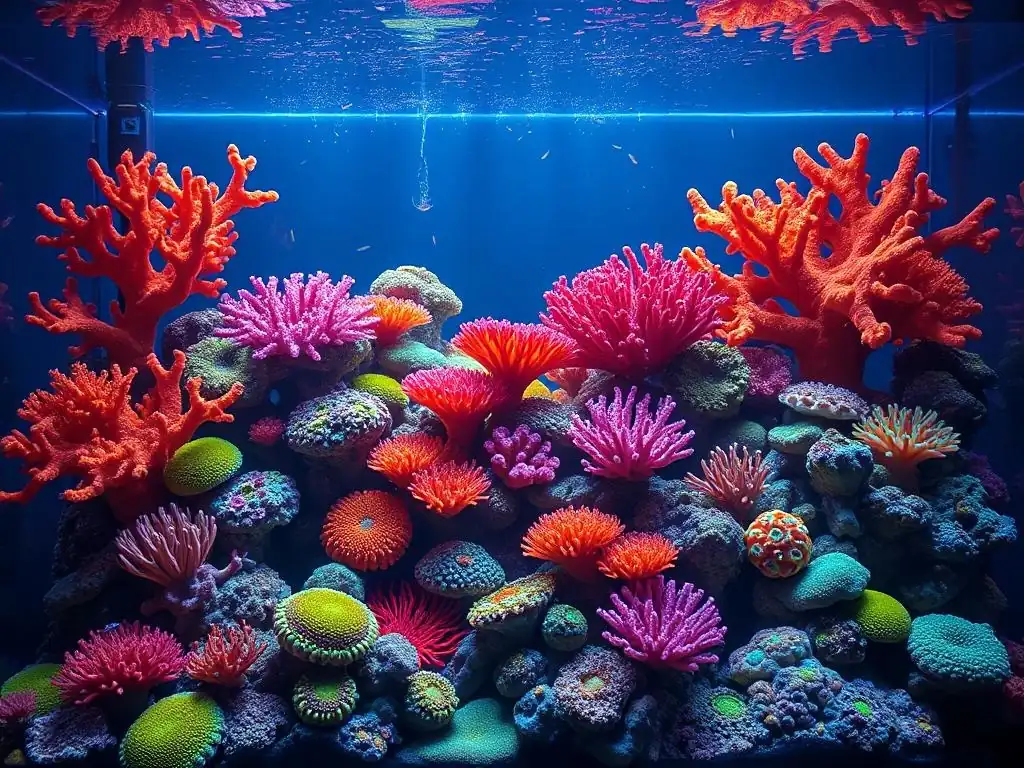
Ever wondered how to unlock the vibrant colors and explosive growth of your small polyp stony (SPS) corals? Maintaining stable alkalinity is the key. Dive in to discover our ultimate guide to SPS aquarium alkalinity control, and learn how to achieve and maintain the ideal dKH levels for a thriving reef. Are you ready to master the science behind coral health? Let's get started!
- Understanding SPS Coral Alkalinity in Reef Aquariums
- Achieving Optimal Alkalinity Levels for SPS Coral Health
- Mastering SPS Aquarium Alkalinity Control: Step-by-Step Guide
- Maintaining Long-Term Alkalinity Stability in Your SPS Reef Tank
- The Consequences of Alkalinity Imbalance on SPS Corals
- Advanced Tips for SPS Coral Success Through Alkalinity Management
- Frequently Made Mistakes in SPS Alkalinity Management
- Conclusion: The Path to SPS Aquarium Mastery Through Alkalinity Control
-
Frequently Asked Questions
- What is alkalinity and why is it important for SPS corals in an aquarium?
- What is the ideal alkalinity range for an SPS aquarium, and how is it measured?
- How often should I test the alkalinity in my SPS aquarium?
- What are some common methods for raising alkalinity in an SPS aquarium?
- What are the potential consequences of alkalinity being too low or too high in an SPS aquarium?
- Final Reflection: Embracing the Delicate Balance of Reef Life
- Unlock Your Reef's Full Potential
Understanding SPS Coral Alkalinity in Reef Aquariums
What is Alkalinity and Why is it Crucial for SPS Corals?
Alkalinity in a reef aquarium refers to the water's buffering capacity, essentially its ability to neutralize acids and maintain a stable pH level. It is primarily composed of bicarbonate, carbonate, and borate ions, which act as crucial buffers against pH fluctuations. For Small Polyp Stony (SPS) corals, such as Acropora, Montipora, and Seriatopora, alkalinity is not just important for pH stability; it is a fundamental building block for their very existence.
These corals are calcifying organisms, meaning they extract calcium and carbonate ions from the water to construct their intricate calcium carbonate (aragonite) skeletons. Without sufficient alkalinity, this calcification process slows dramatically or ceases entirely.
The measurement of alkalinity is most commonly expressed in degrees of carbonate hardness (dKH), although other units like meq/L (milliequivalents per liter) are also used, with 1 meq/L roughly equivalent to 2.8 dKH. Maintaining a stable dKH within a specific range is paramount for SPS corals, as it directly influences their ability to grow, maintain vibrant coloration, and resist stress. Fluctuations in alkalinity, even small ones, can place significant physiological strain on these delicate organisms, potentially leading to tissue loss or stunted development. Effective SPS aquarium alkalinity control is therefore the bedrock of a thriving reef.
The Role of Alkalinity in SPS Coral Growth and Calcification
The growth of SPS corals is intrinsically linked to the availability of carbonate ions supplied by alkalinity. These corals, through their symbiotic zooxanthellae, facilitate the precipitation of calcium carbonate to form their robust skeletal structures. This process, known as calcification, is highly dependent on a consistent supply of carbonate ions. When alkalinity levels are optimal, SPS corals can exhibit impressive growth rates, with some fast-growing Acropora species capable of adding several centimeters of skeletal material per year under ideal conditions.
Beyond mere growth, proper alkalinity also contributes to the density and strength of the coral skeleton, making it more resilient. Stable alkalinity supports the metabolic processes within the coral tissue that are necessary for nutrient uptake and waste removal, indirectly contributing to overall coral health and vibrant pigmentation. Conversely, insufficient alkalinity leads to reduced calcification, resulting in brittle skeletons, stunted growth, and a general decline in coral vitality. Mastery of SPS aquarium alkalinity control directly translates to robust and beautiful coral colonies.
dKH, pH, and Calcium: The Interconnectedness of Reef Water Parameters
Alkalinity (dKH), pH, and calcium are often referred to as the "big three" parameters in reef keeping due to their intricate and interdependent relationship, especially concerning SPS corals. Calcium ions (Ca2+) are the other primary component, alongside carbonate ions, required for calcification. Magnesium, while not directly consumed in large quantities, plays a crucial role in preventing the premature precipitation of calcium carbonate, ensuring that calcium and alkalinity remain soluble and available for coral uptake. A typical healthy reef tank maintains calcium levels between 400-450 ppm and magnesium between 1250-1350 ppm.
The pH of the water, ideally maintained between 8.0 and 8.4 for most reef aquariums, is also closely tied to alkalinity. Alkalinity acts as a buffer, preventing drastic shifts in pH. However, if alkalinity drops too low, pH can fluctuate wildly, particularly dipping during the night when coral respiration increases carbon dioxide levels.
High CO2 levels lower pH and can make it harder for corals to extract carbonate ions. Therefore, effective SPS aquarium alkalinity control is not an isolated task but a critical component of a balanced aquatic environment where all parameters are in harmony, supporting the complex biological processes within the reef.
Achieving Optimal Alkalinity Levels for SPS Coral Health
Defining the Ideal dKH Range for SPS Dominant Aquariums
For SPS dominant aquariums, the consensus among experienced aquarists typically places the ideal alkalinity range between 7 and 11 dKH. However, the exact "ideal" number is less critical than maintaining consistent stability within that range. Many highly successful SPS tanks operate consistently within a narrower window, such as 8.0 to 9.5 dKH.
Some aquarists prefer to keep alkalinity slightly lower (e.g., 7.5-8.5 dKH) to minimize the risk of calcium carbonate precipitation, which can manifest as "snowing" or a white film on equipment. Others might aim for the higher end (e.g., 9.0-10.0 dKH) in pursuit of faster growth rates, though this requires more meticulous SPS aquarium alkalinity control to prevent issues.
The key takeaway is that drastic daily fluctuations, even within the acceptable range, are far more detrimental to SPS corals than maintaining a slightly lower but perfectly stable dKH. For instance, a tank consistently at 8.0 dKH will likely support healthier SPS growth than one that swings daily between 7.0 dKH and 10.0 dKH. It is crucial for aquarists to observe their specific coral's response to their chosen dKH level and prioritize stability above all else when managing SPS aquarium alkalinity control.
How to Test Your Aquarium's Alkalinity Levels Accurately
Accurate and consistent testing is the cornerstone of effective SPS aquarium alkalinity control. Most home test kits for alkalinity utilize a titration method, where a reagent is added drop by drop to a water sample until a specific color change occurs, indicating the alkalinity level. To ensure accuracy, always follow the manufacturer's instructions precisely, including using clean testing vials, measuring water samples with a syringe for exact volumes, and observing color changes carefully under consistent lighting.
For optimal results, it is advisable to test alkalinity at the same time each day, ideally before any daily dosing, to get a clear picture of your tank's daily consumption rate. This consistency allows you to identify trends and make informed adjustments to your dosing regimen. Regularly check the expiration dates on your test kit reagents, as expired or improperly stored reagents can yield inaccurate readings, leading to incorrect dosing and potential stress for your SPS corals.
Recommended Alkalinity Test Kits for Reef Aquariums
Several reputable brands offer reliable alkalinity test kits essential for precise SPS aquarium alkalinity control. For those seeking highly accurate and consistent digital readings, the Hanna Instruments Alkalinity Checker (HI755/HI772) is a popular choice. This handheld colorimeter simplifies the process, reducing reliance on subjective color interpretation, and provides results in dKH. It is particularly valued for its ease of use and repeatability, making daily testing less of a chore.
Traditional titration kits from brands like Salifert, Red Sea, and API also offer excellent accuracy when used correctly. Salifert's Alkalinity Profi Test Kit is widely regarded for its precision and clear color changes, making it a staple for many advanced aquarists. Red Sea's Reef Foundation Pro Test Kit offers a comprehensive approach, including tests for Calcium and Magnesium, which are vital for a holistic view of SPS parameters.
While titration kits require more user attention to detail, they are generally more cost-effective for regular testing. Investing in a quality test kit is a non-negotiable step for any serious SPS aquarist aiming for long-term success.
Mastering SPS Aquarium Alkalinity Control: Step-by-Step Guide
Establishing a Baseline: Testing and Recording Initial Alkalinity
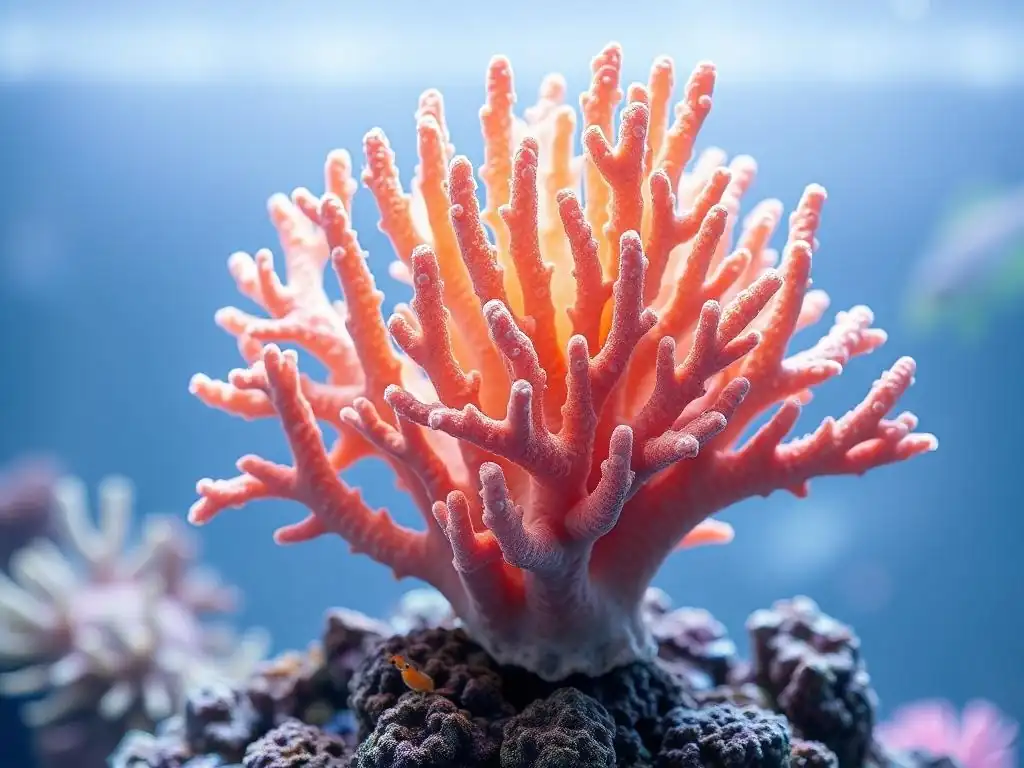
Before implementing any dosing regimen for SPS aquarium alkalinity control, it is imperative to establish a clear baseline of your tank's current parameters. This involves testing not only alkalinity but also calcium and magnesium levels for several consecutive days. Record these results meticulously, noting the time of day each test was conducted. This initial period of observation, typically 3-5 days, will reveal your aquarium's daily consumption rate for these vital elements. For instance, if your alkalinity consistently drops by 0.5 dKH over a 24-hour period, you have identified a significant consumption trend that needs to be addressed.
This baseline data is crucial for calculating the precise amount of supplements needed to replenish consumed alkalinity and maintain stability. Without this understanding, you risk over-dosing or under-dosing, both of which can lead to parameter swings that stress SPS corals. A detailed log of your parameters will serve as your guide for all future adjustments and help you proactively manage your SPS reef's chemistry.
Gradual Adjustments: Raising or Lowering Alkalinity Safely
When making adjustments to your alkalinity levels, the principle of "slow and steady wins the race" is paramount for SPS corals. Rapid changes can induce severe stress, leading to tissue recession, known as "burns" or "alkalinity shock." If your alkalinity is too low and needs to be raised, aim for an increase of no more than 0.5-1.0 dKH per 24-hour period. This allows your corals sufficient time to adapt to the new conditions. For example, if your tank is at 6.0 dKH and your target is 8.5 dKH, spread the adjustment over 2-3 days.
Conversely, if your alkalinity is too high (e.g., above 12 dKH), the safest approach is often to stop dosing alkalinity supplements and allow the tank to naturally consume the excess over a few days. Small, frequent water changes (e.g., 5-10% daily) can also help dilute the excess alkalinity without causing a drastic shock. Avoid large, sudden corrections, as these can be far more damaging than the imbalance itself when practicing SPS aquarium alkalinity control.
Choosing the Right Alkalinity Supplement for Your SPS Tank
Selecting the appropriate method for supplementing alkalinity is a critical decision in SPS aquarium alkalinity control, depending on your tank's size, coral density, and your personal preference for automation and precision.
Kalkwasser (Calcium Hydroxide): A Traditional Alkalinity Solution
Kalkwasser, or calcium hydroxide, is a traditional and effective method for supplementing both calcium and alkalinity simultaneously. When dissolved in purified water (RO/DI), it forms a highly alkaline solution that helps raise pH and replenish consumed calcium and carbonate ions. It is particularly effective for smaller to medium-sized tanks with moderate calcification demands. Kalkwasser is typically dosed slowly and consistently, often via an auto top-off system, which replaces evaporated water with the kalkwasser solution.
A key benefit is its ability to help maintain pH stability by counteracting the natural pH drop that occurs overnight due to respiration. However, care must be taken not to dose too quickly or in too high a concentration, as this can lead to temporary pH spikes. A typical saturated kalkwasser solution has a pH of around 12.5. Consistent and controlled dosing is vital to prevent shocking SPS corals.
Two-Part Dosing (Calcium Chloride and Sodium Carbonate/Bicarbonate): Precise Control
Two-part dosing involves adding separate solutions for calcium (typically calcium chloride) and alkalinity (a blend of sodium carbonate and/or sodium bicarbonate). This method offers superior control compared to kalkwasser because it allows for independent adjustment of calcium and alkalinity levels. If your tank consumes calcium and alkalinity at different rates, two-part dosing enables you to fine-tune each parameter without affecting the other.
This method is highly popular among aquarists with medium to large SPS-dominant tanks due to its flexibility and precision. It generally requires the use of dosing pumps to add small, frequent amounts of each solution throughout the day, minimizing parameter swings. Many commercial two-part solutions are readily available and formulated to maintain a balanced ionic profile.
Three-Part Dosing: Balancing Calcium, Alkalinity, and Magnesium
Three-part dosing expands on the two-part system by adding a dedicated magnesium supplement. While magnesium is not consumed as rapidly as calcium or alkalinity, it is crucial for maintaining the solubility of calcium and preventing its precipitation. In heavily stocked SPS tanks with high calcification rates, magnesium can be depleted over time, necessitating regular replenishment.
This comprehensive approach ensures that all three major elements vital for SPS coral health and calcification are consistently maintained. Three-part dosing is often the preferred method for very large or densely populated SPS reefs, where consumption rates are high and precise control over all major parameters is essential for long-term stability. As with two-part dosing, automated dosing pumps are highly recommended for optimal results and consistent SPS aquarium alkalinity control.
Implementing a Dosing Schedule for Consistent Alkalinity
Once you've chosen your dosing method and determined your tank's consumption rate, establishing a consistent dosing schedule is paramount for achieving stable alkalinity. The goal is to avoid large, infrequent doses, which can cause parameter spikes and stress corals. Instead, aim for small, frequent additions throughout the day. For example, if your tank consumes 1 dKH per day and your calculated daily dose is 100ml of supplement, it is far better to dose 4ml every hour or 25ml four times a day than to dose the entire 100ml at once.
Automated dosing pumps are invaluable tools for this purpose, allowing for precise, micro-doses around the clock. This constant replenishment mimics the natural stability of the ocean and minimizes daily alkalinity swings, which is critical for the delicate SPS corals. Even without automation, splitting your daily dose into at least two or three smaller additions manually is a significant improvement over a single large dose. Consistent SPS aquarium alkalinity control is a continuous process, not a one-time fix.
Maintaining Long-Term Alkalinity Stability in Your SPS Reef Tank
Regular Testing and Monitoring: The Key to Prevention
Long-term stability in SPS aquarium alkalinity control hinges on a rigorous schedule of regular testing and monitoring. While daily testing might be necessary during the initial setup or when troubleshooting, once your system is stable, testing every other day or 2-3 times per week is generally sufficient for most SPS-dominant tanks. The crucial aspect is consistency in your testing routine. Always test at the same time of day and meticulously record your results in a logbook or a digital spreadsheet.
This consistent data collection allows you to observe trends in your tank's alkalinity consumption. For example, if you notice a gradual increase in consumption over several weeks, it likely indicates significant coral growth, prompting you to slightly increase your dosing. Proactive adjustments based on these trends prevent large swings and help maintain the ideal environment for your SPS corals, minimizing stress and promoting continuous growth.
Addressing Alkalinity Swings: Troubleshooting Common Issues
Despite best efforts, alkalinity swings can occur. Effectively addressing them requires a systematic approach to identify and rectify the underlying causes, ensuring consistent SPS aquarium alkalinity control.
Identifying the Causes of Alkalinity Fluctuations
Alkalinity fluctuations can stem from various sources. Inconsistent dosing is a primary culprit; forgetting a dose or changing the dosing volume without re-evaluating consumption can quickly lead to drops or spikes. Rapid growth spurts in SPS corals, especially after a period of stable conditions, will naturally increase alkalinity consumption, requiring an adjustment to your dosing regimen. New coral additions, particularly larger colonies, can also significantly increase demand.
Equipment malfunctions, such as a clogged dosing line, a failing dosing pump, or a CO2 leak in a calcium reactor setup, can disrupt consistent alkalinity delivery. Even large water changes can cause a temporary shift if the new saltwater's alkalinity parameters differ significantly from your tank's established levels. Systematically checking these potential issues is the first step in troubleshooting.
Biofilm Buildup Impact on Alkalinity
While often overlooked, biofilm buildup within the aquarium system can contribute to unexplained alkalinity drops. Bacterial processes within detritus and biofilm, particularly in areas of low flow (e.g., sumps, refugiums, filter socks, or even on rockwork), can consume alkalinity as part of their metabolic activities. This is especially true in systems with high organic loads.
Ensuring regular maintenance, such as cleaning protein skimmer necks, rinsing filter socks, siphoning detritus from the sump, and occasional powerhead cleaning, can mitigate this effect. A clean system with efficient nutrient export helps reduce the overall bacterial load, thereby lessening its impact on alkalinity consumption and supporting more stable SPS aquarium alkalinity control.
The Importance of Water Changes for Alkalinity Management
While not the primary method for daily SPS aquarium alkalinity control in a heavily stocked reef, regular water changes play a vital supporting role in overall water chemistry stability. Water changes introduce fresh, balanced parameters and help dilute accumulated undesirable substances like nitrates and phosphates, as well as replenish essential trace elements that are not typically dosed separately.
For SPS tanks, a consistent schedule of 10-20% monthly water changes is common. When performing water changes, ensure that the new saltwater is mixed to the correct salinity and its alkalinity (and calcium/magnesium) closely matches your tank's target parameters. Using a high-quality salt mix known for its consistent parameters is crucial. While water changes alone cannot keep up with the high alkalinity demands of a flourishing SPS reef, they provide a crucial reset and contribute significantly to the long-term health and stability of the entire system.
Considering a Calcium Reactor for Advanced Alkalinity Control
For very large or densely populated SPS-dominant aquariums with exceptionally high calcification demands, a calcium reactor often becomes the most efficient and stable method for SPS aquarium alkalinity control. A calcium reactor works by dissolving calcium carbonate media (like crushed coral or aragonite) using carbon dioxide (CO2) injected into a reaction chamber. The CO2 lowers the pH within the reactor, making the calcium carbonate media soluble.
The effluent from the reactor, rich in calcium, alkalinity, and trace elements, is then slowly dripped back into the display tank. The primary advantage of a calcium reactor is its ability to provide a balanced supply of calcium and alkalinity, closely mimicking natural seawater, with minimal manual intervention once properly dialed in. While the initial setup and tuning can be more complex than dosing pumps, a well-maintained calcium reactor offers unparalleled stability and long-term cost-effectiveness for managing the high demands of a thriving SPS reef.
The Consequences of Alkalinity Imbalance on SPS Corals
High Alkalinity: Potential Problems and Solutions
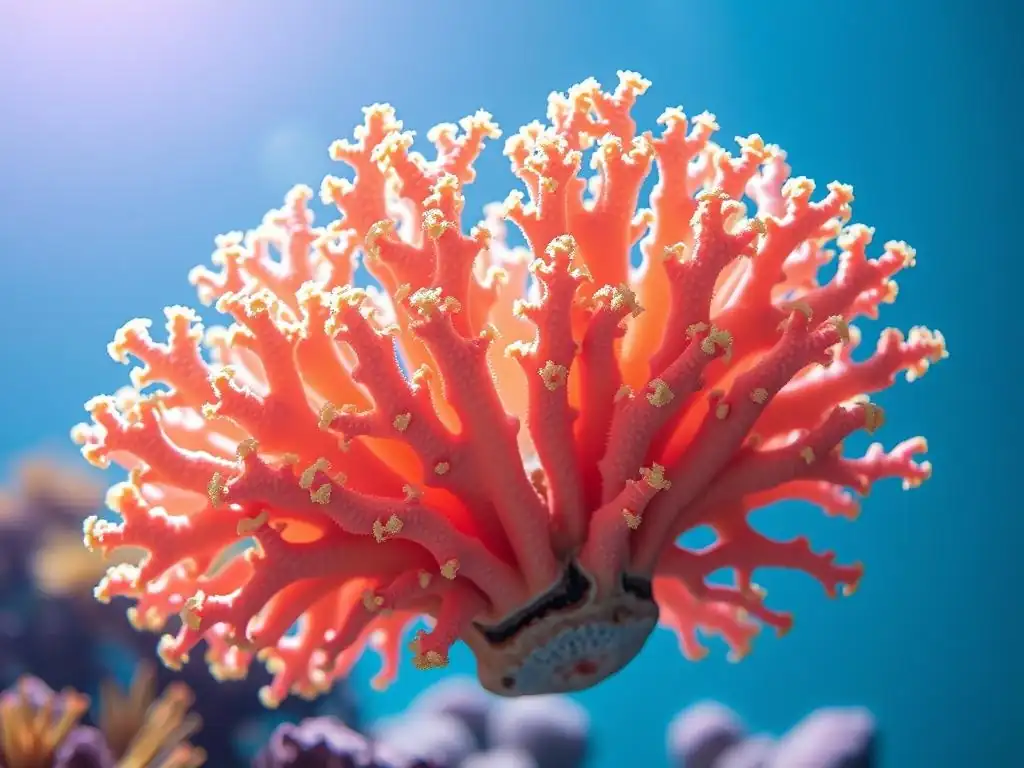
Maintaining alkalinity levels consistently above the ideal range, typically above 12 dKH, can pose significant problems for SPS corals and the overall reef ecosystem. One of the most immediate concerns is the increased risk of calcium carbonate precipitation, often seen as "snowing" in the water column or a white film accumulating on powerheads, heaters, and rockwork. This phenomenon not only reduces the availability of calcium and carbonate for corals but can also damage equipment and make the tank appear cloudy.
More critically, excessively high alkalinity can lead to tissue recession or "burns" on SPS corals, particularly at the tips or edges of the colonies. This is believed to be due to an imbalance in the calcification process or direct chemical irritation. If you detect high alkalinity, immediately cease all alkalinity dosing. Perform small, frequent water changes (e.g., 5-10% daily) with saltwater mixed to your target dKH. Allow the tank's natural consumption to gradually lower the levels. Patience is key, as rapid corrections can cause further stress.
Low Alkalinity: Signs of Stress and Corrective Measures
Low alkalinity, typically below 6 dKH, is arguably more detrimental to SPS corals than high alkalinity, as it directly impairs their ability to calcify and grow. The most common signs of low alkalinity include stunted growth, pale coloration, and in severe cases, slow tissue necrosis (STN) or rapid tissue necrosis (RTN), where coral tissue peels away from the skeleton. Corals may also appear "pinched" or "burnt" at the tips, similar to high alkalinity, but due to a different underlying cause.
If low alkalinity is detected, it is crucial to raise it gradually. Increase your alkalinity dosing by small increments, aiming for an increase of no more than 0.5-1.0 dKH per 24 hours. Re-evaluate your tank's consumption rate and adjust your daily dosing volume accordingly. Ensure your test kit is accurate and that your dosing equipment is functioning correctly. Addressing low alkalinity promptly is critical for the survival and long-term health of your SPS colonies. Consistent SPS aquarium alkalinity control is vital to prevent these stressful scenarios.
Acclimation: Adapting SPS Corals to New Alkalinity Levels
When introducing new SPS corals to your aquarium, proper acclimation is paramount, especially regarding alkalinity. Corals are highly sensitive to sudden changes in water parameters, and a significant difference in dKH between the vendor's water (or frag tank) and your display tank can cause severe shock, leading to tissue loss or even death. For example, if a frag comes from water at 11 dKH and your tank is at 8 dKH, the 3 dKH difference can be highly stressful.
The recommended method for acclimation is drip acclimation, allowing your tank's water to slowly mix with the water the coral arrived in, gradually equalizing parameters. For SPS corals, a drip rate of 1-2 drops per second over 1-2 hours is often recommended if the dKH difference is greater than 1.0 dKH. This slow transition allows the coral's physiology to adapt to the new alkalinity level, minimizing stress and significantly increasing its chances of successful integration into your reef system. Prioritizing careful acclimation is a fundamental aspect of successful SPS aquarium alkalinity control.
Advanced Tips for SPS Coral Success Through Alkalinity Management
Nutrient Levels and Alkalinity: Finding the Right Balance
While often discussed separately, nutrient levels (nitrates and phosphates) and alkalinity are subtly interconnected in a thriving SPS reef. Many advanced SPS keepers aim for ultra-low nutrient systems (ULNS), with nitrates often below 5 ppm and phosphates below 0.05 ppm. However, maintaining excessively low or undetectable nutrient levels can sometimes lead to issues with SPS coral health, such as "burnt tips" or overall paleness, which can be exacerbated by or even contribute to alkalinity uptake problems.
Some theories suggest that a complete lack of nutrients can hinder the coral's ability to utilize available alkalinity and calcium efficiently. A balance is key: detectable, but low, nutrient levels (e.g., nitrates 1-5 ppm, phosphates 0.02-0.05 ppm) are often found in the most vibrant SPS tanks. This allows for sufficient zooxanthellae activity and coral metabolism, indirectly supporting robust calcification and more stable SPS aquarium alkalinity control. Monitor both nutrient and alkalinity levels closely to find the sweet spot for your specific system.
Lighting Intensity and Alkalinity: A Symbiotic Relationship
Lighting intensity plays a direct role in alkalinity consumption in SPS aquariums. The zooxanthellae algae living symbiotically within SPS coral tissue perform photosynthesis, which is fueled by light. This photosynthetic activity drives the calcification process, where corals build their skeletons by extracting calcium and carbonate ions from the water. Consequently, higher lighting intensity (measured in PAR, Photosynthetically Active Radiation) generally leads to increased photosynthetic rates, which in turn increases the coral's demand for alkalinity and calcium.
If you upgrade your lighting system to a more powerful LED fixture or increase the intensity of your existing lights, you will almost certainly observe an increase in your tank's alkalinity consumption rate. It is crucial to monitor your alkalinity more frequently after significant lighting changes and adjust your dosing regimen accordingly. Understanding this symbiotic relationship is vital for proactive SPS aquarium alkalinity control and ensuring your corals receive the necessary building blocks for growth under intense illumination.
Flow and Alkalinity: Optimizing Nutrient Uptake
Strong, turbulent, and varied water flow is another critical factor for SPS coral health that indirectly impacts alkalinity management. SPS corals thrive in high-flow environments because it ensures a constant supply of fresh, alkalinity-rich water and other nutrients to the coral's polyps. Good flow also helps to efficiently remove waste products and detritus from the coral's surface, preventing localized areas of depleted alkalinity or nutrient buildup.
In areas of insufficient flow, a "boundary layer" of water can form around the coral, where alkalinity levels become locally depleted as the coral consumes it. This can hinder calcification, even if the bulk water parameters are ideal. Therefore, optimizing flow patterns throughout your SPS reef ensures that all colonies have access to the necessary alkalinity for optimal growth and health. Adequate flow is an often-underestimated component of successful SPS aquarium alkalinity control.
Utilizing Aquarium Controllers for Alkalinity Regulation
For the ultimate in SPS aquarium alkalinity control and stability, integrating an aquarium controller with monitoring and dosing capabilities is highly recommended. Advanced controllers like the Neptune Systems Apex or GHL Profilux offer sophisticated solutions for automating alkalinity management. These systems can be equipped with dedicated alkalinity probes or integrated automatic alkalinity testing modules (e.g., Apex ATK, GHL KH Director).
These devices can automatically test your tank's alkalinity at programmed intervals, log the data, and even make micro-adjustments to your dosing pumps or calcium reactor output based on real-time readings. This level of automation minimizes manual testing, reduces human error, and ensures unparalleled parameter stability, which is paramount for sensitive SPS corals. Controllers can also send alerts if alkalinity drifts out of the desired range, allowing for immediate intervention and preventing prolonged periods of imbalance.
Frequently Made Mistakes in SPS Alkalinity Management
Over-Dosing Alkalinity Supplements: The Dangers of Rapid Changes
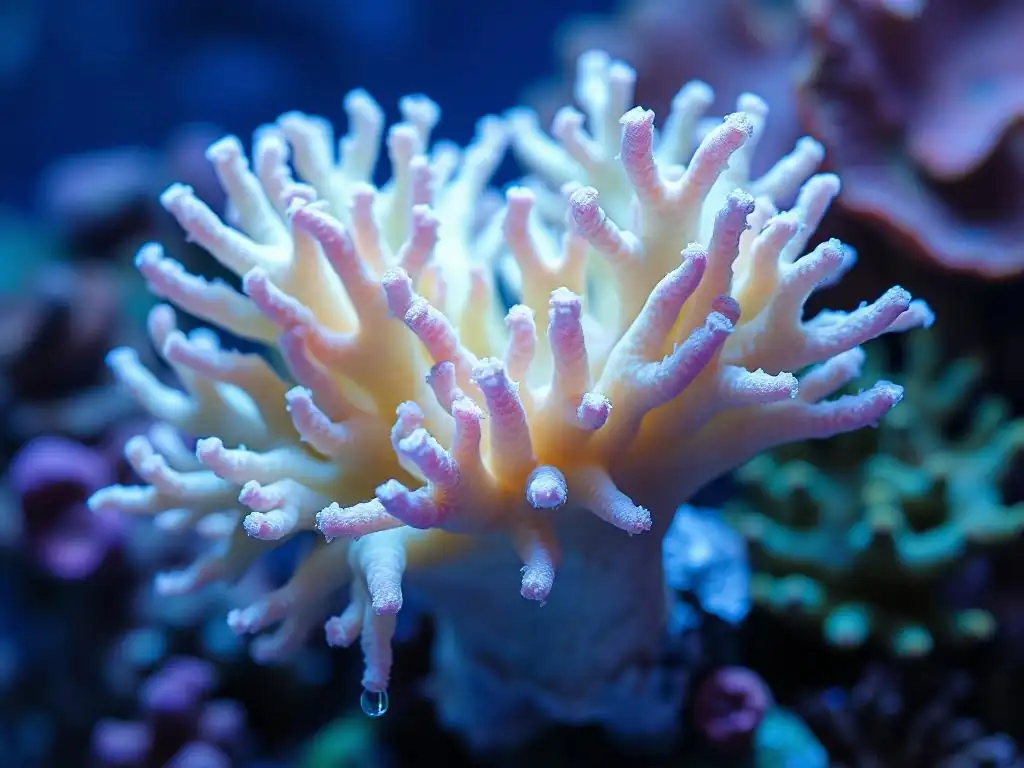
One of the most common and damaging mistakes in SPS alkalinity management is over-dosing supplements, often in an attempt to "catch up" on missed doses or achieve faster results. Rapidly increasing alkalinity levels, typically by more than 1.0-2.0 dKH within a 24-hour period, can shock SPS corals severely. This can lead to rapid tissue necrosis (RTN), where the coral tissue quickly peels away from the skeleton, leaving behind a stark white skeleton.
Additionally, over-dosing can cause calcium carbonate precipitation, leading to a cloudy tank, a white film on equipment, and the loss of available calcium and alkalinity from the water column. Always calculate your daily dose based on your tank's actual consumption and divide it into multiple smaller additions. Patience and consistency, not large single doses, are the keys to successful SPS aquarium alkalinity control.
Neglecting Regular Testing: A Recipe for Disaster
Another critical error is neglecting regular testing of alkalinity and other key parameters. While it might seem tedious, infrequent testing means you are operating blind. Alkalinity consumption in an SPS tank is a dynamic process, influenced by coral growth, light intensity, and other factors. Without consistent testing (e.g., 2-3 times per week, or daily if issues arise), you won't be able to track consumption rates, identify trends, or detect problems until they become severe.
By the time visual cues of alkalinity imbalance, such as pale corals or tissue recession, become apparent, the problem has likely been ongoing for some time, causing significant stress to your SPS colonies. Regular testing is your early warning system, allowing for small, proactive adjustments rather than reactive crisis management, which is essential for stable SPS aquarium alkalinity control.
Ignoring Other Water Parameters: Focusing Solely on Alkalinity
While alkalinity is undoubtedly crucial for SPS corals, focusing solely on this one parameter while ignoring others is a recipe for disaster. The reef ecosystem is a complex interplay of many chemical components. Calcium and magnesium levels must be maintained within their optimal ranges (400-450 ppm for calcium, 1250-1350 ppm for magnesium) for corals to utilize alkalinity effectively for calcification. If calcium is too low, even perfect alkalinity won't result in healthy growth. Similarly, low magnesium can lead to calcium and alkalinity precipitation.
Furthermore, stable pH, appropriate salinity, and low but detectable nutrient levels (nitrates and phosphates) are all vital for overall coral health. A holistic approach to water chemistry management, where all key parameters are monitored and maintained, is necessary for long-term SPS success. Effective SPS aquarium alkalinity control is only one piece of the puzzle; a balanced approach to all water parameters ensures a thriving reef.
Conclusion: The Path to SPS Aquarium Mastery Through Alkalinity Control
Key Takeaways for Maintaining a Thriving SPS Reef
Mastering SPS aquarium alkalinity control is arguably the most critical aspect of successfully keeping Small Polyp Stony corals. It demands a meticulous and consistent approach, but the rewards are vibrant, rapidly growing, and resilient SPS colonies that become the envy of any reef enthusiast. The journey to SPS aquarium mastery involves several key takeaways, each contributing to the delicate balance required for these sensitive organisms.
Firstly, consistent testing and vigilant monitoring are non-negotiable. Knowing your tank's daily alkalinity consumption rate is fundamental to proactive management. Secondly, prioritize stability over a specific number within the ideal range of 7-11 dKH. Gradual adjustments, never exceeding 0.5-1.0 dKH per day, are essential to prevent shocking your corals.
Thirdly, choose the appropriate dosing method—be it kalkwasser, two-part, three-part, or a calcium reactor—that aligns with your tank's demands and your comfort level with automation. Finally, remember that SPS aquarium alkalinity control is not an isolated task but an integral part of a holistic water chemistry management strategy, where calcium, magnesium, pH, and nutrient levels are all balanced. By embracing these principles, you pave the path to a flourishing SPS reef and achieve true aquarium mastery.
Frequently Asked Questions
What is alkalinity and why is it important for SPS corals in an aquarium?
Alkalinity is a measure of the water's ability to buffer pH changes. For SPS corals, maintaining stable alkalinity is crucial for skeletal growth and overall health. Fluctuations can lead to stress, bleaching, and even death.
What is the ideal alkalinity range for an SPS aquarium, and how is it measured?
The ideal alkalinity range for SPS corals is generally between 8 and 11 dKH (degrees of carbonate hardness). It's measured using a test kit specifically designed for alkalinity, which often involves titration or color comparison.
How often should I test the alkalinity in my SPS aquarium?
Testing alkalinity at least twice a week is recommended. This allows you to identify and address any drifts before they become problematic for your SPS corals. More frequent testing is advisable during initial setup or after making changes.
What are some common methods for raising alkalinity in an SPS aquarium?
Common methods include using two-part additives, calcium reactors, and dosing pumps with alkalinity solutions. Consistent and gradual adjustments are key to avoiding sudden fluctuations that can harm corals.
What are the potential consequences of alkalinity being too low or too high in an SPS aquarium?
Low alkalinity can impair coral growth and lead to skeletal recession. High alkalinity can cause tissue necrosis and other problems. Maintaining stability within the recommended range is essential for a healthy SPS aquarium.
Final Reflection: Embracing the Delicate Balance of Reef Life
The intricacies of maintaining a thriving SPS reef aquarium, as we've explored, highlight the crucial role of SPS aquarium alkalinity control in achieving long-term success. The delicate balance required to sustain these vibrant ecosystems mirrors the fragility of our own natural world, demanding constant vigilance and a deep understanding of the interconnectedness of its elements. Ignoring this fundamental aspect can lead to devastating consequences, underscoring the importance of proactive and informed reef keeping practices.
This journey into the science of alkalinity has not only illuminated the technical aspects of reef keeping but also deepened our appreciation for the resilience and beauty of coral reefs. The dedication required to master SPS aquarium alkalinity control reflects a commitment to preserving these underwater wonders, even within the confines of our own homes. In the end, we will conserve only what we love; we will love only what we understand; and we will understand only what we are taught.
- Baba Dioum. This quote resonates deeply, reminding us that education and understanding are the cornerstones of responsible reef keeping and environmental stewardship.
As you embark on your own reef keeping journey, remember that mastering SPS aquarium alkalinity control is more than just a technical skill; it's an act of stewardship. Let the knowledge gained here inspire you to create a thriving and sustainable ecosystem, a testament to the power of informed action and a beacon of hope for the future of our oceans.
Embrace the challenge, observe with patience, and cultivate a deep respect for the delicate balance of life within your reef. Your dedication will not only reward you with a stunning display of coral beauty but also contribute to a greater understanding and appreciation for the wonders of the natural world.
Unlock Your Reef's Full Potential
Thanks for diving deep into the secrets of SPS alkalinity! We hope you now feel empowered to maintain a thriving reef. Ready to put that knowledge into action?
Here's how you can take the next steps toward a healthier, more vibrant aquarium:
- Immediately test your aquarium's alkalinity using a reliable test kit and compare it to the ideal range discussed. This is the most important first step!
- Explore advanced alkalinity management techniques, such as using a calcium reactor or implementing a two-part dosing system. Experimentation and careful observation can lead to even greater stability.
- Share this guide with fellow reef enthusiasts! Help spread the knowledge and foster a community of successful reef keepers.
What specific alkalinity challenge are you tackling in your aquarium right now?