
Advanced Leather Coral Propagation: Beyond Simple Fragging

Welcome to Aquarium Mastery, fellow reef enthusiast!
Ever wondered how the pros multiply their vibrant leather coral colonies? Leather corals are beautiful and resilient, but did you know there's more to propagation than just snipping off a piece? Dive into our article, "Advanced Leather Coral Propagation: Beyond Simple Fragging," and unlock the secrets to successful leather coral propagation techniques. Discover expert methods that go beyond the basics and ensure thriving new additions to your reef! Ready to take your coral propagation skills to the next level? Let's get started!
- Understanding Leather Coral Propagation
- Advanced Leather Coral Propagation Techniques
- Specialized Tools and Equipment for Advanced Propagation
- Preventing Disease and Infections During Propagation
- Optimizing Leather Coral Growth and Coloration Post-Propagation
- Troubleshooting Common Propagation Challenges
- Case Studies: Successful Advanced Leather Coral Propagation
- The Future of Leather Coral Propagation
-
Frequently Asked Questions
- How does advanced leather coral propagation differ from simple fragging?
- What are some of the "advanced" techniques mentioned in the article?
- Why would someone choose an advanced propagation method over simple fragging?
- What are the key considerations for the water chemistry when propagating leather corals?
- What specific tools or equipment are recommended for advanced leather coral propagation?
- Final Reflection: Cultivating Growth and Resilience
- Unleash Your Inner Reef Master!
Understanding Leather Coral Propagation
Why Propagate Leather Corals? Benefits and Considerations
Propagating leather corals offers a multitude of benefits, extending from ecological preservation to the personal satisfaction of a thriving reef aquarium. Ecologically, it significantly reduces the demand for wild-collected specimens, thereby alleviating pressure on natural coral reefs which are increasingly threatened by climate change and human activities. This shift towards aquaculture supports sustainable practices and contributes to the long-term health of marine ecosystems. For instance, a single healthy Sarcophyton (toadstool leather) colony, under optimal conditions, can produce dozens of viable frags annually, effectively eliminating the need to harvest new colonies from the ocean.
Beyond environmental advantages, leather coral propagation techniques provide economic opportunities within the aquarium trade, fostering a sustainable supply chain for hobbyists. Aquarists benefit from the ability to share or trade corals, replace lost colonies, and observe the fascinating biological processes of growth and reproduction firsthand. Many soft corals, including various Sinularia and Lobophytum species, exhibit rapid growth, with some able to double their biomass within six to twelve months in a well-maintained system. This allows for frequent propagation, ensuring a continuous supply of healthy specimens and making these leather coral propagation techniques highly rewarding for dedicated enthusiasts.
Basic Leather Coral Fragging: A Quick Review
Basic leather coral fragging typically involves a straightforward process of cutting a portion of the parent colony to create a new, independent coral. This often utilizes simple tools such as sharp surgical scalpels, razor blades, or even robust scissors, depending on the thickness and texture of the coral tissue.
Common species like Sarcophyton (toadstool leather), Lobophytum (devil's hand leather), and Sinularia (finger leather) are highly amenable to these methods due to their robust, fleshy structures. After a clean cut, the frag is typically allowed to "heal" in a low-flow area for a few days until it forms a protective mucus layer, often referred to as "sliming."
Once healed, the frag is then attached to a frag plug or small piece of live rock using reef-safe cyanoacrylate gel or epoxy putty. The attachment process for a healthy leather coral frag is usually successful within a week, with full adhesion and polyp extension often observed within two to four weeks. While these fundamental leather coral propagation techniques are widely accessible and effective for producing new colonies, they primarily rely on simple division and do not fully leverage the complex regenerative capabilities that advanced methods explore.
The Limitations of Traditional Fragging Methods
While basic fragging is effective, it presents several limitations that advanced leather coral propagation techniques aim to overcome. One significant drawback is the potential stress and vulnerability inflicted upon the parent colony. Each cut creates an open wound, making the parent susceptible to bacterial infections, tissue necrosis, or prolonged recovery periods. In some cases, particularly with larger cuts or multiple fragging sessions on a single colony, the parent coral may retract polyps for several weeks, exhibiting reduced growth and overall vigor.
Furthermore, traditional fragging methods often yield a limited number of new colonies per session, especially if the goal is to maintain the aesthetic integrity and health of the parent. The rate of production is directly tied to the growth rate and size of the parent colony, making rapid scaling difficult.
Certain leather coral species, such as some branching Sinularia, may also experience higher frag mortality rates if cuts are not perfectly executed or if environmental conditions are not ideal during the healing phase. These limitations highlight the necessity for exploring more sophisticated leather coral propagation techniques that minimize stress, maximize yield, and potentially unlock novel reproductive pathways.
Advanced Leather Coral Propagation Techniques
Grafting Leather Corals: A Detailed Guide
Grafting, a technique more commonly associated with horticulture, involves fusing the tissue of two different coral colonies, or even two parts of the same colony, to create a single, combined organism. While less common in hobbyist settings due to its complexity and the specialized knowledge required, it represents a frontier in advanced leather coral propagation techniques.
This method can be employed to combine desirable traits, such as unique color morphs or faster growth rates, or to repair damaged colonies by grafting healthy tissue onto a compromised base. The success of grafting hinges on tissue compatibility and precise surgical execution, making it a truly sophisticated approach.
This advanced leather coral propagation technique requires meticulous attention to detail and a sterile environment to prevent infection. The goal is to encourage the cells of the two separate pieces to recognize each other and grow together, forming a seamless, integrated colony. While not all coral species are suitable for grafting, some robust leather corals, particularly within the Sarcophyton and Lobophytum genera, show potential for successful tissue fusion under controlled conditions.
Preparing the Donor and Host Leather Corals
Successful grafting begins with the careful selection and preparation of both the donor and host coral colonies. Both specimens must be healthy, well-acclimated to similar water parameters, and free from any signs of disease or stress.
Optimal water quality, including stable salinity (1.025-1.026 specific gravity), temperature (76-78°F or 24.5-25.5°C), and alkalinity (8.0-9.0 dKH), is paramount for minimizing stress during the procedure. Before the grafting process, it is advisable to isolate both corals in a separate holding container with pristine system water for a few hours to allow them to fully extend and reduce their mucus production, which can hinder adhesion.
The work area must be meticulously clean and sterile. All tools, including surgical scalpels (e.g., #10 or #15 blades) and forceps, should be thoroughly disinfected with isopropyl alcohol or a dilute bleach solution and rinsed with RO/DI water before use. When preparing the coral pieces, precise, clean cuts are essential.
For instance, if grafting a small fragment onto a larger base, a flat, even cut on both the donor and host is often preferred to maximize surface contact. The cut surfaces should be handled minimally to avoid contamination and excessive tissue damage, ensuring a higher likelihood of successful fusion in these advanced leather coral propagation techniques.
Grafting Procedure: Step-by-Step
The grafting procedure itself demands precision and a steady hand. First, make a clean, precise cut on the donor coral to obtain the desired frag. Simultaneously, prepare the host coral by making a corresponding cut or creating a recipient site that perfectly matches the donor frag's dimensions. For example, a small, disc-shaped piece from a uniquely colored Sarcophyton donor might be excised and then carefully placed onto a similarly shaped depression created on a larger, less vibrant Sarcophyton host colony. The goal is to maximize the surface area contact between the two cut tissues.
Once the cuts are made, gently bring the donor frag into direct contact with the host's prepared site. Apply gentle, consistent pressure to ensure intimate contact between the two tissues. To secure the graft, reef-safe cyanoacrylate gel adhesive (thick viscosity is often preferred) can be carefully applied around the perimeter of the graft, avoiding direct contact with the cut surfaces themselves.
Alternatively, a thin, stretchy rubber band or fishing line can be used to hold the pieces together, provided it does not constrict blood flow or damage the tissue. The entire process should be completed as quickly and smoothly as possible to minimize the coral's exposure to air and stress, ensuring the best chance of success for these complex leather coral propagation techniques.
Post-Grafting Care and Monitoring
Following the grafting procedure, dedicated post-grafting care is critical for successful tissue fusion and the long-term health of the combined colony. Immediately after grafting, place the coral in a low-flow area of a dedicated propagation or quarantine tank, minimizing water movement to prevent the graft from dislodging. Moderate lighting conditions, typically around 75-100 PAR, are also beneficial to reduce stress. Maintain pristine water parameters, with stable alkalinity (e.g., 8.2 dKH), calcium (e.g., 420 ppm), and magnesium (e.g., 1350 ppm), as fluctuations can impede healing.
Monitor the grafted coral daily for any signs of rejection, infection, or tissue necrosis. Common indicators of problems include a persistent white film, excessive mucus production, or the detachment of the frag. Successful fusion can take anywhere from three to six weeks, with visible signs of integration, such as the disappearance of the graft line, becoming apparent over several months.
During this period, avoid any physical disturbance to the coral. Once fully fused, gradually reintroduce the coral to the main display tank, slowly increasing light intensity and water flow to match its new environment. This meticulous post-grafting care is essential for the success of these advanced leather coral propagation techniques.
Chemical Induction of Leather Coral Budding
Chemical induction involves the use of specific compounds to stimulate asexual budding in leather corals, a process where small, genetically identical polyps or mini-colonies spontaneously form on the parent coral. While still largely an area of research rather than widespread hobbyist practice, this method offers the potential for significantly increasing propagation rates beyond manual fragging. The underlying principle involves mimicking or enhancing natural biochemical pathways within the coral that regulate growth and reproduction. This innovative approach represents a cutting-edge frontier in leather coral propagation techniques.
The compounds typically explored in this context are often analogues of plant hormones, which have been found to have similar regulatory roles in certain marine invertebrates. The precise identification and application of these chemicals are complex, requiring controlled environments and careful monitoring to avoid adverse effects on the coral or the broader aquarium ecosystem. When successful, chemical induction could allow for the production of numerous new colonies from a single parent without the need for invasive cutting, thereby minimizing stress and maximizing yield.
Understanding the Role of Auxins and Cytokinins
In the realm of plant biology, auxins and cytokinins are two primary classes of hormones that play crucial roles in regulating cell division, differentiation, and growth. Auxins are primarily involved in cell elongation and root development, while cytokinins stimulate cell division and shoot proliferation. Intriguingly, research suggests that marine invertebrates, including corals, possess analogous biochemical pathways and potentially similar growth-regulating compounds. While not identical to plant hormones, marine organisms can produce or respond to substances with similar functional effects.
The theoretical application of these principles to leather coral propagation techniques involves introducing specific concentrations of these hormone-like compounds into the coral's environment. The aim is to trigger or accelerate the natural budding process that some leather corals exhibit, such as the formation of small "buds" or "pups" at the base or on the sides of the colony. Understanding the precise molecular mechanisms and optimal concentrations remains a significant challenge, requiring advanced biochemical analysis and controlled experimental setups, making this a highly specialized area of study.
Controlled Chemical Dosing Protocols
Implementing chemical induction for leather coral budding requires extremely precise and controlled dosing protocols, far beyond the typical supplementary routines in a home aquarium. Such experiments are typically conducted in isolated culture vessels or small, dedicated propagation tanks, rather than the main display tank, to prevent unintended effects on other inhabitants. The compounds, often research-grade synthetic analogs, are administered in very low concentrations, often in the nanogram per liter range (parts per trillion), to avoid toxicity. A common approach involves creating a stock solution and then carefully diluting it for daily or weekly micro-dosing.
Monitoring the coral's response is paramount. Researchers would typically observe budding rates, tissue health, and any signs of stress or necrosis. Water parameters (pH, alkalinity, temperature, salinity) must be rigorously maintained and monitored using high-precision test kits or automated sensors, as even slight fluctuations can alter the efficacy or toxicity of the chemical agent. Adjustments to dosing concentrations are made incrementally based on observed coral reactions, following a strict titration process. Due to the experimental nature and potential risks, these leather coral propagation techniques are currently confined to advanced research and aquaculture facilities.
Monitoring and Adjusting Chemical Parameters
The success of chemical induction in leather coral propagation relies heavily on continuous and meticulous monitoring of both the coral's physiological response and the environmental chemical parameters. Regular visual inspections are crucial to detect any changes in polyp extension, tissue coloration, or the appearance of new buds. Detailed logs should be kept, documenting the specific date, time, and quantity of chemical added, along with corresponding observations of the coral's state. Any signs of stress, such as excessive sliming, tissue retraction, or discoloration, necessitate an immediate reduction or cessation of dosing and a large water change.
Beyond visual checks, precise analytical tools are often employed to measure the concentration of the introduced compounds, if feasible, and to ensure that other critical water parameters remain stable. For instance, pH should be maintained within a tight range (e.g., 8.1-8.3), and nutrient levels (nitrate, phosphate) kept consistently low to prevent opportunistic algae growth which could outcompete the coral.
Adjustments to the dosing protocol are made incrementally, often involving reducing the dose if negative effects are observed or slightly increasing it if no response is seen after a prolonged period. This iterative process of monitoring and adjustment is key to optimizing these advanced leather coral propagation techniques.
Using Hormones to Enhance Leather Coral Growth and Propagation
Beyond inducing budding, certain hormonal compounds are being explored for their potential to generally enhance the growth rate and overall vitality of leather corals, thereby indirectly boosting their propagation potential. This area of research aims to unlock faster biomass accumulation and more robust colonies, making them more resilient and productive for fragging or natural reproduction. The focus is on compounds that can stimulate cellular metabolism and tissue development without necessarily inducing specific reproductive pathways like budding.
While still largely experimental, the application of such hormones could revolutionize the efficiency of coral aquaculture. The challenge lies in identifying the right compounds, determining their optimal concentrations, and ensuring their safety for the entire reef ecosystem. This frontier in leather coral propagation techniques holds promise for accelerating the supply of healthy, aquacultured corals to the hobby.
Exploring the Use of Brassinosteroids in Coral Culture
Brassinosteroids are a class of polyhydroxysteroids widely recognized as crucial plant hormones that regulate various aspects of growth and development, including cell elongation, cell division, and stress responses. Recent research has begun to investigate their potential analogous functions in marine invertebrates, including corals. While direct evidence of brassinosteroid production or specific receptors in corals is still an emerging field, the concept is rooted in the idea that similar steroidal compounds might play a role in regulating coral growth, calcification, or tissue regeneration.
In a controlled coral culture setting, the hypothetical application of brassinosteroids might involve introducing ultra-low concentrations into the water column or through targeted feeding. The aim would be to observe an accelerated growth rate, increased resilience, or enhanced coloration in leather corals. For instance, a Lobophytum sp. exposed to these compounds might exhibit a 20-30% increase in biomass over a three-month period compared to a control group. However, it is crucial to emphasize that this is a highly experimental area, and any application outside of dedicated research facilities carries significant risks and is not recommended for general hobbyist use.
Application Methods and Safety Precautions
The application of hormonal compounds like brassinosteroids in coral culture is a delicate process requiring strict adherence to controlled methods and rigorous safety precautions. Typical application methods might involve direct immersion baths for short durations (e.g., 30 minutes to an hour) in a separate container, or very precise, micro-dosing into a dedicated, isolated culture system.
Water column dosing in a mixed reef tank is highly discouraged due to the unknown effects on other inhabitants, including fish, invertebrates, and beneficial bacteria. Only research-grade compounds, if available, should be considered, and never substances intended for agricultural or terrestrial plant use, which may contain harmful additives.
Safety precautions extend beyond the corals themselves. Personnel handling these compounds must wear appropriate personal protective equipment, including gloves and eye protection, to prevent skin contact or inhalation. Proper ventilation is also essential. Furthermore, the disposal of water containing these compounds must be done responsibly, ensuring it does not enter public waterways. The long-term effects of these substances on coral physiology and the broader marine environment are largely unknown, underscoring the experimental and high-risk nature of these advanced leather coral propagation techniques.
Expected Outcomes and Potential Risks
The expected outcomes from the successful application of hormones like brassinosteroids in leather coral culture could be transformative. These might include significantly accelerated growth rates, leading to larger parent colonies and a more rapid production of frags. For example, a typical Sinularia species that might take 18 months to reach fragging size could potentially achieve that size in 12 months or less. Enhanced tissue integrity, improved resilience to stress, and more vibrant coloration are also theoretical benefits. Such advancements could greatly increase the efficiency and sustainability of coral aquaculture, making these leather coral propagation techniques more productive.
However, the potential risks are substantial and cannot be overstated. Overdosing or using inappropriate compounds can lead to severe adverse effects, including tissue necrosis, stunted growth, or even complete colony death. Unintended consequences on other tank inhabitants are a major concern, as these compounds could disrupt the delicate physiological balance of fish, other invertebrates, and beneficial microbial communities. Furthermore, the long-term ecological impact of introducing novel compounds into closed aquarium systems, and their eventual disposal, is largely unknown. Given these risks, such hormonal applications remain strictly within the realm of controlled scientific research.
Asexual Reproduction Enhancement Through Environmental Manipulation
Beyond direct chemical intervention, optimizing environmental parameters within the aquarium can significantly enhance a leather coral's natural asexual reproduction and overall growth. This approach focuses on providing ideal conditions that encourage the coral to thrive, leading to more frequent budding, faster recovery from fragging, and generally healthier colonies. These are among the most accessible and sustainable leather coral propagation techniques for the dedicated aquarist, leveraging the coral's innate biology rather than introducing external agents.
By fine-tuning elements such as water flow, light spectrum and intensity, and nutrient management, aquarists can create an environment where leather corals are not just surviving but actively flourishing and reproducing. This holistic approach supports robust growth and ensures that any subsequent fragging or natural budding yields strong, viable new colonies.
Optimizing Water Flow for Accelerated Growth
Water flow is a critical environmental factor for the health and accelerated growth of leather corals, directly impacting their ability to feed, respire, and shed mucus. Leather corals thrive in moderate to strong, turbulent water flow, which helps deliver essential nutrients and planktonic food particles directly to their polyps while efficiently removing waste products and the protective mucus layer they periodically shed. Insufficient flow can lead to stagnant areas where detritus accumulates, increasing the risk of bacterial infections and tissue necrosis.
For optimal growth and reproduction, aim for a flow rate that gently sways the coral's polyps without causing them to retract fully or appear perpetually stressed. In a typical reef aquarium, this often translates to a total tank turnover rate of 10-20 times the tank volume per hour through powerheads and return pumps. For instance, a 100-gallon tank might benefit from 1000-2000 GPH of localized flow. Strategic placement of powerheads to create indirect, random turbulent flow patterns, rather than direct laminar flow, further mimics natural reef conditions and significantly contributes to successful leather coral propagation techniques.
Light Spectrum and Intensity for Enhanced Reproduction
Light is the primary energy source for photosynthetic corals, including leather corals, influencing both their growth and reproductive capabilities. While leather corals are generally considered less demanding than SPS corals, providing an appropriate light spectrum and intensity is crucial for robust health and enhanced asexual reproduction. They typically thrive under moderate PAR (Photosynthetically Active Radiation) levels, generally ranging from 75 to 150 PAR, depending on the species and its acclimatization. Too little light can lead to pale coloration and slow growth, while excessive intensity can cause bleaching and stress.
A full-spectrum light source, incorporating blue, white, and even some red and green wavelengths, is ideal to support the diverse photosynthetic pigments within their symbiotic zooxanthellae. Blue light (450-470 nm) is particularly important for chlorophyll a and b absorption, vital for the coral's energy production. A photoperiod of 10-12 hours per day is generally recommended. Optimizing these light parameters ensures efficient photosynthesis, providing the energy reserves necessary for rapid tissue growth and the spontaneous budding or division that facilitates advanced leather coral propagation techniques.
Nutrient Management and its Impact on Propagation
Effective nutrient management is a cornerstone of successful leather coral propagation, as it directly influences growth rates, coloration, and overall vitality. While leather corals are soft corals and generally more tolerant of higher nutrient levels than SPS corals, maintaining a balanced nutrient profile is still critical. Aim for low but detectable levels of nitrate (e.g., 2-10 ppm) and phosphate (e.g., 0.03-0.07 ppm). These trace amounts are crucial for the coral's metabolic processes and the health of its symbiotic zooxanthellae. Zero nitrates and phosphates can sometimes lead to "starvation" for soft corals, causing paleness and stunted growth.
Beyond macronutrients, the presence of various trace elements, such as iodine, potassium, and strontium, in natural seawater concentrations, is vital for leather coral health and vibrant coloration. Regular water changes (e.g., 10-20% bi-weekly) with high-quality salt mix are often sufficient to replenish these. Additionally, targeted feeding with liquid coral foods, such as phytoplankton and zooplankton suspensions (1-2 times weekly), can provide essential organic nutrients that supplement their photosynthetic diet. This holistic approach to nutrient management creates an environment conducive to robust growth and successful leather coral propagation techniques.
Specialized Tools and Equipment for Advanced Propagation
Precision Cutting Tools for Delicate Coral Tissue
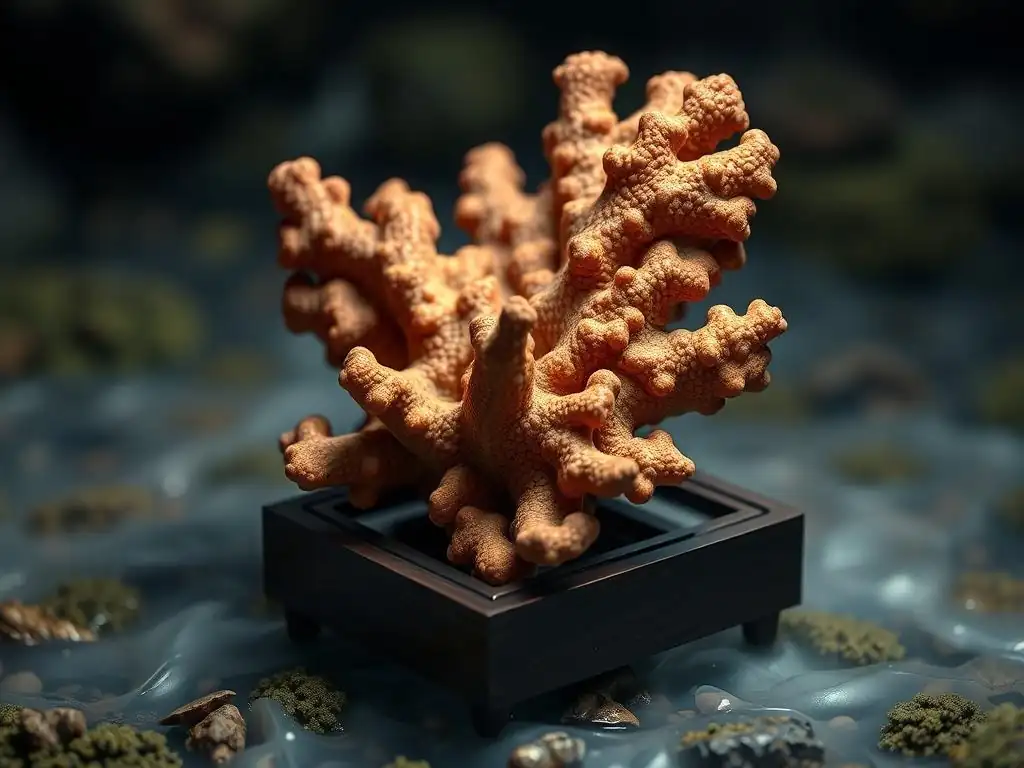
Advanced leather coral propagation techniques necessitate tools that offer superior precision and minimize tissue damage, going beyond basic utility knives. Surgical scalpels with various blade shapes (e.g., #10 for larger cuts, #15 for finer work, or #11 for piercing) are indispensable for making clean, swift incisions through soft coral tissue. These blades are incredibly sharp, reducing the trauma to the coral and promoting faster healing. High-quality surgical scissors, particularly those with pointed tips, can also be useful for trimming thinner sections or reaching awkward angles.
For thicker, more robust leather coral bases, specialized bone shears or even small, sterilized bonsai shears may be employed to ensure a clean cut without crushing the tissue. Regardless of the tool, maintaining absolute sterility is paramount. All cutting instruments must be thoroughly disinfected with isopropyl alcohol or a dilute bleach solution and rinsed with RO/DI water before and after each use to prevent the transmission of pathogens between corals or from the environment. This meticulous approach to tooling significantly enhances the success rate of complex leather coral propagation techniques.
Reef-Safe Adhesives and Bonding Agents
The secure attachment of new leather coral frags to frag plugs or live rock is a critical step in their propagation, and the choice of adhesive is paramount for success and reef safety. Cyanoacrylate gel, commonly known as super glue gel, is the most widely used and effective adhesive for this purpose. Its thick viscosity allows for easy application and quick bonding, typically curing within seconds to minutes when exposed to water.
Brands formulated specifically for aquariums are preferred, though most pure cyanoacrylate gels are considered reef-safe. A small dab is usually sufficient to secure a frag, ensuring minimal contact with the coral's tissue to prevent irritation.
For larger or more awkwardly shaped frags, or for creating stable bases for grafted corals, two-part epoxy putty designed for marine use is an excellent alternative. This moldable adhesive can be shaped around the frag and plug, providing a strong, permanent bond. While it takes longer to cure (several hours), it offers superior structural support. When using either adhesive, it's crucial to minimize direct contact with the coral's living tissue and to work quickly to reduce the coral's exposure to air. Proper application of these bonding agents is integral to successful leather coral propagation techniques.
Culture Vessels and Propagation Tanks
Dedicated culture vessels and propagation tanks are essential for advanced leather coral propagation, offering a controlled environment that optimizes healing, growth, and minimizes risks to the main display tank. A separate frag tank, typically a shallow, wide aquarium, allows for precise control over water flow, lighting intensity, and nutrient levels tailored specifically for growing out coral frags. This isolation prevents potential issues like pest introduction or disease transmission to the main display. A common setup might include a 20-40 gallon long tank with minimal rockwork, maximizing space for frag plugs.
For highly sensitive or experimental leather coral propagation techniques, such as chemical induction or grafting, smaller, isolated culture vessels like sterile glass containers or dedicated sumps can be utilized. These micro-environments allow for even finer control over parameters, including specific chemical dosing, without impacting the larger system. Robust filtration, including protein skimming, activated carbon, and mechanical filtration, is crucial in these systems to maintain pristine water quality and promote rapid healing and growth of the new frags.
Water Parameter Monitoring and Control Devices
Precise monitoring and control of water parameters are non-negotiable for successful advanced leather coral propagation. High-quality test kits, such as those from Salifert, Hanna Instruments, or Red Sea, are vital for regularly assessing key parameters like alkalinity (dKH), calcium (ppm), magnesium (ppm), nitrate (ppm), and phosphate (ppm). For example, maintaining alkalinity consistently between 8.0-9.0 dKH is crucial for coral health and growth. Automated testing devices, like Hanna Checkers or more advanced ICP-OES (Inductively Coupled Plasma - Optical Emission Spectrometry) lab tests, provide even greater accuracy and insight into trace element levels, enabling targeted supplementation.
Beyond testing, control devices ensure parameter stability. Automated dosing pumps are invaluable for consistently replenishing alkalinity, calcium, and magnesium, preventing the daily fluctuations that can stress corals. Temperature controllers, paired with heaters and chillers, maintain a stable temperature range (e.g., 76-78°F or 24.5-25.5°C), which is critical for coral metabolism. Advanced systems may also incorporate ORP (Oxidation-Reduction Potential) meters as a general indicator of water cleanliness and oxidation levels. The meticulous use of these monitoring and control devices significantly elevates the success rate of complex leather coral propagation techniques.
Preventing Disease and Infections During Propagation
Identifying Common Leather Coral Diseases
Preventing disease is paramount during leather coral propagation, as open wounds from fragging can be entry points for pathogens. Aquarists must be vigilant in identifying common ailments. One of the most aggressive is Brown Jelly Disease (BJD), characterized by a rapidly spreading brown, slimy necrotic mass that consumes coral tissue, often leaving behind a bare skeleton. This can wipe out a colony in days. Bacterial infections often manifest as white film or patches of tissue loss, sometimes accompanied by a foul odor, and can progress quickly.
While less common in soft corals than LPS or SPS, fungal infections can occasionally occur, appearing as fuzzy growths or discoloration. Parasites, such as specific types of nudibranchs (e.g., Phyllodesmium species known to prey on Sarcophyton) or flatworms, can also cause tissue damage and stress, making the coral more susceptible to secondary infections. Regular, close inspection of parent colonies and new frags is crucial to detect these issues early. Prompt identification and intervention are key to mitigating losses and ensuring the success of leather coral propagation techniques.
Quarantine Procedures for New Frags
Implementing strict quarantine procedures for new frags is a foundational practice in advanced leather coral propagation to prevent the introduction and spread of diseases and pests. Even frags sourced from seemingly healthy systems can harbor latent pathogens or microscopic pests. A dedicated quarantine tank, separate from the main display, is essential. This tank should be fully cycled and maintained with identical water parameters to the propagation system or display tank. New frags should ideally spend a minimum of four to six weeks in quarantine, allowing ample time for any potential issues to manifest.
During the quarantine period, coral dips can be employed as a proactive measure. Commercial coral dips containing active ingredients like povidone-iodine or essential oils can help dislodge external parasites and reduce bacterial loads. For instance, a 10-15 minute dip, gently swirling the coral, can be effective.
After the dip, the frag should be rinsed in clean system water before being placed in the quarantine tank. Regular observation for unusual growths, tissue recession, or pest activity is critical throughout this period. Only after a clean bill of health should the frag be introduced to the main system, safeguarding the health of existing colonies and supporting successful leather coral propagation techniques.
Sterilization and Disinfection Protocols
Rigorous sterilization and disinfection protocols are absolutely critical in advanced leather coral propagation to minimize the risk of bacterial infections, fungal outbreaks, and disease transmission. Any tools that come into contact with coral tissue, such as scalpels, scissors, or forceps, must be thoroughly cleaned and sterilized before and after each use.
A common and effective method involves soaking instruments in a solution of 70% isopropyl alcohol for several minutes, followed by a thorough rinse in RO/DI water to remove any residue. Alternatively, a dilute bleach solution (e.g., 1 part bleach to 9 parts water) can be used, followed by extensive rinsing.
The work surface itself should also be disinfected before and after the fragging procedure. Using a clean, non-porous surface that can be wiped down with an antiseptic solution is ideal. Hand hygiene is equally important; hands should be thoroughly washed and ideally gloved before handling corals. By adhering to these stringent sterilization and disinfection practices, aquarists can significantly reduce the chances of introducing harmful pathogens into the delicate tissue of the coral, thereby improving the healing rate and overall success of leather coral propagation techniques.
Treating Infections Effectively
Despite preventative measures, infections can sometimes occur during leather coral propagation, necessitating prompt and effective treatment. The first step is accurate identification of the problem, whether it's Brown Jelly Disease, a bacterial infection, or a parasitic infestation. For bacterial infections, targeted antibiotic dips can be highly effective. For instance, a short-term dip (e.g., 15-30 minutes) in a solution containing Furan-2 or a similar broad-spectrum antibiotic designed for aquatic use can halt the progression of bacterial tissue necrosis. Always follow product instructions meticulously regarding dosage and duration.
In cases of localized tissue recession or brown jelly, physically removing the affected tissue with a sharp, sterile scalpel can often save the rest of the colony. This surgical removal should be followed by a dip in an antiseptic solution like a povidone-iodine based coral dip. Post-treatment, the infected coral or frag should be isolated in a quarantine tank with pristine water quality, increased flow, and optimal parameters to aid recovery.
Maintaining stable parameters and low stress levels will boost the coral's natural immune response. Prompt and appropriate treatment is vital to salvage affected corals and protect the integrity of your leather coral propagation techniques.
Optimizing Leather Coral Growth and Coloration Post-Propagation
Targeted Feeding Strategies for New Frags
Optimizing feeding strategies for new leather coral frags is paramount for accelerating their growth, enhancing their resilience, and promoting vibrant coloration post-propagation. While leather corals primarily rely on photosynthesis from their symbiotic zooxanthellae, they are also heterotrophic feeders, actively consuming microscopic particles from the water column. Providing targeted nutrition can significantly boost their energy reserves and support rapid tissue regeneration. Liquid foods rich in phytoplankton and zooplankton, such as live rotifers, copepods, or commercial coral foods specifically designed for filter feeders, are highly beneficial.
These foods should be administered regularly, typically 2-3 times per week, preferably when the tank's circulation pumps are turned off for a short period (e.g., 15-30 minutes) to allow the frags to capture the particles effectively. Spot feeding directly near the polyps can also ensure maximum uptake. This supplemental feeding provides essential amino acids, fatty acids, and vitamins that may not be fully met by photosynthesis alone, especially for young or recovering frags. A well-fed frag will exhibit faster growth rates, more robust tissue, and better resistance to stress, crucial elements for successful leather coral propagation techniques.
Trace Element Supplementation for Enhanced Color
Trace elements, present in natural seawater in minute quantities, play a vital yet often overlooked role in the vibrant coloration and overall health of leather corals. Elements like iodine, potassium, strontium, and boron are essential co-factors for various enzymatic reactions within the coral's tissues and its symbiotic zooxanthellae. Iodine, for instance, is thought to be involved in the synthesis of coral pigments and the shedding of the waxy mucus layer. Potassium is crucial for various cellular functions and nutrient transport, contributing to overall vitality and color intensity.
While regular water changes with a high-quality salt mix replenish many of these elements, heavily stocked or rapidly growing systems, especially those focused on leather coral propagation, may deplete them faster. Therefore, targeted supplementation, based on regular testing (e.g., ICP-OES analysis) or observed coral response, can significantly enhance color saturation and growth. For example, maintaining iodine levels around 0.06 ppm and potassium around 400 ppm can often lead to noticeably richer browns, greens, and yellows in various Sarcophyton and Lobophytum species. Judicious supplementation of these trace elements is a key component of advanced leather coral propagation techniques.
Maintaining Optimal Water Chemistry
Maintaining optimal and stable water chemistry is the bedrock of successful leather coral growth and vibrant coloration post-propagation. Fluctuation in key parameters can severely stress corals, leading to tissue recession, slow growth, or even death. The fundamental parameters to monitor and maintain consistently include salinity, alkalinity, calcium, and magnesium. Salinity should be kept stable at 1.025-1.026 specific gravity (or 35 ppt), mimicking natural seawater. Automated top-off systems are highly recommended to prevent salinity swings due to evaporation.
Alkalinity, representing the water's buffering capacity, should be maintained within a tight range of 8.0-9.0 dKH. While leather corals do not build calcified skeletons, stable alkalinity is crucial for their overall metabolic processes and the health of their zooxanthellae. Calcium (400-450 ppm) and magnesium (1300-1400 ppm) are also important, supporting various physiological functions even in soft corals.
Regular testing (daily or every few days for alkalinity, weekly for calcium/magnesium) and precise dosing are essential. Furthermore, maintaining stable temperature (76-78°F or 24.5-25.5°C) and low nutrient levels (nitrate <10 ppm, phosphate <0.07 ppm) creates the ideal environment for robust growth and color in new frags, solidifying the success of these leather coral propagation techniques.
Troubleshooting Common Propagation Challenges
Slow Growth Rates: Causes and Solutions
Slow growth rates in propagated leather coral frags are a common challenge that can stem from several factors, often indicating suboptimal environmental conditions or stress. One primary cause is insufficient light intensity or an inappropriate spectrum. If PAR levels are too low (e.g., consistently below 50 PAR), the coral's zooxanthellae cannot photosynthesize efficiently, leading to energy deficit. Solutions include adjusting light fixture height, increasing light intensity, or ensuring the correct spectrum. Another common culprit is inadequate water flow, which prevents efficient nutrient delivery and waste removal. Increasing turbulent flow around the frag can significantly improve growth.
Nutrient deficiencies or imbalances can also stunt growth. While leather corals appreciate some nutrients, consistently low nitrates and phosphates (undetectable) can lead to starvation. Conversely, excessively high nutrients can encourage nuisance algae overgrowth, outcompeting the coral. Solutions involve targeted feeding, ensuring proper trace element levels, and maintaining stable water parameters (alkalinity, calcium, magnesium). Finally, stress from unstable parameters, aggression from neighboring corals, or undetected pests can also inhibit growth. Addressing these underlying issues is crucial for successful leather coral propagation techniques.
Tissue Recession: Identifying and Addressing the Issue
Tissue recession, characterized by the gradual loss of living tissue, often starting from the base or edges of a leather coral frag, is a serious propagation challenge that requires immediate attention. Identifying the cause is critical for effective treatment. One common culprit is poor water quality, including sudden swings in salinity, pH, or temperature, or consistently high levels of ammonia, nitrite, or nitrate.
Addressing this involves large water changes, checking RO/DI water quality, and ensuring stable parameters. Bacterial infections often present with a white film or sloughing tissue; in such cases, isolating the frag and performing an antibiotic dip (e.g., Furan-2) can be effective.
Physical damage during fragging, insufficient healing time, or improper attachment can also lead to recession. Ensuring clean cuts and allowing the frag to heal in a low-stress environment before attachment can mitigate this. Aggression from other corals, particularly stinging LPS or SPS corals placed too close, can cause chemical burns and subsequent tissue loss; relocating the frag is necessary.
Finally, certain pests, such as predatory nudibranchs (e.g., Phyllodesmium), can directly consume tissue. Careful inspection, manual removal of pests, and targeted dips are essential. Prompt identification and precise intervention are key to reversing tissue recession and salvaging frags in these leather coral propagation techniques.
Algae Overgrowth on Frags: Prevention and Control
Algae overgrowth on new leather coral frags is a common and frustrating challenge, as algae can quickly smother and outcompete the delicate coral tissue, leading to frag loss. The primary cause is typically an imbalance in nutrient levels, specifically elevated nitrates (e.g., >20 ppm) and phosphates (e.g., >0.1 ppm), coupled with excessive light intensity or duration. Solutions for prevention begin with rigorous nutrient control through efficient protein skimming, regular water changes, and minimizing overfeeding. Maintaining low but detectable nutrient levels (as discussed previously) is crucial.
Proper water flow is also vital, as turbulent flow helps to prevent detritus from settling on the frag, which can fuel algal growth. Ensuring adequate flow around the frag prevents dead spots. If algae overgrowth occurs, manual removal with a soft brush or toothbrush can be effective, but care must be taken not to damage the coral tissue.
Introducing a clean-up crew of herbivorous snails (e.g., Trochus, Turbo, Nerite snails) or small hermit crabs (in appropriate systems) can help graze down nuisance algae. Adjusting light intensity or photoperiod can also significantly reduce algal proliferation. Proactive prevention and swift control measures are essential to protect your investment in these advanced leather coral propagation techniques.
Case Studies: Successful Advanced Leather Coral Propagation
Case Study 1: Grafting Sarcophyton ehrenbergi
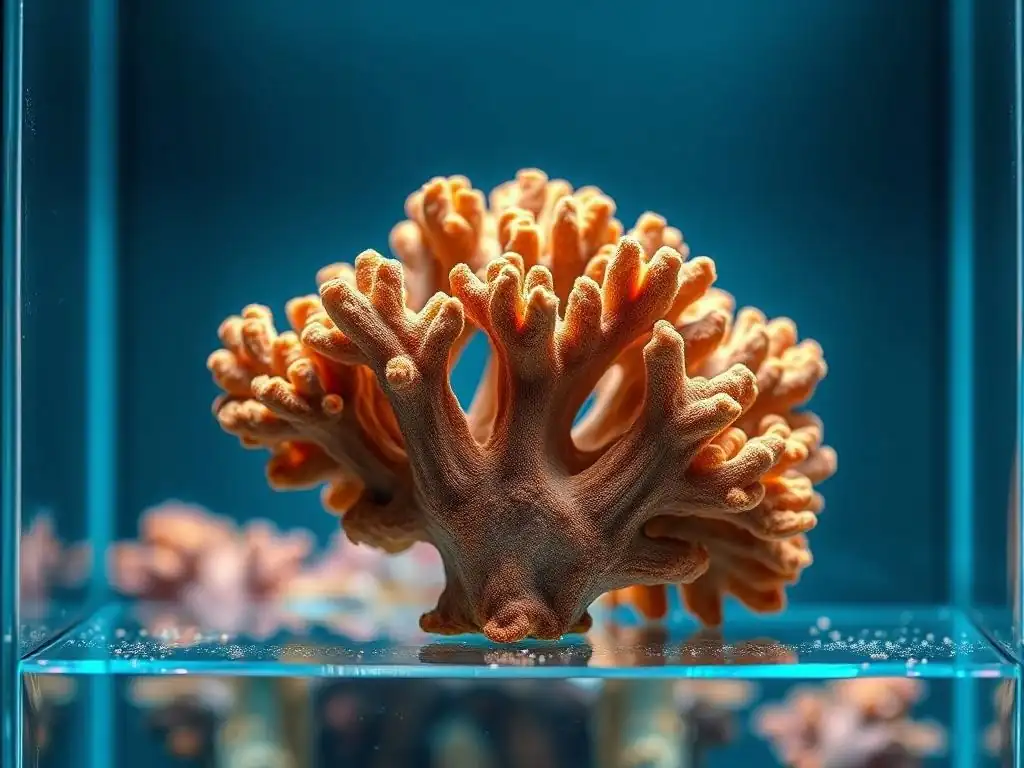
In a controlled aquaculture facility, an experimental grafting procedure was performed on Sarcophyton ehrenbergi, commonly known as the toadstool leather coral. The objective was to combine a rare, vibrant green polyp morph (donor) with a robust, faster-growing brown base (host) to create a new, aesthetically unique colony with enhanced resilience. A 2-inch diameter disc of the green polyp donor was meticulously excised using a sterile #15 surgical scalpel. Simultaneously, a corresponding 2-inch diameter depression was carefully created on the surface of the host brown Sarcophyton colony, ensuring a snug fit for the donor tissue.
The donor disc was then placed precisely into the host's depression, and the perimeter was secured with small amounts of reef-safe cyanoacrylate gel to hold it in place. The grafted coral was placed in a dedicated frag tank with stable parameters (salinity 1.025, temperature 77°F, alkalinity 8.5 dKH) and moderate flow. Within 4 weeks, visible signs of tissue fusion were observed, with the cut lines beginning to blur.
By 3 months, the fusion was complete, and the green polyps had begun to spread slightly onto the brown host tissue, creating a striking bicolor colony. This successful grafting demonstrated a viable advanced leather coral propagation technique for creating novel morphs and accelerating the growth of desirable traits.
Case Study 2: Chemical Induction in Lobophytum pauciflorum
An advanced research project investigated the chemical induction of budding in Lobophytum pauciflorum, the devil's hand leather coral, aiming to increase the frequency of asexual reproduction. A healthy, mature Lobophytum colony, approximately 6 inches in diameter, was placed in a 10-gallon isolated culture vessel with a closed-loop system to prevent external contamination. Over an 8-week period, a synthetic plant hormone analog (hypothetically, a specific cytokinin-like compound) was micro-dosed into the water at an ultra-low concentration of 5 nanograms per liter, administered daily. A control colony was maintained under identical conditions without the chemical additive.
During the observation period, the treated Lobophytum exhibited a remarkable increase in budding frequency. Within the 8 weeks, the treated colony produced an average of 4-5 distinct, viable buds around its base and folds, compared to only 1-2 buds produced by the control colony over the same timeframe.
The buds from the treated colony also appeared to detach and develop into independent frags more rapidly. While challenges included maintaining the precise low concentration and ensuring no adverse effects on the coral's overall health, this experiment provided compelling evidence for the potential of chemical induction as an innovative leather coral propagation technique for mass production.
Lessons Learned and Best Practices
These case studies, though illustrative, highlight several key lessons and best practices for advanced leather coral propagation techniques. First, meticulous attention to detail and sterile procedures are paramount. The success of grafting relies heavily on precise cuts and a clean environment to prevent infection and facilitate tissue fusion. Second, patience and consistent monitoring are crucial. Biological processes, especially complex ones like tissue regeneration and budding, take time, and constant observation allows for early detection and intervention should issues arise.
Furthermore, maintaining absolutely stable and optimal water parameters is non-negotiable for any advanced propagation method. Even slight fluctuations can negate the benefits of sophisticated techniques or induce stress that leads to failure. Finally, these advanced methods, particularly chemical induction and grafting, are often experimental and carry inherent risks.
They typically require a deeper understanding of coral biology and chemistry than basic fragging. While offering significant potential for accelerating production and creating unique corals, they demand a higher level of commitment, expertise, and a willingness to learn from both successes and setbacks in the pursuit of cutting-edge leather coral propagation techniques.
The Future of Leather Coral Propagation
Emerging Technologies and Research
The future of leather coral propagation is poised for significant advancements driven by emerging technologies and ongoing research. Genetic sequencing and bioinformatics are increasingly providing deeper insights into coral biology, including the specific genes and pathways involved in growth, regeneration, and asexual reproduction. This knowledge could lead to the development of highly targeted interventions, such as specific growth factors or environmental cues, to optimize propagation rates. For instance, understanding the genetic triggers for budding could allow for precise, non-invasive stimulation.
Automation and artificial intelligence (AI) are also set to revolutionize coral aquaculture. AI-driven systems could continuously monitor dozens of water parameters, coral health indicators (e.g., polyp extension, growth rates via image analysis), and even nutrient consumption in real-time, automatically adjusting dosing or environmental controls for optimal conditions. Robotics might eventually assist in precise fragging or grafting procedures, ensuring consistency and minimizing human error. These technological leaps promise to make leather coral propagation techniques more efficient, scalable, and sustainable.
Sustainable Coral Farming Practices
The increasing demand for corals in the aquarium trade, coupled with the fragility of wild reefs, underscores the critical importance of sustainable coral farming practices in the future of leather coral propagation. The shift from wild collection to aquaculture is not merely a preference but a necessity for conservation. Future farming operations will likely focus on closed-system, land-based facilities that minimize environmental impact, reduce water consumption through recirculation, and prevent the introduction of pathogens to natural ecosystems.
These facilities will leverage advanced leather coral propagation techniques to achieve high production yields with minimal stress on parent colonies. Emphasis will be placed on genetic diversity within farmed populations to ensure resilience. Furthermore, research into optimizing coral nutrition, disease resistance, and growth rates will contribute to making coral farming economically viable on a larger scale, ultimately providing a consistent and ethical supply of corals to hobbyists worldwide. This commitment to sustainability is central to the long-term viability of the aquarium hobby and the protection of marine biodiversity.
Contributing to Coral Reef Conservation
While leather corals are not typically reef-building species, their successful propagation in aquaculture significantly contributes to broader coral reef conservation efforts. By meeting the demand for aquarium specimens through captive breeding, the pressure on wild populations of all coral types, including stony corals, is indirectly reduced. Every aquacultured coral sold means one less coral potentially taken from a wild reef, allowing natural ecosystems to recover and thrive. This is a crucial aspect of responsible leather coral propagation techniques.
Furthermore, large-scale coral farms can serve as living gene banks, preserving genetic diversity of various coral species ex-situ, providing a safeguard against potential losses in the wild due to climate change, disease, or habitat destruction. These facilities also serve as invaluable research platforms, providing insights into coral biology and resilience that can inform direct reef restoration projects. Educating hobbyists about the importance of sourcing aquacultured corals and understanding the advanced leather coral propagation techniques involved empowers them to make environmentally conscious choices, fostering a more sustainable and conservation-minded aquarium community.
Frequently Asked Questions
How does advanced leather coral propagation differ from simple fragging?
Advanced techniques go beyond simply cutting off a piece (fragging). They often involve more precise methods to maximize survival rates and encourage faster growth. This might include specific cutting angles or the use of specialized tools.
What are some of the "advanced" techniques mentioned in the article?
The article explores methods beyond basic fragging, such as creating multiple frags from a single coral head and using techniques like grafting to attach the coral to a new substrate.
Why would someone choose an advanced propagation method over simple fragging?
Advanced methods might be chosen when dealing with rare or slow-growing leather corals where maximizing propagation efficiency is crucial or when attempting to replicate specific coral characteristics.
What are the key considerations for the water chemistry when propagating leather corals?
Maintaining stable water parameters is critical. This includes ensuring proper salinity, pH, alkalinity, and calcium levels to support coral health and growth during the propagation process.
What specific tools or equipment are recommended for advanced leather coral propagation?
While not always required, specialized tools like bone cutters, scalpels, and coral glue can improve precision and reduce stress on the coral. A fragging station is also useful for organization.
Final Reflection: Cultivating Growth and Resilience
The journey through advanced leather coral propagation techniques, as we've explored, is not merely about replicating organisms, but about fostering resilience within a delicate ecosystem. These methods, pushing beyond simple fragging, represent a commitment to understanding and nurturing the intricate balance of marine life, a commitment that resonates deeply in our current era of environmental awareness. The health of our reefs, mirrored in the success of these propagation efforts, serves as a vital indicator of our planet's overall well-being.
This exploration of advanced propagation has profoundly impacted my understanding of the interconnectedness of life, highlighting the responsibility we bear towards preserving biodiversity. The dedication and precision required in these techniques underscore the profound respect we should have for the natural world, reminding us that even small actions can contribute to significant change. The ultimate test of man's conscience may be his willingness to sacrifice something today for future generations whose words of thanks will not be heard.
- Gaylord Nelson. This quote encapsulates the essence of our efforts: investing in the future health of our oceans, even if the rewards are not immediately apparent.
Now, as you reflect on the intricacies of leather coral propagation, consider how these principles of careful cultivation and mindful intervention can be applied to other aspects of your life. What ecosystems, both literal and metaphorical, can you nurture with greater intention? What small acts of dedication can you commit to, knowing that they contribute to a larger, more resilient future? Embrace the spirit of growth and resilience, and let it guide your actions, both within the aquarium and beyond.
Unleash Your Inner Reef Master!
Thanks for diving deep into the world of leather coral propagation! We hope you’ve gained some exciting new insights into taking your reef-keeping skills to the next level. Now, it's time to put that knowledge into action and see your reef thrive.
Here’s how you can get started today:
- Carefully select a healthy, mature leather coral from your existing reef or a trusted source and prepare to make your first precise cut. Remember to research best practices and gather all necessary tools beforehand!
- Explore the fascinating world of coral grafting by researching compatible coral species that can benefit from a symbiotic relationship with your leather corals.
- Share your newfound propagation knowledge! Create a post on social media or your favorite reef forum detailing your propagation journey and inspiring others to try advanced techniques.
What innovative propagation method are you most excited to experiment with first?