
Feather Duster Worms & Coco Worms: Adding Flowing Beauty to Your Reef

Welcome to Aquarium Mastery!
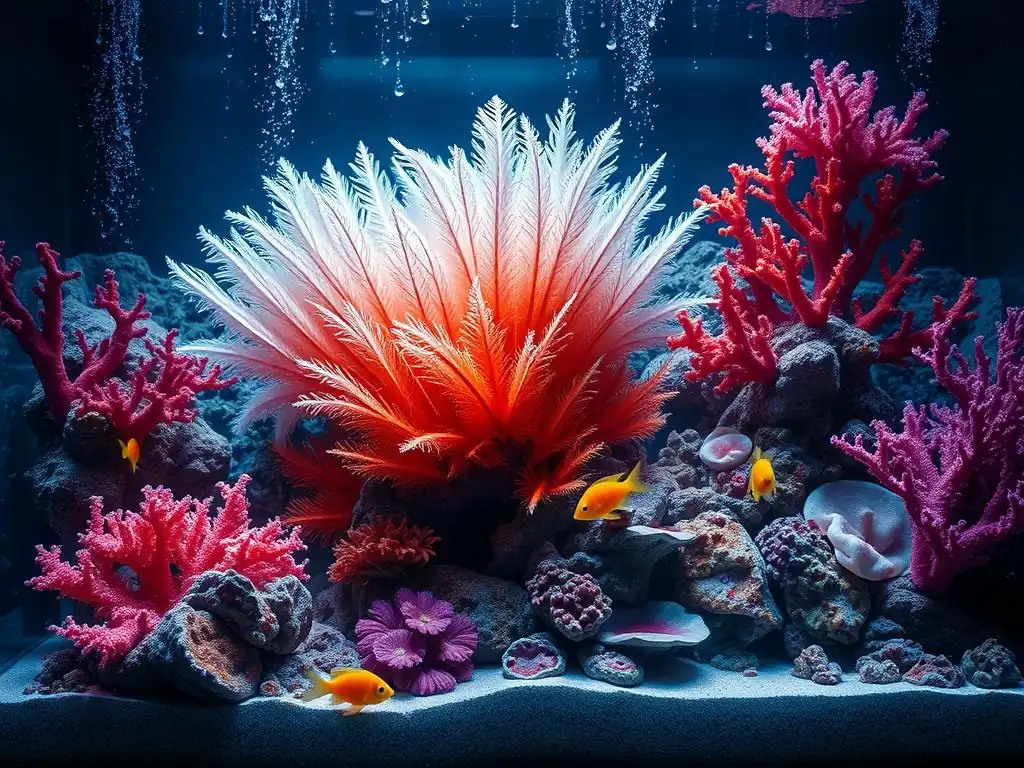
Intrigued by the mesmerizing dance of vibrant plumes in the underwater world? Dive in and discover the secrets to successfully keeping reef tank feather duster worms. These fascinating invertebrates can add a touch of flowing beauty to your reef aquarium, but understanding their specific needs is key. Are you ready to unlock the secrets to their thriving existence? Let's explore!
- Introduction to Feather Duster Worms and Coco Worms for Reef Aquariums
- Feather Duster Worms: A Detailed Look
- Coco Worms: A Closer Examination
- Comparing Feather Duster Worms and Coco Worms
- Benefits of Adding Feather Duster and Coco Worms to Your Reef Tank
- Potential Challenges and Solutions for Feather Duster and Coco Worms
- Selecting Healthy Feather Duster and Coco Worms
- Conclusion: Enjoying the Beauty and Benefits of Feather Duster Worms and Coco Worms in Your Reef Aquarium
-
Frequently Asked Questions
- What are feather duster worms and coco worms, and why are they popular in reef tanks?
- Are feather duster worms difficult to care for in a reef aquarium?
- What do feather duster worms eat in a reef tank, and how should I feed them?
- What are some common problems that can affect feather duster worms in a reef tank, and how can I prevent them?
- How do feather duster worms benefit a reef tank ecosystem?
- Final Reflection: Embracing the Delicate Dance of the Reef
- Unleash the Reef's Hidden Elegance!
Introduction to Feather Duster Worms and Coco Worms for Reef Aquariums
Enhancing Your Reef Tank with Filter-Feeding Invertebrates
Filter-feeding invertebrates are indispensable components of a thriving reef aquarium, playing a crucial role in both water quality management and aesthetic enhancement. These fascinating creatures actively consume suspended organic particles, detritus, and excess phytoplankton from the water column, thereby contributing significantly to natural filtration and nutrient export. Incorporating such organisms not only helps maintain a balanced ecosystem by reducing pollutants but also introduces a dynamic dimension of life and behavior that enriches the overall reef tank experience.
Among the most popular and visually striking filter feeders for a reef tank feather duster setup are the feather duster worms and coco worms. Their graceful, flowing crowns add an unparalleled element of movement and vibrant color, transforming the aquarium into a living underwater tableau. Beyond their undeniable beauty, these marine invertebrates serve as bio-indicators of water quality and contribute to the biodiversity of the reef, making them highly sought-after additions for aquarists aiming for a truly comprehensive and healthy marine environment.
Understanding the Appeal of Feather Duster Worms and Coco Worms
The primary appeal of feather duster worms and coco worms lies in their extraordinary aesthetic qualities. Their intricate, feathery crowns, often adorned with a kaleidoscope of colors ranging from brilliant scarlet and deep purple to pristine white and earthy browns, unfurl into delicate, symmetrical patterns. This constant, gentle swaying in the water current creates a mesmerizing visual effect, adding a serene yet dynamic focal point to any reef aquarium. Aquarists are drawn to their unique forms and the way they transform an empty rock crevice or sandy patch into a vibrant, animated display.
Beyond their captivating appearance, these filter-feeding wonders offer tangible benefits that contribute to the success of a reef tank feather duster system. They are generally peaceful inhabitants, posing no threat to corals or fish, and their sessile nature means they remain in their chosen spot, providing predictable beauty. Their continuous filtering activity helps to maintain water clarity and reduce the load of micro-particulates, subtly improving the water parameters and fostering a healthier habitat for all tank inhabitants.
Feather Duster Worms: A Detailed Look
What are Feather Duster Worms? Tube Worm Anatomy Explained
Feather duster worms, scientifically classified under the family Sabellidae within the class Polychaeta, are segmented marine worms renowned for their distinctive, plume-like feeding structures. These sessile invertebrates spend their lives encased within a protective tube, which they secrete from a combination of protein, mucus, and often incorporate surrounding sand or detritus. The visible part of the worm is its elaborate branchial crown, composed of numerous ciliated filaments called radioles, which extend out into the water column.
This branchial crown serves a dual purpose: it acts as a highly efficient filter-feeding apparatus and also facilitates respiration. The cilia on the radioles create water currents that draw in microscopic food particles, such as phytoplankton, zooplankton, and detritus, which are then sorted and transported to the worm's mouth. When threatened, or if water conditions are unfavorable, the feather duster worm possesses a remarkable ability to rapidly retract its entire crown back into its tube for protection, a characteristic behavior that adds to their intrigue in a reef tank feather duster environment.
Types of Feather Duster Worms for Reef Aquariums
Hawaiian Feather Duster (Sabellastarte spectabilis)
The Hawaiian Feather Duster, Sabellastarte spectabilis, is one of the most popular and recognizable species in the aquarium trade, often chosen for its substantial size and striking appearance. Its branchial crown can reach an impressive diameter of 6 to 8 inches (15-20 cm) in mature specimens, displaying a range of colors including mottled browns, deep maroon, vibrant orange, and often distinctive white banding. This species constructs a leathery, pliable tube that is typically anchored into the substrate or rockwork, providing a secure home for the worm.
Known for its robust nature, the Hawaiian Feather Duster is a resilient choice for a reef tank feather duster setup, provided its basic needs for water quality and food are met. Its large filtering capacity contributes significantly to water clarity. While generally hardy, it requires stable conditions and a moderate, indirect water flow to prevent stress and ensure its crown remains fully extended for efficient feeding.
White Feather Duster Worm (Sabella sp.)
The White Feather Duster Worm, typically belonging to the genus Sabella, offers a more delicate yet equally captivating presence in the reef aquarium. These species are generally smaller than their Hawaiian counterparts, with crown diameters usually ranging from 2 to 4 inches (5-10 cm). Their defining characteristic is often a pure white or creamy coloration, sometimes with subtle iridescent qualities, which creates a beautiful contrast against darker rockwork or vibrant corals.
Their tubes are often more delicate and semi-translucent, sometimes appearing embedded within live rock. The White Feather Duster is a graceful addition, particularly suited for smaller reef tank feather duster systems or nano tanks where its size is more proportionate. Like all feather dusters, it relies on filter feeding and requires clean, stable water parameters and gentle, consistent water flow to thrive and display its elegant, feathery crown.
Feather Duster Worm Care in the Reef Tank Environment
Ideal Water Parameters for Feather Duster Worms
Maintaining pristine and stable water parameters is paramount for the long-term health and vitality of feather duster worms in a reef tank. These filter feeders are sensitive to fluctuations and require conditions mirroring their natural marine habitats. Optimal temperature should be maintained between 72-78°F (22-26°C), with salinity levels ideally at a specific gravity of 1.023-1.026. The pH should consistently range from 8.1 to 8.4, and alkalinity (dKH) between 8-12. Calcium levels are important for overall invertebrate health, ideally 400-450 ppm, and magnesium at 1200-1350 ppm.
Beyond these core parameters, minimizing nitrates and phosphates is crucial. Nitrates should be kept below 10 ppm, and phosphates below 0.03 ppm, as elevated levels can lead to poor health, crown regression, or excessive algal growth on their feeding structures. Regular water changes, typically 10-20% bi-weekly, help maintain these low nutrient levels and replenish essential trace elements, contributing to a robust reef tank feather duster environment.
Placement and Flow Requirements in Reef Aquariums
Proper placement and water flow are critical considerations for successful feather duster worm husbandry in a reef aquarium. Once settled, feather duster worms are sessile, meaning they do not move. Therefore, selecting a secure spot where their tube can be firmly anchored, either in a crevice of live rock or embedded in a deep sand bed, is essential. They should be positioned where they can fully extend their crowns without obstruction and without being directly blasted by strong water currents.
The ideal water flow for a reef tank feather duster is moderate and indirect, a laminar flow that gently brings food particles to their branchial crowns without causing them stress. Direct, powerful flow can cause the worms to retract frequently, expend excessive energy, or even lead to the shedding of their crown (tube regression). Aim for areas with good water circulation that delivers suspended food but avoids turbulent or overwhelming currents, allowing the feather duster worm to feed efficiently and remain comfortably extended.
Coco Worms: A Closer Examination
Identifying Coco Worms: Distinguishing Features
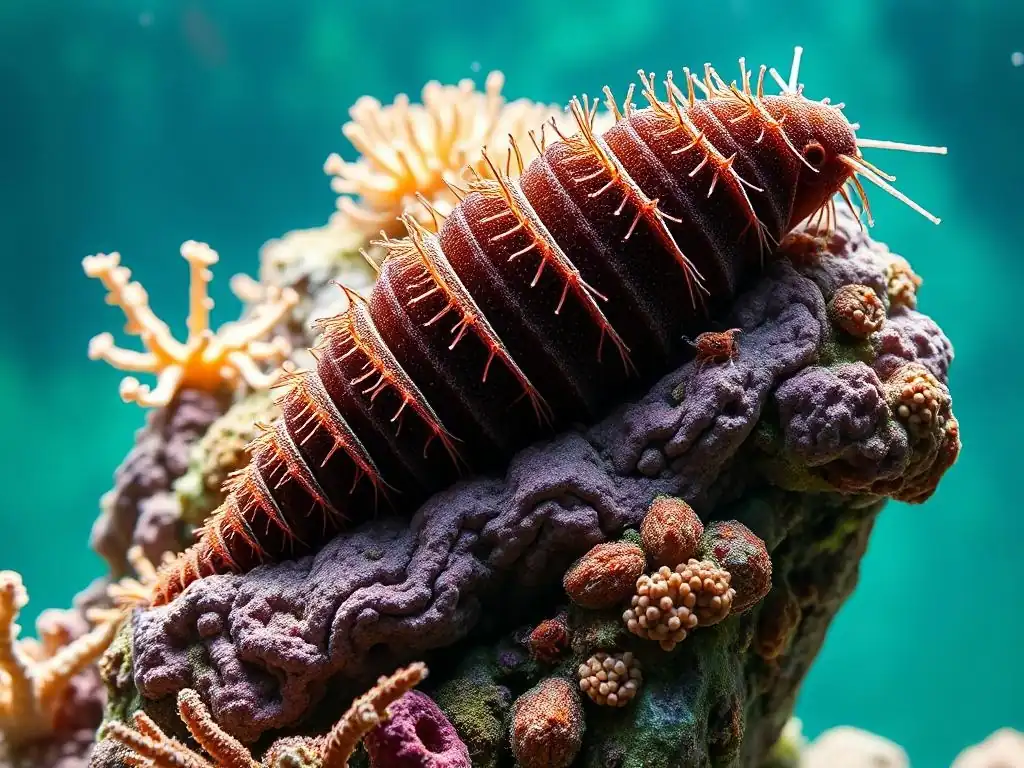
Coco worms, primarily species from the genera Protula and Spirobranchus within the family Serpulidae, are another captivating group of filter-feeding polychaete worms, distinct from feather dusters by several key anatomical features. The most prominent distinguishing characteristic is their hard, calcified tube, which is secreted from calcium carbonate, often appearing white, off-white, or even incorporating the color of the surrounding rock. Unlike the flexible, leathery tubes of feather dusters, coco worm tubes are rigid and can be straight, U-shaped, or even spiraled, often embedded into live rock or coral skeletons.
Their branchial crowns are also uniquely structured; while still feathery, they tend to be more elaborate and often bilobed, forming a more compact, symmetrical fan. Perhaps the most defining feature is the presence of an operculum—a specialized, often cone-shaped "trap door" at the top of their tube. This operculum, which can also be highly colored, is used to seal the tube completely when the worm retracts, offering superior protection compared to the simpler retraction mechanism of a reef tank feather duster.
Varieties of Coco Worms Suitable for Reef Tanks
Scarlet Coco Worm (Protula magnifica)
The Scarlet Coco Worm, Protula magnifica, is arguably one of the most visually stunning coco worm species available to aquarists, celebrated for its intense coloration and substantial size. Its branchial crown typically displays brilliant shades of red, orange, or deep scarlet, often with intricate banding or contrasting white tips. These vibrant crowns can extend up to 4-6 inches (10-15 cm) in diameter, creating a dramatic focal point in any reef tank. The tube itself is usually a robust, white calcified structure, which the worm embeds securely into live rock.
This species is highly sought after for its striking aesthetic appeal and its contribution to the biodiversity of a reef tank feather duster display. While beautiful, its care requirements are slightly more demanding than some feather dusters, particularly concerning consistent feeding and stable calcification parameters due to its hard tube. When well-cared for, Protula magnifica is a long-lived and captivating addition.
White Coco Worm (Protula Tubularia)
The White Coco Worm, often identified as Protula tubularia, presents a more understated elegance compared to its scarlet counterpart, yet remains a popular and hardy choice for reef aquariums. Its branchial crown is typically pure white or creamy, sometimes with subtle translucent qualities or delicate, fine banding. While generally smaller than the Scarlet Coco Worm, its crown still provides beautiful, feathery movement, usually reaching 2-4 inches (5-10 cm) in diameter.
The tube of Protula tubularia is a classic straight, white calcified structure, often found embedded in rock or rubble. This species is known for its resilience and adaptability within a stable reef tank feather duster environment. Like all coco worms, it relies on micro-planktonic food sources and benefits significantly from targeted feeding, making it a rewarding invertebrate for aquarists who can meet its specific dietary needs and maintain excellent water quality.
Coco Worm Care and Husbandry in Reef Tanks
Feeding Coco Worms: Supplementing Their Diet
Coco worms are obligate micro-filter feeders, meaning their primary diet consists of very fine particulate matter, predominantly phytoplankton and minuscule zooplankton. In a typical reef aquarium, the natural plankton population is often insufficient to sustain these worms long-term, making supplemental feeding absolutely essential for their survival and health. Without adequate nutrition, coco worms will gradually shrink, shed their crowns, and eventually perish.
Therefore, regular target feeding with high-quality liquid phytoplankton solutions (e.g., Nannochloropsis, Tetraselmis, or mixed blends) is crucial. Products designed as "marine snow" or fine zooplankton substitutes can also be beneficial. It is recommended to feed coco worms several times a week, perhaps 2-3 times, using a pipette or syringe to direct the food gently towards their extended crowns. A typical feeding might involve 1-2 ml of concentrated phytoplankton solution for a medium-sized worm, ensuring the food reaches their filtering apparatus before dispersing too widely in the reef tank feather duster system.
Maintaining Water Quality for Coco Worm Health
The health and longevity of coco worms are inextricably linked to the stability and pristine quality of their reef tank environment. Just like corals, these calcifying invertebrates require consistent water parameters to thrive and build their hard tubes. Essential parameters include a stable temperature of 72-78°F (22-26°C), specific gravity between 1.023-1.026, and a pH range of 8.1-8.4. Crucially, calcium levels should be maintained at 400-450 ppm, alkalinity at 8-12 dKH, and magnesium at 1200-1350 ppm, as these elements are vital for calcification and tube growth.
Beyond these core parameters, ultra-low nutrient levels are critical. Nitrates should ideally be below 5 ppm, and phosphates below 0.02 ppm, as even slightly elevated levels can stress coco worms and lead to crown regression or susceptibility to disease. Regular water changes (e.g., 10% weekly) and effective protein skimming are highly recommended to ensure consistently low nutrient concentrations and to replenish trace elements, fostering a robust reef tank feather duster ecosystem for these delicate filter feeders.
Comparing Feather Duster Worms and Coco Worms
Differences in Appearance: Branchial Crowns and Tubes
While both feather duster worms and coco worms are filter-feeding polychaetes with beautiful, feathery crowns, their most significant visual distinction lies in the composition and structure of their protective tubes. Feather duster worms (Sabellidae) construct flexible, leathery tubes often reinforced with sand, mud, or detritus from their environment. These tubes are generally softer and can sometimes be seen protruding from rockwork or buried in the substrate, allowing for some flexibility in their placement.
In contrast, coco worms (Serpulidae) are characterized by their hard, rigid tubes made of calcium carbonate. These tubes are typically white and can be straight, U-shaped, or spiraled, often found securely embedded within live rock or coral skeletons.
Furthermore, coco worms possess a unique operculum—a specialized, often colorful, cone-shaped "trap door" that seals their tube completely when the worm retracts, a feature absent in the more open-ended tubes of feather duster worms. The crowns themselves, while both feathery, can also differ; coco worm crowns often appear more dense and symmetrical, sometimes bilobed, whereas feather duster crowns can be more broadly fan-shaped.
Variations in Feeding Habits: Filter-Feeding Strategies
Both feather duster worms and coco worms are classified as filter feeders, relying on the water column for their sustenance, yet their dietary preferences and feeding strategies exhibit subtle variations. Feather duster worms are generally more opportunistic feeders, capable of capturing a wider range of suspended particles. Their ciliary action effectively traps fine detritus, bacteria, and a broader spectrum of phytoplankton and small zooplankton that drift by. This adaptability often makes them slightly more forgiving in a typical reef tank environment where natural plankton levels might fluctuate.
Coco worms, on the other hand, are often considered more specialized micro-filter feeders. Their branchial crowns are particularly adept at capturing very fine phytoplankton and microscopic suspended organic matter. This specialization means they are more dependent on a consistent supply of these specific, very small food particles. Consequently, in a captive reef tank feather duster system, coco worms typically require more diligent and targeted supplemental feeding with high-quality liquid phytoplankton solutions to ensure they receive adequate nutrition for long-term health and tube growth.
Contrasting Care Requirements for Reef Aquariums
The care requirements for feather duster worms and coco worms, while sharing many similarities, also present distinct differences that influence their suitability for various reef aquarium setups. Feather duster worms are generally considered slightly hardier and more tolerant of minor fluctuations in water parameters or less frequent supplemental feeding. Their softer tubes require less calcification support, making them less demanding regarding calcium and alkalinity stability compared to their counterparts.
Coco worms, with their calcified tubes, have a more stringent demand for stable and optimal calcium, alkalinity, and magnesium levels, akin to stony corals. They are also more sensitive to poor water quality, especially elevated nitrates and phosphates, which can quickly lead to crown regression or tube abandonment. Crucially, coco worms have a higher and more specific dietary requirement for fine phytoplankton, necessitating consistent target feeding. Therefore, while both add beauty to a reef tank feather duster display, coco worms typically demand a more mature and well-maintained system with a dedicated feeding regimen to truly thrive.
Benefits of Adding Feather Duster and Coco Worms to Your Reef Tank
Natural Filtration and Water Quality Improvement
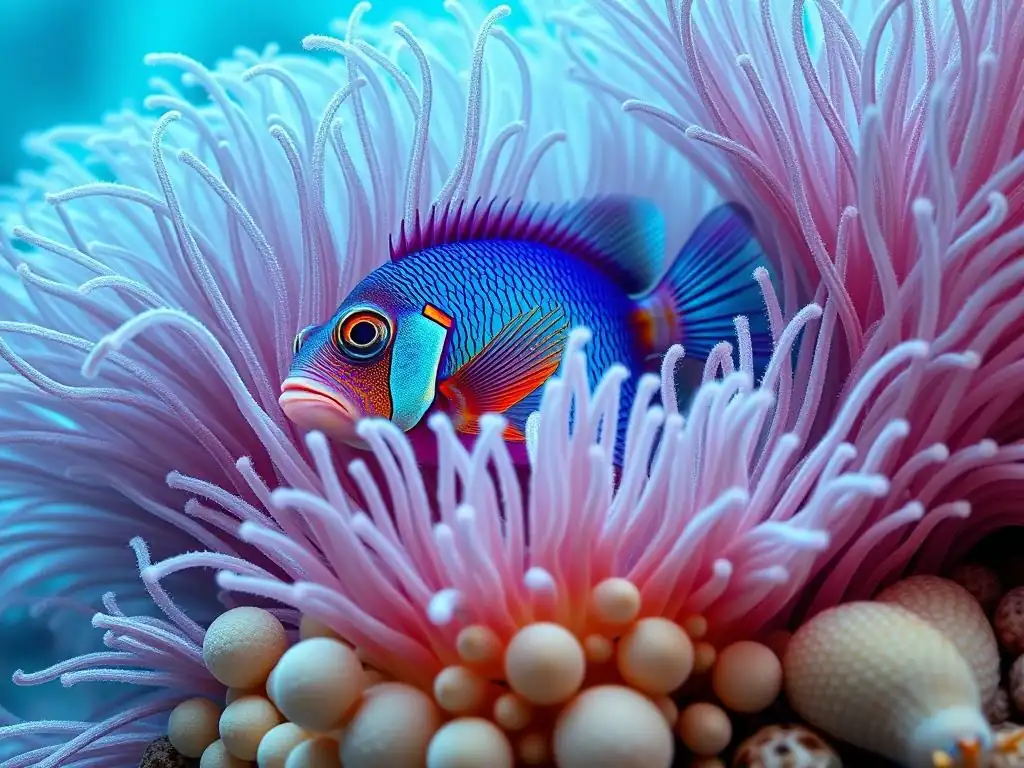
One of the most significant benefits of introducing feather duster worms and coco worms to your reef tank is their invaluable contribution to natural filtration and overall water quality improvement. As active filter feeders, these invertebrates continuously process large volumes of water, extracting suspended organic particles, detritus, and excess phytoplankton. This constant "cleaning" action helps to clarify the water, reducing turbidity and preventing the accumulation of nutrients that could otherwise fuel nuisance algae growth. For example, a healthy, large feather duster worm can filter several gallons of water per hour, making a tangible impact on water clarity.
By removing these particulate pollutants, feather duster worms and coco worms effectively contribute to the export of nutrients from the water column, complementing mechanical filtration methods like protein skimming. This natural nutrient reduction helps maintain a more stable and healthier environment, minimizing the risk of nitrate and phosphate spikes. Their presence is a testament to a balanced and well-functioning reef tank feather duster ecosystem, where biological processes actively contribute to water purity.
Adding Visual Interest and Biodiversity to the Reef
Beyond their practical contributions, feather duster worms and coco worms are unparalleled in their ability to enhance the visual appeal and biodiversity of a reef aquarium. Their vibrant, flowing crowns, available in an astonishing array of colors—from fiery reds and deep purples to pristine whites and earthy browns—provide dynamic movement and striking contrast against the static backdrop of live rock and corals. They transform empty spaces into captivating focal points, creating a living, breathing artwork that constantly shifts and sways with the water currents.
The inclusion of these fascinating invertebrates also significantly boosts the biological diversity of the reef tank. Representing a distinct phylum (Annelida), they introduce unique life forms and behaviors that enrich the overall ecosystem. This increased biodiversity contributes to a more robust and resilient system, making the reef tank feather duster community more complex and engaging for the aquarist to observe. Their peaceful nature ensures they integrate harmoniously with most fish and coral species, making them excellent choices for a balanced display.
Symbiotic Relationships with Other Reef Inhabitants
While feather duster worms and coco worms do not typically engage in true symbiotic relationships with other specific reef inhabitants in the same way, for example, clownfish interact with anemones, their presence creates a beneficial micro-ecosystem that supports the overall health and balance of the reef tank. Their continuous filter feeding helps maintain pristine water conditions, which directly benefits corals by reducing competition from suspended particles for light and preventing the accumulation of irritating detritus on their polyps. This clearer water also enhances light penetration for photosynthetic corals.
Furthermore, these worms themselves contribute to the planktonic food web by consuming and then excreting processed organic matter, which can then become available to other detritivores and filter feeders in the system. They are generally considered peaceful tank mates, posing no threat to fish, corals, or other invertebrates, making them ideal additions for a harmonious reef tank feather duster community. Their stable presence can also provide small micro-habitats within their tubes or around their bases for beneficial bacteria and copepods, further enriching the biological complexity of the aquarium.
Potential Challenges and Solutions for Feather Duster and Coco Worms
Addressing Common Problems: Tube Regression and Predation
One of the most common issues observed with feather duster and coco worms is tube regression, where the worm sheds its branchial crown and retracts fully into its tube for an extended period, sometimes weeks or even months. This behavior is primarily a stress response, often triggered by sudden changes in water parameters, poor water quality (e.g., high nitrates or phosphates), insufficient food, or exposure to irritants.
While natural regeneration does occur, persistent regression indicates an underlying problem. The solution involves immediate and thorough water parameter testing, ensuring optimal conditions (temperature, salinity, pH, alkalinity, calcium, magnesium, and ultra-low nutrients), and initiating consistent target feeding with appropriate foods.
Predation is another significant challenge. Certain fish species, such as some butterflyfish (e.g., Copperband Butterflyfish, although often used for Aiptasia, can sometimes nip at worms), angelfish, and even some gobies or blennies, may view the worms' crowns as a food source. Additionally, opportunistic crabs (e.g., gorilla crabs) or predatory snails (e.g., conchs if not herbivorous) can pose a threat.
The best solution is prevention: thoroughly research the compatibility of all tank inhabitants before introduction. If predation is observed, the aggressor may need to be relocated to a different tank or removed from the reef tank feather duster system to protect the worms.
Preventing Parasites and Diseases in Feather Duster and Coco Worms
While feather duster and coco worms are relatively robust and less prone to parasitic infestations compared to some other marine invertebrates, they are not entirely immune. Poor water quality, prolonged stress, or sudden environmental changes can weaken their immune systems, making them more susceptible to bacterial infections or protozoan issues that manifest as lesions, discolorations, or persistent retraction. Maintaining stable, pristine water parameters (as outlined in previous sections) is the most effective preventative measure against such health issues, as a healthy worm in a healthy environment is naturally more resistant.
Prevention is paramount, and this begins with careful selection and proper quarantine procedures. When purchasing a reef tank feather duster or coco worm, always inspect it for signs of damage, shrunken crowns, or unusual secretions. A dedicated quarantine tank (QT) for 2-4 weeks is highly recommended for all new invertebrates. During QT, observe the worm closely for any signs of disease, stress, or external parasites. If any issues arise, the problem can be addressed without risking the main display tank. Regular monitoring of the main tank's water quality and avoiding overstocking also contribute significantly to disease prevention.
Troubleshooting Issues in Reef Tank Environments
When feather duster or coco worms exhibit signs of distress in a reef tank, such as prolonged retraction, failure to extend their crowns, or shedding of their crowns (de-crowning), systematic troubleshooting is essential. The first and most critical step is to immediately test all relevant water parameters: temperature, salinity, pH, alkalinity, calcium, magnesium, nitrates, and phosphates. Deviations from ideal ranges, especially sudden swings or elevated nutrients, are common culprits. For instance, a persistent nitrate level above 10 ppm for a feather duster or 5 ppm for a coco worm can lead to chronic stress and regression.
If water parameters are optimal, consider potential dietary deficiencies. Especially for coco worms, a lack of consistent, targeted feeding with appropriate phytoplankton is a frequent cause of decline. Increase the frequency and quantity of targeted feedings. Lastly, evaluate the water flow and tank mates. Ensure the worm is not receiving direct, harsh flow and that no fish or invertebrates are nipping at its crown. If a worm sheds its crown, do not despair; if conditions are corrected and feeding is consistent, the crown will typically regenerate within 2-4 weeks, provided the worm's base remains healthy and embedded.
Selecting Healthy Feather Duster and Coco Worms
What to Look for When Purchasing: Size, Color, and Activity
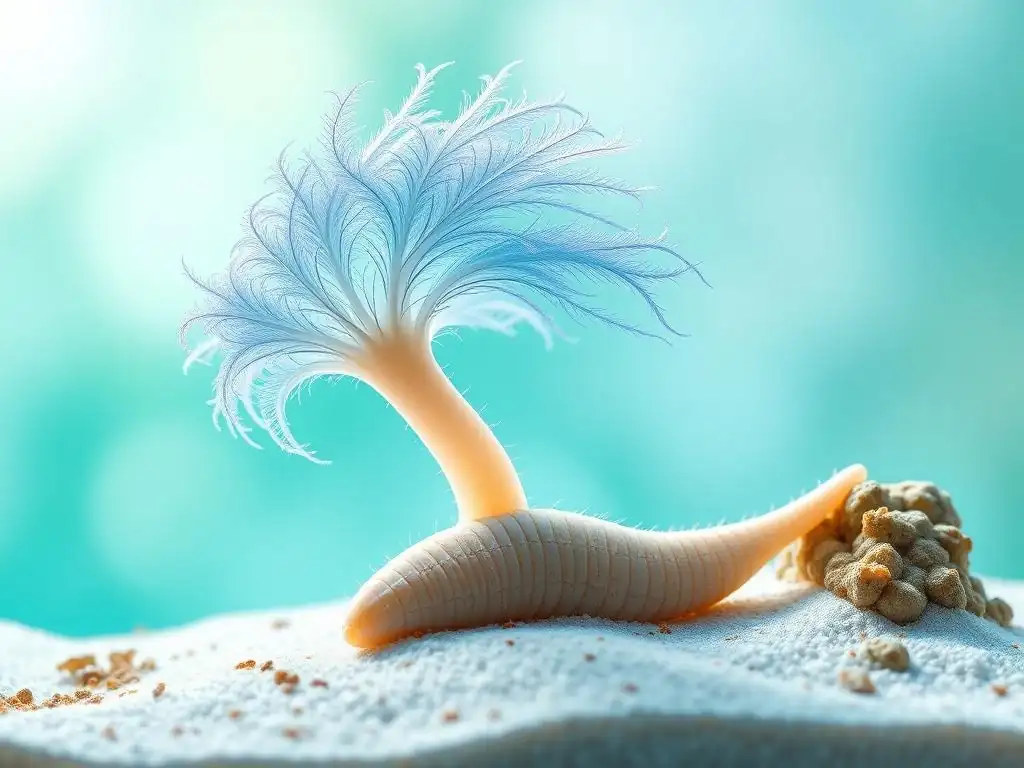
When selecting feather duster and coco worms for your reef tank, careful observation at the point of purchase is crucial for ensuring you acquire a healthy specimen. First, examine the branchial crown: it should be fully extended, vibrant in color (true to its species), and appear full and feathery, without any signs of shrinkage, discoloration, or tears. Avoid worms that have shrunken crowns, look "stringy," or have excessive algae growth on their filtering structures, as these are indicators of stress or poor health.
Second, observe its activity. A healthy feather duster or coco worm should respond quickly to movement or shadows by retracting its crown fully and rapidly into its tube. A slow or incomplete retraction, or one that remains retracted for an extended period in the store, suggests a stressed or unhealthy individual.
For coco worms, also check for the presence and integrity of their operculum (trap door). Finally, inspect the tube itself; it should be intact, firmly attached to any rock it comes with, and free of significant damage or excessive build-up of algae that might impede its function or indicate poor water quality in the holding tank.
Quarantine Procedures for New Invertebrates
Implementing a dedicated quarantine procedure for all new marine invertebrates, including feather duster worms and coco worms, is a highly recommended practice for preventing the introduction of parasites, diseases, or unwanted hitchhikers into your established reef tank. A separate quarantine tank (QT) does not need to be large but should be equipped with a heater, a small powerhead for circulation, and a sponge filter or small hang-on-back filter for biological filtration. Avoid using substrate in the QT for easier cleaning and observation.
House new invertebrates in the QT for a minimum of 2 to 4 weeks. During this period, maintain stable water parameters identical to your main display tank, and begin a regular feeding regimen for the worm. This allows you to observe the specimen for any signs of stress, disease, or predatory behaviors before it can impact your main system. If the worm remains healthy and active throughout the quarantine period, it is then ready for a smooth transition to the main reef tank feather duster display.
Acclimation Techniques for a Smooth Transition to Your Reef Tank
Proper acclimation is a critical step for successfully introducing new feather duster and coco worms to your reef tank, minimizing the shock from differences in temperature, pH, and salinity between the shipping water and your aquarium. The drip acclimation method is highly recommended for these sensitive invertebrates. Begin by floating the sealed bag containing the worm in your aquarium for 15-20 minutes to equalize temperature.
Once temperatures are equalized, open the bag and carefully pour the worm and its water into a separate clean container (e.g., a small bucket or plastic tub). Use airline tubing to siphon water from your display tank into this container, creating a slow drip (approximately 1-2 drops per second). Allow the water to drip for 30-60 minutes, or until the volume of water in the container has at least quadrupled.
This gradual change in water chemistry significantly reduces stress. Once acclimated, gently transfer the worm (avoiding lifting it by its crown) to its desired location in the reef tank feather duster setup, ensuring it is securely placed and not exposed to direct, strong water currents.
Conclusion: Enjoying the Beauty and Benefits of Feather Duster Worms and Coco Worms in Your Reef Aquarium
Creating a Thriving Environment for These Filter-Feeding Wonders
The journey of successfully keeping feather duster worms and coco worms in your reef aquarium culminates in creating and maintaining an environment where these filter-feeding wonders can truly thrive. This involves a steadfast commitment to stable and pristine water parameters, including consistent temperature (72-78°F), salinity (1.023-1.026 SG), pH (8.1-8.4), and crucial levels of alkalinity (8-12 dKH), calcium (400-450 ppm), and magnesium (1200-1350 ppm). Equally important is the meticulous management of nutrients, keeping nitrates below 10 ppm for feather dusters and ideally under 5 ppm for more sensitive coco worms, with phosphates near undetectable levels.
Beyond water chemistry, providing appropriate, indirect water flow that delivers food particles without stressing their delicate crowns is essential. For coco worms especially, a consistent and targeted feeding regimen of high-quality liquid phytoplankton is non-negotiable for their long-term health. By adhering to these care principles, aquarists can ensure a robust and flourishing habitat for these unique marine invertebrates, making them integral parts of a vibrant reef tank feather duster ecosystem.
The Rewarding Experience of Reef Keeping with Feather Dusters and Coco Worms.
Incorporating feather duster worms and coco worms into your reef aquarium offers a profoundly rewarding experience, transforming your tank into an even more captivating and biologically diverse marine spectacle. Their elegant, flowing crowns provide continuous visual interest and a dynamic aesthetic that few other invertebrates can match, adding a sense of natural tranquility and vibrant movement. Observing their unique behaviors, from rapid retraction to the gentle swaying of their feeding plumes, deepens the aquarist's connection to the intricate world of the reef.
Moreover, their silent contribution to natural filtration and water quality improvement instills confidence in the health and stability of the reef tank. A thriving feather duster worm or coco worm is often a strong indicator of excellent water conditions and a well-balanced system. With proper care and attention to their specific needs, these filter-feeding wonders are not just beautiful adornments but vital components of a successful and enduring reef tank feather duster community, offering years of enjoyment and a vivid glimpse into the wonders of the ocean.
Frequently Asked Questions
What are feather duster worms and coco worms, and why are they popular in reef tanks?
Feather duster worms and coco worms are filter-feeding invertebrates that add visual appeal to reef tanks. Their colorful plumes are popular among aquarists.
Are feather duster worms difficult to care for in a reef aquarium?
Generally, they are relatively easy to care for, requiring stable water parameters and a sufficient food supply. However, sudden changes in water quality can stress them.
What do feather duster worms eat in a reef tank, and how should I feed them?
They primarily consume microscopic plankton and detritus from the water column. You can supplement their diet with liquid invertebrate food or fine particulate foods.
What are some common problems that can affect feather duster worms in a reef tank, and how can I prevent them?
Common issues include tube irritation from pests, starvation due to insufficient food, and stress from poor water quality. Maintaining a healthy reef environment is key to prevention.
How do feather duster worms benefit a reef tank ecosystem?
They act as natural filters, removing organic waste and improving water clarity. This contributes to a healthier and more balanced reef ecosystem.
Final Reflection: Embracing the Delicate Dance of the Reef
The allure of a thriving reef tank lies not just in its vibrant colors and diverse inhabitants, but also in the subtle, ever-present dance of life that unfolds within its glass walls. As we've explored the captivating world of feather duster and coco worms, it becomes clear that these seemingly simple creatures contribute an immeasurable beauty and ecological balance to our miniature ecosystems, mirroring the delicate interdependence of the ocean itself.
The presence of these worms, swaying gently in the current, serves as a constant reminder of the fragility and resilience of the natural world. Their filter-feeding habits, while seemingly insignificant, play a crucial role in maintaining water quality and supporting the overall health of the reef. In nature, nothing exists alone.
- Rachel Carson. This quote resonates deeply when observing these worms, highlighting their integral role in the complex web of life within our reef tanks and beyond.
Now, as you gaze upon your own reef tank, perhaps with a newfound appreciation for these elegant filter feeders, consider the lessons they impart. Let their graceful movements inspire you to cultivate patience, observe with intention, and strive to create a harmonious environment, not just within your tank, but in all aspects of your life. Embrace the delicate dance, and watch as beauty and balance flourish.
Thank you for exploring the fascinating world of feather duster and coco worms! We hope you've discovered the beauty and benefits these filter feeders can bring to your reef aquarium. Now, it's time to bring that vision to life!
Here are a few ways you can connect with the elegance of these creatures:
- Begin Your Search: Identify one local or online vendor that specializes in reef invertebrates and start researching their selection of feather duster and coco worms.
- Delve Deeper: Research one specific species of feather duster or coco worm that caught your eye during this article. Discover its particular care requirements and compatibilities.
- Share the Wonder: Post a picture of your favorite reef aquarium, highlighting any filter feeders, on social media, and tag a fellow reef enthusiast to spark their interest!
What unique color morph or feather duster variety are you most excited to introduce to your reef?