
Cerith Snails: Versatile Algae Eaters for Glass, Rocks, and Sand

Welcome to Aquarium Mastery!
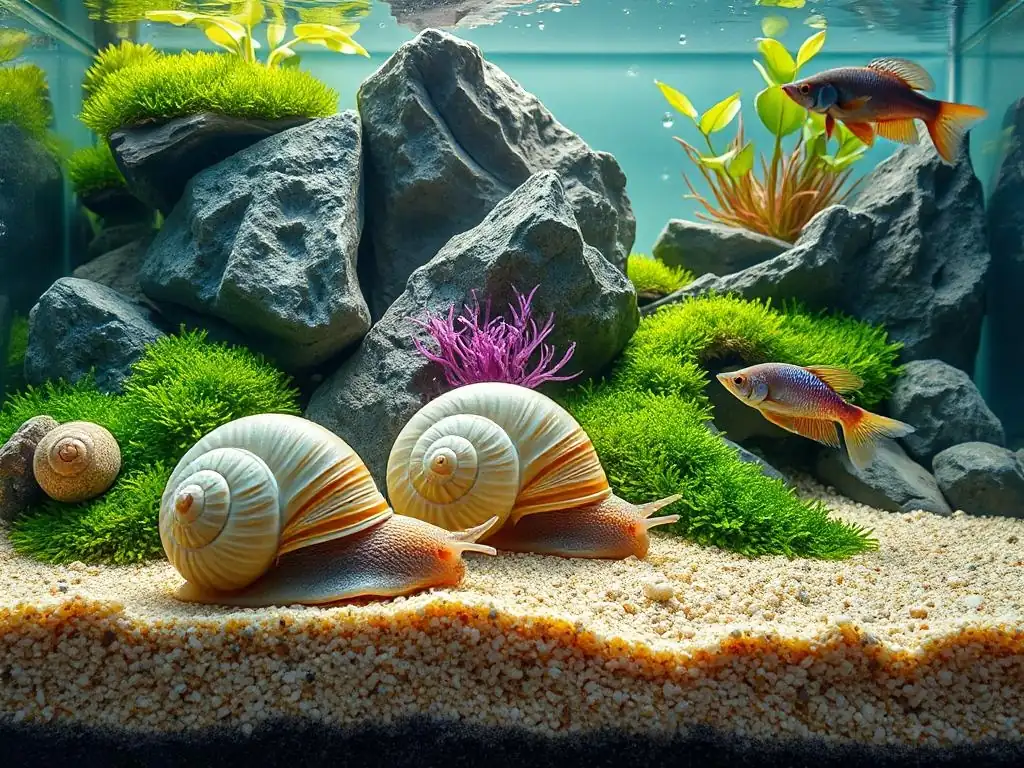
Ever wonder how to keep your aquarium pristine without harsh chemicals? Dive in! This article unlocks the secrets of Cerith snails algae control, revealing how these miniature powerhouses can transform your tank into a sparkling ecosystem. Discover how these versatile algae eaters can keep your glass, rocks, and sand spotless – and learn everything you need to know about their care, benefits, and much more. Ready to meet your new best friend in aquarium maintenance? Let's get started!
- Cerith Snails: Versatile Algae Eaters for Reef Aquariums
- Understanding Cerith Snails: Natural Algae Control in Reef Aquariums
- Benefits of Using Cerith Snails for Algae Control in Your Reef Tank
- Selecting the Right Cerith Snails for Your Aquarium
- Cerith Snail Care: Ensuring a Healthy and Thriving Clean-Up Crew
- Potential Problems and Solutions with Cerith Snails
- Cerith Snails vs. Other Algae Eaters: A Comparative Analysis
- Maintaining a Balanced Ecosystem with Cerith Snails for Algae Control
-
Frequently Asked Questions
- What type of algae do Cerith snails primarily consume?
- Are Cerith snails suitable for both freshwater and saltwater aquariums?
- How many Cerith snails should I add to my aquarium for effective algae control?
- Do Cerith snails require any special care or feeding beyond algae in the tank?
- Can Cerith snails reproduce easily in a home aquarium?
- Final Reflection: The Unsung Heroes of Reef Health
- Unleash the Cleaning Power of Cerith Snails!
Cerith Snails: Versatile Algae Eaters for Reef Aquariums
Understanding Cerith Snails: Natural Algae Control in Reef Aquariums
What are Cerith Snails? An Introduction to Cerithium Species
Cerith snails, primarily species from the Cerithium genus, are small, elongated marine gastropods highly valued in the reef aquarium hobby for their exceptional Cerith snails algae control capabilities. These hardy invertebrates typically range in size from 0.5 to 1.5 inches (1.2 to 3.8 cm) when mature, making them ideal for navigating the intricate nooks and crannies of live rock and coral structures. Their conical, spiral shells are often mottled with various shades of brown, grey, and cream, allowing them to blend seamlessly with the reef environment. Originating from tropical and subtropical waters worldwide, they are commonly found grazing on algae and detritus across various substrates, from sandy bottoms to rocky intertidal zones.
The most commonly encountered species in the aquarium trade include Cerithium lutosum, often referred to as the Florida Cerith, and Cerithium caeruleum. While their appearance can vary slightly, their fundamental role in a reef tank remains consistent: to act as diligent members of the clean-up crew. Their continuous grazing activity is crucial for maintaining pristine tank conditions, preventing the proliferation of nuisance algae, and contributing to the overall stability of the captive ecosystem. Their adaptability to a range of reef tank conditions further solidifies their reputation as a reliable and essential component for effective Cerith snails algae control.
Why Choose Cerith Snails for Algae Management?
Choosing Cerith snails for algae management offers a multitude of benefits that often surpass those of other clean-up crew members. Their primary appeal lies in their versatility; unlike some grazers that specialize in specific surfaces, Cerith snails are adept at cleaning glass, live rock, and especially the sand bed. This comprehensive grazing ensures that algae is kept in check across all surfaces within the aquarium. Furthermore, their relatively small size means they can reach tight spaces that larger snails might miss, providing meticulous Cerith snails algae control even in complex aquascapes.
Beyond their broad grazing coverage, Cerith snails are known for their peaceful nature and minimal bioload, making them safe inhabitants for sensitive reef environments. They do not bother corals, other invertebrates, or fish, ensuring that your display remains undisturbed. Their robust appetite for various types of nuisance algae, including diatoms, cyanobacteria (red slime algae), and some forms of green hair algae, makes them highly effective. For instance, a small group of 10-15 Cerith snails in a 30-gallon tank can significantly reduce the need for manual algae scrubbing, demonstrating their efficiency in natural Cerith snails algae control. Their consistent, round-the-clock activity provides a steady line of defense against algal blooms.
Benefits of Using Cerith Snails for Algae Control in Your Reef Tank
Effective Algae Grazing: How Cerith Snails Keep Your Aquarium Clean
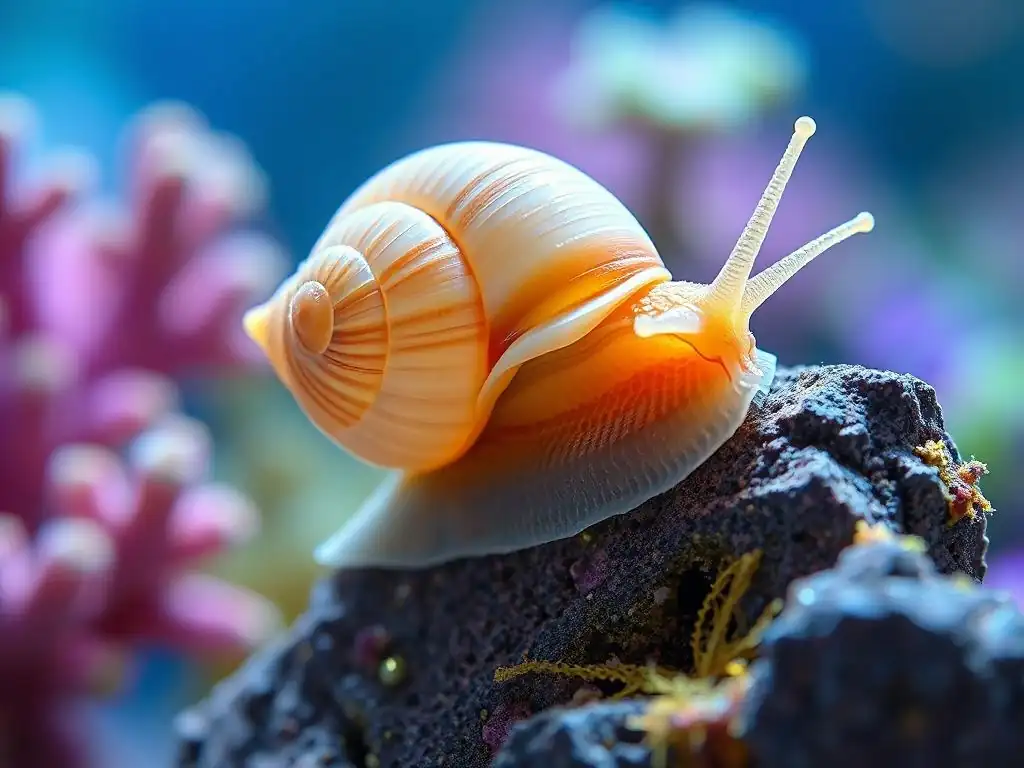
Cerith snails are exceptional grazers, tirelessly working to keep your aquarium surfaces clean. Their unique proboscis allows them to scrape off thin films of algae from glass and rockwork with remarkable efficiency. Unlike some larger snails that might leave trails or miss intricate areas, Cerith snails' smaller size and conical shape enable them to navigate crevices and tight spots, ensuring thorough coverage. For example, in a 50-gallon reef tank, a population of 25-30 Cerith snails can effectively manage the daily accumulation of diatom algae on the front glass, significantly reducing the frequency of manual scraping. Their constant movement means that no single area remains untouched for long, providing continuous Cerith snails algae control.
Their dietary preferences extend beyond just green and brown film algae. Cerith snails are also known to consume cyanobacteria (often referred to as red slime algae), which can be a persistent nuisance in many reef tanks. While they may not eradicate severe outbreaks single-handedly, their consistent grazing helps to suppress initial formations and prevent widespread colonization. This proactive approach to Cerith snails algae control is invaluable, as it addresses algal growth before it becomes an unsightly or problematic issue. Their diligent work on various surfaces makes them one of the most comprehensive biological solutions for maintaining a pristine visual aesthetic in your reef aquarium.
Cerith Snails and Detritus Removal: A Dual Benefit
Beyond their prowess in algae consumption, Cerith snails offer a crucial secondary benefit: detritus removal. Detritus, composed of decaying organic matter, uneaten food, and fish waste, can accumulate in the substrate and rockwork, leading to elevated nutrient levels (nitrates and phosphates) that fuel unwanted algae growth. Cerith snails actively scavenge these decaying particles, effectively consuming and processing them, thereby preventing their breakdown into more problematic compounds. This dual-action capability makes them a powerful component of any clean-up crew.
Their continuous consumption of detritus contributes directly to improved water quality. By reducing the organic load in the system, Cerith snails help to maintain lower nitrate and phosphate levels, which in turn stifles the very conditions that promote nuisance algae blooms. This proactive nutrient export through biological means complements their direct Cerith snails algae control efforts. Anecdotal evidence from experienced aquarists suggests that tanks with a healthy population of Cerith snails often exhibit clearer water and significantly less sediment accumulation on the sand bed, illustrating their impactful role in maintaining a clean and balanced reef ecosystem.
Aerating the Substrate: The Added Value of Cerith Snail Activity
One of the most unique and often underestimated benefits of Cerith snails is their burrowing behavior, particularly in sandy substrates. Unlike many other snails that primarily graze on hard surfaces, Cerith snails will actively dig and tunnel through the sand bed, especially during the night. This constant movement serves a vital purpose: substrate aeration. In established reef tanks, sand beds can become compacted, leading to the formation of anaerobic pockets—areas devoid of oxygen where harmful bacteria can thrive and produce toxic gases like hydrogen sulfide.
By churning the sand, Cerith snails prevent these anaerobic zones from developing, ensuring a healthy, oxygenated environment throughout the substrate. This aeration promotes the growth of beneficial aerobic bacteria, which are essential for the nitrogen cycle and nutrient processing. A well-aerated sand bed also supports the overall health of the ecosystem, contributing indirectly to Cerith snails algae control by preventing the release of stored nutrients that could fuel algal growth. This "sand sifting" behavior is particularly valuable in tanks with deep sand beds (DSBs), where maintaining proper circulation within the substrate is critical for long-term stability and overall tank health.
Selecting the Right Cerith Snails for Your Aquarium
Identifying Healthy Cerith Snails Before Purchase
Selecting healthy Cerith snails is paramount to ensuring their successful integration into your aquarium and their effectiveness in Cerith snails algae control. When purchasing, observe the snails carefully. A healthy Cerith snail should be active and moving, either within its holding tank or immediately upon being placed in yours after acclimation. Look for snails that are actively extending their foot and siphons, moving along surfaces, or burrowing into the sand. Avoid any snails that are retracted deep into their shells, lying upside down and unresponsive, or have their trapdoor (operculum) completely closed for an extended period, as these can be signs of stress or illness.
The shell itself is another important indicator of health. Inspect the shell for any significant cracks, chips, or erosion. While minor imperfections are common, extensive damage can indicate poor water quality in their previous environment or a compromised ability to protect themselves. A healthy shell is crucial for their survival and long-term effectiveness. For example, a snail with a shell diameter of 0.75 inches should have a clean, mostly intact shell with a visible operculum. By taking a few moments to visually assess the snails before purchase, you significantly increase the likelihood of acquiring robust individuals that will thrive and contribute effectively to your Cerith snails algae control efforts.
Cerith Snail Species: Cerithium lutosum and Cerithium caeruleum
While many species of Cerith snails are available in the aquarium trade, two of the most common and reliable for Cerith snails algae control are Cerithium lutosum (Florida Cerith) and Cerithium caeruleum. Cerithium lutosum is native to the Atlantic waters, particularly around Florida and the Caribbean. These snails are typically smaller, reaching about 0.5 to 1 inch in length, with a more slender, often mottled brown or grey shell. They are exceptionally hardy and adaptable, making them a popular choice for beginners and experienced aquarists alike. Their smaller size allows them to navigate intricate rockwork and crevices with ease, ensuring thorough algae grazing.
Cerithium caeruleum, on the other hand, originates from the Indo-Pacific region. These snails tend to be slightly larger, often reaching up to 1.5 inches, and their shells can exhibit a wider range of colors, including darker browns and sometimes even bluish hues, though the "caeruleum" (blue) is often subtle. Both species share the same beneficial traits regarding algae and detritus consumption and substrate aeration. While their geographical origins and slight morphological differences exist, their function in the reef aquarium—providing excellent Cerith snails algae control and contributing to overall tank cleanliness—is largely identical. Aquarists can confidently choose either species based on availability, knowing they will receive a diligent clean-up crew member.
Quantifying Cerith Snails: How Many Do You Need for Effective Algae Control?
Determining the appropriate number of Cerith snails for your aquarium is crucial for effective Cerith snails algae control without overstocking. A common guideline is to start with 1 to 2 Cerith snails per 5 gallons of aquarium water for light to moderate algae levels. For instance, a 40-gallon reef tank might initially benefit from 8 to 16 Cerith snails. If you are experiencing a more significant algae issue or have a larger tank with extensive live rock, you might consider increasing the density to 3-5 snails per 10 gallons or even 1 snail per gallon for an initial heavy clean-up crew.
It's always better to start conservatively and observe their impact over a few weeks. If algae persists in certain areas or new growth appears rapidly, you can gradually add more snails. Overstocking can lead to a lack of food for the snails once the algae is under control, potentially causing them to starve or produce more waste than beneficial. Conversely, too few snails will be ineffective against a persistent algae problem. For a 75-gallon tank, a starting point of 15-20 Cerith snails for general maintenance, increasing to 30-40 for a more robust Cerith snails algae control team, would be a reasonable approach, considering the amount of live rock and sand bed present.
Cerith Snail Care: Ensuring a Healthy and Thriving Clean-Up Crew
Acclimation Process: Safely Introducing Cerith Snails to Your Aquarium
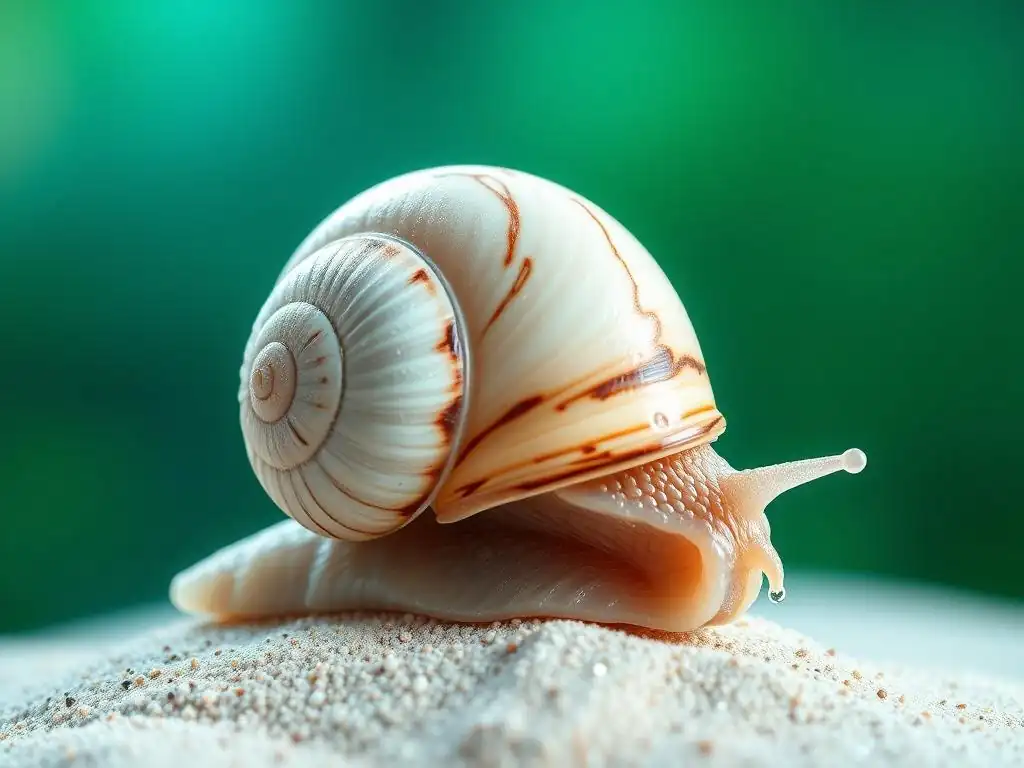
Proper acclimation is critical for the survival and long-term health of Cerith snails, as they are sensitive to sudden changes in water parameters, particularly salinity and temperature. A slow drip acclimation method is highly recommended. Begin by floating the bag containing the snails in your sump or display tank for 15-20 minutes to equalize the temperature. After temperature acclimation, carefully open the bag and secure it in a container or bucket.
Using airline tubing, create a slow drip from your display tank into the container with the snails. A drip rate of approximately 1-2 drops per second is ideal. Allow the water volume in the container to slowly double over a period of 1 to 2 hours. This gradual introduction of your tank water minimizes stress and allows the snails to slowly adjust to your aquarium's specific salinity, pH, and other parameters. Once the acclimation is complete, gently net the snails and place them directly onto your live rock or sand bed. Avoid pouring the bag water into your display tank. This careful acclimation process significantly reduces mortality rates and ensures your Cerith snails can immediately begin their Cerith snails algae control duties.
Optimal Water Parameters for Cerith Snail Health and Activity
Maintaining stable and optimal water parameters is fundamental for the health, activity, and longevity of your Cerith snails, which directly impacts their Cerith snails algae control effectiveness. Like most marine invertebrates, they thrive in stable reef tank conditions. Key parameters to monitor and maintain include:
- Salinity: 1.023 to 1.026 specific gravity. Fluctuations outside this range can stress them significantly.
- Temperature: 72-78°F (22-26°C). Consistent temperature is vital for their metabolic processes.
- pH: 8.1 to 8.4. A stable pH prevents shell erosion and promotes overall health.
- Alkalinity (dKH): 8-12 dKH. Adequate alkalinity is crucial for shell growth and repair.
- Calcium (ppm): 400-450 ppm. Calcium is a primary building block for their shells.
Regular testing and consistent top-offs with RODI water are essential to prevent parameter swings. For instance, maintaining calcium levels around 420 ppm and alkalinity at 9 dKH will ensure that their shells remain strong and healthy, preventing degradation that could compromise their ability to move and graze effectively. Providing these stable conditions ensures your Cerith snails remain active and efficient members of your clean-up crew, consistently contributing to Cerith snails algae control.
Feeding Cerith Snails: Supplementing Their Diet When Necessary
Under normal circumstances, Cerith snails will primarily sustain themselves by grazing on the naturally occurring algae and detritus within a well-established reef aquarium. Their diet consists of various film algae, diatoms, cyanobacteria, and decaying organic matter found on glass, rocks, and the sand bed. In a thriving tank with a consistent, albeit low, level of nuisance algae, supplementary feeding may not be necessary. However, if your aquarium is exceptionally clean, or if the snail population is very dense relative to the available food sources, you may need to supplement their diet to ensure their long-term health and continued Cerith snails algae control contributions.
Signs that your Cerith snails might need supplemental feeding include reduced activity, a noticeable decrease in their numbers over time, or an overall lack of visible algae in the tank. When supplementing, small pieces of dried seaweed (nori), spirulina flakes, or algae wafers can be offered a few times a week, typically after the lights are off to prevent fish from consuming it all. For example, a quarter of an algae wafer broken into smaller pieces can be dropped into the tank for every 10-15 snails.
Ensure the food sinks to the bottom where the snails can access it. This supplemental feeding prevents starvation and ensures your Cerith snails remain robust and active, ready to tackle any new algae growth.
Potential Problems and Solutions with Cerith Snails
Predation Concerns: Protecting Cerith Snails from Tank Mates
While Cerith snails are hardy, they can fall victim to predation from certain tank mates in a reef aquarium, which can decimate your Cerith snails algae control team. Common predators include various species of hermit crabs, especially larger ones like the Hawaiian Electric Blue Hermit Crab ( Calcinus elegans) or some species of land hermit crabs that adapt to marine life. These crabs may actively attempt to extract snails from their shells to take over the shell or consume the snail. Certain fish, such as triggerfish, puffers, some wrasses (e.g., Six-Line Wrasse, although less common for Ceriths), and even some larger shrimp, can also prey on snails.
To protect your Cerith snails, carefully research the compatibility of any potential tank mates before introduction. If you observe a hermit crab attacking your snails, consider removing the offending crab or providing an abundance of empty shells of various sizes for the hermit crabs to choose from, which can sometimes reduce their predatory behavior towards live snails. For predatory fish, the only true solution is often removal or relocation of the fish. Regularly inspect your Cerith snail population; a sudden decrease in numbers without apparent cause often points to predation. Maintaining a balanced ecosystem where your Cerith snails algae control crew can thrive undisturbed is key to their success.
Addressing Cerith Snail Inactivity: Troubleshooting Common Issues
If your Cerith snails appear inactive, retracted into their shells, or are not moving around the tank as usual, it's a sign that something is amiss. Several factors can contribute to snail inactivity, directly impacting their Cerith snails algae control capabilities. The most common causes include:
- Poor Water Quality: Sudden spikes in ammonia, nitrite, or nitrate, or significant swings in salinity, pH, or temperature, can severely stress snails. Test your water parameters immediately.
- Lack of Food: If the tank is too clean, or the snail population is too dense, they may be starving. Observe if there's any visible algae or detritus for them to consume.
- Acclimation Shock: If recently introduced, insufficient or rapid acclimation can lead to stress and inactivity.
- Predation: As mentioned, fear of predators can cause them to remain hidden or inactive. Observe other tank inhabitants.
- Old Age or Death: Individual snails have a finite lifespan. If only a few are inactive, they might be nearing the end of their life cycle.
To troubleshoot, first, perform a comprehensive water test and address any parameter imbalances with a partial water change or appropriate dosing. If food scarcity is suspected, offer supplemental algae wafers or dried seaweed. Ensure there are no aggressive tank mates. By systematically checking these factors, you can often identify and remedy the cause of inactivity, allowing your Cerith snails to resume their vital Cerith snails algae control duties.
Cerith Snail Shell Degradation: Understanding and Preventing Shell Problems
Shell degradation in Cerith snails is a common issue that can significantly impact their health and ability to contribute to Cerith snails algae control. This problem manifests as pitting, erosion, or thinning of the shell, sometimes leading to holes or a brittle appearance. The primary causes are typically related to water chemistry deficiencies or imbalances:
- Low Calcium Levels: Calcium is a fundamental building block for mollusk shells. If calcium levels in the water fall below the optimal range (e.g., consistently below 380 ppm), snails cannot adequately repair or grow their shells.
- Low Alkalinity (dKH): Alkalinity acts as a buffer, stabilizing pH and contributing to the availability of carbonate ions, which are essential for calcification. Low alkalinity (e.g., below 7 dKH) makes it difficult for snails to build and maintain their shells.
- Low pH/Acidic Water: While less common in well-buffered reef tanks, prolonged periods of low pH (below 8.0) can lead to acidic conditions that dissolve calcium carbonate, eroding snail shells.
To prevent shell degradation, regularly test and maintain stable water parameters within the optimal ranges: Calcium 400-450 ppm, Alkalinity 8-12 dKH, and pH 8.1-8.4. Consistent dosing of calcium and alkalinity supplements may be necessary in mature reef tanks or those with heavy coral loads. A balanced diet, including supplemental foods if natural algae is scarce, also contributes to overall snail health and their ability to maintain strong shells, ensuring their long-term effectiveness in Cerith snails algae control.
Cerith Snails vs. Other Algae Eaters: A Comparative Analysis
Cerith Snails vs. Turbo Snails: Which is Right for You?
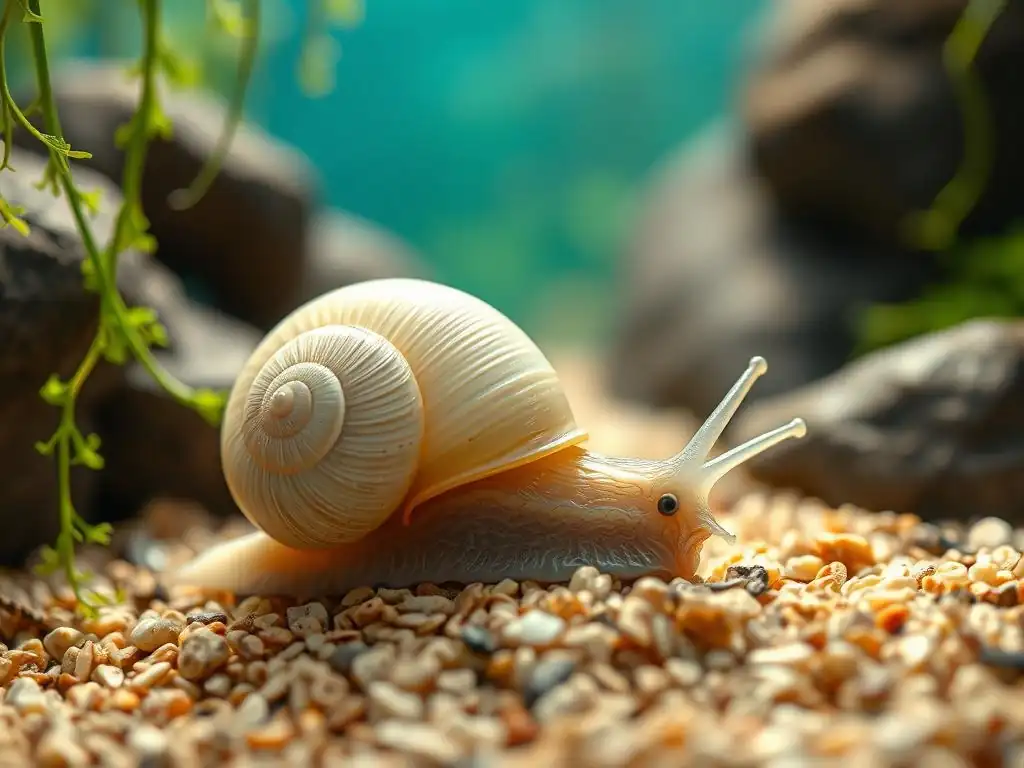
When it comes to selecting algae eaters, Cerith snails and Turbo snails are two of the most popular choices, each offering distinct advantages for Cerith snails algae control. Turbo snails, particularly the Mexican Turbo Snail ( Turbo fluctuosa), are significantly larger, often reaching 2-3 inches in diameter. Their large, muscular foot makes them incredibly efficient at scraping tough, stubborn green hair algae and film algae from glass and flat rock surfaces. They are powerful grazers that can clear large areas quickly. However, their size can be a drawback in smaller tanks, and they do not typically graze on the sand bed, nor do they navigate tight crevices as effectively.
Cerith snails, in contrast, are smaller (0.5-1.5 inches), making them suitable for tanks of all sizes, including nano reefs. While they may not tackle the thickest hair algae as aggressively as a Turbo, their versatility is unmatched. They graze on glass, rocks, and, crucially, burrow through the sand bed, consuming detritus and aerating the substrate. Their ability to reach into tight spots and their continuous, comprehensive grazing across all surfaces provides a more holistic approach to Cerith snails algae control. For a well-rounded clean-up crew, many aquarists choose to include both: Turbos for heavy-duty surface cleaning and Ceriths for detailed work and sand bed maintenance, creating a synergistic effect.
Cerith Snails vs. Nassarius Snails: Complementary Clean-Up Crews?
Cerith snails and Nassarius snails ( Nassarius vibex or Nassarius distortus) are both excellent members of a reef tank's clean-up crew, but they specialize in different aspects of tank cleanliness, making them highly complementary rather than competitive. Cerith snails are primarily herbivorous, focusing on algae and detritus found on surfaces and within the top layers of the sand bed. Their constant grazing and burrowing are key for Cerith snails algae control and substrate aeration.
Nassarius snails, on the other hand, are carnivorous scavengers. They primarily feed on leftover fish food, decaying organic matter, and even small bits of dead fish or invertebrates. They are incredibly efficient at burying themselves in the sand, emerging rapidly when they detect food in the water column. Their primary role is to prevent the buildup of uneaten food, which can quickly decompose and elevate nutrient levels, indirectly contributing to algae problems. While they do not directly graze on algae like Cerith snails, their role in nutrient export is invaluable. Combining Cerith snails for Cerith snails algae control and Nassarius snails for detritus and leftover food consumption creates a comprehensive and highly effective clean-up crew that addresses multiple facets of tank hygiene, promoting a healthier and more stable reef environment.
Cerith Snails and Chemical Algae Control: A Balanced Approach to Algae Management
When faced with nuisance algae, aquarists often consider various solutions, including biological control (like Cerith snails) and chemical algae removers. While chemical solutions can offer a rapid, albeit temporary, fix for severe algae outbreaks, they come with significant drawbacks and are generally not recommended as a primary strategy for Cerith snails algae control. Many chemical algae removers contain algaecides that can be harmful to sensitive invertebrates, including beneficial snails, crabs, and even corals. They can also kill off beneficial bacteria, disrupting the nitrogen cycle and potentially leading to further water quality issues down the line.
A balanced approach prioritizes natural, sustainable methods. Cerith snails provide continuous, non-toxic Cerith snails algae control by consuming algae as it forms, preventing major blooms. They work proactively, rather than reactively like chemicals. While chemicals might be considered a last resort for extreme, persistent outbreaks that biological methods cannot manage, they should always be used with extreme caution and after exhausting all other options. Integrating Cerith snails into your clean-up crew, alongside proper husbandry practices (e.g., controlled feeding, regular water changes, adequate filtration), offers a far more sustainable and safer long-term strategy for effective algae management in your reef aquarium.
Maintaining a Balanced Ecosystem with Cerith Snails for Algae Control
Preventing Algae Blooms: Proactive Strategies with Cerith Snails
Preventing algae blooms is far more effective than trying to eradicate them once they've taken hold, and Cerith snails play a crucial proactive role in this strategy. By continuously grazing on nascent algal growth and consuming detritus, they prevent the accumulation of biomass and nutrients that fuel larger outbreaks. Their steady, day-and-night activity ensures that surfaces are consistently cleaned, denying algae the opportunity to establish a foothold. For instance, in a 60-gallon tank with 20-30 Cerith snails, daily film algae growth on the glass is often imperceptible, minimizing the need for manual scraping.
Beyond the direct action of Cerith snails algae control, their role in maintaining a clean substrate through burrowing prevents the release of stored nutrients from anaerobic pockets, which can trigger widespread algae growth. This biological filtration and nutrient export, combined with good aquarium husbandry practices like controlled feeding (to prevent excess nutrients from uneaten food), regular water changes (to dilute dissolved organics), and appropriate lighting schedules, forms a robust defense against algae. Cerith snails are not merely a reactive solution; they are an integral part of a preventative maintenance regimen, acting as the first line of defense in the ongoing battle for Cerith snails algae control.
Long-Term Sustainability: Ensuring the Health and Vitality of Your Cerith Snail Population
Ensuring the long-term sustainability of your Cerith snail population is key to consistent and effective Cerith snails algae control. A healthy and thriving population will continuously reproduce, albeit slowly and typically not to overwhelming numbers, providing a self-sustaining clean-up crew. The primary factors influencing their longevity and reproductive success are stable water parameters, consistent food availability, and a safe environment free from aggressive predators. Cerith snails can live for several years in optimal conditions; reports suggest lifespans of 2-3 years are common, with some living longer.
To maintain their vitality, regular monitoring of calcium, alkalinity, and pH is essential, as these directly impact shell health and overall metabolic function. Supplementing their diet with algae wafers or dried seaweed when natural algae sources are low prevents starvation, especially in very clean or established tanks. Protecting them from predatory fish and crabs ensures that their numbers remain stable. A healthy population of Cerith snails, continuously engaged in Cerith snails algae control, is a testament to a well-managed and balanced reef ecosystem. By addressing their specific needs, you foster a resilient clean-up crew that contributes significantly to the long-term health of your aquarium.
The Role of Cerith Snails in a Thriving Reef Aquarium
Cerith snails are indispensable members of a thriving reef aquarium's clean-up crew, offering a multifaceted approach to tank maintenance. Their primary and most celebrated role is their exceptional Cerith snails algae control capability, diligently grazing on various types of nuisance algae across all surfaces—glass, live rock, and especially the sand bed. This continuous grazing prevents algae from taking hold and becoming an unsightly or problematic issue, contributing significantly to the aesthetic appeal of the display.
Beyond direct algae consumption, their crucial role in detritus removal prevents the accumulation of decaying organic matter, thereby reducing nutrient levels that fuel algae growth. Furthermore, their unique burrowing behavior aerates the sand bed, preventing harmful anaerobic pockets and promoting a healthy microbial environment. This comprehensive contribution—algae grazing, detritus consumption, and substrate aeration—makes Cerith snails a cornerstone of biological filtration and nutrient management in a reef tank. They are a cost-effective, non-invasive, and highly effective solution for maintaining a pristine and balanced marine ecosystem, truly embodying the spirit of natural Cerith snails algae control in the home aquarium.
Frequently Asked Questions
What type of algae do Cerith snails primarily consume?
Cerith snails are excellent algae eaters, consuming a wide variety of algae including diatoms, green hair algae, and cyanobacteria. They are detritivores, meaning they also feed on decaying organic matter.
Are Cerith snails suitable for both freshwater and saltwater aquariums?
No, Cerith snails are exclusively saltwater creatures. They will not survive in freshwater environments due to differences in osmotic pressure and salinity.
How many Cerith snails should I add to my aquarium for effective algae control?
The appropriate number depends on the tank size and algae levels. A general recommendation is 1 Cerith snail per 2-5 gallons of water, but adjust based on your specific needs.
Do Cerith snails require any special care or feeding beyond algae in the tank?
Generally, no, they are low-maintenance. However, if algae levels are insufficient, supplement their diet with algae wafers or detritus-based foods.
Can Cerith snails reproduce easily in a home aquarium?
Cerith snails rarely reproduce successfully in home aquariums. The larvae require specific conditions, including planktonic food sources, that are difficult to replicate.
Final Reflection: The Unsung Heroes of Reef Health
The preceding exploration of Cerith snails and their remarkable algae-control capabilities highlights a crucial aspect of responsible reef-keeping: the power of natural solutions for a thriving ecosystem. In a world increasingly reliant on complex chemical treatments, the humble Cerith snail offers a simple, effective, and ecologically sound alternative for maintaining pristine aquatic environments. Their impact extends beyond mere aesthetics, contributing directly to the overall health and stability of our beloved reef tanks.
The enduring appeal of Cerith snails lies in their tireless work ethic and their gentle, non-invasive approach to algae management. My own experience with these diligent creatures has underscored the profound impact even small organisms can have on the delicate balance of a reef. As the renowned marine biologist Sylvia Earle once stated, Even if I knew that tomorrow the world would go to pieces, I would still plant my apple tree.
This sentiment resonates deeply with the spirit of reef-keeping, reminding us that every effort, no matter how small, contributes to a larger, more sustainable future for our aquatic ecosystems.
Now, as you consider the potential of Cerith snails for your own aquarium, I invite you to reflect on the broader implications of your choices. Embrace the power of natural solutions, observe the subtle beauty of ecological balance, and become an active participant in the preservation of our precious reef environments. Let the Cerith snail be a reminder that even the smallest creatures can play a vital role in creating a healthier, more vibrant world, one tank at a time.
Unleash the Cleaning Power of Cerith Snails!
Thanks for diving into the world of Cerith snails! We hope you’ve discovered how these tiny powerhouses can transform your aquarium. Now, it’s time to take action and bring the benefits of these incredible algae eaters to your own tank.
- Seriously consider adding three to five Cerith snails per ten gallons to jumpstart your algae control efforts.
- Document your tank's algae growth and the Cerith snails' impact over the next month – a before-and-after journal.
- Share your Cerith snail success stories (or challenges!) on aquarium forums and help others discover their algae-eating magic.
What unique spot in your aquarium do you think Cerith snails will conquer first?