
The Perfect Tiger Barb Tank: Setup Secrets for a Happy, Active School

Welcome to Aquarium Mastery!
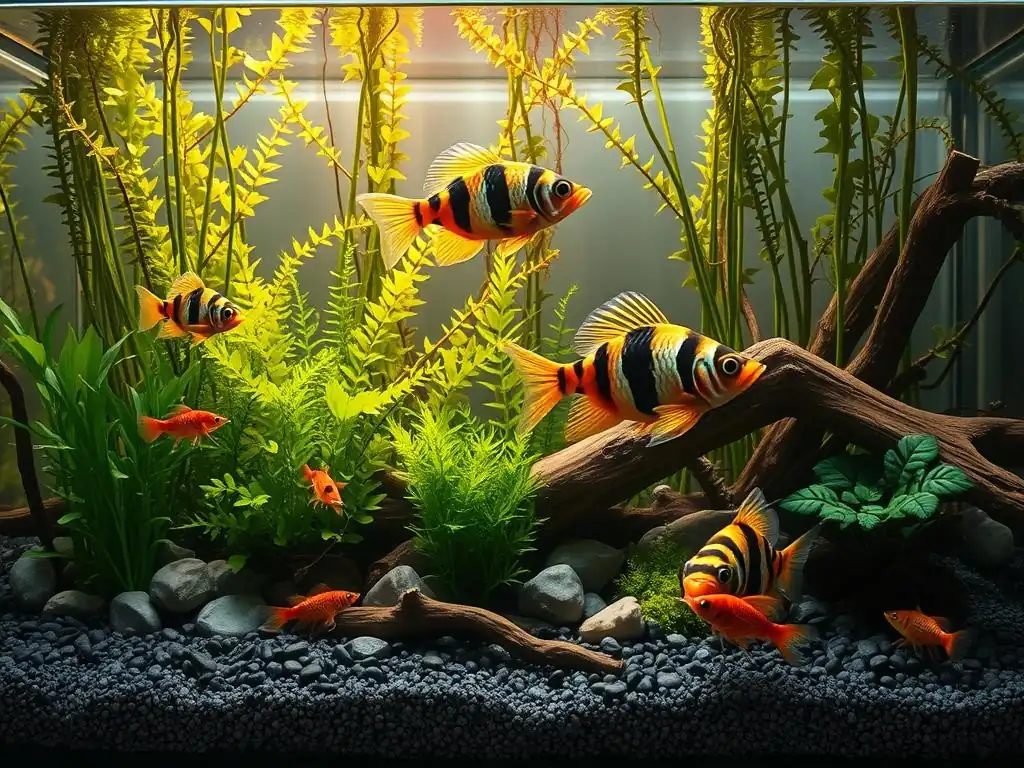
Ever wondered how to create the perfect environment for a vibrant school of tiger barbs? This guide dives deep into tiger barb tank setup, revealing secrets to unlock their full potential and ensure a thriving, active aquatic community. Discover everything you need to know about tank size, ideal conditions, and compatible tank mates. Intrigued? Let's get started building your dream tiger barb habitat!
Tiger Barb Profile: Size, Lifespan, and Behavior
Tiger barbs (Puntigrus tetrazona) are a popular and vibrant freshwater fish, known for their distinctive black and orange stripes. These active cyprinids typically reach an adult size of about 2.5 to 3 inches (6-7.5 cm) and, with proper care, can live for 5 to 7 years. Their high energy levels and constant movement make them an engaging addition to a well-suited aquarium.
Behaviorally, Tiger Barbs are semi-aggressive and notorious for fin-nipping, especially if not kept in adequate numbers. They are schooling fish by nature, and this social dynamic is crucial to their well-being. When kept in a large, cohesive group, their aggression is often directed internally within the school, minimizing issues with other tank inhabitants.
Assessing Your Commitment: Are Tiger Barbs Right for You?
Setting up a successful Tiger barb tank requires a commitment to providing a specific environment that caters to their active and sometimes boisterous nature. They are not ideal for very small tanks or for aquarists who prefer a tranquil community of slow-moving, long-finned fish. Prospective owners must be prepared for regular maintenance, including consistent water changes and careful monitoring of water parameters.
A proper Tiger barb tank setup demands attention to detail, from tank size to aquascaping, to ensure their health and minimize their fin-nipping tendencies. Understanding their needs before purchase is paramount to avoiding common pitfalls and ensuring a thriving, active school rather than a stressed and aggressive one.
The schooling behavior of Tiger Barbs is fundamental to their health and temperament. Keeping them in a large group, ideally a minimum of 6 to 8 individuals, but preferably 10 or more, is essential. A larger school helps to distribute their inherent aggression among themselves, reducing the likelihood of them harassing other tank mates.
When kept in insufficient numbers (e.g., fewer than six), Tiger Barbs can become exceptionally territorial and aggressive towards other fish, often resulting in severe fin damage or stress to tank mates. A robust school allows them to establish a pecking order within their own group, leading to a more stable and less problematic environment for the entire aquarium.
- Tiger Barb Profile: Size, Lifespan, and Behavior
- Assessing Your Commitment: Are Tiger Barbs Right for You?
- The Importance of a School: Tiger Barb Social Dynamics
- What size tank is recommended for a Tiger Barb tank setup?
- What are the ideal water parameters for a Tiger Barb tank?
- What kind of substrate and decorations should I use in a Tiger Barb tank?
- What fish can I keep with Tiger Barbs in a community tank?
- How often should I perform water changes in my Tiger Barb tank?
Planning Your Tiger Barb Tank: Size, Substrate, and Aquascaping
Determining the Right Tank Size for a Tiger Barb School
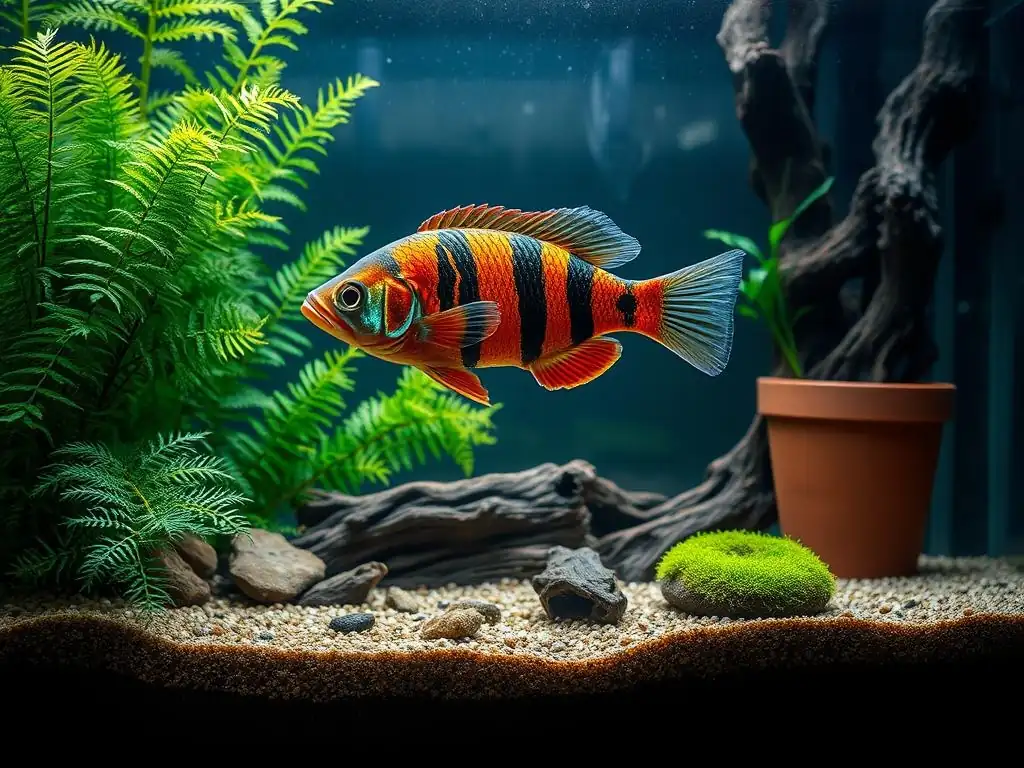
For a healthy and happy school of Tiger Barbs, tank size is a critical factor. A minimum of a 20-gallon long (approximately 75 liters) aquarium is recommended for a small school of 6-8 individuals, providing sufficient horizontal swimming space. However, a 30-gallon (113 liters) or even a 40-gallon (150 liters) tank is far more suitable for a larger, more active school of 10 or more Tiger Barbs, allowing them ample room to swim and establish territories.
The generous dimensions of a larger tank not only accommodate their high activity levels but also contribute to greater water volume, which helps dilute waste products and maintain more stable water parameters. This stability is crucial for the long-term health of your Tiger barb tank setup, reducing stress and susceptibility to disease.
Choosing the Best Substrate for Your Tiger Barb Tank
When selecting substrate for your Tiger barb tank, fine gravel or sand are excellent choices. These materials are smooth, preventing any potential injury to the fish if they dart quickly or brush against the bottom. Additionally, a fine substrate is ideal for planting live aquarium plants, which are highly beneficial for a Tiger barb environment.
A substrate depth of 1 to 2 inches (2.5-5 cm) is generally sufficient for most setups, providing enough surface area for beneficial bacteria to colonize and contribute to the nitrogen cycle. Ensure the substrate is thoroughly rinsed before adding it to the tank to prevent cloudiness and introduce fewer impurities into your new Tiger barb tank setup.
Aquascaping Ideas for a Thriving Tiger Barb Environment: Plants and Decorations
Aquascaping plays a vital role in creating a functional and aesthetically pleasing Tiger barb tank. Dense planting, particularly with hardy species like Java Fern, Anubias, Vallisneria, or Amazon Swords, is highly recommended. These plants provide essential hiding spots and visual breaks, which help to diffuse aggression and allow individual fish to retreat when stressed.
In addition to live plants, incorporate driftwood, smooth rocks, and other aquarium-safe decorations to create varied structures and territories. Ensure all decorations are free of sharp edges that could injure the fast-moving barbs. While providing plenty of cover, it is equally important to leave ample open swimming space in the middle and front of the tank, catering to their energetic nature and schooling habits within your Tiger barb tank setup.
Setting Up Your Tiger Barb Aquarium: A Step-by-Step Guide
Step 1: Tank Placement and Leveling
The initial step in your Tiger barb tank setup is selecting an appropriate location. Choose a sturdy, level surface that can safely bear the significant weight of a filled aquarium; for instance, a 20-gallon tank can weigh over 200 pounds (90 kg) once filled with water, substrate, and equipment. Position the tank away from direct sunlight, which can lead to excessive algae growth and temperature fluctuations, and avoid areas with drafts or high traffic.
Once the location is chosen, ensure the stand or surface is perfectly level. Using a spirit level can confirm this, as an uneven tank can place undue stress on the glass seams, potentially leading to leaks or structural failure over time. Proper leveling is a fundamental safety measure for any aquarium setup.
Step 2: Installing Filtration System for Tiger Barbs
Tiger Barbs are active fish that produce a fair amount of waste, necessitating a robust filtration system. Hang-on-back (HOB) filters or canister filters are excellent choices, providing mechanical, biological, and chemical filtration. Opt for a filter rated for a tank size larger than your actual aquarium (e.g., a filter for a 30-gallon tank on a 20-gallon Tiger barb tank setup) to ensure superior water quality and circulation.
Install the filter according to the manufacturer's instructions, ensuring all media are correctly placed. A strong filter flow is generally appreciated by Tiger Barbs, mimicking their natural environment and keeping the water well-oxygenated. Good filtration is paramount for maintaining low levels of ammonia and nitrite, which are toxic to fish.
Step 3: Setting Up the Heater and Thermostat
Tiger Barbs thrive in tropical temperatures, typically between 75-80°F (24-27°C). A reliable submersible aquarium heater with an integrated thermostat is essential for maintaining a stable temperature. Choose a heater with appropriate wattage for your tank size; a general guideline is 5 watts per gallon for tanks up to 50 gallons.
Position the heater in an area with good water flow, such as near the filter output, to ensure even heat distribution throughout the entire Tiger barb tank setup. Always use an independent aquarium thermometer to monitor the water temperature regularly, verifying the heater's accuracy and ensuring it maintains the desired range.
Step 4: Adding Substrate, Decorations, and Plants
Before adding anything to the tank, thoroughly rinse your chosen substrate (fine gravel or sand) under running water until the water runs clear. This removes dust and debris that could cloud your aquarium. Carefully add the rinsed substrate to the bottom of the tank, creating an even layer, typically 1 to 2 inches deep.
Next, arrange your pre-cleaned decorations, such as driftwood and rocks, to create visual interest, hiding spots, and territorial boundaries. Finally, plant your live aquatic plants. For rooted plants, gently push them into the substrate, ensuring the roots are covered but the crown (where leaves meet roots) is exposed. For epiphytes like Anubias or Java Fern, attach them to driftwood or rocks with fishing line or super glue gel.
Step 5: Filling the Tank and Dechlorinating the Water
With the substrate, decorations, and plants in place, you can begin filling your Tiger barb tank. To avoid disturbing the aquascape, place a clean plate or a plastic bag on the substrate and pour water onto it, allowing the water to gently fill the tank. Fill the tank gradually, leaving a few inches of space from the top rim.
Once filled, it is absolutely crucial to add a high-quality water conditioner or dechlorinator. Tap water contains chlorine and chloramines, chemicals that are highly toxic to fish and beneficial bacteria. The conditioner neutralizes these harmful substances, making the water safe for your aquatic inhabitants and preparing your Tiger barb tank setup for the next vital step: cycling.
Cycling Your Tiger Barb Tank: Establishing a Healthy Ecosystem
The Nitrogen Cycle Explained: Essential for Tiger Barb Health
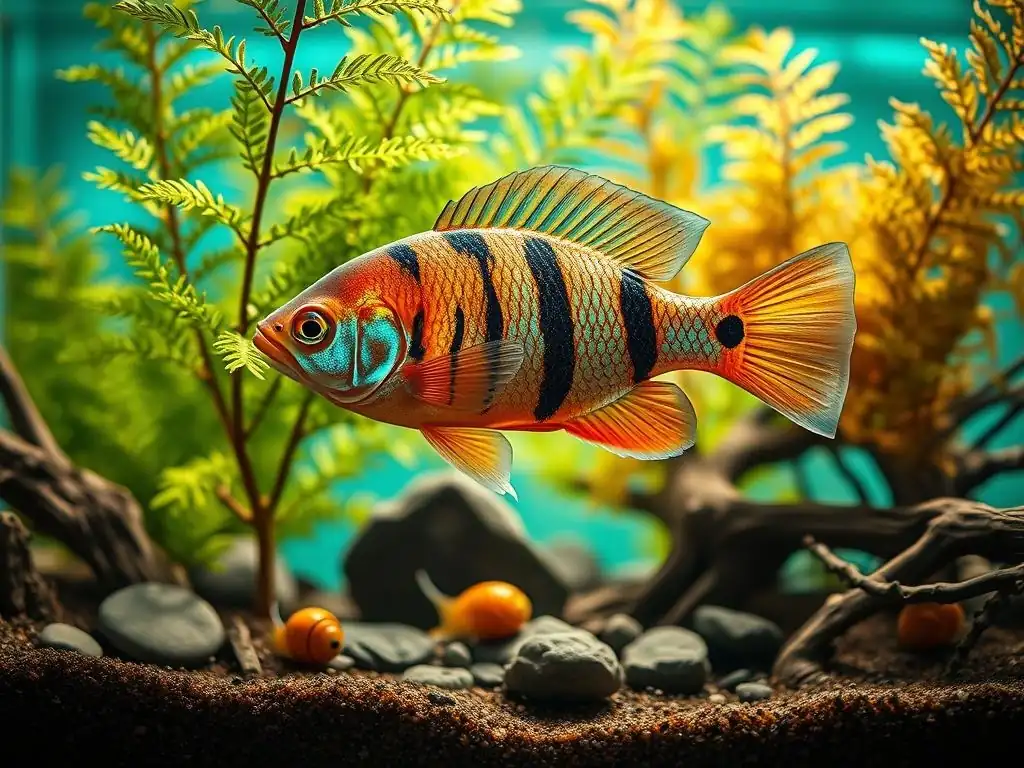
The nitrogen cycle is a fundamental biological process that must be established in any aquarium before fish are introduced, and it is especially critical for a healthy Tiger barb tank setup. This cycle involves beneficial bacteria converting harmful fish waste products into less toxic forms. Fish excrete ammonia (NH3), which is highly poisonous. Nitrifying bacteria (Nitrosomonas) then convert this ammonia into nitrites (NO2-), which are also extremely toxic.
A second type of nitrifying bacteria (Nitrobacter) then converts these nitrites into nitrates (NO3-), which are far less harmful to fish in moderate concentrations. Nitrates can be managed through regular partial water changes and the presence of live plants that absorb them as nutrients. Understanding and successfully completing the nitrogen cycle is paramount to providing a stable and safe environment for your Tiger Barbs.
Methods for Cycling a New Aquarium: Fish-In vs. Fishless Cycling
There are two primary methods for cycling a new aquarium: fish-in cycling and fishless cycling. Fishless cycling is strongly recommended for a Tiger barb tank setup as it is far safer and less stressful for the fish. This method involves adding an ammonia source (such as pure ammonia solution or fish food) to the empty tank to feed the beneficial bacteria, allowing their colonies to grow and establish over 4 to 6 weeks without exposing fish to toxic ammonia and nitrite spikes.
Fish-in cycling, while historically common, involves introducing a few hardy fish to the tank to produce ammonia, thereby initiating the cycle. This method is highly stressful for the fish, exposes them to dangerous levels of toxins, and can lead to illness or death. For the well-being of your future Tiger Barbs, always opt for the fishless cycling approach.
Testing Your Water Parameters: Ammonia, Nitrite, and Nitrate Levels
During the cycling process, and regularly thereafter, it is imperative to test your aquarium's water parameters. A reliable liquid-based test kit is far more accurate than test strips and should be used to monitor ammonia, nitrite, and nitrate levels. During fishless cycling, you will observe ammonia and nitrite levels rise and then fall to zero, followed by a rise in nitrates.
Once the tank is fully cycled, both ammonia and nitrite levels should consistently read 0 ppm (parts per million). Nitrate levels should be kept below 20 ppm through regular water changes. Consistent monitoring of these parameters is crucial for the ongoing health of your Tiger barb tank setup, allowing you to identify and address potential issues before they become problematic for your fish.
Selecting and Acclimating Your Tiger Barbs
Choosing Healthy Tiger Barbs: What to Look For
When selecting Tiger Barbs for your tank, observe the fish at the pet store carefully for signs of health. Look for active, alert individuals that are swimming vigorously and displaying bright, vibrant coloration. Their fins should be fully extended and intact, without any signs of tears, fraying, or fin rot. Avoid fish that appear lethargic, are gasping at the surface, have clamped fins, or show any visible spots (like Ich), fungal growths, or unusual swellings.
It is also wise to observe the entire tank they are housed in. If other fish in the same tank appear sick or stressed, it's best to avoid purchasing any fish from that particular system, as diseases can spread quickly. Opting for healthy specimens from the outset is a key step in ensuring a successful and disease-free Tiger barb tank setup.
Acclimation Process: Introducing Your Tiger Barbs to Their New Home
Proper acclimation is crucial for minimizing stress and preventing shock when introducing new Tiger Barbs to their established tank. The preferred method is drip acclimation, which slowly equalizes the water temperature and chemistry between the transport bag and your aquarium. First, float the sealed bag in your tank for 15-20 minutes to equalize temperature.
After temperature equalization, open the bag and use an air line tubing to siphon water from your tank into the bag, allowing it to drip slowly. Aim for a drip rate of about 1-2 drops per second. Continue this for 30-60 minutes, or until the volume of water in the bag has tripled. Once acclimated, gently net the fish and introduce them to your Tiger barb tank setup, discarding the water from the bag to prevent introducing any potential pathogens from the store.
Quarantine Tank Setup: Preventing Disease Introduction
Setting up a separate quarantine tank is a highly recommended practice for any new fish, including Tiger Barbs, and is an invaluable tool for maintaining a healthy main aquarium. A simple 10-gallon (38-liter) tank with a heater, sponge filter, and a few PVC pipes for hiding spots is sufficient. New Tiger Barbs should be kept in this quarantine tank for 2 to 4 weeks before being introduced to your main Tiger barb tank setup.
During this period, you can observe them for any signs of disease, treat them if necessary without medicating your main display tank, and allow them to recover from the stress of transport. This proactive measure significantly reduces the risk of introducing parasites, bacteria, or other pathogens that could devastate your established fish community.
Maintaining a Healthy Tiger Barb Tank: Water Changes, Feeding, and Monitoring
Regular Water Changes: Frequency and Volume
Regular water changes are paramount for maintaining optimal water quality in a Tiger barb tank setup. For a well-stocked aquarium, performing a 25-30% water change weekly is highly recommended. This routine helps to remove accumulated nitrates, replenish essential minerals, and prevent the buildup of dissolved organic compounds that can negatively impact fish health and water clarity.
Always use a gravel vacuum to siphon out water and detritus from the substrate during water changes. Ensure the fresh water added is dechlorinated and matched as closely as possible to the tank's temperature and pH to prevent shocking the fish. Consistency in this maintenance routine is key to a stable and thriving environment for your active Tiger Barbs.
Optimal Feeding Schedule and Diet for Tiger Barbs
Tiger Barbs are omnivorous and have a hearty appetite, making a varied and balanced diet essential for their health and vibrant coloration. Feed them small amounts 2 to 3 times a day, only what they can consume completely within 2-3 minutes. Overfeeding can quickly lead to poor water quality and health issues.
Their diet should primarily consist of high-quality flake or pellet food formulated for omnivorous tropical fish. Supplement this with occasional offerings of live or frozen foods such as bloodworms, brine shrimp, and daphnia. Spirulina flakes or other vegetable-based foods should also be included to provide necessary plant matter, contributing to a well-rounded diet in your Tiger barb tank setup.
Monitoring Water Parameters and Addressing Issues
Consistent monitoring of water parameters is a non-negotiable aspect of maintaining a healthy Tiger barb tank. Weekly or bi-weekly testing for ammonia, nitrite, and nitrate levels using a liquid test kit is crucial. Ideal parameters are 0 ppm ammonia, 0 ppm nitrite, and nitrates below 20 ppm. Also, regularly check the pH (ideally between 6.0-7.5) and temperature (75-80°F or 24-27°C).
If you detect any undesirable spikes in ammonia or nitrite, or if nitrates climb too high, immediate action is required. Perform a partial water change (e.g., 50%) to dilute the toxins and identify the root cause, such as overfeeding, overstocking, or inadequate filtration. Addressing issues promptly is vital to prevent stress and disease in your Tiger Barbs.
Preventing and Treating Common Tiger Barb Diseases
Prevention is the best defense against common Tiger Barb diseases. Maintaining stable water parameters, providing a high-quality, varied diet, and implementing a quarantine period for all new fish are the most effective preventive measures. Common ailments Tiger Barbs might encounter include Ich (white spot disease), Fin Rot, and Velvet.
If disease symptoms are observed, prompt identification and treatment are critical. For instance, Ich appears as small white spots resembling salt grains and can often be treated by raising the tank temperature slightly (to 82-84°F or 28-29°C, if tank mates allow) and using an appropriate Ich medication. Always use medications specifically designed for aquarium fish and follow dosage instructions carefully, often treating in a separate hospital tank to avoid medicating the entire Tiger barb tank setup unnecessarily.
Choosing the Right Tank Mates for Tiger Barbs
Compatible Tank Mates: Fish That Get Along with Tiger Barbs
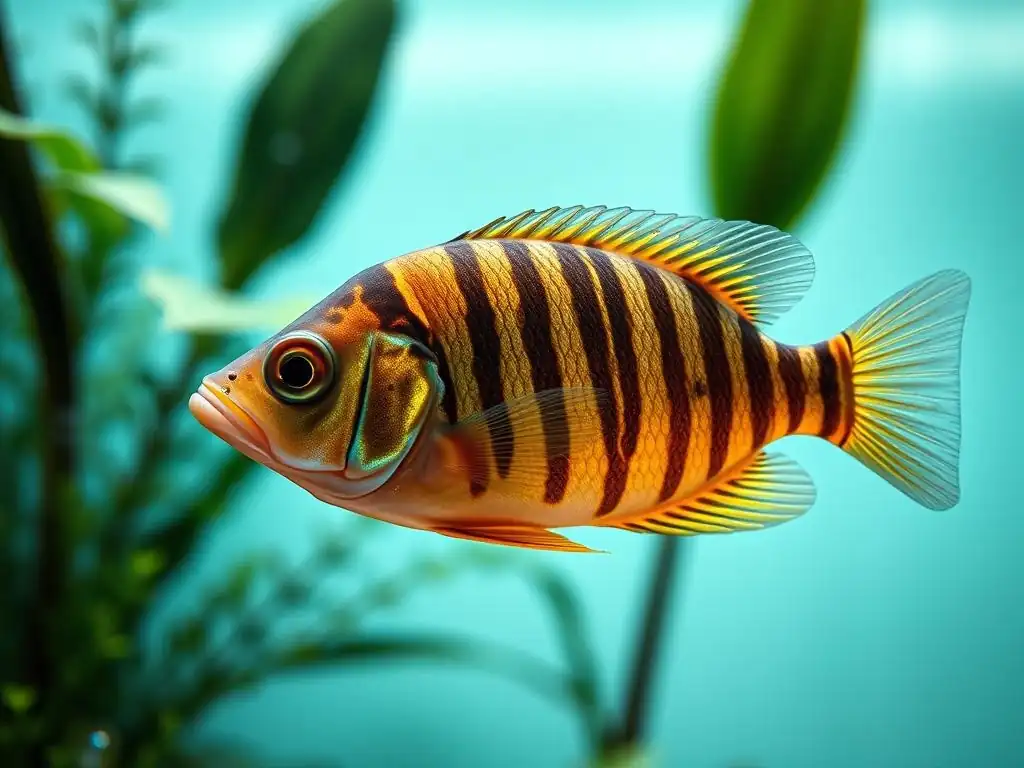
Despite their reputation for fin-nipping, Tiger Barbs can coexist peacefully with certain robust and fast-moving fish species. Ideal tank mates are those that are similarly sized, active, and can hold their own without being intimidated or having long, flowing fins that invite nipping. Good choices often include other active barbs (like Cherry Barbs or Rosy Barbs), larger Tetras (such as Congo Tetras or Black Skirt Tetras), and certain species of Danios.
Bottom dwellers like Bristlenose Plecos or Corydoras Catfish are also generally compatible, as they occupy a different part of the water column and are less likely to be targets. The key to success in a Tiger barb tank setup with tank mates is maintaining a large school of Tiger Barbs (10 or more) to diffuse their aggression among themselves, rather than towards other species.
Fish to Avoid: Aggressive or Slow-Moving Species
When selecting tank mates for your Tiger barb tank setup, it is crucial to avoid species that are either too slow-moving, possess long, flowing fins, or are inherently timid. Fish like Angelfish, Bettas, Guppies, Mollies, and Gouramis with elaborate fins are highly susceptible to fin-nipping and stress when housed with Tiger Barbs, often leading to injury, disease, or even death.
Similarly, very small or overly peaceful fish can be stressed or outcompeted for food by the boisterous Tiger Barbs. Avoid other highly aggressive or territorial fish that could escalate conflicts, as this could lead to a perpetually stressed and unhealthy aquarium environment. Careful consideration of temperament and physical characteristics is vital for a harmonious community.
Maintaining a Balanced Community Aquarium with Tiger Barbs
Creating a balanced community aquarium with Tiger Barbs involves more than just selecting compatible species; it requires thoughtful planning of the entire ecosystem. Ensure the tank is adequately sized to accommodate the adult size and activity levels of all inhabitants, preventing overcrowding that can lead to increased aggression and poor water quality. For instance, a 40-gallon breeder tank provides a good footprint for a larger Tiger barb school and some suitable tank mates.
Provide ample hiding spots and visual barriers through strategic aquascaping with plants and decorations. This allows fish to retreat and establish territories, reducing stress. Regular monitoring of fish behavior and water parameters is essential to ensure the continued well-being of all inhabitants in your Tiger barb tank setup, allowing for adjustments if any signs of stress or aggression emerge.
Troubleshooting Common Tiger Barb Tank Problems
Aggression Issues: Identifying and Addressing Fin-Nipping
Aggression, particularly fin-nipping, is the most common problem encountered in a Tiger barb tank setup. Signs include torn or frayed fins on tank mates, excessive chasing, or visible stress in other fish. The primary cause is almost always an insufficient school size of Tiger Barbs; when kept in numbers fewer than 6-8, their aggression is directed outwards.
To address this, the most effective solution is to increase the size of your Tiger Barb school to 10 or more individuals. This diffuses their aggression within their own group. Additionally, adding more dense planting and decorations can help break line of sight, providing more hiding spots and reducing opportunities for sustained chasing. If issues persist, re-evaluating tank mate compatibility may be necessary.
Water Quality Problems: High Ammonia or Nitrite Levels
High ammonia or nitrite levels are serious water quality problems that can quickly become fatal in a Tiger barb tank. Symptoms in fish include lethargy, gasping at the surface, rapid gill movement, and red or inflamed gills. These issues typically stem from an uncycled tank, overfeeding, overstocking, or insufficient filtration.
Immediate action is required to rectify high ammonia or nitrite. Perform a large water change (50-70%) to dilute the toxins. Reduce feeding significantly or cease feeding for a day or two. Check your filter to ensure it's functioning correctly and not clogged. If the tank is newly set up and experiencing a cycle spike, continue daily small water changes and consider adding a bacterial supplement to speed up the cycling process, which is crucial for a stable Tiger barb tank setup.
Algae Blooms: Prevention and Control
Algae blooms are a common nuisance in many aquariums, including a Tiger barb tank, and usually indicate an imbalance in the tank's ecosystem. Common causes include excessive light duration or intensity, overfeeding, and high nutrient levels (nitrates and phosphates) due to infrequent water changes or overstocking.
To prevent algae, limit your aquarium lighting to 8-10 hours per day. Perform regular weekly water changes (25-30%) to reduce nitrate levels. Avoid overfeeding your Tiger Barbs, as uneaten food breaks down into nutrients that fuel algae growth. For control, manual removal (scraping glass, wiping plants) is effective. Introducing algae-eating tank mates like Nerite snails or Otocinclus catfish can also help manage algae, contributing to a cleaner and more balanced Tiger barb tank setup.
Advanced Tiger Barb Keeping: Breeding and Color Variations
Breeding Tiger Barbs: Creating the Ideal Conditions
Breeding Tiger Barbs can be a rewarding experience, though it requires specific conditions. A separate breeding tank, typically 10-20 gallons (38-75 liters), is recommended. The water should be soft (GH 5-8 dGH) and slightly acidic (pH 6.0-6.5) with a temperature around 78°F (25.5°C). Provide fine-leaved plants like Java Moss or a spawning mop for the eggs to adhere to. Condition a pair or a small group (e.g., two males, one female) with live and frozen foods for several days prior to introduction.
Spawning usually occurs in the early morning, with the female scattering up to 200-300 adhesive eggs. Once spawning is complete, the adult Tiger Barbs should be removed immediately, as they will readily consume their own eggs. The eggs typically hatch within 2-3 days, and the fry become free-swimming in about 5 days. Feed the fry infusoria initially, progressing to newly hatched brine shrimp nauplii as they grow.
Tiger Barb Color Variations: Exploring Different Strains
Beyond the classic orange and black striped pattern, Tiger Barbs come in several captivating color variations, each bred selectively for unique aesthetics while maintaining the core characteristics of the species. The most common variations include the Green Tiger Barb, which has a deeper, mossy green body with subtle dark stripes; the Albino Tiger Barb, characterized by its white or yellow body and distinctive red eyes; and the Gold Tiger Barb, which exhibits a brilliant golden body with faint or absent stripes.
These variations are the result of selective breeding and genetic mutations, offering aquarists a diverse palette for their Tiger barb tank setup. Despite their different appearances, all color variations share the same care requirements, temperament, and active schooling behavior, making them equally suitable for the dedicated hobbyist.
Optimizing Water Chemistry for Tiger Barbs
While Tiger Barbs are relatively adaptable fish, optimizing their water chemistry can significantly contribute to their long-term health, vibrant coloration, and even breeding success. They thrive in soft to moderately hard water, generally within a General Hardness (GH) range of 5-12 dGH. Their preferred pH range is slightly acidic to neutral, typically between 6.0 and 7.5.
Consistency in these parameters is often more crucial than hitting exact numbers. Avoid drastic or sudden changes in pH or hardness, as these can cause significant stress to the fish. If your tap water is significantly outside these ranges, consider using a mix of tap water and reverse osmosis (RO) water remineralized to the desired parameters. Regular testing and gradual adjustments are key to maintaining an ideal aquatic environment in your Tiger barb tank setup.
Frequently Asked Questions
What size tank is recommended for a Tiger Barb tank setup?
A minimum of 20 gallons is recommended for a small school of Tiger Barbs. Larger tanks, like 29 gallons or more, are preferable to provide ample swimming space and reduce aggression.
What are the ideal water parameters for a Tiger Barb tank?
Tiger Barbs thrive in water with a pH between 6.0 and 7.5, a temperature of 72-78°F (22-26°C), and soft to moderately hard water. Maintaining stable water parameters is crucial for their health.
What kind of substrate and decorations should I use in a Tiger Barb tank?
A dark substrate is recommended to showcase their colors. Include plenty of plants and hiding places like driftwood or rocks to provide refuge and reduce stress.
What fish can I keep with Tiger Barbs in a community tank?
Choose fast-moving, similarly sized fish that can tolerate Tiger Barbs' active nature. Avoid slow-moving or long-finned fish, as they may be nipped at. Consider other barbs, danios, or loaches.
How often should I perform water changes in my Tiger Barb tank?
Regular weekly water changes of 25-50% are essential to maintain water quality and prevent the build-up of harmful nitrates. Monitor your water parameters regularly with a test kit.
Final Reflection: Cultivating Aquatic Harmony
The principles of creating a thriving Tiger Barb tank, as we've explored, extend far beyond mere aquarium aesthetics; they represent a microcosm of understanding and nurturing a balanced ecosystem. Just as careful consideration is crucial for the well-being of these vibrant fish, so too is mindful attention essential for fostering harmony in any environment, be it personal, professional, or societal.
This journey into the ideal Tiger Barb tank setup has underscored the importance of creating spaces where life can flourish, where activity is encouraged, and where the needs of each individual are met within the context of the collective. The best aquarium is not just a container for fish, but a carefully crafted environment that mimics their natural habitat and allows them to thrive,
a sentiment that resonates deeply when considering the broader implications of responsible stewardship.
Now, I invite you to reflect on the environments you cultivate in your own life. Are you creating spaces that encourage growth, activity, and well-being? Just as a well-maintained Tiger Barb tank brings joy and vitality, so too can your efforts to nurture balanced ecosystems in your own world create a ripple effect of positive change. Consider the small adjustments you can make, the thoughtful considerations you can implement, to foster a more harmonious and thriving existence, not just for yourself, but for all those around you.
Unleash the Vibrant World of Tiger Barbs!
Thank you for diving into the dynamic world of tiger barbs! We hope you’ve discovered valuable insights to create a thriving aquarium for these captivating fish. Now, let's turn that knowledge into action.
Here are a few steps to bring your tiger barb dreams to life:
- Plan your tank! Don't skip the crucial step of selecting the right aquarium size for your school of tiger barbs. Remember, more space equals happier fish!
- Delve deeper: Research compatible tank mates to create a diverse and harmonious ecosystem.
- Share your passion: Post pictures of your current setup on social media, using #AquariumMasteryTigerBarbs, and inspire other aquarists!
Ready to start building the perfect tiger barb paradise?