
The Ultimate Guide to Saltwater Aquarium Snails: Types and Benefits

Welcome to Aquarium Mastery!
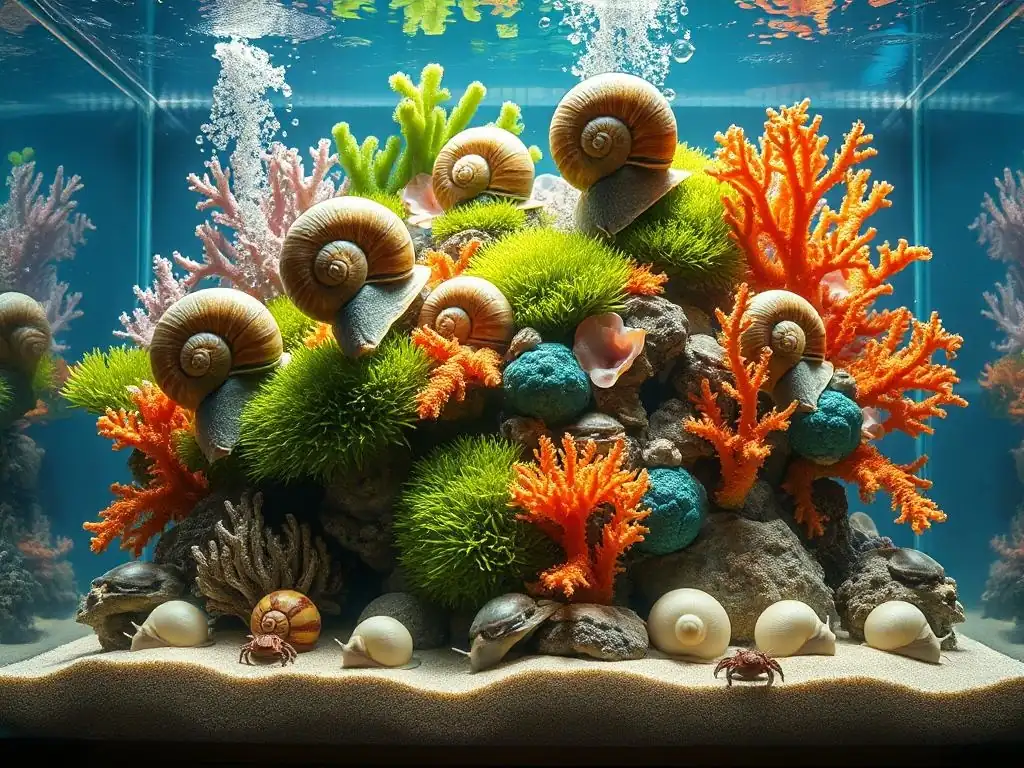
Ever wondered about the silent workhorses of your saltwater aquarium? Dive in and discover the fascinating world of Saltwater Aquarium Snail Types! These incredible invertebrates are more than just pretty shells; they're essential for a thriving ecosystem. But which snails are right for your tank? Let's explore the best options and unlock the secrets to a cleaner, healthier, and more vibrant aquarium...
- Introduction to Saltwater Aquarium Snails
- Understanding Different Types of Saltwater Aquarium Snails
- Choosing the Right Saltwater Snail Species for Your Aquarium
- Caring for Your Saltwater Aquarium Snails
- Common Saltwater Snail Problems and Solutions
- The Best Saltwater Aquarium Snails for Beginners
- Advanced Saltwater Snail Keeping: Breeding and Propagation
- Saltwater Snail FAQs: Answering Your Burning Questions
- Conclusion: Maintaining a Healthy Saltwater Aquarium with the Help of Snails
-
Frequently Asked Questions
- What are the primary benefits of keeping snails in a saltwater aquarium?
- Which saltwater aquarium snail types are best for beginners?
- How do I choose the right number of snails for my saltwater aquarium?
- What water parameters are important to consider for saltwater aquarium snails?
- How can I prevent snails from escaping my saltwater aquarium?
- Final Reflection: The Silent Guardians of Our Reefs
- Embrace the Snail's Pace: Transform Your Aquarium Today!
Introduction to Saltwater Aquarium Snails
Why Choose Snails for Your Saltwater Tank?
Choosing the right inhabitants for a saltwater aquarium extends far beyond just fish and corals; snails play an indispensable role in maintaining a thriving and balanced ecosystem. These often-overlooked invertebrates are natural workhorses, contributing significantly to the tank's cleanliness and overall health. Their presence reduces the need for constant manual cleaning, making aquarium maintenance more manageable and enjoyable for the aquarist.
Beyond their cleaning prowess, snails also contribute to the vital nutrient cycling within the aquarium, breaking down organic waste and preventing the buildup of harmful compounds. They are generally non-aggressive and peaceful inhabitants, making them compatible with most fish and coral species, thereby enhancing the biodiversity and natural appearance of a reef or fish-only setup.
Benefits of Saltwater Snails: The Natural Clean-Up Crew
Saltwater snails are renowned for their roles as the ultimate clean-up crew, tirelessly working to keep the aquarium pristine. Their primary function revolves around algae control, where they effectively graze on various nuisance algae, including diatoms, film algae, and even some types of hair algae. For instance, a small team of 5-10 active grazing snails can significantly reduce the proliferation of film algae on glass and rockwork in a 50-gallon tank, preventing unsightly outbreaks and maintaining clear viewing.
Furthermore, many saltwater aquarium snail types are crucial detritivores, diligently consuming uneaten food, decaying plant matter, and other organic detritus that accumulates on the substrate and rockwork. This continuous scavenging prevents nutrient spikes and improves water quality. Substrate-dwelling snails, like Nassarius, actively burrow through the sandbed, aerating it and preventing the formation of dangerous anaerobic pockets that can release toxic hydrogen sulfide gas, thereby safeguarding the health of the entire aquarium.
Understanding Different Types of Saltwater Aquarium Snails
Herbivorous Snails: Algae Eaters for a Pristine Tank
Herbivorous snails are the cornerstone of any effective saltwater clean-up crew, primarily responsible for controlling the proliferation of nuisance algae. Their continuous grazing activity on tank surfaces, live rock, and even the sandbed helps maintain water clarity and prevents unsightly algal blooms that can quickly overwhelm an aquarium. These diligent grazers are essential for both fish-only and delicate reef systems, ensuring light penetration for corals and enhancing the overall aesthetic appeal.
These dedicated algae consumers come in various shapes and sizes, each with specific preferences for different types of algae. From film algae to diatoms and even some tougher hair algae, there's a herbivorous snail species perfectly suited to tackle common algal issues. Their constant movement across surfaces not only removes algae but also provides a dynamic and natural element to the aquarium's ecosystem.
Turbo Snails: The Algae-Grazing Powerhouses
Turbo snails, often represented by species like Trochus histrio or Turbanus fluctuosus, are among the most robust and voracious algae eaters available for saltwater aquariums. Known for their sturdy, conical shells and impressive size (often reaching 1.5 to 2 inches), they are particularly effective at consuming vast quantities of film algae, diatoms, and even some stubborn hair algae from rocks and glass surfaces. A single adult Turbo snail can clear several square inches of film algae daily, making them highly efficient.
These powerful grazers are typically recommended at a rate of 1-2 per 10 gallons for moderate algae issues, though their large size means they can sometimes dislodge small, unsecured coral frags. While hardy, they have a tendency to flip onto their backs and may require assistance to right themselves, especially in tanks with aggressive flow. Their lifespan generally ranges from 1 to 3 years under optimal conditions.
Nerite Snails: Hardy and Efficient Algae Consumers
Nerite snails ( Nerita spp.), characterized by their distinctive, often patterned shells and smaller size (typically 0.5 to 1 inch), are highly valued for their exceptional ability to graze on green film algae and diatoms from aquarium glass, rockwork, and even decor. They are particularly adept at cleaning smooth surfaces and are known for leaving characteristic 'swirl' patterns as they move. These saltwater aquarium snail types are incredibly hardy and tolerate a wide range of water conditions, making them excellent choices for both new and established tanks.
One significant advantage of Nerite snails is their inability to reproduce in saltwater, meaning they won't overrun your tank with offspring, although they may lay small, hard white egg cases on surfaces that are difficult to remove. They are effective in tanks as small as 10 gallons, with 2-3 snails often sufficient for light algae control. Their lifespan typically ranges from 1 to 2 years, provided stable water parameters and adequate food.
Astrea Snails: Reef-Safe Algae Control
Astrea snails ( Astrea undosa or similar species) are another popular choice for reef and fish-only saltwater aquariums, recognized by their conical, often ridged shells. These peaceful herbivores are highly efficient at grazing on film algae, diatoms, and some microalgae from live rock and glass surfaces. They are considered very reef-safe, posing no threat to corals or other invertebrates, making them ideal for delicate ecosystems.
While effective, Astrea snails can sometimes struggle to right themselves if they fall or are knocked over, especially in tanks with strong currents or uneven rockwork. They are often recommended for new tanks due to their hardiness and consistent grazing, with a common stocking density being 1 Astrea snail per 5-10 gallons, depending on algae levels. Their typical lifespan is between 1 and 2 years, given consistent water quality and adequate food sources.
Detritivorous Snails: Keeping Your Substrate Clean
Detritivorous snails are invaluable members of the clean-up crew, specializing in the consumption of decaying organic matter, uneaten food, and other detritus that accumulates on and within the substrate. Their diligent scavenging helps prevent the buildup of excess nutrients, which can otherwise lead to unsightly algae blooms and degraded water quality. By actively processing organic waste, these snails contribute significantly to a healthier and more stable aquarium environment.
Beyond their role as waste consumers, many detritivorous saltwater aquarium snail types also perform vital aeration of the sandbed. Their burrowing activities prevent the formation of anaerobic pockets, which can release toxic gases like hydrogen sulfide. This constant sifting and turning of the substrate ensures a healthy, oxygenated environment for beneficial bacteria and other burrowing organisms.
Nassarius Snails: The Scavengers of the Sandbed
Nassarius snails ( Nassarius vibex or Nassarius distortus) are fascinating and highly beneficial detritivores, instantly recognizable by their distinctive cone-shaped shells and their habit of burying themselves in the sandbed. These opportunistic scavengers emerge rapidly from the substrate when they detect food, making them excellent at consuming uneaten fish food, decaying organic matter, and even small bits of meaty foods that settle on the sand. Their rapid response to food makes them entertaining to watch.
A group of 5-10 Nassarius snails can effectively clean the sandbed of a 50-gallon aquarium, preventing detritus accumulation and improving substrate health. Their constant burrowing activity naturally aerates the sand, preventing the formation of harmful anaerobic zones. These hardy saltwater aquarium snail types typically have a lifespan ranging from 2 to 5 years, thriving in well-established sandbeds where they can find ample food.
Cerith Snails: Detritus and Algae Removal Experts
Cerith snails ( Cerithium atratum or similar species) are versatile and highly effective members of the clean-up crew, possessing a unique dual role as both detritus and algae removers. Characterized by their elongated, spiral shells, these snails are adept at shallowly burrowing into the sandbed to consume detritus, while also diligently grazing on film algae and diatoms from rocks, glass, and other surfaces. Their ability to work both on and in the substrate makes them exceptionally valuable.
These saltwater aquarium snail types are generally hardy and peaceful, making them compatible with most reef and fish-only setups. They are recommended at a rate of 1-2 per 10 gallons for comprehensive cleaning, effectively tackling both surface algae and accumulated detritus. Cerith snails typically live for 1 to 3 years, contributing continuously to the cleanliness and biological balance of the aquarium.
Predatory Snails: Beneficial Control (With Caution)
While most aquarium snails are known for their herbivorous or detritivorous diets, a select few species are predatory, offering a specialized form of pest control in saltwater aquariums. These snails are not generalist cleaners but rather target specific nuisance organisms. Their introduction should always be approached with caution and a clear understanding of their dietary preferences, as some can pose risks to desirable tank inhabitants if not properly managed.
Predatory snails fulfill a unique niche, addressing specific problems that other clean-up crew members cannot. Their inclusion is typically reserved for tanks experiencing particular pest outbreaks, providing a natural and often effective solution. It's crucial to ensure that the target pest is present in sufficient quantities to sustain them, preventing them from turning to other, more desirable tank inhabitants.
Bumble Bee Snails: Controlling Bristle Worm Populations
Bumble Bee Snails ( Engina mendicaria) are small, distinctive predatory snails, easily identified by their striking black and yellow striped shells, resembling a bumblebee. Unlike their herbivorous counterparts, these saltwater aquarium snail types primarily prey on small bristle worms, a common nuisance pest in many saltwater aquariums that can sometimes proliferate to undesirable levels. They will actively hunt and consume these worms, providing a natural method of population control.
In addition to bristle worms, Bumble Bee Snails will also scavenge on detritus and uneaten meaty foods, making them a beneficial addition to the clean-up crew with a specialized function. A small group of 3-5 Bumble Bee snails can significantly reduce bristle worm numbers in a 30-gallon tank over several weeks. They typically grow to about 0.5 to 0.75 inches and have a lifespan of 1 to 3 years, proving to be a highly effective biological control for specific pest issues.
Choosing the Right Saltwater Snail Species for Your Aquarium
Assessing Your Aquarium's Needs: Algae Levels and Substrate Type
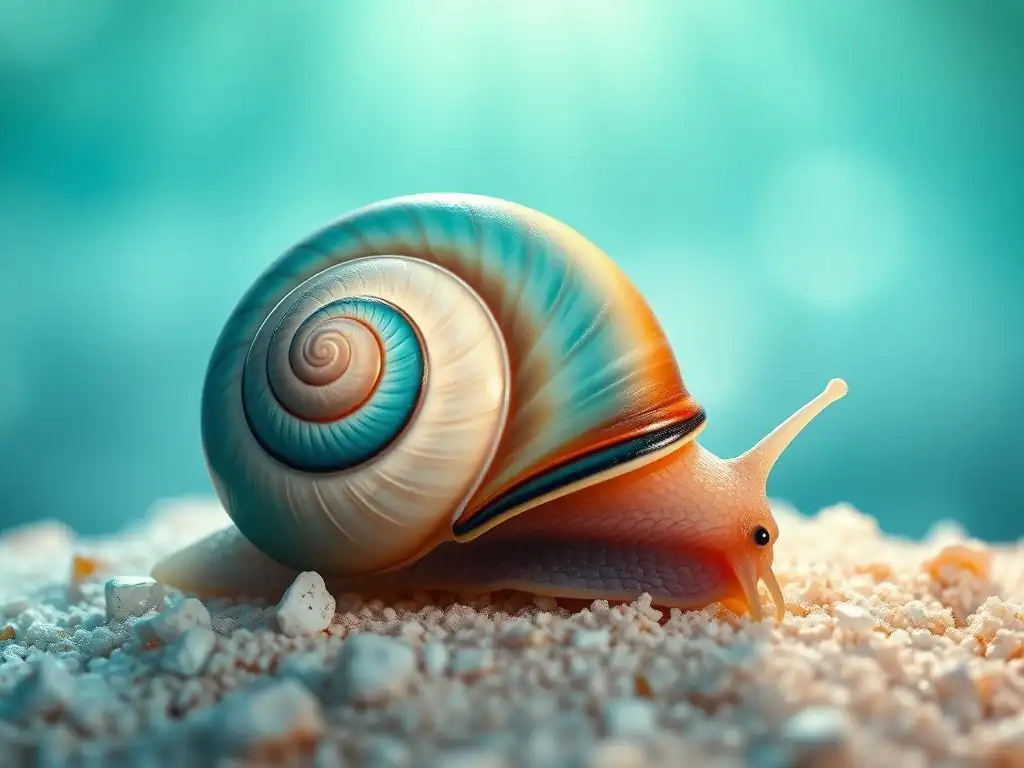
Selecting the appropriate saltwater aquarium snail types is paramount for their effectiveness and the overall health of your tank. The first step involves a thorough assessment of your aquarium's specific needs, primarily focusing on the types and levels of algae present, as well as the characteristics of your substrate. For instance, if your tank is plagued by green film algae on the glass and rocks, robust grazers like Turbo or Nerite snails would be highly beneficial. Conversely, a tank with a deep sandbed accumulating detritus would greatly benefit from the burrowing action of Nassarius or Cerith snails.
Consider also the maturity of your aquarium. Newer tanks often experience diatom blooms, which some saltwater aquarium snail types are particularly adept at consuming. Established tanks might have more persistent film or hair algae, requiring different grazing strategies. Matching the snail's natural diet and behavior to the available food sources and tank environment ensures their survival and maximizes their contribution to your clean-up crew.
Compatibility: Ensuring Snails Get Along with Your Fish and Invertebrates
Before introducing any new saltwater aquarium snail types, it is crucial to consider their compatibility with your existing fish and other invertebrates. While most common clean-up crew snails are peaceful and generally ignored by typical reef inhabitants, certain fish species are known snail predators. Pufferfish, triggerfish, certain types of wrasses (especially larger ones), and some predatory dottybacks will readily view snails as a food source, often quickly decimating a snail population.
It's also important to assess the temperament of other invertebrates. While most crabs are detritivores, some hermit crabs, particularly larger species like the Blue Leg or Red Leg Hermit Crab, might occasionally prey on snails for their shells or as a food source, especially if underfed. Providing ample empty shells of various sizes for hermit crabs can help mitigate this. Always research the specific dietary habits of all tank inhabitants to ensure a harmonious environment for your chosen snails.
Reef-Safe Snails: Protecting Your Coral Ecosystem
The term "reef-safe" is critical when selecting saltwater aquarium snail types for tanks containing corals. A reef-safe snail is one that will not consume or otherwise harm corals, whether soft, LPS (Large Polyp Stony), or SPS (Small Polyp Stony). The vast majority of common clean-up crew snails, particularly the herbivorous and detritivorous species, are indeed reef-safe and will diligently clean the tank without posing any threat to your delicate coral ecosystem.
Species such as Turbo snails, Nerite snails, Astrea snails, Cerith snails, and Nassarius snails are universally accepted as reef-safe. Their diets consist primarily of algae, detritus, and uneaten food, ensuring they focus on cleaning rather than damaging corals. However, it is always wise to exercise caution with less common or unknown saltwater aquarium snail types, as some specialized or predatory species might target coral polyps or soft tissues. Stick to well-known, proven reef-safe species for peace of mind in your coral reef aquarium.
Caring for Your Saltwater Aquarium Snails
Acclimation: Introducing New Snails to Your Tank Safely
Proper acclimation is a critical step to ensure the survival and long-term health of newly acquired saltwater aquarium snail types. Snails are highly sensitive to sudden changes in salinity, temperature, and pH, which can lead to osmotic shock and rapid death. The drip acclimation method is highly recommended for these invertebrates. Begin by floating the bag containing the snails in your sump or tank for 15-20 minutes to equalize temperature.
After temperature equalization, slowly begin to introduce your tank water into the snail's bag or container using a drip line, aiming for a rate of 1-2 drops per second. This gradual mixing allows the snails to slowly adjust to your aquarium's specific water parameters. Continue this process for at least 30-60 minutes, or even longer (up to 2-3 hours) if there's a significant difference in salinity or pH. Once acclimated, carefully net the snails out and place them directly into your display tank, avoiding transferring any of the shipping water.
Water Parameters: Maintaining Optimal Conditions for Snail Health
Maintaining stable and optimal water parameters is fundamental for the health and longevity of all saltwater aquarium snail types. Key parameters include salinity, temperature, pH, and crucially, calcium and alkalinity. Salinity should be kept stable between 1.023 and 1.026 specific gravity (SG), mimicking natural ocean conditions. Temperature should remain within the typical reef range of 72-78°F (22-26°C), and pH should be stable between 8.1 and 8.4.
Beyond these basic parameters, calcium and alkalinity are especially vital for snails, as they are essential for shell formation and maintenance. Low calcium levels (below 400 ppm) or unstable alkalinity (outside the 8-12 dKH range) can lead to shell erosion, pitting, and overall weakening, making snails vulnerable to disease and stress. Regular testing and appropriate supplementation (e.g., kalkwasser, two-part solutions) are necessary to ensure these parameters remain at healthy levels for robust shell growth and overall snail well-being.
Feeding: Supplementing Their Diet When Necessary
While most saltwater aquarium snail types are introduced to consume nuisance algae and detritus, their natural food sources may become insufficient in very clean or newly established tanks. In such cases, supplemental feeding becomes necessary to prevent starvation and ensure their continued health. A well-fed snail is a more active and effective member of your clean-up crew.
For herbivorous snails, supplement their diet with high-quality algae wafers, spirulina flakes, or small pieces of dried seaweed (nori) attached to a veggie clip. For detritivorous snails, ensuring there's enough uneaten food or decaying organic matter for them to scavenge is usually sufficient, but they will also consume algae wafers. Always feed sparingly to avoid overfeeding, which can lead to water quality issues. Observe your snails; if they appear sluggish or their shells show signs of erosion despite good water parameters, it's likely time to offer supplemental food.
Common Saltwater Snail Problems and Solutions
Empty Snail Shells: Identifying the Cause of Snail Death
Finding empty snail shells in your saltwater aquarium can be disheartening, but identifying the cause is crucial for preventing further losses. Common reasons for snail death include poor acclimation, which can shock the snail's system; unstable or unsuitable water parameters, particularly sudden swings in salinity, temperature, or pH; and a lack of adequate food sources, leading to starvation in very clean tanks. Predation by certain fish (e.g., pufferfish, triggerfish) or opportunistic crabs is another frequent cause.
Upon discovering an empty shell, promptly remove it to prevent any potential ammonia spikes from decaying tissue, although snails have minimal bioload. First, re-test your aquarium's water parameters to ensure they are within optimal ranges (salinity 1.023-1.026, temp 72-78°F, pH 8.1-8.4, Ca 400-450 ppm, Alk 8-12 dKH). If parameters are stable, assess food availability and observe other tank inhabitants for signs of aggression or predatory behavior towards your remaining saltwater aquarium snail types. Consider adding supplemental food if algae levels are low.
Snail Shell Damage: Addressing Potential Calcium Deficiencies
Snail shell damage, often appearing as pitting, erosion, or a rough texture, is a clear indicator of underlying issues in your aquarium's water chemistry, primarily related to calcium and alkalinity. Snails utilize calcium carbonate from the water to build and maintain their shells. If calcium levels are consistently too low (below 400 ppm), or if alkalinity (dKH) is unstable or insufficient (below 8 dKH), their shells can begin to dissolve or become weakened, making them susceptible to damage and infections.
To address shell damage, regularly test your calcium, alkalinity, and pH levels. If any are consistently low or fluctuating, implement a consistent dosing regimen using calcium and alkalinity supplements, or consider a kalkwasser drip for larger systems. Maintaining stable parameters is more important than simply having high levels. Ensuring a balanced diet, even for grazing snails, can also contribute to overall snail health and robust shell growth, allowing the snails to repair and strengthen their protective coverings.
Snail Parasites: Recognizing and Treating Infections
While generally hardy, saltwater aquarium snail types can occasionally be afflicted by parasites, the most common being pyramidellid snails (often tiny, white, and found on clams or larger snails) and certain types of flatworms. These parasites typically appear as small, often translucent or white organisms attached to the snail's foot, mantle, or shell, and can slowly debilitate or even kill their host by feeding on its tissues. Infestations usually occur through new additions to the tank.
To prevent the introduction of parasites, it is highly recommended to quarantine all new snails in a separate holding tank for a few weeks, allowing you to observe them for any signs of infestation. During quarantine, individual snails can be subjected to a brief freshwater dip (pH and temperature matched to the tank, for 1-2 minutes) to dislodge external parasites. For persistent issues, specific invertebrate-safe antiparasitic treatments may be considered, but always ensure they are safe for all saltwater aquarium snail types and other desired invertebrates in your display tank.
The Best Saltwater Aquarium Snails for Beginners
Recommended Snail Species for New Saltwater Aquarists
For those new to the fascinating world of saltwater aquariums, selecting the right clean-up crew is essential for a successful start. Several saltwater aquarium snail types stand out for their hardiness, effectiveness, and ease of care, making them ideal choices for beginners. Nerite snails are excellent for tackling film algae on glass and rocks, are very hardy, and won't reproduce in your tank. Nassarius snails are perfect for keeping the sandbed clean, actively burrowing and consuming detritus and uneaten food.
Turbo snails, despite their occasional need for righting, are powerful grazers that consume large amounts of film and hair algae, proving invaluable in controlling early algae outbreaks. These three species – Nerite, Nassarius, and Turbo snails – form a robust foundation for a beginner's clean-up crew. They are readily available, relatively inexpensive, and forgiving of minor fluctuations in water parameters, providing effective and low-maintenance solutions for common aquarium issues.
Setting Up a Snail-Friendly Aquarium Environment
Creating a snail-friendly environment from the outset significantly contributes to the success and longevity of your saltwater aquarium snail types. A crucial first step is to ensure your tank is fully cycled before introducing any livestock, including snails. A stable, mature nitrogen cycle will prevent ammonia and nitrite spikes that are highly toxic to invertebrates. Provide ample live rock for grazing surfaces, as well as plenty of crevices and shaded areas for snails to retreat.
For sand-dwelling snails like Nassarius, a sufficiently deep sandbed (at least 2-3 inches) is vital for their burrowing activities. Ensure good water flow throughout the tank, as this helps distribute food sources (like detritus and microalgae) and oxygen, while also preventing stagnant areas. Avoid introducing fish known to prey on snails, and maintain consistent, optimal water parameters (salinity, temperature, pH, calcium, alkalinity) to promote strong shell growth and overall health for your new clean-up crew members.
Advanced Saltwater Snail Keeping: Breeding and Propagation
Breeding Nassarius Snails: Techniques and Challenges
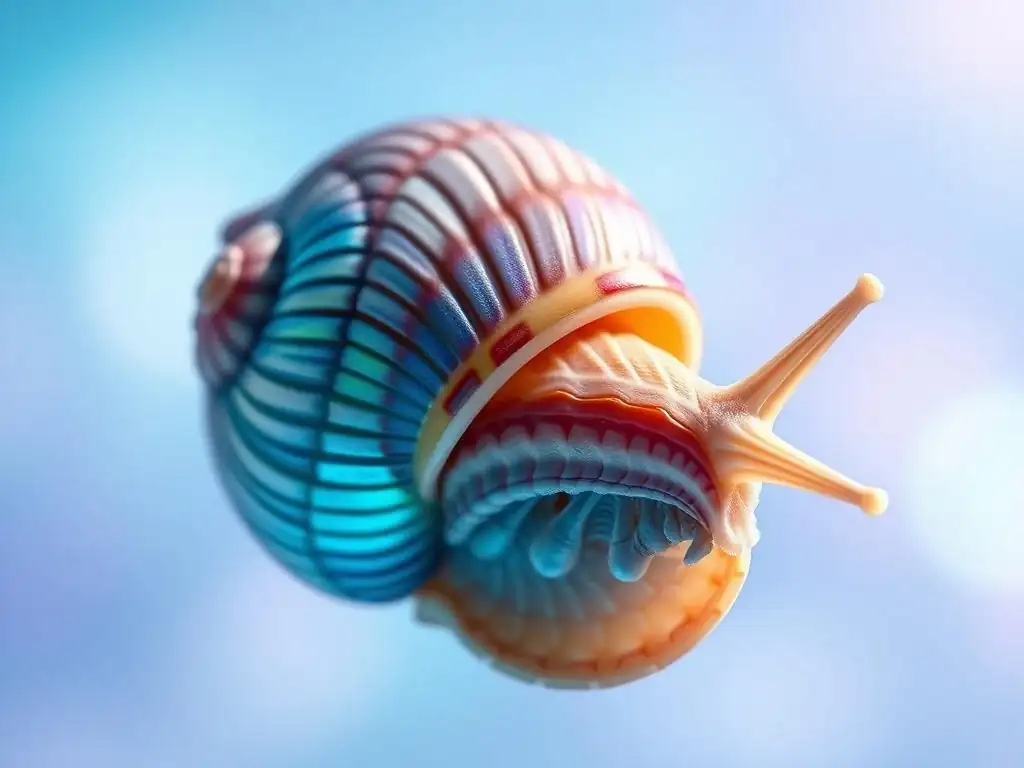
For advanced aquarists seeking to further engage with their clean-up crew, breeding certain saltwater aquarium snail types can be a rewarding endeavor. Nassarius snails are among the more feasible species to propagate in captivity, though it still presents unique challenges. These snails reproduce sexually, and under favorable conditions, females will lay distinctive, often vase-shaped egg cases on tank surfaces such as glass or rockwork. These egg cases typically contain numerous tiny eggs.
The primary challenge in breeding Nassarius snails lies in the survival of their planktonic larval stage. After hatching, the larvae are free-swimming and require specific types of microscopic phytoplankton as a food source, which are often not present in sufficient quantities in a typical display tank. Successful propagation often necessitates a dedicated larval rearing tank equipped with specialized filtration (e.g., green water cultures, rotifers) and precise control over water parameters to support the delicate planktonic phase until metamorphosis into benthic juveniles.
Saltwater Snail FAQs: Answering Your Burning Questions
How Many Snails Do I Need for My Aquarium?
The ideal number of saltwater aquarium snail types for your tank depends on several factors, including tank size, the specific types of algae present, and the overall bioload. As a general starting guideline, aim for 1-2 snails per 10 gallons of water. However, it's often best to start conservatively and observe your tank's needs. For example, a 50-gallon aquarium with moderate algae might benefit from a mixed clean-up crew of 5-7 snails, perhaps comprising 2 Turbo snails, 2 Nerite snails, and 3 Nassarius snails, to cover various cleaning roles.
If you notice persistent algae or detritus accumulation after a few weeks, you can gradually add more snails. Conversely, if your snails appear sluggish or their shells show signs of erosion, it might indicate a lack of food, suggesting you have too many for your tank's available resources. Overstocking snails can lead to starvation and ultimately contribute to nutrient issues as they die off.
Are Snails Compatible with All Types of Fish?
While most common saltwater aquarium snail types used in clean-up crews are generally peaceful and compatible with the majority of typical reef and community fish, it is crucial to understand that not all fish are snail-friendly. Certain predatory fish species view snails as a natural food source and will actively hunt and consume them. Prime examples include most Triggerfish, larger Pufferfish (especially those with strong beaks), certain large Wrasses (like some Hogfish), and some opportunistic Dottybacks.
Even seemingly peaceful fish might occasionally nip at or harass snails if underfed or if the snails are particularly small. Therefore, before adding snails, always research the specific dietary habits and temperaments of all fish species intended for your aquarium. If you plan to keep known snail predators, it is advisable to forgo snails entirely or stick to very large, robust species that might be less appealing targets, though success is not guaranteed.
How Long Do Saltwater Aquarium Snails Live?
The lifespan of saltwater aquarium snail types varies significantly depending on the species, water quality, diet, and the absence of predators. Under optimal conditions, with stable water parameters and consistent food availability, many common clean-up crew snails can live for several years. Here are approximate lifespans for some popular species:
- Turbo Snails: Typically live for 1 to 3 years.
- Nerite Snails: Generally have a lifespan of 1 to 2 years.
- Nassarius Snails: Known for their longevity, often living 2 to 5 years.
- Astrea Snails: Usually live for 1 to 2 years.
- Cerith Snails: Can live for 1 to 3 years.
Maintaining stable water parameters (salinity, temperature, pH, calcium, alkalinity), providing adequate food, and protecting them from predation are the most critical factors influencing how long your snails will thrive in your aquarium. A healthy environment extends their lives, allowing them to contribute to your tank's ecosystem for longer.
Conclusion: Maintaining a Healthy Saltwater Aquarium with the Help of Snails
Frequently Asked Questions
What are the primary benefits of keeping snails in a saltwater aquarium?
Snails primarily act as algae eaters and detritus cleaners, helping to maintain a clean and healthy aquarium environment. They also contribute to the biological diversity of the tank.
Which saltwater aquarium snail types are best for beginners?
Nassarius snails and Cerith snails are generally recommended for beginners due to their hardiness and effective scavenging abilities. These snails are also relatively easy to care for.
How do I choose the right number of snails for my saltwater aquarium?
The number of snails depends on the size of your tank and the amount of algae and detritus present. A general rule of thumb is 1 snail per 1-2 gallons, but observe your tank and adjust accordingly.
What water parameters are important to consider for saltwater aquarium snails?
Maintaining stable salinity, pH, and alkalinity levels is crucial for snail health. Ensure proper calcium levels for shell growth and avoid copper-based medications.
How can I prevent snails from escaping my saltwater aquarium?
Ensure your tank has a tight-fitting lid and that the water parameters are within the appropriate range. Provide adequate hiding places within the tank to reduce stress.
Final Reflection: The Silent Guardians of Our Reefs
The intricate world of saltwater aquariums, often a microcosm of the ocean itself, thrives on delicate balance. Our exploration of saltwater aquarium snail types reveals not just a catalog of species, but a crucial understanding of their role in maintaining that balance, a role that's increasingly vital as we strive for sustainable reefkeeping practices in a world facing environmental challenges.
The humble snail, often overlooked in favor of more flamboyant inhabitants, quietly and diligently works to keep our artificial reefs pristine. This realization underscores the importance of appreciating the unseen contributions of every creature, both in our aquariums and in the wider world. In nature, nothing exists alone.
- Rachel Carson. This quote perfectly encapsulates the interconnectedness that these snails embody, reminding us that even the smallest organisms play a vital part in the grand scheme of things.
As you consider adding these silent guardians to your own saltwater aquarium, remember that you're not just choosing a cleanup crew; you're becoming a steward of a miniature ecosystem. Take the time to research, to understand their needs, and to appreciate the vital role they play. By doing so, you contribute to a healthier, more vibrant aquarium and, in a small but meaningful way, to a greater appreciation for the delicate balance of the natural world.
Embrace the Snail's Pace: Transform Your Aquarium Today!
Thanks for diving into the world of saltwater aquarium snails! We hope you've found some hidden gems to help you create a thriving ecosystem. Now, let's put that knowledge into action and watch your aquarium flourish!
- Take the Plunge: Introduce a diverse cleanup crew of snails to your aquarium within the next week and watch the algae disappear!
- Share your newfound snail expertise! Post a picture of your favorite aquarium snail on social media using #AquariumMasterySnails, and inspire other hobbyists.
- Go beyond the cleanup crew! Explore incorporating other beneficial invertebrates, like starfish or sea cucumbers, to create an even more balanced and diverse ecosystem.
Ready to witness the magic of a snail-powered aquarium cleanup? Which snail species are you most excited to introduce to your underwater world?