
Denison Barb vs. Tiger Barb: A Showdown of Size, Temperament, and Care

Welcome to Aquarium Mastery!
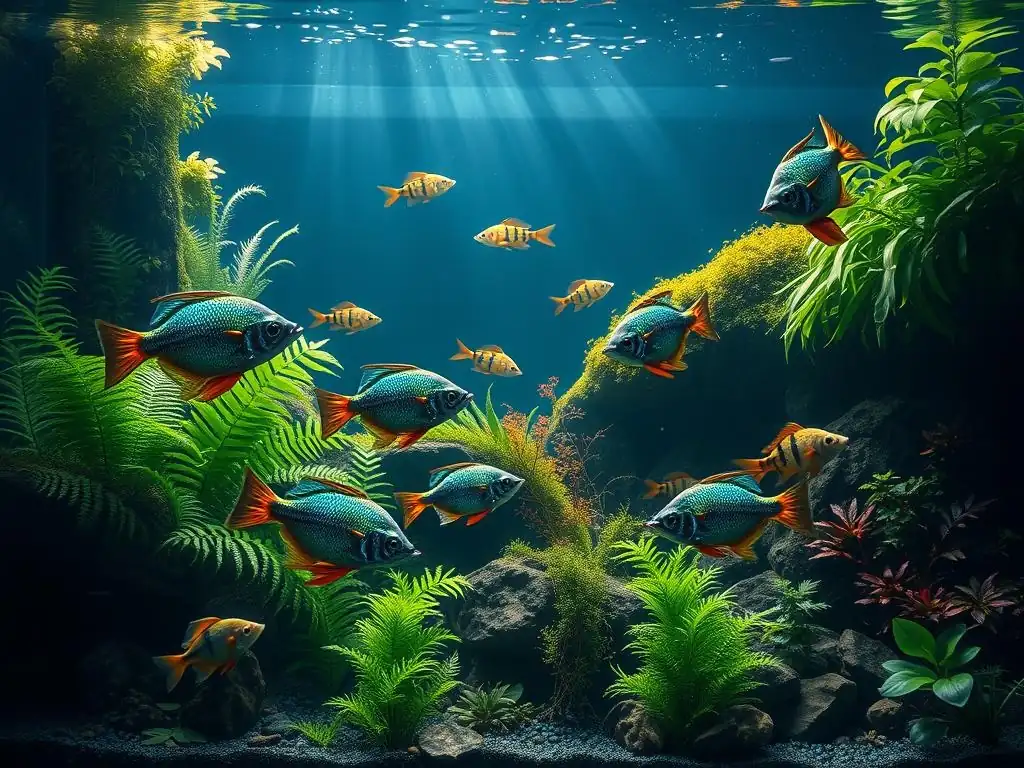
Ever wondered if the Denison Barb could be the star of your freshwater aquarium? Or perhaps you're weighing it against the more familiar Tiger Barb? Dive in! We'll unravel the mysteries of Denison Barb care in this comprehensive guide, comparing their needs, temperaments, and stunning beauty to other popular choices. Get ready to discover if this vibrant fish is the perfect addition to your underwater world... and learn how to keep them thriving!
- Introduction: Exploring the Popular Barb Fish for Your Aquarium
- Denison Barb (Roseline Shark): A Comprehensive Overview
-
Tiger Barb: A Detailed Look at This Active Cyprinid
- Identifying the Tiger Barb: Colors and Markings
- Tiger Barb Tank Requirements: Size and Environment
- Tiger Barb Care Guide: Maintaining Optimal Conditions
- Tiger Barb Feeding: What to Include in Their Diet
- Tiger Barb Aggression: Understanding Their Shoaling Behavior
- Tiger Barb Health Issues and Prevention
- Denison Barb vs. Tiger Barb: A Side-by-Side Comparison
- Choosing the Right Barb for Your Aquarium: Considerations and Recommendations
- Conclusion: Making an Informed Decision on Your Next Barb Addition
-
Frequently Asked Questions
- How do Denison Barbs and Tiger Barbs differ in size?
- What are the primary differences in temperament between Denison Barbs and Tiger Barbs?
- What specific water parameters are crucial for successful Denison Barb care?
- What is the recommended minimum tank size for a group of Denison Barbs?
- What type of diet is best for Denison Barbs to ensure optimal health and vibrant colors?
- Final Reflection: Appreciating the Nuances of Aquatic Harmony
- Unleash Your Aquatic Expertise!
Introduction: Exploring the Popular Barb Fish for Your Aquarium
Aquarium enthusiasts often seek vibrant, active fish to add dynamism to their freshwater tanks. Among the most popular choices are various species from the Barb family, known for their lively schooling behaviors and striking appearances. Two particular species, the Denison Barb and the Tiger Barb, frequently capture attention, yet they possess distinct characteristics that make them suitable for different aquarium setups and experience levels. Understanding these differences is crucial for successful fishkeeping and ensuring a harmonious aquatic environment. This article will delve into a detailed comparison, providing comprehensive insights into their size, temperament, and care requirements.
Denison Barb (Roseline Shark): A Comprehensive Overview
Understanding the Denison Barb's Appearance and Size
The Denison Barb, scientifically known as Sahyadria denisonii, is renowned for its sleek, torpedo-shaped body and stunning coloration. This species features a vibrant red stripe running along its lateral line, overlaid by a distinct black stripe that extends from the snout to the caudal fin. The body itself is primarily silver, often with hints of green or gold shimmering under proper lighting. Their streamlined form is indicative of their natural habitat and active swimming style.
In terms of size, Denison Barbs are considerably larger than many other popular barb species. In a well-maintained aquarium, they commonly reach lengths of 4 to 6 inches (approximately 10 to 15 cm), with some mature specimens growing up to 7 inches (18 cm) in very spacious tanks. Their impressive size, combined with their rapid movements, makes them a commanding presence in any appropriately sized display tank, contributing significantly to the visual appeal of the aquarium.
The Ideal Denison Barb Habitat and Tank Setup
Originating from fast-flowing rivers and streams in the Western Ghats of India, the Denison Barb thrives in environments that mimic their natural, highly oxygenated, and current-rich homes. To replicate this in an aquarium, strong filtration is paramount, ideally utilizing a canister filter or powerheads to create robust water flow. Excellent aeration is also crucial to ensure high dissolved oxygen levels, supporting their active metabolism.
For a healthy and thriving school of Denison Barbs, a minimum tank size of 55 gallons (approximately 208 liters) is considered the absolute bare minimum for a small group of 5-6 individuals. However, a 75-gallon (284 liters) tank or larger is highly recommended to provide ample swimming space, given their active nature and potential adult size. The tank setup should include smooth rocks, driftwood, and robust plants securely anchored, offering both hiding spots and open areas for swimming.
Denison Barb Care Guide: Water Parameters and Maintenance
Maintaining stable and appropriate water parameters is a cornerstone of successful Denison Barb care. These fish prefer slightly acidic to neutral water with a pH range of 6.5 to 7.8, and a moderate hardness between 5-15 dGH (degrees of General Hardness). The ideal water temperature for Denison Barbs falls between 68-77°F (20-25°C). Consistency in these parameters is more critical than hitting exact numbers, as sudden fluctuations can cause significant stress.
Regular and diligent maintenance is vital for the longevity and health of these captivating fish. Weekly water changes of 25-30% are essential to keep nitrate levels low and replenish vital trace elements. Furthermore, a high-quality filtration system, as mentioned, is non-negotiable for providing the necessary water movement and biological filtration to process waste efficiently. Adhering to a comprehensive Denison Barb care guide for water quality management will prevent many common health issues.
Denison Barb Diet and Feeding Habits
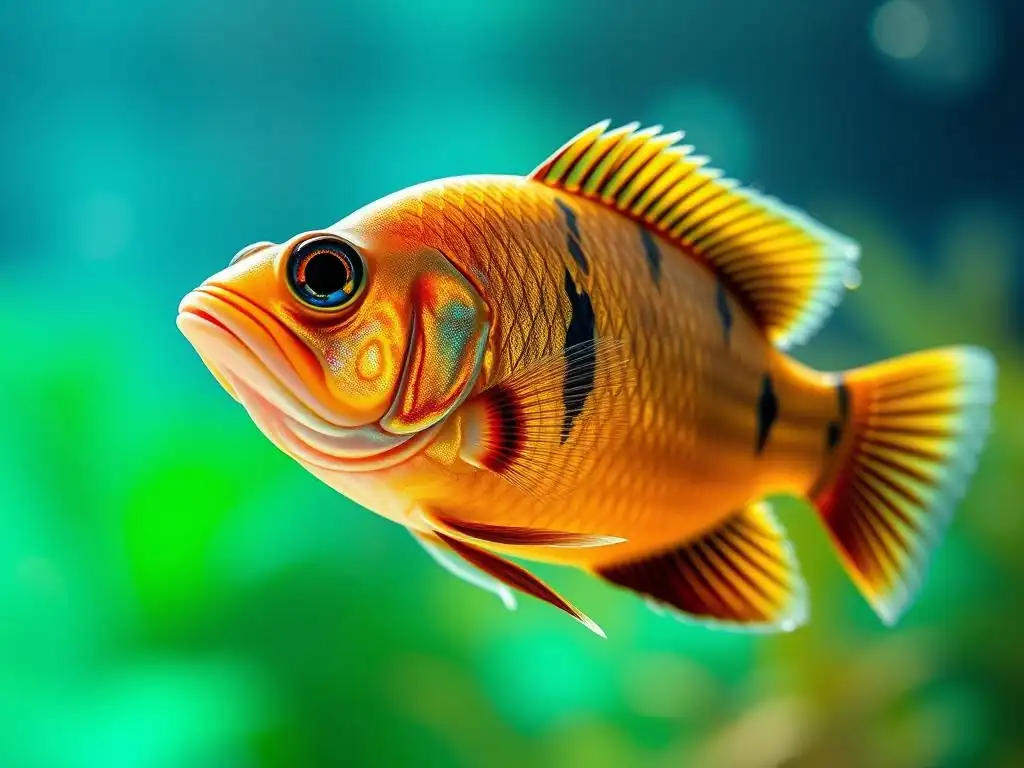
Denison Barbs are omnivores, meaning their diet in the wild consists of both plant matter and small invertebrates. In the aquarium, a varied and high-quality diet is crucial for their vibrant coloration and overall health. A good staple should be a high-quality flake or pellet food specifically formulated for active omnivorous fish, ensuring it provides balanced nutrition.
To supplement their primary diet, offering a variety of live and frozen foods is highly beneficial. Options such as bloodworms, brine shrimp, daphnia, and mosquito larvae provide essential proteins and fats. Additionally, blanched vegetables like spinach or spirulina flakes can offer necessary plant-based nutrients. Feeding small amounts two to three times a day is generally recommended, as this mimics their natural foraging behavior and prevents overfeeding, which can degrade water quality.
Denison Barb Temperament and Suitable Tank Mates
Denison Barbs are generally peaceful schooling fish, but their high activity levels and speed mean they are best kept with similarly active and robust tank mates. They are known to be less prone to the fin-nipping behavior sometimes associated with other barb species, especially when kept in appropriate group sizes. It is crucial to keep Denison Barbs in schools of at least 6 individuals, with larger groups (8-10 or more) being even better to help them feel secure and display their natural schooling dynamics, which also helps to diffuse any potential minor aggression among themselves.
Suitable tank mates include other peaceful, medium to large-sized fish that can handle moderate to strong water currents and are not easily intimidated by fast swimmers. Excellent choices often include various species of Rainbowfish, larger peaceful Tetras (like Congo Tetras), non-aggressive Gouramis, and some larger Rasboras. It is advisable to avoid pairing them with very small, slow-moving, or long-finned fish, as their energetic nature might inadvertently stress or injure such delicate tank inhabitants.
Denison Barb Health and Common Diseases
Denison Barbs are generally considered hardy fish once established in a well-maintained aquarium, but like all captive aquatic species, they are susceptible to common freshwater diseases if conditions are not optimal. Poor water quality, sudden temperature fluctuations, or high-stress levels can compromise their immune system, making them vulnerable to ailments such as Ich (white spot disease), fin rot, or various bacterial infections.
Prevention is always the best approach to maintaining their health. This involves adhering strictly to the Denison Barb care guide for water parameters, providing a balanced and nutritious diet, and avoiding overcrowding. Quarantining new fish before introducing them to the main display tank is also a critical preventative measure to avoid introducing pathogens. Regular observation for signs of distress, such as clamped fins, lethargy, loss of appetite, or unusual spots, allows for early detection and treatment, significantly improving recovery chances.
Tiger Barb: A Detailed Look at This Active Cyprinid
Identifying the Tiger Barb: Colors and Markings
The Tiger Barb ( Puntigrus tetrazona) is instantly recognizable by its striking appearance, characterized by four distinct black vertical stripes set against a vibrant gold or orange body. These bold markings give the fish its common name and contribute significantly to its popularity among aquarists. Their fins are typically reddish-orange, with the dorsal and caudal fins often displaying the most intense coloration.
Beyond the classic "Sumatran" Tiger Barb, several color morphs have been selectively bred, including Albino, Green, and Black varieties, each offering a unique twist on the species' iconic pattern. In terms of size, Tiger Barbs are considerably smaller than Denison Barbs, typically reaching an adult length of 2.5 to 3 inches (approximately 6 to 7.5 cm). They possess a robust, compact body shape, making them appear sturdy despite their smaller stature.
Tiger Barb Tank Requirements: Size and Environment
Native to the slow-moving streams, rivers, and tributaries of Southeast Asia, Tiger Barbs are adaptable fish that appreciate an aquarium setup that provides both ample swimming space and some areas for shelter. While they don't require the strong currents favored by Denison Barbs, good filtration is still essential to maintain water quality. The tank environment should include a mix of open swimming areas and dense plant thickets or driftwood arrangements to offer hiding spots and break up lines of sight, which can help mitigate their sometimes aggressive tendencies.
For a healthy and stable school of Tiger Barbs (which is crucial for their temperament), a minimum tank size of 20 gallons (approximately 75 liters) is generally recommended for a group of 6-8 individuals. However, a 30-gallon (113 liters) tank or larger is often preferred, as the increased space helps to dilute aggression among the school members and provides more room for their active movements. Overcrowding can exacerbate their nipping behavior, making tank size a key consideration.
Tiger Barb Care Guide: Maintaining Optimal Conditions
Tiger Barbs are relatively hardy fish, making them a popular choice for both beginner and experienced aquarists. They thrive in water temperatures ranging from 74-79°F (23-26°C), which is slightly warmer than the preferred range for Denison Barbs. They are also quite tolerant of a wider pH range, typically doing well between 6.0 and 7.5, and can adapt to various water hardness levels, from soft to moderately hard (5-19 dGH).
Consistent maintenance is key to their well-being. Regular weekly water changes of about 25% are important to keep nitrate levels low and ensure a clean environment. While strong current isn't a primary requirement, efficient filtration is necessary to manage waste and maintain good water clarity. Providing stable water parameters within their preferred ranges will significantly contribute to their overall health and reduce the likelihood of stress-related issues.
Tiger Barb Feeding: What to Include in Their Diet
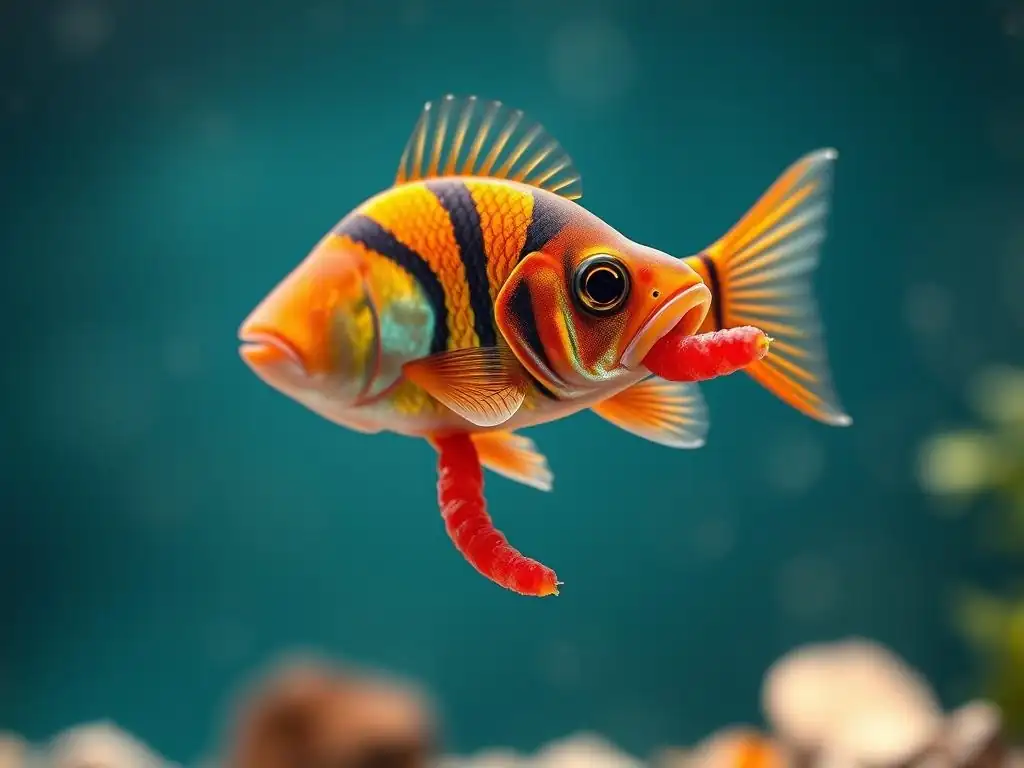
Tiger Barbs are omnivorous and are generally enthusiastic eaters, readily accepting a wide variety of foods. Their diet should primarily consist of a high-quality flake or pellet food designed for omnivorous fish, serving as the foundational nutritional component. This staple should provide a balanced mix of proteins, fats, and essential vitamins to support their active lifestyle and vibrant coloration.
To ensure a complete and varied diet, it is highly beneficial to supplement their daily meals with live or frozen foods such as bloodworms, brine shrimp, and daphnia. These protein-rich options are eagerly consumed and help to bring out their natural predatory instincts. Additionally, incorporating some vegetable matter, like blanched spinach or spirulina flakes, can aid in digestion and provide necessary plant-based nutrients. Feeding small portions two to three times a day is ideal to prevent overfeeding and maintain water quality.
Tiger Barb Aggression: Understanding Their Shoaling Behavior
Tiger Barbs have a well-known reputation for being semi-aggressive, particularly for their tendency to nip the fins of slower-moving or long-finned tank mates. This behavior, however, is often a result of being kept in insufficient numbers. When kept in small groups (fewer than 6 individuals), dominant fish may target other tank inhabitants. The key to mitigating this aggression is to keep them in large schools, ideally 8-10 or more.
In a large school, Tiger Barbs tend to "nip" at each other, establishing a pecking order within their own group, which significantly reduces their aggression towards other species. This shoaling behavior redirects their energetic nipping instincts internally, making them much more manageable in a community tank. Therefore, selecting appropriate tank mates that are fast-moving, robust, and can hold their own, or have short fins, is crucial for a peaceful aquarium environment.
Tiger Barb Health Issues and Prevention
Tiger Barbs are generally robust and hardy fish, making them quite resilient in a well-maintained aquarium. However, like all fish, they are susceptible to common freshwater ailments, especially when subjected to poor water quality, overcrowding, or high stress levels. Common health issues include Ich (white spot disease), fin rot, and various bacterial or fungal infections. Their natural hardiness means they often recover well with prompt treatment, provided the underlying cause is addressed.
Prevention is paramount to keeping Tiger Barbs healthy. This involves maintaining pristine water conditions through regular water changes and effective filtration, providing a balanced and varied diet, and ensuring the tank is not overcrowded. Quarantining new fish for a few weeks before introducing them to the main display tank is a highly recommended practice to prevent the introduction of diseases. Observing the fish daily for any signs of distress, such as clamped fins, lethargy, or unusual spots, allows for early intervention and better outcomes.
Denison Barb vs. Tiger Barb: A Side-by-Side Comparison
Size and Appearance: A Visual Contrast
The most immediate distinction between the Denison Barb and the Tiger Barb lies in their size and overall appearance. The Denison Barb is a significantly larger fish, typically reaching 4-6 inches (10-15 cm) in length, with a sleek, torpedo-shaped body. Its coloration is characterized by a prominent red stripe above a black stripe on a shimmering silver body, giving it a refined and elegant look. This species moves with a swift, purposeful grace, reflecting its athletic build.
In contrast, the Tiger Barb is a much smaller, stockier fish, growing to about 2.5-3 inches (6-7.5 cm). Its appearance is bolder and more compact, defined by four striking black vertical stripes against a vibrant gold or orange background, often complemented by reddish fins. While both are active, the Tiger Barb's movements tend to be more darting and assertive within its smaller frame, creating a different visual dynamic in the aquarium.
Temperament is a crucial differentiator when choosing between these two barb species. The Denison Barb is generally considered a peaceful, albeit highly active, schooling fish. When kept in a sufficiently large group (6 or more), they exhibit natural schooling behaviors and are rarely aggressive towards other tank mates. They are compatible with other similarly sized, peaceful, and active fish that can handle moderate to strong currents, making them suitable for well-planned community tanks.
The Tiger Barb, on the other hand, has a reputation for being semi-aggressive and prone to fin-nipping, particularly if not kept in large schools. Their nipping behavior is often directed at slow-moving or long-finned fish. However, when kept in groups of 8-10 or more, their aggression is largely diffused within the school, making them more manageable. They are best housed with other robust, fast-moving fish that can either defend themselves or are too quick to be bothered by the barbs' playful nips.
Care Requirements: Difficulty Level and Maintenance Needs
In terms of care, the Denison Barb is generally considered of moderate difficulty, making it more suitable for intermediate to advanced aquarists. Their specific needs include a larger tank size (minimum 55 gallons, ideally 75+ gallons), strong water flow, consistently pristine water parameters (temperature 68-77°F, pH 6.5-7.8, moderate hardness), and a high-quality, varied diet. The comprehensive Denison Barb care guide emphasizes stable conditions and excellent filtration to mimic their natural riverine habitat.
The Tiger Barb is often categorized as easy to moderate difficulty, making it a more forgiving choice for beginners. They are adaptable to a wider range of water parameters (temperature 74-79°F, pH 6.0-7.5, wide hardness range) and can thrive in smaller tanks (minimum 20 gallons for a school, 30+ gallons recommended). While they require good filtration and regular water changes like all fish, their tolerance for varying conditions and robust nature simplify their care, provided their specific social needs are met to manage aggression.
Ideal Tank Size: Space Considerations for Each Species
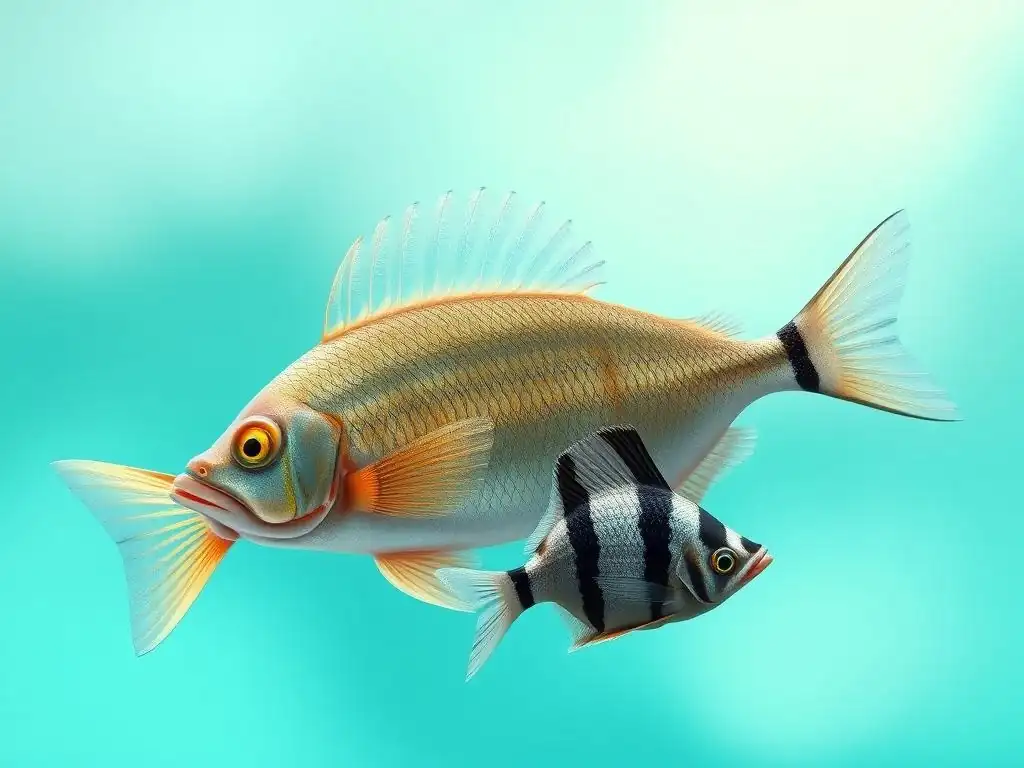
The ideal tank size is perhaps the most significant practical difference when considering these two species. For Denison Barbs, due to their adult size and high activity levels, a minimum tank size of 55 gallons (208 liters) is required for a small school, with 75 gallons (284 liters) or even larger being strongly recommended to provide ample swimming room and reduce stress. Their need for open space and strong currents dictates a spacious setup.
Conversely, Tiger Barbs, being smaller, can be comfortably housed in a 20-gallon (75 liters) long tank for a school of 6-8 individuals. However, a 30-gallon (113 liters) tank or larger is often advised. This increased volume helps to dilute their semi-aggressive tendencies by providing more territory and spreading out their interactions among a larger school, making for a more peaceful environment.
Dietary Needs: Similarities and Differences in Feeding
Both Denison Barbs and Tiger Barbs are omnivores, readily accepting a wide variety of foods in the aquarium. Their primary diet should consist of high-quality flakes or pellets, supplemented with live or frozen foods. Both species benefit greatly from additions like bloodworms, brine shrimp, and daphnia, which provide essential proteins and enhance their coloration.
While both appreciate vegetable matter, Denison Barbs might benefit from a slightly higher proportion of plant-based foods in their diet, reflecting their natural foraging. Tiger Barbs are generally less discerning eaters but still thrive on dietary variety. The key similarity is that a diverse diet is crucial for the health and vitality of both species, preventing nutritional deficiencies and promoting robust immune systems.
Choosing the Right Barb for Your Aquarium: Considerations and Recommendations
Assessing Your Tank Size and Setup
The first and most critical factor in choosing between a Denison Barb and a Tiger Barb is the size and existing setup of your aquarium. If you have a tank smaller than 55 gallons (208 liters), a Denison Barb is simply not a suitable choice, as they require significant swimming space and strong currents. Attempting to house them in an undersized tank will lead to stunted growth, stress, and potential health issues, regardless of how diligently you follow a Denison Barb care guide.
For tanks in the 20 to 40-gallon (75 to 150 liters) range, Tiger Barbs become a viable option, provided you plan to keep a sufficiently large school (8-10+ individuals) to manage their temperament. Consider also the water flow; if your setup provides strong, riverine currents, Denison Barbs might be more at home, whereas Tiger Barbs are more adaptable to moderate flow.
Evaluating Your Experience Level with Fishkeeping
Your experience level as an aquarist should also heavily influence your decision. Tiger Barbs are often recommended for beginners due to their hardiness and adaptability to a range of water parameters. While their semi-aggressive nature requires careful tank mate selection, their overall resilience makes them forgiving of minor fluctuations or beginner mistakes.
Denison Barbs, on the other hand, are better suited for intermediate to advanced aquarists. Their specific requirements for large tank sizes, pristine water quality, strong currents, and consistent maintenance demand a higher level of commitment and understanding of advanced aquatic husbandry. A successful Denison Barb care guide relies on an aquarist's ability to maintain stable, specific environmental conditions over the long term.
Considering Tank Mate Compatibility
Tank mate compatibility is paramount for both species, but for different reasons. If your existing community tank consists of very small, slow-moving, or long-finned fish (e.g., Angelfish, Bettas, Guppies), Tiger Barbs are generally not a good fit due to their notorious fin-nipping tendencies, even in large schools. They thrive best with other fast-moving, robust fish like certain Danios, larger Rasboras, or other similarly sized Barbs.
Denison Barbs, while peaceful, are very active and large. They need tank mates that can keep up with their energy and are not intimidated by their size and speed. Ideal companions include various Rainbowfish, larger peaceful Tetras, and other medium-to-large, active, non-aggressive species. Avoid very timid or sedentary fish that might be stressed by the Denison Barb's constant motion.
Budget and Availability: Cost of Each Species
The financial aspect can also play a role in your decision. Denison Barbs are typically more expensive fish to purchase. Their cost can range anywhere from $15 to $40 or more per fish, depending on size, source, and local availability. Given that they need to be kept in schools of at least 6, the initial investment for a group of Denison Barbs can be substantial, easily exceeding $90-$240 for the fish alone, not including the larger tank and specialized equipment they require.
Tiger Barbs are significantly more budget-friendly. They usually cost between $3 and $8 per fish, making it much more affordable to acquire a large school, which is crucial for their well-being and temperament management. For example, a school of 10 Tiger Barbs might cost $30-$80, a much lower entry point, allowing aquarists to build a lively school without a major financial outlay.
Conclusion: Making an Informed Decision on Your Next Barb Addition
Choosing between a Denison Barb and a Tiger Barb requires a thorough assessment of your aquarium's capacity, your fishkeeping expertise, and the temperament of your existing fish community. The Denison Barb, with its impressive size and elegant appearance, demands a large, well-established tank with strong currents and an experienced hand to provide its specific care requirements, making a comprehensive Denison Barb care guide indispensable. It's a commitment to a truly magnificent display.
The Tiger Barb, while smaller and more affordable, offers a lively display of color and activity and is more adaptable for beginners, provided their potential for nipping is managed by keeping them in large schools. Ultimately, both species offer unique appeals to the freshwater aquarist. By carefully considering the practical differences in their size, temperament, and care needs, you can make an informed decision that ensures the health and happiness of your new aquatic inhabitants and the harmony of your aquarium.
Frequently Asked Questions
How do Denison Barbs and Tiger Barbs differ in size?
Denison Barbs are significantly larger than Tiger Barbs, reaching up to 6 inches in length. Tiger Barbs typically only grow to about 2-3 inches. This size difference impacts tank size requirements.
What are the primary differences in temperament between Denison Barbs and Tiger Barbs?
Denison Barbs are generally considered more peaceful than Tiger Barbs. Tiger Barbs can be nippy and aggressive, especially towards slower-moving fish with long fins.
What specific water parameters are crucial for successful Denison Barb care?
Denison Barbs thrive in slightly acidic to neutral water (pH 6.5-7.5) with a temperature range of 72-78°F. Maintaining excellent water quality through regular water changes is also vital.
What is the recommended minimum tank size for a group of Denison Barbs?
Due to their size and active nature, Denison Barbs require a larger tank. A minimum of a 75-gallon tank is recommended for a group of 6 or more.
What type of diet is best for Denison Barbs to ensure optimal health and vibrant colors?
Denison Barbs are omnivores and need a varied diet. Offer them a mix of high-quality flake food, frozen foods like bloodworms, and vegetable matter to maintain their health and coloration.
Final Reflection: Appreciating the Nuances of Aquatic Harmony
The vibrant world of aquarium keeping, as we've explored through the lens of the Denison and Tiger Barbs, is more than just a hobby; it's a microcosm of the natural world within our homes. The details we've discussed, from tank size to temperament compatibility, underscore the crucial importance of responsible fishkeeping and understanding the specific needs of each species. Neglecting these nuances can lead to stress, illness, and ultimately, a diminished quality of life for these captivating creatures.
This exploration has highlighted how deeply intertwined our actions are with the well-being of these aquatic animals. It's a constant reminder that even seemingly small choices, like selecting the right tank mates or providing adequate space, can have a profound impact on their lives. We are tied to the ocean. And when we go back to the sea, whether it is to sail or to watch it we are going back from whence we came.
- John F. Kennedy. This quote, while about the ocean, resonates with the aquarium hobby; it's about connecting with nature and understanding our responsibility to protect and nurture it, even in a controlled environment.
Now, as you consider adding these beautiful fish to your aquarium, I invite you to reflect on the lessons learned. Don't just see a Denison or Tiger Barb; see a living being with specific needs and a vital role to play in the delicate ecosystem you create.
Take the time to research, plan carefully, and commit to providing the best possible environment for these fascinating fish to thrive. By doing so, you'll not only create a stunning aquatic display, but you'll also contribute to the well-being of these creatures and deepen your appreciation for the wonders of the natural world.
Unleash Your Aquatic Expertise!
Thank you for diving into the world of barbs! Now that you're equipped with the knowledge of Denison and Tiger Barb differences, it's time to put that information into action. Let's transform your understanding into real-world aquarium mastery.
Here's how you can take your fishkeeping journey to the next level:
- Carefully Consider: Before adding any fish, reassess your tank size and current inhabitants. Ensure your aquarium can comfortably and safely accommodate either Denison or Tiger Barbs based on their specific needs.
- Explore! Research compatible tankmates to create a harmonious and thriving aquatic ecosystem. Consider the temperament and care requirements of potential additions.
- Share Your Vision: What kind of barb community are you dreaming of building? Share your ideal aquarium setup in the comments and let's inspire each other!
Ready to take the plunge and design your perfect barb-filled aquarium?