
Cherry Barb Charm: A Complete Profile of This Peaceful, RubyRed Gem

Welcome to Aquarium Mastery, fellow aquarist!
Ever been captivated by the vibrant flash of a ruby-red fish darting through a planted tank? Intrigued? Then you've come to the right place! Dive into our comprehensive guide to unlock the secrets of Cherry Barb care tips, and discover how to keep these peaceful gems thriving in your freshwater aquarium. Let's explore the beauty and simplicity of keeping Cherry Barbs, and transform your tank into a dazzling underwater paradise!
- Understanding the Allure of Cherry Barbs for Your Freshwater Aquarium
- Essential Cherry Barb Care Tips for a Thriving Aquarium
- Setting Up the Ideal Cherry Barb Tank Environment
- Cherry Barb Behavior and Social Dynamics
- Breeding Cherry Barbs: A Step-by-Step Guide
- Identifying and Treating Common Cherry Barb Diseases
- Advanced Cherry Barb Care: Optimizing Their Well-being
- Cherry Barb Varieties and Similar Species
- Frequently Asked Questions
- Final Reflection: The Enduring Allure of the Cherry Barb
- Unleash the Ruby Red Splendor in Your Aquarium!
Understanding the Allure of Cherry Barbs for Your Freshwater Aquarium
Why Choose Cherry Barbs? Exploring Their Peaceful Nature and Striking Coloration
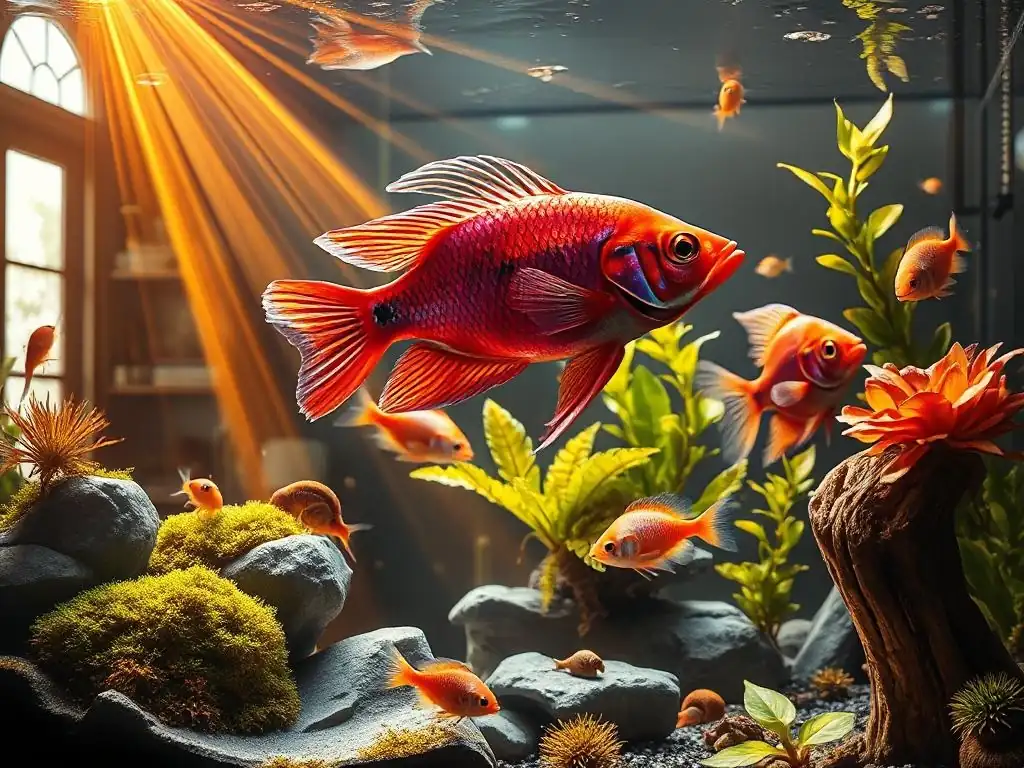
Cherry barbs (Puntius titteya) are a highly favored choice among freshwater aquarists, celebrated for their remarkably peaceful temperament and captivating ruby-red coloration, especially pronounced in males during breeding or when displaying. Originating from Sri Lanka, these small, active cyprinids typically reach a size of about 2 inches (5 cm), making them ideal inhabitants for a wide range of aquarium sizes, from nano tanks to larger community setups. Their calm demeanor ensures they rarely bother other fish, making them an excellent addition to diverse community tanks, unlike some of their more boisterous barb relatives.
Beyond their amiable nature, the visual appeal of cherry barbs is undeniable. Males exhibit a vibrant, deep red hue, particularly when healthy and comfortable, which provides a stunning contrast against lush green aquatic plants. Females, while more subdued with a brownish-orange tint, still possess an attractive lateral stripe and contribute to the schooling dynamic. Their active yet graceful swimming patterns add constant movement and life to the aquarium, making them a joy to observe and a focal point for any freshwater enthusiast seeking vibrant yet tranquil inhabitants.
Cherry Barb Habitat: Replicating Their Natural Environment in Your Tank
To ensure the well-being and vibrant coloration of your cherry barbs, it's crucial to mimic their natural habitat in the wild, which consists of shaded, slow-moving streams and rivers in Sri Lanka with dense vegetation and leaf litter. This environment provides security, breeding grounds, and a rich source of micro-organisms. Replicating these conditions in the home aquarium involves careful consideration of substrate, lighting, and plant choices.
For optimal cherry barb care tips, a dark substrate (like fine gravel or sand) and plenty of dense planting, particularly along the back and sides of the tank, will help them feel secure and bring out their best colors. Floating plants can further diffuse light, creating a soothing, shaded environment that closely resembles their native waters. Incorporating driftwood or smooth rocks can also provide additional hiding spots and visual interest, contributing to a truly enriching habitat for these delightful fish.
Essential Cherry Barb Care Tips for a Thriving Aquarium
Key Water Parameters for Optimal Cherry Barb Health: Temperature, pH, and Hardness
Maintaining stable and appropriate water parameters is paramount for the health and longevity of cherry barbs. These hardy fish thrive in slightly acidic to neutral water conditions with a soft to moderately hard consistency, reflecting their natural origins. Ideal temperature ranges from 72°F to 79°F (22°C to 26°C), while a pH level between 6.0 and 7.5 is generally recommended. Water hardness (GH) should ideally be kept between 5-19 dGH (80-300 ppm).
Regular testing of these parameters using a reliable freshwater test kit is a fundamental cherry barb care tip. Fluctuations can stress the fish, making them susceptible to disease. For instance, sudden drops in temperature can weaken their immune system, while prolonged exposure to high ammonia or nitrite levels (even 0.25 ppm can be detrimental) will lead to severe health issues. Consistent monitoring and timely adjustments through water changes or buffering agents are crucial for a thriving cherry barb population.
Cherry Barb Diet and Feeding: What to Feed Your Peaceful Cyprinids
Cherry barbs are omnivorous and have a varied diet in their natural habitat, consuming small insects, algae, and detritus. In the aquarium, a balanced and varied diet is essential for their vibrant coloration, active behavior, and overall health. High-quality flake or pellet food designed for tropical fish should form the staple of their diet, providing essential vitamins and nutrients.
Supplementing their dry food with live or frozen options once or twice a week is an excellent cherry barb care tip. Options such as bloodworms, brine shrimp, daphnia, and mosquito larvae are eagerly accepted and provide crucial protein and fat, mimicking their natural foraging behaviors. Vegetable matter, like blanched spinach or spirulina flakes, should also be included to ensure a complete nutritional profile. Feed small amounts two to three times a day, only what they can consume within a few minutes, to prevent overfeeding and maintain water quality.
Maintaining a Clean and Healthy Aquarium for Your Cherry Barbs: Water Changes and Filtration
Consistent water quality is arguably the most critical aspect of cherry barb care tips. A robust filtration system is necessary to remove mechanical waste and process harmful nitrogenous compounds. An appropriately sized hang-on-back (HOB) filter or canister filter with mechanical, chemical, and biological media is ideal for a cherry barb tank. The flow should not be overly strong, as they prefer calmer waters.
Regular partial water changes are indispensable for diluting nitrates and replenishing essential minerals. A weekly water change of 25-30% is a widely accepted guideline for most established cherry barb aquariums. For example, in a 20-gallon tank, this means removing about 5-6 gallons of water and replacing it with fresh, dechlorinated water of a similar temperature. Gravel vacuuming during water changes helps remove accumulated detritus and uneaten food from the substrate, significantly contributing to a clean and healthy environment and preventing the buildup of toxins.
Setting Up the Ideal Cherry Barb Tank Environment
Tank Size Recommendations for Happy and Healthy Cherry Barbs
While cherry barbs are relatively small, their active nature and schooling behavior necessitate adequate space to thrive. A minimum tank size of 10 gallons (approximately 38 liters) is generally recommended for a small group of 5-6 individuals. However, for a truly robust and less stressed school, or if you plan to include other tank mates, a 20-gallon long (approximately 75 liters) or larger aquarium is significantly better. The longer footprint of a 20-gallon long provides ample swimming space for their schooling antics.
Housing cherry barbs in too small a tank can lead to stress, stunted growth, and increased aggression among males, particularly if there aren't enough females or hiding spots. For instance, a 5-gallon tank, while seemingly sufficient for a single small fish, is entirely inadequate for a schooling species like the cherry barb, which requires the social interaction of its peers to exhibit natural behaviors and maintain overall well-being. Providing generous space is a crucial cherry barb care tip for long-term success.
Choosing the Right Substrate, Plants, and Decorations for Cherry Barbs
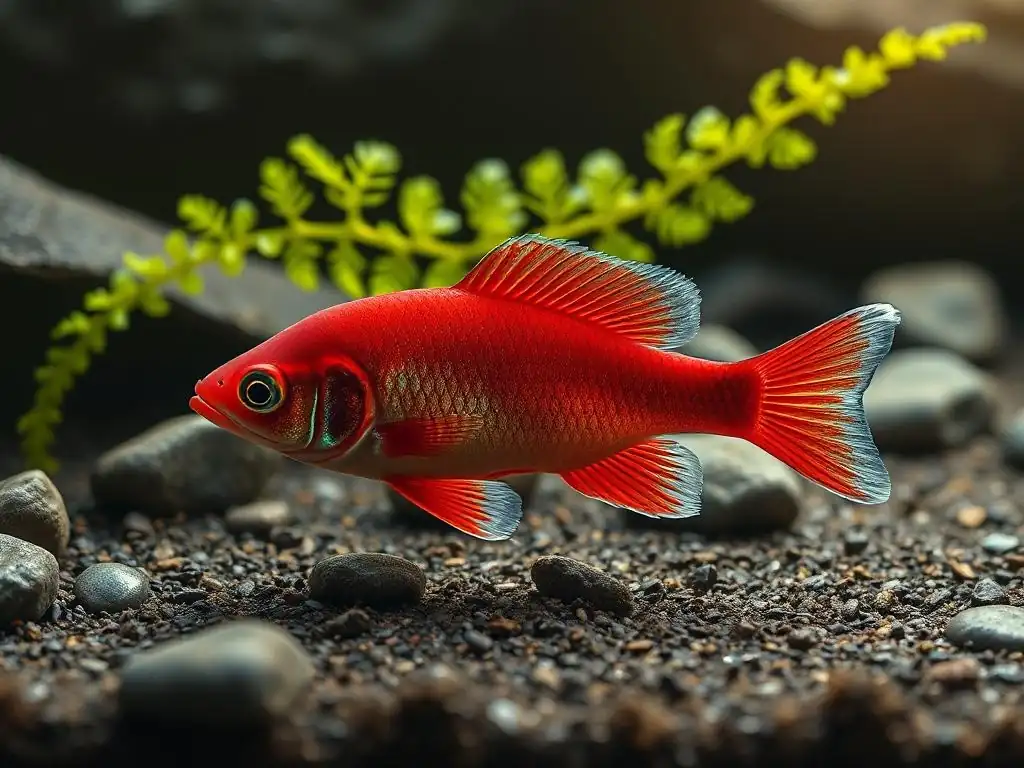
The choice of substrate, plants, and decorations plays a vital role in creating a comfortable and visually appealing environment for cherry barbs. A dark-colored substrate, such as black sand or fine gravel, not only highlights their vibrant red coloration but also helps them feel more secure, as it mimics the darker riverbeds they inhabit in the wild. Avoid very light or reflective substrates, which can make them feel exposed and stressed.
Dense live plants are essential for cherry barbs, providing both hiding spots and areas for exploration. Species like Java Fern, Anubias, Cryptocoryne, and various stem plants (e.g., Rotala, Ludwigia) are excellent choices. They appreciate a well-planted tank with plenty of cover, especially for females and submissive males to retreat to. Adding driftwood, smooth river rocks, or even ceramic caves can further enhance the tank's natural aesthetic and offer additional shelter, contributing significantly to optimal cherry barb care tips.
Creating a Peaceful Community Tank: Compatible Cherry Barb Tank Mates
Cherry barbs are renowned for their peaceful disposition, making them ideal candidates for a community aquarium. However, careful selection of tank mates is crucial to maintain harmony. They do best with other similarly sized, peaceful fish that won't outcompete them for food or nip at their fins. Avoid very large or aggressive species that might view them as prey, as well as extremely timid species that could be intimidated by their active schooling.
Excellent compatible tank mates include other small, peaceful schooling fish like Neon Tetras, Cardinal Tetras, Rasboras (e.g., Harlequin Rasboras), and Corydoras catfish. Peaceful bottom dwellers such as Otocinclus catfish also make good companions. For example, a 20-gallon tank could comfortably house a school of 6-8 cherry barbs alongside 6-8 neon tetras and 4-6 Corydoras catfish, creating a vibrant and balanced ecosystem. Always introduce new fish gradually and observe interactions to ensure compatibility, a key aspect of comprehensive cherry barb care tips.
Cherry barbs are highly social fish that thrive in groups, exhibiting a fascinating social structure within their schools. Males are typically more vibrant and slender, developing a deep ruby-red hue, especially when vying for female attention or asserting dominance. Females are generally larger, rounder, and possess a more subdued, brownish-orange coloration. In a school, a hierarchy often forms among males, where dominant males display their colors more intensely to attract females and deter rivals.
It is crucial to keep cherry barbs in a group of at least six individuals, with a recommended ratio of two females for every male. For example, in a school of eight, having three males and five females helps to diffuse male aggression and prevents any single female from being overly harassed during breeding periods. Without adequate numbers, or with too many males per female, individual fish can become stressed, leading to fin nipping or general anxiety, underlining the importance of proper schooling for effective cherry barb care tips.
Recognizing Cherry Barb Breeding Behavior: Signs and Conditions
Cherry barbs are egg-scattering spawners and relatively easy to breed in a well-maintained home aquarium, given the right conditions. Breeding behavior is often initiated by the male intensifying his ruby-red coloration and actively pursuing a female. He will typically nudge her head and flanks, attempting to guide her into dense plant thickets or a spawning mop. The female, if receptive, will release a small number of clear, adhesive eggs, which the male will then fertilize.
Spawning usually occurs in the early morning, often at dawn, and can last for several hours, with hundreds of eggs potentially being laid. A key sign of successful spawning is the presence of tiny, transparent eggs scattered among fine-leaved plants. To encourage breeding, gradually raise the water temperature to the upper end of their preferred range (around 78-80°F or 25.5-26.5°C) and perform small, daily water changes with slightly cooler water to simulate rain, which often triggers spawning in many fish species.
Addressing Common Cherry Barb Health Issues: Prevention and Treatment
While cherry barbs are generally hardy, they can fall victim to common freshwater fish diseases if water quality is poor or they are stressed. Ich (white spot disease) is a prevalent ailment, characterized by small white spots resembling salt grains on the fish's body and fins. Fin rot, manifesting as frayed or disintegrating fins, is another common issue often caused by bacterial infections in suboptimal water conditions.
Prevention is the best approach to cherry barb care tips when it comes to health. This includes maintaining stable water parameters, providing a balanced diet, and avoiding overstocking. If a disease is suspected, prompt action is crucial. For instance, Ich can often be treated by slowly raising the water temperature to 82-86°F (28-30°C) for several days (if compatible with tank mates) and adding aquarium salt, while fin rot often responds well to antibiotics or antifungal medications available at pet stores. Always quarantine new fish for 2-4 weeks to prevent introducing pathogens to your main tank.
Breeding Cherry Barbs: A Step-by-Step Guide
Setting Up a Breeding Tank for Cherry Barbs (Optional)
While cherry barbs can sometimes spawn in a community tank, the survival rate of fry is extremely low due to predation by adults and other tank mates. To significantly increase the success of breeding and raise fry, setting up a dedicated breeding tank is highly recommended. A small 5-10 gallon tank is sufficient for this purpose. The breeding tank should be equipped with a sponge filter to provide gentle filtration without sucking up delicate fry, and a heater to maintain a stable temperature of around 78-80°F (25.5-26.5°C).
Crucially, the breeding tank needs ample spawning media. This can include a dense mat of fine-leaved plants like Java Moss, water sprite, or hornwort. Alternatively, a spawning mop made from acrylic yarn can be used, providing a safe place for eggs to adhere. A bare bottom tank is often preferred as it makes it easier to spot and remove eggs once spawning is complete, facilitating the next step in effective cherry barb care tips for successful breeding.
Managing Cherry Barb Fry: Protecting Them from Adults and Providing Proper Care
Once spawning has occurred in the breeding tank, the adult cherry barbs should be removed promptly, usually within a few hours of egg-laying, as they will readily consume their own eggs and fry. The eggs are small, clear, and adhesive, typically hatching within 24-48 hours depending on temperature. The newly hatched fry, known as "wigglers," will be tiny and almost transparent, initially feeding on their yolk sacs for the first few days.
After their yolk sacs are absorbed (typically 2-3 days post-hatch), the fry will become free-swimming and require external food. At this stage, infusoria (microscopic organisms) or liquid fry food are excellent initial food sources due to their minute size. As they grow slightly larger, usually after about a week, they can be transitioned to newly hatched brine shrimp or microworms, which are highly nutritious and stimulate rapid growth. Consistent, small feedings several times a day are vital for their development.
Caring for Cherry Barb Fry: From Birth to Independence
Caring for cherry barb fry requires meticulous attention to water quality and diet to ensure their survival and healthy development. Due to their small size and sensitivity, frequent small water changes (e.g., 10-15% daily or every other day) using dechlorinated water of the same temperature as the tank are crucial. This helps to remove uneaten food and waste, preventing the buildup of toxins that can quickly overwhelm tiny fry. A turkey baster or airline tubing can be used for gentle gravel vacuuming to remove debris without disturbing the fry.
As the fry grow, typically after 2-3 weeks, their diet can be gradually diversified to include finely crushed flake food or specialized fry pellets. They will continue to grow rapidly if fed well and kept in clean water. Once they reach about 0.5-0.75 inches (1.2-1.9 cm) in length, usually after 4-6 weeks, they are large enough to be introduced to the main community tank, provided there are no aggressive or very large fish that might prey on them. This careful progression is a key element of comprehensive cherry barb care tips for successful propagation.
Identifying and Treating Common Cherry Barb Diseases
Recognizing Symptoms of Common Cherry Barb Ailments
Early detection of disease symptoms is vital for successful treatment and preventing outbreaks in your cherry barb aquarium. One common ailment is Ich (Ichthyophthirius multifiliis), characterized by small, white, salt-like spots primarily on the fins and body, often accompanied by flashing (rubbing against tank decor) and clamped fins. Another frequent issue is Fin Rot, where fins appear frayed, ragged, or discolored, sometimes with a white or reddish edge, caused by bacterial infections often due to poor water quality.
Other signs to watch for include lethargy, loss of appetite, abnormal swimming patterns (e.g., darting, listlessness, swimming erratically), bloating, scales protruding (pineconing, often indicative of dropsy), or visible fungus (cotton-like growths). For instance, a cherry barb suddenly isolating itself from the school, displaying clamped fins and rapid gill movements, might be experiencing stress or the onset of a bacterial infection. Regular observation of your fish during feeding times is an effective cherry barb care tip for spotting these early warning signs.
Effective Treatments for Sick Cherry Barbs: Medications and Quarantine
Once symptoms of a disease are recognized, prompt and appropriate treatment is essential. For Ich, increasing the tank temperature gradually to 82-86°F (28-30°C) for 7-10 days can often eradicate the parasite, as it speeds up its life cycle. Aquarium salt (1 tablespoon per 5 gallons) can also be used in conjunction with heat, provided other tank inhabitants tolerate it. For bacterial infections like Fin Rot, broad-spectrum antibacterial medications available at pet stores are often effective.
It is highly recommended to move sick fish to a separate quarantine tank for treatment. This prevents the spread of disease to healthy tank mates and allows for more targeted medication dosages without harming beneficial bacteria in the main tank's filter or sensitive invertebrates. Always follow medication instructions carefully, including dosage and duration. For example, a common Fin Rot treatment might involve a 7-day course of a gram-negative antibiotic, with partial water changes before each new dose.
Preventing Diseases in Your Cherry Barb Aquarium: Best Practices
Prevention is the cornerstone of excellent cherry barb care tips and crucial for maintaining a healthy aquarium ecosystem. The most effective way to prevent diseases is to maintain pristine water quality through regular partial water changes (e.g., 25-30% weekly) and effective filtration. Consistent monitoring of water parameters (ammonia, nitrite, nitrate, pH, temperature) using reliable test kits is also non-negotiable.
Beyond water quality, providing a balanced and varied diet boosts the fish's immune system, making them more resilient to pathogens. Avoiding overstocking prevents stress and reduces the accumulation of waste. When introducing new fish, always quarantine them in a separate tank for at least 2-4 weeks. This allows you to observe them for signs of illness and treat any issues before they are introduced to your main display tank, thereby protecting your existing fish from potential diseases.
Advanced Cherry Barb Care: Optimizing Their Well-being
Managing Cherry Barb Population Growth
Cherry barbs are relatively prolific breeders, and if both sexes are present in a well-maintained tank, you might find yourself with an increasing population. While seeing fry can be exciting, managing their numbers is an important aspect of long-term cherry barb care tips to prevent overstocking. Overpopulation can lead to increased aggression, poor water quality, stunted growth, and stress for all inhabitants.
One method of population control is simply letting nature take its course in a community tank; most fry will be consumed by adult fish or other tank mates. If you wish to control numbers more actively without breeding them, consider keeping a single sex group (e.g., an all-male or all-female school, though males display best when females are present). Alternatively, if you have successful breeding, you can separate the fry and then offer them to local fish stores, give them to other hobbyists, or, as a last resort, humanely euthanize excess fry.
Preventing and Treating Fin Rot in Cherry Barbs
Fin Rot is a common bacterial infection that can affect cherry barbs, often signaled by frayed, ragged, or disintegrating fins, sometimes accompanied by redness or a white edge. It's typically a secondary infection, meaning it arises when fish are stressed or their immune system is compromised, most commonly due to poor water quality (high nitrates, ammonia, or nitrites), improper diet, or physical injury.
To prevent Fin Rot, focus on maintaining excellent water parameters through regular water changes (e.g., 25% weekly) and efficient filtration. Ensure the tank is not overstocked and that all tank mates are compatible to minimize stress and nipping. If Fin Rot occurs, move the affected cherry barb to a quarantine tank if possible. Treatment often involves broad-spectrum antibacterial medications, such as those containing erythromycin or furan-2, administered according to package directions. Increasing water temperature slightly (to 78-80°F or 25.5-26.5°C) can also aid recovery by boosting metabolism, another useful cherry barb care tip.
Understanding and Addressing Cherry Barb Health Optimization
While specific "genetic issues" might be less prominent for wild-type cherry barbs compared to highly line-bred ornamental fish, optimizing their overall health encompasses a broad range of practices beyond just disease treatment. This includes ensuring a robust immune system through proper nutrition, minimal stress, and consistent environmental conditions. For instance, feeding a diverse diet rich in vitamins and minerals, including live or frozen foods (e.g., brine shrimp, bloodworms) several times a week, significantly enhances their vitality and coloration.
Furthermore, monitoring their behavior closely allows for early intervention. A cherry barb that consistently hides, has faded colors, or shows unusual swimming patterns is likely stressed or unwell. Addressing underlying issues like fluctuating water temperatures (e.g., ensuring a stable 72-79°F/22-26°C), insufficient schooling numbers (they need at least 6-8 individuals), or competition from overly active tank mates are crucial. For example, if males are constantly sparring, adding more females or increasing tank size can reduce stress and improve overall health. These holistic cherry barb care tips ensure long-term well-being.
Cherry Barb Varieties and Similar Species
Exploring Different Cherry Barb Color Variations and Forms
While the standard cherry barb (Puntius titteya) is celebrated for its striking ruby-red males and more subdued brownish-orange females, selective breeding has introduced a few distinct variations to the aquarium hobby. The most common variation is the Long-Fin Cherry Barb. This cultivated form exhibits exaggerated, flowing fins that add an elegant dimension to their appearance. Despite their longer fins, they generally retain the peaceful temperament of their wild-type counterparts, though care must be taken to ensure tank mates are not fin-nippers.
Another less common, but equally appealing, variation is the Albino Cherry Barb. These fish lack pigmentation, resulting in a pale, often yellowish-white body with characteristic red eyes. While visually distinct, their care requirements remain identical to the standard cherry barb. These variations offer aquarists a choice in aesthetic while maintaining the core excellent cherry barb care tips for their species.
Comparing Cherry Barbs to Other Barb Species: Temperament and Care
Cherry barbs stand out among their barb relatives for their exceptionally peaceful nature, making them a preferred choice for community aquariums. In contrast, many other popular barb species, such as the Tiger Barb (Puntigrus tetrazona), are known for their nippy and semi-aggressive tendencies, especially when not kept in large enough schools. Tiger barbs, for instance, are notorious fin-nippers that can harass slower-moving, long-finned fish.
Rosy Barbs (Pethia conchonius) are another relatively peaceful and larger barb species, growing up to 6 inches, but they are more active and can sometimes be boisterous, potentially outcompeting very shy fish for food. Denison Barbs (Sahyadria denisonii), while stunning, are much larger (up to 6 inches or 15 cm), require very specific water parameters, and are fast-moving, making them suitable only for very large, specialized tanks, unlike the adaptable cherry barb. This distinction in temperament is a key cherry barb care tip when planning a community tank.
Identifying Similar Looking Fish and Avoiding Misidentification
Due to their common name and general body shape, cherry barbs can sometimes be confused with other small, reddish cyprinids, particularly by novice aquarists. One common misidentification might involve very young or less intensely colored Rosy Barbs, which can have a reddish tint. However, Rosy Barbs typically grow much larger, have a more robust body shape, and their red coloration is often more diffused or patchy compared to the solid ruby red of a male cherry barb.
Another potential confusion could arise with certain smaller Rasbora species, some of which also exhibit reddish hues or lateral stripes. However, Rasboras generally have a more streamlined, torpedo-shaped body and different fin structures. For instance, the Harlequin Rasbora (Trigonostigma heteromorpha) has a distinct black triangular patch. Always verify the scientific name (Puntius titteya) and observe key characteristics like body shape, fin structure, and specific color patterns to ensure you are acquiring genuine cherry barbs for successful cherry barb care tips.
Frequently Asked Questions
What are the ideal water parameters for Cherry Barbs?
Cherry Barbs thrive in slightly acidic to neutral water, with a pH of 6.0 to 7.0. The ideal temperature range is between 72°F and 79°F (22°C to 26°C). Maintain good water quality with regular water changes.
How many Cherry Barbs should I keep together?
Cherry Barbs are social fish, so it's best to keep them in groups of at least 6 individuals. This helps to reduce stress and encourages natural schooling behavior, showing off their vibrant colors.
What is the best aquarium size for a school of Cherry Barbs?
A minimum tank size of 20 gallons is recommended for a small school of Cherry Barbs. This provides ample swimming space and allows for adequate filtration to maintain water quality, and also allows for hiding spots.
What should I feed my Cherry Barbs?
Cherry Barbs are omnivores and will accept a variety of foods. A high-quality flake food should form the basis of their diet, supplemented with live or frozen foods like bloodworms or daphnia for optimal health and color.
What are some common health issues to watch out for with Cherry Barbs?
Like other aquarium fish, Cherry Barbs can be susceptible to diseases like ich (white spot disease) and fin rot. Maintaining good water quality, providing a balanced diet, and quarantining new fish are essential for preventing these issues.
Final Reflection: The Enduring Allure of the Cherry Barb
The journey through the world of Puntius titteya, the Cherry Barb, reveals more than just practical care tips; it unveils a captivating story of resilience, beauty, and the simple joy of observing life flourish. In a world increasingly dominated by complex technologies and demanding schedules, the quiet serenity of a well-maintained aquarium, populated by these ruby-red gems, offers a much-needed respite and a tangible connection to the natural world.
The Cherry Barb's enduring popularity, despite the ever-changing trends in aquascaping, speaks volumes about its inherent charm and adaptability. My own experience with these fish has been a constant reminder that even the smallest creatures can bring immense beauty and tranquility into our lives. As the renowned marine biologist Sylvia Earle once said, No water, no life. No blue, no green.
This simple truth underscores the profound responsibility we have to care for these aquatic ecosystems, both in our homes and in the wider world.
Now, as you embark on your own journey with Cherry Barbs, or perhaps simply reflect on the beauty of the natural world, consider the lessons these little fish can teach us. Let their vibrant color and peaceful nature inspire you to cultivate your own inner tranquility and to appreciate the simple joys that surround you. Embrace the opportunity to create a small oasis of beauty and harmony, and in doing so, enrich not only your own life but also the lives of those around you.
Unleash the Ruby Red Splendor in Your Aquarium!
Thanks for diving into the dazzling world of Cherry Barbs! We hope you’ve found inspiration and valuable insights into keeping these radiant fish happy and healthy. Now, let's put that knowledge into action and create an aquatic paradise!
Here are a few ways you can continue your Cherry Barb journey:
- Immediately assess your current tank: Is it spacious enough for a thriving school of Cherry Barbs? Ensuring adequate space is crucial for their well-being.
- Explore creating a biotope-inspired aquascape for your Cherry Barbs. Research their natural habitat in Sri Lanka and replicate it with suitable plants, substrate, and decor to truly make them feel at home.
- Share your newfound Cherry Barb knowledge with fellow aquarists! Spread the word about these peaceful gems and help others discover the joy of keeping them.
What's one small change you can make this week to enhance the environment for your Cherry Barbs or prepare for their arrival?