
The Tang's Delight: Cultivating Gracilaria as a Nutritious Fish Food in Your Tank

Welcome to Aquarium Mastery!
Ever wondered how to cultivate a vibrant, self-sustaining ecosystem that keeps your fish happy and healthy? Dive in! This article explores the fascinating world of Gracilaria algae tank cultivation, revealing how this incredible macroalgae can be more than just a pretty plant – it can be a vital, nutritious food source for your beloved tangs and other herbivores. Ready to unlock the secrets to a thriving and balanced aquarium? Let's get started!
- Introduction to Gracilaria Algae for Saltwater Aquariums
- Setting Up Your Gracilaria Algae Tank Cultivation System
- Selecting and Preparing Gracilaria Algae for Your Tank
- Gracilaria Algae Tank Cultivation Techniques: A Step-by-Step Guide
- Harvesting and Feeding Gracilaria to Your Fish
- Troubleshooting Common Gracilaria Cultivation Issues
- Benefits Beyond Fish Food: Gracilaria's Role in Nutrient Export
- Advanced Gracilaria Cultivation Techniques for Increased Yield
- Conclusion: Mastering Gracilaria Algae Tank Cultivation for a Thriving Reef Aquarium
-
Frequently Asked Questions
- How does cultivating Gracilaria algae benefit my aquarium?
- What are the ideal conditions for Gracilaria algae growth in a tank?
- Can I grow Gracilaria algae in both freshwater and saltwater tanks?
- How often should I harvest Gracilaria algae from my tank?
- What are some common issues that can hinder Gracilaria algae growth, and how can I address them?
- Final Reflection: Harvesting the Ocean's Bounty in Your Home
- Unleash the Power of Gracilaria: Nurture Your Fish, Naturally!
Introduction to Gracilaria Algae for Saltwater Aquariums
Why Gracilaria is a Superior Fish Food Choice for Marine Tanks
Gracilaria algae, often recognized for its vibrant red or green hues, stands out as an exceptional dietary supplement for marine herbivores in the home aquarium. Unlike processed flake or pellet foods, Gracilaria offers a natural, whole-food source that closely mimics the wild diet of many popular marine species, including Tangs, Angelfish, Rabbitfish, and even some wrasses. Its soft, leafy texture makes it highly palatable and easily digestible, encouraging natural grazing behaviors which can reduce aggression and stress within the tank environment.
The natural form of Gracilaria provides both physical and nutritional benefits. When fed regularly, it contributes to improved gut health due to its high fiber content, aiding digestion and potentially reducing instances of common digestive ailments in captive fish. Furthermore, the act of grazing on Gracilaria throughout the day offers continuous enrichment, mimicking the constant foraging activities these fish undertake in their natural reef habitats, leading to more active and vibrant specimens.
Understanding the Nutritional Benefits of Gracilaria for Tangs and Other Herbivores
Gracilaria algae is a powerhouse of essential nutrients crucial for the long-term health and vitality of marine fish. Proximate analysis of various Gracilaria species indicates a protein content ranging from 10% to 25% of dry weight, depending on the specific species and cultivation conditions. This makes it a significant protein source for herbivores, supporting muscle development and overall growth. Beyond protein, it is rich in beneficial lipids, including essential fatty acids like Omega-3s (e.g., eicosapentaenoic acid (EPA) and docosahexaenoic acid (DHA)), which are vital for immune system function, cell membrane integrity, and nervous system health.
The nutritional profile of Gracilaria extends to a broad spectrum of vitamins and minerals. It provides appreciable amounts of Vitamin C, a powerful antioxidant, and various B vitamins, including B12, which is often deficient in purely plant-based diets.
Trace elements such as iodine, iron, calcium, and magnesium are also present, contributing to bone strength, metabolic processes, and vibrant coloration. Regular feeding of Gracilaria has been observed to enhance the immune response of fish, reduce the incidence of nutrient-deficiency diseases like Head and Lateral Line Erosion (HLLE) in Tangs, and intensify natural pigmentation, making it an indispensable part of a balanced marine aquarium diet.
Setting Up Your Gracilaria Algae Tank Cultivation System
Choosing the Right Aquarium for Gracilaria Propagation
Successful Gracilaria algae tank cultivation often begins with selecting an appropriate environment for its growth. While it's possible to grow small amounts directly in a display tank, a dedicated refugium or a separate grow-out tank offers far superior control and yields.
For a refugium integrated into a sump, a section typically ranging from 10 to 40 gallons provides ample space for Gracilaria to flourish without competing with corals or fish for nutrients or space. If a standalone system is preferred, a 20-gallon or 40-gallon "long" aquarium is ideal, as its shallow depth maximizes light penetration across the entire bed of algae.
The choice of tank size should be dictated by the desired yield and available space. A smaller setup, like a 10-gallon refugium, can still produce a consistent supply for a single display tank, whereas a larger 40-gallon system could support multiple tanks or provide a significant surplus for nutrient export. Crucially, the chosen vessel should be easily accessible for harvesting and maintenance, and positioned away from excessive heat sources to maintain stable water temperatures, which are vital for Gracilaria's robust growth.
Essential Equipment for Gracilaria Tank Farming: Lights, Filtration, and Flow
Effective Gracilaria algae tank cultivation relies on a few key pieces of equipment. Lighting is paramount; Gracilaria requires specific light intensity and spectrum to thrive. Full-spectrum LED grow lights or dedicated refugium lights with a strong emphasis on the red and blue spectrums are highly effective. Aim for a Photosynthetically Active Radiation (PAR) value between 50 and 150 PAR at the depth of the Gracilaria bed, and maintain a consistent photoperiod, typically 12 to 18 hours per day, often on a reverse schedule to the main display tank to help stabilize pH.
Filtration for a dedicated Gracilaria tank should be minimal, focusing primarily on water movement rather than mechanical removal of detritus, which can serve as a nutrient source. A small powerhead, sized to create gentle, tumbling flow rather than strong, direct currents, is sufficient.
For a 20-gallon Gracilaria tank, a powerhead rated for 200-500 gallons per hour (GPH) is usually adequate to ensure all parts of the algae receive light and nutrients. Avoid using chemical filtration media like GFO (granular ferric oxide) or activated carbon in the Gracilaria section, as these will strip the water of phosphates and nitrates, which Gracilaria needs for vigorous growth.
Optimizing Water Parameters for Healthy Gracilaria Growth
Maintaining stable and appropriate water parameters is fundamental to successful Gracilaria algae tank cultivation. Gracilaria thrives in standard marine aquarium conditions, with salinity maintained consistently between 1.024 and 1.026 specific gravity. Temperature should be kept within the typical reef tank range of 74-78°F (23-26°C), as significant fluctuations can stress the macroalgae and inhibit growth. pH levels should ideally remain between 8.0 and 8.4, which is typical for a healthy saltwater system.
Unlike a coral-dominated reef tank where nutrients are kept ultra-low, Gracilaria cultivation benefits from the presence of nitrates and phosphates. While specific optimal levels can vary slightly by species, nitrates in the range of 5-20 ppm and phosphates between 0.03-0.1 ppm are generally conducive to robust growth.
These nutrient levels support the rapid uptake by Gracilaria, contributing to its effectiveness as a nutrient export mechanism. Regular testing of these parameters is crucial to ensure they remain within the beneficial range, and minor supplementation of trace elements like iron and iodine may be considered if growth seems stunted despite adequate primary nutrients.
Selecting and Preparing Gracilaria Algae for Your Tank
Identifying Different Gracilaria Species Suitable for Aquarium Cultivation
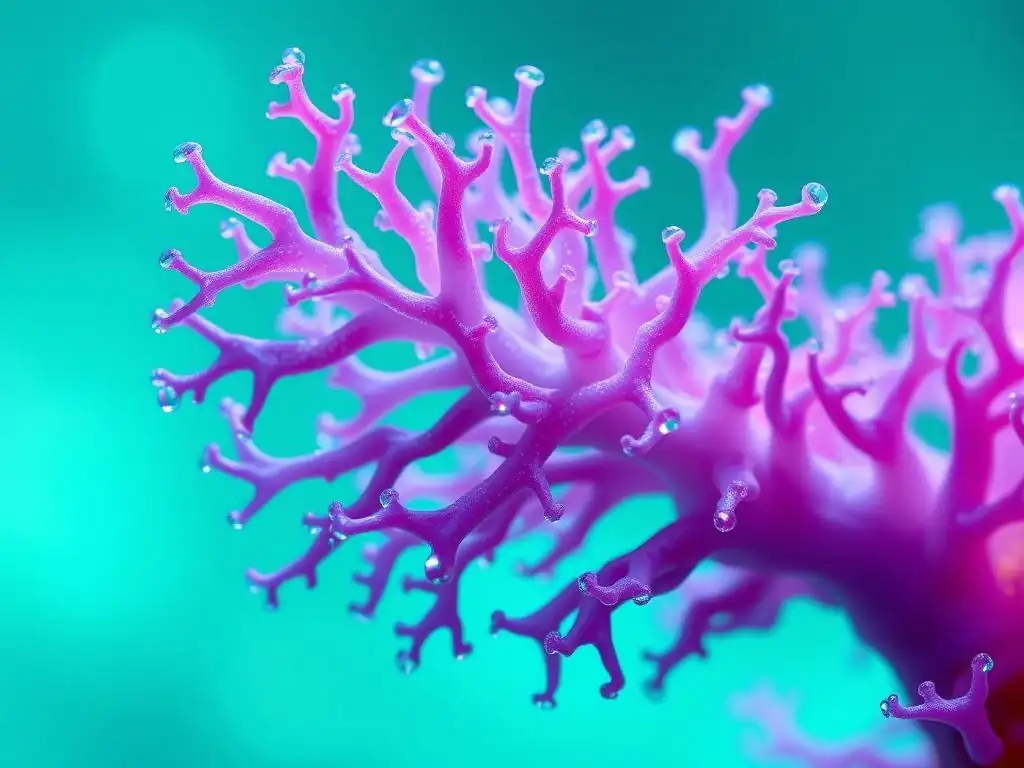
The genus Gracilaria encompasses a vast array of species, but not all are equally suited for Gracilaria algae tank cultivation in a home aquarium. The most commonly cultivated and readily available species include Gracilaria parvispora (often sold as "red ogo"), Gracilaria hayi, and various other red or sometimes green forms. Gracilaria parvispora is particularly popular due to its rapid growth rate, high palatability to herbivores, and its attractive, branching structure. Gracilaria hayi also exhibits good growth and is robust, making it a resilient choice for beginners.
When selecting Gracilaria, look for vibrant coloration (deep red, burgundy, or bright green, depending on the species), a firm texture, and a lack of visible pests or undesirable epiphytic algae. Avoid any pieces that appear bleached, slimy, or have a foul odor, as these indicate poor health or decay. It is also beneficial to inquire about the origin of the Gracilaria; aquacultured specimens are generally preferred over wild-harvested ones to minimize the risk of introducing pests or diseases, ensuring a healthier start to your Gracilaria algae tank cultivation efforts.
Initial Acclimation and Quarantine of Gracilaria Macroalgae
Proper acclimation and quarantine are critical steps before introducing any new macroalgae, including Gracilaria, into your main display tank or refugium. Upon arrival, the Gracilaria should be slowly acclimated to your tank's water parameters, particularly temperature and salinity. A drip acclimation method over 30-60 minutes is recommended to minimize stress from sudden changes. Even if the Gracilaria appears clean, a quarantine period of at least two to four weeks in a separate holding vessel is highly advisable.
During quarantine, the Gracilaria should be housed under appropriate lighting and flow conditions, mirroring those of your intended cultivation system. This period allows you to observe for any signs of unwanted pests such as parasitic flatworms, small crabs, or undesirable microalgae that might have hitchhiked on the Gracilaria. Regular visual inspections and a few small water changes with water from your main system can help ensure that only healthy, pest-free Gracilaria is eventually introduced, safeguarding the biodiversity and health of your established marine environment.
Preparing Gracilaria for Introduction into the Main Display Tank
Once quarantined and deemed healthy, Gracilaria needs minimal preparation before being introduced into your Gracilaria algae tank cultivation system or main display. The primary goal is to ensure it can anchor or be placed effectively to receive adequate light and flow.
If you plan to grow it free-floating in a refugium, simply placing it in the section with good flow is sufficient. For display tanks or specific refugium setups where anchoring is desired, the Gracilaria can be gently wedged into rockwork or secured with a rubber band to a small frag plug or rock, allowing it to attach over time.
Before final placement, it's a good practice to give the Gracilaria a final gentle rinse in clean, established saltwater from your system to dislodge any loose debris. Inspect it one last time for any signs of unwelcome guests. When adding to a display tank for direct consumption by fish, introduce smaller portions that can be consumed quickly to prevent decay and nutrient spikes. For Gracilaria algae tank cultivation intended for continuous growth and harvesting, ensure the chosen location provides consistent light, moderate flow, and is easily accessible for future maintenance and harvesting.
Gracilaria Algae Tank Cultivation Techniques: A Step-by-Step Guide
Maintaining Optimal Lighting for Gracilaria Growth and Color
Lighting is the single most critical factor for successful Gracilaria algae tank cultivation. To encourage robust growth and maintain its vibrant coloration, Gracilaria requires a consistent and appropriate light source. Full-spectrum LED lights with a strong emphasis on red (620-700 nm) and blue (400-500 nm) wavelengths are ideal, as these are the primary spectrums utilized by macroalgae for photosynthesis. A photoperiod of 12-18 hours daily is generally recommended; many aquarists run refugium lights on a reverse photoperiod (lights on when main display lights are off) to help stabilize pH and dissolved oxygen levels in the aquarium.
The intensity of light, measured in PAR (Photosynthetically Active Radiation), should be monitored. While specific requirements can vary between Gracilaria species, a PAR value between 50 and 150 µmol·m⁻²·s⁻¹ at the depth of the algae bed promotes healthy, rapid growth without encouraging excessive epiphytic algae on the Gracilaria itself. Too little light will result in pale, stunted growth, while excessive intensity can bleach the algae. Adjusting light height or dimming capabilities can fine-tune the intensity, ensuring your Gracilaria thrives and contributes effectively to nutrient export and fish nutrition.
Providing Adequate Water Flow and Circulation for Gracilaria Health
Beyond lighting, proper water flow and circulation are essential for thriving Gracilaria algae tank cultivation. Gracilaria benefits from moderate, turbulent flow that gently tumbles the algae or ensures all parts of the colony are exposed to light and nutrient-rich water. Stagnant areas can lead to detritus accumulation, which can smother the algae and create anaerobic zones, while excessively strong, direct flow can damage the delicate fronds.
In a refugium, a small, appropriately sized powerhead (e.g., 200-500 GPH for a 20-gallon section) positioned to create a swirling motion is often sufficient. The goal is to prevent the Gracilaria from settling into a dense, compacted mass, which can inhibit light penetration to the lower layers and reduce nutrient uptake. Good flow also aids in the removal of metabolic waste products from the algae's surface, promoting efficient photosynthesis and nutrient absorption, thus maximizing the effectiveness of your Gracilaria algae tank cultivation system.
Regular Water Changes and Nutrient Management for Gracilaria
While Gracilaria actively consumes nitrates and phosphates, regular water changes remain a cornerstone of overall aquarium health and play a role in optimal Gracilaria algae tank cultivation. Weekly or bi-weekly water changes of 10-20% replenish essential trace elements that Gracilaria, fish, and corals consume, and help to export any accumulated organic compounds that Gracilaria may not fully process. These fresh water additions also help maintain the stability of salinity, alkalinity, and calcium, which are important for Gracilaria's cellular health.
Regarding nutrient management specifically for Gracilaria, it's important to remember that it needs nitrates (e.g., 5-20 ppm) and phosphates (e.g., 0.03-0.1 ppm) to grow effectively. If your display tank is exceptionally low in these nutrients, perhaps due to heavy coral stocking or aggressive filtration, you might find Gracilaria growth to be slow.
In such cases, a very cautious and minimal dosing of nitrate or phosphate supplements could be considered, or ensuring that the Gracilaria is placed in an area that receives more nutrient-rich water flow from the main system. The primary aim of Gracilaria cultivation is often nutrient export, so healthy growth implies healthy nutrient consumption from the system.
Harvesting and Feeding Gracilaria to Your Fish
Determining the Right Amount of Gracilaria to Feed Your Fish
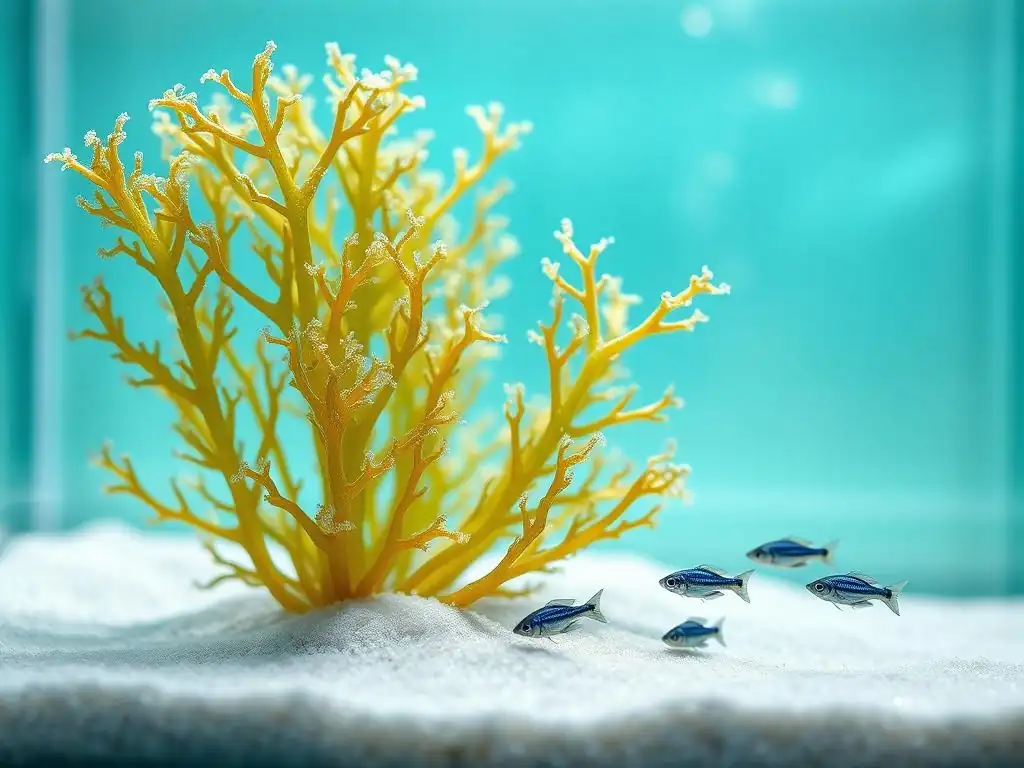
Knowing how much Gracilaria to feed your fish is crucial for both their health and the sustainability of your Gracilaria algae tank cultivation. The ideal amount depends on the number and size of your herbivorous fish, as well as their individual appetites. As a general guideline, start with a piece roughly the size of a credit card for a medium-sized Tang or a similar herbivore, once or twice daily. Observe how quickly it is consumed; if it disappears within a few hours, you can gradually increase the portion.
Overfeeding should be avoided, as uneaten Gracilaria will decompose and contribute to nutrient buildup in the display tank, counteracting its benefits. It's better to offer smaller, more frequent portions that are entirely consumed. For larger fish or multiple herbivores, several pieces might be necessary. The goal is to supplement their diet with fresh, natural food without polluting the water. This also helps maintain a consistent supply from your Gracilaria algae tank cultivation system without over-harvesting.
Effective Harvesting Methods to Encourage Continued Gracilaria Growth
Strategic harvesting is key to maintaining a healthy and productive Gracilaria algae tank cultivation system. Rather than removing entire clumps, aim for a "pruning" approach. Use clean, sharp scissors to snip off about 25-50% of the Gracilaria biomass at a time, focusing on the outermost, densest sections. This encourages new growth from the base and prevents the algae from becoming too thick and shading its lower layers, which can lead to die-off.
Harvesting every one to two weeks, or as needed based on growth rate and consumption, keeps the Gracilaria in its most active growth phase. If the algae is growing very rapidly, more frequent or larger harvests might be necessary to prevent it from becoming a tangled, nutrient-poor mass. This method ensures a continuous supply of fresh, nutrient-rich Gracilaria for your fish while maximizing its effectiveness as a natural filter for your marine aquarium.
Preparing Gracilaria for Feeding: Rinsing and Presentation
Once harvested from your Gracilaria algae tank cultivation system, the Gracilaria requires minimal preparation before feeding to your fish. The most important step is a thorough rinse in clean, established saltwater from your display tank. This helps remove any small invertebrates, detritus, or excess nutrients that might be clinging to the algae, preventing their introduction into the main display. Avoid rinsing with tap water, as chlorine or chloramines can be harmful to your fish.
For presentation, Gracilaria can be offered in several ways. The simplest is to use a veggie clip, which allows fish to graze on the algae as they would in the wild. Alternatively, you can finely chop the Gracilaria into smaller, bite-sized pieces and broadcast them into the water column, which is particularly useful for smaller herbivores or those that might be shy about approaching a veggie clip. Some aquarists even blend Gracilaria with other foods to create a custom "smoothie" for their fish, enhancing palatability and nutrient diversity.
Troubleshooting Common Gracilaria Cultivation Issues
Dealing with Algae Blooms and Unwanted Growth
Even in a dedicated Gracilaria algae tank cultivation setup, unwanted algae blooms can occur, signaling an imbalance. If green hair algae, diatoms, or cyanobacteria begin to proliferate on or around your Gracilaria, it often indicates an excess of specific nutrients (e.g., very high phosphates, over 0.2 ppm, or silicates) or insufficient flow in certain areas. Begin by testing your water parameters meticulously to identify the specific elevated nutrient.
To combat these unwanted growths, manually remove as much of the nuisance algae as possible. Increase water flow in stagnant areas by repositioning powerheads or adding a small, additional pump. Ensure your lighting schedule is appropriate; sometimes, reducing light intensity or duration slightly can discourage nuisance algae without significantly impacting Gracilaria. If the issue persists, a small, targeted dose of a phosphate or silicate remover (like GFO or a silicate adsorber) in a separate reactor might be considered, but use sparingly to avoid starving the Gracilaria.
Addressing Nutrient Deficiencies and Imbalances in the Gracilaria Tank
While Gracilaria consumes nutrients, a lack of them can hinder your Gracilaria algae tank cultivation efforts. If your Gracilaria appears pale, bleached, or exhibits stunted growth despite adequate light and flow, it might be suffering from a nutrient deficiency. This is particularly common in ultra-low nutrient (ULNS) reef systems where primary nutrients like nitrates are consistently below 1-2 ppm or phosphates are undetectable.
To address this, first confirm the deficiency through comprehensive water testing. If nitrates are consistently very low, consider slightly increasing feeding to your display tank fish to naturally elevate nutrient levels. Alternatively, for severe deficiencies, a very cautious and measured dosing of a nitrate or phosphate supplement specifically designed for marine aquariums can be employed. Begin with half the recommended dose and monitor both the Gracilaria's response and your system's overall nutrient levels. Additionally, ensure trace elements like iron and iodine, which are vital for macroalgae health, are not depleted; a quality trace element supplement can often resolve this.
Preventing and Treating Diseases Affecting Gracilaria Algae
While macroalgae like Gracilaria are generally robust, they can occasionally suffer from issues that mimic disease, primarily caused by environmental stress rather than pathogenic organisms. Browning, blackening, or significant tissue loss in your Gracilaria algae tank cultivation is usually a symptom of poor water quality, extreme temperature fluctuations (outside the 74-78°F range), or prolonged exposure to very low light or excessive light intensity.
To prevent these issues, maintain stable water parameters, ensure consistent lighting, and provide adequate, non-turbulent flow. Regularly prune the Gracilaria to prevent dense, decaying inner sections. If symptoms appear, immediately check all relevant water parameters (salinity, temperature, pH, nitrates, phosphates, alkalinity) and correct any deviations. Remove any decaying portions of the algae to prevent them from fouling the water. In rare cases, severe pest infestations (like certain types of parasitic flatworms) could damage Gracilaria, necessitating removal and a thorough rinse, but these are less common than environmental stressors.
Benefits Beyond Fish Food: Gracilaria's Role in Nutrient Export
Utilizing Gracilaria as a Natural Nitrate and Phosphate Reducer
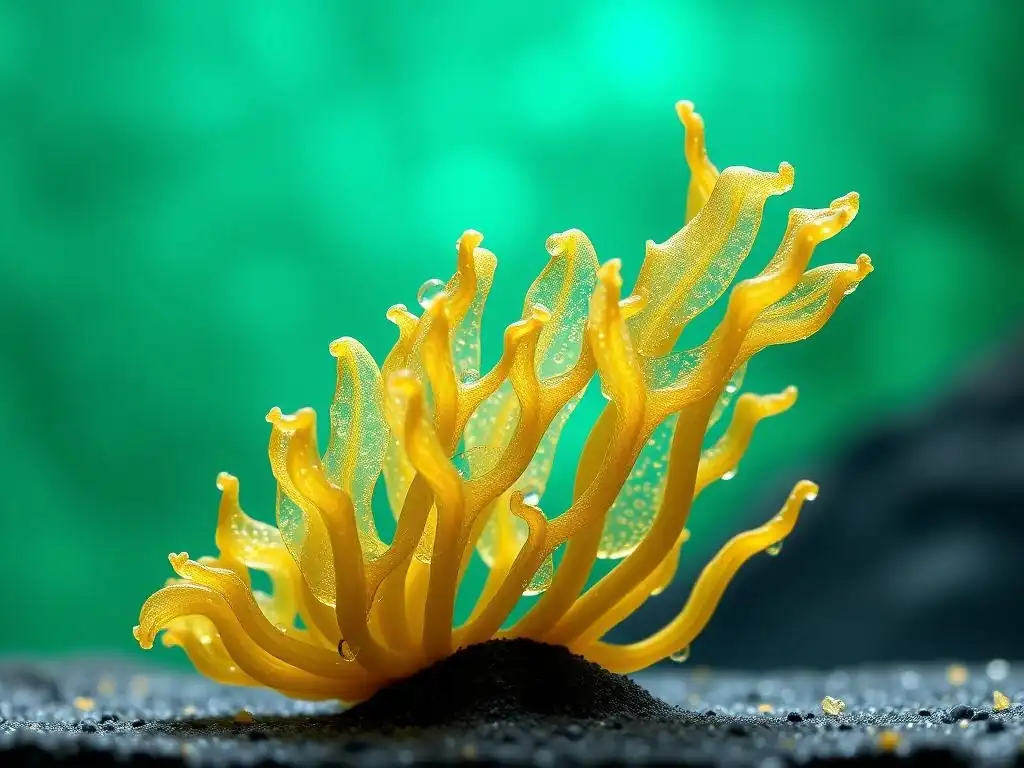
One of the most significant advantages of Gracilaria algae tank cultivation, particularly in a refugium, extends beyond its value as fish food: its exceptional capability for nutrient export. Gracilaria, like other macroalgae, is highly efficient at absorbing dissolved inorganic nutrients, primarily nitrates and phosphates, from the water column. As it grows, it locks these undesirable compounds within its biomass, effectively removing them from the aquarium system.
This natural filtration process significantly reduces the reliance on chemical filtration media or frequent large water changes for nutrient control. For example, a healthy, actively growing bed of Gracilaria parvispora in a 20-gallon refugium can process up to 10-20 ppm of nitrates and 0.05-0.1 ppm of phosphates weekly from a moderately stocked 100-gallon display tank. By regularly harvesting the Gracilaria, these trapped nutrients are physically removed from the system, preventing their accumulation and thereby mitigating the growth of nuisance microalgae like diatoms and cyanobacteria in the main display.
Improving Water Quality and Stability with Gracilaria Cultivation
Beyond direct nutrient removal, Gracilaria algae tank cultivation contributes to overall water quality and stability in several ways. During its photosynthetic cycle, Gracilaria consumes carbon dioxide and releases oxygen, particularly during the nighttime hours when the main display lights are off (if the refugium light is on a reverse photoperiod). This helps to stabilize pH by counteracting the natural pH drop that occurs overnight due to respiration from fish and corals. A stable pH range of 8.0-8.4 is crucial for the health of all marine inhabitants.
Furthermore, the presence of a thriving macroalgae bed provides a natural habitat for beneficial microfauna, such as copepods and amphipods. These tiny crustaceans graze on detritus and microalgae, further contributing to water clarity, and serve as an excellent natural food source for fish and corals in the main display tank. The combined effect of nutrient absorption, oxygen production, and microfauna proliferation makes Gracilaria cultivation a holistic approach to maintaining a pristine and stable reef environment, reducing stress on the entire ecosystem.
Advanced Gracilaria Cultivation Techniques for Increased Yield
Implementing CO2 Injection for Enhanced Gracilaria Growth
For aquarists seeking to maximize the yield from their Gracilaria algae tank cultivation, implementing CO2 injection can significantly boost growth rates. While marine systems typically have sufficient dissolved CO2 for basic macroalgae growth, supplementing with CO2 can accelerate photosynthesis, leading to denser and more rapid biomass production. This is particularly beneficial in systems where Gracilaria is heavily relied upon for nutrient export or as a primary food source for a large population of herbivores.
A small, dedicated CO2 system, similar to those used for freshwater planted tanks, can be adapted for a Gracilaria refugium. The CO2 should be diffused slowly and consistently into the water column, ideally through a reactor or diffuser placed near the Gracilaria. Careful monitoring of pH is essential, as excessive CO2 can cause a dangerous drop in pH.
Aim to maintain the pH within the optimal range of 8.0-8.4, and use a pH controller to automate CO2 delivery. Studies on Gracilaria species have shown up to a 30-50% increase in growth rates under optimized CO2 conditions, making it a powerful tool for advanced cultivators.
Experimenting with Different Lighting Spectrums for Optimal Coloration
While full-spectrum lighting with red and blue peaks is standard for Gracilaria algae tank cultivation, advanced aquarists can experiment with specific light spectrums to influence both growth rate and coloration. Different Gracilaria species, and even individual colonies, can exhibit variations in their photosynthetic pigments, leading to different color responses under varying light conditions. For instance, increasing the proportion of red light (around 660 nm) can sometimes enhance the deep red or burgundy hues in species like Gracilaria parvispora, making them more visually appealing.
Conversely, some aquarists find that a slightly higher blue spectrum (around 450 nm) can encourage denser growth or influence the production of certain protective pigments. By using LED fixtures with individually controllable color channels, you can fine-tune the spectrum to observe how your specific Gracilaria responds. Keeping detailed notes on light settings and observed changes in growth and color will help you identify the optimal spectrum for your particular Gracilaria algae tank cultivation setup, allowing for both maximum yield and aesthetic appeal.
Conclusion: Mastering Gracilaria Algae Tank Cultivation for a Thriving Reef Aquarium
Mastering Gracilaria algae tank cultivation is a cornerstone for any serious marine aquarist aiming for a thriving and self-sustaining reef environment. From its unparalleled nutritional value as a natural food source for beloved herbivores like Tangs to its potent capabilities in nutrient export, Gracilaria offers a multitude of benefits that extend far beyond simple aesthetics. By understanding its specific requirements for light, flow, and water parameters, aquarists can transform a simple refugium or dedicated grow-out tank into a highly productive biological filter and a consistent source of premium, fresh fish food.
The diligent application of cultivation techniques, from proper acclimation and strategic harvesting to troubleshooting common issues, ensures a continuous supply of this beneficial macroalgae. Furthermore, exploring advanced methods like CO2 injection or spectrum optimization can elevate your Gracilaria algae tank cultivation to new levels of efficiency and yield. Ultimately, integrating Gracilaria into your marine aquarium system fosters a more stable, cleaner, and biologically richer habitat, promoting the long-term health, vibrancy, and natural behaviors of your aquatic inhabitants.
Frequently Asked Questions
How does cultivating Gracilaria algae benefit my aquarium?
Cultivating Gracilaria provides a natural and nutritious food source for herbivorous fish like tangs. It also helps reduce nitrate levels in your aquarium, improving water quality. Ultimately, it contributes to a healthier and more balanced ecosystem.
What are the ideal conditions for Gracilaria algae growth in a tank?
Gracilaria thrives in moderate to high lighting, a stable water temperature between 72-78°F, and sufficient water flow. Maintaining appropriate salinity and nutrient levels is also crucial for optimal growth.
Can I grow Gracilaria algae in both freshwater and saltwater tanks?
While some Gracilaria species can tolerate brackish conditions, they are primarily cultivated in saltwater tanks. Freshwater environments generally lack the necessary salinity and trace elements for successful Gracilaria growth.
How often should I harvest Gracilaria algae from my tank?
Harvesting depends on the growth rate, but generally, you can harvest around 20-30% of the algae mass every 1-2 weeks. This encourages further growth and prevents the algae from becoming too dense and shading other plants.
What are some common issues that can hinder Gracilaria algae growth, and how can I address them?
Common issues include insufficient lighting, low nutrient levels, and excessive algae eaters. Addressing these involves adjusting lighting, supplementing with fertilizers (if needed), and managing the population of algae-eating invertebrates.
Final Reflection: Harvesting the Ocean's Bounty in Your Home
The journey of understanding and implementing Gracilaria algae tank cultivation extends far beyond simply providing nutritious fish food. It represents a tangible step towards sustainable aquaculture practices, bringing a slice of the ocean's ecosystem into our homes and fostering a deeper connection with the natural world. The ability to cultivate this nutrient-rich algae empowers aquarists to become active participants in a more responsible and environmentally conscious hobby.
This exploration into Gracilaria cultivation has underscored the profound impact even small-scale efforts can have on promoting biodiversity and reducing reliance on unsustainable fishing practices. My own experiences with cultivating Gracilaria have instilled a greater appreciation for the delicate balance within aquatic ecosystems and the potential for innovation in responsible aquarium keeping. We are tied to the ocean. And when we go back to the sea, whether it is to sail or to watch it, we are going back from whence we came.
- John F. Kennedy. This quote resonates deeply, reminding us of our inherent connection to the ocean and the responsibility we bear to protect its resources.
Now, as you consider the possibilities of Gracilaria algae tank cultivation, I invite you to reflect on the broader implications of your choices. Embrace the opportunity to become a steward of your own miniature ecosystem, contributing to a more sustainable and enriching future for both your aquatic companions and the planet. Let the vibrant green of Gracilaria serve as a constant reminder of the power we each hold to cultivate positive change, one tank at a time.
Unleash the Power of Gracilaria: Nurture Your Fish, Naturally!
Thanks for diving deep into the world of Gracilaria and its benefits for your aquarium! We hope you've discovered the potential of this seaweed to revolutionize your fish's diet and tank's ecosystem. Now, let's put that knowledge into action:
- Embark on your Gracilaria journey: Start cultivating your own supply of Gracilaria. Seek out a reputable source online or at a local fish store, and begin growing it in your refugium or main tank.
- Dive deeper into seaweed nutrition: Research other types of beneficial macroalgae suitable for your specific fish and aquarium environment.
- Share your successes (and challenges!): Join our Aquarium Mastery community forum and post pictures of your Gracilaria setup and happy fish.
What innovative feeding techniques will you try with your home-grown Gracilaria?