
Target Feeding vs. Broadcast Feeding SPS: Pros, Cons, and Advanced Techniques

Welcome to Aquarium Mastery!
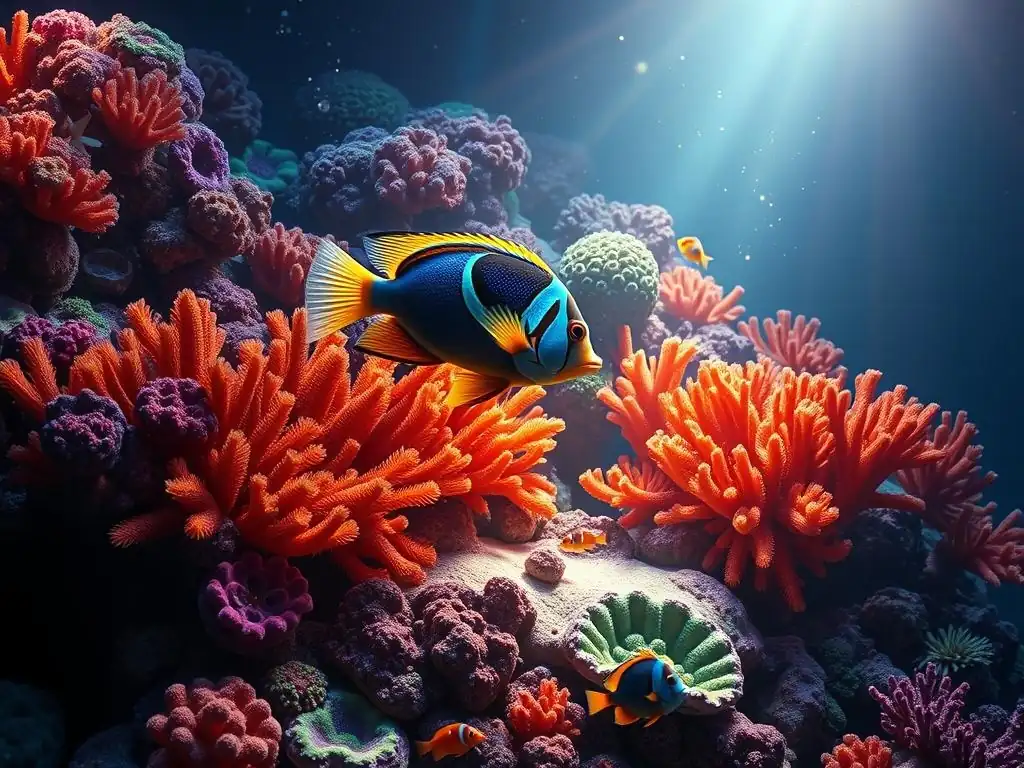
Curious about unlocking the secret to vibrant, thriving SPS corals? Target feeding can be a game-changer, but is it always the best approach? Dive into our in-depth article exploring the pros, cons, and advanced techniques of SPS fish target feeding versus broadcast feeding. Discover which method will help you achieve unparalleled coral growth and coloration. Let's unlock the secrets to SPS success together!
- Target Feeding vs. Broadcast Feeding SPS Corals: A Comprehensive Guide
- Introduction to SPS Coral Nutrition: Target Feeding and Broadcast Feeding Explained
- Target Feeding SPS Corals: A Detailed Look
- Broadcast Feeding SPS Corals: A Convenient Alternative
- Target Feeding vs. Broadcast Feeding: A Side-by-Side Comparison for SPS
- Advanced Techniques for SPS Coral Feeding
- Choosing the Right Feeding Strategy for Your SPS Aquarium
- Conclusion: Mastering SPS Coral Feeding for a Thriving Reef Aquarium
-
Frequently Asked Questions
- What is SPS fish target feeding and why is it important?
- How does target feeding SPS differ from broadcast feeding?
- What type of food is best for target feeding SPS corals?
- What are the potential benefits of target feeding SPS corals over broadcast feeding?
- What are some advanced techniques for target feeding SPS corals?
- Final Reflection: The Precision of Sustaining Life
- Ignite Coral Growth: Your Next Level Starts Now!
Target Feeding vs. Broadcast Feeding SPS Corals: A Comprehensive Guide
Introduction to SPS Coral Nutrition: Target Feeding and Broadcast Feeding Explained
Understanding the Nutritional Needs of Small Polyp Stony (SPS) Corals
Small Polyp Stony (SPS) corals, such as Acropora, Montipora, and Seriatopora, are renowned for their vibrant colors and intricate growth forms, making them highly sought after in reef aquariums. While these corals primarily derive energy through photosynthesis from their symbiotic zooxanthellae algae, a significant portion of their nutritional requirements, estimated to be up to 30-50% for some species, comes from heterotrophic feeding.
This involves capturing and consuming particulate matter, dissolved organic compounds, and plankton directly from the water column. Providing adequate heterotrophic nutrition is crucial for robust growth, enhanced coloration, skeletal calcification, and overall resilience, especially for high-energy demanding species like many Acropora which can add 1-2 inches of growth per month under optimal conditions.
Beyond photosynthesis, SPS corals require a diverse range of nutrients including amino acids, fatty acids (like DHA and EPA), proteins, and various trace elements to support their metabolic processes and calcification rates. For instance, specific amino acids contribute to the synthesis of chromoproteins responsible for their stunning blues, purples, and greens. Without sufficient external feeding, corals may exhibit slower growth, paler coloration, or even tissue recession. Therefore, understanding and fulfilling these complex nutritional demands through supplemental feeding is a cornerstone of successful SPS coral husbandry, complementing the light provided to their zooxanthellae.
Target Feeding and Broadcast Feeding: Two Approaches to SPS Coral Care
When it comes to delivering supplemental nutrition to SPS corals, aquarists typically employ two primary methods: target feeding and broadcast feeding. Each method offers distinct advantages and disadvantages, influencing nutrient delivery, water quality, and the overall health of the reef ecosystem. Target feeding involves the precise delivery of concentrated food directly to individual coral polyps, allowing for highly controlled nutrient uptake. This method is often favored for specific SPS fish target feeding scenarios, such as nourishing struggling colonies or promoting rapid growth in prized specimens.
In contrast, broadcast feeding entails dispersing food particles throughout the entire water column, mimicking the natural availability of plankton in the ocean. This approach aims to provide nutrition to all filter feeders in the tank, not just the corals, and generally requires less direct intervention. The choice between these methods, or a combination of both, depends on various factors including the specific SPS species housed, the tank's filtration capacity, the aquarist's time commitment, and the desired outcomes for coral growth and coloration. A comprehensive understanding of both techniques is essential for developing an effective SPS coral feeding strategy.
Target Feeding SPS Corals: A Detailed Look
What is Target Feeding for SPS?
Target feeding for SPS corals is a precise method of delivering food directly to the polyps of individual coral colonies. This technique involves using a specialized tool, such as a pipette, syringe, or turkey baster, to gently dispense a concentrated food mixture onto or very near the extended polyps of the coral.
The goal is to ensure that the coral actively captures and ingests the food, maximizing nutrient uptake and minimizing waste in the water column. This direct approach is particularly beneficial for high-demand SPS species like Acropora millepora or Seriatopora hystrix, which have smaller polyps that can still effectively capture appropriately sized food particles.
The types of food commonly used for SPS fish target feeding include finely ground dry foods, liquid suspensions of amino acids and fatty acids, or live/frozen planktonic organisms such as rotifers, copepods, or newly hatched brine shrimp nauplii. For instance, powdered foods like Reef-Roids, with particle sizes ranging from 50-200 microns, are often mixed with tank water to create a slurry that can be precisely applied.
This method capitalizes on the coral's natural feeding response, where polyps extend their tentacles to capture drifting particles, ensuring that vital nutrients are delivered exactly where they are needed for growth and vibrant coloration.
Benefits of Target Feeding SPS Corals
Enhanced Growth and Coloration with Targeted Nutrition
Target feeding provides a direct and concentrated source of nutrients, leading to noticeably enhanced growth rates and more vibrant coloration in SPS corals. When corals receive a precise supply of essential amino acids, fatty acids, and proteins, their metabolic processes are optimized, allowing for more rapid tissue accretion and skeletal calcification.
For example, consistent target feeding of a high-quality coral food can contribute to Acropora species exhibiting growth rates of 1-2 inches per month, significantly faster than corals relying solely on photosynthesis or sporadic broadcast feeding. This direct nutrient uptake also fuels the production of chromoproteins, leading to intensified and richer hues, such as deeper blues in Acropora tenuis or more vivid reds in Montipora setosa.
The ability to deliver specific nutrients directly to the coral ensures that vital building blocks for pigment production are readily available. Research indicates that certain fatty acids, like DHA (docosahexaenoic acid), are crucial for coral health and can improve color vibrancy. By directly feeding these compounds, aquarists can observe improvements in the coral's overall appearance, including better polyp extension and a more robust, "fleshy" look to the coral tissue. This precise nutritional support helps corals not only grow faster but also develop the stunning coloration that makes them so desirable in reef aquariums.
Precise Nutrient Delivery to Individual SPS Colonies
One of the most significant advantages of target feeding is the unparalleled precision it offers in nutrient delivery. This method allows aquarists to ensure that every individual SPS colony, regardless of its size, location, or competitive standing, receives an adequate amount of food. In a mixed reef tank, some larger or more dominant corals might outcompete smaller or newly fragged colonies for resources available in the water column. However, through SPS fish target feeding, even a small Acropora frag or a recovering Montipora colony can be specifically nourished, promoting faster recovery and growth.
This precision is particularly valuable for high-value or struggling corals. For instance, if a specific Acropora colony is showing signs of stress or tissue recession, a targeted application of nutrient-rich food can provide the immediate boost it needs without overfeeding the entire tank.
Aquarists can deliver exact quantities, such as 0.5-1.0 ml of a concentrated food slurry, directly to the polyps of a single colony, ensuring that the food is consumed by the intended recipient. This level of control is impossible to achieve with broadcast feeding and is a key reason why many advanced aquarists incorporate target feeding into their routine.
Reduced Waste and Improved Water Quality Through Targeted Feeding
Target feeding significantly minimizes the amount of uneaten food that enters the water column, thereby contributing to superior water quality. When food is precisely delivered and consumed directly by the corals, very little organic matter is left to break down and contribute to nutrient pollution. This contrasts sharply with broadcast feeding, where a substantial portion of the food may not be captured by corals and instead settles on the substrate or is processed by the filtration system, leading to elevated nitrates and phosphates.
By reducing the organic load, target feeding helps maintain stable water parameters, keeping nitrates typically below 5 ppm and phosphates below 0.03 ppm in well-maintained systems. This reduction in waste translates to less stress on the protein skimmer and other filtration components, potentially extending the time between water changes.
For example, a tank that target feeds three times a week might only require a 10% weekly water change, whereas a tank relying heavily on broadcast feeding might need 20% or more to manage nutrient accumulation. This method is crucial for aquarists aiming for ultra-low nutrient (ULN) systems, as it allows for direct coral nutrition without compromising overall water cleanliness.
Drawbacks of Target Feeding SPS Corals
Time Commitment and Labor Intensive
Despite its numerous benefits, target feeding SPS corals is a relatively time-consuming and labor-intensive process. Each feeding session requires the aquarist to individually approach and feed multiple coral colonies, which can be a significant undertaking in a large or heavily stocked reef tank. For instance, a 100-gallon reef aquarium housing 20-30 SPS colonies might demand 20-40 minutes of dedicated feeding time per session. This does not include the time spent preparing the food mixture, turning off pumps, and then resuming them afterward.
The commitment required often means that target feeding is performed less frequently than broadcast feeding, perhaps 2-3 times per week, rather than daily. This can be challenging for aquarists with busy schedules, as consistency is key to reaping the full benefits. The manual nature of SPS fish target feeding also means that it cannot be automated, requiring the physical presence and careful attention of the aquarist during each feeding event.
Risk of Overfeeding and Nutrient Imbalance
While target feeding aims for precision, there is still a risk of overfeeding individual corals if not executed carefully. Delivering too much concentrated food directly to a coral can overwhelm its digestive capacity, potentially leading to adverse effects. Overfed polyps might appear bloated, or the excess food could settle on the coral tissue, leading to localized tissue necrosis or browning. For example, applying too much of a protein-rich slurry can cause a specific Acropora colony to "slime off" excess nutrients, potentially attracting nuisance algae to its base if the unconsumed particles remain.
Furthermore, even with precise delivery, if the overall feeding regimen (including other methods) is too generous, it can still contribute to a subtle but persistent nutrient imbalance in the tank. While less impactful on overall water parameters than broadcast overfeeding, localized nutrient hotspots can still occur. Aquarists must observe their corals closely after target feeding to ensure they are consuming the food efficiently and not exhibiting signs of stress or rejection.
Potential for Algae Blooms if Not Properly Executed
Even with the precision of target feeding, improper execution can still contribute to nuisance algae blooms. If food particles are not fully consumed by the coral or if they are inadvertently dispersed into the water column during the feeding process, they can settle in low-flow areas or accumulate on the substrate. These unconsumed nutrients then become a readily available food source for undesirable algae, such as hair algae or Bryopsis. For example, if a syringe dispenses too quickly or if the coral retracts before consuming all the food, the leftover particles can drift into crevices, fueling localized outbreaks.
To mitigate this risk, it is crucial to turn off all circulation pumps during target feeding to minimize dispersion, and to resume flow slowly afterward. Additionally, maintaining efficient detritus removal through regular siphoning of the substrate and proper filtration (e.g., robust protein skimming, filter socks) is vital. If a tank consistently shows localized algae growth despite target feeding, it often indicates that either too much food is being delivered, or the system's ability to process organic waste is insufficient.
Essential Tools and Supplies for Target Feeding SPS
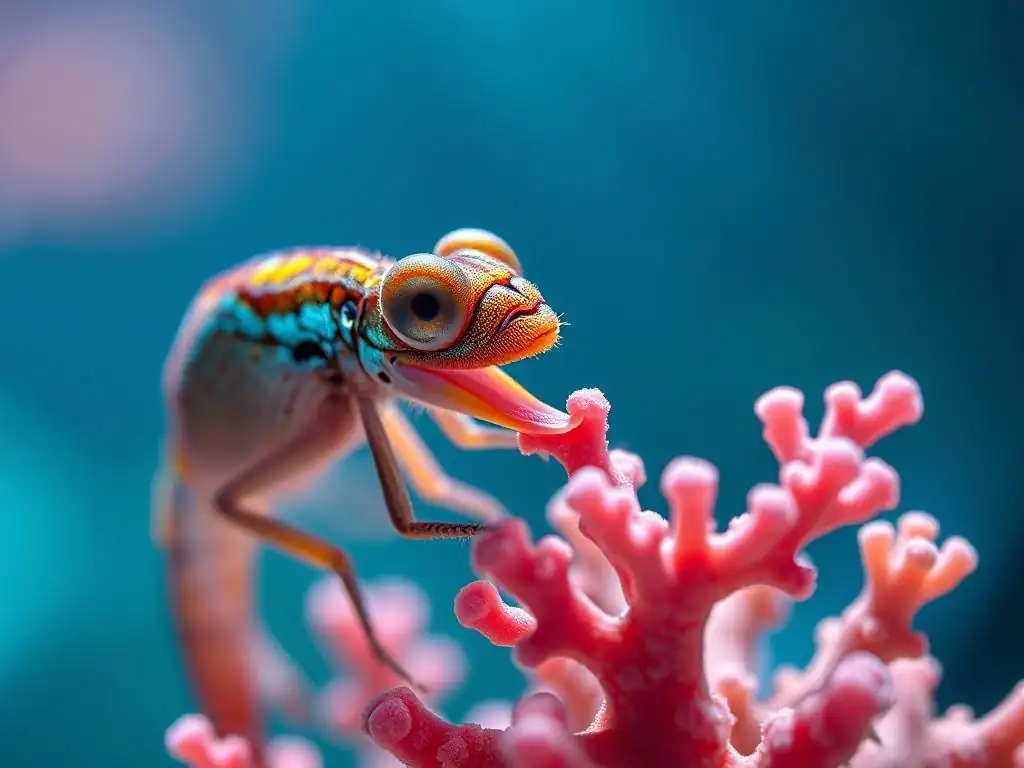
Successful target feeding relies on the right tools and high-quality coral foods. These supplies facilitate precise delivery and ensure that your SPS corals receive the nutrition they need without excessive waste.
- Pipettes: Typically, 5-10 ml graduated pipettes are ideal for precise delivery of liquid or slurry foods. Their fine tips allow for accurate placement near the coral polyps.
- Syringes: Larger capacity syringes (e.g., 20-60 ml) with attached tubing or rigid extenders are excellent for reaching corals in deeper tanks or those positioned in less accessible areas. The tubing can be cut to custom lengths to suit your tank's dimensions.
- Turkey Basters: While less precise than pipettes or syringes, turkey basters can be useful for delivering larger volumes of food or for broader "spot feeding" of groups of corals, particularly in very large tanks where individual targeting of every colony is impractical.
- Small Containers: Small, clean containers (e.g., shot glasses, small beakers, or clean plastic cups) are essential for mixing the concentrated coral food with tank water to create a slurry. This ensures the food is properly diluted and easy to draw into your feeding tool.
- Coral Food: A variety of specialized coral foods are available, formulated with the specific nutritional needs of SPS corals in mind. Popular choices include:
- Powdered Foods: Such as Reef-Roids, Polyp-Lab Reef-Roids, or Fauna Marin LPS/SPS Grow, which contain a blend of proteins, amino acids, and fatty acids.
- Liquid Foods: Concentrated solutions of amino acids (e.g., Fauna Marin Aminos, Brightwell Aquatics AminoMega) or fatty acids.
- Frozen/Live Feeds: Small planktonic organisms like rotifers, copepods, or newly hatched brine shrimp nauplii (e.g., Artemia).
Best Practices for Target Feeding SPS
Implementing SPS fish target feeding effectively requires adherence to a few key best practices to maximize benefits and minimize potential drawbacks. A well-executed target feeding regimen can significantly enhance coral health and vibrancy.
- Prepare food mixture: Always mix your chosen coral food with a small amount of tank water in a separate container to create a consistent slurry. For powdered foods, a common ratio is 1 part food to 5-10 parts tank water, allowing the food to hydrate for 5-10 minutes before use. This ensures the food is easily drawn into your feeding tool and readily consumable by the corals.
- Turn off pumps: Approximately 15-30 minutes before feeding, turn off all circulation pumps, wavemakers, and the protein skimmer. This creates a still water environment, preventing the food from being immediately dispersed throughout the tank and allowing it to settle directly onto the corals. It also encourages polyps to extend fully in search of food.
- Target feed individual polyps: Gently approach each coral colony with your loaded pipette or syringe. Slowly and carefully dispense a small, controlled amount of the food mixture directly onto or very close to the extended polyps. Observe the coral's feeding response; polyps should retract slightly as they capture the food. Avoid blasting the food, as this can startle the coral or cause the food to disperse.
- Observe coral response: After dispensing the food, take a moment to observe the coral. Look for signs of active consumption, such as polyp retraction or the visible ingestion of food particles. This feedback helps you gauge if you are delivering the correct amount and if the coral is receptive to the food. If a coral consistently rejects food or shows signs of stress, it may indicate an underlying issue or that the food type is unsuitable.
- Resume flow after 15-30 minutes: Allow 15-30 minutes for the corals to consume the food. This duration gives them ample time to ingest the particles while minimizing the period of stagnant water. After the feeding period, slowly resume your circulation pumps and turn on your protein skimmer. The skimmer will help remove any remaining dissolved organic compounds or unconsumed food particles, ensuring water quality is maintained.
Broadcast Feeding SPS Corals: A Convenient Alternative
What is Broadcast Feeding for SPS?
Broadcast feeding for SPS corals is a method where food particles are dispersed throughout the entire water column of the reef aquarium. This approach mimics the natural phenomenon of planktonic drift in the ocean, allowing corals and other filter feeders to capture food as it passes by. Unlike target feeding, which focuses on individual corals, broadcast feeding aims to provide a general nutrient boost to the entire system, reaching all inhabitants that can filter feed, including beneficial copepods, amphipods, and other microfauna that constitute part of the natural food web.
The types of food used for broadcast feeding are typically finely ground dry foods, liquid suspensions, or live phytoplankton cultures. Examples include powdered coral foods with particle sizes ranging from 5 to 200 microns, liquid amino acid solutions, or live Nannochloropsis and Phaeodactylum phytoplankton. These foods are simply added to the tank, often in an area of high flow, allowing the tank's circulation to distribute them. This method is considered a more convenient and less labor-intensive alternative to SPS fish target feeding, particularly for large aquariums or those with numerous coral colonies.
Advantages of Broadcast Feeding SPS Corals
Simplicity and Ease of Implementation
One of the most compelling advantages of broadcast feeding SPS corals is its simplicity and ease of implementation. Unlike the meticulous process of target feeding, broadcast feeding requires minimal effort and time. Aquarists simply measure out the appropriate amount of food and disperse it into the tank, often directly into a high-flow area or sump. This makes it an ideal method for busy aquarists or those maintaining very large reef systems with numerous coral colonies, where individual target feeding would be impractical or excessively time-consuming.
A broadcast feeding session typically takes only a few seconds to a minute, compared to the 20-40 minutes often required for a thorough target feeding session in a moderately sized tank. This convenience allows for more frequent feeding, potentially daily or every other day, ensuring a consistent supply of nutrients to the entire reef environment. The straightforward nature of this method means that even novice aquarists can easily incorporate it into their routine, providing a foundational level of nutrition for their SPS corals.
Wider Nutrient Distribution Throughout the Reef Tank
Broadcast feeding ensures a more widespread distribution of nutrients throughout the entire reef aquarium, reaching not only the primary SPS corals but also other beneficial filter feeders. As food particles are dispersed into the water column, they are carried by the tank's circulation to all areas, including those difficult-to-reach spots where individual target feeding might be impossible. This means that every coral colony, regardless of its position or accessibility, has an opportunity to capture food.
Beyond the corals themselves, broadcast feeding benefits a diverse array of other invaluable tank inhabitants. Sponges, feather dusters, clams, and even the microfauna like copepods and amphipods that live within the rockwork and sandbed, all thrive on the planktonic food available through broadcast feeding. This broad distribution supports a more robust and diverse ecosystem within the tank, contributing to overall system health and stability, and providing a natural food source for various fish species that graze on these micro-organisms.
Encourages Natural Filter Feeder Activity
Broadcast feeding plays a vital role in encouraging and supporting the natural filter-feeding activity of SPS corals and other invertebrates within the reef aquarium. In the wild, corals and other sessile organisms constantly filter plankton and dissolved organic matter from the currents. By dispersing food particles into the water column, broadcast feeding mimics this natural food availability, prompting corals to extend their polyps and actively capture passing nutrients. This stimulation of natural feeding behaviors is crucial for maintaining the physiological health and vitality of the corals.
Furthermore, this method supports the entire spectrum of filter feeders in the tank, from microscopic copepods dwelling in the refugium to larger clams and sponges. These organisms contribute significantly to the tank's natural filtration processes and overall biodiversity. Consistent broadcast feeding helps to maintain a healthy population of these beneficial organisms, fostering a more self-sustaining and resilient reef ecosystem. This holistic approach to feeding ensures that the entire food web benefits, contributing to a more balanced and thriving aquarium environment.
Less Control Over Nutrient Delivery
A significant drawback of broadcast feeding is the inherent lack of control over where the nutrients ultimately end up. When food is dispersed into the water column, a substantial portion may not be consumed by the intended coral recipients. Instead, it can be captured by the protein skimmer, settle on the substrate, or be consumed by other organisms like fish or beneficial bacteria. This inefficiency means that a large percentage of the food introduced into the tank might not directly benefit the corals, leading to wasted resources.
For instance, if 1 gram of powdered food is broadcast into a tank, only an estimated 20-50% might be actively captured by corals and other desired filter feeders, with the rest contributing to the overall nutrient load. This uncontrolled delivery makes it challenging to accurately assess if individual corals are receiving adequate nutrition, especially if some are less competitive feeders. The diffused nature of broadcast feeding means that precise SPS fish target feeding for specific growth or coloration goals is not achievable through this method alone.
Potential for Overfeeding and Water Quality Issues
The lack of control in broadcast feeding directly contributes to a higher potential for overfeeding and subsequent water quality issues. Since a significant portion of the food may not be consumed by corals, it remains in the water column or settles as detritus.
This unconsumed organic matter breaks down rapidly, leading to a rise in dissolved nutrients, primarily nitrates and phosphates. For example, regularly broadcasting 1-2 teaspoons of a protein-rich food in a 50-gallon tank without robust nutrient export can cause nitrate levels to spike from an ideal 5 ppm to an undesirable 20 ppm or higher within a week.
Elevated nutrient levels can stress corals, leading to browning, reduced growth, or even tissue loss in sensitive SPS species. These conditions also create a fertile environment for nuisance algae and undesirable bacteria. Aquarists must exercise extreme caution with broadcast feeding quantities and frequencies, always balancing them with the tank's filtration capacity and water change schedule to prevent detrimental nutrient accumulation.
Increased Risk of Algae Outbreaks
One of the most common and frustrating consequences of excessive broadcast feeding is the increased risk of nuisance algae outbreaks. When unconsumed food particles break down in the water, they release nitrates and phosphates, which are primary nutrients for algae growth. If these nutrient levels consistently remain high (e.g., phosphates above 0.05 ppm or nitrates above 10 ppm), it creates an ideal environment for the proliferation of undesirable forms of algae, such as hair algae, Bryopsis, or even cyanobacteria and dinoflagellates.
These algae compete directly with corals for light and space, can smother coral tissue, and detract significantly from the aesthetic appeal of the reef tank. While effective filtration (like robust protein skimming, refugiums, and GFO reactors) can mitigate some of these issues, relying solely on broadcast feeding without strict nutrient management often leads to persistent algae problems. Aquarists must regularly monitor nutrient levels and adjust feeding quantities to avoid creating conditions conducive to algae blooms.
Optimizing Broadcast Feeding for SPS
To maximize the benefits and minimize the drawbacks of broadcast feeding for SPS corals, several optimization strategies can be employed. These practices help ensure that food reaches the corals effectively while maintaining pristine water quality.
- Use small particle size foods: SPS corals have relatively small polyps and can only ingest very fine particles. Opt for foods specifically designed for corals, with particle sizes typically ranging from 5 to 50 microns. Examples include phytoplankton, finely ground zooplankton, or specialized coral powders like Reef-Roids. Larger particles are less likely to be consumed by SPS and will contribute more to waste.
- Direct flow towards corals: Immediately after adding broadcast food to the tank, ensure that your circulation pumps are creating turbulent, randomized flow patterns that direct the food particles towards the SPS colonies. This increases the chances of the food encountering and being captured by the coral polyps before it settles or is removed by filtration. Some aquarists temporarily turn off their protein skimmer for 15-30 minutes during broadcast feeding to allow more food to remain in the water column for coral uptake.
- Monitor nutrient levels with testing: Regular and accurate water testing is paramount when broadcast feeding. Use high-quality test kits or digital checkers (e.g., Hanna checkers for phosphate) to monitor nitrate and phosphate levels frequently, at least once or twice a week. If nutrient levels begin to rise consistently above desired parameters (e.g., nitrates > 5 ppm, phosphates > 0.03 ppm), it indicates that you are likely overfeeding or that your nutrient export methods are insufficient. Adjust your feeding quantity or frequency accordingly, or enhance your filtration (e.g., increasing water change volume, adding GFO, or carbon dosing) to bring levels back into balance.
Target Feeding vs. Broadcast Feeding: A Side-by-Side Comparison for SPS
Nutrient Delivery Precision: Target Feeding vs. Broadcast Feeding
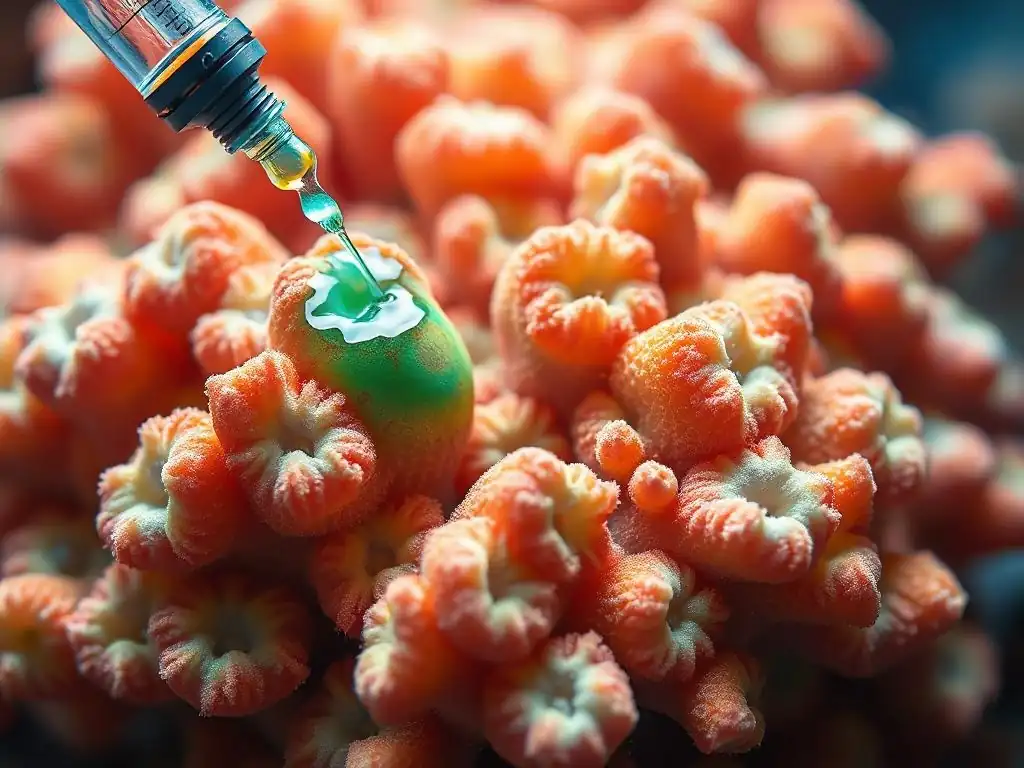
The fundamental difference between target feeding and broadcast feeding lies in their precision of nutrient delivery. Target feeding offers unparalleled accuracy, allowing aquarists to deliver a concentrated dose of food directly to the polyps of an individual SPS coral. This method ensures that a high percentage of the food, often 90% or more, is consumed by the intended recipient. This precision is invaluable for specific scenarios, such as nourishing a recovering Acropora frag that needs a direct nutrient boost to regain tissue or to accelerate growth in a prized Montipora colony.
In contrast, broadcast feeding disperses food throughout the entire water column, resulting in significantly less control over which organisms consume the food. While it ensures widespread distribution, only an estimated 20-50% of the broadcasted food might be actively captured by corals, with the remainder being consumed by other tank inhabitants, filtered out, or settling as detritus. This lack of precision means that some corals might receive more food than others, and a considerable portion of the food does not directly contribute to the intended coral's nutrition, making SPS fish target feeding superior for precise nutrient delivery.
Impact on Water Quality: Comparing Target Feeding and Broadcast Feeding
The choice between target feeding and broadcast feeding has a direct and significant impact on the water quality of a reef aquarium. Target feeding generally results in a lower organic load and reduced nutrient accumulation because food is directly consumed by corals, minimizing uneaten particles in the water column.
This method helps in maintaining stable, ultra-low nutrient (ULN) conditions, where nitrates can consistently stay below 5 ppm and phosphates below 0.03 ppm, essential for vibrant SPS coloration and health. The reduced waste puts less strain on the protein skimmer and other filtration systems, potentially allowing for less frequent water changes.
Conversely, broadcast feeding carries a higher risk of nutrient spikes and potential water quality issues due to the significant amount of unconsumed food that can break down in the tank. If not carefully managed with robust filtration and consistent nutrient export, broadcast feeding can lead to elevated levels of nitrates (e.g., spiking to 15-20 ppm) and phosphates (e.g., consistently above 0.05 ppm). These elevated nutrients can fuel nuisance algae outbreaks and detract from coral health. Therefore, while broadcast feeding is convenient, it necessitates a more vigilant approach to water parameter monitoring and nutrient control.
Ease of Use and Time Commitment: Which Method is Right for You?
When considering ease of use and time commitment, broadcast feeding stands out as the more convenient and less demanding method. It typically involves simply measuring out and dispersing food into the tank, a process that takes mere seconds to a minute. This simplicity makes it highly suitable for busy aquarists, those with very large tanks, or individuals who prefer a hands-off approach to daily maintenance. For a 200-gallon system with hundreds of SPS colonies, broadcast feeding becomes the only practical way to deliver widespread nutrition without dedicating hours to feeding.
On the other hand, target feeding is significantly more labor-intensive and time-consuming. Each feeding session requires the aquarist to individually approach and feed multiple corals, often taking 20-40 minutes for a moderately stocked 100-gallon tank. This method cannot be automated and demands consistent personal involvement. While highly effective, the time commitment means that target feeding is often performed less frequently (e.g., 2-3 times per week) than broadcast feeding. The choice between the two often comes down to an aquarist's available time and their willingness to invest in a more hands-on feeding approach.
Suitability for Different SPS Species: Target Feeding vs. Broadcast Feeding
The suitability of target feeding versus broadcast feeding can vary depending on the specific SPS coral species and its unique feeding morphology and metabolic demands. Some SPS corals, particularly those with larger polyps or more robust feeding tentacles like certain Montipora species ( Montipora capricornis) or even some Seriatopora hystrix, can effectively capture and utilize food from the water column through broadcast feeding. These species might thrive primarily on photosynthesis and occasional broadcasted plankton, requiring minimal direct intervention.
However, many high-demand Acropora species, especially those known for rapid growth and intense coloration ( Acropora millepora, Acropora tenuis), benefit significantly from regular SPS fish target feeding. Their smaller polyps might be less efficient at capturing diffuse particles from broadcast feeding, making direct delivery crucial for meeting their high metabolic needs for growth and calcification.
Similarly, newly fragged corals, those recovering from stress, or corals showing signs of nutrient deficiency often respond better to targeted nutrition. A comprehensive feeding strategy might involve a combination of both methods, tailoring the approach to the specific needs of each coral in the aquarium.
Advanced Techniques for SPS Coral Feeding
Utilizing Coral Foods Designed for SPS: A Guide
For optimal SPS coral health and vibrancy, utilizing specialized coral foods designed specifically for their nutritional requirements is paramount. These foods are formulated to provide a balanced array of proteins, amino acids, fatty acids (like DHA and EPA), and other micronutrients that are essential for growth, coloration, and overall vitality. General fish foods or broad-spectrum invertebrate foods may not contain the precise nutritional profile needed for demanding SPS corals.
Popular choices include powdered foods such as Reef-Roids, which are known for their small particle size (50-200 microns) and high protein content, making them readily consumable by SPS polyps. Liquid amino acid solutions, like Fauna Marin Aminos or Brightwell Aquatics AminoMega, provide essential building blocks for coral tissue and chromoprotein synthesis, often leading to noticeable improvements in coloration.
Live feeds, such as rotifers or copepods, offer a highly bioavailable and natural food source, mimicking the planktonic diet corals would consume in the wild. When selecting foods, consider the particle size to ensure it matches the polyp size of your SPS species, aiming for foods primarily in the 5-200 micron range for effective capture and digestion by most SPS corals.
Combining Target Feeding and Broadcast Feeding for Optimal Results
For many advanced aquarists, the most effective strategy for SPS coral nutrition involves a synergistic combination of both target feeding and broadcast feeding. This hybrid approach leverages the strengths of each method while mitigating their respective drawbacks, providing a comprehensive nutritional plan for the entire reef system.
A typical combined strategy might involve daily or every-other-day broadcast feedings of fine particulate foods or liquid suspensions, such as phytoplankton or a diluted amino acid solution. This ensures a consistent baseline of nutrients for all corals, stimulates general filter feeder activity, and supports the overall microfauna within the tank. On top of this, supplemental SPS fish target feeding can be performed 1-2 times per week for specific, high-demand, or struggling colonies.
This targeted approach allows for precise nutrient delivery to individual corals that require an extra boost for growth, intense coloration, or recovery from stress, without overfeeding the entire system. For instance, a small Acropora frag might receive a direct dose of concentrated food, while the rest of the tank benefits from a broader planktonic feeding. This balanced approach ensures that all nutritional needs are met, leading to exceptional coral health and vibrant reef displays.
Monitoring Nutrient Levels: Preventing Overfeeding and Deficiencies
Consistent monitoring of nutrient levels is a critical component of any successful SPS coral feeding strategy, serving as the primary feedback mechanism to prevent both overfeeding and nutrient deficiencies. Regular testing for key parameters such as nitrates, phosphates, and alkalinity provides invaluable insights into the tank's nutrient balance. Maintaining nitrates in the ultra-low range (e.g., 1-5 ppm) and phosphates at near-undetectable levels (e.g., 0.01-0.03 ppm) is crucial for vibrant SPS coloration and to prevent nuisance algae.
If these levels begin to rise, it indicates that feeding quantities or frequencies need to be reduced, or that nutrient export methods (like protein skimming, refugiums, or GFO reactors) need to be enhanced. Conversely, if nutrient levels become too low (e.g., undetectable nitrates and phosphates), it can lead to coral paling, tissue recession, or starvation, signaling a need to increase feeding or reduce nutrient export.
The Role of ICP Testing in SPS Coral Nutrition
Beyond standard hobbyist test kits, Inductively Coupled Plasma - Optical Emission Spectrometry (ICP-OES) testing plays an advanced and increasingly vital role in fine-tuning SPS coral nutrition. ICP testing provides a highly accurate and comprehensive analysis of over 30 trace elements present in the aquarium water, including those essential for coral health and metabolism, as well as potential contaminants.
This allows aquarists to identify subtle deficiencies or excesses of elements that are not typically measured with standard kits but are crucial for coral well-being. For example, ICP testing might reveal low potassium, which can impact blue coloration in Acropora, or insufficient iron, which can hinder zooxanthellae photosynthesis.
It can also detect elevated levels of heavy metals that might be inhibiting coral feeding or growth. Regular ICP testing, typically every 1-3 months for advanced SPS systems, allows for precise dosing of specific trace elements, ensuring a complete and balanced nutritional environment that complements the primary feeding regimen.
Optimizing Flow for Effective SPS Coral Feeding
Optimizing water flow within an SPS reef aquarium is just as critical as the food itself for effective coral feeding and overall health. Proper flow ensures that food particles are efficiently delivered to the coral polyps and, equally important, that waste products and detritus are removed from the coral tissue and the system.
Random, turbulent flow aids in nutrient delivery and waste removal.
SPS corals thrive in strong, random, and turbulent water flow, which is typically achieved with advanced wavemakers or powerheads (e.g., EcoTech Marine VorTech pumps, Maxspect Gyre flow pumps). This type of flow ensures that food particles are constantly brought into contact with the coral's polyps from multiple directions, mimicking the natural ocean currents where corals filter feed.
A flow rate of 20-40 times the tank volume per hour is often recommended for SPS-dominated tanks to ensure adequate water movement around all corals. Crucially, turbulent flow also prevents the accumulation of detritus and unconsumed food particles on the coral tissue or within the coral's intricate branches.
Stagnant areas can lead to localized nutrient pockets, tissue necrosis, or provide breeding grounds for nuisance algae. By keeping detritus in suspension, it can then be efficiently removed by the protein skimmer or mechanical filtration, maintaining pristine water quality and allowing corals to feed and respire optimally.
Choosing the Right Feeding Strategy for Your SPS Aquarium
Assessing Your SPS Coral Needs and Tank Environment
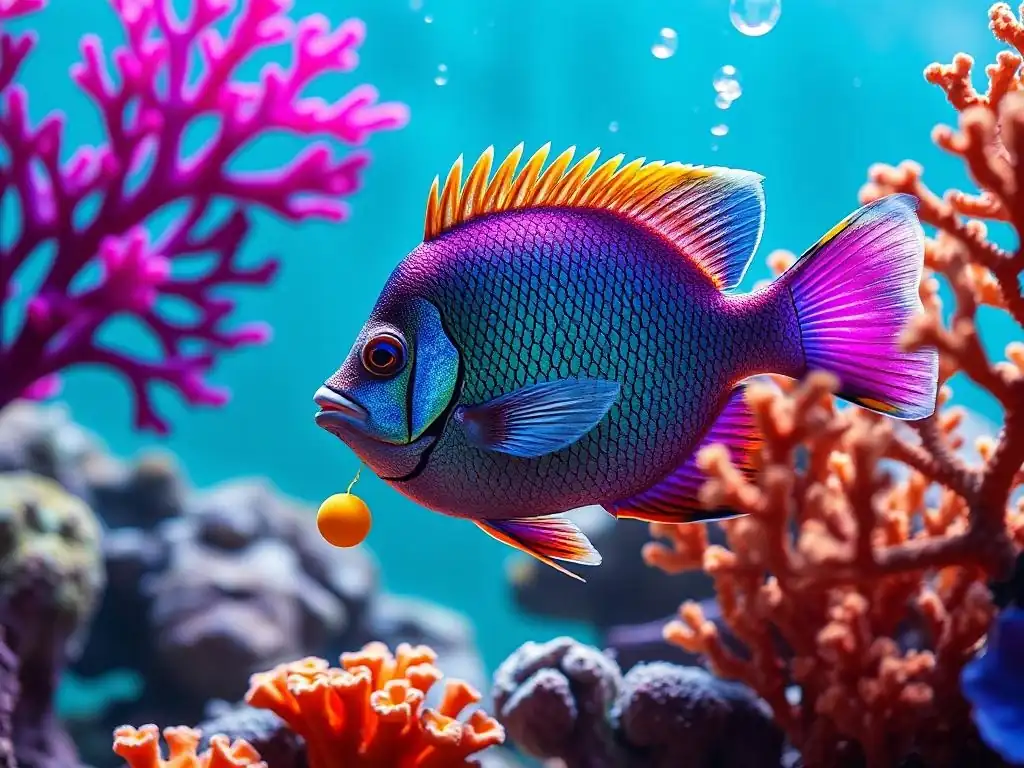
Selecting the most appropriate feeding strategy for your SPS aquarium begins with a thorough assessment of your specific coral needs and the overall tank environment. Not all SPS corals have the same heterotrophic requirements; some high-demand Acropora species, particularly those grown for rapid coloration and growth, will benefit significantly more from targeted nutrition than more forgiving Montipora species. Consider the maturity of your tank; newer systems might be more susceptible to nutrient spikes from broadcast feeding compared to established, biologically robust tanks.
Furthermore, evaluate your tank's filtration capacity. A system with a robust protein skimmer, a thriving refugium, biopellets, or carbon dosing can handle a higher organic load from broadcast feeding than a tank with minimal nutrient export. Finally, honestly assess your own time commitment. If you have limited time for daily maintenance, a primary broadcast feeding strategy supplemented by occasional SPS fish target feeding might be more sustainable than a rigorous, frequent target feeding regimen. Understanding these factors will help you tailor a feeding plan that is both effective for your corals and manageable for your lifestyle.
Developing a Customized Feeding Plan
Developing a customized feeding plan for your SPS corals is an iterative process that balances the benefits of different feeding methods with your tank's specific needs and your capacity for maintenance. There is no one-size-fits-all approach; rather, it's about finding the right synergy.
Start conservatively: for instance, begin with broadcast feeding a small amount of fine particulate food 2-3 times per week, and introduce SPS fish target feeding once a week for your most prized or demanding colonies. Continuously monitor your coral's response: observe polyp extension, tissue coloration, and growth rates. Paling or slow growth might indicate underfeeding, while browning or excessive algae could signal overfeeding.
Most critically, use reliable test kits to regularly check your nitrate and phosphate levels. If these nutrients consistently rise above your desired parameters (e.g., nitrates > 5 ppm, phosphates > 0.03 ppm), reduce your feeding quantity or frequency, or enhance your nutrient export methods.
Conversely, if nutrients drop too low, resulting in coral paling, increase feeding slightly. Keep a detailed log of your feeding schedule, quantities, and water parameters; this data will be invaluable for fine-tuning your plan over weeks and months to achieve optimal results for your unique reef ecosystem.
Troubleshooting Common Feeding Challenges
Even with a well-designed feeding plan, aquarists may encounter challenges that require adjustments. Recognizing the signs of nutrient imbalance or feeding-related issues is crucial for maintaining a thriving SPS aquarium.
Adjust feeding based on tissue recession, coloration changes, and algae presence.
- Tissue Recession/Paling: If SPS corals exhibit tissue recession (tissue pulling away from the skeleton) or significant paling, it can be a sign of underfeeding, especially if nutrient levels (nitrates, phosphates) in the water column are consistently near zero. In such cases, consider increasing the frequency or quantity of your target feeding, focusing on amino acid and fatty acid-rich foods. Ensure your corals are actively extending polyps and capturing food.
- Browning/Darkening: Conversely, corals that appear unusually dark or brown often indicate excess nutrients (nitrate and phosphate) or overfeeding. The zooxanthellae in their tissue multiply in response to high nutrients, leading to a darker appearance that masks the coral's natural vibrant colors. If this occurs, reduce your feeding quantities, enhance your nutrient export methods (e.g., increase protein skimming, water changes, or consider GFO), and verify that your lighting is adequate.
- Nuisance Algae Presence: The persistent growth of nuisance algae (e.g., hair algae, Bryopsis, diatoms, cyanobacteria) is almost always a clear indicator of excess nutrients in the system, frequently stemming from overfeeding or insufficient nutrient export. If you observe an increase in algae, immediately reduce your feeding amounts, especially broadcast feeding. Increase water change frequency, ensure your protein skimmer is operating efficiently, and consider adding or increasing the use of phosphate-removing media like GFO. Regularly siphoning detritus from the sandbed and rockwork will also help remove accumulated organic matter that fuels algae growth.
Conclusion: Mastering SPS Coral Feeding for a Thriving Reef Aquarium
Mastering the art of SPS coral feeding is a cornerstone of maintaining a thriving and visually stunning reef aquarium. As we've explored, both target feeding and broadcast feeding offer distinct advantages, and a comprehensive understanding of each method is essential for success. Target feeding provides unparalleled precision, allowing for direct nutrient delivery to individual colonies, which can lead to enhanced growth and vibrant coloration while minimizing waste.
However, it demands a significant time commitment and meticulous execution. Broadcast feeding, on the other hand, offers convenience and widespread nutrient distribution, fostering a healthy overall reef ecosystem, but requires vigilant monitoring to prevent water quality issues and algae outbreaks.
Ultimately, the most effective approach for SPS coral nutrition often lies in a customized, hybrid strategy that combines the benefits of both methods. By assessing your specific coral species' needs, understanding your tank's environmental parameters, and consistently monitoring nutrient levels through regular testing and advanced ICP analysis, you can fine-tune your feeding regimen.
The journey to successful SPS fish target feeding and overall nutrition is one of continuous observation, adaptation, and a deep understanding of your corals' responses. With dedication and informed practices, you can cultivate a reef aquarium teeming with healthy, vibrant, and rapidly growing SPS corals, truly a testament to your mastery of the craft.
Frequently Asked Questions
What is SPS fish target feeding and why is it important?
Target feeding SPS corals involves direct placement of food onto the coral's polyps. This ensures the coral receives adequate nutrients, especially in tanks with lower nutrient levels or heavy filtration, promoting growth and coloration.
How does target feeding SPS differ from broadcast feeding?
Broadcast feeding involves releasing food into the water column, hoping the corals capture it. Target feeding is more precise, delivering food directly to the coral, reducing waste and competition from other tank inhabitants.
What type of food is best for target feeding SPS corals?
A variety of small, high-quality foods like coral foods, phytoplankton, and zooplankton are suitable. Consider the coral's polyp size and nutritional needs when selecting food.
What are the potential benefits of target feeding SPS corals over broadcast feeding?
Target feeding offers enhanced control over nutrient delivery, leading to improved growth and coloration. It also minimizes the risk of excess nutrients in the water column, preventing algae blooms.
What are some advanced techniques for target feeding SPS corals?
Using a turkey baster or pipette allows for precise food placement. Consider turning off circulation pumps briefly to prevent the food from being swept away before the corals can capture it.
Final Reflection: The Precision of Sustaining Life
The intricacies of coral reef ecosystems, mirrored in the meticulous practice of SPS fish target feeding, are not merely academic exercises; they represent a microcosm of our responsibility to nurture and preserve delicate balances in a world increasingly demanding our attention. Understanding the nuances between broadcast and target feeding, and mastering the advanced techniques discussed, empowers aquarists to become active participants in the health and longevity of these vibrant, albeit captive, environments.
The art of SPS fish target feeding extends beyond the simple act of providing sustenance. It's a testament to our dedication to understanding the specific needs of each organism and tailoring our approach accordingly. This personalized approach, born from observation and careful consideration, resonates deeply with the broader need for mindful interaction with the natural world. In the end, we will conserve only what we love; we will love only what we understand; and we will understand only what we are taught.
- Baba Dioum. This quote encapsulates the essence of responsible reef keeping: a journey of learning, loving, and ultimately, conserving.
As you consider the information presented in this article, I invite you to reflect on the power of precision and intentionality in all aspects of your life. Just as target feeding allows us to directly nourish the SPS corals under our care, so too can focused effort and mindful attention cultivate growth and resilience in our own endeavors. Embrace the challenge of understanding the specific needs around you, and strive to provide the targeted support necessary for life to flourish, both within your aquarium and beyond.
Ignite Coral Growth: Your Next Level Starts Now!
Thank you for diving deep into the world of SPS coral feeding! We hope you've gained valuable insights into optimizing your reef tank's health and coloration. Now, let's turn that knowledge into action.
Here's how you can immediately elevate your coral care:
- Implement targeted feeding for your most demanding SPS corals this week. Observe their response closely and adjust your technique based on their polyp extension.
- Share your experiences and questions with fellow reef keepers. Engage in the Aquarium Mastery community forum to learn from others and contribute your insights.
- Experiment with an unexpected coral food source! Try offering a small amount of a high-quality, finely ground flake food to see if your corals respond positively.
What specific feeding challenge are you most eager to tackle in your own reef tank?