
LPS Coral Pest Guide: Identifying & Eliminating Threats to Your Corals

Welcome to Aquarium Mastery!
Ever wondered what's really lurking in your reef tank, threatening your prized LPS corals? Our comprehensive guide to LPS coral pest control dives deep into identifying and eliminating the unwanted guests that can wreak havoc on your beautiful corals. Discover the secrets to a thriving reef ecosystem and unlock the knowledge you need to protect your LPS corals. Ready to safeguard your underwater paradise? Let's get started!
- Understanding LPS Coral Pests and Their Impact
-
Common LPS Coral Pests: Identification Guide
- Acropora Eating Flatworms (AEFW) on LPS: A Misnomer, But a Threat
- Red Bugs: Recognizing and Addressing Infestations on LPS
- Nudibranchs: Identifying Coral-Eating Nudibranch Species Targeting LPS
- Montipora Eating Nudibranchs: Another Potential Threat
- Bristleworms: Friend or Foe? Understanding Their Role in LPS Tanks
- Predatory Snails: Identifying and Removing LPS-Eating Snails
- Aiptasia Anemones: Controlling Aiptasia Near LPS Corals
- Other Potential LPS Coral Pests: Acropora Red Bugs, Flatworms
- Diagnosing Pest Problems in Your LPS Coral Tank
-
LPS Coral Pest Control: Treatment & Prevention Strategies
- Quarantine Procedures for New LPS Corals: A Crucial First Step
- Manual Removal of LPS Coral Pests: Methods and Precautions
- Coral Dips for Pest Control: Choosing the Right Dip for LPS Corals
- Biological Control: Introducing Natural Predators for Pest Management
- Maintaining Optimal Water Parameters to Strengthen LPS Coral Resistance
- Flow and Lighting Adjustments to Discourage Pests
- Post-Treatment Care: Helping Your LPS Corals Recover
- Preventing Future LPS Coral Pest Outbreaks
- Advanced LPS Coral Pest Management Techniques
-
Frequently Asked Questions
- How can I identify pests that might be harming my LPS corals?
- What are some common pests that target LPS corals?
- What are some proactive measures I can take to prevent LPS coral infestations?
- What are some effective treatment options for LPS coral pests?
- How can I ensure the health of my LPS corals after treating for pests?
- Final Reflection: Protecting the Reef's Gems
- Ignite Your Reef Tank's Health!
Understanding LPS Coral Pests and Their Impact
Why LPS Corals Are Vulnerable to Pests
LPS (Large Polyp Stony) corals, such as Euphyllia, Favia, and Acanthastrea, possess a unique morphology that, paradoxically, makes them more susceptible to certain pests compared to their SPS (Small Polyp Stony) counterparts. Their large, fleshy polyps offer a substantial surface area for pests to attach and feed upon, providing an abundant food source.
Unlike SPS corals that can quickly retract tiny polyps into a hard skeleton, LPS corals often have slower retraction mechanisms and larger, more exposed tissue, making them easier targets for nocturnal predators. This vulnerability means that proactive LPS coral pest control is not just beneficial, but critical for their long-term health.
Furthermore, many LPS corals rely significantly on direct feeding in addition to photosynthesis from their symbiotic zooxanthellae. Stress from pest infestations can severely impact their ability to extend polyps and capture food, leading to energy depletion and tissue recession. While some corals possess chemical defenses, many popular LPS species lack robust mechanisms to deter specialized predators effectively. This absence of strong physical or chemical deterrents, coupled with their often high value, underscores why they are prime targets and why understanding effective LPS coral pest control methods is paramount for aquarists.
The Devastating Effects of Pests on LPS Coral Health
The impact of pests on LPS coral health can range from subtle irritation to complete colony loss within a matter of days or weeks. Physical damage often manifests as localized tissue recession, bite marks, or exposed skeleton, which then become open wounds highly susceptible to secondary bacterial infections, such as brown jelly disease ( Vibrio species). A small infestation of coral-eating nudibranchs, for example, can decimate a large Euphyllia colony (e.g., a 6-inch Torch coral) in less than a week if left unchecked, turning vibrant polyps into bare skeleton.
Beyond direct tissue consumption, pests induce significant physiological stress on LPS corals. This stress diverts energy from growth and calcification towards defense mechanisms, leading to reduced polyp extension, dull coloration, and overall decline. Chronic irritation can also cause corals to slime excessively, further depleting their energy reserves. This cascade of events weakens the coral's immune system, making it more vulnerable to other environmental stressors and diseases, ultimately jeopardizing not only the individual coral but potentially spreading to other valuable LPS corals in the system, highlighting the urgent need for effective LPS coral pest control.
Common LPS Coral Pests: Identification Guide
Acropora Eating Flatworms (AEFW) on LPS: A Misnomer, But a Threat
While their name, Acropora Eating Flatworms ( Amakusaplana acroporae), clearly indicates their primary target, AEFW can still pose an indirect threat or cause confusion for LPS coral owners. These tan to reddish-brown, oval-shaped flatworms primarily consume Acropora tissue, but their presence in a tank indicates a breach in quarantine protocols and a high likelihood of other, more direct LPS-specific pests. If AEFW are observed, it is a strong signal to intensify inspections of all corals, including LPS, for other, more relevant threats, as a robust LPS coral pest control strategy must encompass overall tank health.
Although AEFW do not typically consume LPS coral tissue, their crawling over sensitive LPS polyps can cause significant irritation, leading to retraction, sliming, and general stress. This stress weakens the LPS coral, making it more susceptible to other opportunistic infections or actual LPS-specific pests. Therefore, while not a direct predator of LPS, the presence of AEFW serves as a critical warning sign that your biosecurity measures might be insufficient, necessitating a comprehensive review of all LPS coral pest control practices to safeguard your entire reef.
Red Bugs: Recognizing and Addressing Infestations on LPS
Red Bugs ( Tegastes acroporanus) are tiny, reddish copepods, typically less than 1mm in size, that are notorious for infesting Acropora corals. While their primary diet consists of Acropora mucus and tissue, they can occasionally be found on LPS corals due to proximity or general tank conditions. On LPS, they do not usually cause direct tissue consumption but can be a significant irritant, leading to polyps remaining retracted, reduced feeding response, and overall stress. Their presence often indicates a compromised immune system in the coral or a general lack of effective quarantine.
Identifying Red Bugs on LPS corals requires keen observation, often with a magnifying glass. Look for tiny, fast-moving red specks, particularly around the coral's base or between polyps, especially when the coral is retracted. While a healthy LPS coral might tolerate a very small population, a noticeable increase in Red Bugs or persistent irritation to the coral warrants intervention. Implementing appropriate LPS coral pest control measures, such as targeted dips or biological control, is crucial to alleviate stress and prevent secondary issues, even if they aren't directly eating the LPS.
Nudibranchs: Identifying Coral-Eating Nudibranch Species Targeting LPS
Nudibranchs represent one of the most insidious and devastating threats to LPS corals due to their cryptic nature and specialized diets. These small, slug-like mollusks are often masters of camouflage, mimicking the color and texture of their preferred coral host, making them incredibly difficult to spot until significant damage has occurred. While specific species like Phestilla sibogae are known as Montipora-eating nudibranchs, other, less commonly identified nudibranch species can specifically target LPS corals, feeding on their fleshy polyps and leaving behind trails of destruction.
For LPS corals, watch out for species that might blend in with Euphyllia or Favia tissue. They are typically nocturnal, emerging to feed when the tank lights are off. Look for localized tissue recession, small bite marks, or the presence of white, gelatinous egg masses (often resembling tiny clusters of rice grains) on the coral's skeleton, usually near the damaged areas.
A severe infestation can completely consume a large LPS colony (e.g., a 4-inch Hammer coral) within a few days. Early detection and aggressive LPS coral pest control, often involving manual removal and targeted dips, are paramount to save affected colonies.
Montipora Eating Nudibranchs: Another Potential Threat
Montipora Eating Nudibranchs ( Phestilla sibogae) are highly specialized predators, primarily targeting Montipora species. These small, white nudibranchs, often with frilly cerata (dorsal appendages), blend seamlessly with the polyps of Montipora corals, making them almost impossible to detect without close inspection. While their main diet is Montipora, their presence in a mixed reef tank, especially if quarantine protocols were lax, indicates a high risk of other specialized pests that might target LPS corals.
Although Phestilla sibogae typically will not consume LPS coral tissue directly, their accidental presence on or near LPS corals can cause irritation due to their movement or by competing for space. More importantly, finding Montipora Eating Nudibranchs should immediately trigger a comprehensive inspection of all corals in the tank, including LPS, for any signs of pest activity. It serves as a stark reminder of the importance of strict quarantine and dipping protocols as part of a robust LPS coral pest control strategy to prevent any new pests from entering the display tank.
Bristleworms: Friend or Foe? Understanding Their Role in LPS Tanks
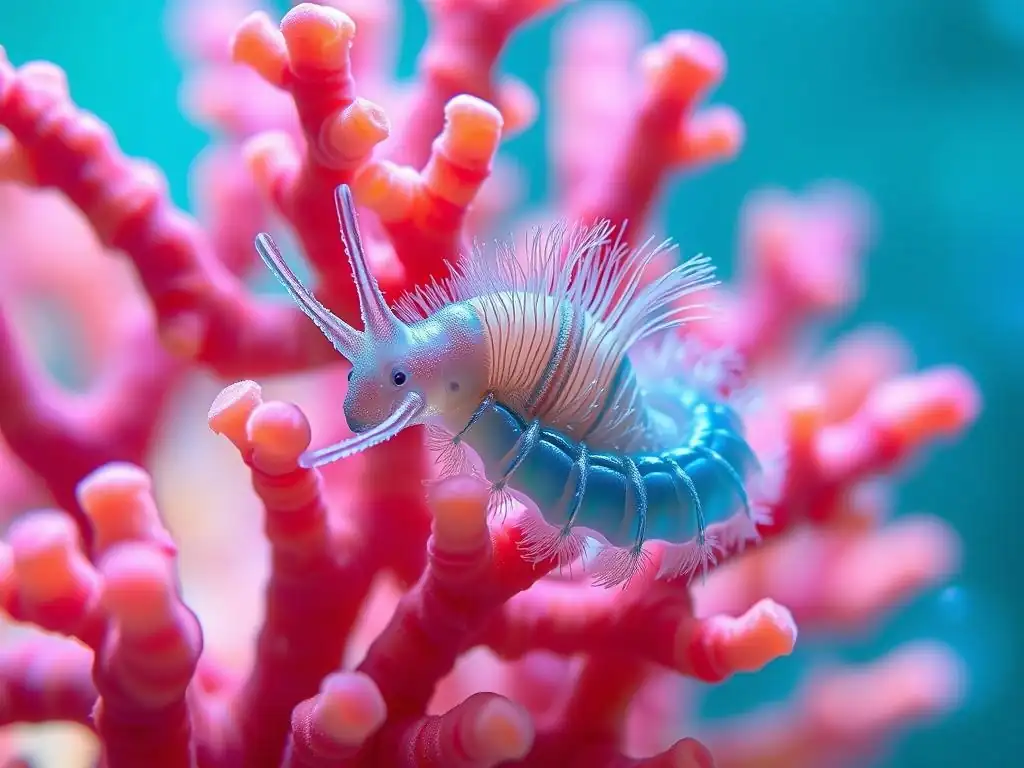
Bristleworms ( Hermodice carunculata and various other Polychaete worm species) are a common sight in reef aquariums. Most species are beneficial detritivores, acting as part of the clean-up crew by consuming leftover food, detritus, and decaying matter. They play an important role in maintaining tank hygiene. However, some larger species, particularly Hermodice carunculata (often referred to as the "fireworm" due to its stinging bristles), can be opportunistic predators, especially if the tank is nutrient-poor or if corals are already stressed.
Large bristleworms (e.g., those exceeding 3-4 inches) have been observed nibbling on the fleshy polyps of LPS corals, particularly at night when the polyps are fully extended and less reactive. Look for small, localized areas of tissue recession or irritation, especially at the base of the coral or where it meets the rockwork. While they are not typically a primary pest for healthy LPS, an excessive population or the presence of particularly large individuals warrants observation. If direct damage is observed, manual removal (using tongs or traps) might be necessary as part of your LPS coral pest control efforts.
Predatory Snails: Identifying and Removing LPS-Eating Snails
Predatory snails are a highly significant threat to LPS corals, often causing extensive damage before their presence is even suspected. Unlike some other pests, these snails typically bore into the coral skeleton or feed directly on the fleshy tissue. One of the most notorious groups is the Coralliophila genus, specifically Coralliophila abbreviata, which are known to prey on stony corals, including LPS. These snails are often small, cryptic, and blend in well with the coral's texture, making them difficult to spot.
Signs of predatory snails include localized tissue recession, often around the base or underside of the coral, and small, perfectly round holes in the coral's skeleton where the snail has bored through. These snails are mostly nocturnal, emerging from crevices to feed. Another group, Sundial snails ( Heliacus areolatus), are primarily known for preying on zoanthids but can occasionally irritate or consume the tissue of other corals if their preferred food source is scarce. Vigilant nocturnal inspection and immediate manual removal are critical for LPS coral pest control against these destructive mollusks.
Aiptasia Anemones: Controlling Aiptasia Near LPS Corals
Aiptasia anemones are ubiquitous nuisance pests in many reef tanks, known for their rapid reproduction and potent stinging capabilities. While not directly consuming coral tissue, their powerful nematocysts can cause significant damage to adjacent corals, particularly the fleshy polyps of LPS. Even a small Aiptasia located within an inch or two of an Euphyllia or Favia colony can cause severe tissue necrosis, leading to bleaching, recession, and eventual death of the affected polyps.
Aiptasia can quickly spread throughout a tank, attaching to rockwork, frag plugs, and even directly on coral skeletons. Their ability to reproduce sexually and asexually (through pedal laceration) makes them a persistent problem. Look for localized bleached or necrotic areas on your LPS corals where they are in close proximity to Aiptasia. Effective LPS coral pest control must therefore include aggressive Aiptasia eradication methods, such as chemical injection (e.g., Aiptasia-X), biological control (e.g., Peppermint Shrimp or Berghia nudibranchs), or manual removal, to prevent damage to your valuable LPS collection.
Other Potential LPS Coral Pests: Acropora Red Bugs, Flatworms
While Acropora Red Bugs and AEFW (Acropora Eating Flatworms) are primarily associated with SPS corals, their presence in a reef tank signals a broader issue with biosecurity that can indirectly affect LPS corals. A tank susceptible to these specific SPS pests is likely also vulnerable to other, less common, or opportunistic pests that may target LPS. For instance, general flatworm species (e.g., rust flatworms or brown flatworms) do not typically consume coral tissue but can smother LPS polyps, blocking light and flow, and causing irritation and stress if their populations explode.
Beyond these, certain copepod or amphipod species, if present in unusually high numbers, might irritate sensitive LPS tissue, causing retraction or preventing full inflation. While usually harmless scavengers, an imbalance in their population can lead to nuisance issues. The key takeaway is that vigilant observation and maintaining a pristine tank environment are crucial. Any unexplained stress or decline in LPS health, even in the absence of common pests, should prompt a thorough investigation, as it might indicate the presence of lesser-known or opportunistic pests, necessitating a comprehensive LPS coral pest control approach.
Diagnosing Pest Problems in Your LPS Coral Tank
Recognizing Early Warning Signs of Coral Pest Infestation
Early detection is paramount for successful LPS coral pest control. The initial signs of a pest infestation are often subtle and can easily be mistaken for other issues like water parameter fluctuations or flow problems. Look for localized tissue recession, where the coral tissue pulls back from the skeleton, particularly around the base or edges of the polyps.
Unexplained polyps not fully extending, even during feeding times, or unusual color changes—such as darkening, bleaching in patches, or a dull appearance—can also be indicators. For example, a healthy Euphyllia polyp should inflate fully, often reaching 2-3 times its retracted size; a persistent 20-30% reduction in inflation could signal a problem.
Other early warning signs include the presence of stringy mucus, excessive sliming, or small, "pimple-like" bumps on the coral tissue. Some pests, like certain nudibranchs, leave behind distinct egg masses (e.g., white spirals or gelatinous blobs) on the coral skeleton or nearby rockwork. Consistent, daily observation of your LPS corals is crucial. If you notice any deviation from their normal appearance or behavior that cannot be attributed to typical environmental factors, immediately suspect pests and initiate further investigation.
Visual Inspection Techniques for Identifying Pests on LPS
Once early warning signs are noted, a thorough visual inspection is the next critical step in diagnosing pest problems. Begin by turning off all powerheads and return pumps for 10-15 minutes to allow detritus to settle and pests to become more visible without strong currents dislodging them. Use a high-quality magnifying glass or a jeweler's loupe (10x to 30x magnification is ideal) to examine the affected coral closely. Pay particular attention to the underside, base, and crevices of the coral, as many pests are cryptic and prefer hidden areas.
Conduct inspections both during the day and at night. Many predatory pests, such as nudibranchs and predatory snails, are nocturnal and become active only after the main tank lights are off. Use a red-filtered flashlight (as red light is less disruptive to nocturnal organisms) to observe the coral and surrounding rockwork after the tank has been dark for at least an hour. Look for any unusual movement, tiny specks, or foreign bodies on the coral tissue or skeleton. This diligent visual scrutiny is a cornerstone of effective LPS coral pest control.
Observing Coral Behavior: Signs of Stress from Pests
Beyond physical signs, changes in LPS coral behavior are strong indicators of stress, often due to pests. A healthy LPS coral should exhibit consistent polyp extension, especially during periods of feeding or when lights are on. If your corals are persistently retracted, fail to inflate fully, or retract unusually quickly when approached, it can signal irritation from pests. For instance, a Favia coral that normally extends its feeder tentacles readily for food but now keeps them tucked in, even after a water change, points towards an underlying issue.
Compare the behavior of affected corals to healthy ones in your tank. If all water parameters are stable (e.g., alkalinity 8.0-8.5 dKH, calcium 420-450 ppm, magnesium 1300-1350 ppm, nitrates 5-10 ppm, phosphates <0.05 ppm), and flow and lighting are appropriate, yet a specific coral shows distress, pests should be a primary suspect. Excessive sliming or a noticeable change in the coral's typical feeding response are also red flags. Understanding these subtle behavioral cues is vital for early intervention and successful LPS coral pest control.
LPS Coral Pest Control: Treatment & Prevention Strategies
Quarantine Procedures for New LPS Corals: A Crucial First Step
Quarantine is unequivocally the most crucial and effective preventative measure in LPS coral pest control. A dedicated quarantine tank (QT) acts as a buffer, preventing new pests and diseases from entering your established display system. A simple QT setup can be a 10-gallon tank with a small heater, a circulation pump (e.g., a small powerhead), and a basic light. New LPS corals should ideally be quarantined for a minimum of 4-6 weeks. This extended period allows time for any hidden pests, or their eggs, to hatch and become visible, enabling treatment before introduction to the main tank.
During quarantine, new corals should undergo an initial dip (see below for options) and be visually inspected daily. If pests are found, the coral can be re-dipped and monitored without risking the entire display tank. This proactive approach significantly reduces the likelihood of a widespread infestation, saving countless hours, money, and most importantly, your valuable corals. Skipping quarantine, even for a seemingly clean coral, is a gamble that rarely pays off in the long run.
Manual Removal of LPS Coral Pests: Methods and Precautions
Manual removal is a direct and often immediate method of LPS coral pest control for visible pests, especially larger ones like nudibranchs, predatory snails, or large bristleworms. This technique involves physically removing the pests from the coral. Methods include using fine-tipped tweezers, a turkey baster to siphon off small pests, or a soft brush to gently dislodge them. It is crucial to perform this process outside the main display tank, typically in a separate container of tank water, to prevent dislodged pests or their eggs from re-entering your system.
When manually removing pests from delicate LPS corals, extreme caution must be exercised to avoid damaging the coral tissue. For instance, when removing a nudibranch, gently grasp it with tweezers and lift it off. If removing egg masses, try to scrape them off the skeleton without harming the living tissue. While effective for localized or small infestations, manual removal is rarely sufficient for widespread outbreaks, especially for microscopic pests or those with numerous eggs. It often serves as a complementary step to chemical dips or biological control.
Coral Dips for Pest Control: Choosing the Right Dip for LPS Corals
Coral dips are a cornerstone of LPS coral pest control, designed to irritate and dislodge a wide range of external pests from new corals before they are introduced into the main display tank. These solutions typically contain ingredients that are harsh on invertebrates like flatworms, copepods, and nudibranchs, but generally safe for corals when used correctly.
The general procedure involves removing the coral from the tank, placing it in a separate container with the diluted dip solution for a recommended duration (usually 5-15 minutes), gently swirling the coral or using a turkey baster to agitate it and dislodge pests, and then thoroughly rinsing the coral in clean tank water before returning it.
Choosing the right dip depends on the suspected pest and your comfort level with different chemical agents. It is vital to follow the manufacturer's instructions precisely regarding dosage and dip duration, as over-dipping or using too strong a solution can stress or even kill the coral. Always dispose of the dip water responsibly, as it will contain concentrated pests and potentially harmful chemicals. Regular dipping of all new corals, even those from reputable sources, is a proactive measure that significantly bolsters your LPS coral pest control efforts.
Iodine-Based Coral Dips: Usage and Safety
Iodine-based coral dips, such as Lugol's Solution, are a milder option commonly used for general prophylaxis and against some external parasites, bacteria, and certain flatworms. They are often favored for their relatively gentle nature compared to stronger insecticides. The typical dosage involves adding 5-10 drops of Lugol's per gallon of tank water in a separate container, and soaking the coral for 10-15 minutes. During the dip, the water may turn slightly yellowish, and small pests may detach from the coral.
While generally safer, it's crucial to ensure good aeration in the dip container, as iodine can reduce oxygen levels. Always rinse the coral thoroughly with clean tank water before returning it to the display tank. Iodine dips are effective as a first line of defense or for routine quarantine procedures, but they are generally not potent enough to eliminate severe infestations of resilient pests like certain nudibranchs or Red Bugs, which often require stronger LPS coral pest control solutions.
Bayer Insecticide Dips: Effective Treatment (Use with Caution)
Bayer Complete Insect Killer (containing Cyfluthrin) has gained popularity among experienced aquarists as a highly effective, albeit potent, treatment for stubborn pests like Acropora Eating Flatworms (AEFW), Red Bugs, and some types of nudibranchs. Its efficacy stems from its insecticide properties. The dosage is extremely low, typically around 0.5-1 mL per gallon of dip water, making precise measurement critical. Corals are usually dipped for 5-10 minutes, with gentle agitation.
Extreme caution must be exercised with Bayer dips. Cyfluthrin is toxic to many invertebrates, including crabs, shrimp, and snails, and can be harmful to fish if introduced to the main tank.
Always perform dips outside the display tank, ensure meticulous rinsing of the coral with clean tank water (preferably multiple rinses), and dispose of the dip water properly (e.g., down a drain, not into the main tank or garden). This method is considered a last resort for severe LPS coral pest control when other, milder dips have proven ineffective, and should only be used by experienced aquarists who understand the associated risks.
Other Coral Dip Options: CoralRx, Revive
Beyond iodine and Bayer, several proprietary coral dips are formulated specifically for aquarium use, offering a balance of efficacy and relative safety. Popular options include CoralRx and Revive Coral Cleaner. These products are designed to target a broad spectrum of common reef pests, including various flatworms, Red Bugs, and some nudibranch species. They typically contain a blend of natural extracts or specialized compounds that irritate pests, causing them to detach from the coral.
The usage instructions for CoralRx, Revive, and similar products generally involve diluting a specific amount of the concentrate into a gallon of tank water, then soaking the coral for 5-15 minutes. Gentle agitation during the dip is often recommended to help dislodge pests. These dips are widely used as part of routine quarantine protocols due to their effectiveness and generally lower risk compared to stronger insecticides. Many aquarists find them to be a reliable and user-friendly option for comprehensive LPS coral pest control during the acclimation of new specimens.
Biological Control: Introducing Natural Predators for Pest Management
Biological control involves introducing natural predators into the reef tank to manage pest populations. This can be an effective supplementary strategy for LPS coral pest control, especially for low-level or recurring infestations. For example, certain species of wrasses, such as Six-Line Wrasses ( Pseudocheilinus hexataenia), Melanurus Wrasses ( Halichoeres melanurus), or Yellow Coris Wrasses ( Halichoeres chrysus), are known to actively hunt and consume various small flatworms, copepods, and sometimes even small nudibranchs. Peppermint Shrimp ( Lysmata wurdemanni) are often introduced to control Aiptasia anemones.
However, biological control has limitations. Predators are not 100% reliable; a wrasse might not eat all the target pests, or a peppermint shrimp might not consume Aiptasia if other food sources are abundant. Furthermore, some predators can become problematic themselves, harassing other tank inhabitants or picking at desirable invertebrates. They are best utilized as a long-term management tool after initial manual or chemical eradication of severe outbreaks. For instance, a single Six-Line Wrasse might consume dozens of flatworms daily, but it cannot single-handedly eradicate a population of thousands.
Maintaining Optimal Water Parameters to Strengthen LPS Coral Resistance
A cornerstone of preventative LPS coral pest control is maintaining stable and optimal water parameters. Healthy, unstressed corals are inherently more resilient and better equipped to fend off opportunistic pests and recover from any damage. Fluctuations in key parameters like alkalinity (ideally 8-9 dKH), calcium (400-450 ppm), and magnesium (1300-1400 ppm) can put corals under immense stress, weakening their immune systems and making them more susceptible to pest attacks. Consistent salinity (1.025-1.026 specific gravity) is also vital.
Furthermore, managing nutrient levels (nitrates ideally 5-10 ppm, phosphates below 0.05 ppm) prevents the proliferation of nuisance algae and detritus, which can indirectly contribute to pest problems by providing hiding places or an alternative food source for some organisms. Regular water changes (e.g., 10-20% monthly for a mature tank) and robust filtration (e.g., protein skimming, carbon dosing, GFO) contribute to a stable environment that promotes strong coral health and reduces their vulnerability to pest infestations. This foundational care is a passive but critical form of LPS coral pest control.
Flow and Lighting Adjustments to Discourage Pests
While not a direct treatment, optimizing flow and lighting can play a supportive role in LPS coral pest control by creating an environment less hospitable to certain pests. Moderate to turbulent flow around LPS corals can help dislodge pests, prevent them from settling, and ensure that detritus (which some pests feed on) does not accumulate on or around the coral tissue.
Areas of low flow are often preferred by pests for attachment and egg laying, so eliminating dead spots can be beneficial. For example, ensuring a Frogspawn coral receives gentle, indirect flow can help keep its polyps clean and reduce pest opportunities.
Similarly, ensuring proper lighting intensity and spectrum for your LPS corals (e.g., PAR levels typically ranging from 75-150 for most LPS) promotes strong photosynthetic health and overall vigor. Healthy, well-lit corals are more robust and better able to defend themselves. Overly dim or excessively intense lighting can stress corals, making them more vulnerable to pest attacks. While flow and lighting adjustments won't eradicate an existing infestation, they contribute to a healthy coral environment that is more resistant to pest proliferation.
Post-Treatment Care: Helping Your LPS Corals Recover
Monitoring Coral Health After Pest Removal
After implementing LPS coral pest control measures, diligent post-treatment monitoring is crucial for the coral's recovery and to ensure the pests have been completely eradicated. For several weeks following treatment, carefully observe the treated coral daily. Look for signs of recovery, such as full polyp extension returning, improvement in color, and the absence of any new bite marks or tissue recession. Documenting the coral's appearance with photographs before and after treatment can provide a valuable visual record of its progress.
It is particularly important to watch for the re-emergence of pests, especially from eggs that may have survived the initial treatment. Many pest eggs are resistant to dips and can hatch days or even weeks later. If pests reappear, a second round of treatment, often 7-10 days after the first (to allow eggs to hatch), may be necessary to break their life cycle. Consistent vigilance during this recovery phase is key to preventing a resurgence of the infestation.
Providing Supplemental Feeding to Support Recovery
Stressed or recovering LPS corals, particularly those that have suffered tissue damage or prolonged retraction due to pests, greatly benefit from targeted supplemental feeding. Providing easily digestible, nutritious foods can help them regain energy, repair damaged tissue, and accelerate their recovery process. Offer small, meaty foods such as mysis shrimp, copepods, or specialized coral foods (e.g., powdered coral foods or liquid suspensions) directly to the coral polyps using a pipette or turkey baster.
Feed small amounts 2-3 times per week, ensuring the food is consumed by the coral and not left to decay in the tank, which could negatively impact water quality. This direct nutrient intake provides essential building blocks for tissue regeneration and boosts the coral's overall vitality, making it more resilient to future stressors. Supplemental feeding is a vital component of post-treatment care, helping your LPS corals bounce back stronger after LPS coral pest control interventions.
Addressing Secondary Infections in Damaged LPS Tissue
Pest infestations often leave behind open wounds and compromised tissue on LPS corals, making them highly susceptible to secondary bacterial infections. The most common and devastating is Brown Jelly Disease (BJD), caused by opportunistic Vibrio bacteria, which appears as a rapidly spreading brown, slimy mass that consumes coral tissue. Other bacterial infections can manifest as localized white patches or areas of rapid tissue necrosis.
Immediate action is required to address secondary infections. For BJD, gently siphon off the brown jelly using a turkey baster outside the tank. Increasing water flow around the affected coral can sometimes help.
In severe cases, a targeted antibiotic dip (e.g., with Furan-2 or a similar broad-spectrum antibiotic) for the affected coral in a separate container may be necessary. If the infection is localized to a single head or branch, carefully fragging off the infected portion can save the rest of the colony. Prompt intervention is crucial, as secondary infections can rapidly lead to complete colony loss, negating all prior LPS coral pest control efforts.
Preventing Future LPS Coral Pest Outbreaks
Regular Inspection and Maintenance Routines
The most effective long-term strategy for LPS coral pest control is the consistent implementation of regular inspection and maintenance routines. Make it a daily habit to visually scan your corals for any subtle changes in appearance or behavior. Dedicate at least 5-10 minutes each day to this task. Beyond daily checks, schedule weekly or bi-weekly detailed inspections using a magnifying glass, focusing on the bases, undersides, and crevices of your LPS corals, as well as observing them at night with a red flashlight.
Complement these inspections with diligent tank maintenance. Regular water changes (e.g., 10-20% monthly) help maintain stable water parameters and export nutrients that could fuel nuisance organisms. Promptly changing filter socks (e.g., every 3-7 days) and siphoning out detritus prevent the accumulation of organic matter that can provide food or hiding places for pests. A clean, well-maintained tank environment is inherently less hospitable to most pests, significantly reducing the likelihood of future outbreaks.
Maintaining a Balanced Reef Ecosystem
A balanced and diverse reef ecosystem is a resilient one, naturally more resistant to pest outbreaks. Promoting a healthy population of beneficial microfauna, such as copepods and amphipods, can help by outcompeting or even preying on nuisance organisms at their larval stages. Avoid overstocking fish, which can lead to excessive waste production and nutrient imbalances that favor pest proliferation. Instead, choose a fish population that complements your coral inhabitants and contributes to the tank's overall health.
A mature, stable biological filter and robust nutrient cycling are also key. When the tank's ecosystem is in equilibrium, corals are less stressed, and the natural checks and balances within the system can often keep pest populations in check before they become problematic. This holistic approach to reef keeping forms a passive yet powerful layer of LPS coral pest control, strengthening the tank's innate ability to resist invaders.
Practicing Responsible Coral Acquisition
The single most impactful preventative measure in LPS coral pest control is responsible coral acquisition. Always purchase new corals from reputable sources known for their clean, healthy livestock and ethical practices. Ask about their quarantine procedures and how they manage pests in their own systems. Avoid "bargain" corals that look stressed, have visible signs of pests, or come from unknown origins, as they are often the primary vectors for introducing unwanted organisms into your display tank.
Crucially, regardless of the source, always quarantine new corals in a separate tank for at least 4-6 weeks. This provides a critical window to observe, dip, and treat any pests that might emerge from the coral or its frag plug before it ever enters your main system. Even seemingly clean corals can harbor hidden eggs or microscopic larvae. Strict adherence to a robust quarantine protocol is the ultimate safeguard and the most effective way to prevent future LPS coral pest control headaches.
Advanced LPS Coral Pest Management Techniques
Surgical Removal of Infested Tissue
In severe cases of localized pest damage or disease, surgical removal of infested or diseased tissue can be an advanced LPS coral pest control technique to save the rest of the coral colony. This method is often employed for rapidly spreading bacterial infections like Brown Jelly Disease or when a pest infestation is confined to a specific head or branch of a multi-head LPS coral (e.g., a Torch or Hammer coral). It involves carefully fragging off the affected portion using specialized coral cutters or a sharp scalpel.
This technique requires precision and a good understanding of coral anatomy to avoid further damage. The fragging process should ideally be done outside the main tank, and the cut coral should be dipped in an antiseptic solution (like iodine) afterward to prevent secondary infections. While a high-risk procedure, surgical removal can be the only way to halt the spread of a devastating pest or disease and salvage a valuable colony that would otherwise be lost.
Professional Assistance: When to Call an Expert
For severe, widespread pest infestations that threaten your entire reef tank, or if you are unsure about correctly identifying a pest or implementing complex treatment protocols, seeking professional assistance is a wise decision. Experienced local fish stores, reef tank maintenance services, or aquarium consultants often possess specialized knowledge, access to advanced equipment, and more potent LPS coral pest control treatments that may not be readily available to the hobbyist.
A professional can provide accurate pest identification, recommend a tailored treatment plan, and even perform in-tank or out-of-tank treatments for you. While there is a cost associated with professional help, it can be significantly less than the cumulative expense of replacing valuable coral colonies lost to an uncontrolled pest outbreak. Knowing when to call an expert is a sign of responsible reef keeping and can be the deciding factor in saving your cherished LPS corals and maintaining a thriving reef system.
Frequently Asked Questions
How can I identify pests that might be harming my LPS corals?
Look for unusual behavior in your corals, like retracted polyps or tissue damage. Also, inspect closely for visible pests such as nudibranchs, flatworms, or snails.
What are some common pests that target LPS corals?
Common pests include Acropora Eating Flatworms (AEFW), Montipora Eating Nudibranchs, and Coral Eating Snails. These can cause significant damage if left unchecked.
What are some proactive measures I can take to prevent LPS coral infestations?
Quarantine new corals before introducing them to your main tank to prevent pest introduction. Regularly inspect your corals for any signs of pests or damage.
What are some effective treatment options for LPS coral pests?
Treatment options include manual removal of pests, coral dips using products like iodine or coral RX, and introducing natural predators (if appropriate for the pest).
How can I ensure the health of my LPS corals after treating for pests?
Maintain stable water parameters and provide proper lighting and flow. Observe your corals closely for any signs of recurring infestation or stress.
Final Reflection: Protecting the Reef's Gems
The comprehensive guide you've just explored underscores the critical importance of vigilant LPS coral pest control in maintaining thriving reef aquariums and, by extension, contributing to the health of our planet's coral ecosystems. The challenges presented by pests are not merely aesthetic annoyances; they represent a tangible threat to the delicate balance of these underwater worlds, demanding proactive measures and informed decision-making from every aquarist.
This journey into the world of LPS coral pests reveals how interconnected our actions are with the well-being of these fragile organisms. The responsibility we bear as keepers of these miniature reefs extends beyond our tanks and resonates with the global effort to conserve coral reefs facing unprecedented environmental pressures. In the end, we will conserve only what we love; we will love only what we understand; and we will understand only what we are taught.
- Baba Dioum. This quote perfectly encapsulates the need for continued learning and awareness in the fight to protect these vital ecosystems.
Now, armed with the knowledge and strategies outlined in this guide, I encourage you to reflect on your own practices and commit to becoming a more informed and responsible aquarist. Let's work together to ensure that our LPS corals not only survive but flourish, contributing to the beauty and resilience of our shared underwater world. The future of these reef gems rests, in part, in your hands.
Ignite Your Reef Tank's Health!
Thanks for diving into the world of LPS coral care! We hope this guide has empowered you to recognize and combat those pesky threats to your reef. Now, it's time to put that knowledge into action and ensure your LPS corals thrive.
Here's how you can take the next step:
- Immediately inspect your LPS corals for any signs of the pests discussed and take appropriate removal action based on our guide.
- Join our Aquarium Mastery Community Forum to share your experiences and ask questions – let's learn together!
- Share this article with fellow reef keepers and help them protect their prized LPS corals.
What specific pest control method are you most excited to try in your own reef tank, and why?