
Betta Tank Essentials: The MustHave Equipment List

Welcome to Aquarium Mastery!
Ready to create the perfect underwater paradise for your Betta? Dive in and discover our comprehensive Betta tank equipment checklist! We'll guide you through the essentials, ensuring your Betta thrives in a happy and healthy environment. Curious about what you really need? Let's get started!
- Betta Tank Essentials: The Must-Have Equipment List for a Thriving Aquarium
- Creating the Perfect Betta Habitat: An Essential Equipment Checklist
- Tank Size and Material: Choosing the Right Home for Your Betta
- Betta Tank Filtration: Maintaining Pristine Water Quality
- Betta Tank Heating: Maintaining Optimal Water Temperature
- Betta Tank Lighting: Enhancing Color and Supporting Plant Growth
- Substrate for Betta Tanks: Creating a Comfortable and Natural Environment
- Betta Tank Decorations: Providing Shelter and Enrichment
- Water Conditioner for Betta Tanks: Preparing Tap Water for Your Fish
- Betta Tank Testing Kit: Monitoring Water Parameters for a Healthy Aquarium
- Optional Betta Tank Equipment: Enhancing Your Aquarium Experience
-
Frequently Asked Questions
- How big of a tank do I really need for a Betta fish?
- What's the most important piece of equipment on the Betta tank equipment checklist?
- Do I really need a heater for my Betta tank?
- What kind of substrate should I use in my Betta tank?
- Besides equipment, what else is essential for a healthy Betta tank?
- Final Reflection: Cultivating Thriving Aquatic Worlds
- Dive Deeper Into Betta Bliss!
Betta Tank Essentials: The Must-Have Equipment List for a Thriving Aquarium
Creating the Perfect Betta Habitat: An Essential Equipment Checklist
Setting up an aquarium for a Betta fish, also known as a Siamese Fighting Fish, requires more than just a bowl and water. To ensure your Betta thrives, exhibiting vibrant colors and active behaviors, a carefully selected Betta tank equipment checklist is paramount. This comprehensive guide will detail every piece of equipment necessary, from the foundational tank to optional enhancements, ensuring you create a healthy and stimulating environment.
Proper Betta fish equipment not only supports the physical well-being of your fish but also contributes significantly to their mental health by mimicking aspects of their natural habitat. Each item on this Betta tank equipment checklist plays a crucial role in maintaining stable water parameters, comfortable temperatures, and providing essential enrichment, allowing your Betta to live a long, healthy, and happy life.
Tank Size and Material: Choosing the Right Home for Your Betta
Minimum Tank Size for Betta Fish: Why 5 Gallons is Key
The common misconception that Betta fish can thrive in tiny bowls or vases is detrimental to their health. While Bettas are labyrinth fish capable of breathing atmospheric air, their natural habitats, such as rice paddies, are vast and shallow, not confined puddles. A 5-gallon tank is widely considered the absolute minimum size for a single Betta fish due to its ability to maintain stable water parameters more effectively than smaller volumes.
A 5-gallon tank provides adequate swimming space, allows for the proper installation of essential Betta tank equipment like a filter and heater, and offers sufficient volume to dilute waste products. In a smaller tank, such as a 1-gallon setup, ammonia produced by fish waste can rapidly accumulate to toxic levels, potentially reaching 0.5 ppm within 24 hours if uneaten food is present. This rapid decline in water quality leads to severe stress, fin rot, and a significantly shortened lifespan for your Betta.
Glass vs. Acrylic Betta Tanks: Weighing the Pros and Cons
When selecting the ideal Betta tank, aquarists typically choose between glass and acrylic materials. Glass aquariums are generally more scratch-resistant, less prone to yellowing over time, and often more affordable for smaller sizes. For a 5-gallon tank, a standard glass aquarium might range from $20 to $30, offering a clear, distortion-free view of your Betta. They are also less likely to bow or warp under water pressure.
Acrylic tanks, conversely, are significantly lighter, weighing up to 50% less than their glass counterparts, and are virtually shatterproof, making them a safer option in homes with children or pets. They also offer better insulation, which can help in maintaining stable water temperatures for your Betta. However, acrylic scratches much more easily, requiring special non-abrasive cleaning tools, and can be more expensive; a 5-gallon acrylic tank might retail for $35 to $50.
Betta Tank Filtration: Maintaining Pristine Water Quality
The Importance of a Betta-Safe Filter: Gentle Flow is Crucial
Filtration is a cornerstone of any healthy aquarium, especially for a Betta tank. A filter removes physical debris like uneaten food and fish waste, but more importantly, it facilitates the nitrogen cycle. This biological process converts highly toxic ammonia and nitrite into less harmful nitrate, which can then be removed through regular water changes. Without proper filtration, ammonia levels can quickly spike, leading to severe health issues such as fin rot, ammonia burns, and ultimately, the death of your Betta.
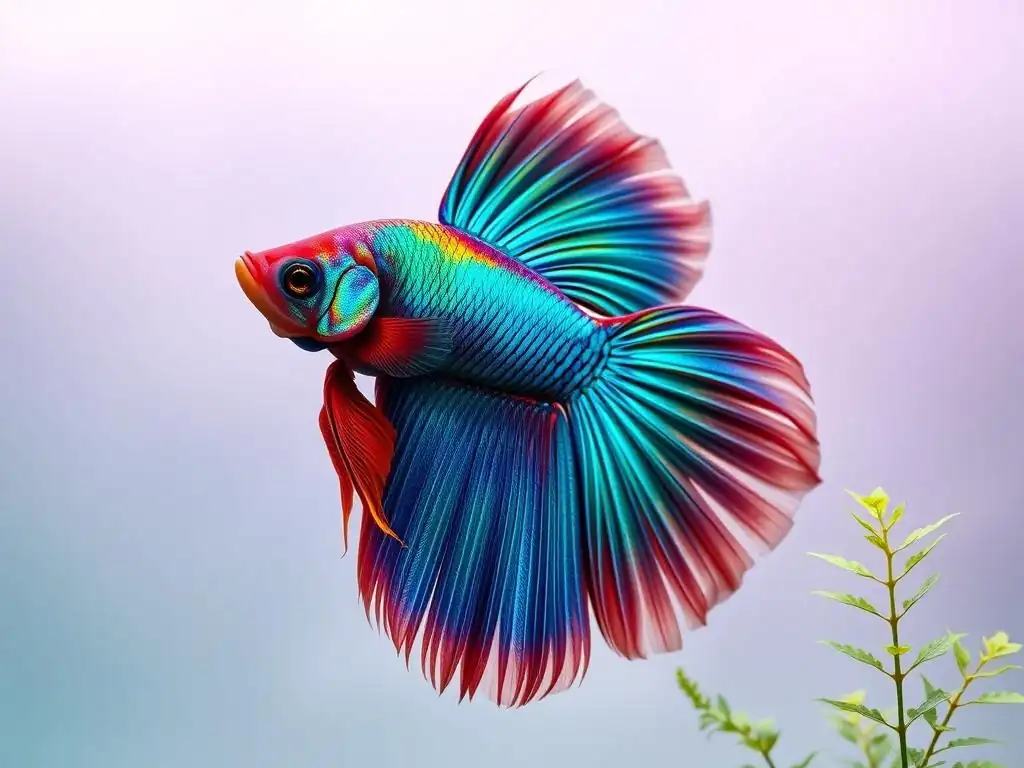
For Betta fish, the term "Betta-safe" is critical when choosing a filter. Their large, flowing fins are easily stressed or damaged by strong currents. Therefore, a filter designed for low flow, or one that can be easily baffled to reduce its output, is essential. For instance, a hang-on-back (HOB) filter with a flow rate exceeding 50-100 GPH (gallons per hour) might be too powerful for a 5-gallon tank, necessitating the addition of a pre-filter sponge or a DIY baffle to ensure a gentle, Betta-friendly current.
Types of Filters for Betta Tanks: Sponge Filters, Hang-on-Back Filters, and More
Sponge filters are highly recommended for Betta aquariums due to their exceptionally gentle flow, excellent mechanical and biological filtration capabilities, and affordability. Powered by a small air pump, they create fine bubbles that produce a soft current, ideal for a Betta's delicate fins. Their large porous surface area provides ample space for beneficial bacteria to colonize, making them a cornerstone of any effective Betta tank equipment checklist. A small sponge filter unit often costs less than $15.
Hang-on-back (HOB) filters can also be suitable if they offer adjustable flow rates or can be easily baffled. Many modern HOB filters come with flow control features, making them versatile for various tank sizes. Internal filters are compact and fit inside the tank but can sometimes generate strong currents; models with adjustable nozzles or very low GPH ratings are preferable. Canister filters are generally overkill and too powerful for typical Betta tank sizes (5-10 gallons), being more appropriate for larger setups (20 gallons and above).
Filter Maintenance for Betta Aquariums: Keeping Your Filter Running Smoothly
Regular filter maintenance is crucial for preventing clogs and ensuring optimal filtration efficiency. Biological filter media, such as ceramic rings or bio-balls, should only be rinsed gently in old tank water during a water change. This preserves the beneficial bacteria colonies that are essential for the nitrogen cycle, preventing a crash that could lead to dangerous ammonia spikes.
Mechanical media, like sponges or filter floss, can be rinsed more thoroughly or replaced when heavily soiled, typically every 2-4 weeks. Chemical media, such as activated carbon, should be replaced every 3-4 weeks as it loses effectiveness and can begin to leach absorbed toxins back into the water. Crucially, never replace all filter media at once, as this can severely disrupt the nitrogen cycle; instead, stagger replacements or only replace mechanical media regularly to maintain a stable environment for your Betta.
Betta Tank Heating: Maintaining Optimal Water Temperature
The Need for a Betta Fish Heater: Tropical Temperatures Are Essential
A heater is an indispensable piece of Betta tank equipment, as Betta fish are tropical creatures native to the warm climates of Southeast Asia. Their ideal water temperature range is consistently between 78-82°F (25.5-27.8°C). Maintaining this specific temperature is vital because temperatures below this range can suppress their immune system, making them highly susceptible to common aquarium diseases such as Ich (white spot disease), fin rot, and bacterial infections.
Even if your room temperature feels comfortable at, for example, 72°F, it is typically too cool for the long-term health and vitality of a Betta fish. Fluctuations in temperature are also highly stressful. A sudden drop from 79°F to 70°F can cause a Betta to become lethargic, lose its appetite, and develop clamped fins, indicating stress and discomfort. Stable, warm temperatures promote active swimming, vibrant coloration, and a robust metabolism, ensuring proper digestion and overall well-being.
Selecting the Right Wattage Heater for Your Betta Tank Size
Choosing the correct wattage heater is crucial for effectively maintaining the desired temperature in your Betta tank. A general rule of thumb is to use approximately 5 watts per gallon for tanks up to 10 gallons. Therefore, for a 5-gallon Betta tank, a 25-watt heater is typically sufficient to consistently maintain the ideal temperature range of 78-82°F. For a slightly larger 10-gallon tank, a 50-watt heater would be more appropriate.
It's also important to consider your room's ambient temperature. If your home consistently remains cooler (e.g., below 68°F), you might need a slightly higher wattage heater or one known for its heating efficiency to ensure the water reaches and stays at the optimal temperature. For instance, in a room consistently at 65°F, a 25-watt heater in a 5-gallon tank might only raise the temperature by 10-12°F, reaching 75-77°F, which is still slightly below the ideal range for a Betta. Always select a heater specifically designed for aquarium use and check user reviews for reliability.
Thermostat Control: Ensuring Consistent and Safe Water Temperatures
Heaters with built-in, adjustable thermostats are a critical component of any Betta tank equipment checklist. These heaters allow you to set a precise target temperature, such as 79°F, and they will automatically turn on and off to maintain that temperature, preventing dangerous fluctuations. This crucial feature prevents both underheating and overheating, the latter of which can be just as dangerous as too cold water, potentially "cooking" your Betta. Many modern aquarium heaters boast an accuracy of +/- 1°F.
Even with a thermostat-controlled heater, it is absolutely essential to use a separate, reliable aquarium thermometer to monitor the water temperature independently. Stick-on thermometers placed on the outside of the glass are often less accurate than submersible glass or digital thermometers. Regularly checking the water temperature ensures your heater is functioning correctly and provides peace of mind, allowing you to catch any heater malfunctions or temperature deviations before they become critical for your Betta's health.
Betta Tank Lighting: Enhancing Color and Supporting Plant Growth
LED Lighting for Betta Tanks: Energy Efficiency and Vibrant Colors
LED lighting is highly recommended as part of your Betta tank equipment checklist due to its numerous advantages. LEDs are incredibly energy-efficient, consuming significantly less power than traditional fluorescent bulbs, and boast an impressive lifespan, often lasting 50,000 hours or more. They produce very little heat, which is a crucial factor for maintaining stable water temperatures in smaller Betta tanks.
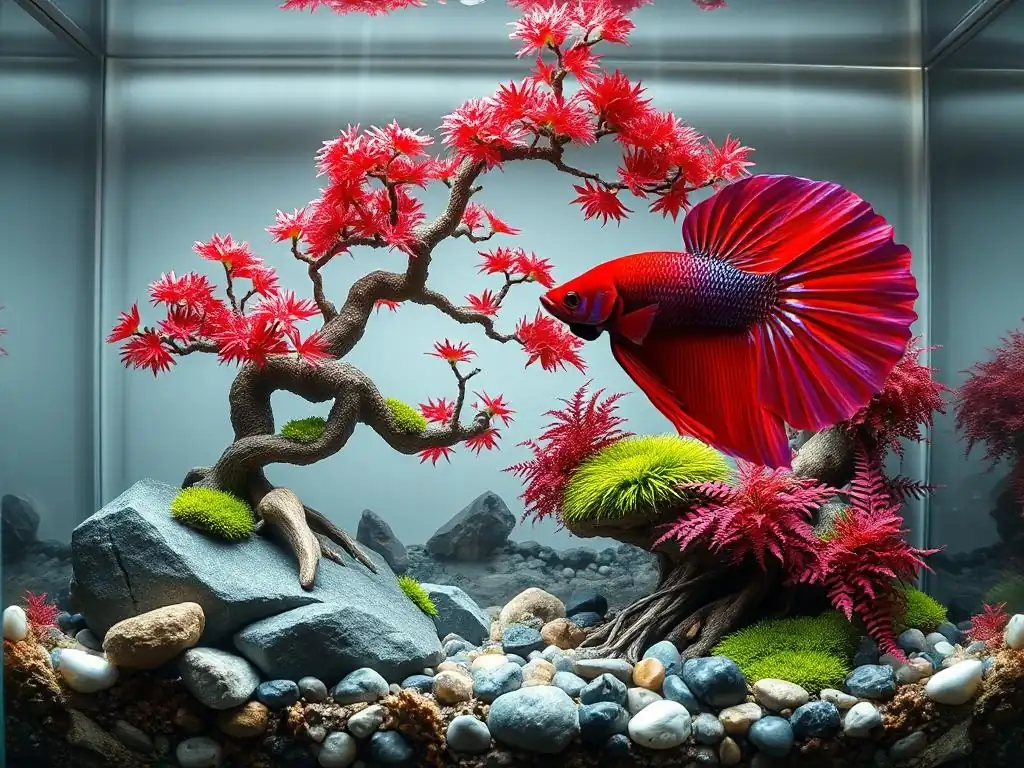
Beyond efficiency, LED lighting excels at enhancing your Betta's natural beauty. Many LED lights offer adjustable color spectrums, allowing you to select settings like "daylight" (around 6500K) for natural viewing or utilize specific red and blue LEDs that can dramatically make your Betta's vibrant colors pop. For example, a full-spectrum LED light can highlight the striking iridescence of a Koi Betta or the deep, rich reds of a Super Red Betta, making them appear far more stunning than under standard white lights.
Lighting Schedules for Betta Fish: Mimicking Natural Day/Night Cycles
Establishing and maintaining a consistent day/night cycle is vital for the well-being of Betta fish, as it is for most living creatures. An 8-10 hour lighting period per day is generally considered ideal for Betta tanks. Using a simple mechanical or digital timer, which can often be purchased for under $10, is highly effective for ensuring consistency and preventing issues associated with excessive or insufficient light exposure.
Inconsistent or prolonged lighting can have several negative impacts. Too much light, for instance, exceeding 12 hours daily, can stress your Betta and, more critically, lead to rampant algae growth, turning your tank green or coating decorations. Conversely, too little light can hinder the growth of live plants if you choose to include them. A consistent lighting schedule helps regulate your Betta's natural sleep patterns, reduces stress, and promotes overall health.
Light Intensity and Plant Growth: Finding the Right Balance
If you plan to incorporate live plants into your Betta tank, the light intensity and spectrum become even more critical considerations for your Betta tank equipment checklist. Low-light plants such as Java Fern, Anubias, and various mosses (e.g., Java Moss) thrive under the moderate LED lighting typically used for Betta tanks. These plants not only enhance the aesthetic appeal but also provide natural cover and contribute to improved water quality by absorbing nitrates.
However, it's important to avoid excessively high-intensity lighting. While beneficial for demanding plant species, very bright lights can be overwhelming and stressful for Bettas, who often prefer dimly lit areas and dense cover. High intensity can also exacerbate persistent algae issues. For a 5-gallon tank, a light output providing 10-20 PAR (Photosynthetically Active Radiation) at the substrate level is generally sufficient for low-light plants without creating an environment that is too bright for your Betta.
Substrate for Betta Tanks: Creating a Comfortable and Natural Environment
Choosing the Right Substrate: Gravel, Sand, or Bare Bottom?
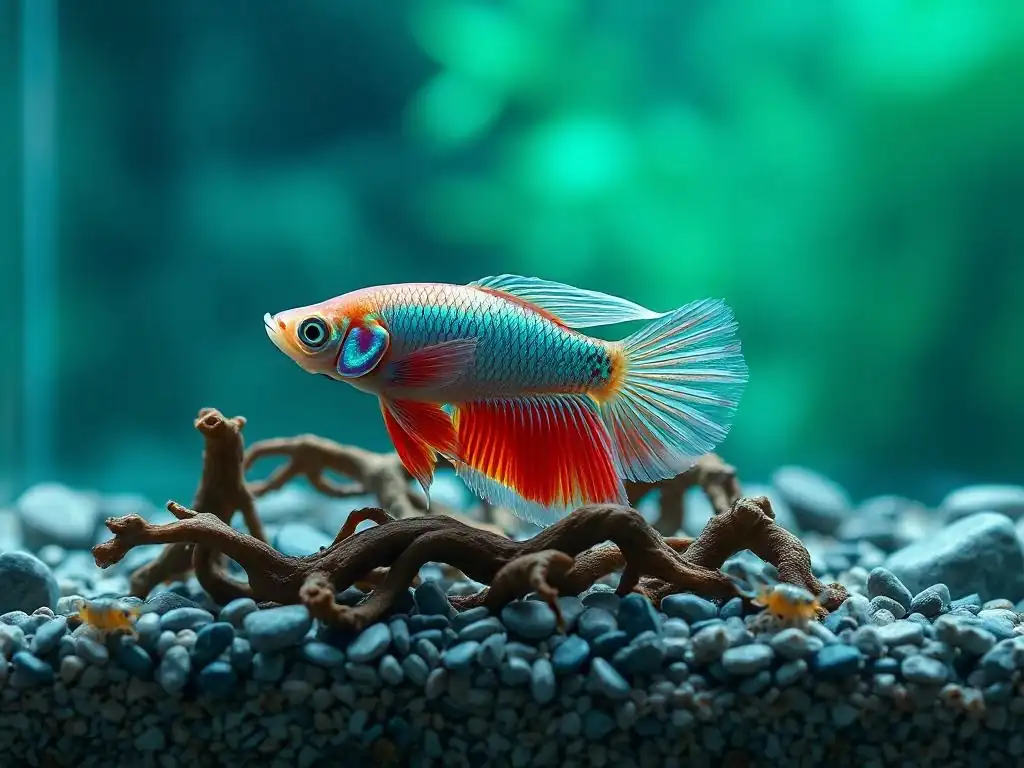
The choice of substrate significantly impacts the aesthetics and maintenance of your Betta tank. Fine-grained gravel, typically 2-3mm in size, is a popular and practical choice. It's relatively easy to clean with an aquarium vacuum and provides a good surface area for beneficial bacteria to colonize. It's important to avoid large, coarse gravel, which can trap uneaten food and waste, leading to anaerobic pockets and potential ammonia spikes.
Aquarium sand, such as pool filter sand or specialized aquarium sand, creates a very natural and aesthetically pleasing environment, and it is excellent for rooted plants. However, sand requires careful cleaning techniques to avoid disturbing the sand bed and releasing trapped detritus. Bare-bottom tanks, while lacking in aesthetic appeal and providing minimal surface for beneficial bacteria, are the easiest to clean as all waste is immediately visible and can be siphoned out directly. For example, a 5-gallon tank might need 5-10 pounds of fine gravel or 3-5 pounds of sand for a 1-2 inch deep layer.
Substrate and Water Chemistry: Considerations for Betta Health
When selecting substrate for your Betta tank, it's crucial to choose inert materials that will not significantly alter your water parameters. Most common aquarium gravels and sands are inert, meaning they won't affect the pH or hardness of your water. This is ideal for Betta fish, who thrive in stable, neutral to slightly acidic water conditions (pH 6.5-7.5). It is important to avoid substrates like crushed coral or aragonite, which are designed to buffer pH upwards and increase water hardness, as these are suitable for saltwater or African Cichlid tanks but are detrimental to Betta health.
If you plan on heavily planting your Betta tank, specialized planted tank substrates, such as Fluval Stratum or ADA Aquasoil, can be highly beneficial. These substrates are often nutrient-rich, providing essential elements for plant growth, and can also slightly buffer the pH downwards, which can be favorable for Bettas and many aquatic plants. However, these specialized substrates can be more expensive, with a small bag sufficient for a 5-gallon tank potentially costing $20-$30.
Cleaning Your Betta Tank Substrate: Removing Debris and Waste
Regular cleaning of your Betta tank substrate is essential for maintaining pristine water quality and overall Betta health. An aquarium vacuum, also known as a gravel cleaner, is a fundamental piece of Betta tank equipment for this task. During your weekly 25-30% partial water changes, gently siphon the substrate to remove accumulated uneaten food, fish waste, and decaying plant matter.
The technique for cleaning varies slightly depending on the substrate. For gravel, gently push the vacuum into the substrate to lift and remove trapped debris. For sand, hover the vacuum just above the sand bed to lift detritus without sucking up too much sand itself. Consistent and thorough cleaning prevents the formation of anaerobic zones—areas lacking oxygen—which can produce harmful gases like hydrogen sulfide, identifiable by a strong rotten egg smell, and are highly toxic to fish.
Betta Tank Decorations: Providing Shelter and Enrichment
Betta-Friendly Decorations: Avoiding Sharp Edges and Toxic Materials
When selecting decorations for your Betta tank, your fish's safety must be the top priority on your Betta tank equipment checklist. Betta fish possess delicate, flowing fins that can easily snag, tear, or be injured by sharp edges, rough surfaces, or abrasive materials. Always run your fingers over all surfaces of any potential decoration to ensure they are completely smooth. Additionally, avoid decorations that are painted with non-aquarium-safe paints or made from materials that could leach toxins into the water; always choose items specifically labeled as aquarium-safe.
Excellent examples of safe and appropriate Betta decorations include smooth plastic plants, soft silk plants, ceramic ornaments with rounded edges, and natural driftwood that has been properly prepared (boiled or soaked) to prevent leaching tannins excessively. For instance, a small piece of cholla wood or a smooth coconut hut can provide an ideal and safe hiding spot. Ensure that any holes or openings in decorations are large enough for your Betta to swim through comfortably without any risk of getting stuck.
Live Plants vs. Artificial Plants: Benefits for Betta Fish
Live plants offer a multitude of benefits for a Betta tank. They actively absorb nitrates, produce oxygen through photosynthesis, provide natural hiding spots and resting places, and significantly enhance the overall aesthetic appeal of the aquarium. Low-maintenance live plant options like Java Fern, Anubias nana, Marimo Moss Balls, and various floating plants (e.g., Dwarf Water Lettuce, Frogbit) are perfect for Betta tanks as they typically do not require intense lighting or CO2 supplementation. A single Anubias plant, for example, can cost around $5-$10 and provide lasting benefits.
If live plants are not feasible for your setup, high-quality silk artificial plants are an excellent alternative. They are soft and pliable, ensuring they will not cause any harm to your Betta's delicate fins. It is crucial to avoid rigid plastic plants, especially those with pointed or stiff leaves, as these are notorious for causing fin damage to Bettas. A set of high-quality silk plants designed for a 5-gallon tank might cost between $10-$20.
Creating a Betta-Safe and Stimulating Environment: Caves, Hiding Spots, and More
Bettas are naturally curious and intelligent fish, but they also require safe places to retreat and rest, which reduces stress and allows them to exhibit natural behaviors. Providing a variety of caves, tunnels, or dense plant cover is essential for their well-being. A small ceramic cave, a half-coconut shell, or a section of PVC pipe (aquarium-safe, of course) can serve as an ideal retreat for your Betta.
To further enrich your Betta's environment, incorporate various textures and shapes. Consider adding items like Indian Almond Leaves (Ketapang leaves), which slowly release beneficial tannins into the water, mimicking their natural environment. These tannins can also provide mild antibacterial and antifungal properties. One large leaf can typically last for several weeks before needing replacement. Ensure that any decorations do not overcrowd a 5-gallon tank, leaving ample open swimming space for your Betta.
Water Conditioner for Betta Tanks: Preparing Tap Water for Your Fish
The Importance of Water Conditioner: Removing Chlorine and Chloramine
A high-quality water conditioner is an absolute necessity on any Betta tank equipment checklist. Tap water, supplied by municipal sources, contains chlorine and/or chloramine, chemicals added to make the water safe for human consumption. However, these chemicals are highly toxic to fish, damaging their delicate gills, irritating their slime coat, and potentially leading to severe stress, illness, or even death. A good water conditioner instantly neutralizes these harmful compounds, making the water safe for your Betta.
Even small amounts of chlorine can cause significant stress to fish, impairing their ability to absorb oxygen and increasing their susceptibility to disease. Chloramine is even more problematic as it contains ammonia, which is released into the water when the chloramine bond is broken by the conditioner. Therefore, using a water conditioner is non-negotiable for any tap water added to the tank, whether for routine water changes or simply topping off evaporated water.
Choosing the Right Water Conditioner for Betta Fish
When selecting a water conditioner for your Betta fish, look for a product that explicitly states it removes both chlorine and chloramine. Many reputable brands also include ingredients that detoxify heavy metals, which can be present in tap water, and may contain compounds that promote a healthy slime coat. Popular and widely trusted brands like Seachem Prime or API Tap Water Conditioner are excellent choices known for their effectiveness and safety for sensitive fish like Bettas.
Some water conditioners incorporate ingredients such as aloe vera or other natural extracts designed to enhance the fish's natural slime coat. This can be particularly beneficial for Bettas, as a robust slime coat helps protect their delicate fins and skin, aiding in recovery from stress or minor injuries. A small bottle of concentrated water conditioner, sufficient for many water changes on a 5-gallon tank, typically costs between $5 and $15 and is a wise investment in your Betta's health.
Water Changes and Water Conditioner: A Regular Routine
The correct application of water conditioner is as important as its selection. Always add the appropriate amount of water conditioner to the new tap water before introducing it into your Betta tank during water changes. Carefully follow the dosage instructions provided on the product label; for example, a common dosage might be 1 milliliter per 10 gallons of water. For a 25-30% partial water change in a 5-gallon tank, you would dose for the volume of water being replaced, not the entire tank volume.
Regular partial water changes, typically 25-30% weekly for a 5-gallon tank, are a crucial aspect of maintaining optimal water quality and diluting accumulated nitrates. Each time you introduce fresh tap water, ensuring it is properly conditioned is a fundamental part of your Betta tank equipment checklist and maintenance routine. This consistent practice directly contributes to your Betta's long-term health, vitality, and overall longevity in a thriving aquarium environment.
Betta Tank Testing Kit: Monitoring Water Parameters for a Healthy Aquarium
Why Test Your Betta Tank Water? Understanding Ammonia, Nitrite, and Nitrate
Water testing is paramount for understanding and managing the nitrogen cycle, which is the biological engine fundamental to a healthy aquarium. Ammonia (NH3) is the highly toxic byproduct of fish waste and decaying organic matter. Beneficial bacteria in the filter and substrate convert ammonia into nitrite (NO2), which is also extremely toxic to fish. Finally, nitrite is converted into nitrate (NO3), which is less toxic but still harmful in high concentrations over time.
Regular water testing, ideally weekly or bi-weekly, allows you to detect invisible problems before they can harm your Betta. For instance, an unexpected ammonia spike can occur in a newly set up tank (new tank syndrome) or if the filter malfunctions. High nitrate levels signal the need for more frequent or larger water changes. For Betta fish, ammonia and nitrite should always be undetectable (0 ppm), and nitrates should ideally be kept below 20 ppm to ensure a safe and healthy environment.
Types of Aquarium Test Kits: Liquid Tests vs. Test Strips
When it comes to monitoring your Betta tank's water parameters, you generally have two main options for test kits. Liquid reagent test kits, such as the API Freshwater Master Test Kit, are highly recommended due to their superior accuracy and reliability. While they represent a larger upfront investment (typically $25-$40), they provide precise readings for crucial parameters like ammonia, nitrite, nitrate, and pH, and a single kit lasts for many tests. These kits involve adding drops of chemical reagents to water samples and comparing the resulting color changes to a chart.
Test strips, on the other hand, offer convenience and quick results, providing a general overview of several parameters simultaneously. However, they are often less accurate than liquid kits and have a shorter shelf life once opened, as exposure to air can degrade the reagents. While they can be useful for quick spot checks between more detailed liquid tests, they should not be relied upon as the sole method for critical parameter monitoring. For precise and reliable Betta tank equipment checklist readings, liquid kits are undeniably superior.
Maintaining Optimal Water Parameters: Ensuring Betta Fish Health and Longevity
For Betta fish, maintaining optimal water parameters is crucial for their health and longevity. The ideal ranges are: Ammonia: 0 ppm; Nitrite: 0 ppm; Nitrate: under 20 ppm (preferably below 10 ppm); pH: 6.5-7.5; and Water Temperature: 78-82°F. Deviations from these ideal ranges, even slight ones, can cause significant stress, weaken the Betta's immune system, lead to various diseases, and ultimately shorten their lifespan.
Your Betta tank equipment checklist should empower you to take appropriate action based on your test results. If ammonia or nitrite are detected, perform an immediate large partial water change (e.g., 50%) and investigate the underlying cause, such as overfeeding or a filter issue. Consistently high nitrate levels indicate that your regular water change schedule may need to be adjusted to be more frequent or involve larger volumes. Consistent monitoring and appropriate, timely action based on your findings are vital for ensuring a thriving and stable Betta aquarium.
Optional Betta Tank Equipment: Enhancing Your Aquarium Experience
Air Pump and Air Stone: Adding Oxygen and Circulation (Use with Caution)
An air pump connected to an air stone introduces a stream of fine bubbles into the aquarium water. This process increases surface agitation, which in turn promotes gas exchange, effectively raising the oxygen levels in the water. While Betta fish possess a labyrinth organ that allows them to breathe atmospheric air, supplemental aeration can be beneficial in certain situations, such as in heavily planted tanks at night (when plants consume oxygen) or if oxygen levels are naturally lower due to high water temperatures or a heavy organic load.
However, an air pump and air stone must be used with caution in a Betta tank. The bubbles and increased water circulation can create too much current, which can be highly stressful for a Betta due to their delicate, flowing fins. If you choose to use one, ensure the air stone produces very fine bubbles and that the air pump is set to a very low setting or has an adjustable valve to minimize any strong water movement. For most well-filtered Betta tanks, an air pump is not strictly necessary for the Betta's health.
Aquarium Vacuum: Efficiently Cleaning Your Substrate
An aquarium vacuum, often referred to as a gravel cleaner, is an indispensable tool for routine aquarium maintenance, even though it's technically optional after the core Betta tank equipment is acquired. This clever device allows you to efficiently siphon out fish waste, uneaten food, and other detritus that accumulates on and within the substrate while simultaneously performing a partial water change. This prevents the buildup of harmful organic matter that can degrade water quality and contribute to elevated nitrate levels.
Aquarium vacuums come in various sizes, from small hand-siphon models perfectly suited for 5-gallon Betta tanks to larger versions for bigger aquariums. For example, a mini gravel vacuum designed for small tanks can typically be purchased for around $10-$15. Regular use of an aquarium vacuum, ideally weekly during your water changes, significantly contributes to a cleaner, healthier, and more aesthetically pleasing Betta tank environment by removing unseen pollutants from the substrate.
Automatic Fish Feeder: Convenient Feeding Schedules
An automatic fish feeder provides a high degree of convenience, particularly for aquarists with busy schedules or those who travel frequently. This device dispenses a pre-set amount of food at programmed intervals, ensuring your Betta receives regular and consistent meals even when you are not physically present. This can be particularly useful for maintaining a consistent feeding routine, which is beneficial for your Betta's health.
While incredibly convenient, automatic feeders require careful calibration to prevent overfeeding, which is a common cause of poor water quality and can quickly lead to ammonia spikes in a small Betta tank. Ensure the feeder dispenses only the appropriate, small amount of Betta pellets or flakes for a single feeding. Choose a model that is moisture-resistant to prevent food from clumping, which is especially important for small, delicate Betta food. Some models can hold enough food for several days to weeks, offering peace of mind during short trips.
Frequently Asked Questions
How big of a tank do I really need for a Betta fish?
While smaller containers are sometimes marketed, a minimum of 5 gallons is crucial for a Betta's health and well-being. This provides enough space for swimming and maintaining stable water parameters. Larger tanks are always better!
What's the most important piece of equipment on the Betta tank equipment checklist?
Arguably, the most important is a reliable filter. This keeps the water clean by removing waste and establishing a healthy biological balance for your Betta.
Do I really need a heater for my Betta tank?
Yes, absolutely! Bettas are tropical fish and require a stable water temperature, typically between 78-82°F. A reliable aquarium heater is essential for maintaining this optimal temperature range.
What kind of substrate should I use in my Betta tank?
Smooth gravel or sand are excellent choices. Avoid anything with sharp edges that could damage your Betta's delicate fins. Choose a substrate that's easy to clean and won't drastically alter water parameters.
Besides equipment, what else is essential for a healthy Betta tank?
Regular water changes are paramount! Performing partial water changes (25-50%) weekly helps remove accumulated nitrates and maintain water quality and a healthy environment for your Betta.
Final Reflection: Cultivating Thriving Aquatic Worlds
The journey of setting up a Betta tank, as we've explored, is more than just assembling equipment; it's about creating a thriving ecosystem for a captivating creature. Today, as more people seek mindful hobbies and connections with nature, the demand for responsible Betta keeping is growing, highlighting the importance of understanding and implementing a comprehensive Betta tank equipment checklist.
This endeavor extends beyond mere pet ownership; it's about fostering a deep appreciation for aquatic life and the delicate balance of nature. My own experience with Betta keeping has taught me the profound responsibility that comes with caring for another living being, and the joy of witnessing their vibrant personality flourish in a well-maintained environment. The greatness of a nation and its moral progress can be judged by the way its animals are treated.
- Mahatma Gandhi. This quote resonates deeply, reminding us that our compassion extends to all creatures, big and small, and that responsible pet ownership is a reflection of our own humanity.
Now, armed with this Betta tank equipment checklist, I encourage you to reflect on the commitment you're making. Consider how you can not only provide for the physical needs of your Betta, but also enrich their lives through thoughtful aquascaping and attentive care. Let's strive to be more than just owners; let's be stewards of these beautiful creatures, creating aquatic worlds where they can truly thrive.
Dive Deeper Into Betta Bliss!
Thank you for exploring the essentials for creating a thriving betta tank. We hope this article has empowered you with the knowledge to provide a happy and healthy home for your finned friend. Now, let's turn that knowledge into action!
Here are a few ways to continue your betta journey:
- Start building your dream tank today! Research specific equipment brands and retailers to find the perfect fit for your betta's needs and your aesthetic preferences.
- Share your newfound knowledge with fellow betta enthusiasts! Spread the word about creating healthy betta environments on social media or in aquarium forums.
- Explore less conventional tank mates for bettas! Research invertebrates or specific fish breeds suitable to live alongside bettas, creating a diverse and fascinating underwater ecosystem.
What's the first piece of equipment you're most excited to add to your betta's tank, and why?