
Observing Your New Angelfish: Early Signs of Coral Nipping to Watch For

Welcome to Aquarium Mastery!
Curious about keeping those beautiful Angelfish in your reef tank? Wondering if they'll play nicely with your coral? Discover the early signs of Angelfish coral nipping you need to watch out for. We'll help you keep a close eye on your new finned friend and ensure a harmonious reef environment. Read on to learn how to spot those subtle behaviors and protect your precious corals!
- Introduction: Welcoming Your Angelfish and Protecting Your Reef
- Early Angelfish Coral Nipping Symptoms: A Detailed Guide
- Differentiating Angelfish Nipping from Other Coral Issues
- Preventing Angelfish Coral Nipping: Proactive Strategies
- Managing and Correcting Angelfish Coral Nipping Behavior
- Long-Term Strategies for a Healthy Reef with Angelfish
- Conclusion: Responsible Angelfish Keeping in Reef Aquariums
-
Frequently Asked Questions
- What are the first signs of angelfish coral nipping that I should watch for in my new aquarium?
- Why is it important to identify angelfish coral nipping early?
- Which types of corals are most susceptible to angelfish coral nipping?
- What factors might contribute to an angelfish starting to nip at corals?
- What steps can I take if I observe my angelfish exhibiting coral nipping symptoms?
- Final Reflection: Protecting the Reef, One Angelfish at a Time
- Safeguard Your Reef: Spot Coral Nipping Now!
Introduction: Welcoming Your Angelfish and Protecting Your Reef
The Appeal and Risk of Keeping Angelfish in Reef Tanks
Angelfish, with their vibrant colors, graceful swimming, and distinctive shapes, are undeniably one of the most captivating additions to a marine aquarium. Species like the majestic Emperor Angelfish ( Pomacanthus imperator) or the smaller, charismatic Flame Angelfish ( Centropyge loriculus) can become the undisputed focal point of a display tank, drawing admiration from all who behold them. Their intricate patterns and often curious personalities make them highly sought after by aquarists looking to add a touch of grandeur and activity to their aquatic world.
However, the allure of angelfish in a reef environment comes with a significant caveat: their natural feeding habits. Many angelfish species, particularly the larger ones, have diets that include sponges, tunicates, and even coral polyps in their natural habitats. This inherent behavior can translate into Angelfish coral nipping symptoms in a captive reef tank, posing a substantial risk to valuable and delicate coral colonies. Understanding this potential conflict is the first step toward responsible angelfish keeping.
Why Angelfish Nip at Coral: Understanding the Instinct
The primary reason angelfish nip at coral stems from their opportunistic omnivorous or herbivorous diets in the wild. In their natural reef environments, angelfish spend much of their day grazing on a variety of benthic organisms, including sponges, algae, and small invertebrates that live on or within coral structures. This constant foraging behavior is deeply ingrained, and when introduced to an aquarium, they may perceive corals as a potential food source or an area to graze for microfauna.
Beyond their natural dietary instincts, several factors can exacerbate Angelfish coral nipping. Stress, often induced by improper acclimation, poor water quality, or inadequate tank size, can lead to erratic or destructive behaviors. Boredom, resulting from a lack of environmental enrichment or insufficient feeding, might also cause an angelfish to turn its attention to corals simply to pass the time. Furthermore, a diet deficient in specific nutrients, such as sponge matter or ample plant material, can compel the fish to seek these missing elements from the corals themselves.
Early Angelfish Coral Nipping Symptoms: A Detailed Guide
Identifying Initial Signs of Angelfish Nipping
Examining Coral Tissue for Subtle Damage: Tissue Recession, Polyp Retraction, Color Loss
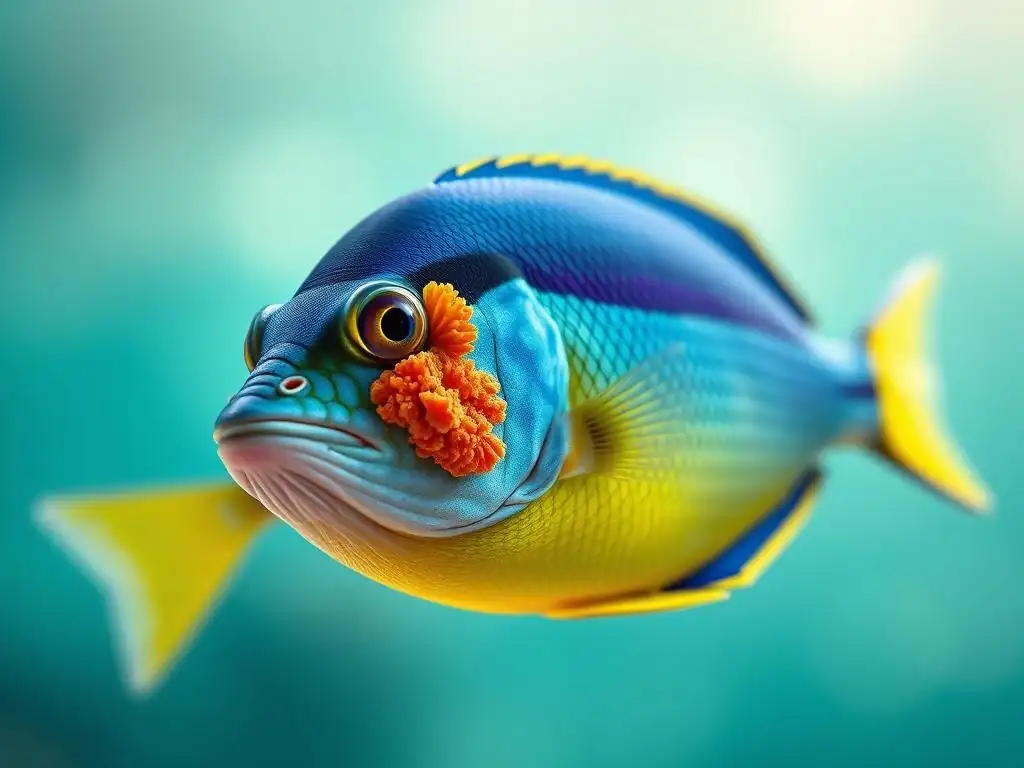
The earliest Angelfish coral nipping symptoms often manifest as subtle, localized damage to coral tissue. On stony corals, such as Acropora, Montipora, or Stylophora, look for small, irregular patches where the tissue appears to have receded, exposing the white skeleton underneath. These spots are typically not symmetrical or spread uniformly like disease. For soft corals like Zoanthids, Palythoa, or Ricordea, the initial sign might be persistent polyp retraction in specific areas, even when other parts of the colony are fully extended and healthy.
Consistent nipping over time can lead to more noticeable Angelfish coral nipping symptoms, including a general loss of color in the affected region, indicating stress and tissue damage. Fresh nips might appear as small, clean-cut marks or slight abrasions on the coral's surface where tissue has been removed. For instance, a healthy Euphyllia (e.g., Hammer or Frogspawn coral) might suddenly show one or two polyps that remain retracted for days, or exhibit bleached tips where an angelfish has been repeatedly picking.
Observing Angelfish Feeding Habits: Repeatedly Picking at Specific Corals
Direct observation of your angelfish's behavior is paramount in identifying Angelfish coral nipping symptoms. Spend dedicated time watching the fish, particularly during feeding times or when it's exploring the tank. Pay close attention if the angelfish repeatedly approaches and "pecks" at the same coral species or even a specific individual coral colony. This focused, repetitive interaction, where the fish makes distinct mouth movements against the coral tissue, is a strong indicator of nipping.
It is important to differentiate between a casual brush or a quick pass and deliberate, sustained nipping. An angelfish might occasionally swim close to a coral, but if it pauses, lowers its head, and makes multiple pecking motions, it is actively attempting to feed on or clean the coral. For example, a dwarf angelfish might spend 30-60 seconds methodically picking at the base of a Goniopora coral, or a larger angelfish might make several quick, sharp nips at the polyps of a Duncanopsammia colony before swimming away, only to return minutes later.
Recognizing Angelfish Species Prone to Coral Nipping
Dwarf Angelfish Coral Nipping Tendencies: Coral Beauty ( Centropyge bispinosa), Flame Angelfish ( Centropyge loriculus)
Dwarf angelfish, belonging to the genus Centropyge, are often considered "more reef-safe" than their larger counterparts due to their smaller size and generally less aggressive feeding habits. However, it is crucial to understand that "reef-safe" is never a guarantee. Species such as the popular Coral Beauty ( Centropyge bispinosa), Flame Angelfish ( Centropyge loriculus), and Lemonpeel Angelfish ( Centropyge flavissima) are known to occasionally nip at corals. Approximately 10-20% of individuals from these species might develop nipping habits, particularly targeting soft corals like Xenia or Zoanthids, and occasionally large polyp stony (LPS) corals like Fimbriated Brain Coral ( Lobophyllia hemprichii).
The behavior of dwarf angelfish can be unpredictable; one individual might be perfectly reef-safe for years, while another from the same species might suddenly begin exhibiting Angelfish coral nipping symptoms without warning, especially if stressed, underfed, or newly introduced to the tank. They typically pick at polyps rather than consuming large chunks of tissue, but consistent nipping can still lead to coral stress, recession, and ultimately, death. This unpredictability necessitates careful observation and readiness to intervene.
Large Angelfish Coral Nipping: Emperor Angelfish ( Pomacanthus imperator), Queen Angelfish ( Holacanthus ciliaris)
Large angelfish, from genera such as Pomacanthus, Holacanthus, and Pterapogon, are generally considered not reef-safe due to their strong propensity to consume corals, sponges, and other sessile invertebrates. Iconic species like the Emperor Angelfish ( Pomacanthus imperator), Queen Angelfish ( Holacanthus ciliaris), and Blueface Angelfish ( Pomacanthus xanthometopon) have diets in the wild that heavily include these items, and this behavior translates directly to the aquarium environment. Their larger size and more powerful jaws enable them to inflict significant damage quickly.
The risk with large angelfish is significantly higher, often approaching an 80-90% certainty that they will damage or consume corals over time. They are particularly fond of large polyp stony (LPS) corals like Euphyllia species (e.g., Hammer or Frogspawn corals), Favia, and Goniopora, as well as a wide range of soft corals such as Sarcophyton (Leather corals), Capnella (Kenya Tree corals), and Xenia. Due to their high likelihood of causing severe Angelfish coral nipping symptoms and irreparable damage, these species are generally unsuitable for mixed reef aquariums and are best housed in FOWLR (Fish Only With Live Rock) tanks.
Differentiating Angelfish Nipping from Other Coral Issues
Identifying Coral Diseases vs. Angelfish Damage
Differentiating Angelfish coral nipping symptoms from coral diseases is crucial for effective intervention. Coral diseases often present with specific, identifiable patterns of tissue loss or degradation. For example, Brown Jelly Disease (BJD) typically appears as a rapidly spreading, slimy, brown mass that consumes coral tissue, often affecting LPS corals like Euphyllia or Favia. White Band Disease (WBD) or White Plague (WP) in SPS corals manifests as a distinct band of exposed white skeleton spreading from the base upwards, often at a rapid rate of several millimeters per day.
In contrast, Angelfish coral nipping symptoms usually appear as irregular, localized patches of missing tissue or retracted polyps. The damage is often confined to areas the fish can easily access and repeatedly pick at, rather than following a systemic, spreading pattern. Disease progression is typically rapid and can affect the entire colony or spread to nearby corals, whereas nipping damage tends to be more confined and might even show signs of attempted healing in between nipping episodes. Observing the angelfish in the act is the most definitive way to confirm nipping versus disease.
Recognizing Invertebrate Grazing vs. Angelfish Nipping
Beyond diseases, other reef inhabitants can also cause damage that might be mistaken for Angelfish coral nipping symptoms. Certain snails, like predatory nudibranchs (e.g., Montipora eating nudibranchs or Zoanthid eating nudibranchs), will leave specific grazing marks or consume particular types of coral polyps, often matching their own coloration, making them difficult to spot. Various crabs, including undesirable hitchhikers like Gorilla Crabs or certain Mithrax crabs, might snip off coral polyps or damage tissue, though this is usually a more aggressive, less frequent act than continuous angelfish picking.
The key difference lies in the perpetrator's identity and method of damage. Angelfish use their small, pointed mouths to pick at coral tissue, often leaving clean, small areas of exposed skeleton or retracted polyps. Invertebrate grazing marks might be more diffuse, leave specific trails, or involve the complete disappearance of individual polyps without skeletal exposure. Furthermore, observing the specific invertebrate in question during the act, or identifying their characteristic waste products or egg masses, can help distinguish their activity from Angelfish coral nipping.
Preventing Angelfish Coral Nipping: Proactive Strategies
Choosing Reef-Safe Angelfish Species: Swallowtail Angelfish ( Genicanthus melanospilos), Lamarck's Angelfish ( Genicanthus lamarck)
The most effective proactive strategy to prevent Angelfish coral nipping symptoms is to select species known for their reef-safe nature. Angelfish from the Genicanthus genus, often referred to as Swallowtail Angelfish, are primarily planktivores, meaning they feed on zooplankton in the water column rather than grazing on benthic invertebrates or corals. Species such as the Blackspot Angelfish ( Genicanthus melanospilos), Lamarck's Angelfish ( Genicanthus lamarck), and Watanabe's Angelfish ( Genicanthus watanabei) are excellent choices for a vibrant reef tank.
These Genicanthus species very rarely, if ever, bother corals, making them one of the safest angelfish options for a mixed reef environment. Their diet and feeding behavior significantly reduce the risk of Angelfish coral nipping, often to less than a 1% chance. They are graceful swimmers, add beauty and activity to the aquarium, and allow aquarists to enjoy the elegance of angelfish without the constant worry of coral damage.
Providing a Varied and Nutritious Diet for Angelfish
Angelfish Diet and Coral Nipping: How Nutrition Plays a Role
A well-fed angelfish is significantly less likely to seek supplementary nutrition from your corals. If an angelfish's diet is lacking in essential nutrients, particularly the sponge matter or ample algal content that many species consume in the wild, it can become nutritionally deficient. This deficiency often compels the fish to sample corals in search of missing components, leading directly to Angelfish coral nipping symptoms. Hunger or a monotonous diet can also simply lead to boredom, prompting the angelfish to graze on corals out of curiosity or habit.
Ensuring a consistent feeding schedule, typically 2-3 times per day, and providing a diverse and balanced diet can significantly reduce the likelihood of this undesirable behavior. A properly nourished angelfish will be less inclined to view your prized coral colonies as a potential food source, thereby minimizing the risk of Angelfish coral nipping. This proactive approach addresses one of the fundamental drivers of the behavior.
Supplementing Angelfish Diet with Mysis Shrimp, Spirulina Flakes, Algae Sheets
To provide a comprehensive and appealing diet that deters Angelfish coral nipping, incorporate a variety of high-quality foods. Offer nutrient-rich frozen foods such as Mysis shrimp, enriched brine shrimp, and various marine preparations specifically formulated for angelfish, which often contain sponge material or spirulina. These provide crucial proteins, lipids, and essential vitamins.
Crucially, incorporate ample plant-based foods into their diet. Regularly offer high-quality spirulina flakes, marine algae sheets (nori) clipped to the side of the tank, and angelfish pellets that contain a significant proportion of vegetable matter. For instance, a 2-inch square of nori offered daily can satisfy their natural grazing instincts and significantly reduce their desire to pick at corals. Varying the food types and presentation methods keeps the fish engaged and nutritionally satisfied.
Acclimation Techniques to Minimize Angelfish Stress and Nipping
Proper acclimation is a critical, yet often overlooked, step in preventing Angelfish coral nipping symptoms and ensuring the long-term health of your new angelfish. A stressed fish is far more likely to exhibit undesirable behaviors, including nipping at corals, as a coping mechanism or out of curiosity in an unfamiliar and potentially threatening environment. Using a drip acclimation method, where tank water is slowly dripped into the transport bag over at least 30-60 minutes, is highly recommended. This gradual process slowly equalizes water parameters such as temperature, salinity, and pH, minimizing osmotic shock.
Beyond water parameters, a calm and quiet introduction to the display tank is vital. Dimming or turning off the tank lights for a few hours after the angelfish is introduced can reduce visual stress and allow the fish to explore its new surroundings without feeling exposed. Providing plenty of hiding spots within the rockwork offers a sense of security. A well-acclimated, less-stressed angelfish is more likely to settle in peacefully and less prone to developing Angelfish coral nipping habits.
Managing and Correcting Angelfish Coral Nipping Behavior
Repositioning Corals to Deter Angelfish
If you observe Angelfish coral nipping symptoms on a specific coral, a practical first step is to try repositioning the affected coral within the aquarium. Angelfish often target corals that are easily accessible or those located in their preferred swimming paths. Moving the targeted coral to an area with higher water flow, less direct access for the angelfish, or nestled more securely between other less appealing corals can make it less convenient for the fish to continuously nip.
For instance, if a prized Acropora colony is being picked, try placing it higher up on the rockwork or in a crevice that the angelfish finds difficult to navigate. Similarly, a soft coral like a Ricordea mushroom that is being bothered could be moved to a lower, more shaded area or behind a larger rock. This strategy is most effective for isolated incidents of Angelfish coral nipping and when only a few corals are being targeted, as it physically discourages the behavior without removing the fish.
Introducing New Food Sources to Redirect Angelfish Attention
When Angelfish coral nipping symptoms appear, it often indicates either a nutritional deficiency, boredom, or simple hunger. One effective management strategy is to increase feeding frequency or introduce novel food sources to redirect the angelfish's attention away from your corals. Instead of two large feedings per day, try offering smaller amounts of food 4-5 times daily. This keeps the fish feeling satiated and reduces the motivation to graze on corals.
Furthermore, provide varied textures and enrichment in their diet. For example, attaching a fresh piece of marine algae (nori) to an algae clip in a different part of the tank can provide a sustained grazing opportunity that mimics their natural feeding behavior. Some aquarists have found success with specialized "angelfish formula" frozen foods designed to mimic their natural sponge-rich diet, which can satisfy their specific dietary needs and reduce Angelfish coral nipping.
Using Coral Guards or Barriers for Protection
For small, highly prized, or recovering coral frags, using physical barriers can be a temporary but effective measure against Angelfish coral nipping. Clear acrylic frag domes or small, fine-mesh enclosures can be placed directly over the affected coral. These allow light and water flow to reach the coral while physically preventing the angelfish from accessing the tissue. This method is particularly useful for protecting newly introduced or stressed corals that are more vulnerable to damage.
While not a long-term solution for large, established coral colonies, these barriers can provide crucial protection during a critical period, such as when a coral is healing from previous damage or acclimating to the tank. For example, a small, recovering Acropora frag could be protected by a clear dome for several weeks until it shows signs of tissue regeneration and resilience, allowing it to withstand potential Angelfish coral nipping attempts better in the future.
Long-Term Strategies for a Healthy Reef with Angelfish
Maintaining Optimal Water Quality for Coral Health
The foundation of a healthy and resilient reef aquarium, particularly one housing angelfish, lies in maintaining optimal water quality. Consistent and stable water parameters are crucial for coral health, enabling them to resist stress and recover faster from any minor damage, including potential Angelfish coral nipping. Key parameters to monitor rigorously include salinity (1.025-1.026), alkalinity (8-10 dKH), calcium (400-450 ppm), and magnesium (1300-1400 ppm).
Regular water changes, typically 10-20% bi-weekly, are essential for replenishing trace elements and exporting accumulated nitrates and phosphates. Maintaining low nutrient levels (nitrate below 10 ppm, phosphate below 0.03 ppm) further reduces overall coral stress. A robust filtration system, including efficient protein skimming, adequate water flow, and appropriate media, contributes significantly to a thriving environment where corals can better withstand occasional Angelfish coral nipping symptoms and flourish alongside their fish inhabitants.
Carefully Monitoring Angelfish Behavior and Coral Response
Long-term success in keeping angelfish in a reef aquarium hinges on continuous, diligent observation of both your angelfish's behavior and your corals' response. Regularly inspect all your coral colonies for any new Angelfish coral nipping symptoms, such as new patches of tissue recession, persistent polyp retraction, or localized bleaching. Simultaneously, observe your angelfish for any changes in its demeanor, such as increased curiosity towards corals, persistent targeting of specific species, or any signs of stress.
Keeping a simple log, noting which corals are affected and when, can help identify patterns and determine the severity of the nipping. Early detection allows for prompt intervention, whether it involves adjusting the angelfish's diet, repositioning corals, or, in rare and severe cases, considering rehoming the angelfish if the nipping becomes chronic and leads to irreparable damage to your reef. Vigilance is key to maintaining a harmonious and healthy reef environment for all its inhabitants.
Conclusion: Responsible Angelfish Keeping in Reef Aquariums
Frequently Asked Questions
What are the first signs of angelfish coral nipping that I should watch for in my new aquarium?
Early signs include the angelfish spending excessive time near corals, particularly LPS (Large Polyp Stony) and soft corals. You might also observe the angelfish pecking at the coral tissue.
Why is it important to identify angelfish coral nipping early?
Early identification is crucial because prompt action can prevent significant damage to your corals. Untreated nipping can lead to coral stress, bleaching, and eventual death.
Which types of corals are most susceptible to angelfish coral nipping?
Generally, LPS corals like Acans, Euphyllia (Torch, Hammer), and Trachyphyllia are particularly vulnerable. Also, soft corals with fleshy polyps are often targeted by nippy angelfish.
What factors might contribute to an angelfish starting to nip at corals?
Several factors can contribute, including stress from a new environment, insufficient food, or a lack of suitable grazing opportunities. Tank size and compatibility with other inhabitants can also play a role.
What steps can I take if I observe my angelfish exhibiting coral nipping symptoms?
Consider increasing the frequency of feedings with algae-based foods. You might also try introducing more live rock for natural grazing or, as a last resort, rehoming the angelfish.
Final Reflection: Protecting the Reef, One Angelfish at a Time
The information presented throughout this article underscores the crucial connection between responsible angelfish ownership and the health of our delicate coral reefs. Understanding and recognizing early signs of coral nipping is not merely about maintaining a beautiful aquarium; it's about actively participating in the preservation of a vital ecosystem. Ignoring these symptoms can have devastating consequences, not only for the corals within your tank but also, indirectly, for the reefs that support a vast array of marine life.
This journey into the world of angelfish and their potential impact on corals has highlighted the responsibility we bear as aquarists. It's a responsibility that extends beyond the confines of our tanks and resonates with a broader commitment to environmental stewardship. We are tied to the ocean. And when we go back to the sea, whether it is to sail or to watch - we are going back from whence we came.
- John F. Kennedy. This quote reminds us that our actions, even within the seemingly isolated world of aquarium keeping, have far-reaching implications for the ocean we all share.
Now, as you observe your angelfish, remember that your attentiveness can make a real difference. Let this knowledge empower you to be a vigilant guardian of your reef, recognizing and addressing any signs of coral nipping with informed action. By doing so, you contribute to a future where both angelfish and corals can thrive, creating a harmonious balance within our aquariums and beyond.
Safeguard Your Reef: Spot Coral Nipping Now!
Thanks for diving into the world of angelfish and coral compatibility. We hope you found the insights valuable in ensuring a thriving reef environment. Now, let's put that knowledge into action!
Here are a few steps you can take to ensure harmony in your aquarium:
- Prioritize observation: Dedicate at least 15 minutes each day to closely watch your angelfish interact with your corals. Note any instances of prolonged attention or physical contact.
- Share your experiences: Join the Aquarium Mastery community forum and share photos and videos of your angelfish's behavior. Help others learn from your observations!
- Think outside the flake: Consider offering your angelfish alternative grazing options, such as nori or algae wafers, to see if their interest in corals diminishes.
What's the most surprising behavior you've witnessed from your angelfish so far, and how did it affect your reef?