
Creating an AnthiasDominant Reef: Design Principles and Stocking Strategies

Welcome to Aquarium Mastery!
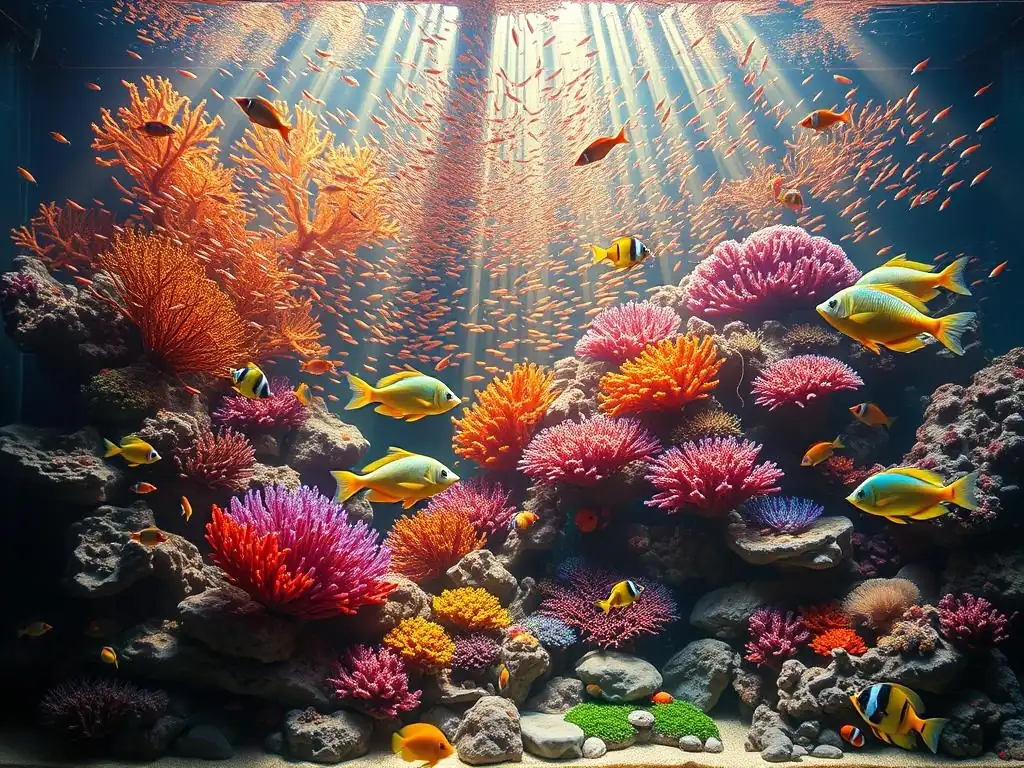
Ever dreamt of a vibrant reef teeming with the dazzling colors of Anthias? Dive into our comprehensive guide to Anthias reef tank design and unlock the secrets to creating a thriving, Anthias-dominant ecosystem. Curious about the perfect flow, lighting, and stocking strategies? Let's explore the art of crafting an underwater paradise your Anthias (and you!) will adore. Read on to discover how!
- Understanding Anthias for Reef Aquariums
-
Anthias Reef Tank Design: Key Principles
- Replicating the Natural Anthias Habitat: Rockwork and Flow
- Optimizing Water Parameters for Anthias Health and Color
- Lighting Considerations for Anthias Reefs: Spectrum and Intensity
- Substrate Selection for Anthias Reef Tanks: Bare Bottom vs. Sand Bed
- Equipment Needs for a Thriving Anthias Reef: Skimmers, Reactors, and More
- Planning Your Anthias Reef Stocking Strategy
- Feeding Anthias in a Reef Environment
- Maintaining a Healthy Anthias Reef
- Troubleshooting Common Anthias Reef Problems
- Advanced Anthias Reef Keeping Techniques
- The Future of Anthias Reef Keeping: Trends and Innovations
-
Frequently Asked Questions
- What are the key considerations when planning an Anthias-dominant reef tank design?
- What specific water parameters are crucial for keeping Anthias healthy in a reef tank?
- How much flow is typically recommended for an Anthias reef tank setup?
- What type of lighting is best suited for an Anthias-dominant reef tank, considering both the Anthias themselves and the potential for coral growth?
- What are some compatible tank mates to consider when stocking an Anthias reef tank, and what species should be avoided?
- Final Reflection: Embracing the Anthias Symphony
- Ignite Your Anthias Reef Dream!
Understanding Anthias for Reef Aquariums
The Appeal of Anthias in Reef Tanks
Anthias are renowned for their captivating beauty and dynamic schooling behaviors, making them a highly sought-after addition to many reef aquariums. Their vibrant array of colors, from fiery oranges and reds to brilliant yellows and purples, instantly transforms a static reef into a living, breathing underwater spectacle.
Unlike many solitary reef inhabitants, Anthias actively swim in the water column, creating a mesmerizing ballet of motion that draws the eye and adds a profound sense of natural vitality to the display. This constant activity, combined with their striking coloration, makes them central to the aesthetic appeal of an Anthias-dominant reef tank design.
Beyond their visual allure, Anthias contribute significantly to the ecological feel of a reef system, mirroring the bustling activity found on natural coral reefs. A well-designed Anthias reef tank provides a snapshot of a thriving marine ecosystem, where these active planktivores dart and weave among corals and rockwork. Their presence often encourages other reef inhabitants to be more active, fostering a lively and engaging environment. Enthusiasts aiming for an "Anthias reef tank design" often prioritize these schooling behaviors and vibrant displays, understanding that a healthy group of Anthias is a hallmark of a successful and visually stunning marine aquarium.
Anthias Species Profiles for Reef Aquariums: Size, Temperament, and Coloration
When considering an Anthias-dominant reef, selecting the right species is paramount, as their size, temperament, and coloration vary significantly. The Lyretail Anthias (Pseudanthias squamipinnis) is one of the most popular choices, known for its striking orange to fuchsia coloration, particularly in males with their elongated caudal fin lobes.
They typically reach 5-6 inches in length and are generally peaceful in groups, though males can be territorial with each other in smaller tanks. Another excellent option is the Dispar Anthias (Pseudanthias dispar), smaller at 3-4 inches, displaying a beautiful orange body with a distinctive red or purple stripe along its dorsal fin, known for its active schooling behavior.
For those with larger systems, the Squareback Anthias (Pseudanthias pleurotaenia) offers a robust presence, growing up to 7 inches, with males exhibiting a prominent square-shaped dorsal fin and a unique blend of orange, pink, and yellow hues. While generally peaceful, larger species may exert more dominance in mixed groups, especially during feeding. It is crucial to research specific species requirements, as some, like the more delicate Sunburst Anthias (Serranocirrhitus latus), have specialized feeding needs and are less tolerant of aggression. Understanding these profiles is a foundational step in any effective Anthias reef tank design, ensuring compatibility and long-term success.
Anthias Care Requirements: Essential Considerations
Anthias are microplanktivores by nature, meaning their primary diet in the wild consists of zooplankton. This dietary requirement translates directly into one of their most critical care needs in a home aquarium: frequent, small feedings. Unlike many fish that can thrive on one or two daily meals, Anthias benefit significantly from 3-5 small feedings throughout the day to support their high metabolism and constant activity.
Neglecting this can lead to rapid weight loss, fading coloration, and increased susceptibility to disease. Foods should be varied, including enriched frozen mysis shrimp, cyclop-eeze, copepods, and high-quality pellet or flake foods designed for marine planktivores.
Beyond diet, maintaining pristine and stable water quality is non-negotiable for Anthias. They are sensitive to fluctuations in water parameters and elevated nitrates or phosphates. An established, mature reef system with robust biological filtration, efficient protein skimming, and consistent water changes is essential. Ideal parameters include a specific gravity of 1.024-1.026, temperature between 75-78°F (24-25.5°C), alkalinity of 8-10 dKH, calcium 400-450 ppm, and magnesium 1300-1400 ppm. Ample rockwork providing numerous hiding spots and strong, randomized water flow replicating natural reef currents are also vital to their well-being, reducing stress and encouraging natural behaviors within the Anthias reef tank design.
Anthias Reef Tank Design: Key Principles
Replicating the Natural Anthias Habitat: Rockwork and Flow
The success of an Anthias reef tank design hinges significantly on replicating their natural habitat, particularly through thoughtful rockwork and dynamic water flow. In the wild, Anthias inhabit the water column just above coral formations, darting into the safety of the reef structure at the first sign of danger. Therefore, the aquascape should feature extensive live rock formations with numerous caves, overhangs, and swim-throughs.
These intricate structures provide essential hiding places and territories, reducing stress and aggression, especially in mixed-sex or multi-species Anthias groups. A general guideline is to dedicate at least 50% of the tank's volume to well-placed rockwork, ensuring stability and diverse topography.
Water flow is equally critical. Anthias thrive in strong, turbulent currents that mimic their native reef environments, which are often exposed to significant surge. Implementing multiple powerheads or wavemakers is essential to create varied and random flow patterns throughout the tank.
Aim for a flow rate that circulates the tank's total volume 20-30 times per hour, ensuring no dead spots where detritus can accumulate. For a 120-gallon tank, this might mean a combined flow of 2400-3600 GPH from various sources. This robust flow not only keeps food particles suspended, making them more accessible for these planktivores, but also promotes gas exchange and discourages nuisance algae growth, all contributing to a healthy and active Anthias reef tank design.
Optimizing Water Parameters for Anthias Health and Color
Maintaining precise and stable water parameters is paramount for the long-term health and vibrant coloration of Anthias. These fish are highly sensitive to even minor fluctuations, making consistent monitoring and adjustment crucial. The ideal specific gravity should be maintained between 1.024 and 1.026, mimicking natural oceanic salinity. Temperature stability is also vital, ideally kept within a narrow range of 75-78°F (24-25.5°C). Swings of more than 2°F within a 24-hour period can significantly stress Anthias, leading to immune suppression and susceptibility to diseases like marine ich.
Beyond salinity and temperature, the core reef parameters – alkalinity, calcium, and magnesium – must be kept within optimal ranges, as these directly impact the health of the corals and invertebrates Anthias share their habitat with, and indirectly, the overall stability of their environment. Aim for an alkalinity of 8-10 dKH, calcium between 400-450 ppm, and magnesium at 1300-1400 ppm. Regular testing, at least once a week for these parameters, using reliable test kits is indispensable.
Furthermore, maintaining nitrates below 10 ppm and phosphates below 0.05 ppm is critical, as Anthias are more prone to stress and disease in nutrient-rich water. Consistent water changes, typically 10-15% bi-weekly, are an effective way to manage these parameters and replenish essential trace elements, solidifying the foundation for a successful Anthias reef tank design.
Lighting Considerations for Anthias Reefs: Spectrum and Intensity
While Anthias themselves do not have specific lighting requirements related to photosynthesis, the lighting chosen for an Anthias reef tank design is crucial for the overall health of the corals and the aesthetic presentation of the fish. Most Anthias species originate from depths where light penetration is significant but not overwhelmingly intense, often associating with shallow to mid-depth reef structures.
Therefore, a spectrum that highlights their vibrant colors while supporting coral growth is ideal. A balanced spectrum typically includes a mix of blue, royal blue, and white LEDs, often with supplementary violet and UV wavelengths, which enhance the fluorescence of corals and the natural coloration of the fish.
The intensity of the lighting should be appropriate for the types of corals you intend to keep. For a mixed reef with LPS (Large Polyp Stony) and soft corals, a moderate to high intensity is usually sufficient, with PAR values ranging from 50-150 at the substrate level, increasing towards the top of the aquascape. If SPS (Small Polyp Stony) corals are a focus, higher PAR values (200-400+) will be necessary, but care must be taken to provide shaded areas within the rockwork for Anthias to retreat to if the light is too intense for their comfort.
A gradual ramp-up and ramp-down period (dawn/dusk simulation) over 1-2 hours is highly beneficial, reducing stress on the fish and mimicking natural light cycles. This thoughtful approach to lighting ensures both coral vitality and the well-being of your Anthias in their reef environment.
Substrate Selection for Anthias Reef Tanks: Bare Bottom vs. Sand Bed
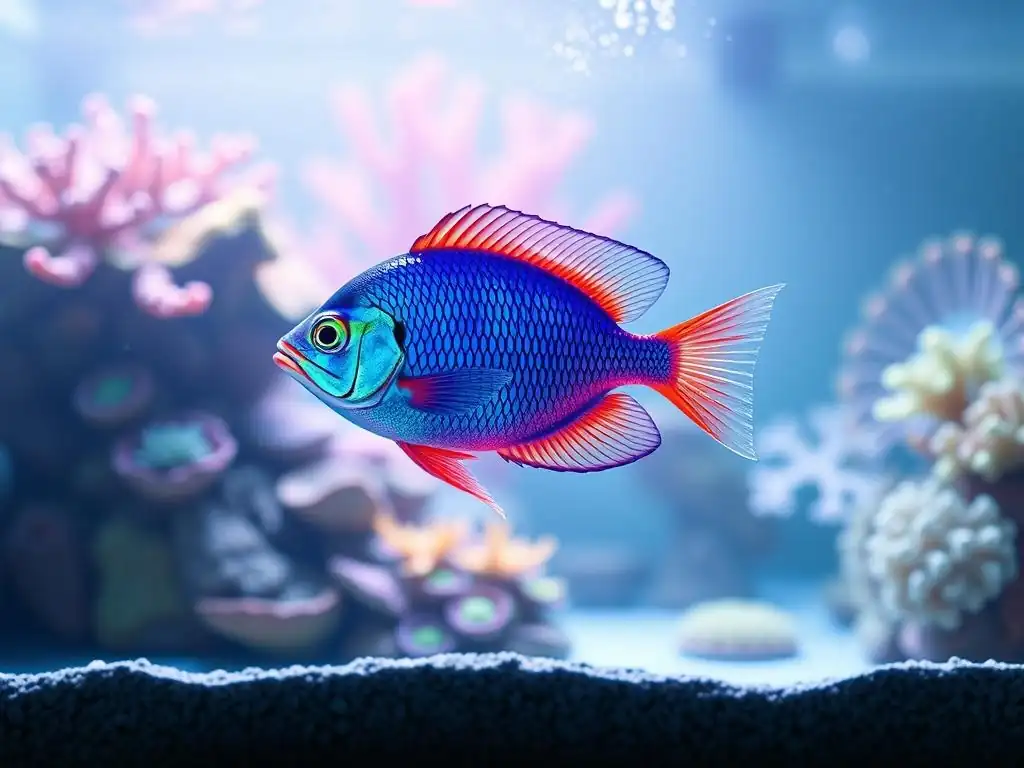
The choice between a bare-bottom tank and one with a sand bed in an Anthias reef tank design has significant implications for maintenance, water quality, and the overall aesthetic. A bare-bottom (BB) system is often favored by aquarists prioritizing ease of cleaning and nutrient control. Without a substrate to trap detritus, waste can be easily siphoned or swept into the overflow, significantly reducing the accumulation of nitrates and phosphates.
This can be particularly advantageous for Anthias, which thrive in ultra-low nutrient environments. Furthermore, a bare bottom provides maximum water flow across the tank floor, preventing dead spots where anaerobic zones might develop. However, a bare-bottom tank can appear less natural to some and might lack the beneficial microfauna typically found in a sand bed.
Conversely, a sand bed offers several advantages, primarily aesthetic and biological. A natural-looking sand bed, typically 1-2 inches deep (shallow sand bed), provides a more realistic reef appearance and can host a diverse array of beneficial micro-organisms, including copepods and amphipods, which serve as an additional food source for Anthias. Deeper sand beds (4+ inches), known as deep sand beds (DSBs), can facilitate denitrification, helping to reduce nitrates.
However, sand beds can accumulate detritus if not properly maintained, leading to nutrient issues and potentially harboring parasites. If opting for sand, select a fine grain (0.5-1mm) to prevent compaction and ensure adequate water flow through the bed, and consider adding sand-sifting invertebrates to help keep it clean. The decision often comes down to a balance between natural aesthetics and ease of long-term nutrient management in your Anthias reef tank design.
Equipment Needs for a Thriving Anthias Reef: Skimmers, Reactors, and More
A thriving Anthias reef tank design necessitates a robust equipment suite to maintain the pristine water quality these fish demand. A high-efficiency protein skimmer is arguably the most crucial piece of equipment. Anthias are heavy feeders due to their high metabolism, and their frequent meals introduce a significant bioload. A properly sized skimmer will efficiently remove dissolved organic compounds before they break down into nitrates and phosphates, preventing nutrient accumulation and maintaining low levels of pollutants. Over-sizing the skimmer slightly is often a wise choice for an Anthias-dominant system.
Beyond skimming, other equipment plays a vital role. Media reactors filled with GFO (granular ferric oxide) or carbon are highly recommended for further nutrient control and water clarity. GFO effectively binds phosphates, while carbon removes dissolved organic pollutants and yellowing compounds. A reliable return pump and multiple wavemakers are essential for creating the strong, turbulent water flow Anthias prefer, ensuring oxygenation and preventing detritus settlement.
An ATO (Auto Top-Off) system is also critical for maintaining stable salinity by automatically replacing evaporated freshwater. Lastly, a sump provides space for all this equipment, increases overall water volume (adding stability), and allows for specialized compartments like refugiums, which can further enhance the system's stability and provide natural food sources. Investing in quality equipment from the outset is key to the long-term success and vibrancy of your Anthias reef.
Planning Your Anthias Reef Stocking Strategy
Selecting Compatible Anthias Species
When planning an Anthias reef stocking strategy, the initial and most critical step is selecting compatible Anthias species. Not all Anthias coexist peacefully, and mixing certain types can lead to aggression, stress, and ultimately, losses. A general rule of thumb is to stick to species with similar size and temperament, or to opt for a single-species group if tank size is a limiting factor.
For instance, the highly active and relatively peaceful Dispar Anthias (Pseudanthias dispar) and Lyretail Anthias (Pseudanthias squamipinnis) are often compatible in larger tanks (120 gallons or more) when introduced simultaneously and in appropriate numbers. However, introducing a more aggressive species like a male Squareback Anthias (Pseudanthias pleurotaenia) into a tank already housing smaller, more docile Lyretails can lead to dominance issues and constant harassment.
It is generally advisable to avoid mixing Anthias species with vastly different sizes or known aggressive tendencies, especially if tank volume is below 150 gallons. If you choose to mix, introduce the least aggressive species first, allowing them to establish territories before adding more assertive types. Always introduce them as a group, ideally with one male and multiple females (a harem), as Anthias are protogynous hermaphrodites, meaning females can change to males.
For example, a group of 8-10 Dispar Anthias in a 90-gallon tank would likely fare well, whereas attempting to house 3-4 Lyretail Anthias and 3-4 Squareback Anthias in the same size tank would likely result in conflict. Careful research into each species' specific social dynamics and growth potential is indispensable for a harmonious Anthias reef tank design.
Anthias Tank Mates: Choosing the Right Companions
Choosing the right tank mates is crucial for the overall harmony and health of an Anthias reef. Given their active, open-water swimming nature and relatively peaceful disposition (towards other genera), Anthias can coexist with a wide variety of reef-safe fish and invertebrates, provided these companions are not overly aggressive or predatory. Ideal tank mates include other peaceful, mid-water swimmers like flasher wrasses (Paracheilinus spp.)
and fairy wrasses (Cirrhilabrus spp. ), which add more color and activity without competing aggressively for food or space. Small, peaceful tangs such as Yellow Tangs (Zebrasoma flavescens) or Kole Tangs (Ctenochaetus strigosus) can also be suitable in larger tanks (120+ gallons), as they typically graze on algae and do not directly compete with Anthias for planktonic food.
It is imperative to avoid highly aggressive or territorial fish that might harass or stress Anthias, such as many species of triggerfish, large angelfish (e.g., Emperor Angelfish), or certain dottybacks. Even seemingly peaceful fish like clownfish can become territorial around their anemone, potentially bothering Anthias if tank space is limited. Similarly, predatory fish that could view smaller Anthias as food, such as lionfish or large groupers, are entirely unsuitable.
For invertebrates, most reef-safe clean-up crew members (snails, hermit crabs), shrimp (peppermint, cleaner), and various corals are excellent choices, as they do not directly interact with Anthias in a negative way. The goal is to create a peaceful community where all inhabitants can thrive without undue stress, which is a cornerstone of a successful Anthias reef tank design.
Quarantining New Anthias: Preventing Disease Introduction
Quarantining new Anthias is an absolutely critical step that should never be skipped when adding them to an established reef system. Anthias, due to their often wild-caught nature and the stress of collection and shipping, are particularly susceptible to common marine diseases such as marine ich (Cryptocaryon irritans), velvet (Amyloodinium ocellatum), and various bacterial infections.
Introducing an infected fish directly into your display tank can quickly decimate your entire fish population, leading to significant financial loss and emotional distress. A dedicated quarantine tank (QT), typically 10-20 gallons for a few Anthias, should be set up with a heater, small powerhead for flow, and an air stone, but no substrate or elaborate rockwork to facilitate observation and treatment.
The quarantine period should ideally last a minimum of 4-6 weeks. During this time, observe the fish closely for any signs of disease, such as white spots, cloudy eyes, rapid breathing, or unusual swimming patterns. Prophylactic treatment with copper-based medications (e.g., Copper Power, Cupramine) is often recommended for external parasites like ich, following the manufacturer's instructions carefully and monitoring copper levels with a reliable test kit.
Fresh water dips can also be used for immediate parasite removal. Even if no disease is observed, the QT period allows the Anthias to acclimate to captive foods and recover from shipping stress in a low-stress environment. This diligent quarantine protocol is the single most effective measure to safeguard the health of your existing Anthias and the entire ecosystem of your Anthias reef tank design.
Acclimation Process for Anthias: Ensuring a Smooth Transition
The acclimation process for new Anthias is a delicate but crucial step to minimize stress and prevent osmotic shock, ensuring a smooth transition from their shipping bag to your quarantine tank or display. Anthias are particularly sensitive to sudden changes in water parameters, especially salinity, pH, and temperature. The drip acclimation method is widely regarded as the safest and most effective approach for these delicate fish. This involves slowly introducing water from the target tank (quarantine or display) into the bag or a small container holding the new fish, allowing the parameters to equalize gradually over an extended period.
To perform drip acclimation, float the sealed bag in the sump or a bucket of your quarantine tank water for 15-20 minutes to equalize temperature. Then, open the bag, pour the fish and its shipping water into a clean bucket. Using airline tubing and a knot or control valve, create a slow drip from your quarantine tank into the bucket, aiming for 1-2 drips per second.
Continue this process until the volume of water in the bucket has quadrupled (e.g., if you started with 1 cup of shipping water, drip until you have 4 cups). This typically takes 45-60 minutes. Once acclimated, gently net the Anthias and transfer them to the quarantine tank, discarding the shipping water.
Avoid pouring the shipping water directly into your tank, as it can contain ammonia, nitrates, and pathogens. A careful acclimation process significantly reduces stress, improving survival rates and setting a positive tone for their introduction into your Anthias reef tank design.
Stocking Density: How Many Anthias Can Your Tank Handle?
Determining the appropriate stocking density for Anthias is a critical aspect of a successful Anthias reef tank design, directly impacting their health, aggression levels, and overall well-being. Anthias are schooling fish and generally thrive in groups, but overstocking can lead to increased aggression, stress, and compromised water quality.
A common guideline is to aim for a minimum of 6-8 individuals for most smaller species like Dispar or Lyretail Anthias to establish a natural schooling behavior and dilute aggression among conspecifics. However, the total number your tank can handle is primarily dictated by its volume, filtration capacity, and the specific Anthias species chosen.
For smaller, more active species like Dispar Anthias (Pseudanthias dispar), a group of 6-8 individuals might be comfortable in a well-established 75-90 gallon reef tank with robust filtration. For larger species such as Lyretail Anthias (Pseudanthias squamipinnis), a group of 4-6 individuals would ideally require a 120-gallon tank or larger to provide ample swimming space and reduce territorial disputes, especially among males. A general rule of thumb is to allow at least 10-15 gallons per adult Anthias for smaller species and 20-30 gallons for larger ones, in addition to the space required for corals and rockwork.
Always err on the side of under-stocking rather than over-stocking. Adequate filtration, frequent feeding, and ample hiding spots are all factors that influence how many Anthias a system can sustainably support. Monitoring water parameters and observing fish behavior are the best indicators of whether your stocking density is appropriate.
Feeding Anthias in a Reef Environment
The Importance of Frequent Feeding for Anthias
The single most critical aspect of Anthias care in a reef environment is the provision of frequent, small feedings throughout the day. Unlike many other reef fish that can thrive on one or two substantial meals, Anthias have an exceptionally high metabolism and are natural planktivores, constantly grazing on microscopic organisms in their wild habitat.
In an aquarium setting, failing to replicate this constant intake of food will quickly lead to emaciation, faded coloration, compromised immune systems, and ultimately, premature death. It is not uncommon for Anthias to "waste away" if they are only fed once or twice daily, even if the quantity seems sufficient.
To ensure their long-term health and vibrancy, Anthias should be fed a minimum of 3-5 times per day, with some dedicated aquarists even opting for 6-8 smaller feedings. Each feeding should be a small amount that can be consumed within a few minutes, preventing excess food from decaying and fouling the water.
This consistent supply of nutrition supports their high energy demands, allowing them to exhibit their natural active swimming behaviors and maintain their stunning coloration. Investing in an automatic feeder for dry foods or utilizing targeted feeding methods for frozen foods becomes indispensable for successful Anthias reef keeping, ensuring they receive the continuous nourishment essential for their survival and thriving within your Anthias reef tank design.
Best Foods for Anthias: Variety and Nutritional Value
Providing a diverse diet with high nutritional value is paramount for the health and vibrant coloration of Anthias in a reef aquarium. As natural planktivores, their diet should primarily consist of small, meaty foods. Frozen mysis shrimp are an excellent staple, being highly palatable and nutritious. Other beneficial frozen foods include copepods, cyclop-eeze, enriched brine shrimp, and finely chopped marine-based preparations that include ingredients like spirulina and krill. Look for frozen foods that are fortified with essential fatty acids (e.g., HUFA) and vitamins, as these contribute significantly to overall fish health and disease resistance.
While frozen foods should form the bulk of their diet, supplementing with high-quality pellets and flakes designed for marine planktivores can also be beneficial, especially for automatic feeders. Choose products with high protein content and minimal fillers. Live foods, such as live copepods and rotifers, are exceptionally valuable, particularly when acclimating new or finicky Anthias, as they trigger a strong feeding response and provide a natural, highly nutritious food source.
Culturing live foods or purchasing them regularly can significantly boost the health and coloration of your Anthias. The key is variety, ensuring they receive a broad spectrum of nutrients to support their active lifestyle and maintain the stunning visual appeal central to an Anthias reef tank design.
Feeding Techniques for Anthias: Targeting and Automation
Effective feeding techniques are crucial for ensuring all Anthias in a group receive adequate nutrition, especially in a bustling reef environment. For frozen or prepared foods, targeted feeding can be highly effective. Using a turkey baster or a specialized feeding stick allows you to direct food directly into the water column where Anthias are schooling, minimizing competition from faster or more aggressive tank mates.
This method also helps prevent food from sinking quickly into the rockwork or being lost to the overflow, reducing waste and nutrient accumulation. For best results, thaw frozen foods in a small cup of tank water before introduction.
Given the necessity of frequent feedings, automatic feeders become an invaluable tool for an Anthias reef tank design. Programmable automatic feeders can dispense small amounts of dry foods (pellets or flakes) multiple times throughout the day, even when you are not home. This consistent feeding schedule is vital for Anthias' high metabolism.
While automatic feeders are excellent for consistency, they should not entirely replace manual feedings with frozen foods, which offer superior nutritional diversity. Some advanced setups even integrate automated dosing of live phytoplankton to cultivate copepods in a refugium, which then feed the Anthias naturally. Combining manual, targeted feedings with automated dry food dispensing ensures optimal nutrition and reduces the daily burden on the aquarist.
Addressing Aggression During Feeding: Minimizing Competition
Aggression during feeding is a common issue in Anthias-dominant reef tanks, especially in groups where a dominant male may try to monopolize food, or if the tank is slightly overstocked. This competition can lead to some individuals becoming underfed and stressed. To minimize this, distribute food widely across the tank's surface rather than in a single spot. This forces the fish to spread out and reduces direct competition. Using multiple feeding points or broadcasting food with a strong current can help ensure all individuals, including the more timid ones, get a chance to eat.
Another effective strategy is to feed smaller amounts more frequently. This keeps the fish satiated and reduces the urgency and intensity of feeding aggression. If a particular fish is consistently dominating, try to offer food to that individual first, then immediately follow up with a broader distribution for the rest of the group.
In some cases, adding a temporary visual barrier during feeding or temporarily turning off powerheads to slow the food's movement can give slower eaters an advantage. Ensuring ample hiding spots and diverse rockwork also helps, as it provides retreat options for submissive fish. Persistent aggression may indicate an issue with stocking density or species compatibility, requiring adjustments to the Anthias reef tank design or inhabitants.
Maintaining a Healthy Anthias Reef
Water Chemistry Monitoring and Adjustment
Maintaining stable and optimal water chemistry is the cornerstone of a healthy Anthias reef. Anthias, like most reef inhabitants, are highly sensitive to fluctuations in water parameters, and even minor shifts can induce stress, compromise their immune systems, and lead to disease. Regular and accurate testing is therefore non-negotiable. Key parameters to monitor include salinity (specific gravity), temperature, alkalinity, calcium, magnesium, nitrates, and phosphates. Salinity should be maintained between 1.024-1.026, and temperature ideally between 75-78°F (24-25.5°C), with minimal daily swings.
Alkalinity (8-10 dKH), calcium (400-450 ppm), and magnesium (1300-1400 ppm) are crucial for coral health, which in turn contributes to overall tank stability. Any deviations should be addressed promptly with appropriate dosing solutions. Nitrates should be kept below 10 ppm and phosphates below 0.05 ppm, as elevated levels can stress Anthias and fuel nuisance algae growth. Weekly testing for these parameters is recommended using reliable test kits. Consistent monitoring allows for proactive adjustments, preventing issues before they become critical. This diligent approach to water chemistry is fundamental to the long-term success and vibrancy of an Anthias reef tank design.
Regular Water Changes: Maintaining Water Quality
Regular water changes are an indispensable practice for maintaining the pristine water quality essential for a healthy Anthias reef. Despite efficient protein skimming and media reactors, water changes serve multiple vital functions: they dilute accumulated nitrates and phosphates, replenish essential trace elements that are consumed by corals and fish, and remove dissolved organic compounds that can build up over time. For an Anthias-dominant system, which typically has a higher bioload due to frequent feeding, consistent water changes are even more critical.
A common recommendation is to perform a 10-15% water change bi-weekly. For heavily stocked tanks or those with very high feeding regimens, a weekly 10% change might be more beneficial. When preparing new saltwater, ensure it matches the display tank's specific gravity and temperature precisely to avoid shocking the fish.
Using high-quality salt mix and RODI (Reverse Osmosis De-Ionized) water is crucial to prevent the introduction of unwanted contaminants. During water changes, it's also an excellent opportunity to siphon detritus from the sand bed (if applicable) and clean accessible areas. This routine maintenance is a primary defense against water quality degradation and a cornerstone of a robust Anthias reef tank design.
Disease Prevention and Treatment: Common Anthias Ailments
Anthias, while generally hardy once established, are susceptible to common marine fish diseases, particularly if stressed by poor water quality, inadequate nutrition, or improper acclimation. Marine Ich (Cryptocaryon irritans) and Velvet (Amyloodinium ocellatum) are two of the most prevalent parasitic infections. Symptoms include white spots on the body and fins (ich), or a dusty, velvet-like coating and rapid breathing (velvet). Bacterial infections can manifest as fin rot, cloudy eyes, or body sores, often secondary to stress or injury. Malnutrition and emaciation are also common, stemming from insufficient or infrequent feeding, leading to faded colors and a "pinched" appearance.
Prevention is always the best approach, starting with a strict quarantine protocol for all new arrivals. Maintaining stable, pristine water parameters, providing a varied and frequent diet, and minimizing stress factors are key preventative measures. If disease does appear, prompt action is necessary.
For parasitic infections, treatment in a separate quarantine tank using copper-based medications (for ich/velvet) or hyposalinity can be effective, as most medications cannot be used in a coral-filled display tank. Bacterial infections may require antibiotics, also typically administered in a QT. Addressing the underlying cause of stress, such as aggression or poor water quality, is equally important for successful recovery and preventing recurrence in your Anthias reef tank design.
Addressing Aggression Issues in Anthias Reef Tanks: Re-arranging Rockwork and Adding Hiding Places
Aggression among Anthias, while often part of their natural social hierarchy, can escalate to problematic levels if not managed. This is particularly true with multiple males in a smaller tank or if certain individuals become overly dominant. One of the most effective strategies for mitigating aggression is to re-arrange the rockwork. By altering the aquascape, you disrupt established territories and force the fish to re-evaluate their surroundings. This can sometimes reset the social dynamics and reduce conflict, as dominant individuals lose their familiar perches and hiding spots.
Crucially, ensuring an abundance of hiding places and visual breaks within the rockwork is paramount. Anthias, even the dominant ones, need places to retreat and feel secure. Submissive individuals must have ample nooks, crannies, and caves to escape from aggressive pursuits. Aim for an intricate aquascape with multiple swim-throughs and overhangs.
For instance, creating tall, multi-tiered rock structures with caves at different levels allows fish to establish vertical territories, reducing horizontal confrontations. If aggression persists, consider adding more Anthias of the same species (if tank size permits) to dilute the aggression, or, as a last resort, removing the overly aggressive individual. A well-designed Anthias reef tank with strategic rockwork can significantly reduce stress and foster a more harmonious environment.
Troubleshooting Common Anthias Reef Problems
Anthias Not Eating: Diagnosing the Cause
When Anthias refuse to eat, it's a serious concern that requires immediate diagnosis and action, as their high metabolism means they can quickly decline. The first step is to check water parameters (salinity, temperature, ammonia, nitrite, nitrate, pH) to ensure they are stable and optimal. Poor water quality is a leading cause of stress and loss of appetite. Next, observe for signs of disease, such as white spots (ich), velvet, fin rot, or cloudy eyes. Sick fish often stop eating. If visible parasites are present, a quarantine tank for treatment is necessary.
Another common cause is stress from aggression from tank mates or dominant conspecifics. Observe feeding time closely: are smaller or newer Anthias being outcompeted or harassed? Providing more hiding places or separating aggressive individuals might be necessary. Finally, newly introduced Anthias may simply be shy or unaccustomed to prepared foods.
In such cases, offering live foods (copepods, rotifers) can often entice them to eat, gradually transitioning to frozen and then dry foods. Patience, combined with small, frequent offerings of highly palatable foods, is key. If all parameters are optimal and no disease is apparent, the issue may be related to social dynamics or acclimation stress in your Anthias reef tank design.
Anthias Fading Color: Potential Issues and Solutions
Fading coloration in Anthias is a clear indicator of underlying stress, poor health, or nutritional deficiencies. Diagnosing the cause is crucial for recovery. One of the primary reasons for dulling colors is malnutrition or insufficient feeding. If Anthias are not receiving enough frequent, high-quality, varied foods, their vibrant pigments will diminish. Ensure you are feeding 3-5 times a day with enriched frozen foods and quality pellets/flakes.
Poor water quality is another significant factor. Elevated nitrates, phosphates, or unstable parameters (salinity, temperature, pH) can all cause stress and lead to faded colors. Regular water changes, efficient protein skimming, and media reactors are essential to maintain pristine conditions. Stress from aggression from tank mates or dominant Anthias can also cause colors to fade as submissive individuals become constantly stressed.
Observe tank dynamics and consider re-arranging rockwork or adjusting stocking levels. Lastly, disease can manifest with faded colors before other symptoms appear. A thorough inspection for parasites or bacterial infections is warranted. Addressing these issues promptly, whether through dietary adjustments, water quality improvements, stress reduction, or disease treatment, is vital to restore the Anthias' natural brilliance in your Anthias reef tank design.
Anthias Jumping: Prevention and Mitigation
Anthias are known jumpers, especially when startled, stressed, or if their environment is not to their liking. This behavior poses a significant risk, as they can easily leap out of an open-top aquarium, leading to immediate demise. The most effective preventative measure for Anthias jumping is to ensure your Anthias reef tank design includes a tight-fitting lid or screen top. Even a small gap can be an escape route. Mesh screen tops, often made from clear netting, are ideal as they allow for maximum light penetration and gas exchange while providing a secure barrier.
Beyond physical barriers, addressing the underlying causes of stress can mitigate jumping behavior. Aggression from tank mates or dominant Anthias can cause stressed individuals to attempt escape. Observe interactions and consider adding more hiding places or re-arranging rockwork to break up territories. Poor water quality or unstable parameters can also induce stress, leading to erratic behavior.
Ensure pristine water conditions through regular maintenance. Finally, newly introduced Anthias are particularly prone to jumping during their initial acclimation period due to unfamiliar surroundings. Keeping the tank lights dim for the first few hours after introduction and minimizing sudden movements around the tank can help them settle in more calmly. Proactive measures are key to preventing this common and often fatal problem.
Anthias Aggression: Managing Tank Dynamics
Aggression within an Anthias group or towards other tank mates can disrupt the harmony of an Anthias reef and lead to stress, injury, or even death. While some level of male-on-male aggression is natural in a harem-structured group, excessive aggression needs to be managed. The primary strategy for managing Anthias aggression is to ensure proper stocking density and group size.
For most species, keeping a single male with multiple females (e.g., 1 male to 4-6 females) in a sufficiently large tank (e.g., 120+ gallons for Lyretails) helps to diffuse aggression, as the male's attention is spread among several females. Introducing all Anthias simultaneously, or adding females first before a male, can also help establish a more stable hierarchy.
Ample rockwork with numerous hiding places and visual breaks is crucial. This allows submissive or targeted individuals to escape and feel secure, reducing constant harassment. Re-arranging the aquascape can sometimes reset territories and reduce conflict. If aggression persists and leads to injury or chronic stress, consider the following:
- Adding more Anthias (if tank size permits): Increasing the group size can further dilute aggression.
- Introducing a dither fish: A fast-moving, peaceful fish that signals safety to the Anthias can sometimes reduce their anxiety.
- Removing the aggressor: As a last resort, if one individual is consistently causing severe problems, it may need to be removed from the tank.
- Species compatibility: Re-evaluate if the chosen Anthias species or tank mates are truly compatible. Managing aggression is a continuous process of observation and adjustment in an Anthias reef tank design.
Advanced Anthias Reef Keeping Techniques
Implementing a Refugium for Pod Production
Implementing a refugium is an advanced yet highly beneficial technique for an Anthias reef tank design, primarily for its ability to cultivate a continuous supply of live copepods and amphipods. These micro-crustaceans are the natural diet of Anthias in the wild, and providing them as a supplemental food source can significantly enhance their health, coloration, and natural behaviors. A refugium is typically a separate compartment within the sump, isolated from the main display, where macroalgae (like Chaetomorpha or Caulerpa) and live rock fragments are allowed to grow under reverse daylight photoperiods.
The macroalgae in the refugium absorb nitrates and phosphates, contributing to overall nutrient control, which is vital for Anthias. More importantly, the calm, predator-free environment of the refugium provides an ideal breeding ground for copepods and amphipods. These tiny organisms reproduce rapidly, and as their populations grow, they naturally "seed" the main display tank by migrating through the return pump.
This constant trickle of live food encourages Anthias to exhibit natural hunting behaviors and provides a highly nutritious, easily digestible food source that complements their regular frozen and dry food diet. While not strictly necessary, a well-established refugium with robust pod production can elevate the health and vitality of an Anthias system to an exceptional level.
Utilizing Automatic Feeders for Consistent Feeding
For Anthias, whose high metabolism necessitates frequent, small feedings, the utilization of automatic feeders transitions from a convenience to an essential piece of equipment in advanced reef keeping. While manual feedings with frozen foods are crucial for variety and interaction, an automatic feeder ensures a consistent supply of dry foods (pellets or flakes) throughout the day, especially when the aquarist is away or unable to perform multiple manual feedings. This consistency is paramount for preventing the "wasting away" syndrome often seen in underfed Anthias.
Modern automatic feeders offer programmability, allowing for precise control over feeding times and portion sizes. Many can be programmed to dispense small amounts 3-5 times or more per day, ensuring Anthias receive the continuous nourishment they require. Some high-end models even offer moisture-proof compartments to keep food fresh.
While they cannot replace the nutritional diversity of frozen foods, automatic feeders provide a reliable baseline of calories and nutrients, reducing stress from hunger and supporting their constant activity. Integrating an automatic feeder into your Anthias reef tank design significantly improves feeding regularity, directly contributing to the long-term health, vigor, and vibrant coloration of your Anthias population.
Controlling Algae Growth in Anthias Reefs: Nutrient Control and Algae Eaters
Controlling nuisance algae growth is a perpetual challenge in reef keeping, and an Anthias-dominant system, with its frequent feeding regimen, can be particularly susceptible. Excessive algae not only detracts from the aesthetics of an Anthias reef tank design but also indicates elevated nutrient levels (nitrates and phosphates) that can stress Anthias and harm corals. The primary strategy for algae control is rigorous nutrient management. This involves:
- Efficient protein skimming: A powerful skimmer removes dissolved organics before they break down into nutrients.
- Regular water changes: Dilute accumulated nutrients and replenish trace elements.
- Media reactors: GFO (granular ferric oxide) for phosphate removal and activated carbon for dissolved organics.
- Limiting overfeeding: While Anthias need frequent feeding, ensure food is consumed quickly and not left to decay.
- Refugium: Macroalgae in a refugium actively consume nitrates and phosphates.
In addition to nutrient control, incorporating a diverse clean-up crew (CUC) of algae-eating invertebrates is highly effective. Herbivorous snails like Trochus, Astrea, Nassarius, and Turbo snails are excellent at grazing on various types of algae from rockwork and glass. Hermit crabs (e.g., blue leg, scarlet) can also contribute.
For film algae on the glass, a magnetic algae cleaner or scraper is essential. For more persistent issues like hair algae, certain herbivorous tangs (e.g., Yellow Tangs, Kole Tangs in larger tanks) or emerald crabs can be introduced, provided they are compatible with the Anthias and tank size. A multi-faceted approach combining strict nutrient control with a robust clean-up crew is key to maintaining an algae-free and visually stunning Anthias reef.
The Future of Anthias Reef Keeping: Trends and Innovations
The future of Anthias reef keeping is poised for exciting advancements, driven by ongoing research, technological innovations, and a deeper understanding of these captivating fish. One significant trend is the increasing focus on aquacultured Anthias. While many species are still predominantly wild-caught, efforts to breed Anthias in captivity are gaining momentum. Successful aquaculture reduces pressure on wild populations, provides hardier, disease-resistant specimens, and potentially opens up access to species that are difficult to collect. This shift towards sustainable sourcing will undoubtedly shape future stocking practices in Anthias reef tank design.
Technological innovations continue to enhance our ability to create optimal environments. Smarter aquarium controllers with advanced automation for feeding, water testing, and parameter adjustments are becoming more sophisticated and accessible. This allows for even more precise control over the delicate balance required for Anthias, potentially enabling more frequent, automated micro-feedings and immediate responses to parameter fluctuations.
Furthermore, advancements in LED lighting technology are leading to more efficient, customizable fixtures that can precisely mimic natural light cycles and spectra, further enhancing Anthias coloration and overall reef health. The growing understanding of Anthias social structures and specific dietary needs, combined with these technological leaps and a commitment to sustainable practices, promises a future where Anthias reef keeping is more successful, ethical, and visually spectacular than ever before.
Frequently Asked Questions
What are the key considerations when planning an Anthias-dominant reef tank design?
The most important factors are ensuring adequate swimming space for the active Anthias, providing plenty of rockwork for shelter and refuge, and maintaining excellent water quality.
What specific water parameters are crucial for keeping Anthias healthy in a reef tank?
Anthias require pristine water conditions, specifically stable salinity (around 1.025 SG), low nitrate and phosphate levels, and a consistent temperature within their preferred range (typically 72-78°F).
How much flow is typically recommended for an Anthias reef tank setup?
Anthias appreciate moderate to high flow, mimicking their natural reef environment. This helps distribute food and oxygen while preventing detritus buildup. Adequate flow is essential for their health.
What type of lighting is best suited for an Anthias-dominant reef tank, considering both the Anthias themselves and the potential for coral growth?
A moderate to high intensity lighting system is generally recommended, allowing for coral growth while still being suitable for Anthias. Consider LEDs or metal halides, adjusting intensity based on coral needs.
What are some compatible tank mates to consider when stocking an Anthias reef tank, and what species should be avoided?
Good tank mates include peaceful fish like gobies, blennies, and small wrasses. Avoid aggressive fish like triggers, large angels, and predatory species, as they can bully or prey on Anthias.
Final Reflection: Embracing the Anthias Symphony
The journey of crafting an Anthias-dominant reef, as we've explored, is more than just assembling a beautiful aquarium; it's about cultivating a thriving ecosystem. The principles of thoughtful design and strategic stocking, so crucial to success, resonate far beyond the glass walls of a reef tank. This dedication to balance and harmony, mirroring the intricate dance of nature, is a powerful reminder of our responsibility as stewards of the environment, both within our homes and in the wider world. The pursuit of an Anthias-dominant reef becomes, in essence, a microcosm of our broader quest for ecological understanding and preservation.
This intricate dance between design and biology has profoundly influenced the way we perceive the delicate balance within aquatic ecosystems. Witnessing the vibrant colors and dynamic social interactions of Anthias in a well-designed reef tank underscores the importance of meticulous planning and informed decision-making in all aspects of reef keeping. It reminds us that success isn't just about aesthetics, but about creating a sustainable and enriching environment for these captivating creatures. In nature, nothing exists alone.
- Rachel Carson. This quote perfectly encapsulates the interconnectedness we strive to replicate in our Anthias reefs, and the broader lesson it teaches about our relationship with the natural world.
As you contemplate the principles of Anthias reef tank design, consider how these lessons can be applied to other areas of your life. Let the dedication to detail, the understanding of interconnectedness, and the commitment to creating a thriving environment inspire you to cultivate balance and harmony in all your endeavors. Embrace the Anthias symphony, not just in your aquarium, but in your approach to life itself, and you will find yourself creating a more vibrant and fulfilling world around you.
Ignite Your Anthias Reef Dream!
Thanks for exploring the world of Anthias-dominated reef aquariums with us! We hope you've found the insights to create your own vibrant underwater paradise. Now, let's translate that knowledge into action.
Here's how to get started:
- Prioritize meticulous planning: Craft a detailed stocking list that considers the compatibility and specific needs of your chosen Anthias species, ensuring a thriving and harmonious reef ecosystem. This is the most important step!
- Dive deeper: Explore advanced reefing techniques to ensure optimal water quality and stability for your delicate Anthias population. Consider a refugium to provide natural food sources.
- Share the beauty: Post a picture of your reef tank, and use #AquariumMastery on Instagram, to inspire other hobbyists and show us how you’ve been influenced by this article.
What unique approach are you considering to create a stunning visual impact in your Anthias reef?