
The Truth About "Reef Safe" Labels on Angelfish: Buyer Beware

Welcome to Aquarium Mastery!
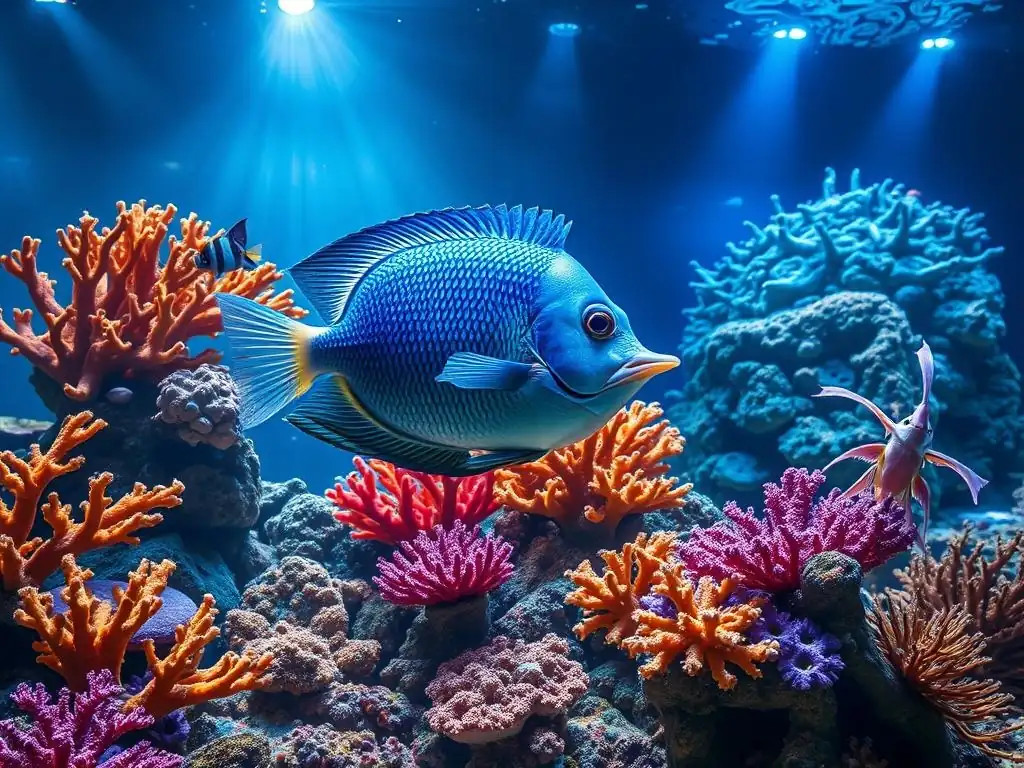
Ever wondered if that "Reef Safe" label on angelfish really tells the whole story? Dive into our latest article, "The Truth About 'Reef Safe' Labels on Angelfish: Buyer Beware," where we unravel the complexities of reef safe angelfish care. Discover which stunning species can thrive in your reef tank (and which ones to avoid! ), and learn the secrets to keeping both your corals and your angelfish happy and healthy. Ready to separate fact from fiction? Let's explore!
- Understanding "Reef Safe" Angelfish: A Misleading Label?
- Why Some Angelfish Are Marketed as "Reef Safe": Examining the Claims
- The Risks of Introducing Any Angelfish to a Reef Tank
- Factors Influencing Angelfish Reef Compatibility
- Identifying Truly "Reef Safe" Fish Alternatives to Angelfish
- Managing Angelfish Behavior in a Reef Tank (If You Choose To Keep One)
- Real-World Experiences: Angelfish and Reef Tanks - Successes and Failures
- Conclusion: Making Informed Decisions About Angelfish and Reef Aquariums
-
Frequently Asked Questions
- What does "reef safe" actually mean when applied to angelfish?
- Are there any angelfish species that are truly reef safe?
- What factors influence whether an angelfish will damage corals?
- How can I minimize the risk of angelfish harming my reef?
- What should I do if my "reef safe" angelfish starts nipping at my corals?
- Final Reflection: Navigating the Murky Waters of Reef Compatibility
- Unleash Your Inner Aquarist: Take Action Now!
Understanding "Reef Safe" Angelfish: A Misleading Label?
Defining "Reef Safe" in the Aquarium Context
The term "reef safe" in the marine aquarium hobby generally refers to fish and invertebrates that can coexist peacefully with corals and other sessile invertebrates without causing harm. This implies that the species will not nip at coral polyps, consume coral tissue, or otherwise disturb the delicate balance of a thriving reef ecosystem. It's a spectrum, not a binary, with some species being universally accepted as safe, while others come with significant caveats.
However, when this label is applied to angelfish, it often carries a misleading connotation. Angelfish, by their very nature, are often omnivores whose natural diets in the wild include sponges, tunicates, and other sessile organisms that are structurally similar to corals. This inherent dietary preference can translate into a tendency to pick at corals in a captive environment, even if they are well-fed. Therefore, the "reef safe" designation for many angelfish species should be approached with extreme caution and a full understanding of their potential behaviors.
The Reality of Angelfish Behavior in Reef Tanks
The reality of keeping angelfish in reef tanks often diverges significantly from the "reef safe" label. Many angelfish species, particularly the larger ones from genera like Pomacanthus and Holacanthus, are notorious for their propensity to nip at and consume corals. Their natural foraging instincts drive them to constantly pick at surfaces for food, and corals, with their fleshy polyps and nutrient-rich tissues, can become irresistible targets. This behavior is not always immediate; some angelfish may coexist peacefully for months or even years before suddenly developing a taste for corals.
Even the smaller, so-called "dwarf" angelfish from the genus Centropyge are not entirely exempt from this behavior. While they are generally considered less destructive, an individual dwarf angelfish can still cause significant damage to soft corals, large polyp stony (LPS) corals, and even small polyp stony (SPS) corals. Their small size means the damage might be slower, but persistent nipping can lead to coral stress, tissue recession, and ultimately, death. This unpredictable nature makes true reef safe angelfish care a challenging endeavor.
Why Some Angelfish Are Marketed as "Reef Safe": Examining the Claims
Which Angelfish Species are Typically Labeled "Reef Safe"?
When discussing "reef safe" angelfish, the focus almost exclusively falls on the dwarf angelfish species, primarily those within the Centropyge genus. Popular examples often marketed with this label include the Flame Angelfish ( Centropyge loriculus), Coral Beauty Angelfish ( Centropyge bispinosa), Lemonpeel Angelfish ( Centropyge flavissima), and the Bicolor Angelfish ( Centropyge bicolor). These species are considerably smaller than their larger angelfish cousins, typically reaching only 3 to 6 inches in length, which contributes to the perception that they pose less of a threat to corals.
The rationale behind labeling these dwarf angelfish as "reef safe" stems from anecdotal evidence and observations that a significant portion of individuals from these species may coexist peacefully with corals. For instance, some estimates suggest that perhaps 70-80% of Flame Angelfish might ignore corals in a well-maintained, well-fed reef tank. However, this still leaves a substantial percentage that will, at some point, become problematic. This variability underscores that even for these "safer" species, successful reef safe angelfish care is never guaranteed.
The Marketing Hype vs. The Reality of Angelfish Compatibility
The "reef safe" label applied to angelfish is often driven by marketing hype rather than absolute scientific certainty. Retailers and suppliers naturally want to broaden the appeal of these visually stunning fish to the lucrative reef aquarium market. Presenting them as "reef safe" simplifies the purchasing decision for hobbyists, potentially leading to impulse buys without a full understanding of the inherent risks. This can create a false sense of security for new or inexperienced reef keepers.
The reality, as experienced reef aquarists will attest, is far more nuanced. Many long-term hobbyists view any angelfish in a mixed reef tank as a calculated risk. While a specific individual might prove to be a model citizen for years, there is always the possibility that it could suddenly develop a taste for corals, especially if its diet changes, its environment becomes stressful, or new corals are introduced. The unpredictable nature of angelfish compatibility means that the marketing claims rarely align with the consistent, guaranteed compatibility that true "reef safe" implies.
The Risks of Introducing Any Angelfish to a Reef Tank
Angelfish and Coral Nipping: A Common Problem
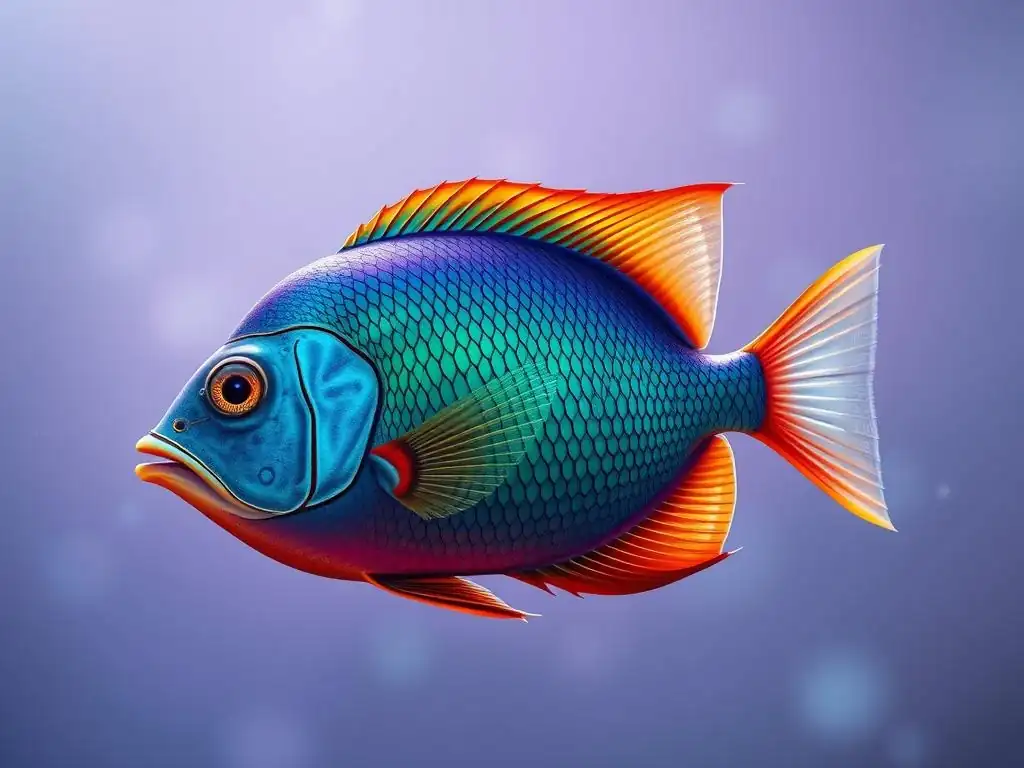
One of the most pervasive issues when keeping angelfish in a reef tank is their tendency to nip at corals. This behavior isn't always about consuming the coral entirely; often, it's about picking at the polyps, consuming mucus, zooxanthellae (the symbiotic algae living within coral tissue), or simply "testing" the coral. However, even exploratory nipping can cause significant stress to corals. Constant irritation can lead to polyp retraction, inhibit normal feeding and growth, and leave the coral vulnerable to secondary infections or tissue necrosis.
This problem is particularly prevalent with fleshy LPS (Large Polyp Stony) corals and many soft corals. For example, species like Euphyllia (Torch, Hammer, Frogspawn corals) with their large, flowing polyps are frequently targeted due to their inviting appearance. Similarly, soft corals such as Zoanthids, Palythoa, and Xenia are often victims of angelfish curiosity. Even if the angelfish doesn't consume large portions, the persistent harassment can severely impact the coral's health and aesthetic appeal in the reef system, making careful reef safe angelfish care crucial.
Potential Damage to Soft Corals, LPS, and SPS by Angelfish
The type and extent of damage inflicted by angelfish vary depending on the coral type. Soft corals, with their delicate tissues and lack of a hard skeleton, are highly susceptible. Constant nipping can lead to rapid tissue loss, retraction, and even complete melting or detachment from the frag plug or rock. For example, a colony of vibrant Zoanthids, which might have cost upwards of $50-$100, could be decimated within days or weeks by a persistent angelfish.
LPS corals, despite their stony skeletons, are also at high risk. Angelfish can nip at their fleshy polyps, causing them to retract and preventing them from feeding. This often leads to tissue recession from the skeleton, which is difficult for the coral to recover from and can leave exposed skeleton vulnerable to algae growth or disease.
Even SPS (Small Polyp Stony) corals, often considered tougher, can suffer. Angelfish may pick at their tiny polyps, leading to constant retraction, reduced growth rates, and in severe cases, bleaching or tissue necrosis, particularly on sensitive species like Acropora or Montipora. The financial investment in a reef tank, often thousands of dollars for corals, is directly jeopardized by an angelfish that develops a taste for them.
The Impact of Angelfish on Invertebrates: Clams, Shrimp, and More
Beyond corals, angelfish can also pose a significant threat to other valuable and often expensive reef invertebrates. Tridacna clams, with their colorful and exposed mantle tissue, are a prime target. Angelfish may persistently nip at the clam's mantle, causing it to retract defensively. While a single nip might not be fatal, chronic harassment stresses the clam, inhibits its ability to photosynthesize, and can lead to starvation or susceptibility to disease. Smaller or newly introduced clams are particularly vulnerable to this kind of predation.
While most ornamental shrimp (e.g., Cleaner Shrimp, Peppermint Shrimp) are generally safe from angelfish, other more delicate invertebrates can be at risk. Feather dusters, with their feathery crowns, are often irresistible to angelfish, which may nip at or consume the crown, forcing the worm to retract and potentially starve. Some angelfish might also harass certain types of snails or small hermit crabs, especially if they are not well-fed or have an aggressive temperament. This broader impact on the reef's cleanup crew and other vital inhabitants makes careful reef safe angelfish care a multifaceted challenge.
Factors Influencing Angelfish Reef Compatibility
Angelfish Temperament and Individual Variation
A crucial factor influencing whether an angelfish will be "reef safe" is its individual temperament. Unlike some fish species where behavior is highly predictable, angelfish exhibit significant individual variation. One Flame Angelfish might completely ignore every coral in a tank, while another, even from the same batch, might systematically destroy them. This unpredictability makes it impossible to guarantee reef compatibility based solely on species. It's akin to human personalities; some are naturally more inquisitive or prone to certain behaviors.
This individual variability means that even with the best intentions and meticulous reef safe angelfish care, there's always a gamble involved. Factors like stress from shipping, tank size, tank mates, and even the order of introduction can influence an angelfish's behavior. An angelfish that feels threatened or bored might be more inclined to pick at corals. Therefore, observing an angelfish's specific personality and behavior is paramount before and during its introduction to a reef system.
Tank Size and Aquascape: Creating a Balanced Environment
Tank size plays a significant role in mitigating the risks associated with keeping angelfish in a reef tank. A larger volume of water (e.g., 100 gallons or more for dwarf angelfish, 200+ gallons for larger species) provides ample swimming space, reduces territorial aggression, and offers a greater diversity of hiding spots and natural grazing opportunities. In a spacious environment, an angelfish might be less inclined to fixate on corals out of boredom or stress.
The aquascape, or the arrangement of live rock and substrate, is equally important. A complex rock structure with numerous caves, crevices, and swim-throughs can provide both territory for the angelfish and refuges for corals. Strategic placement of corals, perhaps placing more vulnerable or valuable specimens higher up or in areas with stronger flow that the angelfish might avoid, can help minimize damage. A well-designed aquascape can create a more balanced environment, potentially reducing the likelihood of coral nipping and supporting better reef safe angelfish care.
Feeding Habits and Dietary Needs: Meeting Angelfish Nutritional Requirements
Meeting the specific and varied dietary needs of angelfish is perhaps the most critical factor in promoting reef compatibility. Angelfish are omnivores, and their natural diet in the wild consists of a wide array of foods including sponges, tunicates, algae, and small invertebrates. If their nutritional requirements are not adequately met in captivity, they are far more likely to seek out alternative food sources, which often include the corals in your tank. Underfed angelfish are almost guaranteed to become coral nippers.
To encourage reef safe angelfish care, a consistent and comprehensive feeding regimen is essential. This means offering high-quality flake and pellet foods, a variety of frozen foods (such as mysis shrimp, brine shrimp, spirulina-enriched formulas), and abundant amounts of marine algae (nori) attached to a veggie clip. Feeding multiple small meals throughout the day (e.g., 3-5 times) can help keep their stomachs full and reduce the urge to graze on corals. Some aquarists also report success with specialized angelfish frozen foods that contain sponge material, which can help satisfy their natural dietary preferences.
Identifying Truly "Reef Safe" Fish Alternatives to Angelfish
Exploring Other Colorful Reef Fish Options
For aquarists seeking vibrant colors and dynamic personalities without the inherent risks associated with angelfish in a reef environment, numerous truly "reef safe" fish alternatives exist. Tangs, such as the popular Yellow Tang ( Zebrasoma flavescens) or Blue Tang ( Paracanthurus hepatus), offer brilliant hues and are primarily herbivorous, focusing on algae rather than corals (though tank size must be appropriate, often 100 gallons or more for a single tang). Their active swimming and grazing habits make them excellent additions to a reef tank.
Wrasses, particularly the Fairy Wrasses ( Cirrhilabrus spp.) and Leopard Wrasses ( Macropharyngodon spp. ), are another fantastic choice. They come in an astonishing array of colors and patterns, are generally peaceful, and actively hunt small pests like flatworms and pyramid snails, providing a natural form of pest control. These fish add significant visual appeal and activity to a reef system without posing any threat to corals, simplifying reef safe angelfish care alternatives.
Alternatives to Angelfish that Won't Damage Corals
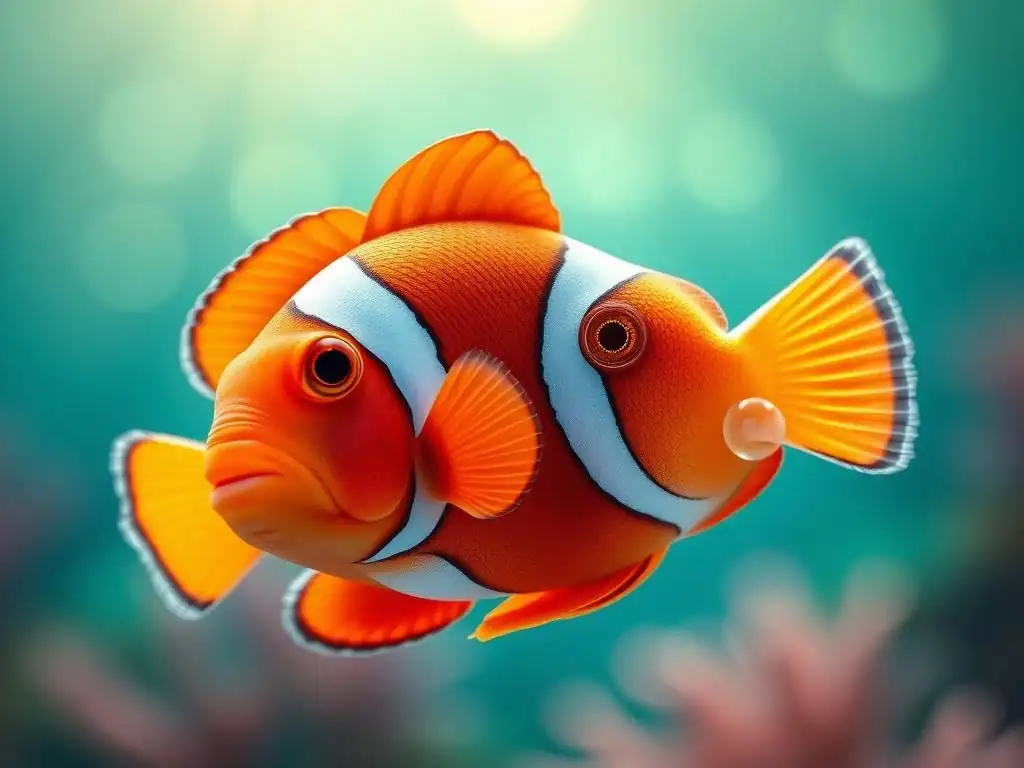
Beyond tangs and wrasses, several other fish families offer excellent "reef safe" alternatives that guarantee no damage to corals. Clownfish ( Amphiprion spp. and Premnas spp.) are iconic reef inhabitants, universally considered reef safe, and can form symbiotic relationships with anemones or certain LPS corals (like Bubble Tip Anemones or certain Euphyllia species). They are hardy, personable, and come in many captive-bred varieties.
Basslets, such as the Royal Gramma ( Gramma loreto) or the Blackcap Basslet ( Gramma melacara), are beautiful, peaceful, and stay relatively small, making them ideal for a wide range of reef tank sizes. Cardinalfish, like the Banggai Cardinalfish ( Pterapogon kauderni) or Pajama Cardinalfish ( Sphaeramia nematoptera), are also excellent choices. They are peaceful, often schooling fish that add a unique aesthetic and movement to the tank, without any risk to corals or other invertebrates. These alternatives allow aquarists to create a diverse and thriving reef ecosystem with complete peace of mind.
Managing Angelfish Behavior in a Reef Tank (If You Choose To Keep One)
Quarantine and Observation: Monitoring Angelfish Behavior
If an aquarist still chooses to attempt keeping an angelfish in a reef tank, a rigorous quarantine and observation period is absolutely essential. All new fish, especially angelfish, should spend a minimum of 4-6 weeks in a dedicated quarantine tank (QT). During this time, observe their feeding habits, overall health, and, critically, their behavior. To truly test their reef compatibility, some experienced hobbyists will introduce a small, inexpensive frag of a common, fast-growing coral (e.g., Green Star Polyps or a small zoanthid frag) into the QT.
Monitor the angelfish closely for any signs of nipping, picking, or persistent attention towards the coral frag. Even a few exploratory nips can be a red flag. While a single nip might not doom a coral, consistent targeting indicates a high probability of future issues in the main display. This pre-introduction observation is a vital step in assessing the potential for reef safe angelfish care and can save valuable corals in your main tank. If the angelfish demonstrates any problematic behavior during this period, it should not be introduced to a reef system.
Providing Ample Food and Grazing Opportunities for Angelfish
To minimize the likelihood of angelfish nipping at corals, ensuring they are consistently well-fed is paramount. This means moving beyond a single daily feeding. Instead, offer small amounts of varied, high-quality foods multiple times a day—ideally 3-5 times. A diverse diet should include high-quality marine flake and pellet foods, a variety of frozen foods (such as mysis shrimp, spirulina-enriched brine shrimp, and chopped seafood), and a constant supply of marine algae (nori) attached to a clip.
Additionally, providing natural grazing opportunities can help divert their attention from corals. A well-established reef tank with healthy live rock often has a thin film of microalgae that angelfish can graze on. Some aquarists even maintain a refugium or sump with nuisance algae growth (e.g., hair algae) that can be periodically harvested and offered to the angelfish. Keeping their digestive systems constantly busy with appropriate food sources significantly reduces their motivation to pick at corals, supporting effective reef safe angelfish care.
Strategic Coral Placement: Minimizing Angelfish Access
Careful coral placement within the reef aquascape can help mitigate the risks of angelfish damage. Highly valuable or particularly vulnerable corals, such as prized SPS colonies or delicate LPS species like Acropora or Goniopora, should be positioned strategically. Placing them higher up on the rockwork, in areas with strong water flow that angelfish might find less comfortable, or in spots that are physically harder for the angelfish to access, can offer some protection.
Conversely, fleshy, easily accessible corals like soft corals or large-polyped LPS should be placed with extreme caution, or perhaps avoided entirely if an angelfish is present. While not always aesthetically ideal, some hobbyists resort to temporary physical barriers, such as small pieces of clear acrylic or egg crate, to shield a new or recovering coral from an inquisitive angelfish. This can be a last resort to prevent immediate damage while the angelfish adjusts or if a problematic behavior is observed, allowing for a more controlled approach to reef safe angelfish care.
Real-World Experiences: Angelfish and Reef Tanks - Successes and Failures
Case Studies: Reef Tank Setups with Angelfish
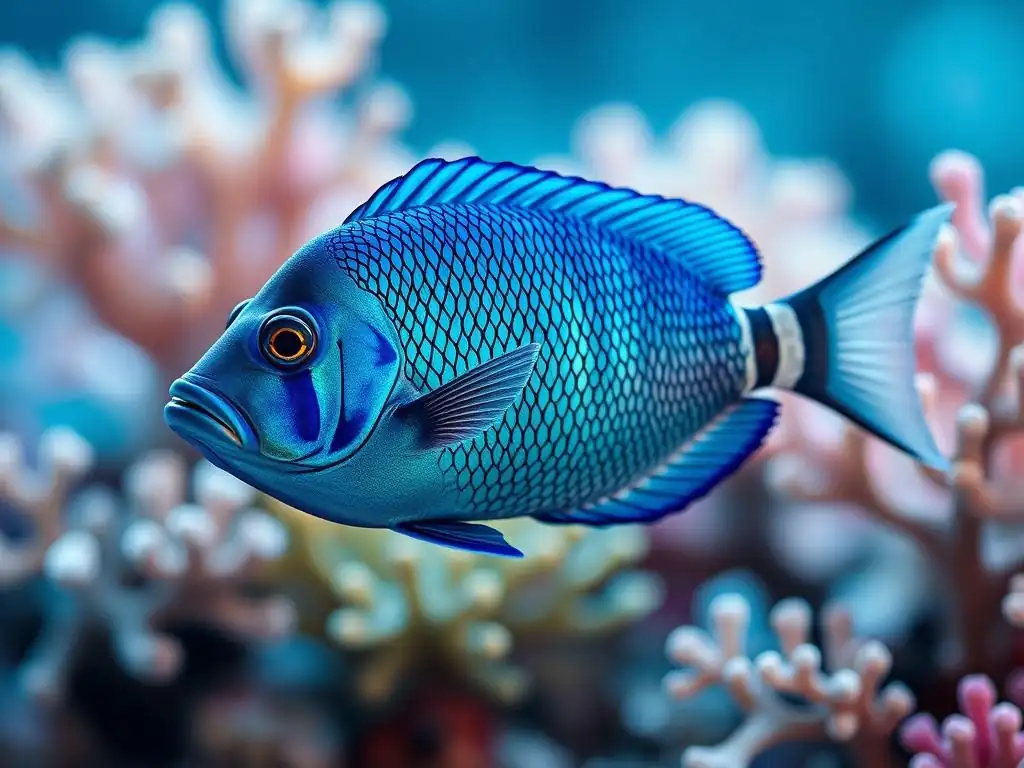
One notable "success" story involves a hobbyist who maintained a 200-gallon mixed reef tank with a Coral Beauty Angelfish ( Centropyge bispinosa) for over five years without any significant coral nipping. The success was largely attributed to a meticulously planned setup: an oversized tank providing ample territory, a rich aquascape with abundant live rock offering natural grazing spots, and a rigorous feeding schedule of 4-5 small, varied meals daily.
The individual angelfish also displayed a naturally docile temperament, confirmed by a month-long quarantine period where it showed no interest in a test frag of Green Star Polyps. This case highlights that success, while possible, often relies on a combination of optimal conditions and a favorable individual fish.
Conversely, a common "failure" scenario involves the introduction of a Flame Angelfish ( Centropyge loriculus) into a 75-gallon LPS-dominant reef tank. Initially, the fish seemed well-behaved for about three months, even ignoring new Euphyllia corals. However, suddenly, it began persistently nipping at a prized Torch coral ( Euphyllia glabrescens), causing significant tissue recession within a week.
Despite attempts to increase feeding frequency and variety, the behavior persisted, ultimately forcing the owner to remove the angelfish to a fish-only tank to save the coral. This unpredictable shift in behavior underscores the inherent gamble in reef safe angelfish care, even with seemingly "safe" species.
Learning from Experienced Reef Keepers: Avoiding Common Mistakes
Experienced reef keepers often emphasize that the decision to house an angelfish in a reef tank should be approached with extreme caution, if at all. One of the most common mistakes beginners make is relying solely on the "reef safe" label without understanding the nuances. Veteran hobbyists frequently advise against introducing angelfish into high-value coral systems, citing the high risk of damage. They often point out that even if an angelfish doesn't actively consume corals, its constant "testing" and nipping can stress the polyps, leading to retraction and long-term health issues.
Another prevalent mistake is inadequate feeding or a lack of dietary variety. Many failures stem from angelfish seeking out corals as supplemental food sources due to hunger or nutritional deficiencies. Experienced aquarists stress the importance of a diverse diet rich in algae and sponge matter, fed multiple times a day. Finally, ignoring early signs of nipping, hoping the behavior will cease, is a common error that often leads to irreversible coral damage. Learning from these collective experiences is crucial for anyone considering reef safe angelfish care.
Conclusion: Making Informed Decisions About Angelfish and Reef Aquariums
Prioritizing Coral Health and Reef Ecosystem Stability
Ultimately, the decision to introduce an angelfish into a reef aquarium must prioritize the health and stability of the entire coral ecosystem. A thriving reef tank represents a significant investment of time, effort, and financial resources, with corals often being the most valuable and sensitive inhabitants. Introducing a fish that carries a known, albeit variable, risk of coral damage can undermine years of dedicated husbandry and lead to considerable frustration and loss.
Therefore, aquarists are encouraged to adopt a conservative approach. If the primary goal is a vibrant, stable, and healthy coral display, it is generally safer to err on the side of caution and choose fish species with a proven, consistent track record of being truly reef safe. While angelfish are undeniably beautiful, their potential for unpredictable behavior makes them a gamble that many dedicated reef keepers deem too risky for their prized coral collections.
Responsible Angelfish Selection: Considering the Risks
Responsible angelfish selection for a reef tank involves a thorough understanding of the specific species' dietary needs, adult size, and known reef compatibility. It is crucial to acknowledge that even the "dwarf" angelfish species carry a degree of risk, and no angelfish can be guaranteed 100% reef safe. Aquarists should carefully research individual species and be prepared for the possibility that the angelfish may need to be removed if it develops a taste for corals.
For those who deeply admire angelfish but wish to avoid the inherent risks to corals, a "fish-only with live rock" (FOWLR) tank presents an excellent alternative. In a FOWLR setup, angelfish can be kept without the constant worry of coral damage, allowing their vibrant colors, graceful swimming, and unique personalities to be fully appreciated. This responsible approach ensures the well-being of both the fish and the overall aquarium environment, while still allowing for the enjoyment of these stunning marine creatures.
The Importance of Research and Due Diligence in Reef Keeping
The marine aquarium hobby, particularly reef keeping, is a complex and continually evolving field. Success hinges on continuous learning, meticulous planning, and diligent research. Relying solely on a broad "reef safe" label for angelfish without delving into the specifics of their behavior, dietary requirements, and individual variability is a common pitfall. Thorough research, engaging with experienced hobbyists, and consulting reliable resources like AquariumMastery.com are indispensable steps.
Patience and careful planning are the cornerstones of a successful and harmonious reef aquarium. Rushing into decisions, especially regarding potentially incompatible fish like angelfish, can lead to costly and disheartening outcomes. By understanding the true nature of reef safe angelfish care, aquarists can make informed choices that prioritize the long-term health and beauty of their delicate reef ecosystems, ensuring a rewarding and sustainable hobby experience.
Frequently Asked Questions
What does "reef safe" actually mean when applied to angelfish?
The term "reef safe" is often misleading and not a guarantee. It generally indicates that an angelfish is less likely to nip at corals, but individual behavior can vary greatly.
Are there any angelfish species that are truly reef safe?
While no angelfish is completely guaranteed, certain species like the Flame Angelfish or Pygmy Angelfish are generally considered safer choices for reef tanks, but careful observation is still crucial.
What factors influence whether an angelfish will damage corals?
Several factors play a role, including the specific angelfish species, the individual fish's personality, the size and type of corals in the tank, and the availability of suitable food.
How can I minimize the risk of angelfish harming my reef?
Provide a varied and nutritious diet, including algae-based foods, and ensure the angelfish has plenty of hiding places. Also, carefully observe the angelfish's behavior after introduction.
What should I do if my "reef safe" angelfish starts nipping at my corals?
First, try increasing the amount of algae and other foods in the tank. If the nipping persists, consider removing the angelfish to a separate tank to protect your corals.
The information presented throughout this article highlights a crucial, yet often overlooked, aspect of reef keeping: the inherent variability of angelfish behavior. While "reef safe" labels offer a comforting illusion of certainty, the reality is far more nuanced, demanding diligent research and a deep understanding of individual fish personalities. This understanding is more vital than ever, as the popularity of reef aquariums continues to grow, placing increased pressure on both wild populations and the delicate ecosystems we strive to replicate.
The pursuit of a thriving reef aquarium is a journey of continuous learning and adaptation. My own experiences, and those shared by countless other reef keepers, underscore the importance of prioritizing the well-being of our aquatic inhabitants above all else. The sea, once it casts its spell, holds one in its net of wonder forever.
- Jacques Cousteau. This quote perfectly encapsulates the responsibility we bear when bringing a piece of the ocean into our homes. We must strive to be informed consumers, critically evaluating marketing claims and prioritizing ethical and sustainable practices.
Ultimately, the success of "reef safe angelfish care" hinges not on a label, but on your commitment to responsible aquarium keeping. I encourage you to delve deeper into the specific needs of each angelfish species, observe their behavior meticulously, and be prepared to adapt your approach as needed. By embracing a proactive and informed approach, you can contribute to the long-term health of our reefs and enjoy the beauty of these magnificent creatures in a responsible and sustainable manner.
Unleash Your Inner Aquarist: Take Action Now!
Thank you for exploring the truth about "reef safe" angelfish labels. We hope you found this information valuable and feel more empowered to make informed decisions for your reef tank. Now, let's put that knowledge into action!
Here are some steps you can take to ensure the health and happiness of your reef aquarium:
- Commit to diligent research before introducing any angelfish into your reef tank, focusing on their specific dietary needs and potential coral nipping habits.
- Share this article with fellow reefing enthusiasts to spread awareness about misleading labels and promote responsible aquarium keeping.
- Consider documenting your own experiences with angelfish in reef tanks and contributing your insights to online forums or communities.
What steps will you take to ensure your reef's long-term health and beauty, starting today?