
Root Feeder vs. Water Column Feeder: Matching Plants to Substrates


Welcome to Aquarium Mastery!
Ever wondered why some aquatic plants thrive while others just... don't? Dive in and uncover the secrets to a lush, vibrant aquarium with our guide to the best plant substrate for roots. Are you unknowingly hindering your plants' growth? Discover how to match your aquatic flora's feeding habits to the ideal substrate and unlock the full potential of your underwater garden! Get ready to cultivate a thriving ecosystem!
- Planted Tank Substrates: Matching Plants to Substrates for Optimal Growth
- Understanding Plant Nutrient Uptake in Aquariums
- Root Feeder Plants: Utilizing Substrate Nutrients
- Water Column Feeder Plants: Thriving Without Root Reliance
- Choosing the Best Plant Substrate for Roots: A Detailed Guide
- Optimizing Nutrient Availability for Both Root and Water Column Feeders
- Creating a Balanced Aquarium Ecosystem: Combining Root and Water Column Feeders
- Troubleshooting Common Plant Growth Issues Related to Substrate
- Advanced Substrate Techniques for Demanding Plants
- Conclusion: Mastering Substrate Selection for a Flourishing Planted Aquarium
-
Frequently Asked Questions
- What is the difference between a root feeder and a water column feeder plant in an aquarium?
- Why is choosing the right substrate important for aquarium plants?
- What are some examples of good substrates for root feeder plants?
- How can I tell if my aquarium plants are root feeders or water column feeders?
- What happens if I use the wrong substrate for my aquarium plants?
- Final Reflection: Cultivating Growth from the Ground Up
- Unleash Your Aquarium's Potential!
Planted Tank Substrates: Matching Plants to Substrates for Optimal Growth
Understanding Plant Nutrient Uptake in Aquariums
Why Substrate Choice Impacts Aquatic Plant Health
The substrate forms the bedrock of any thriving planted aquarium, serving as far more than just a decorative element. For many aquatic plant species, especially heavy root feeders, it is the primary source of essential nutrients, anchoring them firmly and facilitating robust root development. A well-chosen substrate directly influences nutrient cycling, supports beneficial bacterial colonies crucial for the nitrogen cycle, and can even help buffer water parameters. Conversely, an inappropriate substrate can lead to pervasive issues like stunted growth, nutrient deficiencies, and even the proliferation of unwanted algae, despite diligent water column fertilization.
Beyond physical support, the substrate plays a dynamic role in a plant's metabolic health. It acts as a nutrient reservoir, binding and slowly releasing vital macro and micronutrients such as iron, manganese, and potassium over extended periods. For instance, a high-quality aquasoil can provide consistent nutrition for 6-12 months, whereas an inert gravel might require weekly liquid dosing or bi-monthly root tab applications to prevent deficiencies in demanding plants like Amazon Swords. The substrate also impacts gas exchange at the root level, influencing the uptake of oxygen and the release of metabolic byproducts, directly affecting root health and overall plant vigor.
Plant Nutrient Uptake: Root Feeding and Water Column Feeding
Aquatic plants primarily absorb nutrients through two distinct pathways: root feeding and water column feeding. Root feeding plants, as their name suggests, develop extensive and robust root systems specifically designed to extract nutrients directly from the substrate. These plants actively seek out immobile nutrients that tend to settle and accumulate in the substrate, such as various forms of iron (Fe), manganese (Mn), and often a significant portion of their phosphate (P) and potassium (K) requirements. Their health and growth are therefore intrinsically linked to the nutrient content and composition of the substrate.
Conversely, water column feeding plants primarily absorb their necessary nutrients directly from the surrounding water through their leaves and stems. These plants typically possess minimal root systems, which primarily serve for anchorage to hardscape elements like driftwood or rocks, rather than for substantial nutrient uptake. They are highly efficient at scavenging dissolved nutrients present in the water, including those derived from fish waste, decaying organic matter, or added liquid fertilizers. Understanding this fundamental difference is crucial for selecting the best plant substrate for roots and for tailoring a comprehensive fertilization strategy.
Root Feeder Plants: Utilizing Substrate Nutrients
Defining Root Feeder Plants
Root feeder plants are characterized by their well-developed and often extensive root systems that penetrate deep into the aquarium substrate. These roots are highly specialized for absorbing nutrients that are less mobile in the water column and tend to bind to substrate particles. Key nutrients absorbed through roots include iron, manganese, zinc, and often a significant portion of nitrogen (as ammonium) and phosphorus. The vitality of these plants is directly proportional to the richness and availability of nutrients within their substrate environment, making the choice of the best plant substrate for roots paramount.
For example, a mature Amazon Sword ( Echinodorus bleheri), a quintessential root feeder, can develop a root system spanning several inches in depth and width. If placed in an inert gravel substrate without supplemental root tabs, it will quickly exhibit signs of iron deficiency, such as yellowing or translucent new leaves, or potassium deficiency, manifested as pinholes in older leaves. This distinct nutrient uptake mechanism means that even with abundant liquid fertilizers in the water column, these plants will struggle to thrive without a nutrient-rich substrate or targeted root zone fertilization.
Nutrient-Rich Substrates: Essential for Root Feeders
For root feeder plants to flourish, a nutrient-rich substrate is not merely beneficial but essential. These specialized substrates are designed to have a high Cation Exchange Capacity (CEC), which is their ability to bind and release positively charged nutrient ions (cations) such as potassium (K+), ammonium (NH4+), calcium (Ca2+), magnesium (Mg2+), and ferrous iron (Fe2+). This binding prevents essential nutrients from leaching rapidly into the water column, making them slowly and consistently available to plant roots over time.
Examples of highly effective nutrient-rich substrates include baked clay granules (aquasoils) and laterite. For instance, ADA Aqua Soil Amazonia, a popular aquasoil, typically boasts a CEC value ranging from 10-20 meq/100g. This high capacity allows it to act as a nutrient battery, storing and gradually supplying critical elements for demanding root feeders like Cryptocoryne species for up to a year or more. Similarly, laterite, an iron-rich clay, is often used as a foundational layer to provide a steady, long-term supply of iron, crucial for preventing chlorosis and promoting vibrant coloration in red-leaved root feeders.
Popular Root Feeding Aquarium Plants
Amazon Swords (Echinodorus bleheri): Nutrient-Demanding Centerpiece
Amazon Swords are iconic root feeders often chosen as majestic centerpieces in larger planted aquariums. They possess incredibly robust and far-reaching root systems that actively seek out and absorb a wide array of nutrients from the substrate, including nitrogen, phosphorus, potassium, and especially iron. A single mature Echinodorus bleheri can grow upwards of 20 inches (50 cm) in height and width, necessitating a substantial and consistent supply of nutrients from the best plant substrate for roots to support its large leaf mass.
When an Amazon Sword is planted in a nutrient-poor substrate, such as plain gravel, its growth will quickly falter. Within a few weeks, aquarists often observe classic deficiency symptoms: new leaves may emerge pale yellow or white due to severe iron deficiency, while older leaves might develop translucent spots or holes indicative of potassium or nitrogen depletion. To counteract this in inert substrates, it is common practice to insert 1-2 root tabs around the base of a large Amazon Sword every 2-3 months, providing a direct and localized nutrient boost for sustained, vibrant growth.
Cryptocoryne wendtii: Adaptable and Varied Nutrient Needs
Cryptocoryne wendtii is a highly adaptable and popular root feeder known for its diverse leaf shapes and colors, ranging from green to bronze and red. While generally considered less demanding than Amazon Swords, Crypts still thrive when their extensive root systems have access to a nutrient-rich substrate. They are particularly efficient at absorbing nitrogen and phosphorus from the substrate, which contributes significantly to their lush growth and helps them recover from the common "crypt melt" phenomenon caused by sudden environmental changes.
In a tank with a high-quality aquasoil or a substrate enriched with laterite, Cryptocoryne wendtii can produce a new leaf every week, developing into a dense, bushy foreground or midground plant. In contrast, if planted in an inert substrate without supplemental root tabs, growth can be significantly slower, with new leaves appearing only every 2-3 weeks, and the plant may remain smaller and less vibrant. Their ability to draw nutrients from the substrate makes them resilient, but their full potential is unlocked with a focus on the best plant substrate for roots.
Vallisneria spiralis: Ribbon-Like Background Plant with High Nutrient Needs
Vallisneria spiralis, commonly known as "Vals," are popular background plants characterized by their long, ribbon-like leaves and rapid propagation via runners. These plants are aggressive root feeders that require a consistent supply of macronutrients, particularly nitrogen and potassium, along with trace elements, directly from the substrate to maintain their vibrant green color and prevent melting or browning. Their extensive runner system quickly draws nutrients from a wide area of the substrate.
In a well-established aquarium with a nutrient-rich substrate, Vallisneria spiralis can propagate vigorously, sending out new plantlets on runners every 1-2 weeks, quickly filling the back of a tank. For example, a 55-gallon tank with a 3-inch layer of enriched substrate could see Vallisneria runners spreading across the entire length of the tank within 2-3 months. Conversely, in an inert gravel tank without any root tab supplementation, Vallisneria growth will be significantly stunted, and leaves may appear pale, translucent, or melt, indicating severe nutrient starvation, especially of iron and potassium.
Water Column Feeder Plants: Thriving Without Root Reliance
Defining Water Column Feeder Plants
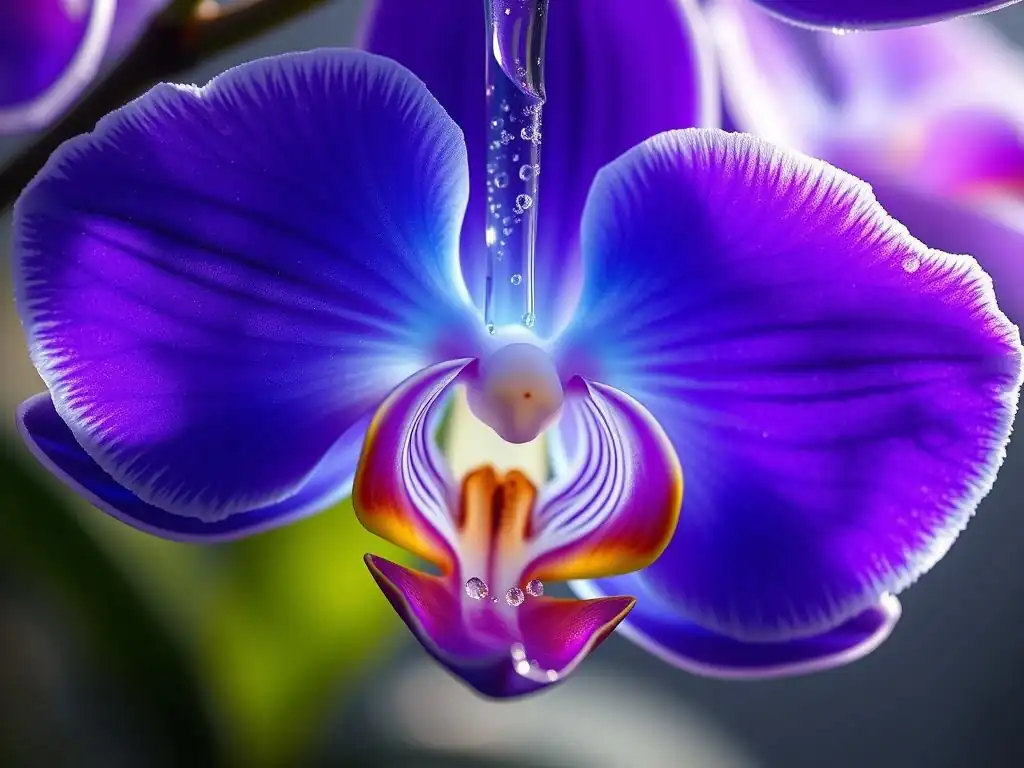
Water column feeder plants are distinguished by their primary method of nutrient acquisition: absorbing dissolved nutrients directly from the surrounding water through their leaves and stems. Unlike root feeders, their root systems are typically minimal, serving mainly for physical anchorage to hardscape elements like driftwood or rocks, or simply to prevent them from floating freely. These plants are highly efficient at scavenging dissolved macro and micronutrients that are abundant in the water column, such as nitrates, phosphates, potassium, and various trace elements.
A prime characteristic of water column feeders is their preference for not being buried in the substrate. For instance, plants like Anubias and Java Fern possess rhizomes (thick, horizontal stems) that are prone to rot if buried beneath the substrate line. Their leaves are adapted with specialized cells that facilitate the direct uptake of dissolved nutrients, making them ideal candidates for aquariums where the substrate is inert or less nutrient-rich, and where liquid fertilization is the primary method of nutrient delivery.
Nutrient Absorption in Water Column Feeders
The process of nutrient absorption in water column feeders is highly efficient, as they directly take up dissolved macro and micronutrients through their extensive leaf surfaces. Plants such as Hornwort ( Ceratophyllum demersum) and Cabomba caroliniana are particularly adept at rapidly absorbing excess nitrates and phosphates from the water column. This not only fuels their own robust growth but also contributes significantly to maintaining water quality, effectively acting as natural filters and helping to control algae by outcompeting it for available nutrients.
Because their nutrient intake is primarily from the water, the health and growth of water column feeders are directly dependent on the concentration of dissolved nutrients. Aquarists commonly use comprehensive liquid fertilizers containing a balanced blend of macro (Nitrogen, Phosphorus, Potassium) and micro (Iron, Manganese, Boron, Zinc) nutrients, typically dosed on a weekly basis. For example, a 20-gallon tank heavily planted with Anubias and Java Fern might require 5ml of an all-in-one liquid fertilizer weekly to prevent deficiencies like pinholes (potassium) or yellowing (iron) and maintain optimal growth.
Popular Water Column Feeding Aquarium Plants
Anubias barteri var. nana: Attaching to Décor for Easy Care
Anubias barteri var. nana is a highly popular and resilient water column feeder, cherished for its dark green, leathery leaves and slow growth. As an epiphyte, it must be attached to driftwood, rocks, or other décor using fishing line or super glue, rather than being buried in the substrate. Its rhizome, the horizontal stem from which roots and leaves emerge, is highly susceptible to rot if submerged in the substrate, making its proper placement crucial. Its small roots serve almost exclusively for anchorage.
Anubias is a slow-growing plant, typically producing only 1-2 new leaves per month under moderate conditions. It thrives on moderate levels of dissolved nitrates (5-20 ppm) and phosphates (0.5-2 ppm) in the water column, along with trace elements. Its low light and nutrient demands make it an excellent choice for low-tech or beginner setups, often obtaining sufficient nutrients from fish waste alone. Its robust leaves are also resistant to herbivorous fish, further adding to its appeal.
Java Fern (Microsorum pteropus): Versatile Epiphyte for Various Aquascapes
Java Fern ( Microsorum pteropus) is another highly versatile and hardy epiphyte that primarily absorbs nutrients from the water column. Like Anubias, its rhizome must be kept above the substrate to prevent rot, and it is best attached to hardscape. Its roots serve mainly to cling to surfaces, and its fronds are highly efficient at absorbing dissolved nutrients, making it adaptable to a wide range of water parameters and substrate types, including inert gravel or sand.
This plant is renowned for its resilience and ability to thrive in various tank conditions, from low-light to high-tech setups. Java Fern efficiently absorbs dissolved nutrients, helping to maintain water clarity and contributing to algae control by competing for nutrients. In a tank with a moderate fish load, it can often obtain sufficient nutrients without additional liquid fertilizers. However, consistent liquid fertilization can significantly boost its growth rate, allowing it to produce a new frond every 2-3 weeks and form dense, lush clumps in the aquarium.
Hornwort (Ceratophyllum demersum): Fast-Growing Floating Nutrient Scavenger
Hornwort ( Ceratophyllum demersum) is a unique and exceptionally fast-growing aquatic plant that is entirely rootless and can be either floated freely or loosely anchored. It is an outstanding water column feeder, highly prized for its remarkable ability to rapidly absorb excess nitrates, phosphates, and other dissolved organic compounds from the water. This makes it an invaluable asset for nutrient export, particularly in newly set up tanks or those prone to algae issues.
Under optimal conditions of good lighting and sufficient dissolved nutrients, Hornwort can exhibit explosive growth, often growing several inches per week, or even up to 1-2 inches per day in nutrient-rich environments. This rapid nutrient consumption means it can quickly deplete levels of nitrates from, for instance, 40 ppm down to under 10 ppm in a 29-gallon tank within a single week. Its aggressive nutrient uptake makes it a powerful "nutrient sponge," effectively outcompeting algae and contributing significantly to a stable, healthy aquatic ecosystem.
Choosing the Best Plant Substrate for Roots: A Detailed Guide
Inert Substrates: Gravel and Sand for Stability and Aesthetics
Inert substrates, such as gravel and sand, are widely available and popular choices due to their affordability, aesthetic versatility, and ease of maintenance. They are considered "inert" because they do not actively contribute significant nutrients to the water column or the substrate itself. Their primary functions in a planted aquarium are to provide physical anchorage for plant roots, offer a decorative base, and serve as a habitat for beneficial nitrifying bacteria. They are also ideal for fish species that enjoy sifting through the substrate.
However, the main limitation of inert substrates for heavily planted aquariums, especially those focusing on root-feeding plants, is their complete lack of nutritional value. A 20-gallon tank planted predominantly with Amazon Swords or Cryptocorynes in only inert gravel would quickly display signs of severe nutrient deficiency, such as pale leaves, stunted growth, or even melting, within just a few weeks or months. To successfully grow root feeders in such a setup, consistent and substantial supplementation with root tabs or a comprehensive liquid fertilization regimen becomes absolutely necessary, highlighting why they are not the best plant substrate for roots on their own.
Nutrient-Rich Substrates: Providing Essential Root Nourishment
Aquasoil: Buffering and Nutrient Release for Demanding Plants
Aquasoils, such as ADA Aqua Soil, Fluval Stratum, or UNS Controsoil, are specialized, nutrient-rich substrates composed of baked clay granules. They are meticulously engineered to provide a wealth of essential macro and micronutrients, including nitrogen, phosphorus, potassium, iron, and various trace elements, directly to plant roots. A key feature of aquasoils is their high Cation Exchange Capacity (CEC), which allows them to effectively bind and slowly release nutrients, preventing rapid leaching into the water column and ensuring a steady supply for plants. This makes them a top contender for the best plant substrate for roots.
Beyond nutrient provision, aquasoils significantly impact water chemistry by buffering the pH downwards, typically to a slightly acidic range of 6.0-6.5. This pH range is optimal for nutrient availability for many aquatic plants and enhances the solubility of CO2, a crucial element for photosynthesis. For example, a 30-gallon aquarium utilizing 18-20 lbs (approx. 8-9 kg) of ADA Aqua Soil can effectively sustain the vigorous growth of demanding root feeders like Cryptocorynes and Echinodorus species for 6-12 months before any significant additional root zone fertilization might be required, fostering dense and vibrant plant displays.
Laterite: Iron-Rich Supplementation for Red and Green Plants
Laterite is a naturally occurring, iron-rich clay often utilized as a foundational layer in planted aquariums. Its distinctive red color is indicative of its high iron oxide content, making it an excellent natural source of iron, aluminum, and other vital trace minerals crucial for healthy plant growth. Laterite is particularly beneficial for plants that exhibit red coloration, as iron is a key component in the production of pigments, and for preventing chlorosis (yellowing) in heavy root feeders that require consistent iron uptake. It is typically used as a thin base layer, mixed with or capped by other substrates.
The primary advantage of laterite is its ability to provide a slow, consistent release of iron and other trace elements directly to the roots over an extended period. For instance, a 55-gallon tank with a 1-inch (2.5 cm) layer of laterite beneath a 2-3 inch (5-7.5 cm) cap of gravel or sand can supply crucial iron to plants like Ludwigia repens (enhancing its red hues) or Amazon Swords (preventing iron deficiency chlorosis) for several years. This long-term, targeted nutrient delivery makes laterite a cost-effective and highly effective component when aiming for the best plant substrate for roots.
DIY Substrate Mixes: Customizing Nutrient Levels with Clay and Compost
For aquarists seeking a more customizable and often budget-friendly option, creating do-it-yourself (DIY) substrate mixes offers precise control over nutrient content and texture. These mixes typically involve a blend of organic potting soil (sterilized to remove pathogens and unwanted organic matter), various types of clay (such as unscented, non-clumping cat litter, which is essentially baked clay), and inert sand or gravel as a cap. While requiring careful preparation to prevent anaerobic pockets and nutrient leaching, DIY mixes can yield excellent long-term results.
A common recipe for a 20-gallon tank, for example, might include a 1-inch (2.5 cm) base layer composed of 70% sterilized organic potting soil mixed with 30% crushed red clay or laterite. This nutrient-dense layer is then capped with 1-2 inches (2.5-5 cm) of inert gravel or sand to prevent the soil from clouding the water. This setup can provide a rich and sustained source of macro and micronutrients for 1-2 years, supporting vigorous growth in diverse root feeders like Vallisneria, Cryptocorynes, and various Echinodorus species, making it a strong contender for the best plant substrate for roots for the hands-on aquarist.
Substrate Depth and Plant Anchorage: Ensuring Stability for Root Growth
The depth of the substrate is a critical factor, particularly for plants that rely heavily on their root systems for nutrient uptake and stability. For strong root feeders, a substrate depth of at least 2-3 inches (5-7.5 cm) is generally recommended. This ample depth provides sufficient space for roots to spread out, grow deeply, and firmly anchor the plant, especially larger species like Amazon Swords or Tiger Lotuses. Deeper substrates also offer a greater reservoir of nutrients and can promote beneficial anaerobic processes within the lower layers.
Proper substrate depth is essential for ensuring the long-term stability of aquatic plants. Without adequate depth, plants, especially those with extensive root systems, can easily become dislodged, leading to stress, damage to their delicate roots, and impaired nutrient uptake. For instance, a Tiger Lotus with its broad leaves and extensive root system requires a minimum of 3 inches (7.5 cm) of substrate to secure its root bulb and prevent it from floating to the surface. A well-chosen depth contributes significantly to creating the best plant substrate for roots by providing both physical stability and a substantial nutrient base.
Optimizing Nutrient Availability for Both Root and Water Column Feeders
Liquid Fertilizers: Supplementing Water Column Nutrients (Macros and Micros)
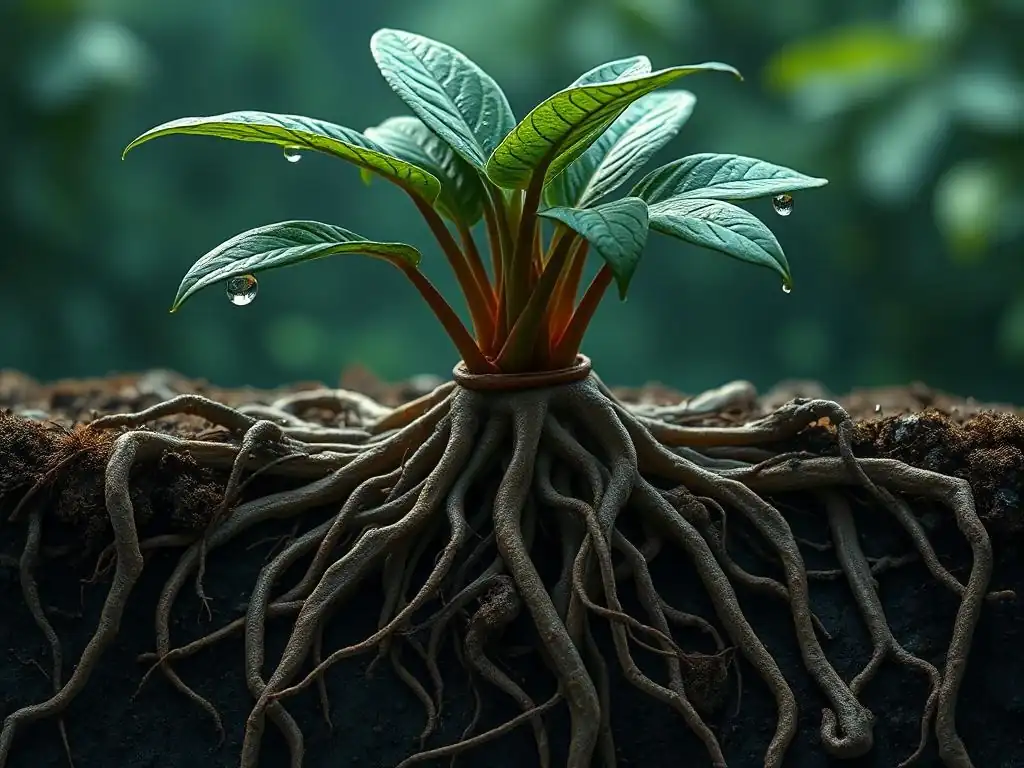
Liquid fertilizers are a cornerstone of planted tank care, designed to deliver essential macro and micronutrients directly into the water column. They are indispensable for water column feeding plants, which absorb nutrients through their leaves, but also serve as a crucial supplement for root feeders, especially as substrate nutrients gradually deplete over time. These fertilizers typically contain a balanced blend of nitrogen, phosphorus, potassium (macronutrients), and trace elements like iron, manganese, boron, and zinc (micronutrients).
Regular dosing of liquid fertilizers ensures a consistent supply of dissolved nutrients, promoting lush growth and vibrant coloration. For a moderately planted 40-gallon aquarium, a typical weekly dose of an all-in-one liquid fertilizer might range from 8-10 ml, providing a steady nutrient influx. This regimen ensures that plants like Anubias and Java Fern receive ample nutrition, while also topping up general nutrient levels for root feeders. Consistent liquid fertilization can lead to visible improvements in leaf color, density, and overall growth rate within days to weeks of implementation.
Root Tabs: Targeted Nutrient Delivery to Roots (Slow-Release Fertilization)
Root tabs are small, compressed capsules or tablets specifically formulated with concentrated macro and micronutrients designed for slow, localized release directly into the substrate. They are typically pushed deep into the substrate near the base of individual root-feeding plants, providing a targeted and long-lasting nutrient supply. Root tabs are an excellent solution for enriching inert substrates like gravel or sand, or for replenishing nutrients in older, depleted aquasoils.
These slow-release fertilizers are highly effective for heavy root feeders, complementing the best plant substrate for roots. For example, placing 1-2 root tabs around the base of a large Amazon Sword or a cluster of Cryptocorynes every 3-4 months can sustain their growth and prevent nutrient deficiencies for up to 6 months, even in a plain gravel tank. The direct delivery of nutrients minimizes their release into the water column, significantly reducing the risk of nutrient imbalances and subsequent algae blooms that can sometimes occur with excessive liquid fertilization.
The Role of CO2 Injection in Plant Growth: Enhancing Nutrient Uptake and Growth Rate
Carbon dioxide (CO2) is a fundamental macronutrient for all aquatic plants, playing a pivotal role in photosynthesis, the process by which plants convert light energy into chemical energy for growth. While plants can extract some carbon from bicarbonates in the water, CO2 injection provides a much more readily available and efficient carbon source, dramatically accelerating growth rates and enhancing the plant's overall ability to absorb and utilize other essential nutrients.
Higher concentrations of dissolved CO2 (typically targeted at 20-30 ppm in planted tanks) enable plants to photosynthesize more efficiently, leading to significantly faster metabolic activity. This increased metabolic rate, in turn, drives a greater demand for and absorption of other available nutrients from both the water column and the substrate. For instance, a planted tank with optimal CO2 injection might see plant growth rates increase by 2-3 times compared to a non-CO2 setup, necessitating more frequent and robust fertilization to keep pace with the plants' accelerated nutrient uptake.
Maintaining Water Parameters for Healthy Plant Growth
Water Hardness (GH) and Plant Needs: Balancing Mineral Content for Optimal Uptake
General Hardness (GH) is a measure of the concentration of dissolved divalent metal ions in the water, primarily calcium (Ca2+) and magnesium (Mg2+). These minerals are not just important for fish health but are also essential micronutrients for aquatic plants, playing critical roles in various physiological processes such as cell wall formation, enzyme activation, and photosynthesis. Adequate GH levels ensure plants can absorb these vital minerals without stress.
Most aquatic plants thrive within a GH range of 3-8 dGH (approximately 50-140 ppm). For example, Cryptocorynes generally prefer softer water conditions (3-6 dGH) for optimal growth, while more tolerant plants like Anubias and Java Fern can adapt to a wider range, including harder water. Maintaining the appropriate GH ensures that plants have access to these crucial minerals, which in turn supports their overall health and their ability to efficiently absorb other nutrients from both the water column and the best plant substrate for roots.
pH Levels and Nutrient Uptake: Maintaining Optimal pH for Nutrient Availability
The pH level of aquarium water significantly influences the solubility and availability of nutrients to aquatic plants, both in the water column and within the substrate. Different nutrients are more readily available at specific pH ranges. For example, iron (Fe), a critical micronutrient for chlorophyll production, is generally more soluble and accessible to plants at slightly acidic pH levels (below 7.0), while some other nutrients might prefer more neutral or slightly alkaline conditions.
For most planted aquariums, a slightly acidic to neutral pH range of 6.5-7.5 is considered ideal for promoting robust plant growth. In tanks with CO2 injection, the pH is often deliberately lowered to around 6.8 to increase CO2 solubility and availability. Maintaining a stable pH within this optimal range ensures that a broad spectrum of essential nutrients remains soluble and readily accessible to both root-feeding and water column-feeding plants, preventing nutrient lockout and supporting the overall health and vibrancy of the planted ecosystem.
Creating a Balanced Aquarium Ecosystem: Combining Root and Water Column Feeders
Designing Your Planted Tank with Both Types in Mind: Stratification and Aesthetics
Thoughtful aquascape design that integrates both root and water column feeder plants allows for the creation of visually stunning and ecologically balanced aquariums. By understanding the specific nutrient uptake methods of each plant type, aquarists can strategically place them to optimize growth and create depth and visual interest. Root feeders, such as Amazon Swords or Cryptocorynes, are typically positioned in the substrate as midground or background plants, forming lush, stable anchors for the aquascape.
Conversely, water column feeders like Anubias or Java Fern are best attached to hardscape elements such as driftwood or rocks, often adorning the foreground or midground areas. This approach creates a natural stratification of nutrient absorption, where plants utilize resources from different zones. For instance, in a 75-gallon planted tank, a base of nutrient-rich aquasoil can support a dense carpet of Dwarf Hairgrass (a root feeder) in the foreground and tall Vallisneria (another root feeder) in the background. Simultaneously, Anubias tied to a central piece of driftwood and Java Fern on accent rocks efficiently utilize nutrients from the water column, ensuring all plants thrive without direct competition for the same localized nutrient source.
Placement Strategies for Optimal Growth: Light, Flow, and Competition
Strategic placement of plants is crucial for optimizing their growth by considering their specific needs for light, water flow, and minimizing inter-species competition. Plants with higher light requirements, such as many stem plants, should be positioned closer to the light source or in unobstructed areas. Lower light plants like Anubias or Java Fern can thrive in shaded areas or beneath taller plants. Adequate water flow is also vital, especially for water column feeders, as it ensures a constant delivery of dissolved nutrients to their leaves.
By understanding the distinct nutrient uptake methods, aquarists can significantly minimize competition between plant species. For example, placing a large Amazon Sword (a heavy root feeder) in a dedicated area with a rich substrate, away from a dense cluster of Anubias (a water column feeder attached to décor), ensures that both plant types have optimal access to their preferred nutrient sources. In a 40-gallon tank, planting Cryptocoryne species in a specific section of nutrient-rich substrate while Java Moss is tied to a central piece of driftwood allows each to flourish without significant resource overlap, leading to a healthier and more stable ecosystem.
Avoiding Nutrient Imbalances and Algae Blooms: Balancing Fertilization and Lighting
Maintaining a delicate balance between nutrient availability, lighting, and CO2 is paramount to prevent nutrient imbalances and the dreaded algae blooms in a planted aquarium. Over-fertilization, particularly with liquid nutrients in a tank predominantly featuring root feeders, can lead to an excess of dissolved nutrients in the water column that plants cannot fully utilize, creating a fertile ground for algae. Similarly, insufficient nutrients can stunt plant growth, leaving excess light and unconsumed nutrients for opportunistic algae to exploit.
A common approach to achieving this balance is to start with a moderate fertilization regimen and closely monitor plant growth and any signs of algae, adjusting as needed. For example, if green spot algae appears on tank glass, it might indicate low phosphate levels, while green dust algae could signal excess light or unstable CO2.
Regularly testing water parameters, aiming for target levels like 10-20 ppm nitrates and 0.5-1 ppm phosphates, and adjusting liquid fertilizer doses or root tab frequency accordingly helps maintain a healthy equilibrium. This meticulous balance, coupled with the best plant substrate for roots, is key to fostering lush plant growth while keeping algae at bay.
Yellowing Leaves: Nutrient Deficiencies (Iron, Nitrogen, Potassium)
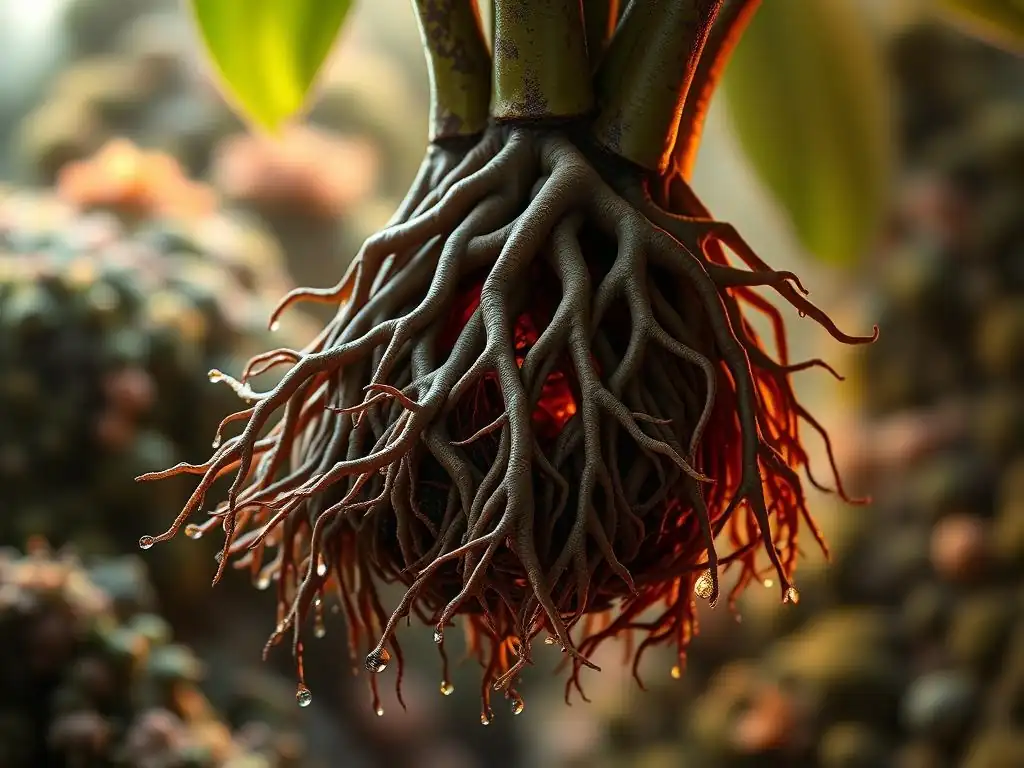
Yellowing leaves, or chlorosis, are a common visual indicator of nutrient deficiencies in aquatic plants. The location of the yellowing often provides clues about the specific nutrient lacking. If older, lower leaves turn yellow, it typically points to a deficiency in mobile nutrients like nitrogen or phosphorus, which the plant can reallocate from older to newer growth. Conversely, if new, upper leaves are pale or yellow, it strongly suggests a deficiency in an immobile nutrient, most commonly iron, which is crucial for chlorophyll production and cannot be easily moved within the plant.
For heavy root feeders, yellowing, especially in new growth, is a clear signal of an iron deficiency within the substrate. For instance, an Amazon Sword might begin to show pale new leaves within 2-3 weeks if its root tabs have been depleted or if the aquasoil has aged and its iron reserves are exhausted. The most effective remedy involves directly addressing the substrate's nutrient content by inserting iron-rich root tabs near the plant's base or supplementing with a chelated liquid iron fertilizer, directly pinpointing the best plant substrate for roots as the source of the issue.
Stunted Growth: Substrate Compaction or Depletion (Nutrient Lockout)
Stunted growth, characterized by plants failing to reach their expected size, producing abnormally small leaves, or showing significantly slowed growth rates, can stem from various factors. However, for root-feeding plants, issues related to the substrate are frequently the culprit. Substrate compaction, which occurs when fine particles settle tightly over time, can reduce oxygen flow to the roots, hindering their ability to absorb nutrients and leading to root rot.
Over time, the nutrient reserves within even the best plant substrate for roots can become depleted. This, combined with potential compaction, can lead to nutrient lockout, where nutrients are present but unavailable to the plant. For example, a Cryptocoryne species might show significantly reduced growth, producing only tiny new leaves, if its substrate has become severely compacted after a year of setup, or if its nutrient reserves are completely exhausted. Remedying this often involves gently aerating the substrate, adding fresh root tabs, or, in severe cases, replacing the substrate entirely to rejuvenate the growing environment.
Algae Growth: Nutrient Overload or Imbalance (Phosphates, Nitrates, Light)
While algae is a natural component of any aquarium ecosystem, excessive or persistent algae growth is almost always an indicator of an imbalance in nutrients, light, or CO2. A common scenario for algae proliferation arises from nutrient overload, particularly when excess dissolved nutrients accumulate in the water column due to over-fertilization, especially in tanks with a low plant biomass or predominantly root-feeding plants that do not actively absorb much from the water.
The substrate itself can be a direct contributor to algae issues. For instance, when a highly nutrient-rich substrate like fresh aquasoil is initially set up, it can leach significant amounts of ammonia and other nutrients into the water column during its cycling phase. If there isn't sufficient plant mass to rapidly absorb these initial nutrient spikes, it can trigger widespread algae blooms, such as diatom algae or hair algae.
Conversely, if the best plant substrate for roots is depleted but liquid fertilizers are still added for water column feeders, the root feeders might suffer, leaving excess nutrients in the water for algae. Balancing the initial substrate nutrients with the plant load and adjusting liquid fertilizers is crucial to prevent such outbreaks, for example, a green hair algae bloom in a 20-gallon tank.
Advanced Substrate Techniques for Demanding Plants
Using Multiple Substrate Layers for Enhanced Growth (Power Sand, Nutrient Substrate, Cap)
Employing multiple substrate layers is an advanced technique utilized by experienced aquascapers to maximize plant growth, improve substrate longevity, and create a highly stable environment. A typical layered setup often begins with a base layer of "power sand" or similar organic-rich material, followed by a middle layer of nutrient-rich aquasoil or laterite, and finally capped with an inert layer of fine sand or cosmetic gravel. This stratification provides a comprehensive and long-lasting nutrient profile.
This multi-layered approach offers diverse benefits. For example, ADA's Power Sand Special, often laid in a 0.5-1 inch (1-2 cm) thick layer, provides a long-term organic nutrient base and promotes the establishment of beneficial bacteria. This is then typically covered by 2-3 inches (5-7.5 cm) of ADA Aqua Soil for immediate nutrient availability and pH buffering. Finally, a thin layer of cosmetic sand can be added for aesthetic appeal. This system can sustain a high-tech planted tank with demanding foreground plants like Hemianthus callitrichoides 'Cuba' for 1-2 years without significant root tab supplementation, truly representing the best plant substrate for roots and overall growth for advanced setups.
The Walstad Method: A Natural Approach to Planted Aquariums (Soil Substrate)
The Walstad Method, pioneered by aquatic botanist Diana Walstad, is a natural approach to planted aquariums that relies heavily on a soil-based substrate. This method typically involves a base layer of organic potting soil (often sterilized to prevent pathogens and excess organic matter) capped with an inert layer of gravel or sand. It emphasizes a low-tech philosophy, often foregoing CO2 injection, extensive fertilization, or high-intensity lighting, instead relying on the soil to provide all necessary nutrients and foster a thriving ecosystem.
The core principle of the Walstad Method is that the soil layer acts as a complete nutrient source, releasing a steady and balanced supply of macro and micronutrients, mimicking natural aquatic environments. The plants, particularly heavy root feeders like Cryptocorynes, Amazon Swords, and Vallisneria, thrive on these readily available nutrients. For example, a 10-gallon Walstad tank might utilize a 1-inch (2.5 cm) layer of organic potting soil capped with 1-2 inches (2.5-5 cm) of sand, supporting dense and healthy plant growth with minimal external intervention, demonstrating a highly effective and self-sustaining best plant substrate for roots.
Considering Plant-Specific Substrate Requirements: Substrate pH Preferences for Eriocaulon
While general guidelines for substrate selection apply to most aquatic plants, some highly demanding or specialized species have very specific substrate requirements that extend beyond simple nutrient content. These unique needs can include precise pH levels within the substrate, specific particle sizes for optimal root penetration, and particular oxygenation levels. Ignoring these nuanced requirements can lead to significant challenges in cultivating these sensitive plants.
A prime example of such a demanding genus is Eriocaulon, often sought after for high-tech aquascapes due to their unique, star-like appearance. Eriocaulon species are notoriously sensitive to substrate conditions and typically thrive in very soft, acidic water (pH 5.0-6.5). They prefer a fine-grained, nutrient-poor but iron-rich substrate that allows for excellent root penetration and oxygenation, such as specialized fine-grade aquasoil or certain types of inert sand. Attempting to grow Eriocaulon in a coarse, nutrient-dense substrate with a high pH can quickly lead to melting, stunted growth, or complete failure, underscoring the critical need for precise substrate matching for these delicate plants.
Conclusion: Mastering Substrate Selection for a Flourishing Planted Aquarium
Mastering substrate selection is a foundational step towards cultivating a flourishing planted aquarium. Understanding the fundamental distinction between root-feeding and water column-feeding plants is paramount, as it dictates the most effective nutrient delivery strategy. For robust root feeders, investing in the best plant substrate for roots—be it nutrient-rich aquasoils, laterite-enriched layers, or carefully crafted DIY mixes—provides the essential foundation for vibrant growth and long-term health.
While nutrient-rich substrates cater to the needs of rooted plants, liquid fertilizers remain indispensable for water column feeders and for supplementing overall tank nutrient levels. Furthermore, advanced techniques like CO2 injection and multi-layered substrates can unlock the full potential of demanding species. By carefully considering substrate depth, maintaining optimal water parameters, and balancing fertilization with lighting, aquarists can create a harmonious ecosystem where both root and water column feeders thrive, minimizing common issues like nutrient deficiencies and algae blooms. Ultimately, a well-chosen and maintained substrate is the cornerstone of a successful and aesthetically pleasing planted tank.
Frequently Asked Questions
What is the difference between a root feeder and a water column feeder plant in an aquarium?
Root feeders primarily absorb nutrients through their root systems, requiring a nutrient-rich substrate. Water column feeders absorb nutrients directly from the water through their leaves.
Why is choosing the right substrate important for aquarium plants?
The right substrate provides essential nutrients for root feeders, allowing them to thrive. Incorrect substrate can lead to stunted growth or plant death, especially for root-dependent species.
What are some examples of good substrates for root feeder plants?
Good substrates include aquarium soil, laterite, and substrates enriched with fertilizers. These options provide long-term nutrient release for healthy root development.
How can I tell if my aquarium plants are root feeders or water column feeders?
Observe their root structure; root feeders typically have extensive root systems. Also, research the specific plant species to understand its nutrient requirements.
What happens if I use the wrong substrate for my aquarium plants?
Root feeders in inert substrates will suffer from nutrient deficiencies, leading to yellowing leaves and poor growth. Water column feeders may not be significantly affected by the substrate, as they get nutrients from the water itself.
Final Reflection: Cultivating Growth from the Ground Up
The exploration of root feeder versus water column feeder plants, and the quest for the best plant substrate for roots, isn't just about aquarium aesthetics; it's a microcosm of understanding symbiotic relationships and providing the essential foundations for life to flourish. In a world increasingly focused on surface-level solutions, recognizing the importance of what lies beneath – the literal and metaphorical roots – is more critical than ever.
This journey into the world of aquatic plants has profoundly underscored the importance of understanding individual needs and tailoring environments for optimal growth. It's a lesson that extends far beyond the aquarium, reminding us that nurturing the foundations, whether in our personal lives, communities, or ecosystems, is paramount to sustainable success. The best time to plant a tree was 20 years ago. The second best time is now.
This ancient proverb resonates deeply, highlighting the enduring value of investing in the roots of our future.
Now, consider the lessons learned about matching plants to their ideal substrates. How can you apply this principle of understanding individual needs and providing the right environment to other areas of your life? Take a moment to reflect on the "substrates" – the foundations – you are building in your relationships, your career, and your personal growth. Are you providing the right nutrients and support for them to truly thrive? Let this knowledge inspire you to cultivate growth from the ground up, fostering environments where potential can blossom and flourish.
Unleash Your Aquarium's Potential!
Thanks for exploring the world of aquarium plants with us! We hope you’ve gained valuable insights into the critical differences between root feeders and water column feeders, setting you up for aquascaping success. Now, let’s put that knowledge into action!
Here are some next steps to maximize the health and beauty of your planted aquarium:
- Take immediate action by identifying your existing plants: are they primarily root feeders or water column feeders? Understanding their needs is the first step to thriving plants.
- Dive deeper and explore unconventional substrate options for root feeders. Consider options like DIY clay balls enriched with micronutrients for a truly personalized approach.
- Share your own experiences! Post photos of your planted tanks and the methods you use for fertilizing different types of plants on aquarium forums or social media groups using #AquariumMasteryPlants.
Ready to revolutionize your aquascaping with this new understanding of plant nutrition? What's one small change you can implement today to better cater to the specific needs of your aquarium plants?