
Quarantine Protocols for New Danios, Rasboras, and White Clouds: A MustDo

Welcome to Aquarium Mastery, fellow aquarist!
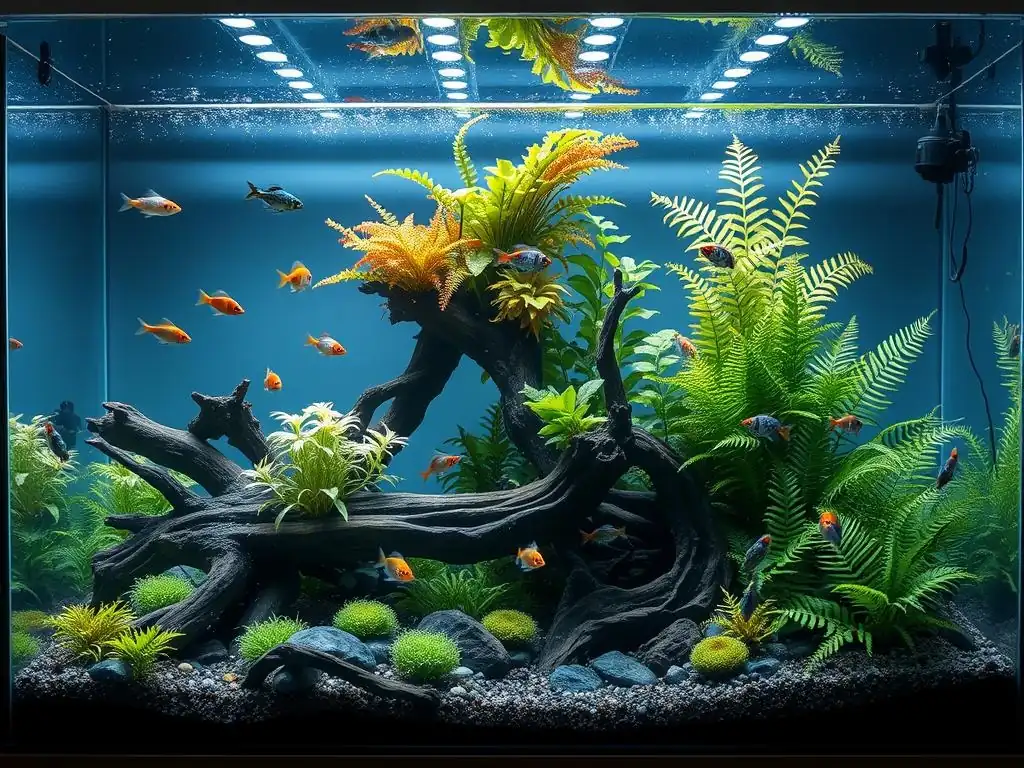
Ever wondered if those dazzling new Danios, Rasboras, or White Clouds are really ready to join your established community tank? Before you introduce them, understanding and implementing effective new fish quarantine protocols is absolutely crucial. Dive in to discover how to safeguard your entire aquarium ecosystem and prevent potential disasters. Let's ensure your finned friends thrive, not just survive!
- Why Quarantine New Fish? Protecting Your Aquarium from Disease
- Setting Up Your Quarantine Tank: A Step-by-Step Guide
- The Quarantine Process: A Detailed Protocol
- Post-Quarantine Procedures: Safely Introducing Fish to Your Main Tank
- Preventing Future Outbreaks: Maintaining a Healthy Aquarium
- Advanced Quarantine Techniques
- Troubleshooting Common Quarantine Issues
-
Frequently Asked Questions
- What is new fish quarantine and why is it so important?
- How long should I quarantine new Danios, Rasboras, or White Clouds?
- What size quarantine tank do I need for these small fish?
- What should I look for during the quarantine period that would indicate a problem?
- What do I do if I notice signs of illness during quarantine?
- Final Reflection: Safeguarding Aquatic Life
- Ignite Your Aquarium: Ensure a Thriving, Disease-Free Aquatic World!
Why Quarantine New Fish? Protecting Your Aquarium from Disease
Understanding the Risks of Introducing Unquarantined Fish
Introducing new fish directly into an established aquarium carries significant, often unseen, risks. Even fish that appear healthy can harbor dormant pathogens, parasites, or bacterial infections. These unseen threats can rapidly spread throughout your main display tank, potentially decimating your existing fish population and causing immense stress, not to mention financial loss from medication and fish replacement. Studies suggest that a substantial percentage of newly acquired fish, sometimes as high as 80%, may carry some form of latent pathogen, making a dedicated quarantine period absolutely critical.
These pathogens, once introduced, can quickly multiply and infect your healthy, resident fish, especially if they are already under stress from environmental factors or overcrowding. Common culprits include Ichthyophthirius multifiliis (Ich), various external parasites like flukes, and common bacterial infections that cause fin rot or columnaris. A single diseased fish can trigger a tank-wide epidemic, leading to widespread illness and fatalities within days, undoing months or even years of careful aquarium maintenance and fishkeeping efforts.
The Importance of Quarantine for a Healthy Aquarium Ecosystem
Quarantine serves as an essential preventative measure, providing a safe, isolated environment where new fish can be observed and treated without risking the health of your main aquarium. This isolation period allows you to detect, diagnose, and treat any potential illnesses before they have a chance to spread to your established fish population. By doing so, you safeguard the delicate biological balance of your main tank, preserving its beneficial bacteria and ensuring a stable, healthy environment for all inhabitants.
Implementing robust "New fish quarantine protocols" is a proactive approach to maintaining a thriving aquatic ecosystem. It significantly reduces the likelihood of costly and heartbreaking disease outbreaks, which can be challenging to eradicate once established in a large, complex display tank. A successful quarantine period ensures that only truly healthy fish are introduced, contributing to the long-term vitality and resilience of your entire aquarium community.
Setting Up Your Quarantine Tank: A Step-by-Step Guide
Choosing the Right Size Quarantine Tank for Small Schooling Fish
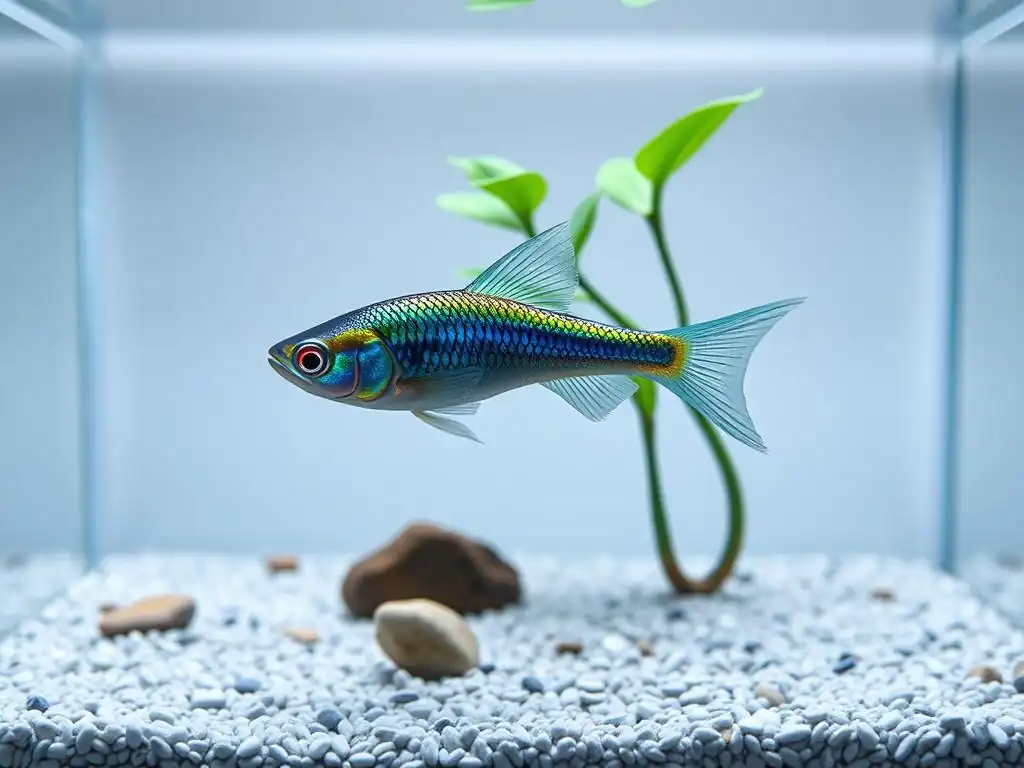
Even for small schooling fish like Danios, Rasboras, and White Clouds, the quarantine tank should provide adequate space for comfortable swimming and stable water parameters. A 10-gallon (approximately 38 liters) aquarium is generally considered the minimum suitable size for quarantining a small school of 6-8 fish. For larger groups or if you anticipate a longer quarantine period, a 20-gallon (approximately 76 liters) tank offers even greater stability and reduces the frequency of necessary water changes, minimizing stress on the fish.
While small, these tanks are still prone to rapid fluctuations in water chemistry, making appropriate sizing crucial. A slightly larger tank provides a greater volume of water, which helps buffer against sudden changes in pH, temperature, and waste product buildup, all of which are critical for stressed fish undergoing new fish quarantine protocols. Adequate space also allows for easier observation and the potential for adding simple hiding spots, further reducing stress.
Essential Equipment for a Quarantine Tank Setup
Quarantine Tank Heater and Thermometer: Maintaining Stable Temperature
Maintaining a stable water temperature is paramount in a quarantine tank, as fluctuating temperatures can significantly stress fish and exacerbate dormant diseases. Danios, Rasboras, and White Clouds generally thrive in temperatures ranging from 72-78°F (22-26°C). An adjustable, submersible heater (typically 50-100 watts for a 10-20 gallon tank) is essential to keep the water within this optimal range consistently.
In addition to the heater, an accurate thermometer is indispensable. Relying solely on the heater's dial can be misleading; a separate thermometer (either digital or a simple glass stick-on) provides a precise reading, allowing you to fine-tune the heater's setting. Consistent temperature helps to bolster the fish's immune system and can even accelerate the life cycle of some parasites, like Ich, making them easier to treat during the quarantine period.
Filtration for Quarantine Tanks: Sponge Filters and Water Quality
For a quarantine tank, a simple and effective filtration system is key. Sponge filters, powered by an air pump, are highly recommended. They provide both mechanical filtration (trapping particulate matter) and biological filtration (housing beneficial bacteria that convert toxic ammonia and nitrite). They are gentle, easy to clean, and, crucially, do not create strong currents that might stress already vulnerable new fish.
While a sponge filter provides essential biological support, water quality must still be meticulously managed. Even with filtration, ammonia and nitrite can accumulate rapidly, especially if the sponge filter is not fully "cycled" with beneficial bacteria. Regular testing for these parameters using a liquid test kit is vital. If the quarantine tank is not cycled, daily water changes will be necessary to keep these toxic compounds at safe levels, ensuring the success of your new fish quarantine protocols.
Lighting Considerations for Quarantining Danios, Rasboras, and White Clouds
Lighting in a quarantine tank should be minimal and functional, not aesthetic. Bright, intense lighting can be highly stressful for newly introduced fish, which are already disoriented and potentially weakened. A simple, low-wattage LED fixture or even just ambient room light is usually sufficient for observation and does not need to be on for extended periods.
Subdued lighting helps fish acclimate more quickly to their new surroundings and reduces their overall stress levels. Stressed fish are more susceptible to disease, so creating a calm environment is paramount. A consistent, short light cycle, such as 6-8 hours per day, can mimic natural day-night patterns without over-stimulating the fish or promoting unwanted algae growth.
Setting Up the Quarantine Tank: Water Parameters and Cycling
When setting up your quarantine tank, it is crucial to match its water parameters (temperature, pH, and hardness) as closely as possible to those of your main display tank. This minimizes the shock and stress on new fish during their eventual transfer. For Danios, Rasboras, and White Clouds, which are adaptable, a pH range of 6.0-7.5 and moderately soft to medium-hard water (5-15 dGH) is generally appropriate, but consistency with your main tank is the priority.
Ideally, your quarantine tank should be biologically cycled before new fish are introduced. This can be achieved by transferring a mature sponge filter or a portion of filter media from an established, healthy main tank. If cycling is not feasible, daily water changes (25-50%) and vigilant monitoring of ammonia and nitrite levels with a liquid test kit are absolutely essential. Using an ammonia detoxifier can also provide a temporary buffer against toxic spikes during the initial stages of your new fish quarantine protocols.
The Quarantine Process: A Detailed Protocol
Acclimation: Introducing New Fish to the Quarantine Tank
Upon bringing your new Danios, Rasboras, or White Clouds home, the acclimation process to the quarantine tank must be handled with care to minimize stress. Begin by floating the sealed bag containing the fish in the quarantine tank for 15-20 minutes. This step allows the water temperature in the bag to gradually equalize with the tank water, preventing temperature shock which can severely weaken fish.
After temperature equalization, open the bag and carefully roll down the edges to create a float. Over the next 30-60 minutes, slowly add small amounts of quarantine tank water into the bag, approximately a quarter cup every 5-10 minutes, until the volume of water in the bag has doubled. This gradual drip acclimation helps the fish adjust to the new water chemistry.
Finally, gently net the fish from the bag and release them into the quarantine tank, discarding the bag water to prevent any potential contaminants from entering your system. Keep the tank lights dim for the first few hours to help them settle.
Observation Period: Monitoring for Signs of Illness in New Arrivals
The observation period is the cornerstone of effective "New fish quarantine protocols." For a minimum of 7-14 days, dedicate time daily to meticulously observe each fish in the quarantine tank. Look for any deviations from normal behavior, such as clamped fins, erratic swimming, flashing (rubbing against decor), labored breathing, or unusual hiding. Also, carefully inspect their bodies for any physical abnormalities like white spots, fuzzy growths, lesions, frayed fins, or changes in coloration.
Consistency in your observation routine is key; observing at the same time each day helps establish a baseline for normal behavior and makes subtle changes more apparent. Keep a detailed log of your observations, noting feeding habits, any unusual symptoms, and the date they appeared. Early detection of disease significantly increases the chances of successful treatment, preventing minor issues from escalating into severe health problems.
Identifying Common Diseases in Danios, Rasboras, and White Clouds
While Danios, Rasboras, and White Clouds are generally hardy fish, they are still susceptible to common freshwater diseases. Understanding the signs of these ailments is crucial for prompt and effective treatment within the quarantine tank. Ich ( Ichthyophthirius multifiliis) is perhaps the most common, manifesting as small, white, salt-grain-like spots on the body and fins, often accompanied by flashing or rapid gill movements.
Other prevalent issues include Fin Rot, characterized by decaying, ragged, or discolored fins, typically a bacterial infection exacerbated by stress or poor water quality. Velvet, caused by Oodinium, presents as a fine, dusty, gold or rust-colored coating on the fish's body, often with increased respiration. Bacterial infections can also manifest as red streaks, open sores, or bloating. Recognizing these specific indicators allows for targeted intervention.
Fin Rot, Ich, and Other Quarantine Concerns
Fin Rot and Ich are particularly common quarantine concerns due to their highly contagious nature and rapid progression if left untreated. Fin Rot, often a secondary bacterial infection, can quickly disfigure and debilitate fish, making them vulnerable to other pathogens. Ich, a persistent parasite, can rapidly spread through an entire tank, embedding itself in the fish's skin and gills, causing severe irritation and respiratory distress.
Beyond these, other potential issues during quarantine include internal parasites (indicated by wasting, sunken bellies, or stringy white feces), fungal infections (appearing as cotton-like growths), and swim bladder disorders (causing buoyancy problems). The isolation of the quarantine tank provides the ideal environment to address these specific health challenges without risking the health and stability of your main display aquarium.
Quarantine Medication: When and How to Treat Sick Fish
Medication in the quarantine tank should be approached cautiously. Avoid prophylactic treatment with broad-spectrum medications unless there's a strong, specific reason, such as a known disease outbreak at the source. Instead, medicate only when specific symptoms of illness are identified. Indiscriminate use of medications can stress fish, disrupt their immune systems, and lead to antibiotic resistance in pathogens.
Once a specific disease is diagnosed through careful observation, select a medication specifically formulated to treat that condition. For instance, malachite green and formalin combinations are effective against Ich, while specific antibiotics target bacterial infections. Research the identified symptoms thoroughly using reliable sources, and if uncertain, consult an experienced aquarist or aquatic veterinarian to ensure accurate diagnosis before initiating any treatment.
Choosing the Right Medications for Quarantine Treatment
For common parasitic infections like Ich, effective medications often contain ingredients such as malachite green and formalin (e.g., Kordon Rid-Ich Plus). For bacterial infections, broad-spectrum antibiotics like Furan-2 or Maracyn are frequently used. Fungal infections, which appear as cottony growths, can be treated with specific antifungals (e.g., API Fungus Cure). Always read the product label thoroughly to ensure it targets the identified ailment.
It is important to consider the specific fish species when choosing medications. While Danios, Rasboras, and White Clouds are generally robust, some medications can be harsher on certain fish or in specific water parameters. Always check for any contraindications listed on the medication's packaging. When in doubt, a common practice is to start with a half-dose and carefully monitor the fish's reaction, especially with sensitive species, before proceeding with the full recommended dosage.
Safe and Effective Medication Dosages for Small Fish
Precise medication dosage is critical for the safety and effectiveness of treatment, especially for small fish in relatively small quarantine tank volumes. Underdosing can render the treatment ineffective, allowing the disease to persist, while overdosing can be fatal to the fish. Always calculate the exact water volume of your quarantine tank (e.g., length x width x height in inches / 231 for gallons, or in cm / 1000 for liters) and adhere strictly to the manufacturer's recommended dosage instructions.
Before adding medication, remove any activated carbon from the filter, as it will absorb the active ingredients and render the treatment useless. Maintain or increase aeration during treatment, as some medications can reduce oxygen levels. Many treatments require multiple doses over several days; follow the full course, performing water changes between doses as instructed to remove spent medication and maintain water quality.
Water Changes During Quarantine: Maintaining Water Quality
Regular water changes are a fundamental component of "New fish quarantine protocols," even with a functioning filter. They are especially critical if the quarantine tank is not fully cycled or if medications are being used, as many treatments require water changes between doses. Daily or every-other-day water changes of 20-30% are often recommended to prevent the buildup of ammonia, nitrite, and dissolved organic compounds, which can stress fish and hinder recovery.
When performing water changes, always use dechlorinated water that precisely matches the quarantine tank's temperature and pH. Sudden or significant shifts in water parameters can cause additional stress to already vulnerable fish, potentially exacerbating their condition or making them more susceptible to secondary infections. Use a dedicated bucket and siphon for the quarantine tank to prevent any cross-contamination with your main display aquarium.
Post-Quarantine Procedures: Safely Introducing Fish to Your Main Tank
Gradual Introduction: Minimizing Stress on New and Existing Fish
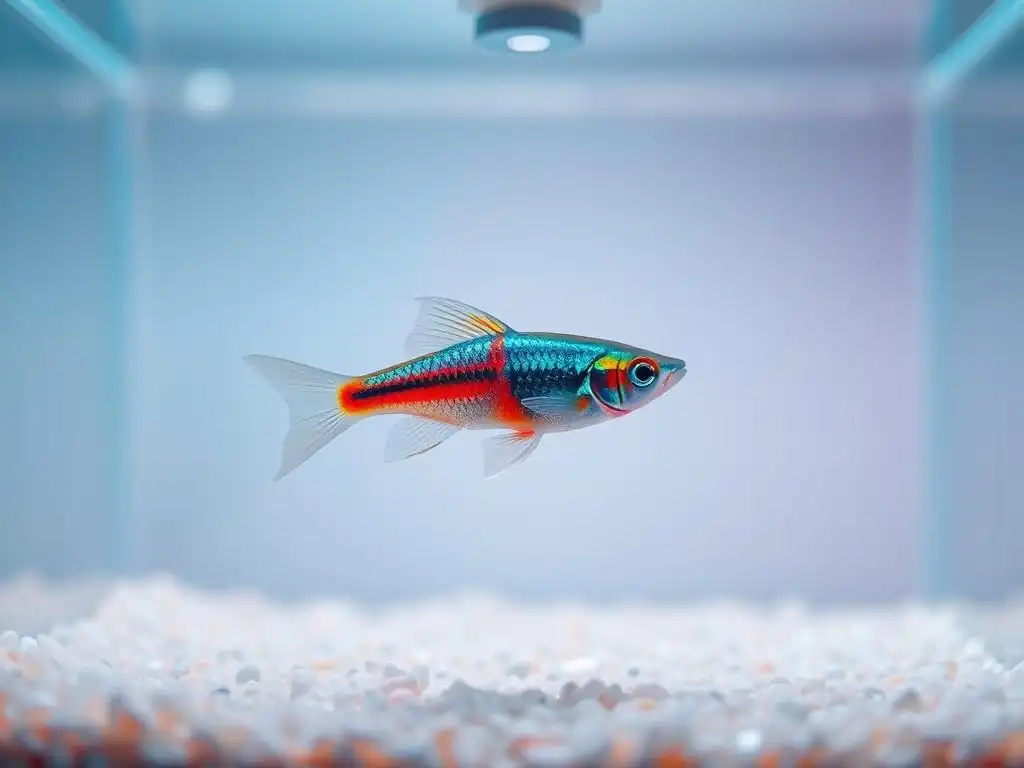
After a successful quarantine period, typically 3-4 weeks with no signs of disease and a full course of any necessary treatment completed, your new Danios, Rasboras, or White Clouds are ready for their permanent home. However, simply dropping them into the main tank can be highly stressful for both the new arrivals and your existing fish. To minimize this stress, dim the lights in both the quarantine and main tanks.
Consider a gradual introduction method. Over a few hours, slowly add small amounts of water from the main display tank into the quarantine tank, allowing the new fish to gradually adapt to the main tank's specific water parameters and scent cues. When ready to transfer, gently net the fish from the quarantine tank and release them into the main display.
Crucially, never add quarantine tank water to your main display tank; discard it safely. Keep the main tank lights dim for several hours after introduction, allowing the new fish to explore and find hiding spots without immediate harassment from established tank mates.
Final Observation: Ensuring Long-Term Health
Even after a successful quarantine and careful introduction, the vigilance should not cease. Continue to observe your new fish closely for the next one to two weeks within the main tank. Look for any lingering signs of stress, such as hiding excessively, refusing to eat, or clamped fins. Also, monitor for any signs of bullying from existing fish or, conversely, any re-emergence of disease symptoms that might have been latent.
This extended observation period provides a final layer of assurance that your comprehensive "New fish quarantine protocols" have been successful. It ensures that the new fish have fully acclimated to their new environment and tank mates and that no hidden issues have emerged. This continued attention is vital for confirming the long-term health and well-being of your entire aquarium community.
Preventing Future Outbreaks: Maintaining a Healthy Aquarium
Regular Water Testing: Monitoring Water Parameters
Consistent and accurate water quality is the single most important factor in preventing disease outbreaks and maintaining a healthy aquarium. Regular testing of key water parameters—ammonia, nitrite, nitrate, and pH—should be a weekly routine. For Danios, Rasboras, and White Clouds, maintaining zero ammonia and nitrite, with nitrates below 20 ppm, is crucial for their health and resilience.
Unstable or poor water parameters are a primary stressor for fish, directly compromising their immune systems and making them highly susceptible to opportunistic pathogens. Regular testing allows you to detect any deviations early, enabling prompt corrective actions like water changes or filter maintenance. This proactive approach prevents the conditions that often lead to widespread disease, safeguarding the efforts of your initial new fish quarantine protocols.
Proper Feeding: Providing a Balanced Diet
A varied and nutritious diet plays a significant role in strengthening the immune systems of your fish, making them more resilient against diseases. Danios, Rasboras, and White Clouds are omnivores, and their diet should reflect this. Offer a high-quality flake or micro-pellet food as a staple, supplemented regularly with occasional live or frozen foods such as brine shrimp, daphnia, or small bloodworms to provide essential vitamins and proteins.
It's equally important to avoid overfeeding. Excess food not only pollutes the water, contributing to poor water quality, but can also lead to digestive issues and obesity in fish. Feed small amounts multiple times a day, only what your fish can consume completely within 2-3 minutes. A well-balanced diet, coupled with appropriate feeding practices, directly contributes to robust health and disease resistance.
Observing Fish Behavior: Early Detection of Potential Problems
Becoming intimately familiar with the normal behavior of your fish is one of the most effective tools for preventing future outbreaks. Daily observation allows you to quickly spot subtle deviations in swimming patterns, breathing rate, coloration, social interaction, or appetite. These changes are often the earliest indicators of stress, environmental issues, or the onset of illness.
If you notice any unusual behavior, investigate immediately. This might involve testing water parameters, reviewing feeding practices, or observing for signs of bullying. Proactive intervention, often as simple as a water change or adjusting tank conditions, can prevent minor issues from escalating into full-blown outbreaks. Early detection, refined through consistent observation, is a powerful complement to your initial new fish quarantine protocols.
Advanced Quarantine Techniques
Considering Live Food Quarantine
While live foods such as brine shrimp, daphnia, or blackworms can be excellent for conditioning fish and encouraging natural behaviors, they also pose a potential risk of introducing parasites or diseases into your aquarium. Even reputable suppliers may occasionally have contaminated batches, and wild-caught options carry even higher risks.
To mitigate this risk, consider "quarantining" your live foods. This can involve thoroughly rinsing them before feeding or, for more advanced protocols, keeping them in a separate, clean container with fresh, dechlorinated water for a day or two to observe for any signs of contamination or to allow any potential parasites to die off before being introduced to your fish. Alternatively, culturing your own live foods can provide a safer, controlled source.
Troubleshooting Common Quarantine Issues
Dealing with Ammonia Spikes in the Quarantine Tank
Ammonia spikes are a common and dangerous issue in uncycled or newly set up quarantine tanks, especially when feeding new fish. Ammonia is highly toxic to fish, even at low concentrations, causing gill damage and severe stress. The lack of a robust biological filter in a new tank means ammonia produced by fish waste has nowhere to go.
If an ammonia spike occurs, immediate action is required. Perform a large water change, typically 50%, using dechlorinated water that matches the tank's temperature. Consider using an ammonia-detoxifying product (e.g., Seachem Prime) as a temporary measure to neutralize the ammonia while you work on a long-term solution. Reduce feeding to a bare minimum or stop entirely for a day or two, and increase aeration in the tank. Continue daily water changes and monitor ammonia levels until they consistently read zero.
Addressing Fish Stress During the Quarantine Period
New fish are inherently stressed by the process of capture, transport, and introduction to an unfamiliar environment, often without the comfort of their original school. Signs of stress include clamped fins, hiding excessively, refusing to eat, or erratic swimming. High stress directly weakens their immune system, making them highly susceptible to disease, even after following your "New fish quarantine protocols."
To alleviate stress, ensure the quarantine tank provides plenty of hiding spots like PVC pipes, small clay pots, or plastic plants. Keep the lighting dim and the environment quiet, avoiding sudden movements or loud noises around the tank. Maintain stable water parameters through diligent monitoring and regular water changes. Ensure the tank is appropriately sized for the number of fish being quarantined. A calm, secure environment is paramount for successful acclimation and recovery.
Frequently Asked Questions
What is new fish quarantine and why is it so important?
Quarantine is the practice of isolating newly acquired fish in a separate tank before introducing them to your main aquarium. This is crucial to prevent the spread of potential diseases or parasites.
How long should I quarantine new Danios, Rasboras, or White Clouds?
Ideally, a quarantine period should last between 4 to 6 weeks. This allows sufficient time to observe for any signs of illness and treat them before they infect your established tank.
What size quarantine tank do I need for these small fish?
For a small school of Danios, Rasboras, or White Clouds, a 10-20 gallon tank is usually sufficient. Ensure it has a filter, heater, and some hiding places to reduce stress during the quarantine process.
What should I look for during the quarantine period that would indicate a problem?
Watch for signs like lethargy, loss of appetite, clamped fins, white spots, or any unusual behavior. These can indicate a disease or parasite requiring treatment.
What do I do if I notice signs of illness during quarantine?
Immediately research the symptoms and identify the potential disease. Treat the fish with appropriate medications in the quarantine tank, following the instructions carefully and monitoring their response.
Final Reflection: Safeguarding Aquatic Life
The implementation of new fish quarantine protocols is not merely a suggestion, but a fundamental responsibility for any aquarist committed to the health and well-being of their aquatic ecosystem. The principles outlined in this article, while focused on Danios, Rasboras, and White Clouds, extend to all new additions, underscoring the vital role quarantine plays in preventing the spread of disease and protecting established populations. Neglecting these protocols can have devastating consequences, turning a vibrant aquarium into a source of heartache and loss.
This practice of careful observation and preventative care has profoundly shaped the aquarium hobby, fostering a deeper understanding of aquatic health and responsible fishkeeping. The commitment to quarantine reflects a growing awareness of our interconnectedness with these delicate creatures and the ethical obligation we have to protect them. The greatness of a nation and its moral progress can be judged by the way its animals are treated.
- Mahatma Gandhi. This quote, though not specifically about fish, resonates deeply with the spirit of responsible aquarism, highlighting the importance of compassion and care in all our interactions with the natural world.
As you consider adding new life to your aquarium, remember the lessons learned here. Embrace the practice of quarantine, not as a burden, but as an act of stewardship. By diligently following these protocols, you not only safeguard the health of your existing fish but also contribute to a more sustainable and ethical future for the aquarium hobby. Let us all strive to be responsible aquarists, ensuring the vibrant health and longevity of our underwater worlds.
Ignite Your Aquarium: Ensure a Thriving, Disease-Free Aquatic World!
Thank you for diving into the world of responsible fishkeeping with us! We hope you found valuable insights into the crucial practice of quarantining your new Danios, Rasboras, and White Clouds. Now, let's put that knowledge into action and safeguard your existing aquarium ecosystem.
Here's how you can make a real difference:
- Establish a dedicated quarantine tank immediately! This is your primary defense against introducing disease and ensuring a healthy, vibrant community tank.
- Share this article with fellow aquarium enthusiasts. Let's spread the word and elevate the standards of fish care within our community.
- Consider researching compatible tank mates for your new arrivals and documenting the first 30 days in quarantine to track their health and behaviour.
What are your tried-and-true quarantine methods, and what surprising challenges have you encountered along the way? Share your experiences in the comments below!