
Upgrading Your Betta's Tank: When and How to Do It

Welcome to Aquarium Mastery!
Ever wondered if your Betta is truly thriving? You might be surprised to learn just how much space these vibrant fish actually need. Dive in as we explore the crucial reasons why Bettas need bigger tanks, and discover the secrets to creating a happier, healthier environment for your finned friend. Ready to upgrade your Betta's life? Let's get started!
- Understanding Betta Fish Tank Size Requirements
- Recognizing the Signs Your Betta Needs a Tank Upgrade
- Choosing the Right Upgrade: Selecting a Larger Tank for Your Betta
- Setting Up Your New Betta Tank: A Step-by-Step Guide
- Maintaining Your Upgraded Betta Tank: Ensuring Long-Term Health
- The Benefits of a Larger Tank for Your Betta's Well-being
- Common Mistakes to Avoid When Upgrading Your Betta Tank
-
Frequently Asked Questions
- Why is a bigger tank better for a Betta?
- What size tank is considered "bigger" for a Betta, compared to the common small bowls?
- How do I know when it's time to upgrade my Betta's tank?
- What should I consider when setting up a larger tank for my Betta?
- Will my Betta be happier in a larger tank, even if it seems fine in a smaller one?
- Final Reflection: A World of Possibility for Every Betta
- Transform Your Betta's Life: Start Today!
Understanding Betta Fish Tank Size Requirements
Why Bettas Need Bigger Tanks: Debunking the Myth of the Bowl
For decades, Betta fish have been mistakenly housed in small bowls or vases, often without filtration or heating. This pervasive myth stems from their ability to survive in low-oxygen environments due to their labyrinth organ, which allows them to breathe atmospheric air. However, survival is not the same as thriving. In their natural habitats, such as the rice paddies and slow-moving streams of Southeast Asia, Bettas inhabit vast, shallow areas with abundant plant life and diverse micro-ecosystems, not confined puddles.
Confining a Betta to a small bowl leads to significant stress, poor water quality, and a drastically shortened lifespan. The limited water volume quickly becomes toxic with ammonia and nitrite buildup from fish waste and uneaten food, even with frequent water changes. This constant exposure to pollutants weakens their immune system and inhibits natural behaviors. It's crucial to understand that Bettas need bigger tanks to truly flourish, displaying their vibrant colors and engaging personalities.
The Ideal Tank Size for a Happy and Healthy Betta
To ensure a Betta's optimal health and well-being, an ideal tank size is paramount. While some sources might suggest a 2.5-gallon tank as a bare minimum, the consensus among experienced aquarists points to a 5-gallon tank as the absolute minimum for a single Betta, with a 10-gallon tank being highly recommended and considered ideal. A 10-gallon tank offers roughly double the water volume of a 5-gallon, providing significantly more stable water parameters and greater dilution of waste products.
This increased volume allows for more consistent water temperatures, pH levels, and less dramatic fluctuations in ammonia and nitrite, even between routine water changes. Furthermore, a larger tank provides ample swimming space for these active fish, reducing stress and encouraging natural behaviors like exploring, flaring, and building bubble nests. A happy Betta will exhibit vibrant colors, engage with its environment, and actively patrol its territory, all behaviors that are suppressed in cramped conditions.
Minimum Tank Size for Betta Fish: What's Acceptable?
While the ideal tank size for a Betta is 5 gallons or more, the absolute minimum that can be considered acceptable under very specific, well-maintained conditions is 2.5 gallons. However, maintaining stable and healthy conditions in a tank this small is significantly more challenging. Water parameters can fluctuate rapidly, and ammonia and nitrite can spike to dangerous levels within hours if not diligently monitored and managed. For instance, in a 2.5-gallon tank, ammonia can easily reach toxic levels of 0.25-0.5 ppm within 24-48 hours without proper filtration and almost daily small water changes.
Even at this minimum, the Betta's quality of life is compromised. They have limited space for swimming and exploration, which can lead to lethargy and stress. While a 2.5-gallon tank might allow a Betta to "survive," it severely restricts their ability to thrive and exhibit their full range of natural behaviors. Therefore, while technically an "acceptable" minimum for some, it's widely agreed that Bettas need bigger tanks to truly lead a healthy and enriched life, making 5 gallons the practical minimum recommendation for any new Betta owner.
Recognizing the Signs Your Betta Needs a Tank Upgrade
Stunted Growth in Bettas: A Sign of an Inadequate Tank
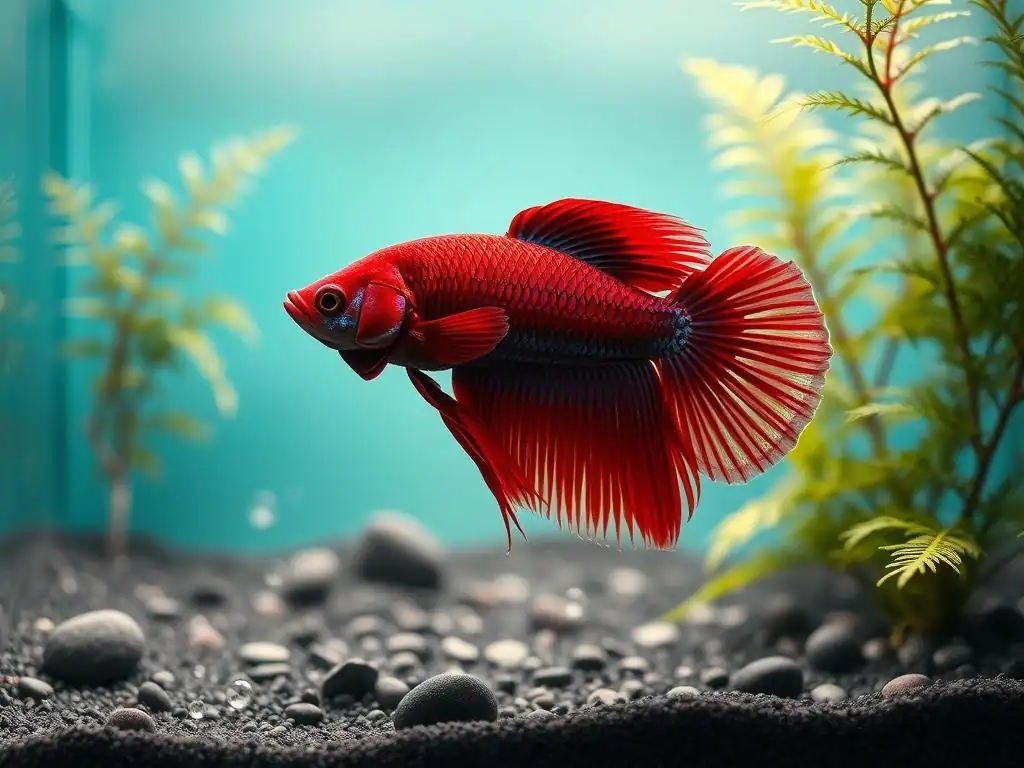
One of the most telling signs that your Betta's current tank is insufficient is stunted growth. Healthy adult male Bettas typically reach a body length of 2.5 to 3 inches, excluding their flowing finnage, while females are slightly smaller. If your Betta remains significantly smaller than this average size despite being an adult, it often indicates chronic stress and poor living conditions, directly linked to an inadequate tank size.
Stunted growth occurs because the fish's energy is diverted from development to coping with the constant metabolic stress from poor water quality and confined spaces. The fish's internal organs may continue to grow, leading to disproportionate body shapes and reduced lifespan, even if the external growth ceases. This is a clear indicator that Bettas need bigger tanks to reach their full genetic potential and maintain proper physiological function.
Poor Water Quality: A Consequence of Overcrowding
Small tanks inevitably lead to rapid deterioration of water quality. Fish waste, uneaten food, and decaying plant matter quickly accumulate, leading to spikes in toxic ammonia and nitrite. In a 1-gallon bowl without filtration, ammonia levels can surge from 0 ppm to a dangerous 0.5 ppm within just 24 hours, even with minimal feeding. Such high concentrations burn a Betta's gills and fins, severely compromise their immune system, and can be lethal.
Even with diligent daily water changes, the stress of constant parameter fluctuations is immense. A larger tank provides a greater volume of water to dilute these toxins, allowing beneficial bacteria more surface area to colonize and process waste. This stability is crucial for a Betta's health, making poor water quality a direct signal that Bettas need bigger tanks to maintain a healthy environment.
Lethargic Behavior: Stress from Confined Spaces
A healthy Betta is typically active, curious, and explores its environment. It will swim around, interact with decor, and occasionally flare its gills. Conversely, a Betta housed in a too-small tank often exhibits lethargic behavior. This can manifest as constantly resting at the bottom or near the surface, clamped fins, lack of interest in food, and a general listlessness. This behavior is a direct result of chronic stress induced by inadequate space and poor water conditions.
The lack of room for natural movement and exploration, combined with the constant struggle against poor water quality, drains the Betta's energy and suppresses its natural instincts. This stress makes them more susceptible to disease and shortens their lifespan. Observing persistent lethargy is a strong indicator that your Betta is unhappy and that Bettas need bigger tanks to alleviate the stress of confinement.
Fin Rot and Other Health Issues: Linked to Small Tanks
One of the most common ailments affecting Bettas, particularly those in small tanks, is fin rot. This bacterial infection causes the fins to appear frayed, ragged, discolored, or even to disintegrate entirely. It is almost always a direct consequence of poor water quality and chronic stress, which severely weaken the fish's immune system, leaving them vulnerable to opportunistic pathogens. Studies suggest that over 60% of common Betta health issues reported by aquarists, including fin rot, fungal infections, and bacterial diseases, are directly linked to substandard water parameters or inadequate tank size.
Beyond fin rot, Bettas in small, unstable environments are also prone to other serious conditions like dropsy, swim bladder issues, and velvet, all of which are exacerbated by a compromised immune system. These health problems are clear red flags that the current living conditions are detrimental. Providing a larger, more stable environment is often the best preventative measure and a crucial step in recovery, reinforcing that Bettas need bigger tanks for robust health.
Choosing the Right Upgrade: Selecting a Larger Tank for Your Betta
Tank Size Options for Betta Fish: Comparing Gallon Sizes
When upgrading your Betta's home, the primary consideration is tank size. While a 5-gallon tank is a solid minimum, a 10-gallon tank is widely considered ideal for a single Betta. A 10-gallon provides ample swimming room, allowing your Betta to truly thrive and display natural behaviors. It also offers significantly more stability in water parameters compared to a 5-gallon, meaning less drastic fluctuations in temperature and chemistry, which reduces stress on the fish.
For those looking to provide even more space or potentially add certain peaceful, compatible tank mates (in a highly researched and controlled manner), a 20-gallon long tank is an excellent choice. A 20-gallon long tank, with its greater horizontal swimming space, offers about 2.5 times the floor area of a standard 10-gallon, further enhancing water stability and enrichment opportunities. Each increase in volume decreases the impact of waste on water quality, making maintenance easier and the environment more forgiving.
Material Matters: Glass vs. Acrylic Betta Tanks
The choice between a glass and an acrylic tank largely depends on your priorities regarding durability, clarity, weight, and cost. Glass tanks are generally more scratch-resistant and maintain their clarity over time without yellowing. They are also typically more affordable, with a standard 10-gallon glass tank costing approximately 20-30% less than an equivalent acrylic model. However, glass is significantly heavier and more prone to shattering if dropped or impacted forcefully.
Acrylic tanks, on the other hand, are much lighter and more impact-resistant, making them less likely to break. They also offer superior clarity initially and can be molded into unique shapes. However, acrylic is highly susceptible to scratching, which can accumulate over time and obscure the view. They also tend to be more expensive, sometimes costing 30-50% more than a comparable glass tank. Both materials are perfectly suitable for Bettas, so the decision often comes down to personal preference and budget.
Essential Equipment for a Larger Betta Tank
Choosing the Right Filter for a Larger Betta Tank
A larger Betta tank necessitates an appropriate filtration system to maintain water quality. For Bettas, which prefer calm waters, a gentle flow is crucial. Sponge filters are an excellent choice, providing biological and mechanical filtration with minimal current, and are highly effective for tanks up to 20 gallons. They are also very affordable and easy to maintain.
Alternatively, a hang-on-back (HOB) filter can be used, but it's vital to choose one with adjustable flow settings or to baffle the output to reduce current. When selecting an HOB filter, look for models rated for at least 1.5 to 2 times your tank's volume (e.g., a filter rated for 15-20 gallons for a 10-gallon tank) to ensure adequate water turnover and biological processing capacity without creating excessive turbulence.
Selecting a Heater for Optimal Betta Temperature
Bettas are tropical fish and require a stable water temperature between 78-80°F (25.5-26.5°C). A larger tank will require a heater with sufficient wattage to maintain this consistent temperature, especially in cooler environments. For a 5-10 gallon tank, a 25-50 watt heater is usually adequate. For a 20-gallon tank, a 75-100 watt heater is more appropriate.
It's recommended to choose an adjustable, submersible heater with an internal thermostat for precise temperature control. Always pair your heater with a separate thermometer to accurately monitor the water temperature and ensure the heater is functioning correctly. Consistent temperature is vital for a Betta's immune system and metabolism.
Lighting Considerations for a Thriving Betta Tank Ecosystem
Lighting for your upgraded Betta tank serves two main purposes: enhancing the visual appeal of your fish and supporting any live plants you choose to include. For a Betta-only tank with no live plants, a simple LED light strip that provides ambient illumination for viewing is sufficient. These lights are energy-efficient and typically last for many years.
If you plan to incorporate live plants, you'll need a light specifically designed for aquarium plant growth. These lights emit a spectrum of light conducive to photosynthesis. Regardless of the type, aim for a lighting schedule of 6-8 hours per day to prevent excessive algae growth while still providing enough light for plant health and your Betta's day-night cycle. Too much light can stress the fish and lead to rampant algae.
Setting Up Your New Betta Tank: A Step-by-Step Guide
Preparing the New Tank: Cleaning and Cycling
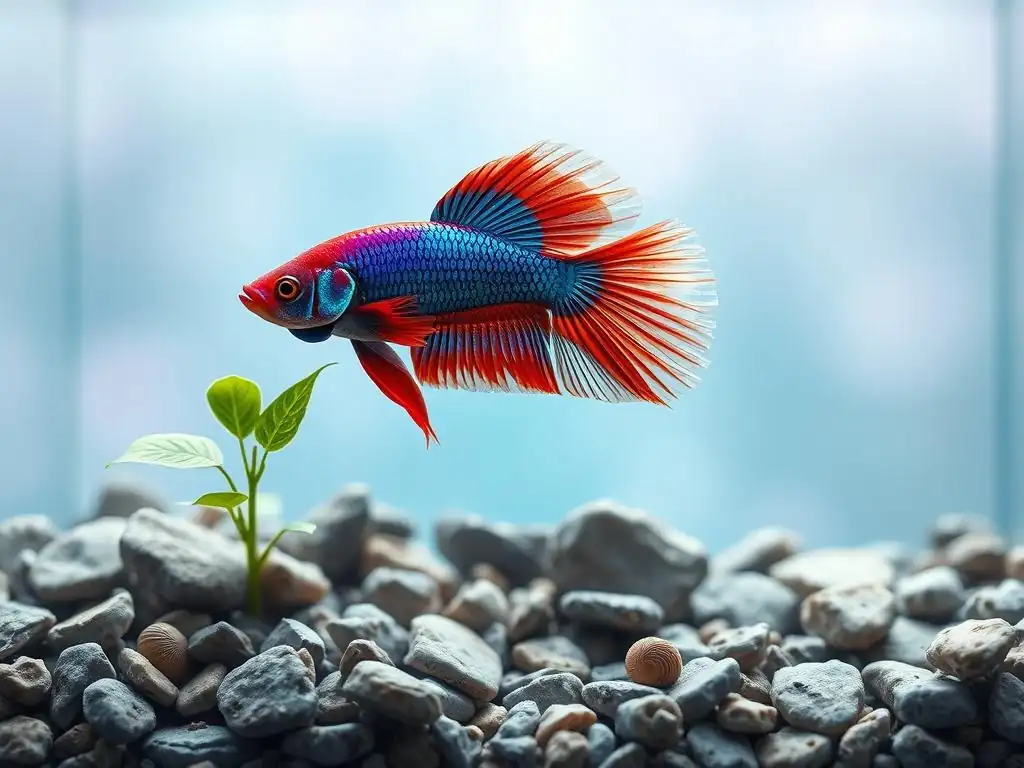
Before introducing your Betta, the new tank must be thoroughly prepared. First, rinse the tank and all new decor (substrate, plants, ornaments) with clean water. Never use soap or detergents, as residues can be highly toxic to fish. Once clean, the most critical step is cycling the tank. This process establishes a colony of beneficial bacteria that convert toxic ammonia (from fish waste) into less harmful nitrate.
There are two primary methods: fishless cycling, which uses an ammonia source and typically takes 4-6 weeks to complete, or "seeded" cycling, which uses filter media or substrate from an established tank or bottled beneficial bacteria to speed up the process to 1-2 weeks. A fully cycled 10-gallon tank, for instance, can process approximately 1-2 parts per million (ppm) of ammonia per day, crucial for maintaining a healthy environment. Monitoring ammonia, nitrite, and nitrate levels with a liquid test kit throughout this period is essential to confirm the cycle is complete.
Transferring Your Betta Safely to the New Tank
Once your new tank is fully cycled and parameters are stable (ammonia 0 ppm, nitrite 0 ppm, nitrate <20 ppm), you can begin the transfer process. The key is slow acclimation to minimize stress from changes in water temperature and chemistry. Start by floating your Betta in its current container (e.g., a bag or small cup) in the new tank for 15-20 minutes to equalize temperatures.
After temperature acclimation, you can use the drip acclimation method. Slowly drip water from the new tank into the Betta's current container over a period of 30-60 minutes, doubling the water volume in the container. This gradual mixing allows your Betta to slowly adjust to the new pH, hardness, and mineral content. Finally, gently net your Betta and place it into its new home, discarding the old water. Avoid pouring the old water into the new tank to prevent introducing any potential pollutants or pathogens.
Acclimating Your Betta to the New Environment
After the physical transfer, your Betta will need time to acclimate to its new environment. Keep the tank lights dim for the first 24-48 hours to reduce stress, as sudden bright lights can be startling. Observe your Betta closely for signs of stress, such as clamped fins, hiding excessively, or rapid gill movement. It's normal for them to be a bit shy or explore cautiously at first.
Avoid overfeeding during this initial period. Offer a small amount of their regular food, and if they don't eat it within a few minutes, remove it to prevent water quality issues. Continue to monitor water parameters daily for the first week or two to ensure the beneficial bacteria colony is robust enough to handle the bioload of your fish. A stable environment will help your Betta settle in quickly and thrive.
Decorating the New Tank: Creating a Betta-Friendly Habitat
Substrate Choices for Your Betta's New Home
The substrate forms the base of your Betta's new habitat and plays a role in both aesthetics and functionality. For Bettas, it's crucial to choose a substrate that is smooth and non-abrasive to protect their delicate fins. Fine-grained gravel or sand are excellent choices. Darker substrates can also help to bring out your Betta's vibrant colors and reduce stress by providing a less reflective environment.
Aim for a substrate layer of 1-2 inches (2.5-5 cm). This depth is generally sufficient for anchoring live plants and provides ample surface area for beneficial bacteria to colonize, contributing to biological filtration. Avoid rough or sharp gravel, as these can easily tear a Betta's flowing fins, leading to injury and potential infection.
Plants for Betta Tanks: Creating a Natural Environment
Incorporating plants, whether live or silk, significantly enhances a Betta's environment. Live plants, such as Anubias, Java Fern, Amazon Sword, and Water Wisteria, not only provide natural beauty but also offer numerous benefits. They absorb nitrates, help oxygenate the water, and provide natural hiding spots and resting places for your Betta. A well-planted tank can absorb up to 20-30% of the nitrates produced by a single Betta, contributing to cleaner water.
If live plants aren't feasible, high-quality silk plants are a safe and aesthetically pleasing alternative. Avoid plastic plants with sharp edges, as these can easily tear a Betta's delicate fins. Plants, especially those with broad leaves, offer ideal resting spots near the surface, as Bettas enjoy perching.
Hiding Places and Enrichment for Betta Fish
Bettas are naturally curious and territorial fish that benefit greatly from varied decor that provides both hiding places and opportunities for exploration. Caves, driftwood, ceramic logs, and floating Betta logs are excellent additions. Ensure all decor items have smooth edges and no small openings where your Betta could get stuck.
These hiding spots provide security and reduce stress, allowing your Betta to retreat when it feels overwhelmed or simply wants to rest. Enrichment items encourage natural behaviors; for instance, a Betta fish typically spends about 30% of its active time exploring its environment or resting in cover. Providing a variety of textures and structures within the tank contributes to a more stimulating and enjoyable habitat for your Betta.
Maintaining Your Upgraded Betta Tank: Ensuring Long-Term Health
Water Changes in Larger Betta Tanks: Frequency and Volume
Even with a larger tank and proper filtration, regular water changes remain a cornerstone of Betta tank maintenance. While the increased water volume in a 5-gallon or 10-gallon tank provides greater stability than a small bowl, waste products still accumulate over time. For a single Betta in a 5-gallon tank, a 25-30% weekly water change is recommended. For a 10-gallon tank with a single Betta, a 25% weekly water change is typically sufficient, or potentially a 20% bi-weekly change if the tank is well-established, lightly stocked, and heavily planted.
These regular water changes are crucial for removing accumulated nitrates (the end product of the nitrogen cycle) and replenishing essential minerals that are depleted over time. Always use a dechlorinator or water conditioner to treat tap water before adding it to the tank, as chlorine and chloramines are highly toxic to fish.
Monitoring Water Parameters: Ammonia, Nitrite, and Nitrate Levels
Consistent monitoring of water parameters is vital for ensuring your Betta's long-term health. Invest in a reliable liquid test kit that measures ammonia, nitrite, and nitrate. Strips are generally less accurate and not recommended for precise monitoring. For a healthy Betta tank, ammonia and nitrite levels should always be 0 parts per million (ppm). Nitrate levels should ideally be kept below 20 ppm, although some aquarists aim for even lower.
Regular testing, such as weekly or bi-weekly, allows you to detect any potential issues early before they can harm your Betta. If you notice a spike in ammonia or nitrite, it indicates a problem with your biological filtration or overfeeding, and immediate corrective action (e.g., a larger water change) is required. Consistent monitoring ensures your Betta always lives in a clean and safe environment.
Preventing Common Betta Tank Problems: Algae, Disease, and More
Maintaining a larger Betta tank involves proactive measures to prevent common issues. Algae growth can be controlled by managing lighting (6-8 hours per day is ideal) and avoiding overfeeding, which contributes excess nutrients. If algae becomes an issue, reducing light duration or introducing certain algae-eating snails (like Nerite snails, if your Betta is compatible) can help.
Disease prevention is primarily achieved through excellent water quality and observation. A healthy Betta tank significantly reduces the incidence of common diseases by over 75% compared to poorly maintained setups. Always quarantine new fish or plants before introducing them to your main tank to prevent the spread of pathogens. Overfeeding is another common mistake that leads to poor water quality and potential digestive issues for your Betta; feed small amounts once or twice a day, only what your fish can consume in 2-3 minutes.
The Benefits of a Larger Tank for Your Betta's Well-being
Increased Swimming Space and Exercise for Bettas
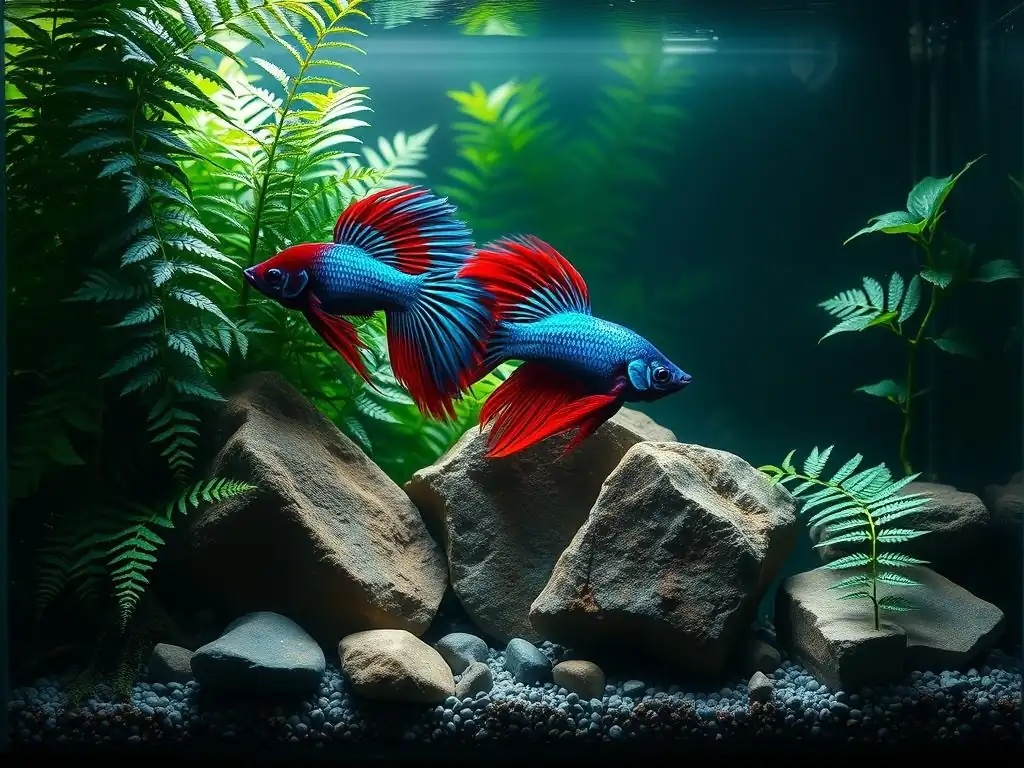
One of the most immediate and significant benefits of a larger tank is the vastly increased swimming space it provides. Instead of merely existing, your Betta can actively patrol its territory, explore different areas, and engage in natural swimming patterns. A 10-gallon tank, for example, offers over 200 square inches of floor space, compared to approximately 70-80 square inches in a typical 2.5-gallon tank.
This expanded territory encourages more physical activity, which promotes muscle development and overall vitality. A Betta in a spacious environment will be more active, curious, and less prone to the lethargy often seen in cramped conditions. This increased exercise contributes directly to a healthier, more robust fish.
Improved Water Quality and Reduced Stress
The larger water volume in an upgraded tank provides a natural buffer against rapid fluctuations in water parameters. Waste products from your Betta are diluted more effectively, making it easier for the beneficial bacteria in your filter to process them. This leads to more stable ammonia, nitrite, and nitrate levels, and consistent pH and temperature.
This inherent stability significantly reduces chronic stress on your Betta. When water parameters are consistently within acceptable ranges, the fish's immune system is stronger, and its energy is not constantly diverted to coping with environmental stressors. Studies suggest that stable water parameters can reduce Betta stress levels by up to 50%, leading to a happier and healthier life.
Enhanced Natural Behaviors and Enrichment
A larger tank allows for a more complex and stimulating environment, which directly enhances your Betta's natural behaviors. With more space, you can incorporate a greater variety of decor, live plants, and hiding spots, creating a rich and varied habitat. A well-decorated 10-gallon tank can offer over 10 distinct hiding spots or exploration zones, compared to just 1-2 in a smaller tank.
This encourages natural behaviors like exploring, resting on broad leaves, building elaborate bubble nests (for males), and even flaring at their reflection or decor. Providing a diverse landscape caters to their innate curiosity and territorial instincts, leading to a more engaged and mentally stimulated fish.
A Longer, Healthier Life for Your Betta Fish
Ultimately, upgrading your Betta's tank translates to a significantly longer and healthier life for your beloved pet. The combination of increased swimming space, improved water quality, reduced stress, and enhanced enrichment directly contributes to a stronger immune system and overall vitality. Bettas in ideal conditions, often in 5-gallon or 10-gallon tanks, can live 3-5 years, and sometimes even longer.
This stands in stark contrast to Bettas kept in inadequate small bowls, who frequently succumb to stress-related diseases and typically only live for 1-2 years. By providing a proper environment, you are not just extending their lifespan but also ensuring that those years are filled with health, activity, and vibrant displays of their unique personality. It is clear that Bettas need bigger tanks to truly thrive and reach their full potential.
Common Mistakes to Avoid When Upgrading Your Betta Tank
Rushing the Cycling Process: Patience is Key
One of the most critical mistakes new aquarists make is rushing the tank cycling process. Introducing a Betta into an uncycled or partially cycled tank will expose it to toxic levels of ammonia and nitrite, leading to severe stress, illness, and often death. This phenomenon is commonly known as "new tank syndrome."
A fully established nitrogen cycle can take anywhere from 4 to 6 weeks to develop a robust colony of beneficial bacteria. While bottled bacteria products can speed this up, they do not eliminate the need for careful monitoring of water parameters. Patience during the cycling phase is paramount; it ensures a safe and stable environment for your Betta from day one.
Overstocking the Tank: Maintaining a Healthy Balance
While upgrading to a larger tank provides more space, it doesn't mean you should overstock it. Bettas are solitary fish and generally prefer to be housed alone. If you are considering tank mates, even in a larger 10-gallon or 20-gallon tank, extreme caution and thorough research are necessary. Only very specific, peaceful, and small species are suitable, and even then, compatibility is not guaranteed.
Overstocking, even with appropriate tank mates, will quickly lead to increased waste production, straining the filter and causing water quality issues. For instance, overstocking a 10-gallon tank can double the rate of nitrate accumulation compared to a single Betta setup, requiring more frequent and larger water changes. Maintaining a healthy balance is crucial to prevent stress and disease in all inhabitants.
Neglecting Water Changes: The Importance of Regular Maintenance
A common misconception is that a larger tank requires less maintenance. While a larger volume of water offers greater stability, it does not eliminate the need for regular water changes. Waste products, particularly nitrates, will still accumulate over time, and essential minerals will be depleted. Neglecting water changes allows these pollutants to build up, slowly poisoning your Betta and weakening its immune system.
Regular 25-30% weekly water changes are critical for the long-term health of your Betta, even in a well-filtered 10-gallon or 20-gallon tank. These routine changes remove accumulated toxins, replenish vital trace elements, and ensure a consistently clean and healthy environment. Consistency in maintenance is key to unlocking all the benefits a larger tank offers.
Frequently Asked Questions
Why is a bigger tank better for a Betta?
A larger tank provides more stable water parameters, reducing stress on your Betta. It also offers more room for natural behaviors and enrichment, leading to a healthier and happier fish.
What size tank is considered "bigger" for a Betta, compared to the common small bowls?
While often kept in small containers, Bettas thrive in tanks 5 gallons or larger. This provides adequate space for swimming and establishing a territory.
How do I know when it's time to upgrade my Betta's tank?
Signs include lethargy, clamped fins, frequent illness, or if you simply want to provide a better environment. Observing these behaviors can indicate your Betta is stressed or needs more space.
What should I consider when setting up a larger tank for my Betta?
Ensure the tank is properly cycled before introducing your Betta. Provide hiding places with plants and decorations, and maintain a stable water temperature.
Will my Betta be happier in a larger tank, even if it seems fine in a smaller one?
Generally, yes. A larger tank allows for more natural behaviors and a more stable environment. Even if your Betta appears "fine," a larger tank will often lead to improvements in health and activity levels.
Final Reflection: A World of Possibility for Every Betta
The journey of responsible betta ownership, as we've explored, is inextricably linked to providing an environment that allows these magnificent creatures to thrive. The undeniable truth is that bettas need bigger tanks, and understanding when and how to upgrade is not just about following a trend, but about fulfilling a moral obligation to provide a fulfilling life for a sentient being under our care. This commitment to improvement directly impacts the well-being and longevity of these captivating fish.
This understanding ripples outwards, influencing the entire aquarium hobby and challenging outdated misconceptions about betta care. The shift towards larger, more enriching betta habitats represents a profound change in how we perceive and interact with these animals, moving away from mere decoration and towards genuine companionship. The greatness of a nation and its moral progress can be judged by the way its animals are treated.
- Mahatma Gandhi. This quote, while broad, speaks volumes about our responsibility to these small lives entrusted to us.
So, as you consider the information presented here, I urge you to reflect on your own role in this ongoing evolution. Are you providing the best possible life for your betta? Are you actively challenging misinformation and advocating for better standards of care? The power to create a world of possibility for these beautiful fish lies within each of us. Take the knowledge you've gained, and transform it into action. Your betta, and the future of betta keeping, will thank you for it.
Transform Your Betta's Life: Start Today!
Thanks for diving into the world of Betta tank upgrades! We hope this guide has empowered you to provide the best possible environment for your finned friend. Now, let's turn that knowledge into action!
Here are a few things you can do right now:
- Commit to upgrading your Betta's tank within the next month, ensuring it meets the minimum size requirements for a happier, healthier life.
- Explore some unique tank decorations and plants that will stimulate your Betta's natural behavior and make their environment more enriching.
- Share this article with fellow Betta enthusiasts and spark a conversation about creating optimal habitats!
What creative tank design ideas are you most excited to implement for your Betta?