
Double Tail Bettas: A Unique Twin Fin Phenomenon Explained

Welcome to Aquarium Mastery!
Ever been captivated by the elegance of a betta? Now, imagine that beauty doubled. Dive into our comprehensive guide to " Double Tail Betta Care Tips" and unlock the secrets to keeping these fin-tastic fish thriving. Curious to learn more about their unique needs and how to ensure they live a long, healthy life? Keep reading – your journey to becoming a Double Tail Betta expert starts now!
- Understanding the Double Tail Betta: A Comprehensive Guide
- Double Tail Betta Care Tips: Ensuring a Healthy and Vibrant Life
- Identifying and Treating Common Double Tail Betta Diseases
- Breeding Double Tail Bettas: A Step-by-Step Guide
- Double Tail Betta Varieties and Colors: Exploring the Diversity
- The Double Tail Betta's Unique Needs: Special Considerations
- Double Tail Betta FAQs: Addressing Common Concerns
-
Frequently Asked Questions
- What are the defining characteristics of a Double Tail Betta?
- Are Double Tail Bettas more susceptible to certain health problems?
- What size tank is recommended for a Double Tail Betta?
- What are some key water parameters to consider for Double Tail Betta care?
- What should I feed my Double Tail Betta?
- Final Reflection: Embracing the Double Tail's Delicate Beauty
- Unveil the Majesty: Your Double Tail Betta Adventure Begins!
Understanding the Double Tail Betta: A Comprehensive Guide
What is a Double Tail Betta? Identifying the Key Characteristics
The Double Tail Betta, often abbreviated as DT Betta, is a distinct variety of Betta splendens characterized by a genetic mutation that causes its caudal (tail) fin to split into two separate, symmetrical lobes. Unlike other Betta varieties that possess a single, flowing tail, the Double Tail Betta's caudal fin is clearly divided from its base, creating a striking twin-fin appearance. This unique characteristic makes them highly sought after by aquarists and breeders alike, instantly recognizable among the diverse world of Betta fish.
Beyond the iconic split tail, Double Tail Bettas often exhibit other unique physical traits. Their dorsal and anal fins are typically larger and more flowing than those of single-tailed Bettas, providing a balanced, voluminous look that complements their twin caudal fins. Additionally, Double Tail Bettas tend to have a slightly shorter body length compared to other varieties, and some may display a more pronounced curvature of the spine. These combined features contribute to their distinctive silhouette, making them a captivating addition to any freshwater aquarium.
The Genetics Behind the Double Tail: How the Trait is Inherited
The double tail trait in Bettas is governed by a dominant gene, often denoted as "Dt." This means that only one copy of the dominant allele is required for a Betta to express the double tail phenotype. When a Betta inherits one dominant "Dt" allele and one recessive "dt" allele (heterozygous, Dt/dt), it will develop the characteristic twin caudal fin. This genetic mechanism allows for the relatively straightforward propagation of the double tail trait through selective breeding programs.
However, the genetics of the double tail trait can also present challenges, particularly in breeding. If a Betta inherits two copies of the dominant "Dt" allele (homozygous, Dt/Dt), it can lead to what is sometimes referred to as "king tail" or "spade tail," where the caudal fin is extremely large and stiff, potentially hindering swimming.
More critically, homozygous Double Tail Bettas often exhibit a higher incidence of spinal deformities, such as a kinked spine, or swim bladder issues, which can significantly impact their health and lifespan. Ethical breeders often aim to breed a Double Tail Betta with a single-tailed Betta to produce healthier offspring, ensuring a mix of Dt/dt and dt/dt genotypes.
Double Tail Betta Care Tips: Ensuring a Healthy and Vibrant Life
Setting Up the Ideal Tank for Double Tail Bettas: Tank Size and Environment
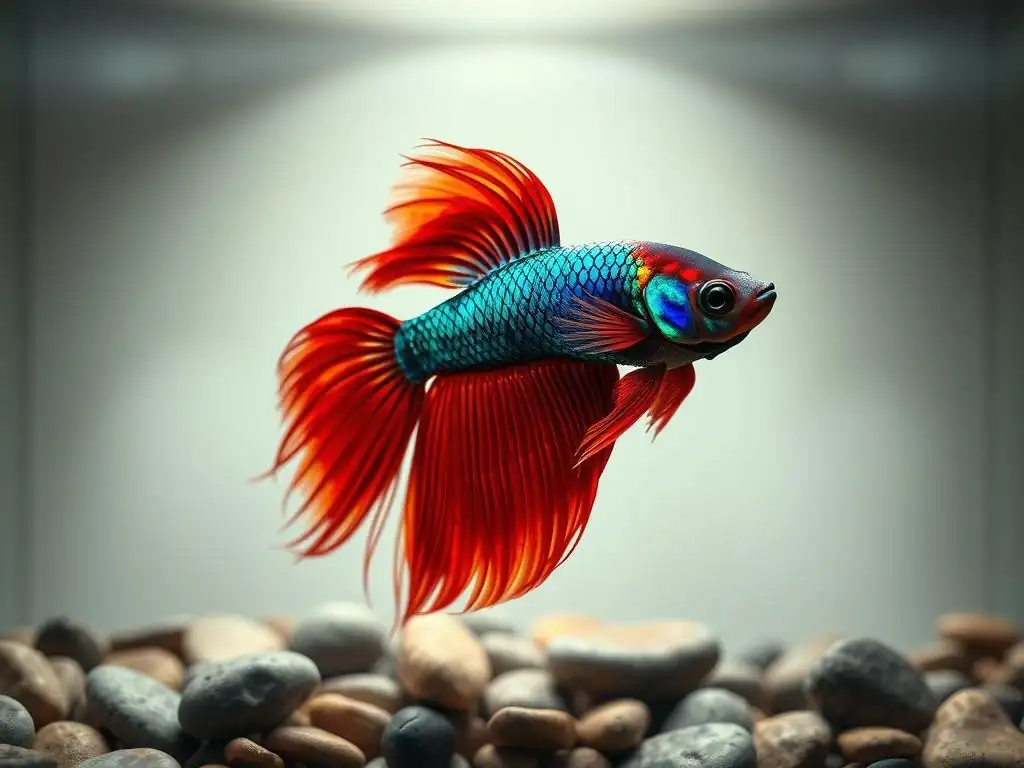
Providing the appropriate habitat is paramount for the health and well-being of Double Tail Bettas, just as with any Betta variety. A minimum tank size of 5 gallons (approximately 19 liters) is recommended for a single Double Tail Betta.
While they are often perceived as small fish, a 5-gallon tank provides adequate swimming space and, more importantly, allows for greater water volume stability compared to smaller "Betta bowls" or 1-gallon tanks. Many experienced aquarists even advocate for 10-gallon (38-liter) tanks, as the increased water volume further helps to dilute waste products and maintain consistent water parameters, significantly contributing to long-term double tail betta health.
Beyond size, the tank environment must be carefully considered. Double Tail Bettas thrive in warm, stable water temperatures, ideally between 24-28°C (75-82°F), necessitating a reliable submersible heater. Filtration is crucial, but due to their long, flowing fins, strong currents must be avoided; a sponge filter or a baffled hang-on-back (HOB) filter is ideal.
Decor should be smooth and free of sharp edges to prevent fin tears, which Double Tail Bettas are particularly susceptible to due to their elaborate caudal fins. Live or silk plants (e.g., Anubias, Java Ferns, Betta hammocks) provide essential resting spots and hiding places, reducing stress and enriching their environment. These specific double tail betta care tips are essential for creating a comfortable home.
Maintaining Optimal Water Parameters for Double Tail Betta Health
Maintaining pristine and stable water parameters is one of the most critical double tail betta care tips for preventing disease and ensuring a vibrant life. Double Tail Bettas, like all Bettas, are sensitive to poor water quality. The ideal water chemistry includes: ammonia at 0 parts per million (ppm), nitrite at 0 ppm, and nitrates consistently below 20 ppm. A slightly acidic to neutral pH range of 6.5-7.5 is generally preferred. Regular water testing, ideally weekly or bi-weekly with a liquid test kit, is indispensable to monitor these parameters and catch any fluctuations early.
Routine water changes are fundamental to keeping nitrates in check and replenishing essential minerals. For a 5-gallon tank, a 25% water change weekly is typically recommended. For larger tanks (10 gallons or more) that are well-established and lightly stocked, bi-weekly 10-15% water changes might suffice.
Always use a good quality dechlorinator to neutralize chlorine and chloramines present in tap water, which are highly toxic to fish. Furthermore, it's crucial to match the temperature of the new water to the tank water to avoid shocking the fish, as sudden temperature shifts can severely stress Double Tail Bettas and compromise their immune system.
Double Tail Betta Diet and Nutrition: What to Feed Your Twin-Fin Friend
A balanced and varied diet is a cornerstone of effective double tail betta care tips, directly impacting their health, coloration, and energy levels. As carnivores, Double Tail Bettas primarily require a protein-rich diet. High-quality Betta-specific pellets or flakes should form the staple of their diet, fed in small amounts two to three times a day. For instance, feeding 2-3 pellets per feeding is a common guideline, ensuring they consume all food within a couple of minutes to prevent overfeeding and subsequent water quality issues.
Supplementing their staple diet with frozen or live foods enhances their nutrition and provides essential micronutrients. Options such as bloodworms, brine shrimp, and daphnia are excellent choices, offered two to three times a week. Daphnia, in particular, can also act as a natural laxative, helping to prevent constipation, a common issue in Bettas prone to bloat.
It is crucial to avoid overfeeding, as this not only pollutes the water but can also lead to digestive problems, including swim bladder issues. Observing your Betta's appetite and body condition will help you fine-tune the feeding regimen, ensuring optimal nutrition for your twin-fin friend.
Double Tail Betta Tank Mates: Choosing Compatible Companions
While Double Tail Bettas, like their single-tailed counterparts, are notoriously territorial and often best kept alone, introducing compatible tank mates can be considered in larger, well-established aquariums (typically 10 gallons or more for a single Betta with companions). The key to successful cohabitation lies in selecting peaceful, non-fin-nipping species that occupy different parts of the water column and have similar water parameter requirements. Aggressive or nippy fish will quickly damage the Double Tail Betta's elaborate fins, leading to stress and potential infection.
Suitable tank mates often include peaceful bottom dwellers or small, fast-moving schooling fish. Examples of commonly successful companions include Otocinclus catfish, Mystery snails, Nerite snails, and Amano shrimp. In tanks 20 gallons or larger, small schooling fish like Harlequin Rasboras, Ember Tetras, or Corydoras catfish can sometimes coexist peacefully.
However, it's crucial to avoid other male Bettas, any species known for fin-nipping (e.g., Tiger Barbs, some types of Tetras), or large, boisterous fish. Always introduce tank mates cautiously, observing interactions closely, as individual Betta temperament can vary widely. This careful selection is a vital double tail betta care tip for community tank setups.
Identifying and Treating Common Double Tail Betta Diseases
Fin Rot in Double Tail Bettas: Causes, Symptoms, and Treatment
Fin rot is a common bacterial infection that particularly affects Bettas with large, flowing fins, including Double Tail Bettas, making it a critical area within double tail betta care tips. It is primarily caused by poor water quality, high stress levels, or physical injury to the fins, which allows opportunistic bacteria to take hold. Symptoms include the edges of the fins appearing frayed, ragged, or disintegrating, often with a white or reddish discoloration. In severe cases, the rot can progress to the body, leading to more serious systemic infections.
Treatment for fin rot should begin immediately upon identification. The most effective initial step is to drastically improve water quality: perform daily 25-50% water changes for several days, ensuring the water is dechlorinated and temperature-matched. Increasing the tank temperature slightly to 28°C (82°F) can also help boost the Betta's metabolism and immune response.
For mild cases, clean water alone often facilitates recovery. If the condition is moderate to severe, or if the Betta shows signs of lethargy or loss of appetite, an antibacterial medication such as Maracyn or Furan-2, administered according to manufacturer instructions, may be necessary. Removing any sharp decor that could cause fin damage is also advisable.
Swim Bladder Disorder in Double Tail Bettas: Prevention and Remedies
Swim bladder disorder (SBD) is a common affliction in Bettas, and Double Tail Bettas may be particularly prone due to their slightly shorter bodies and the potential for genetic predisposition. SBD affects the swim bladder, an internal organ that helps fish maintain buoyancy. Causes include overfeeding, a diet lacking in fiber (leading to constipation), rapid temperature fluctuations, internal bacterial infections, or physical trauma. Symptoms manifest as difficulty swimming normally, such as floating upside down, sinking to the bottom, swimming erratically, or having trouble maintaining an upright position.
Prevention is key to managing SBD. Feed a varied diet, avoid overfeeding, and consider soaking dry pellets briefly before feeding to prevent them from expanding in the Betta's stomach. Maintaining stable water parameters and temperature also reduces stress. If SBD occurs, begin by fasting the Betta for 24-48 hours.
After the fast, offer a blanched, shelled pea (a tiny piece) or a few live/frozen daphnia, which are natural laxatives. If constipation is the cause, this often resolves the issue. If symptoms persist or worsen, it may indicate a bacterial infection requiring antibiotics, or a more serious underlying genetic issue, necessitating consultation with an aquatic veterinarian.
Ich (White Spot Disease) in Double Tail Bettas: Identification and Treatment
Ichthyophthirius multifiliis, commonly known as Ich or White Spot Disease, is a highly contagious parasitic infection that can affect Double Tail Bettas. It is often introduced to an aquarium through new, untreated fish, plants, or contaminated equipment, and stress can make fish more susceptible. The most recognizable symptom is the appearance of small, white spots resembling grains of salt scattered across the Betta's body and fins. Other signs include clamped fins, flashing (rubbing against tank decor), lethargy, loss of appetite, and rapid breathing.
Treating Ich requires a multi-pronged approach. Gradually raising the tank temperature to 29-30°C (84-86°F) over 24-48 hours and maintaining it for 10-14 days can accelerate the parasite's life cycle, making it more vulnerable to treatment. Ensure your Betta and any tank mates can tolerate this temperature increase.
Simultaneously, adding aquarium salt (1 tablespoon per 5 gallons of water) can help disrupt the parasite's osmotic balance and aid the fish's slime coat. For severe infestations, over-the-counter Ich medications containing malachite green or formalin are effective, but always follow the manufacturer's dosage instructions carefully, as these can be strong. Regular gravel vacuuming during treatment helps remove dormant parasites from the substrate.
Breeding Double Tail Bettas: A Step-by-Step Guide
Preparing Your Double Tail Bettas for Breeding: Conditioning and Tank Setup
Successful breeding of Double Tail Bettas begins with proper conditioning of the parent fish. Both the male and female should be at least 6-8 months old, healthy, and in peak condition. For 1-2 weeks prior to breeding, feed them a high-protein diet consisting of live or frozen foods such as bloodworms, brine shrimp, and daphnia. This conditioning helps the female become "gravid" (full of eggs) and encourages the male to begin building a bubble nest. You'll observe the male creating a large, foamy nest at the surface, and the female's abdomen will appear noticeably swollen.
A dedicated breeding tank is essential, typically a 10-20 gallon (38-76 liter) tank with a shallow water level of 5-6 inches (12-15 cm). This shallow depth makes it easier for the male to collect eggs and for the fry to reach the surface for air later. The tank should be heated to a stable 27-28°C (80-82°F) and include a floating object like a large leaf or a half-styrofoam cup for the male to anchor his bubble nest.
Introduce the male first to allow him to establish his territory and build a nest. Place the female in a separate container (like a glass jar or breeding box) within the breeding tank, allowing them to see each other for a few days without direct contact; this encourages courtship behavior and reduces aggression when they are eventually introduced.
The Double Tail Betta Breeding Process: Spawning and Fry Care
Once the male has built a substantial bubble nest and the female is visibly gravid and showing vertical "breeding bars," she can be released into the breeding tank. The male will typically begin to court her, flaring his fins and attempting to herd her under the nest. Spawning occurs through a series of "nuptial embraces" where the male wraps around the female, squeezing eggs and milt (sperm) from her.
The eggs, typically white or translucent, are then fertilized and sink. The male meticulously collects these eggs in his mouth and places them into the bubble nest. This process can last for several hours, with hundreds of eggs being laid.
Immediately after spawning is complete, the female should be carefully removed from the breeding tank. The male will become highly territorial and may aggressively chase or harm her if she remains. The male will then diligently guard the nest, constantly checking on the eggs and relocating any that fall.
The eggs typically hatch within 24-36 hours, revealing tiny, transparent fry. For the first 2-3 days post-hatch, the fry will absorb their yolk sacs and remain in the nest, still tended by the male. Once the fry become free-swimming and begin to leave the nest, the male should also be removed to prevent him from consuming them.
Raising Double Tail Betta Fry: Ensuring Healthy Growth and Development
Raising Double Tail Betta fry requires meticulous attention to diet and water quality. For the first few days after becoming free-swimming, the fry are incredibly tiny and require microscopic food sources. Infusoria, which can be cultured or purchased, is an ideal first food. After 3-5 days, they can typically transition to slightly larger foods like microworms or newly hatched brine shrimp (Artemia nauplii), which are rich in protein and essential for rapid growth. Feeding should be frequent, small meals throughout the day to ensure all fry get enough to eat.
Maintaining pristine water quality in the fry tank is crucial, as young Bettas are highly sensitive to waste accumulation. Perform small, frequent water changes (e.g., 10-15% daily or every other day) using an air line tube to gently siphon debris from the bottom without accidentally sucking up fry.
As the fry grow, their feeding requirements will increase, and they will need larger foods like crushed flakes or small pellets. At around 4-6 weeks old, male Bettas will start to become aggressive towards each other and may need to be separated into individual containers (e.g., small jars or cups) or divided sections within a larger tank to prevent fighting and fin damage, a critical part of double tail betta care tips for juveniles.
Double Tail Betta Varieties and Colors: Exploring the Diversity
Examples of Different Double Tail Betta Color Morphs
Double Tail Bettas, while defined by their unique fin structure, also come in an astonishing array of colors and patterns, making them incredibly diverse and visually captivating. Common solid color morphs include vibrant Reds, deep Blues (often referred to as Royal Blue or Steel Blue), pristine Whites, and striking Blacks. Beyond these, aquarists can find Double Tails in exotic hues like Turquoise, Yellow, Orange, and even rare Greens. The double tail trait often accentuates these colors, as the split tail and often larger dorsal/anal fins provide a larger canvas for the color to display.
The patterns found on Double Tail Bettas are equally diverse. Bi-colors feature two distinct colors, while Tri-colors exhibit three or more. Marble patterns, characterized by irregular splotches of various colors that can change over time, are popular. Koi Bettas, a specific type of Marble, mimic the patterns of Koi carp, often displaying patches of red, black, and white. Butterfly patterns feature a solid body color with contrasting clear or white edges on their fins. Each color and pattern combination creates a unique aesthetic, making the search for a perfect Double Tail Betta a delightful endeavor for enthusiasts.
Differences Between Double Tail and Other Betta Fin Types
The most defining characteristic of the Double Tail Betta is its distinctively split caudal fin, which clearly separates it from all other Betta fin types. In contrast, most other Betta varieties, such as the Veil Tail (VT), Halfmoon (HM), and Super Delta (SD), possess a single, undivided caudal fin.
The Veil Tail has a long, drooping tail; the Halfmoon boasts a caudal fin that spreads 180 degrees, resembling a perfect semicircle; and the Super Delta has a caudal fin spread greater than 120 degrees but less than 180. The Double Tail's two distinct lobes are immediately noticeable and give it a unique swimming motion and silhouette.
Other common fin types also highlight the Double Tail's uniqueness. Plakat (PK) Bettas have short, rounded fins, resembling their wild ancestors, and are known for their agility. Crowntail (CT) Bettas feature spiky rays that extend beyond the fin webbing, creating a "crown" effect.
Rosetail and Feathertail Bettas are extreme variations of the Halfmoon, with excessive branching and overlapping rays that create a ruffled, rose-like appearance. While all these varieties are stunning, the Double Tail stands apart due to its genetic modification resulting in the twin caudal fin, often accompanied by a larger dorsal fin, which contributes to its majestic and often slower, more deliberate swimming style, requiring specific double tail betta care tips related to fin health.
The Double Tail Betta's Unique Needs: Special Considerations
Double Tail Bettas and Fin Nipping: Preventing and Managing the Issue
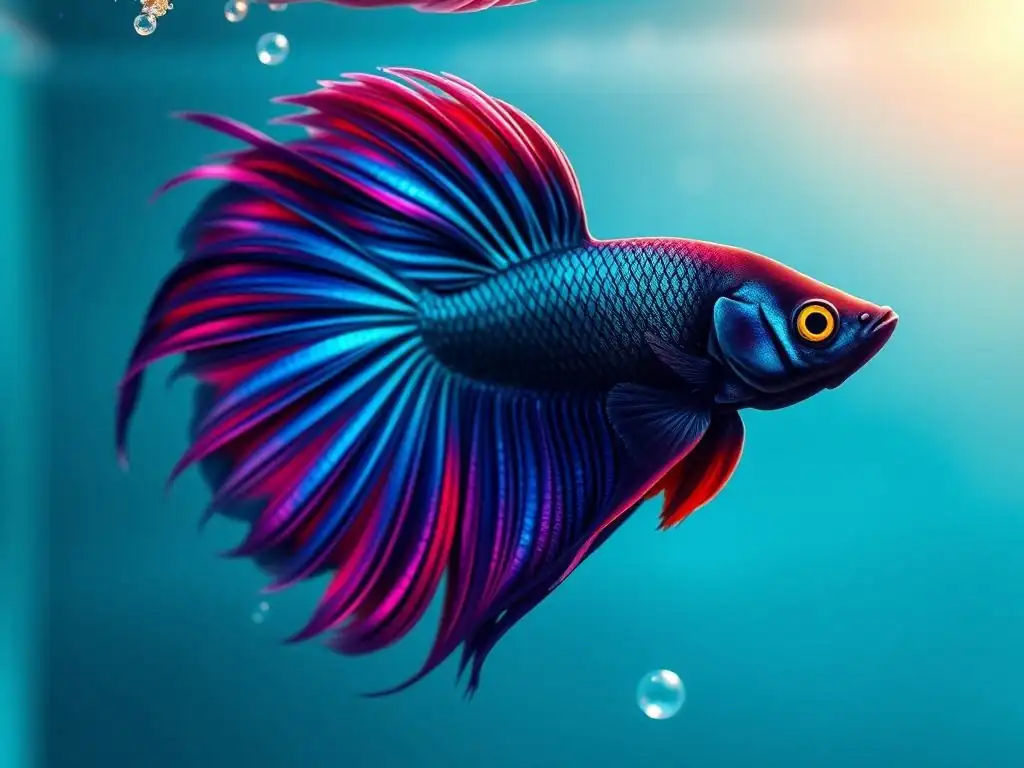
Double Tail Bettas, with their elaborate and voluminous fins, are particularly susceptible to fin nipping, either from incompatible tank mates or even self-nipping. Their large, flowing caudal fin, often accompanied by an equally large dorsal and anal fin, can be an irresistible target for fin-nipping fish like certain tetras or barbs. This makes careful selection of tank mates (as discussed in the care section) absolutely crucial. Even seemingly peaceful community fish can become fin-nippers if the tank is overcrowded or if the Betta is stressed.
Beyond external threats, Double Tail Bettas can occasionally engage in self-nipping, where they bite their own fins. This behavior is often a sign of stress, boredom, or poor water quality. To prevent and manage self-nipping, ensure the tank environment is enriching with appropriate plants and decor, maintain pristine water parameters, and avoid sudden changes in their surroundings. If self-nipping persists, increasing tank size, adding more hiding spots, or even introducing a small, peaceful snail might help alleviate boredom. Regular observation and addressing underlying stressors are key double tail betta care tips for preventing fin damage.
Addressing Potential Genetic Issues in Double Tail Betta Lines
While the double tail trait is visually stunning, the genetics behind it can sometimes lead to predispositions for certain health issues, particularly when the dominant "Dt" gene is present in a homozygous state (Dt/Dt). One of the most noted potential genetic issues is an increased likelihood of spinal deformities, such as a curved or kinked spine. This can affect the Betta's swimming ability, lead to chronic discomfort, and potentially shorten its lifespan. Such deformities are often apparent from a young age.
Another potential issue linked to the double tail gene, especially in homozygous individuals, is a higher susceptibility to swim bladder disorders. The shortened body length often associated with the double tail trait can sometimes compress internal organs, including the swim bladder, making them more prone to buoyancy problems.
Ethical breeders often aim to breed Double Tail Bettas with single-tailed Bettas to reduce the incidence of homozygous offspring, thereby minimizing these genetic predispositions. For pet owners, understanding these potential genetic vulnerabilities is an important aspect of comprehensive double tail betta care tips, allowing for early detection of symptoms and appropriate veterinary consultation if needed.
Double Tail Betta FAQs: Addressing Common Concerns
Common Questions About Double Tail Betta Care and Behavior
Many aquarists new to the Double Tail Betta often have similar questions regarding their care and unique behaviors. A common query is, "How long do Double Tail Bettas live?" With proper double tail betta care tips, including a balanced diet, pristine water conditions, and a stress-free environment, Double Tail Bettas can typically live for 2 to 5 years, similar to other Betta varieties.
Another frequent question is, "Are Double Tail Bettas more aggressive than other Bettas?" Their temperament is generally similar to other Betta splendens males; they are territorial and should usually be housed alone. Their large fins, however, can sometimes make them appear slower or more imposing, but their inherent aggression level isn't necessarily higher.
Concerns about their unique fins also arise: "Do Double Tail Bettas need special food?" No, their dietary needs are the same as other Bettas – high-quality Betta pellets supplemented with frozen or live protein. "Can Double Tail Bettas live with other fish?" While generally not recommended due to their territorial nature and delicate fins, peaceful, non-nipping tank mates can sometimes be introduced in larger tanks (10 gallons+) with careful observation, as detailed in the tank mate section of these double tail betta care tips. Understanding these common aspects helps new owners provide optimal care.
Troubleshooting Common Double Tail Betta Problems
Even with diligent double tail betta care tips, problems can occasionally arise. One common issue is a Double Tail Betta appearing lethargic, losing its vibrant color, or refusing to eat. These are often early indicators of stress or declining water quality. The immediate troubleshooting step should always be to test the water parameters (ammonia, nitrite, nitrate, pH) and perform a partial water change (25-50%) with dechlorinated, temperature-matched water. Often, improved water conditions alone can resolve these general symptoms within a day or two.
Another frequently encountered problem is persistent fin damage, either from nipping or fin rot. If fin damage continues despite clean water, re-evaluate tank decor for sharp edges and reassess tank mates for aggression. If fin rot is present, initiate treatment as outlined in the "Fin Rot" section.
Unusual swimming patterns, such as difficulty staying afloat or swimming sideways, often point to swim bladder disorder. In these cases, fasting the Betta for 24-48 hours and then feeding a blanched pea or daphnia is the first course of action, as detailed in the "Swim Bladder Disorder" section. Prompt identification and action are crucial for successful troubleshooting.
Frequently Asked Questions
What are the defining characteristics of a Double Tail Betta?
Double Tail Bettas are characterized by their distinctive twin tail fins, which are split completely into two separate lobes. This is a genetic trait that affects not only the tail but often the dorsal fin size and shape as well.
Are Double Tail Bettas more susceptible to certain health problems?
Yes, due to their genetic makeup, Double Tail Bettas can be more prone to swim bladder issues and spinal deformities. Their larger tail can also make them less agile, increasing the risk of injury.
What size tank is recommended for a Double Tail Betta?
While Bettas can survive in small spaces, a minimum of 5 gallons is recommended for a Double Tail Betta. This provides adequate space for swimming and helps maintain better water quality, crucial for their health.
What are some key water parameters to consider for Double Tail Betta care?
Maintaining stable water parameters is crucial. Aim for a temperature between 78-82°F, a pH of around 7.0, and ensure the tank is fully cycled to avoid ammonia and nitrite spikes.
What should I feed my Double Tail Betta?
Offer a high-quality betta pellet as the staple food. Supplement their diet with live or frozen foods like bloodworms and daphnia to provide essential nutrients and stimulate their natural hunting instincts.
Final Reflection: Embracing the Double Tail's Delicate Beauty
The journey into understanding the double tail betta, as we've explored, reveals not just a genetic anomaly, but a testament to the beauty and fragility of life within our aquariums. The growing popularity of these unique fish underscores a need for responsible ownership and informed care, ensuring their well-being rather than simply chasing aesthetic appeal. Neglecting their specific needs, as we've outlined, can lead to preventable suffering, highlighting the ethical responsibility that comes with keeping any animal.
The double tail betta, with its split caudal fin, serves as a constant reminder of the delicate balance between genetic expression and environmental influence. My own fascination with these fish stems from their resilience and the dedication required to provide them with a thriving environment. This dedication extends beyond just providing food and water; it requires a deep understanding of their unique physiology and a commitment to mitigating the challenges they face. The greatness of a nation and its moral progress can be judged by the way its animals are treated.
- Mahatma Gandhi. This quote resonates deeply when considering the care we provide to these vulnerable creatures.
As we conclude this exploration of double tail betta care, I invite you to reflect on your own role in the aquatic ecosystem. Consider the impact of your choices, from selecting a fish to maintaining its habitat. Let us all strive to be more informed, more compassionate, and more dedicated to providing these beautiful creatures with the lives they deserve. By embracing responsible ownership and sharing our knowledge, we can ensure that the double tail betta continues to thrive, not just survive, in our care.
Unveil the Majesty: Your Double Tail Betta Adventure Begins!
Thank you for diving into the fascinating world of double tail bettas with us! We hope you’ve gained a deeper appreciation for these unique and stunning fish. Now, let's turn that knowledge into action and create the perfect environment for your own double tail betta to thrive.
Here's how you can take the next step:
- Immediately assess your current tank setup. Is it spacious enough to allow for comfortable swimming, considering their potentially reduced agility? Ensure it meets the specific needs outlined for double tail bettas.
- Research uncommon, betta-safe plants that provide optimal hiding places and enhance the aesthetic appeal of your double tail betta's environment.
- Share your newfound knowledge! Educate a friend or family member about the specific care requirements of double tail bettas to promote responsible fishkeeping.
What one small change can you make today to improve the life of a double tail betta, whether it’s one you own or one you hope to own in the future?