
Malaysian Trumpet Snails: The Hidden Heroes of Your Aquarium Substrate

Welcome to Aquarium Mastery!
Ever wonder how to keep your aquarium substrate pristine and healthy? Dive in and uncover the secrets of the Malaysian Trumpet Snail, the tireless little hero working beneath the surface. These fascinating invertebrates offer a surprising array of benefits for both freshwater and saltwater aquariums. Ready to learn how to care for these amazing algae eaters and scavengers? Let's explore the ins and outs of Malaysian Trumpet Snail care and discover why they might just be the perfect addition to your aquatic ecosystem!
- Malaysian Trumpet Snails: Guardians of the Aquarium Substrate
- Understanding Malaysian Trumpet Snails
- Malaysian Trumpet Snail Care
- The Role of MTS in Substrate Health
- Controlling MTS Populations
- Identifying and Treating MTS Problems
- Setting Up a Tank for MTS
- MTS vs. Other Aquarium Snails
- Breeding MTS
- Ecological Impact of MTS
- Frequently Asked Questions
- Final Reflection: The Unsung Heroes Beneath the Surface
- Unearth the Secrets of a Thriving Aquarium!
Malaysian Trumpet Snails: Guardians of the Aquarium Substrate
Understanding Malaysian Trumpet Snails
Introduction to Melanoides tuberculata
Malaysian Trumpet Snails, scientifically known as Melanoides tuberculata, are small, freshwater gastropods native to Southeast Asia. Characterized by their distinctive conical shells, which can grow up to 1 inch (approximately 2.5 cm) in length, they typically exhibit a mottled dark brown or black coloration. These nocturnal creatures spend most of their time burrowing deep within the aquarium substrate, making them often unseen but vital members of the tank ecosystem.
Their burrowing nature is a key characteristic that sets them apart from many other aquarium snails. While sometimes perceived as "pest" snails due to their prolific breeding, their constant movement through the substrate provides invaluable benefits, acting as natural tillers that prevent compaction and improve the overall health of the aquarium environment. Their role as silent workers beneath the surface is crucial for maintaining a balanced and thriving freshwater setup.
Benefits of MTS in a Freshwater Aquarium
The primary benefit of introducing Malaysian Trumpet Snails (MTS) into a freshwater aquarium is their exceptional ability to aerate the substrate. Their continuous burrowing action prevents the substrate from compacting, which is vital for the health of anaerobic bacteria that can produce toxic gases like hydrogen sulfide. This natural tilling also allows for better circulation of water and nutrients within the substrate, directly benefiting plant roots and overall nutrient cycling.
Beyond aeration, MTS are highly efficient detritivores. They tirelessly scavenge for uneaten fish food, decaying plant matter, and biofilm, effectively consuming organic waste that would otherwise accumulate and degrade water quality. By processing this detritus, they help to reduce the organic load on the filtration system, minimize the buildup of harmful nitrates, and contribute to clearer water, making them an excellent natural clean-up crew.
Malaysian Trumpet Snail Care
Optimal Water Parameters for MTS
Malaysian Trumpet Snails are remarkably hardy and adaptable, thriving across a relatively broad range of water parameters, making their care quite straightforward. They prefer temperatures between 68-86°F (20-30°C), with an ideal range typically falling between 72-78°F (22-26°C), which is suitable for most tropical freshwater fish. In terms of pH, they are comfortable in slightly acidic to slightly alkaline conditions, from 6.5 to 8.0, though a neutral to slightly alkaline pH of 7.0-7.5 is often considered optimal for their long-term health.
Water hardness is also a crucial factor for robust Malaysian trumpet snail care, particularly for shell integrity. They require a moderate to high general hardness (GH) of 5-15 dGH and carbonate hardness (KH) of 3-10 dKH to ensure sufficient calcium for healthy shell development. In soft, acidic water, their shells can degrade, showing signs of pitting or erosion. If your water is naturally soft, supplementing with calcium sources like crushed coral, aragonite, or cuttlebone can help maintain shell health and prevent common issues.
Feeding MTS: Diet and Frequency
In a well-established and moderately stocked aquarium, Malaysian Trumpet Snails typically do not require direct feeding. They are expert scavengers and will subsist on the readily available detritus, including uneaten fish food, decaying plant leaves, biofilm, and various types of algae that naturally occur in the tank. Their constant burrowing helps them access food sources buried deep within the substrate, ensuring very little organic waste goes unconsumed.
However, in very clean or sparsely populated tanks where natural food sources are limited, supplementary feeding might be necessary for proper Malaysian trumpet snail care. If you notice a significant reduction in their population or a lack of activity, you can offer small amounts of algae wafers, blanched vegetables such as zucchini or spinach, or specialized snail pellets. It is crucial to feed sparingly, as overfeeding is the primary cause of rapid MTS population explosions.
Substrate Considerations for MTS
The type and depth of substrate are paramount for the optimal health and function of Malaysian Trumpet Snails. Given their strong burrowing instincts, a soft, fine-grained substrate like sand or very fine gravel is ideal. These materials allow the snails to easily navigate and tunnel through, preventing them from getting stuck or damaging their delicate shells. Coarse or sharp gravel can impede their movement and potentially cause injuries, reducing their effectiveness as substrate aerators.
A substrate depth of at least 2-3 inches (5-7.5 cm) is recommended to allow MTS sufficient space to exhibit their natural burrowing behaviors and fully perform their aeration duties. In planted aquariums, a deeper substrate of 4-6 inches (10-15 cm) can further benefit both the snails and the plants, as the snails' activity helps distribute nutrients and prevents anaerobic zones in deeper layers. Providing the right substrate is a fundamental aspect of effective Malaysian trumpet snail care.
The Role of MTS in Substrate Health

Substrate Aeration and Turnover
Malaysian Trumpet Snails are unparalleled in their ability to perform continuous substrate aeration and turnover. Unlike manual methods, their constant, slow movement through the substrate layers ensures that no area remains undisturbed for long. This natural tilling action prevents the compaction of the substrate, which can otherwise lead to stagnant, deoxygenated zones.
The prevention of compaction is critical because it inhibits the formation of anaerobic pockets. These pockets are notorious for producing hydrogen sulfide, a highly toxic gas recognizable by its rotten-egg smell, which can be lethal to fish and other invertebrates if released into the water column. By regularly disturbing the substrate, MTS facilitate the exchange of gases and allow oxygenated water to penetrate deeper, fostering a healthier environment for beneficial aerobic bacteria and preventing harmful gas buildup.
Detritus and Waste Management
As diligent scavengers, Malaysian Trumpet Snails play a significant role in detritus and waste management within the aquarium. They actively consume decaying organic matter, including uneaten fish food, fish waste, and decomposing plant leaves, which would otherwise accumulate and contribute to poor water quality. This constant consumption of waste helps to reduce the organic load in the tank, lessening the burden on mechanical filtration and reducing the frequency of deep substrate vacuuming.
By converting this organic waste into less harmful forms (their own waste, which is then processed by beneficial bacteria), MTS directly support the nitrogen cycle. They essentially act as a biological clean-up crew, breaking down complex organic compounds into simpler ones that can be more easily processed by the beneficial bacteria residing in the filter and substrate. This continuous waste processing contributes to a cleaner, healthier aquarium environment with more stable water parameters.
Anaerobic Pocket Prevention
The formation of anaerobic pockets within the aquarium substrate is a serious concern for aquarists, particularly in tanks with deep or heavily planted substrates. These oxygen-deprived zones arise from compacted substrate where organic matter decomposes without sufficient oxygen, leading to the production of highly toxic hydrogen sulfide gas. This gas can be released suddenly, causing rapid harm or even death to tank inhabitants.
Malaysian Trumpet Snails are natural champions in preventing these dangerous pockets. Their constant burrowing action ensures that the substrate is regularly disturbed and aerated, allowing oxygenated water to permeate even the deepest layers. This continuous disruption prevents the conditions necessary for hydrogen sulfide to form, effectively mitigating one of the most common and potentially lethal substrate-related issues in freshwater aquariums. Their presence provides a continuous, natural safeguard against substrate toxicity.
Controlling MTS Populations
MTS Reproduction
One of the most notable characteristics of Malaysian Trumpet Snails is their remarkable reproductive capacity, which is often the primary reason for perceived "pest" status. MTS reproduce primarily through parthenogenesis, an asexual form of reproduction where a female can produce offspring without a male. A single snail can give live birth to numerous miniature versions of itself, typically very small, well-formed juveniles.
This unique reproductive strategy means that a population can explode rapidly from just one snail introduced into an aquarium. The rate of reproduction is directly linked to resource availability: the more food (uneaten fish food, decaying plant matter) present in the tank, the faster and more prolifically MTS will reproduce. Understanding this link is crucial for effective Malaysian trumpet snail care and population management.
Natural Predators of MTS
While MTS can reproduce rapidly, several natural predators can help manage their populations in an aquarium setting. Assassin Snails ( Clea helena) are perhaps the most popular and effective biological control method, as they specifically prey on other snails without harming fish or plants. A few Assassin Snails can significantly reduce an MTS population over time.
Certain species of loaches, such as Clown Loaches ( Chromobotia macracanthus) and Dwarf Chain Loaches ( Ambastaia sidthimunki), are also known to consume snails. However, it's important to note that loaches may also consume other desirable snails and require specific tank conditions (e.g., larger tank size for Clown Loaches) that might not be suitable for all aquariums. Introducing natural predators is a considered aspect of Malaysian trumpet snail care when populations become excessive.
Manual Removal Methods
For those who prefer a non-biological approach or need to quickly reduce a large MTS population, manual removal methods can be effective. One common technique involves placing a blanched vegetable, such as a lettuce leaf or a slice of zucchini, into the aquarium overnight. The snails will be attracted to the food source, congregating on it. The next morning, the vegetable can be carefully removed with the snails attached.
Another straightforward method is to use a gravel vacuum during routine water changes. As MTS often come to the surface or congregate on the glass when feeding or during lights-off periods, many can be siphoned out directly. While these methods require consistent effort, especially for large infestations, they provide a chemical-free way to manage snail numbers and are a practical part of hands-on Malaysian trumpet snail care.
Feeding Adjustments for Population Control
The most fundamental and effective long-term strategy for controlling Malaysian Trumpet Snail populations is to address the root cause of their proliferation: overfeeding. As MTS reproduction rates are directly tied to food availability, reducing the amount of excess food in the aquarium will naturally curb their numbers. This means ensuring that fish are fed only what they can consume within 2-3 minutes, usually twice a day.
By limiting the excess organic matter in the tank, you effectively starve the snail population, causing their breeding rate to slow down significantly. The existing snails will continue their beneficial substrate work, but their numbers will stabilize or even decrease over time. This targeted feeding adjustment is the cornerstone of responsible Malaysian trumpet snail care and the most sustainable method for population management.
Identifying and Treating MTS Problems

Shell Degradation: Causes and Solutions
Shell degradation in Malaysian Trumpet Snails is a common issue often indicative of underlying water chemistry problems. The primary causes include soft, acidic water (low GH and KH), insufficient calcium availability, or rapid and significant pH swings. Symptoms manifest as pitting, thinning, or a chalky white appearance on the shell, sometimes leading to visible holes or a compromised shell structure.
To address shell degradation, the first step in Malaysian trumpet snail care is to test your water parameters. If pH is too low or hardness (GH/KH) is insufficient, consider gradually raising them using calcium-rich supplements like crushed coral, aragonite, or cuttlebone placed in the filter or substrate. Ensuring a diet that provides adequate calcium, even if indirectly through fish food, also contributes to stronger shells. Maintaining stable water parameters is key to preventing this issue.
Identifying Diseases Affecting MTS
Malaysian Trumpet Snails are generally robust and resilient creatures, making them less prone to specific diseases compared to some other aquarium inhabitants. However, like all living organisms, they can be susceptible to bacterial or fungal infections, especially when water quality is poor, or they are under significant stress. Symptoms are often non-specific and can include lethargy, refusal to burrow, unusual discoloration of the shell or foot, or visible tissue necrosis.
Specific treatments for MTS diseases are rare in the hobbyist setting. The best course of action for Malaysian trumpet snail care regarding disease prevention is to maintain pristine water quality through regular water changes, stable water parameters, and proper feeding. Promptly removing any deceased snails from the tank can also prevent the potential spread of pathogens. A healthy environment is the best defense against illness for these hardy snails.
Differentiating MTS from Pest Snails
Understanding the difference between Malaysian Trumpet Snails and other common "pest" snails is crucial for effective aquarium management. MTS are easily identified by their distinct, elongated, conical shell, which can reach up to 1 inch and often has a spiral pattern. They are primarily nocturnal and spend most of their time burrowing in the substrate, meaning you'll rarely see large numbers on the glass during the day.
In contrast, common "pest" snails like Ramshorn Snails have a flat, coiled shell resembling a ram's horn, while Bladder or Pond Snails have small, rounder shells that are often translucent. Both Ramshorn and Bladder/Pond snails are typically more visible on the glass and decor, reproduce rapidly by laying visible egg clutches, and do not burrow extensively. Recognizing these differences is a key part of proper Malaysian trumpet snail care and managing your aquarium's clean-up crew.
Setting Up a Tank for MTS
Tank Size Recommendations
Malaysian Trumpet Snails are incredibly adaptable and do not have specific tank size requirements for their own well-being. They can thrive in a wide range of freshwater aquariums, from small nano tanks as little as 5 gallons to large community setups exceeding 100 gallons. Their population density will naturally adjust to the available food and space within the chosen tank size.
While the snails themselves are not limited by tank dimensions, it is essential to ensure the tank size is appropriate for any other inhabitants you plan to keep. A larger tank with a more extensive substrate area will provide more room for MTS to burrow and perform their beneficial aeration duties, potentially leading to a healthier and more stable substrate environment. The primary consideration for tank size for Malaysian trumpet snail care is the overall bioload of the entire ecosystem.
Suitable Tank Mates
Malaysian Trumpet Snails are exceptionally peaceful and make excellent tank mates for the vast majority of non-aggressive freshwater fish and invertebrates. Their nocturnal, burrowing nature means they rarely interact with other tank inhabitants, and their hard shells generally protect them from casual predation. Ideal tank mates include small schooling fish like tetras, rasboras, and guppies, as well as peaceful bottom dwellers such as Corydoras catfish and various species of freshwater shrimp (e.g., Cherry Shrimp, Amano Shrimp).
It is advisable to avoid tank mates known to specifically prey on snails, such as certain species of puffers or larger, aggressive cichlids, unless you intend for the snails to be a food source. While loaches can consume snails, many species grow too large for typical home aquariums, and smaller loaches might still decimate a desired MTS population. Choosing compatible tank mates is a crucial aspect of integrated Malaysian trumpet snail care within a community aquarium.
Balanced Ecosystems with MTS
Integrating Malaysian Trumpet Snails into an aquarium contributes significantly to creating a balanced and self-sustaining ecosystem. Their continuous burrowing activity prevents substrate compaction and the formation of toxic anaerobic pockets, which is fundamental for overall tank health, especially in planted aquariums. They also actively consume detritus, converting organic waste into less harmful forms that beneficial bacteria can process.
In a truly balanced ecosystem, MTS act as a crucial component of the natural filtration system, constantly cleaning the substrate and contributing to stable water parameters. Their presence often indicates a thriving micro-ecosystem within the substrate, supporting healthy plant growth and reducing the workload on mechanical and biological filters. Proper Malaysian trumpet snail care, which primarily involves avoiding overfeeding, ensures they remain a beneficial asset rather than an overpopulated nuisance.
MTS vs. Other Aquarium Snails
MTS vs. Ramshorn Snails
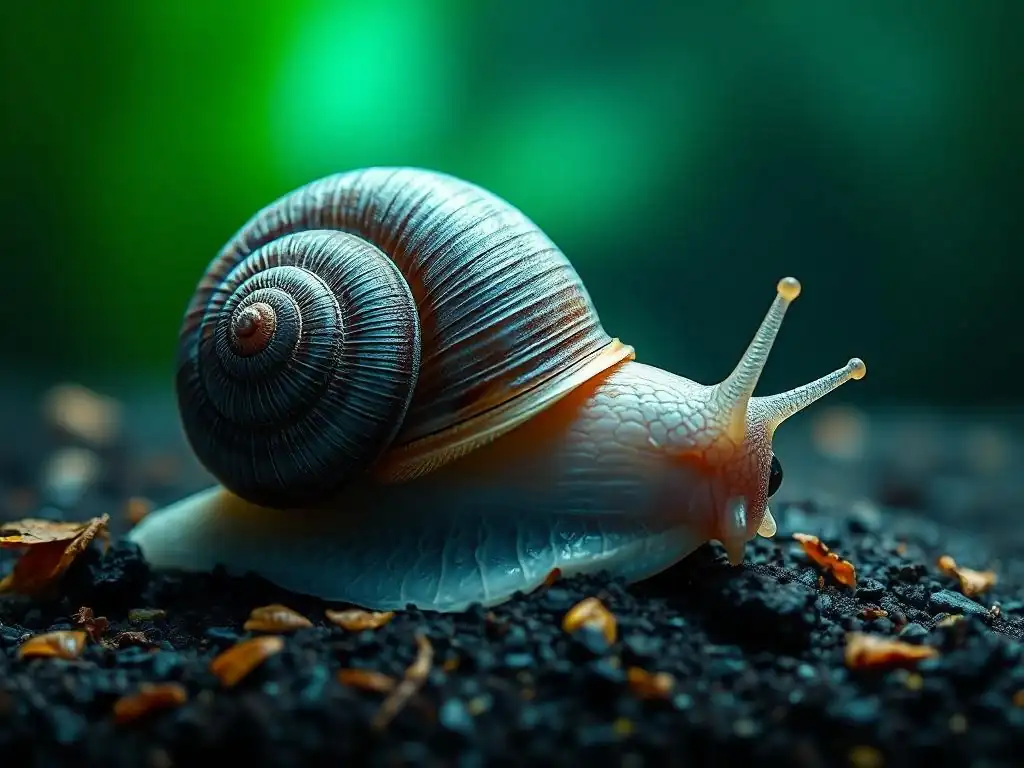
Malaysian Trumpet Snails ( Melanoides tuberculata) and Ramshorn Snails are both common freshwater aquarium snails, but they differ significantly in appearance, behavior, and primary benefits. MTS possess a distinctive long, conical shell and primarily burrow within the substrate during the day, emerging mainly at night. They reproduce via live birth (parthenogenesis) and are exceptional at substrate aeration and detritus consumption.
Ramshorn Snails, on the other hand, are characterized by their flat, coiled shell that resembles a ram's horn, often coming in shades of red, brown, or blue. They are typically more visible on the glass and decor, laying clear egg clutches on surfaces. While both are detritivores, Ramshorns are often more efficient at consuming surface algae and biofilm, whereas MTS excel at deep substrate cleaning and aeration. Understanding these differences is key to effective Malaysian trumpet snail care and choosing the right snail for your tank's needs.
MTS vs. Mystery Snails
The contrast between Malaysian Trumpet Snails and Mystery Snails ( Pomacea bridgesii) is quite pronounced, primarily in size, appearance, and reproductive habits. MTS are relatively small, growing up to 1 inch with a slender, conical shell, and are known for their burrowing behavior and asexual reproduction (parthenogenesis) via live birth.
Mystery Snails are significantly larger, often reaching 2 inches or more, with a rounder, more globular shell that comes in a wide array of colors (e.g., yellow, blue, purple). They are much more visible, often seen crawling on tank surfaces or floating, and they reproduce sexually, laying clutches of eggs above the waterline. While both consume detritus and algae, Mystery Snails are often kept as decorative pets and are larger waste producers, requiring more direct feeding, whereas MTS are primarily functional clean-up crew members focused on substrate health.
MTS vs. Assassin Snails
The relationship between Malaysian Trumpet Snails and Assassin Snails ( Clea helena) is unique, as Assassin Snails are often introduced specifically to control MTS populations. MTS are herbivorous/detritivorous, passive members of the clean-up crew, characterized by their conical shells and burrowing habits, serving to aerate the substrate and consume organic waste.
Assassin Snails, while also having a conical shell similar in shape to MTS (though typically smaller, up to 0.75 inches, and often with a striped yellow/black pattern), are carnivorous. They actively hunt and consume other snails, including MTS, making them a popular biological control method for snail overpopulations. Their roles in the aquarium ecosystem are diametrically opposed: MTS are the beneficial workers, and Assassin Snails are their natural predators, making their coexistence a dynamic aspect of comprehensive Malaysian trumpet snail care.
Breeding MTS
Parthenogenesis in MTS
The breeding strategy of Malaysian Trumpet Snails is a key factor in their rapid population growth and often leads to their classification as "pest" snails. MTS primarily reproduce through parthenogenesis, a form of asexual reproduction where a female can produce viable offspring without the need for a male. This means that even a single snail introduced into an aquarium can quickly establish a thriving population.
This unique reproductive method allows for continuous and prolific breeding. The female gives live birth to miniature, fully formed juvenile snails, which are typically released directly into the substrate. This constant influx of new, tiny snails ensures a steady supply of substrate aerators and detritus consumers, making them highly efficient at their environmental role, but also prone to overpopulation if not managed properly.
Ideal Breeding Conditions
While MTS can reproduce in a wide range of conditions, their breeding rate is significantly accelerated by abundant food sources. Tanks with excess uneaten fish food, a high amount of decaying plant matter, or significant algae growth provide ample resources, leading to exponential population increases. This direct correlation between food availability and reproduction is why overfeeding is the leading cause of MTS population booms.
Stable and warm water parameters also contribute to faster breeding cycles. A consistent temperature range of 72-78°F (22-26°C), coupled with stable pH and hardness, creates an optimal environment for robust reproduction. To manage their population, the most effective Malaysian trumpet snail care strategy is to control the amount of available food rather than attempting to eliminate them entirely.
Managing Juvenile MTS
Juvenile Malaysian Trumpet Snails are born as tiny, fully formed replicas of the adults, typically measuring just a millimeter or two. They immediately begin their work, burrowing into the substrate and contributing to aeration and detritus consumption. Due to their small size and burrowing nature, they are often unseen, tirelessly working within the substrate layers.
The numbers of juvenile MTS, much like the adults, will naturally fluctuate based on the availability of food. If you observe a sudden surge in their numbers, it serves as a clear indicator that there is too much excess food in the aquarium. The most effective way to manage and stabilize the population of both juvenile and adult MTS is through consistent and careful feeding practices for your fish, ensuring only what can be consumed quickly is provided.
Ecological Impact of MTS
MTS in a Healthy Aquarium
In a balanced and well-maintained aquarium, Malaysian Trumpet Snails exert a profoundly positive ecological impact. They are instrumental in maintaining substrate health, acting as constant tillers that prevent compaction and the formation of toxic anaerobic pockets. This continuous aeration is vital for the overall well-being of the tank, particularly for planted aquariums where root health is paramount.
Beyond their mechanical role, MTS are efficient detritivores, diligently consuming uneaten food, fish waste, and decaying plant matter. By breaking down this organic debris, they contribute significantly to the biological filtration process, reducing the organic load and helping to stabilize water parameters. Their presence is often a sign of a thriving, self-regulating micro-ecosystem beneath the surface, making them valuable, albeit often unseen, members of the clean-up crew.
Preventing MTS Spread
While beneficial in a controlled aquarium environment, preventing the unintended spread of Malaysian Trumpet Snails to other tanks or, critically, into natural waterways, is an important aspect of responsible aquarium keeping. The most common way MTS are introduced to new tanks is by hitchhiking on live plants, substrate, or decorations transferred from an infected tank.
To prevent their spread, it is highly recommended to carefully inspect any new live plants or decor before introducing them to your main aquarium. Quarantining new plants in a separate container for a few days, or performing a quick dip in solutions like diluted potassium permanganate or alum, can effectively kill off any hidden snails or their eggs. This proactive approach ensures responsible Malaysian trumpet snail care and prevents unwanted colonization.
Responsible Aquarium Keeping
Responsible aquarium keeping extends beyond simply maintaining a healthy tank; it includes understanding the ecological roles of all inhabitants, including Malaysian Trumpet Snails. Instead of viewing them as mere "pests," recognizing their significant contributions to substrate health and waste management allows aquarists to appreciate their value. Managing their population through disciplined feeding, rather than resorting to harsh chemical treatments, is a testament to sustainable practices.
Furthermore, it is crucial never to release unwanted aquarium inhabitants, including MTS, into local waterways. Introducing non-native species can have devastating impacts on local ecosystems, potentially outcompeting native species or introducing diseases. If a population must be reduced, humane disposal methods should be employed, such as freezing. This commitment to responsible Malaysian trumpet snail care reflects a broader dedication to environmental stewardship within the aquarium hobby.
Frequently Asked Questions
Malaysian Trumpet Snails (MTS) are small, nocturnal snails that burrow in the aquarium substrate. They are considered "hidden heroes" because they help aerate the substrate and consume detritus and uneaten food, keeping the tank clean.
Are MTS beneficial or harmful to planted aquariums?
MTS are generally beneficial to planted aquariums. Their burrowing action aerates the substrate, which improves root health for plants. However, in very large numbers, they can disturb plant roots.
How do I control the population of MTS in my aquarium?
The best way to control MTS population is to avoid overfeeding your fish. Reduce the amount of food you introduce to the tank. You can also manually remove snails or use snail traps to reduce their numbers.
What water parameters do MTS prefer?
MTS are relatively hardy and can tolerate a wide range of water parameters. However, they thrive in stable water conditions with a pH between 7.0 and 7.5 and a temperature between 72°F and 82°F.
Can MTS coexist with other snails and fish in my aquarium?
Yes, MTS can generally coexist peacefully with most other snails and fish. Avoid keeping them with snail-eating fish, such as assassin snails or pufferfish, as they will become prey.
Final Reflection: The Unsung Heroes Beneath the Surface
The journey into understanding Malaysian Trumpet Snail care reveals more than just the basics of keeping these creatures alive; it unveils their crucial role in maintaining a healthy and thriving aquarium ecosystem. These often-overlooked snails are not merely scavengers, but active participants in a delicate balance, tirelessly working to keep our aquatic environments clean and stable. Their impact extends far beyond their size, proving that even the smallest creatures can play a significant part in a larger, interconnected world.
The quiet diligence of the Malaysian Trumpet Snail serves as a powerful metaphor for the unseen forces that shape our own lives. Their constant work, hidden beneath the surface, reminds us that true value often lies in the contributions that go unnoticed. It is not the critic who counts; not the man who points out how the strong man stumbles, or where the doer of deeds could have done them better. The credit belongs to the man who is actually in the arena, whose face is marred by dust and sweat and blood; who strives valiantly; who errs, who comes short again and again, because there is no effort without error and shortcoming; but who does actually strive to do the deeds; who knows great enthusiasms, the great devotions; who spends himself in a worthy cause; who at the best knows in the end the triumph of high achievement, and who at the worst, if he fails, at least fails while daring greatly.
- Theodore Roosevelt. This quote resonates with the tireless work of the MTS, a constant reminder that even seemingly small efforts can have a profound impact.
So, the next time you gaze into your aquarium, take a moment to appreciate the unseen heroes working tirelessly beneath the substrate. Consider the lessons they teach us about dedication, balance, and the importance of every role within a community. Let the diligence of the Malaysian Trumpet Snail inspire you to find your own hidden strengths and contribute to the world around you, no matter how small your actions may seem. Embrace the power of the unseen and strive to make a positive impact, just like these remarkable little snails.
Unearth the Secrets of a Thriving Aquarium!
Thank you for diving deep into the world of Malaysian Trumpet Snails! We hope you've gained a new appreciation for these tiny ecosystem engineers and their crucial role in a healthy aquarium. Now, let's put that knowledge into action:
- Introduce a small team of Malaysian Trumpet Snails to your aquarium and witness the magic unfold! Monitor their impact on your substrate's health and nutrient levels.
- Share your experiences and observations with fellow aquarists online. Your insights could help others create thriving underwater ecosystems.
- Experiment with different substrate types and densities to discover the optimal environment for your MTS population and plant growth.
What surprising benefits have you observed from introducing Malaysian Trumpet Snails to your aquarium?