
Decoding Soft Coral Health: Signs of Stress & How to Intervene

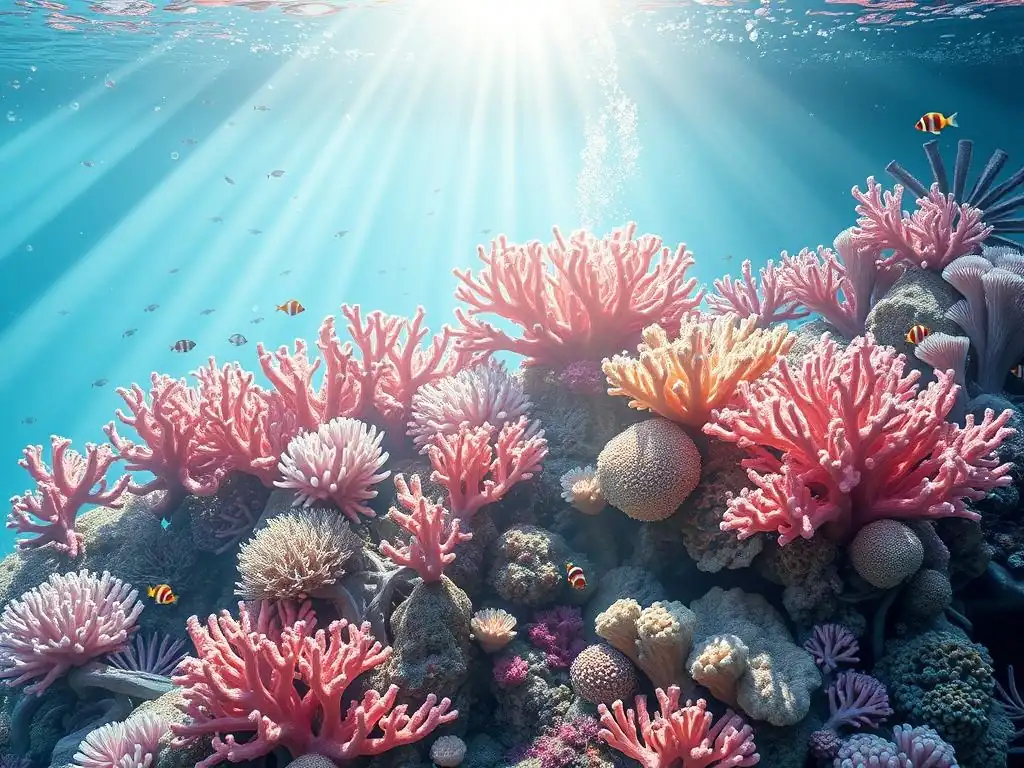
Welcome to Aquarium Mastery!
Ever wondered why your vibrant soft corals might be losing their luster? Unravel the mystery and dive into our comprehensive guide, " Decoding Soft Coral Health: Signs of Stress & How to Intervene." We'll explore the critical issue of soft coral bleaching causes, empowering you to recognize the warning signs and take proactive steps to restore your reef's natural beauty. Curious to learn more about keeping your corals healthy and thriving? Let's begin!
- Understanding Soft Coral Health: An Introduction for Aquarium Keepers
- Identifying Soft Coral Stress: Recognizing the Warning Signs
- Diagnosing the Root Cause of Soft Coral Problems
- Intervening and Restoring Soft Coral Health: Treatment Strategies
- Preventing Future Problems: Maintaining a Healthy Reef Tank Environment
- Soft Coral Health Checklist: A Quick Reference Guide.
-
Frequently Asked Questions
- What are the most common signs of stress in soft corals?
- What is coral bleaching, and what triggers it in soft corals specifically?
- How can I improve water quality to prevent soft coral bleaching?
- What role does lighting play in soft coral health and bleaching prevention?
- What should I do immediately if I notice signs of bleaching in my soft corals?
- Final Reflection: Protecting the Underwater Gardens
- Nurture Your Reef: Help Your Corals Thrive!
Understanding Soft Coral Health: An Introduction for Aquarium Keepers
Why Monitoring Soft Coral Health is Crucial for Reef Tank Success
Monitoring the health of soft corals is paramount for any successful reef aquarium. These invertebrates, which include popular species like Zoanthids, Mushrooms, and Leather corals, not only add vibrant beauty and dynamic movement to a tank but also play a vital role in the overall ecosystem's stability. Their well-being often serves as an early indicator of underlying issues in water chemistry, lighting, or flow, making their diligent observation a critical aspect of proactive tank management. Neglecting these signs can lead to widespread distress, impacting other tank inhabitants and potentially resulting in significant coral loss.
Beyond their aesthetic contribution, healthy soft coral colonies contribute to nutrient cycling and provide microhabitats for beneficial organisms. Ethically, as responsible aquarists, ensuring the optimal conditions for our tank inhabitants is a fundamental duty. Early detection of stress or disease, such as subtle changes in texture or color, allows for timely intervention, preventing minor issues from escalating into irreversible damage. This proactive approach saves not only valuable coral specimens but also the considerable time and financial investment associated with reef keeping.
Key Indicators of a Healthy Soft Coral Colony
A healthy soft coral colony exhibits several clear visual and behavioral cues that indicate its well-being. Visually, the polyps should be fully extended, plump, and display their characteristic vibrant coloration, whether it's the rich greens of a Sarcophyton or the dazzling blues of certain Zoanthid morphs. The coral tissue itself should appear firm and robust, without any signs of recession, melting, or translucent patches. Growth, while varying by species, is another positive indicator; many soft corals, like Xenia, are known for their rapid proliferation when conditions are optimal.
Behaviorally, a healthy soft coral will often respond appropriately to water flow, exhibiting natural swaying or pulsing motions depending on the species. There should be no excessive shedding or sloughing of tissue, which can be a sign of stress or an attempt to rid itself of algae. Furthermore, a healthy colony will generally maintain its shape and attachment to the substrate. Any deviation from these norms—such as reduced polyp extension, faded color, or unusual tissue appearance—warrants immediate investigation to pinpoint and address the underlying cause.
Identifying Soft Coral Stress: Recognizing the Warning Signs
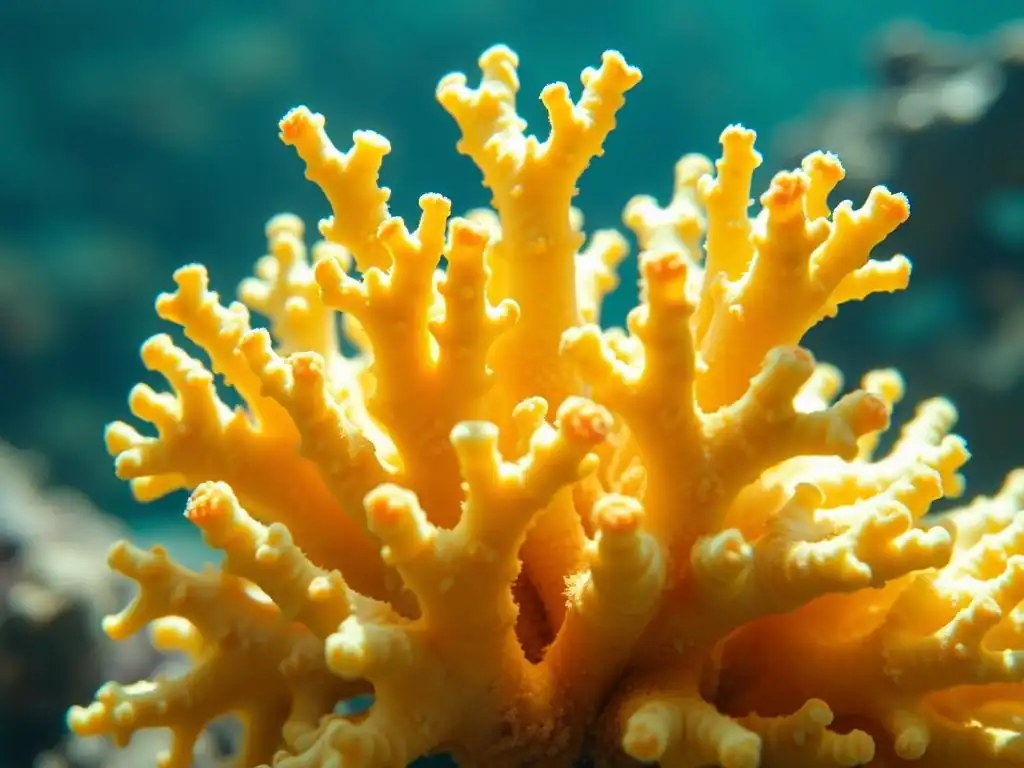
Soft Coral Bleaching Causes: A Deep Dive
Soft coral bleaching, while perhaps less dramatic than the stark white of bleached stony corals, is a critical sign of severe stress and a major concern for aquarists. It typically manifests as a noticeable paling or fading of the coral's natural vibrant colors, sometimes appearing translucent or almost clear. This phenomenon occurs when the coral expels its symbiotic dinoflagellates, known as zooxanthellae, which reside within its tissues and provide the coral with vital nutrients through photosynthesis. Understanding the various soft coral bleaching causes is the first step toward effective intervention and prevention.
The expulsion of zooxanthellae is a stress response, indicating that the coral's internal environment has become inhospitable for these crucial symbionts. While not immediately fatal, prolonged bleaching significantly weakens the coral, making it susceptible to disease and starvation. Common soft coral bleaching causes include drastic changes in light intensity, temperature fluctuations outside the coral's preferred range, and poor water quality parameters. Identifying which of these factors is at play requires careful observation and diligent testing of the aquarium environment.
Light Shock and Soft Coral Bleaching
Light shock is a prominent contributor to soft coral bleaching causes, occurring when corals are exposed to light intensity or spectrum that is either too strong or too weak for their needs, or when there's a sudden, drastic change. For instance, moving a soft coral accustomed to moderate light to a much higher PAR (Photosynthetically Active Radiation) zone without proper acclimation can cause its zooxanthellae to produce harmful reactive oxygen species, leading to their expulsion.
Similarly, insufficient light can also stress the coral by depriving its symbionts of the energy needed to thrive, eventually leading to a faded appearance as the zooxanthellae population declines.
To prevent light shock, aquarists should research the specific light requirements of their soft coral species. While many soft corals are less light-demanding than SPS corals, they still require appropriate PAR levels, typically ranging from 50 to 150 PAR, depending on the species. When introducing new corals or upgrading lighting systems, a gradual acclimation process is crucial. This might involve placing new corals in lower light areas initially, using dimmer settings on LED lights, or employing shade screens, progressively increasing light exposure over several weeks to allow the zooxanthellae to adapt.
Temperature Fluctuations and Coral Color Loss
Temperature fluctuations are another significant factor among soft coral bleaching causes. Soft corals, like most reef inhabitants, thrive within a narrow and stable temperature range, typically between 76°F and 82°F (24.4°C - 27.8°C). Even small, rapid shifts outside this optimal range, particularly sudden increases, can induce severe stress. When water temperatures rise too quickly or remain elevated for extended periods, the photosynthetic machinery of the zooxanthellae becomes compromised, leading to their expulsion and the characteristic paling of the coral.
Maintaining a stable temperature is paramount. This involves using reliable heaters and chillers (if necessary) to prevent swings, and regularly monitoring the tank's temperature with an accurate thermometer. For example, a sudden temperature spike from 78°F to 84°F (25.5°C to 28.9°C) over just a few hours due to equipment malfunction or ambient room temperature changes can trigger a bleaching event. Conversely, consistently low temperatures, though less common as a direct soft coral bleaching cause, can also stress corals by slowing their metabolic processes and reducing their symbiotic efficiency.
Water Quality Issues Contributing to Soft Coral Bleaching
Poor water quality is a multifaceted and pervasive element among soft coral bleaching causes. Elevated levels of nitrates and phosphates, often resulting from overfeeding or insufficient nutrient export, can directly inhibit the photosynthetic efficiency of zooxanthellae. While soft corals are generally more tolerant of higher nutrient levels than SPS corals, chronic exposure to nitrates above 20 ppm and phosphates above 0.05 ppm can still lead to stress, reduced vitality, and ultimately, the expulsion of zooxanthellae, resulting in a bleached appearance.
Beyond nutrient overload, imbalances in essential parameters like alkalinity, calcium, and magnesium can also contribute to soft coral stress and bleaching, albeit less directly than for stony corals. Unstable pH, typically below 8.0, can also be detrimental. For example, a sudden drop in alkalinity from 9 dKH to 6 dKH can disrupt cellular processes. Additionally, the presence of heavy metals, chlorine, or other toxins introduced through tap water or contaminated additives can act as acute soft coral bleaching causes. Regular, precise testing and consistent water changes are crucial to maintaining the stable, pristine conditions soft corals require to thrive.
Soft Coral Tissue Necrosis: Understanding and Preventing Tissue Loss
Recognizing the Early Stages of Soft Coral Tissue Necrosis
Soft coral tissue necrosis, often referred to as "melting" or "dissolving," is a severe and often rapidly progressing condition where the coral's tissue begins to die and slough off. Recognizing the early stages is critical for intervention. Initial signs might include localized white or translucent patches on the coral's surface, particularly at the base or edges, which can quickly spread. The affected area may appear to be disintegrating, sometimes accompanied by a milky or stringy discharge. Unlike bleaching, which is a loss of color, necrosis is a physical loss of tissue, revealing the underlying skeleton or attachment point.
In some cases, a brown, slimy film (often mistaken for algae) might precede or accompany the tissue loss. This "brown jelly" is often a symptom of advanced necrosis rather than a primary cause, indicating a bacterial or protozoan infection taking hold on the dying tissue. For instance, a small, slightly pale spot on a Leather coral might seem innocuous, but if it rapidly expands into a white, melting lesion within 24 hours, it signifies aggressive tissue necrosis. Immediate action is required to prevent it from consuming the entire colony or spreading to other corals.
Common Causes of Tissue Necrosis in Soft Corals
Tissue necrosis in soft corals can stem from a variety of causes, ranging from environmental stressors to pathogenic infections. One common trigger is severe water parameter instability or contamination. A sudden, drastic pH swing, an ammonia spike, or the introduction of a toxic substance (e.g., residual soap on hands, copper medication) can directly burn and kill coral tissue. For example, an accidental overdose of an additive could cause immediate localized tissue death.
Physical damage, such as a coral falling, being pinched by rockwork, or attacked by a predatory snail, can also create an open wound that becomes susceptible to secondary bacterial infections. These bacterial infections, often caused by opportunistic pathogens like Vibrio species, are a frequent direct cause of the rapid tissue loss seen in necrosis. Overcrowding, insufficient water flow leading to detritus accumulation on the coral, or prolonged exposure to high levels of nuisance algae can also stress the coral to the point where its immune system is compromised, allowing necrosis to set in.
Changes in Soft Coral Polyp Extension: What's Normal, What's Not
Reduced Polyp Extension as a Sign of Stress
Reduced polyp extension is one of the most common and earliest indicators of stress in soft corals. Healthy soft corals, such as Zoanthids, Pulsing Xenia, or Leather corals, typically display full, extended polyps during the day, actively feeding or photosynthesizing. When a soft coral retracts its polyps for prolonged periods, appearing "balled up," shrunken, or simply not opening fully, it's a clear signal that something is amiss. This behavior is often a protective mechanism, where the coral attempts to conserve energy or shield itself from an irritant.
The reasons for reduced polyp extension are numerous and often overlap with soft coral bleaching causes and necrosis triggers. They include sub-optimal water parameters (e.g., high nitrates, low alkalinity, unstable pH), inadequate or excessive water flow, insufficient or incorrect lighting, the presence of pests (like nudibranchs or predatory snails), or irritation from detritus settling on the coral. For example, a colony of Zoanthids that normally opens wide but suddenly remains closed for several days might be reacting to a recent ammonia spike or a new fish picking at them.
Excessive Polyp Extension: Is it Always a Good Sign?
While reduced polyp extension is almost always a sign of stress, excessive or unusual polyp extension is not necessarily a definitive indicator of good health and can sometimes signal a problem. In some cases, a coral might extend its polyps more than usual if it is "reaching" for something it lacks, such as light or flow. For instance, a soft coral placed in a very low-light area might stretch its polyps unusually long in an attempt to maximize light absorption.
Similarly, a coral positioned in an area with insufficient water flow might extend its polyps to try and capture more food particles or facilitate gas exchange. However, it's crucial to differentiate this from normal, healthy extension. A healthy Xenia, for example, will pulse rhythmically and fully, but if it suddenly extends its stalks disproportionately long and appears spindly, it could be a sign of insufficient flow or light.
Another scenario is when corals extend polyps in response to a perceived threat or irritation, trying to "feel out" their environment or shed something. Careful observation of the coral's overall appearance and the context of its environment is necessary to interpret this behavior correctly.
Unusual Soft Coral Color Changes: Beyond Bleaching
Brown Jelly Disease in Soft Corals: Identification and Treatment
Brown Jelly Disease is a highly aggressive and often fatal protozoan infection that can quickly devastate soft coral colonies. It manifests as a characteristic slimy, brown, gelatinous mass that rapidly spreads across the coral's tissue, consuming it in its wake. The affected areas will look like decaying, melting tissue covered in this brown, stringy substance. It's often accompanied by a foul odor and can appear as early as 24-48 hours after a coral has been stressed or physically damaged.
Immediate action is critical upon identifying Brown Jelly Disease, as it is highly contagious and can spread rapidly to other corals in the tank. The first step is to isolate the infected coral in a separate container or quarantine tank if possible. Gently siphon off the brown jelly using an airline tube.
A freshwater dip (using dechlorinated RO/DI water matched for temperature and pH) for 30-60 seconds can sometimes dislodge the protozoa. For more severe cases, a dip in a diluted iodine solution (e.g., Lugol's iodine, 1-2 drops per cup of tank water for 5-10 minutes) can be effective. Any affected areas should be fragged off if the infection is localized, and the remaining healthy tissue can be dipped before returning to a clean, stable environment.
Identifying Pale or Faded Colors in Soft Corals
Beyond the distinct signs of bleaching where the coral appears translucent or starkly white, soft corals can also exhibit more subtle forms of color loss, appearing generally pale, faded, or dull. This often indicates chronic stress rather than an acute event, and it's a common precursor to full-blown bleaching or other health issues. These faded colors suggest that the coral's zooxanthellae population is declining or their photosynthetic efficiency is compromised, but not yet completely expelled.
Several factors can contribute to pale or faded colors. Insufficient light intensity or an inappropriate light spectrum can lead to the zooxanthellae not producing enough pigments. Nutrient deficiency, particularly if the tank is too "clean" (ultra-low nitrates and phosphates), can also starve the coral and its symbionts, leading to a washed-out appearance.
Conversely, chronic exposure to slightly elevated nitrates (e.g., 20-30 ppm) can also cause some corals to brown out or fade. Poor water circulation, which prevents efficient nutrient delivery and waste removal, can also contribute to a general lack of vibrancy. Addressing these underlying soft coral bleaching causes by optimizing lighting, ensuring balanced nutrition, and improving flow is key to restoring the coral's natural vibrancy.
Diagnosing the Root Cause of Soft Coral Problems
Testing Your Aquarium Water Parameters: A Critical First Step
Testing for Ammonia, Nitrite, and Nitrate
Testing your aquarium water parameters is unequivocally the most critical first step in diagnosing any soft coral health issue. Ammonia (NH3/NH4+) and Nitrite (NO2-) are highly toxic compounds that are byproducts of the nitrogen cycle. Even trace amounts of these can cause severe stress, tissue damage, and ultimately death in corals. Healthy, established reef tanks should always have undetectable levels of both. Ammonia and nitrite spikes are often indicative of an immature tank, overfeeding, a decaying organism, or an insufficient biological filter.
Nitrate (NO3-) is the final product of the nitrogen cycle and, while less acutely toxic than ammonia or nitrite, can still be detrimental to soft coral health at elevated levels. While soft corals are generally more tolerant of nitrates than stony corals, levels consistently above 10-20 ppm can contribute to soft coral bleaching causes, reduced polyp extension, and overall decline. Maintaining nitrates below 10 ppm is ideal for most soft corals, and regular testing (weekly or bi-weekly) using a reliable liquid test kit is essential to monitor these parameters and ensure the stability necessary for coral well-being.
Maintaining Proper Alkalinity, Calcium, and Magnesium Levels
While soft corals do not build stony skeletons like LPS and SPS corals, maintaining stable levels of alkalinity, calcium, and magnesium is still crucial for their overall health and the stability of the reef ecosystem. Alkalinity (measured in dKH or meq/L) represents the water's buffering capacity, preventing drastic pH swings. A stable alkalinity between 7-11 dKH (or 2.5-4.0 meq/L) is vital for cellular processes and the health of the zooxanthellae. Fluctuations outside this range can stress corals and contribute to soft coral bleaching causes.
Calcium (Ca) and Magnesium (Mg) are also essential for the overall ionic balance of the water, which indirectly impacts soft coral health. Calcium levels typically range from 400-450 ppm, and Magnesium from 1250-1350 ppm. While soft corals don't directly consume these in large quantities for calcification, stable levels are necessary for the general health of the symbiotic algae and the entire reef environment.
For instance, low magnesium can make it harder to maintain stable alkalinity. Regular testing (weekly to bi-weekly) of these parameters, alongside ammonia, nitrite, and nitrate, provides a comprehensive picture of water quality and helps identify subtle imbalances before they manifest as severe coral distress.
Evaluating Lighting Conditions for Soft Corals
Ensuring Adequate Light Intensity and Spectrum
Evaluating lighting conditions is paramount when diagnosing soft coral issues, as inappropriate light is a leading factor among soft coral bleaching causes. Soft corals, being photosynthetic, rely on light for energy through their symbiotic zooxanthellae. However, their light requirements vary significantly by species and are generally less intense than those of SPS corals.
Ensuring adequate light intensity means providing PAR (Photosynthetically Active Radiation) levels appropriate for the specific soft coral, typically ranging from 50 to 150 PAR. Too little light can starve the coral, leading to faded colors and reduced polyp extension, while too much light can cause light shock and bleaching.
The light spectrum is equally important. Blue-heavy spectrums (e.g., 10,000K to 20,000K) are generally preferred as they mimic natural reef conditions and promote healthy zooxanthellae growth. Using a PAR meter is the most accurate way to measure light intensity at different depths and locations in the tank. Without a PAR meter, visual cues like coral color and polyp extension serve as indicators. For instance, a Sarcophyton leather coral that appears pale and shrunken may be receiving too much light, while one that seems dull and reaching for light might be under-lit.
Preventing Light Shock When Introducing New Soft Corals
Preventing light shock is crucial, especially when introducing new soft corals to a tank or upgrading existing lighting. Corals, particularly those purchased from a different lighting environment (e.g., a dimly lit frag tank at a local fish store), can be severely stressed by a sudden blast of high-intensity light. This sudden change is a common soft coral bleaching cause. To acclimate new corals, start by placing them in a lower light area of the tank, such as on the sand bed or shaded by rockwork.
Over a period of one to two weeks, gradually move the coral higher into the light, or if using dimmable LED lights, slowly increase the intensity. For example, if a new coral is placed in a tank with lights running at 80% intensity, consider dimming them to 40-50% for the first few days and gradually increasing by 5-10% every few days. This slow acclimation period allows the coral's zooxanthellae to adjust to the new light environment, preventing the stress response that leads to bleaching and ensuring a smoother transition for the new addition.
Assessing Water Flow and Circulation in Your Reef Tank
The Importance of Proper Water Flow for Soft Coral Health
Proper water flow and circulation are fundamental to the health and vitality of soft corals in a reef aquarium. Unlike stony corals that primarily rely on light, soft corals often depend heavily on water movement for various physiological processes. Adequate flow ensures the delivery of essential nutrients, such as dissolved organic matter and particulate food, directly to the coral polyps, which they absorb or filter feed. It also facilitates the efficient removal of metabolic waste products, preventing their accumulation around the coral's tissues.
Furthermore, proper water flow is crucial for gas exchange, ensuring that oxygen is supplied and carbon dioxide is removed, which is vital for respiration and photosynthesis. Different soft coral species have varying flow preferences; for example, Pulsing Xenia thrives in moderate, laminar flow that allows its polyps to pulse rhythmically, while a large Leather coral might prefer more turbulent, indirect flow to prevent detritus from settling on its surface and causing tissue irritation or necrosis. Insufficient flow can lead to "dead spots" where detritus accumulates, potentially causing localized tissue death or fostering bacterial growth.
Identifying Dead Spots and Improving Circulation
Identifying dead spots in your reef tank is essential for preventing soft coral issues and improving overall circulation. Dead spots are areas where water movement is minimal or stagnant, leading to the accumulation of detritus, uneaten food, and waste. These accumulations can create anaerobic conditions, release harmful compounds, and smother corals, leading to tissue necrosis or chronic stress. Visually, dead spots can be identified by observing where detritus settles and remains undisturbed, often in crevices, behind rockwork, or at the base of corals.
To improve circulation and eliminate dead spots, strategic placement of powerheads or wavemakers is key. Aim for turbulent, random flow rather than direct, blasting flow on corals, which can cause tissue damage. Multiple smaller powerheads often provide better, more dispersed flow than one large one.
Adjusting the angle and position of existing powerheads can redirect flow into stagnant areas. Regularly cleaning pumps and powerheads to maintain their efficiency is also important. For instance, if detritus is consistently settling on a large Sarcophyton, repositioning a powerhead to create a gentle, sweeping flow over its surface can prevent accumulation and promote its health.
Intervening and Restoring Soft Coral Health: Treatment Strategies
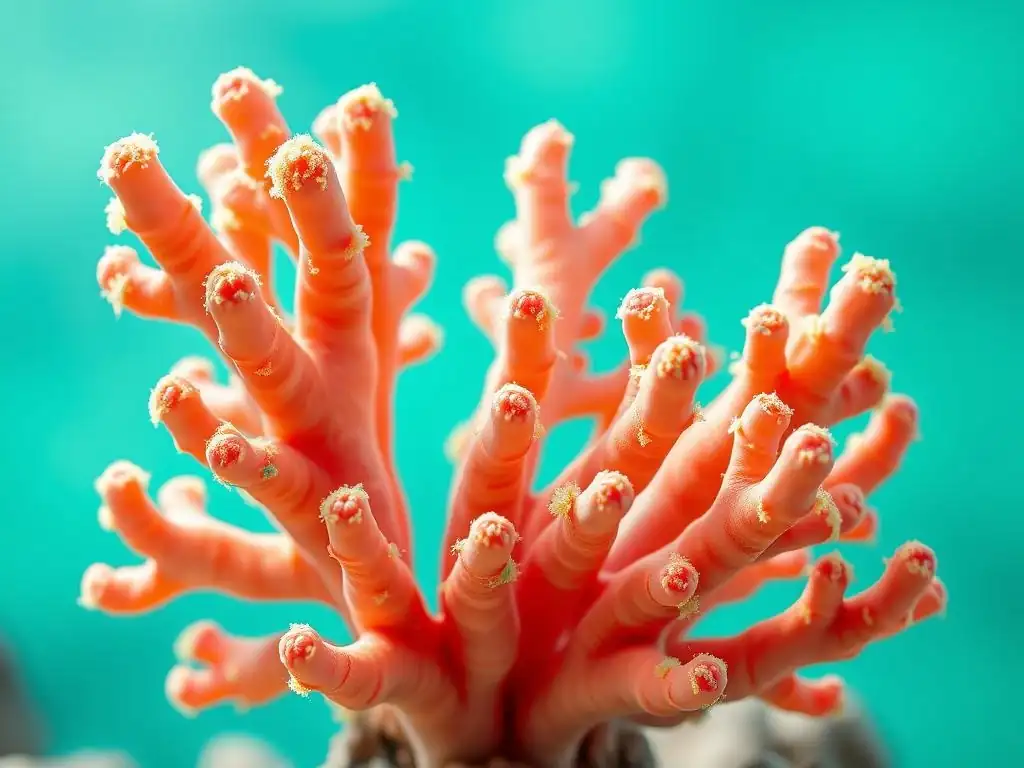
Adjusting Water Parameters to Correct Imbalances
Gradual Adjustments vs. Rapid Changes
When intervening to restore soft coral health by correcting water parameter imbalances, the principle of "gradual adjustments vs. rapid changes" is paramount. Attempting to fix a problem quickly by making large, sudden changes to parameters like pH, alkalinity, or salinity can induce further stress, known as osmotic shock, which can be more detrimental than the initial imbalance. For example, if alkalinity is dangerously low at 6 dKH, rapidly dosing to 9 dKH in a single day can cause severe stress or even tissue recession.
Instead, adjustments should be made slowly and incrementally over several days or even weeks. For alkalinity, aim to increase it by no more than 0.5-1.0 dKH per day. Similarly, if salinity needs to be raised or lowered, do so by small increments (e.g., 0.001-0.002 specific gravity per day) through top-offs or small water changes. This allows the soft coral and its symbiotic zooxanthellae sufficient time to physiologically adapt to the changing conditions, minimizing stress and maximizing the chances of recovery. Consistent monitoring throughout the adjustment period is crucial to ensure the coral is responding positively.
The Role of Water Changes in Restoring Soft Coral Health
Water changes play a fundamental and highly effective role in restoring soft coral health by directly addressing water quality issues. Regular water changes dilute accumulated toxins, such as nitrates and phosphates, which are common soft coral bleaching causes and overall stressors. For example, a 20% water change in a 50-gallon tank can significantly reduce a 40 ppm nitrate level. This immediate reduction in pollutants can provide immediate relief to stressed corals.
Beyond toxin removal, water changes replenish essential trace elements that are consumed by corals and other tank inhabitants over time. Elements like iodine, strontium, and various vitamins, while needed in small quantities, are vital for soft coral coloration, growth, and overall metabolic function.
Using high-quality, freshly mixed saltwater with proper salinity ensures that these vital elements are reintroduced. For a tank experiencing soft coral distress due to water quality issues, increasing the frequency or volume of water changes (e.g., from 10% bi-weekly to 20% weekly) can be a powerful tool to stabilize parameters and promote recovery, often leading to improved polyp extension and color.
Optimizing Lighting and Water Flow for Recovery
Gradually Increasing Light Intensity After Bleaching
If a soft coral has experienced bleaching due to excessive light, or if it's recovering from a general stress event, gradually increasing light intensity is a crucial step in its recovery. Immediately placing a bleached coral under full, intense lighting can cause further stress and hinder recovery. Instead, start by positioning the bleached coral in a shaded or lower-light area of the tank, where PAR levels are significantly reduced (e.g., 20-40 PAR). This allows the remaining or recovering zooxanthellae to acclimate without being overwhelmed.
Over a period of several weeks, slowly move the coral into higher light areas or gradually increase the intensity of dimmable LED lights by small increments (e.g., 5-10% every few days). Monitor the coral's response closely; signs of recovery include improved color and increased polyp extension. This methodical approach helps the coral rebuild its zooxanthellae population and adapt to higher light levels without re-inducing stress, directly addressing one of the primary soft coral bleaching causes. Patience is key, as full recovery can take weeks to months.
Fine-Tuning Water Flow to Promote Healing
Fine-tuning water flow is essential for soft coral recovery, as proper circulation aids in healing and prevents further irritation. Stressed or recovering soft corals, especially those with tissue damage or recession, need gentle yet consistent flow to prevent detritus from settling on their sensitive tissues. A build-up of detritus can lead to secondary bacterial infections or suffocation, hindering the healing process. For example, a Leather coral recovering from tissue necrosis will benefit from moderate, indirect flow that keeps its surface clean without physically damaging the delicate, regenerating tissue.
Avoid direct, strong blasts of water on a recovering coral, as this can cause physical stress, prevent polyp extension, and even tear delicate tissue. Instead, aim for broad, turbulent flow patterns using multiple powerheads that create a gentle "swaying" motion. Regularly observe how detritus moves around the coral and adjust powerhead positions accordingly to eliminate dead spots. Ensuring optimal flow facilitates nutrient delivery to the recovering tissues and aids in waste removal, creating an ideal environment for the coral to regain its strength and vitality.
Treating Soft Coral Infections and Diseases
Treating Brown Jelly Disease: A Step-by-Step Guide
Treating Brown Jelly Disease in soft corals requires swift and decisive action due to its aggressive and contagious nature. The moment brown jelly is observed, follow these steps:
- Isolation: Immediately remove the infected coral from the main display tank to a separate quarantine or treatment container with clean, matched saltwater. This prevents the spread of the protozoa to healthy corals.
- Physical Removal: Gently siphon off as much of the brown jelly as possible using an airline tube. Be careful not to spread the jelly further in the process.
- Freshwater Dip: Prepare a small container of dechlorinated RO/DI water that is temperature and pH matched to your tank water. Dip the infected coral in this freshwater for 30-60 seconds. The osmotic shock can cause the protozoa to detach. Observe the coral closely during the dip; if it shows severe distress, remove it immediately.
- Antiseptic Dip (Optional but Recommended): After the freshwater dip, consider a dip in a diluted antiseptic solution. Lugol's iodine (e.g., 1-2 drops per cup of tank water) or a coral dip product containing chlorhexidine or hydrogen peroxide can be effective. Follow product instructions carefully for duration, typically 5-10 minutes.
- Fragging (Last Resort): If the infection is localized to a small area, and the rest of the coral is healthy, carefully frag off the infected portion using a sterile blade. Dip the newly fragged healthy piece before returning it to a clean, stable environment.
- Observation: Place the treated coral back into the isolation tank and monitor it closely for several days for any recurrence. Maintain pristine water quality in the isolation tank to aid recovery.
Using Coral Dips and Medications Safely and Effectively
Coral dips and medications can be powerful tools for treating soft coral infections, pests, and diseases, but they must be used safely and effectively to avoid causing further harm. Always identify the problem accurately before choosing a treatment, as different dips target different issues. Common types of dips include:
- Iodine-based dips (e.g., Lugol's iodine): Effective as an antiseptic for bacterial infections, tissue necrosis, and some protozoan issues like Brown Jelly Disease.
- Pest-specific dips: Formulated to remove common pests like predatory nudibranchs, flatworms, or Zoanthid-eating spiders.
- Antibacterial/Antifungal dips: Contain specific medications to combat bacterial or fungal infections.
To use them safely and effectively:
- Read Instructions Carefully: Always follow the manufacturer's dosage and dip duration recommendations precisely. Overdosing or prolonged dipping can be lethal.
- Prepare a Separate Container: Never dip corals directly in the display tank. Use a clean, separate container filled with tank water.
- Observe Closely: During the dip, constantly observe the coral for signs of severe distress (excessive sliming, tissue sloughing, extreme retraction). If distress is high, remove immediately.
- Rinse Thoroughly: After the dip, gently rinse the coral in a separate container of clean tank water before returning it to the display tank. This removes any residual medication.
- Targeted Treatment: Dips are generally for external issues or initial treatment. For systemic problems, in-tank medications might be necessary, but these should be used with extreme caution as they can impact beneficial bacteria or other invertebrates.
- Maintain Water Quality: Post-treatment, ensure your tank's water quality is pristine to support the coral's recovery and prevent recurrence.
Fragging as a Last Resort: Salvaging Healthy Tissue
Identifying Healthy Tissue for Propagation
Fragging, or propagation, serves as a last resort strategy for salvaging healthy tissue from a soft coral colony that is otherwise failing due to localized necrosis, aggressive disease, or irreversible damage. The success of this intervention hinges on accurately identifying the truly healthy tissue that has not yet been compromised. Healthy tissue will appear firm, fully colored, and exhibit normal polyp extension, contrasting sharply with the diseased, pale, or melting areas.
For example, if a large Leather coral is experiencing tissue necrosis spreading from its base, but the upper cap remains vibrant and fully extended, that upper portion is the ideal candidate for fragging. Similarly, if a colony of Zoanthids has a patch of melting polyps, but the surrounding polyps are robust and open, the healthy mat can be carefully cut away.
It's crucial to ensure that the chosen piece is completely free of any signs of disease or stress, as even microscopic remnants of infection can lead to the failure of the frag. Using a sharp, sterile blade or scalpel is essential to make a clean cut and minimize further stress to the coral.
Fragging Techniques for Different Types of Soft Corals
Fragging techniques vary depending on the type of soft coral, utilizing specific methods to ensure the best chance of survival for the new frag.
- Leather Corals (Sarcophyton, Lobophytum, Sinularia): These are typically fragged by cutting a portion of the cap or a branch using a sharp, sterile scalpel or razor blade. For instance, a "mushroom leather" can have a circular piece cut from its cap. The fragged piece is then attached to a frag plug or rock using a rubber band (loosely, to avoid cutting tissue) or a coral glue designed for wet use. The rubber band method is often preferred as it allows the coral to attach naturally without direct chemical irritation from glue.
- Mushroom Corals (Rhodactis, Discosoma, Ricordea): Mushrooms can be fragged by simply cutting the foot of the mushroom from its attachment point or by cutting the mushroom itself into two or more pieces. Each piece must contain a portion of the mouth to regenerate. These frags are then often placed in a small container with rubble rock until they attach naturally, as they do not always respond well to direct gluing.
- Zoanthids and Palythoa: These corals grow in mats and are fragged by cutting a section of the mat with several polyps attached using a scalpel or bone cutters. The frag can then be glued to a frag plug or a small piece of live rock. Ensure the cut is clean and the frag is securely attached.
- Xenia and Anthelia: These pulse and attach to rockwork. They can be fragged by simply cutting a stalk from the main colony. The frag can then be rubber-banded to a small piece of rubble or a frag plug until it attaches.
In all cases, minimize air exposure during fragging, and ensure tools are sterilized between corals to prevent disease transmission. A post-frag dip in a diluted iodine solution can help prevent secondary infections.
Preventing Future Problems: Maintaining a Healthy Reef Tank Environment
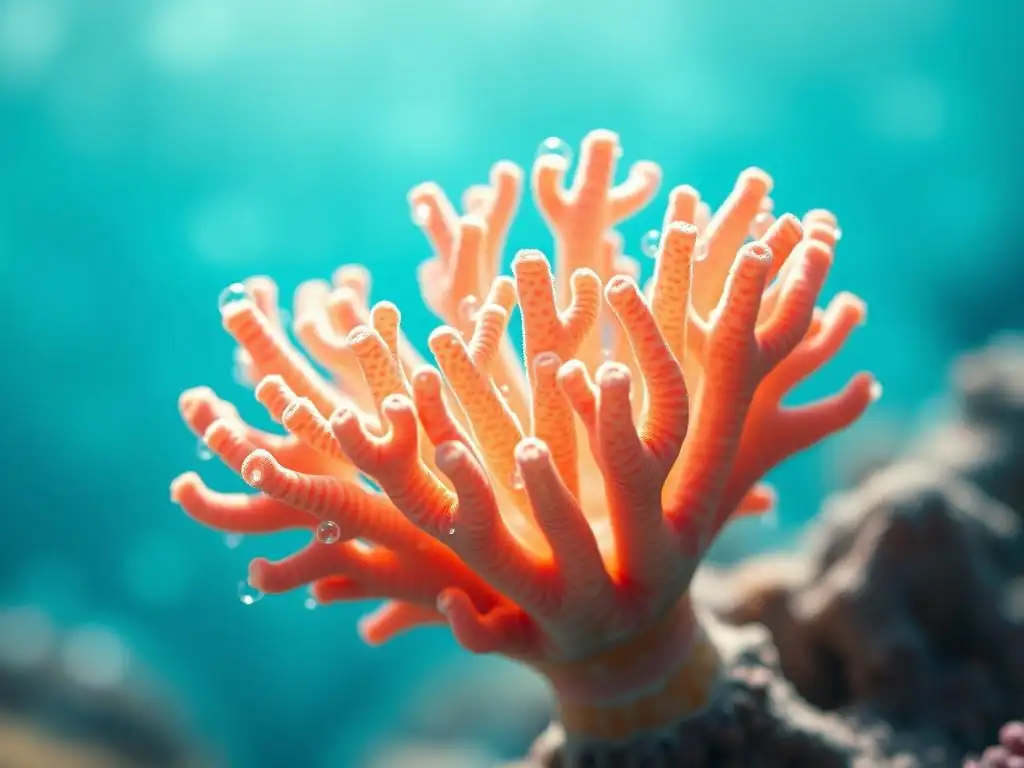
Establishing a Regular Water Testing Schedule
Establishing and adhering to a regular water testing schedule is foundational to preventing future soft coral health problems. Consistent monitoring allows aquarists to detect subtle shifts in water parameters before they escalate into significant issues that stress corals or lead to soft coral bleaching causes. For instance, weekly testing of key parameters like alkalinity, calcium, and magnesium enables proactive adjustments, such as dosing, to maintain stability. A sudden drop in alkalinity from 9 dKH to 7 dKH over a week, if caught early, can be gradually corrected before it impacts coral health.
Beyond these, ammonia and nitrite should be tested whenever a new tank is cycled or if any signs of distress are observed, ensuring they remain at undetectable levels (0 ppm). Nitrates and phosphates should be checked bi-weekly or monthly, depending on the tank's bioload and nutrient export methods. Maintaining nitrates below 10-20 ppm and phosphates below 0.05 ppm is ideal for most soft corals. A consistent testing routine provides invaluable data trends, allowing aquarists to understand their tank's unique consumption rates and nutrient production, enabling them to anticipate and prevent imbalances rather than react to crises.
Implementing a Consistent Water Change Routine
Implementing a consistent water change routine is one of the most effective and straightforward preventative measures for maintaining a healthy reef tank environment and safeguarding soft coral health. Regular water changes serve multiple critical functions: they dilute and export accumulated pollutants like nitrates and phosphates, which are common soft coral bleaching causes at elevated levels. For instance, a weekly 10-15% water change in a moderately stocked tank can effectively keep nitrate levels consistently low, preventing chronic stress.
Furthermore, water changes replenish essential trace elements that are consumed by corals and other invertebrates over time. Elements such as iodine, strontium, and various vitamins are vital for soft coral growth, coloration, and overall vitality, and while dosing can supplement them, natural seawater contains a balanced spectrum. A consistent schedule, whether it's 10-20% weekly or bi-weekly depending on tank size and bioload, ensures that the water quality remains pristine and stable, minimizing stress on soft corals and supporting their long-term well-being. Using high-quality RO/DI water and a reputable salt mix is paramount to the success of this routine.
Choosing Appropriate Lighting and Water Flow Equipment
Choosing appropriate lighting and water flow equipment is crucial for preventing soft coral problems, as these environmental factors directly impact their health and vitality. For lighting, select fixtures that offer dimmable control and a spectrum suitable for soft corals, typically leaning towards the blue end (e.g., 10,000K to 20,000K). LED fixtures are often ideal due to their adjustability. Research the specific PAR requirements of your soft coral species; most soft corals thrive in moderate light, generally between 50-150 PAR. Overpowering lights can be a direct soft coral bleaching cause, while under-lighting can lead to fading and poor growth.
For water flow, invest in controllable powerheads or wavemakers that can create random, turbulent flow rather than a constant, laminar blast. Soft corals generally prefer moderate, indirect flow that allows their polyps to sway gently, facilitating nutrient delivery and waste removal without causing physical damage. Multiple smaller powerheads strategically placed can provide better overall circulation and eliminate dead spots than one large, powerful pump. Consider equipment with wave-making functions to mimic natural ebb and flow, further enhancing coral health and preventing detritus buildup on their surfaces.
Acclimation Procedures for New Soft Corals
Quarantine Tanks: An Essential Tool for Preventing Disease Introduction
Quarantine tanks (QTs) are an essential, often underutilized, tool for preventing the introduction of diseases, parasites, and pests into the main display tank, thereby safeguarding the health of existing soft corals. A QT is a separate, dedicated tank (often 10-20 gallons) where new corals (and fish) are held for a period of observation and proactive treatment before being introduced to the main system. This isolation period, typically 4-6 weeks for corals, allows any latent diseases or pests to manifest.
During quarantine, new soft corals can be dipped (e.g., in pest-specific dips) to remove external hitchhikers like nudibranchs, flatworms, or predatory snails that could otherwise decimate a display tank. For instance, a new Zoanthid frag could carry Zoanthid-eating nudibranchs, which a QT allows you to identify and treat before they spread.
The QT also provides a stable environment for the new coral to recover from shipping stress and acclimate to new water parameters, reducing the risk of soft coral bleaching causes upon introduction to the display. This preventative measure significantly reduces the risk of widespread outbreaks that could otherwise devastate an established soft coral collection.
Soft Coral Health Checklist: A Quick Reference Guide.
- Water Parameters:
- Ammonia: 0 ppm
- Nitrite: 0 ppm
- Nitrate: <10-20 ppm
- Phosphate: <0.05 ppm
- Alkalinity: 7-11 dKH (stable)
- Calcium: 400-450 ppm (stable)
- Magnesium: 1250-1350 ppm (stable)
- Salinity: 1.025-1.026 SG (stable)
- Temperature: 76-82°F (stable)
- Visual Inspection (Daily/Weekly):
- Full polyp extension (species-dependent)
- Vibrant, consistent coloration (no fading, browning, or translucency)
- Firm, plump tissue (no melting, recession, or white patches)
- No visible pests (nudibranchs, flatworms) or algae growth on coral tissue
- No slimy, brown, or fuzzy growths (e.g., brown jelly)
- Normal growth rate for species
- Behavioral Observation:
- Appropriate response to water flow (gentle swaying, pulsing where applicable)
- No excessive sloughing or shedding of tissue
- No signs of irritation from fish or invertebrates
- Lighting:
- Appropriate PAR levels (50-150 PAR for most soft corals)
- Correct spectrum (blue-heavy preferred)
- No signs of light shock (bleaching, shriveling)
- Water Flow:
- Moderate, indirect flow for most species
- No detritus accumulation on coral surfaces
- No "dead spots" in the tank
- Coral tissue not being blasted or damaged by flow
- Maintenance Routine:
- Consistent water change schedule
- Regular water testing schedule
- Proper acclimation for new corals
- Use of quarantine tank for new additions
Frequently Asked Questions
What are the most common signs of stress in soft corals?
The most common signs include tissue recession, excessive mucus production, and changes in color or bleaching. These indicate an imbalance in their environment.
What is coral bleaching, and what triggers it in soft corals specifically?
Coral bleaching is when corals expel their symbiotic algae (zooxanthellae), causing them to turn white. In soft corals, it's primarily triggered by high water temperatures, poor water quality, or intense lighting.
How can I improve water quality to prevent soft coral bleaching?
Regular water changes are crucial. Also, monitor and maintain proper alkalinity, calcium, and magnesium levels. Use a protein skimmer to remove organic waste.
What role does lighting play in soft coral health and bleaching prevention?
Soft corals require appropriate lighting for photosynthesis. Too much or too little light can cause stress, leading to zooxanthellae expulsion and bleaching. Choose lights that match the species' needs.
What should I do immediately if I notice signs of bleaching in my soft corals?
First, test your water parameters to identify any imbalances. Gradually adjust the lighting or temperature to reduce stress. Consider a temporary dip or quarantine if other corals are healthy.
Final Reflection: Protecting the Underwater Gardens
The intricate dance between soft corals and their environment, as we've explored, is a delicate one. Understanding the soft coral bleaching causes detailed in this article is not merely an academic exercise; it's a crucial step towards preserving these vibrant ecosystems in the face of escalating environmental pressures. The health of these underwater gardens directly reflects the health of our planet, and their decline serves as a stark warning we cannot afford to ignore.
The subtle signs of stress in soft corals, often overlooked, are early indicators of larger ecological shifts. Recognizing these signals and acting decisively is paramount, not just for the corals themselves, but for the countless species that depend on them. The interconnectedness of marine life is undeniable, and the loss of soft corals would trigger a cascade of devastating consequences. We are tied to the ocean. And when we go back to the sea, whether it is to sail or to watch it, we are going back from whence we came.
- John F. Kennedy. This quote reminds us of our intrinsic connection to the ocean and our responsibility to protect it.
Now, armed with a deeper understanding of soft coral bleaching causes and the methods to intervene, consider your role in this vital conservation effort. What small changes can you make in your daily life to reduce your environmental footprint? How can you advocate for policies that protect our oceans and their inhabitants? Let us all commit to becoming stewards of the sea, ensuring that future generations can marvel at the beauty and resilience of these underwater gardens.
Nurture Your Reef: Help Your Corals Thrive!
Thanks for diving deep into the world of soft coral health! You've now got the knowledge to spot the subtle signs of stress in your reef. Ready to put that expertise to work?
Here are a few ways to take action and ensure your soft corals flourish:
- Actively Inspect: Regularly observe your corals for any changes in color, polyp extension, or texture. Early detection is key to successful intervention!
- Test and Refine: Get hands-on by measuring your water parameters and compare them to what your corals need.
- Share your knowledge: Share this article with a friend who needs coral help.
What specific changes will you make to your aquarium routine to prioritize your soft corals' health this week?