
Sarcophyton (Toadstool) Leather Care: The Crown Jewel of Soft Corals

Welcome to Aquarium Mastery!
Ever wondered how to keep that stunning Sarcophyton leather coral – the "Toadstool" – thriving in your reef tank? This crown jewel of soft corals can truly elevate your aquarium's beauty. But achieving that vibrant, healthy look requires understanding its specific needs. Dive in and unlock the secrets to successful Sarcophyton leather coral care and transform your reef into a breathtaking underwater paradise! Ready to learn more?
- Sarcophyton (Toadstool) Leather Care: A Comprehensive Guide
- Understanding Sarcophyton Leather Corals
- Essential Water Parameters
- Lighting and Flow Requirements
- Feeding Your Sarcophyton
- Identifying and Addressing Common Problems
- Sarcophyton Propagation
- Choosing Compatible Tank Mates
- Long-Term Care
- Enhancing Growth and Coloration
-
Frequently Asked Questions
- How difficult is it to care for a Sarcophyton leather coral?
- What are the ideal water parameters for a Sarcophyton leather coral?
- What type of lighting is best for a Sarcophyton leather coral?
- How often should I feed my Sarcophyton leather coral?
- Why is my Sarcophyton leather coral shedding a waxy film?
- Final Reflection: The Enduring Beauty of Sarcophyton
- Unleash the Vibrant Beauty of Your Toadstool Coral!
Sarcophyton (Toadstool) Leather Care: A Comprehensive Guide
Understanding Sarcophyton Leather Corals
What are Sarcophyton Leather Corals?
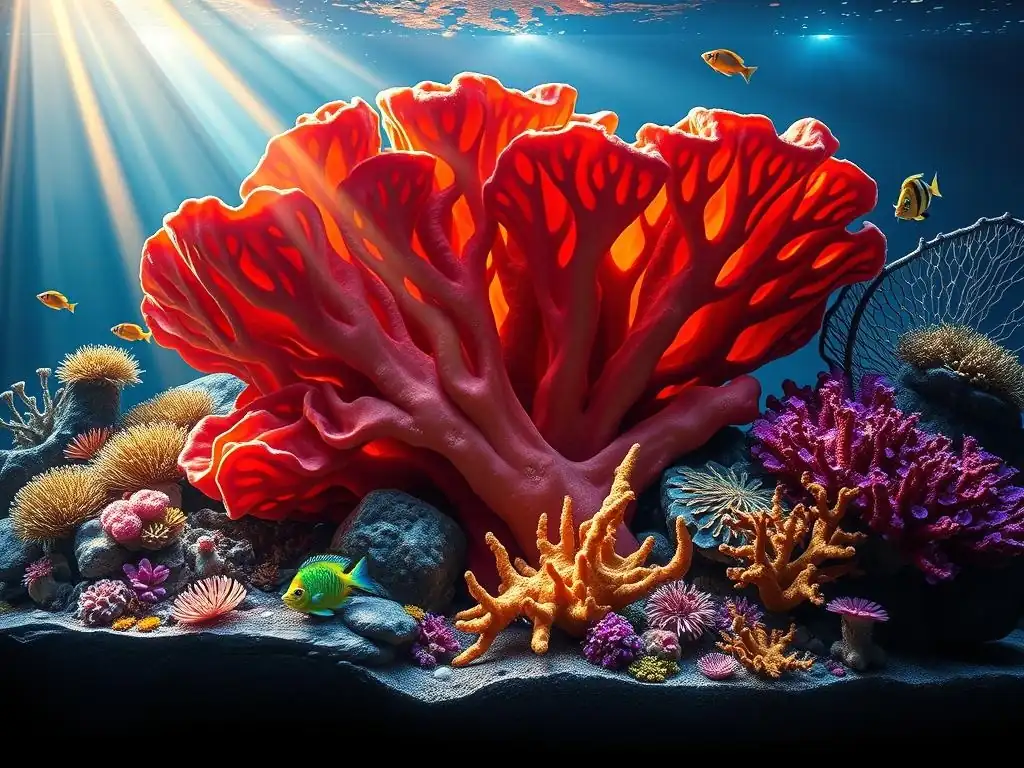
Sarcophyton leather corals, commonly known as Toadstool or Mushroom Leather Corals, are a highly popular and recognizable group within the soft coral family (Alcyonacea order). These corals are characterized by their distinctive mushroom-like shape, featuring a thick, fleshy stalk topped by a broad, often convoluted cap. From this cap, numerous polyps extend, giving the coral a textured, often hairy appearance when fully open. Native to the Indo-Pacific reefs, Sarcophyton species are prized for their resilience and dynamic presence in a reef aquarium.
Their popularity stems not only from their striking appearance but also from their relatively forgiving nature, making them an excellent choice for both novice and experienced aquarists. Sarcophyton can grow quite large, with some specimens reaching diameters of 30-50 centimeters in mature systems. They exhibit a unique behavior of periodically shedding a waxy outer layer, a natural process known as "sloughing," which helps them remove accumulated detritus and algae, allowing for renewed polyp extension and vibrant display.
Benefits of Keeping Sarcophyton Leather Corals
One of the primary benefits of incorporating Sarcophyton leather corals into a reef aquarium is their exceptional hardiness and adaptability. Unlike many demanding SPS (Small Polyp Stony) corals, Sarcophyton are more tolerant of minor fluctuations in water parameters, making the initial stages of Sarcophyton leather coral care less daunting for beginners. Their robust nature contributes significantly to the overall biodiversity and visual appeal of the tank, providing a substantial, dynamic centerpiece.
Furthermore, Sarcophyton corals offer practical advantages within the reef environment. They are generally resistant to many common coral pests that plague stony corals, reducing the need for extensive pest management protocols. Their large surface area, when polyps are extended, also aids in nutrient export and oxygenation within the aquarium, contributing to a healthier ecosystem. Their relatively fast growth rate, especially compared to some stony corals, means aquarists can quickly enjoy a mature-looking coral, often doubling in size within a year under optimal conditions.
Essential Water Parameters
Optimal Water Chemistry
Maintaining stable and optimal water chemistry is foundational to successful Sarcophyton leather coral care. For temperature, a range of 24-27°C (75-80°F) is ideal, with consistency being more crucial than hitting a precise number. Specific gravity, which measures salinity, should be kept between 1.024 and 1.026. The pH level is also vital, with a recommended range of 8.0-8.4; fluctuations outside this range can stress the coral and inhibit polyp extension.
Beyond these basic parameters, attention to nutrient levels is key. Nitrates should be kept low, ideally below 10 ppm, and phosphates even lower, striving for less than 0.03 ppm. While Sarcophyton are soft corals and do not build a stony skeleton, they still benefit from stable alkalinity (8-12 dKH) and calcium (380-450 ppm) levels, as these elements are involved in various metabolic processes and the formation of internal support structures. Magnesium, which helps stabilize alkalinity and calcium, should be maintained between 1250-1350 ppm.
Importance of Salinity, Alkalinity, and Calcium
Salinity is crucial for Sarcophyton as it dictates the osmotic balance within the coral's cells. Incorrect salinity can lead to cellular stress, dehydration, or over-hydration, severely impacting the coral's health and ability to thrive. Consistent specific gravity ensures that the coral's internal fluid balance remains stable, preventing energy waste on osmoregulation.
Alkalinity and calcium, while often associated with calcifying stony corals, play an indirect but important role in Sarcophyton leather coral care. Alkalinity provides buffering capacity, helping to maintain stable pH levels, which is vital for all marine organisms. Calcium and magnesium are essential trace elements that support the overall metabolic functions and growth processes of soft corals, even if not directly used for skeletal growth. Stable levels of these parameters contribute to the coral's vitality, polyp extension, and resilience against environmental stressors.
Maintaining Stable Water Parameters
Achieving and maintaining stable water parameters requires a consistent regimen of testing and maintenance. Regular water changes, typically 10-20% bi-weekly or monthly, are highly effective in replenishing essential trace elements and diluting accumulated nitrates and phosphates. Using a high-quality salt mix that accurately replicates natural seawater is paramount for providing the necessary mineral balance.
Investing in reliable test kits for pH, alkalinity, calcium, magnesium, nitrates, and phosphates is essential for monitoring your aquarium's health. For larger or more established systems, considering automated dosing systems for alkalinity, calcium, and magnesium can help maintain incredibly stable levels, minimizing daily manual adjustments. This proactive approach to Sarcophyton leather coral care ensures a consistent and healthy environment for your coral to flourish.
Lighting and Flow Requirements
Choosing the Right Lighting
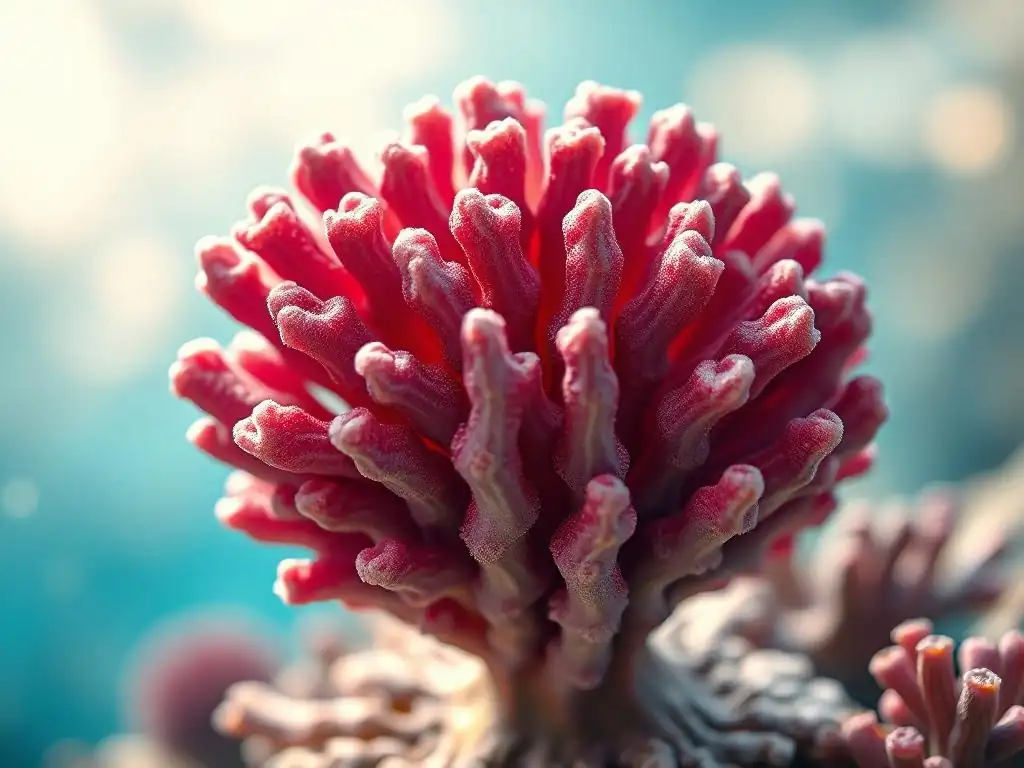
Sarcophyton leather corals are photosynthetic and rely heavily on their symbiotic zooxanthellae algae for energy, making appropriate lighting a critical aspect of their care. They generally thrive under moderate lighting conditions. A PAR (Photosynthetically Active Radiation) range of 50-150 PAR is typically sufficient for good growth and polyp extension. While they are adaptable, providing full-spectrum lighting, such as that offered by modern LED fixtures, T5 fluorescent lamps, or metal halides, is beneficial for their overall health and coloration.
When introducing a new Sarcophyton to your tank, it's wise to acclimate it gradually to the existing lighting, especially if your light is powerful. Start it in a lower light area and slowly move it to its desired position over several days or weeks. Sudden changes in light intensity can cause stress, leading to polyp retraction or even bleaching. The right light intensity will encourage robust polyp extension, indicating a healthy and thriving Sarcophyton.
The Role of Water Flow
Water flow is another crucial environmental factor for optimal Sarcophyton leather coral care. These corals require moderate, indirect water flow. The flow should be sufficient to prevent detritus from settling on the coral's surface and to ensure proper gas exchange and nutrient delivery to the polyps. However, direct, high-intensity flow can cause the coral to retract its polyps, become stressed, or even detach from its substrate.
Proper water flow also plays a vital role in the Sarcophyton's natural shedding process. The moderate current helps to gently lift and remove the waxy, slimy layer that the coral periodically sloughs off, preventing it from accumulating and potentially suffocating the coral. Utilizing powerheads with wide nozzles or multiple smaller pumps can create the necessary turbulent but non-direct flow patterns that Sarcophyton prefer, ensuring all parts of the coral receive adequate circulation.
Placement Considerations
Strategic placement within the aquarium is essential for the long-term success of Sarcophyton leather coral care. Due to their moderate light requirements, Sarcophyton are often best placed in the mid to upper sections of the tank, depending on your lighting intensity. More powerful lighting systems may necessitate a lower placement to prevent light shock.
Crucially, Sarcophyton species can grow quite large, sometimes reaching widths of over 30 centimeters. It is imperative to provide ample space around them, ensuring they do not come into direct contact with other corals. Sarcophyton are known to release terpenes, chemical compounds that can be detrimental to stony corals and other soft corals, engaging in a form of chemical warfare. Maintaining a clearance of at least 15-20 centimeters from other corals is a good practice to prevent potential allelopathy and ensure the health of all tank inhabitants.
Feeding Your Sarcophyton
Nutritional Needs
Sarcophyton leather corals are primarily photosynthetic, deriving the majority of their nutritional needs from their symbiotic zooxanthellae algae. These algae convert light energy into sugars, which the coral then utilizes. This makes lighting a critical component of their feeding strategy. However, Sarcophyton are also facultative feeders, meaning they can capture and consume particulate matter from the water column.
While they can survive solely on photosynthesis, supplementing their diet can significantly enhance their growth rate, overall vitality, and even coloration. Their polyps are capable of capturing very small particles, ranging from microplankton to dissolved organic matter. Providing additional food sources can help meet their energy demands, especially in systems with very low nutrient levels or when the coral is undergoing rapid growth or recovering from stress.
Recommended Feeding Strategies
To supplement the Sarcophyton's diet, broadcast feeding with small particulate foods is often recommended. This includes products like zooplankton, phytoplankton, or specialized liquid coral foods designed for filter feeders. Feeding a few times a week, perhaps 2-3 times, is generally sufficient. It's advisable to turn off powerheads and return pumps temporarily during feeding sessions, typically for 10-15 minutes, to allow the coral's polyps sufficient time to capture the food particles before they are swept away.
Care should be taken not to overfeed, as this can quickly lead to an increase in undesirable nitrates and phosphates, negatively impacting overall water quality. Observe your coral's polyp extension; robust extension indicates a healthy feeding response. A balanced approach that combines strong lighting with occasional, targeted supplemental feeding will contribute significantly to optimal Sarcophyton leather coral care.
Supplementing with Trace Elements
While not directly "feeding," ensuring a consistent supply of essential trace elements is a vital aspect of the Sarcophyton's nutritional well-being. Elements such as iodine, strontium, and various other trace minerals are utilized by corals for their metabolic processes, enzymatic reactions, and overall cellular health. These elements are naturally depleted in a closed aquarium system as corals grow and utilize them, and through protein skimming.
Regular water changes with a high-quality synthetic sea salt mix are typically the primary method for replenishing these trace elements. However, in heavily stocked tanks or those with significant coral growth, specific trace element supplements may be beneficial. When using supplements, it is crucial to follow the manufacturer's dosing instructions precisely and to monitor water parameters to avoid overdosing, which can be detrimental. A well-rounded approach to Sarcophyton leather coral care includes both direct feeding and consistent trace element replenishment.
Identifying and Addressing Common Problems
Recognizing Signs of Stress
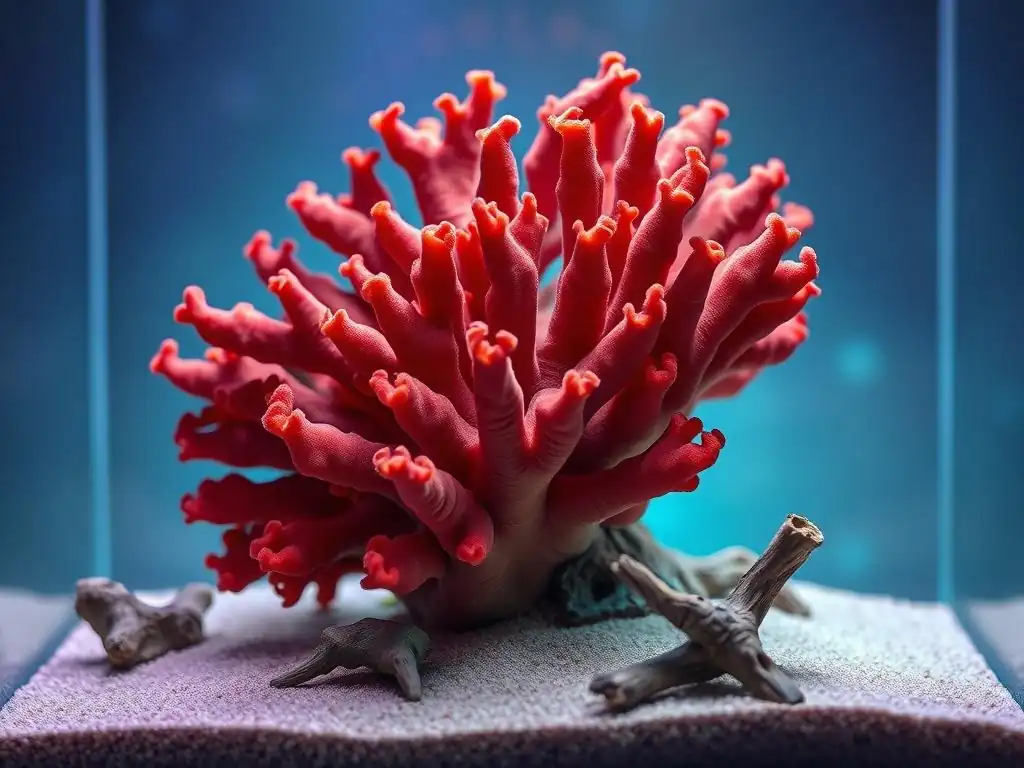
Recognizing signs of stress in your Sarcophyton is crucial for prompt intervention and effective Sarcophyton leather coral care. The most common indicator of stress is prolonged polyp retraction. While Sarcophyton naturally retract their polyps periodically for a few hours or even a day, sustained retraction for several days without signs of shedding is a red flag. Other symptoms include browning or bleaching (loss of vibrant color), shrinking in size, or a general "deflated" appearance.
Potential causes of stress include unstable water parameters (e.g., sudden shifts in salinity, pH, or temperature), high levels of nitrates or phosphates, insufficient or excessive lighting, or inappropriate water flow. Aggressive tank mates, such as certain fish that nip at corals, or chemical warfare from neighboring stony corals can also induce stress. A thorough check of all environmental factors and tank inhabitants is the first step in diagnosing the issue.
Dealing with Shedding
Shedding, or "sloughing," is a perfectly natural and healthy process for Sarcophyton leather corals. During this time, the coral expels a waxy, slimy layer from its surface, which removes accumulated detritus, algae, and waste products. This process can last from a few hours to several days, during which the polyps will remain retracted, and the coral may appear dull or deflated.
It is important not to intervene during shedding. Do not try to manually remove the waxy layer, as this can damage the coral. Ensure there is adequate water flow around the coral to help the shed layer detach and be carried away by the current. Once the shedding process is complete, the Sarcophyton will typically re-extend its polyps with renewed vigor and a brighter appearance, indicating successful self-cleaning.
Treating Infections and Pests
While Sarcophyton are generally robust, they can occasionally suffer from bacterial infections or, rarely, encounter specific pests. Bacterial infections may manifest as slimy patches, tissue necrosis, or discolored areas that spread. In such cases, improving water quality is paramount. Mild iodine dips, prepared according to product instructions, can sometimes help treat superficial bacterial issues. Severe cases may require removing the affected part of the coral if possible.
Parasitic nudibranchs are a rare but potential pest for Sarcophyton. These tiny sea slugs can be difficult to spot but will cause localized irritation and tissue damage. If identified, the nudibranchs can be manually removed, and a freshwater dip (using temperature-matched, dechlorinated freshwater for no more than 30-60 seconds) can sometimes dislodge them. Quarantining all new corals before introduction to the main display tank is the best preventative measure against introducing pests and diseases, ensuring long-term Sarcophyton leather coral care.
Sarcophyton Propagation
Methods for Fragging
Sarcophyton leather corals are among the easiest soft corals to propagate, making them an excellent choice for aquarists interested in fragging. The most common and straightforward method involves simply cutting a piece off the cap of the coral. This is often referred to as "taking a cutting" or "petal fragging" if a lobe or "petal" of the cap is removed. Another method involves making a "flower" cut, where radial cuts are made into the cap, and then individual sections are removed.
Regardless of the specific technique, the key is to use sharp, sterile tools to minimize tissue damage and reduce the risk of infection. A clean scalpel or razor blade is generally preferred. Sarcophyton possess remarkable regenerative capabilities, meaning both the mother colony and the fragged pieces have a high chance of recovery and continued growth, making propagation a rewarding aspect of Sarcophyton leather coral care.
Step-by-Step Guide to Fragging
- Preparation: Gather your tools: a sharp scalpel or new razor blade, a cutting board or clean surface, and a shallow container filled with tank water. It's advisable to wear gloves.
- Removal: Gently remove the Sarcophyton mother colony from the aquarium and place it on the cutting surface in the shallow container of tank water. This minimizes air exposure.
- Cutting: Identify the section you wish to frag. Using your sharp, sterile blade, make a clean, swift cut through the cap. A typical frag size might be 2-5 cm (about 1-2 inches) from the edge of the cap, ensuring it has enough tissue to survive.
- Attachment: Once cut, the frag will be slimy. You can attach it to a frag plug, small piece of live rock, or rubble using a rubber band, a toothpick through the base, or coral-safe super glue (gel type) applied to a dry spot on the frag plug before re-submerging the frag. Allow the glue to cure for a minute.
- Placement: Place the newly fragged Sarcophyton in a low-flow, low-light area of your quarantine or main tank. This reduced stress environment allows the frag to heal and attach without being dislodged.
Caring for New Frags
After fragging, the new Sarcophyton pieces (frags) will require a period of healing and attachment. It is common for frags to remain retracted and appear stressed for several days to a few weeks. During this time, maintaining pristine and stable water parameters is paramount. Avoid any drastic changes in salinity, temperature, or nutrient levels, as these can hinder the healing process.
Ensure the frags are placed in an area with very gentle, indirect water flow to prevent them from being dislodged before they fully attach to their new substrate. Once the frag shows signs of attachment and begins to extend its polyps, it can gradually be moved to a location with more appropriate lighting and flow, mimicking the conditions of a mature Sarcophyton leather coral. Consistent observation and patience are key to successful Sarcophyton propagation and frag care.
Choosing Compatible Tank Mates
Compatible Fish and Invertebrates
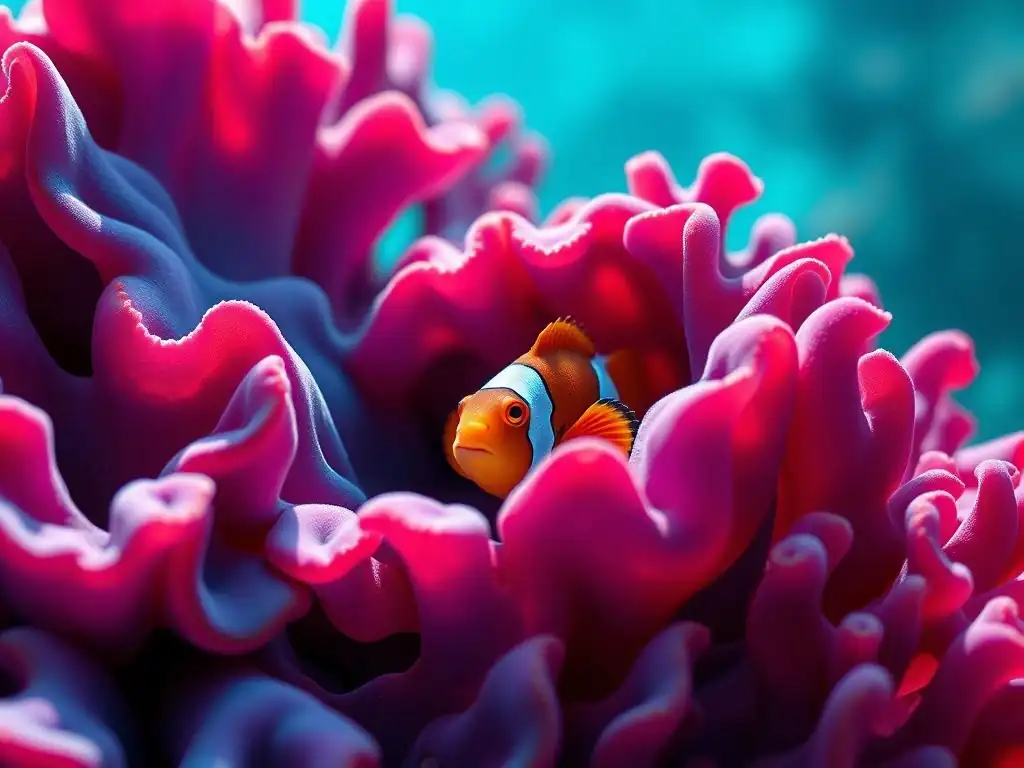
Selecting appropriate tank mates is a crucial aspect of maintaining a harmonious reef environment and ensuring optimal Sarcophyton leather coral care. Generally, peaceful fish species are excellent choices. This includes popular options like clownfish (e.g., Ocellaris and Percula), various gobies (e.g., watchman gobies, pistol shrimp gobies), blennies (e.g., lawnmower blennies, tailspot blennies), and many peaceful wrasses (e.g., fairy wrasses, flasher wrasses). These fish typically do not bother soft corals.
For invertebrates, snails (e.g., turbo snails, Nassarius snails) are excellent algae eaters and detritivores. Hermit crabs (e.g., blue leg, red leg) also contribute to the clean-up crew. Cleaner shrimp (e.g., skunk cleaner shrimp, peppermint shrimp) are beneficial for controlling pests and maintaining tank hygiene. These compatible tank mates help create a balanced ecosystem without posing a threat to your Sarcophyton.
Avoiding Aggressive Species
To prevent damage or stress to your Sarcophyton, it is imperative to avoid aggressive or coral-nipping fish species. Certain angelfish (particularly larger, non-dwarf species), some triggerfish, and certain pufferfish are notorious for nipping at or consuming soft corals. Even if they don't consume the coral, their constant pecking can cause chronic stress and lead to polyp retraction or tissue recession.
Similarly, caution should be exercised with certain large hermit crabs or other types of crabs that might inadvertently knock over or irritate the Sarcophyton as they move around the tank. Always research the compatibility of any new fish or invertebrate addition with your existing coral inhabitants. A peaceful community tank minimizes stress on the Sarcophyton, allowing it to thrive and display its full beauty.
Long-Term Care
Regular Maintenance and Observation
Long-term Sarcophyton leather coral care hinges on consistent and diligent maintenance routines and keen observation. Daily observation of your Sarcophyton for signs of stress, disease, or unusual behavior (beyond normal shedding) is critical. Look for changes in polyp extension, color, or general appearance. Regular water testing, ideally weekly or bi-weekly, for key parameters like alkalinity, calcium, magnesium, nitrates, and phosphates, ensures the environment remains stable and within optimal ranges.
Consistent water changes, such as 10% every two weeks or 20% monthly, are fundamental for replenishing trace elements and exporting accumulated nutrients. Beyond chemical parameters, physical maintenance is also important. Periodically siphoning detritus from around the base of the Sarcophyton helps prevent anaerobic spots and nutrient buildup. Ensuring consistent, moderate flow also prevents detritus accumulation on the coral's cap, which can lead to irritation and reduced polyp extension.
Adjusting Parameters
As a reef aquarium matures and the Sarcophyton grows, the demands on the system's chemistry will evolve. Coral growth, nutrient export by protein skimmers, and the natural consumption of elements will gradually deplete essential parameters. Therefore, being prepared to adjust your maintenance regimen is a key aspect of long-term Sarcophyton leather coral care. For instance, if your alkalinity or calcium levels begin to drop consistently, you may need to increase the frequency or volume of water changes, or consider starting a dosing regimen.
Any adjustments to water parameters should always be made gradually. Drastic swings in temperature, salinity, or chemical levels can be more detrimental to corals than slightly off but stable parameters. Small, incremental changes over several days or weeks allow the Sarcophyton to adapt without experiencing shock. Maintaining a detailed log of your water parameters and any adjustments made can provide invaluable insights into your tank's stability and the Sarcophyton's long-term health.
Enhancing Growth and Coloration
Optimizing Coloration
While Sarcophyton leather corals are typically shades of brown, tan, or green, optimizing their coloration means bringing out the richest, most vibrant versions of these hues. The most significant factor in achieving optimal coloration is providing appropriate and stable lighting. Full-spectrum lighting with a good balance of blue and white, and an appropriate PAR level (50-150 PAR), encourages the zooxanthellae within the coral's tissue to photosynthesize efficiently, directly influencing the coral's pigment production.
Beyond lighting, pristine water quality and stable parameters are crucial. Elevated nitrates or phosphates can lead to browning or dullness, as the coral may produce more zooxanthellae to compensate for nutrient deficiencies, which then overshadow the coral's natural pigments. Regular water changes and effective nutrient control are therefore essential. Furthermore, ensuring a consistent supply of essential trace elements, as discussed earlier, supports the overall health and metabolic processes that contribute to vibrant coloration.
Promoting Rapid Growth
Sarcophyton leather corals are known for their relatively fast growth rates compared to many other coral types, and with proper Sarcophyton leather coral care, they can grow into impressive colonies. The cornerstone for promoting rapid growth is a combination of consistent, optimal water parameters, adequate lighting, and supplemental feeding. Maintaining stable levels of temperature, salinity, pH, alkalinity, calcium, and magnesium provides the foundational environment for robust cellular activity and expansion.
Consistent, moderate lighting within their preferred PAR range ensures their primary energy source (photosynthesis) is maximized. While not strictly necessary, regular supplemental feeding with appropriate coral foods provides additional energy and building blocks, which can accelerate growth significantly. In ideal conditions, a Sarcophyton frag can double in size within six months to a year, and mature colonies can reach diameters of 30-50 cm within a few years. Providing ample physical space in the aquarium, free from competition or chemical interference from other corals, also encourages uninhibited growth and development.
Frequently Asked Questions
How difficult is it to care for a Sarcophyton leather coral?
Sarcophyton leather corals are generally considered easy to care for, making them a great choice for beginner reef aquarists. They are relatively tolerant of fluctuations in water parameters.
What are the ideal water parameters for a Sarcophyton leather coral?
Ideal water parameters include a temperature between 72-78°F, a specific gravity of 1.024-1.026, and a pH of 8.1-8.4. Maintaining stable water chemistry is crucial for their health.
What type of lighting is best for a Sarcophyton leather coral?
Sarcophyton leather corals thrive under moderate to high lighting conditions. LEDs, metal halides, and T5 fluorescent lights can all be used successfully, but acclimation to higher light levels is important.
How often should I feed my Sarcophyton leather coral?
Sarcophyton corals primarily obtain nutrients through photosynthesis, so direct feeding is not always necessary. However, supplementing with phytoplankton or reef-specific foods can promote growth and coloration.
Why is my Sarcophyton leather coral shedding a waxy film?
Shedding a waxy film is a natural process called sloughing. This is how the coral removes algae and debris from its surface and is a sign of good health.
Final Reflection: The Enduring Beauty of Sarcophyton
The journey of understanding Sarcophyton leather coral care is more than just mastering the technicalities of reef keeping; it's about appreciating the delicate balance within our aquariums and the responsibility we bear as stewards of these miniature ecosystems. The enduring popularity of these corals speaks volumes about their captivating beauty and the satisfaction derived from nurturing them.
This exploration into the nuances of Sarcophyton care has underscored the profound impact these corals have on the aquascaping world. Witnessing a healthy Sarcophyton gracefully swaying in the current is a testament to the dedication and understanding of the aquarist. In the end, we will conserve only what we love; we will love only what we understand; and we will understand only what we are taught.
- Baba Dioum. This quote resonates deeply, reminding us that knowledge is the key to appreciation and, ultimately, conservation.
Now, as you embark on your own journey with Sarcophyton leather corals, remember that patience, observation, and a genuine connection with your reef are paramount. Let the lessons learned here guide you, but also allow your own experiences to shape your understanding. Embrace the challenges, celebrate the successes, and always strive to create a thriving environment where these crown jewels of soft corals can flourish, bringing joy and wonder to your underwater world.
Unleash the Vibrant Beauty of Your Toadstool Coral!
Thanks for diving deep into the care of Sarcophyton corals! We hope you've gained a newfound appreciation for these fascinating and resilient creatures and feel equipped to help them thrive. Now, let's take your coral husbandry to the next level.
Here are a few things you can do right now:
- Implement a weekly iodine dip: Don't underestimate the power of this simple step to boost your toadstool's health and color.
- Share your experience! Post a picture of your Sarcophyton on social media and tag Aquarium Mastery.
- Explore other soft corals! Research different species and discover new additions to your reef tank that complement your Toadstool.
What's one small change you'll make this week to improve the health and vibrancy of your Sarcophyton?