
DIY Snail Food Recipes: Nutritious Meals for Your Shelled Companions

Welcome to Aquarium Mastery!
Ever wondered what the secret is to happy, thriving snails in your aquarium? Dive in and discover a world of DIY snail food recipes that will have your shelled companions flourishing. From nutrient-packed concoctions to simple, homemade treats, we'll unlock the mysteries of snail nutrition and guide you through creating the perfect meals. Ready to become a snail food master? Let's get started!
- Understanding Snail Nutrition: The Key to Healthy Growth
- DIY Snail Food Recipes: Easy & Nutritious Options
- Sourcing Ingredients for Your Homemade Snail Food
- Feeding Your Snails: Best Practices and Tips
- Storing Homemade Snail Food: Maintaining Freshness
- Troubleshooting: Addressing Common Issues with DIY Snail Food
-
Frequently Asked Questions
- What are the benefits of making DIY snail food?
- What are some common ingredients used in DIY snail food recipes?
- How often should I feed my snails with homemade snail food?
- How do I ensure my DIY snail food provides enough calcium for my snails' shells?
- How should I store leftover homemade snail food?
- Final Reflection: Cultivating a Thriving Ecosystem, One Snail Bite at a Time
- Nourish Your Snails: Unlock Their Vibrant Health!
Understanding Snail Nutrition: The Key to Healthy Growth
Essential Nutrients for Freshwater Snails: A Dietary Overview
Freshwater snails, while often perceived as simple scavengers, require a balanced diet rich in specific nutrients to thrive. Calcium is paramount for shell development and integrity, forming the primary building block of their protective outer layer. Without sufficient calcium, snail shells can become brittle, pitted, or even stunt growth, leading to a condition known as "shell erosion." Beyond calcium, protein is crucial for growth, tissue repair, and successful reproduction, especially for fast-growing species like Mystery snails (Pomacea diffusa) or breeding Ramshorn snails.
Carbohydrates provide the necessary energy for daily activities, while a spectrum of vitamins and trace minerals supports overall metabolic functions and immune health. A diet primarily consisting of algae and decaying plant matter, as often found in their natural habitats, provides a good baseline. However, in an aquarium setting, supplemental feeding with carefully formulated DIY snail food recipes ensures these vital nutritional requirements are consistently met, leading to more robust and long-lived shelled companions.
Recognizing Signs of Nutritional Deficiency in Snails
Observing your snails closely can reveal early signs of nutritional deficiencies, allowing for timely dietary adjustments. The most common and visible deficiency is a lack of calcium, manifested by a deterioration of the shell. This can appear as a rough, pitted, or eroded surface, particularly near the apex (oldest part) of the shell. In severe cases, the shell may become thin and translucent, making the snail vulnerable to injury and disease. Stunted growth, where a snail does not reach its expected adult size despite adequate time, is another indicator of insufficient calcium or overall poor nutrition.
Beyond shell issues, general malnutrition can present as lethargy or reduced activity, with snails moving less or remaining withdrawn for extended periods. Their coloration might fade, becoming duller than their typical vibrant hues. A significant drop in reproductive activity or the production of unhealthy, non-viable egg clutches can also signal a protein or general nutrient deficit. Addressing these issues with targeted DIY snail food recipes that boost specific nutrients can significantly improve snail health and longevity.
DIY Snail Food Recipes: Easy & Nutritious Options
Recipe 1: The Green Power Mix - Algae Wafers Alternative
This DIY snail food recipe provides a comprehensive blend of plant-based nutrition, serving as an excellent alternative or supplement to commercial algae wafers. It's particularly rich in spirulina, a blue-green algae known for its high protein and vitamin content, alongside calcium for shell health. This mix is designed to be easily digestible and appealing to a wide range of freshwater snails, from tiny bladder snails to large apple snails.
Ingredients for the Green Power Mix
- 1/2 cup blanched organic spinach or kale
- 1 tablespoon spirulina powder (food grade)
- 1 teaspoon calcium carbonate powder (food grade, or finely crushed, boiled eggshell powder)
- 1/4 teaspoon agar-agar powder (as a natural gelling agent)
- 1/4 cup purified water (or tank water)
Preparation Instructions for Green Power Snail Food
- Blanch the greens: Briefly immerse the spinach or kale in boiling water for 30 seconds, then immediately transfer to ice water to stop cooking. This softens the cell walls, making nutrients more accessible and easier to blend.
- Blend ingredients: Combine the blanched greens, spirulina powder, calcium carbonate powder, and purified water in a small blender or food processor. Blend until a smooth, thick paste is formed.
- Prepare the binder: In a small saucepan, whisk the agar-agar powder into 1/4 cup of purified water. Heat gently over low heat, stirring constantly, until the agar-agar fully dissolves and the mixture thickens slightly, about 1-2 minutes. Do not boil vigorously.
- Combine and set: Remove the agar-agar mixture from heat and immediately stir it into the green paste. Mix thoroughly to ensure even distribution.
- Form and cool: Pour the mixture onto a clean, flat surface lined with parchment paper or into a shallow, non-stick dish. Spread it thinly, aiming for a thickness of about 1/8 to 1/4 inch. Allow it to cool completely at room temperature, then refrigerate for at least 2 hours to firm up.
- Cut and store: Once firm, cut the hardened DIY snail food into small, snail-bite-sized pieces or shapes. Store in an airtight container in the refrigerator for up to one week, or freeze for longer preservation.
Recipe 2: Calcium Boost Blend - Shell Strengthening Formula
This calcium-rich DIY snail food recipe is specifically formulated to provide an abundant supply of calcium, crucial for strong, healthy shells and preventing common deficiencies like shell pitting or thinning. It incorporates natural calcium sources that are highly bioavailable for snails, ensuring they can effectively absorb and utilize the mineral for optimal shell development and repair. This blend is particularly beneficial for rapidly growing juvenile snails and breeding adults.
Calcium Sources for Snail Shell Health
The primary calcium sources in this blend are finely ground cuttlebone and calcium carbonate powder. Cuttlebone, commonly sold for birds, is an excellent natural source of calcium carbonate. When prepared correctly, it’s highly digestible and offers a slow-release form of calcium. Calcium carbonate powder, often sold as a food-grade supplement, provides a more concentrated and readily available form of calcium. Incorporating high-calcium vegetables like kale or broccoli further enhances the nutritional profile, adding vitamins and fiber alongside additional calcium.
Creating the Calcium-Rich Snail Food Blend
- Prepare calcium sources: Take one small piece of cuttlebone (about 1x1 inch) and scrape off the hard outer layer. Grind the soft inner part into a fine powder using a mortar and pestle or a coffee grinder dedicated for this purpose. Alternatively, use 1 teaspoon of food-grade calcium carbonate powder.
- Blanch vegetables: Blanch 1/4 cup of high-calcium greens such as kale, collard greens, or broccoli florets for 1-2 minutes, then cool immediately in ice water. This softens them for blending and makes nutrients more accessible.
- Blend ingredients: Combine the finely ground cuttlebone (or calcium carbonate powder), blanched vegetables, and 1/4 cup of purified water in a small blender. Add 1/2 teaspoon of agar-agar powder.
- Heat and thicken: Transfer the mixture to a small saucepan and heat gently over low heat, stirring continuously, until the agar-agar dissolves and the mixture thickens to a pudding-like consistency, typically within 2-3 minutes.
- Cool and portion: Pour the warm mixture onto a piece of parchment paper or into a silicone mold. Allow it to cool completely at room temperature, then refrigerate for at least an hour until firm. Once firm, cut into small, manageable pieces. This DIY snail food can be stored in an airtight container in the refrigerator for up to 5 days or frozen for up to 2 months.
Recipe 3: Protein Packed Treat - Snail Growth and Reproduction
For snails to grow robustly and reproduce successfully, a sufficient intake of protein is essential. This DIY snail food recipe focuses on providing high-quality protein sources, crucial for tissue development, egg production, and overall vitality. While snails primarily consume plant matter, a supplemental protein boost can significantly enhance their health, particularly for larger species like Mystery snails or those undergoing rapid growth phases.
High Protein Ingredients for Snails
Excellent protein sources for snails include spirulina powder, chlorella powder, blanched peas, and blanched green beans. Spirulina and chlorella are microalgae superfoods, packed with protein (often over 50% by dry weight) and a full spectrum of amino acids, making them ideal for invertebrate diets. Blanched peas and green beans offer plant-based protein along with fiber and various vitamins. While some aquarists use small amounts of high-quality fish flakes or pellets, plant-based proteins are generally safer and less likely to foul water if uneaten.
Mixing the Protein Treat for Optimal Snail Development
- Prepare vegetables: Blanch 1/4 cup of shelled peas or chopped green beans for 1-2 minutes until tender-crisp. Cool quickly in ice water.
- Combine dry ingredients: In a small bowl, mix 1 tablespoon of spirulina powder and 1/2 teaspoon of calcium carbonate powder (to ensure a balanced nutritional profile).
- Blend and bind: Add the blanched peas/green beans, the dry ingredient mixture, and 1/4 cup of purified water to a blender. Blend until a smooth paste forms. If desired, incorporate 1/2 teaspoon of agar-agar powder for a firmer consistency.
- Cook (if using agar-agar): If using agar-agar, transfer the mixture to a small saucepan and heat gently, stirring constantly, until the agar-agar dissolves and the paste thickens, about 2 minutes.
- Form and store: Spread the mixture onto parchment paper or into a shallow tray. Allow to cool and firm up. Once solid, cut into small, appropriate-sized portions. This protein-rich DIY snail food can be refrigerated in an airtight container for up to 4 days or frozen for up to 6 weeks, providing a convenient and nutritious boost for your snails, especially during breeding cycles.
Sourcing Ingredients for Your Homemade Snail Food
Best Vegetables and Fruits for Snail Diets
When preparing DIY snail food recipes, selecting the right vegetables and fruits is crucial for your snails' health. Excellent choices for vegetables include dark leafy greens like spinach, kale, and romaine lettuce, as well as zucchini, cucumber, carrots, and bell peppers (without seeds). These provide essential vitamins, minerals, and fiber. Always blanch harder vegetables (like carrots or zucchini) and leafy greens briefly to soften their cell walls, making them easier for snails to consume and digest. This also helps to prevent them from floating.
Fruits should be offered sparingly due to their higher sugar content, which can contribute to water quality issues if overfed. Safe fruit options include small pieces of apple (seeds removed), banana, and pear. Always ensure all produce is thoroughly washed to remove any potential pesticide residues, or opt for organic varieties when possible. Avoid citrus fruits, onions, and garlic, as these can be harmful to aquatic invertebrates.
Safe Protein Sources for Aquarium Snails
For DIY snail food recipes, the safest and most beneficial protein sources are primarily plant-based. Spirulina and chlorella powders are exceptional choices, offering a complete amino acid profile along with numerous vitamins and antioxidants. These microalgae are highly digestible and rarely cause water quality issues when fed in appropriate amounts. Other excellent plant-based proteins include blanched peas, green beans, and small amounts of cooked, unseasoned oatmeal or brown rice.
While some aquarists might consider animal-based proteins, caution is advised. Small, infrequent amounts of high-quality fish flakes or pellets (ensure they are copper-free) can be used, but they pose a higher risk of fouling the water if uneaten due to their rapid decomposition. Dried bloodworms or brine shrimp can also be offered as a rare treat but should be used very sparingly due to their high fat content and potential to quickly pollute the tank. Prioritizing plant-based proteins ensures a healthier and cleaner feeding regimen for your shelled companions.
Calcium Supplements: Options and Considerations
Calcium is arguably the most critical nutrient for freshwater snails, directly impacting their shell health and overall longevity. When crafting DIY snail food recipes, incorporating a reliable calcium supplement is essential. Cuttlebone, readily available in pet stores (often for birds), is an excellent natural source of calcium carbonate.
It should be thoroughly cleaned, and the hard outer layer scraped off before being ground into a fine powder for inclusion in food. Another highly effective and pure option is food-grade calcium carbonate powder, which can be purchased from health food stores or online. This allows for precise dosing and ensures no unwanted additives.
Alternatively, sterilized and finely crushed eggshells can serve as a free and accessible calcium source. To prepare them, boil clean eggshells for at least 10-15 minutes to sterilize them, then dry thoroughly and grind into an extremely fine powder. It's crucial to avoid calcium sources that contain phosphorus in high amounts, as an imbalance can hinder calcium absorption, or those with added vitamin D3, which is not necessary for aquatic invertebrates and can lead to over-supplementation. Always select pure, unadulterated calcium supplements to ensure the best outcome for your snails.
Feeding Your Snails: Best Practices and Tips
How Much and How Often to Feed Your Snails
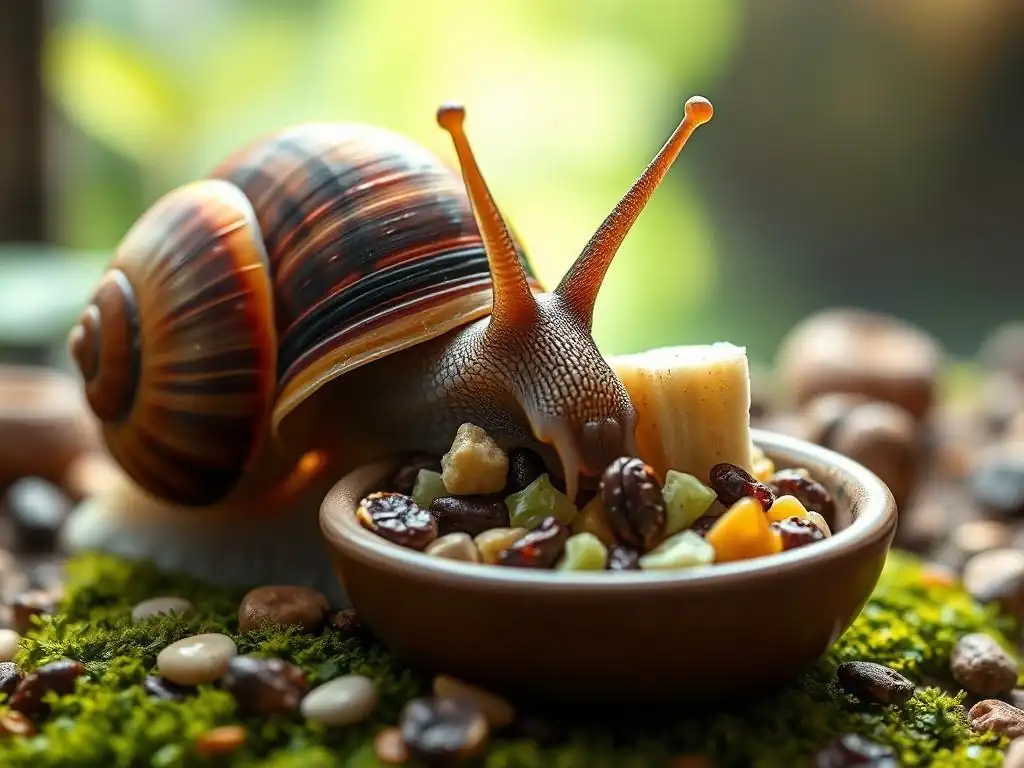
Determining the right quantity and frequency for feeding your snails is crucial for their health and maintaining pristine water quality. A general guideline for DIY snail food recipes is to offer only what your snails can consume within 2 to 4 hours. Overfeeding is a common mistake that can quickly lead to decaying food, ammonia spikes, and algae blooms. For most freshwater snail species, feeding 2 to 3 times per week is usually sufficient, especially if they also have access to algae or biofilm in the tank.
However, adjustments may be necessary based on several factors. Larger snail species, such as Mystery snails (Pomacea diffusa), will naturally require more food than smaller species like Ramshorn or Bladder snails. A tank with a high snail population density will also necessitate more frequent or larger feedings. Additionally, if you are actively trying to encourage breeding or support rapid growth in juveniles, a slight increase in feeding quantity or frequency might be beneficial, always monitoring for uneaten food to prevent water parameter degradation.
Preventing Overfeeding and Maintaining Water Quality
Overfeeding is a primary culprit behind deteriorating water quality in an aquarium, leading to issues like elevated nitrates (potentially exceeding 20 ppm), ammonia spikes, and unsightly algae proliferation. When using DIY snail food recipes, it's easy to be generous, but restraint is key. To prevent overfeeding, always remove any uneaten food after the recommended feeding window (2-4 hours). This prevents decomposition and subsequent release of harmful compounds into the water column.
Utilizing a small, non-porous feeding dish made of glass or ceramic can help contain the food, making it easier to monitor consumption and remove leftovers. Regular water changes, typically 25% weekly, are also essential to dilute any accumulated nitrates and replenish vital minerals. Employing a robust filtration system, including mechanical and biological filtration, further aids in processing waste products and maintaining a stable, healthy environment for your snails, even with supplemental feeding.
Different Feeding Methods for Various Snail Species
The optimal feeding method can vary depending on the specific snail species and their natural foraging habits. For general bottom-dwelling snails like Mystery snails or Trumpet snails, simply dropping small pieces of DIY snail food onto the substrate is often effective. They will quickly locate and consume it. However, to prevent food from dispersing and fouling the substrate, a feeding dish is highly recommended for these species.
For species that prefer to graze on surfaces, such as Nerite snails (Neritina spp. ), supplemental DIY snail food recipes might be less critical if ample algae are present. However, if their natural food sources are limited, offering thin slices of blanched zucchini or cucumber attached to an aquarium clip can encourage them to graze. Some smaller species, like Ramshorn snails, might benefit from very finely crushed or powdered homemade food sprinkled lightly, ensuring even the smallest individuals get their share. Observing your specific snail's behavior will help you tailor the most effective feeding approach.
Storing Homemade Snail Food: Maintaining Freshness
Proper Storage Techniques for DIY Snail Food
The longevity and safety of your DIY snail food recipes depend heavily on proper storage techniques. For moist blends like purees or gels, refrigeration is suitable for short-term use. Store these in small, airtight containers or resealable bags to prevent air exposure and contamination. Labeling with the date of preparation is highly recommended to keep track of freshness. This method typically keeps the food fresh for about 3 to 7 days.
For longer-term storage, freezing is the most effective method. Portion your homemade snail food into individual servings using ice cube trays or by flattening the mixture into a thin sheet and cutting it into small squares before freezing. Once frozen solid, transfer the portions to a freezer-safe bag or container, ensuring as much air as possible is removed to prevent freezer burn. Properly frozen DIY snail food can last for 2 to 3 months without significant loss of nutritional value.
Shelf Life of Different Snail Food Recipes
The shelf life of your DIY snail food recipes varies based on their moisture content and storage method. Moist, gel-based, or pureed foods have the shortest shelf life when refrigerated, generally lasting 3 to 7 days. This is due to their high water content, which makes them more susceptible to bacterial growth and spoilage. Always check for any signs of mold, discoloration, or an off-odor before feeding refrigerated food.
When frozen, these same moist recipes can maintain their quality for 2 to 3 months. Beyond this period, while still technically edible, their nutritional potency may begin to degrade. For recipes that can be dehydrated, such as thin wafers or flakes, their shelf life can extend significantly.
If properly dried until completely brittle and stored in an airtight container in a cool, dry place away from direct sunlight, these types of DIY snail food can last for several months, potentially up to 6 months or more, similar to commercial dry foods. Always prioritize freshness and discard any food that shows signs of spoilage to ensure the health of your aquatic companions.
Troubleshooting: Addressing Common Issues with DIY Snail Food
Dealing with Algae Blooms from Homemade Food
One common issue that can arise from using DIY snail food recipes, particularly if overfed, is the proliferation of algae blooms. Excess nutrients, primarily phosphates and nitrates, released from uneaten or decomposing homemade food act as a fertilizer for algae. This can manifest as green water (suspended algae), green spot algae on tank surfaces, or even unsightly hair algae growing on plants and decor. A sudden increase in algae often indicates an imbalance in the tank's nutrient cycle, with levels potentially rising above optimal ranges, such as nitrates exceeding 20 ppm.
To combat algae blooms, the first step is to immediately reduce the amount and frequency of your snail feedings. Ensure all uneaten DIY snail food is removed from the tank within a few hours. Increase the frequency of your water changes (e.g., 30-50% twice a week) to rapidly dilute excess nutrients. Introducing fast-growing live plants like Anacharis or Hornwort can help by outcompeting algae for available nutrients. Additionally, ensure your filtration system is adequate and well-maintained to efficiently process organic waste.
Adjusting Recipes for Picky Snails
While many snails are opportunistic eaters, some individuals or species can exhibit pickiness, refusing certain DIY snail food recipes. If your snails are not readily consuming the homemade food, don't be discouraged. Snails, like other pets, can have preferences for texture and taste. One common reason for rejection might be the food's texture; some snails prefer softer, more easily rasped foods, while others might prefer something firmer.
To adjust for picky eaters, try varying the consistency of your next batch – perhaps making it softer by adding a bit more water during blending, or firmer by increasing the agar-agar. Introduce new DIY snail food slowly, offering a very small piece initially alongside their usual diet. You might also try incorporating a small amount of an ingredient they are known to enjoy (e.g., blanched zucchini) into the new recipe to make it more appealing. Persistence and small, consistent offerings over several days can often encourage them to accept new foods.
Identifying and Avoiding Harmful Ingredients
When preparing DIY snail food recipes, it is paramount to be aware of ingredients that can be harmful or even toxic to your freshwater snails. The most critical substance to avoid is copper. Copper is highly toxic to all invertebrates, including snails, and even trace amounts can lead to severe illness or death. Ensure any commercial supplements or fish foods you might consider adding are explicitly labeled "copper-free."
Beyond copper, avoid any produce that has been treated with pesticides or herbicides by thoroughly washing all fruits and vegetables, or by opting for organic varieties. Do not use processed human foods, as they often contain added salt, sugar, preservatives, or artificial colors and flavors that are detrimental to aquatic life. Ingredients like onion, garlic, and citrus fruits are also harmful and should be strictly excluded. Always stick to natural, unprocessed, and clean ingredients to ensure your homemade snail food is both nutritious and safe for your shelled companions.
Frequently Asked Questions
What are the benefits of making DIY snail food?
Making your own snail food allows you to control the ingredients and ensure your snails are getting a balanced diet. It can also be more cost-effective than buying commercial options.
What are some common ingredients used in DIY snail food recipes?
Popular ingredients include blanched vegetables like zucchini and spinach, crushed cuttlebone for calcium, and algae wafers to supplement their diet. Nutritional variety is key for healthy snails.
How often should I feed my snails with homemade snail food?
Generally, offer a small amount of DIY snail food every 2-3 days, ensuring it's consumed within a few hours to avoid water contamination. Observe your snails' eating habits to adjust accordingly.
How do I ensure my DIY snail food provides enough calcium for my snails' shells?
Incorporate calcium-rich ingredients like crushed cuttlebone or calcium carbonate powder into your recipes. This is crucial for shell health and growth.
How should I store leftover homemade snail food?
Store any uneaten DIY snail food in an airtight container in the refrigerator for up to a few days. Discard any food that shows signs of spoilage to protect your aquarium's water quality.
Final Reflection: Cultivating a Thriving Ecosystem, One Snail Bite at a Time
The journey of crafting DIY snail food recipes extends far beyond simply feeding our shelled companions; it's about actively participating in a miniature ecosystem, understanding their nutritional needs, and fostering a healthier, more vibrant life for these often-overlooked creatures. This exploration into homemade snail cuisine highlights the power of mindful consumption and the responsibility we hold towards even the smallest members of our shared environment.
This connection to our snails' well-being has profoundly shaped my perspective on the interconnectedness of life. It's a reminder that even seemingly insignificant actions, like choosing fresh, organic ingredients for snail food, can have a ripple effect, promoting biodiversity and sustainable practices. We are all connected; To each other, biologically. To the earth, chemically. To the rest of the universe atomically.
- Neil deGrasse Tyson. This quote perfectly encapsulates the essence of understanding our role in the larger web of life, starting with the humble snail.
So, I invite you to reflect on the lessons learned here. Consider how you can extend this mindful approach to other aspects of your life. Embrace the opportunity to create, to nurture, and to contribute to a world where every creature, great and small, thrives. Let's continue to explore the possibilities of DIY solutions, not just for our snails, but for a more sustainable and compassionate future for all.
Nourish Your Snails: Unlock Their Vibrant Health!
Thank you for diving into the world of snail nutrition! We hope you've discovered some fantastic ways to provide your shelled friends with the best possible diet. Now it's time to put that knowledge into action and watch your snails thrive.
Here are a few things you can do right now:
- Begin crafting your very own snail food recipe using the ingredients you learned about! Experiment with different combinations to find what your snails love most.
- Share this article with fellow aquarium enthusiasts and discuss your homemade snail food adventures. Let's build a community of happy, healthy snails!
- Consider starting a small "snail garden" with plants like spinach or kale to provide a fresh, sustainable food source for your shelled companions.
What unique ingredient will you add to your homemade snail food to give it a special boost?