
Gold Doubloon Molly: Bringing a Splash of Sunshine to Your Tank

Welcome to Aquarium Mastery!
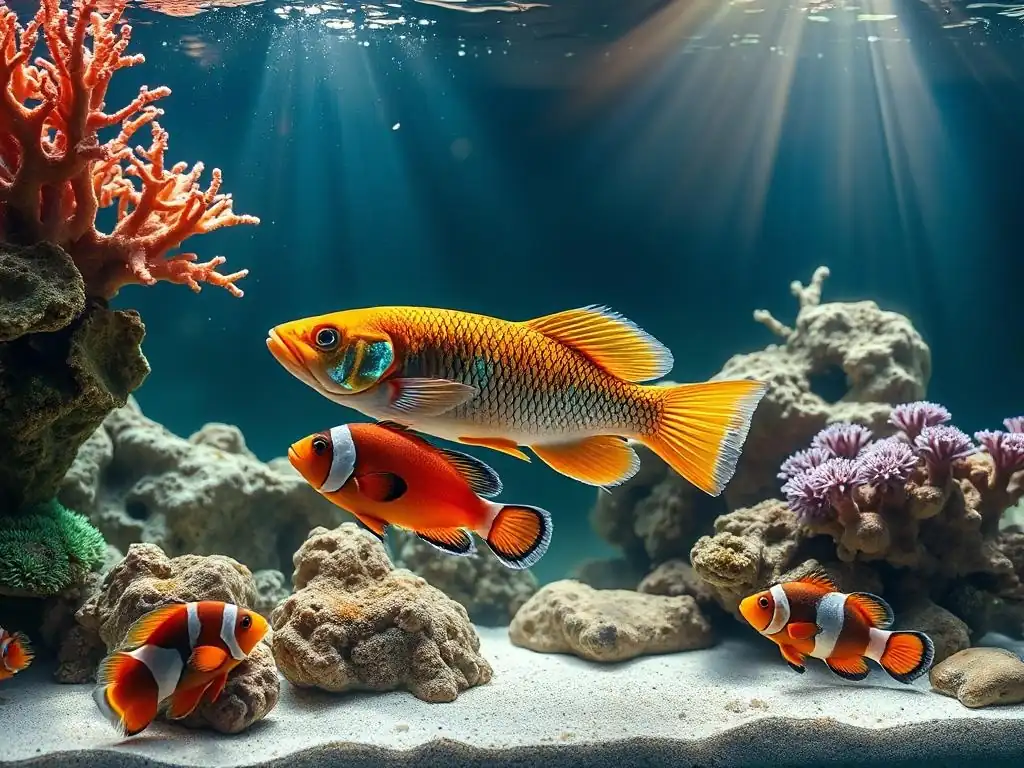
Ever dreamt of a shimmering splash of gold gracing your freshwater aquarium? Dive in to discover the secrets of Gold Doubloon Molly care – from creating the perfect habitat to ensuring these vibrant fish thrive. But what makes them truly special? Prepare to unlock the mysteries of their unique needs and unlock the joy of keeping these sunny beauties happy and healthy!
- Black Skirt Tetra: A Comprehensive Guide to Care and Keeping
- Introduction to the Black Skirt Tetra
- Black Skirt Tetra Care: Essential Guidelines
- Black Skirt Tetra Breeding: A Comprehensive Guide
- Black Skirt Tetra Health: Common Diseases and Prevention
- Enhancing the Black Skirt Tetra’s Color and Vigor
- Troubleshooting Common Black Skirt Tetra Issues
- Black Skirt Tetra vs. Other Tetra Varieties
- Conclusion: The Joy of Keeping Black Skirt Tetras
- Frequently Asked Questions
- Final Reflection: A Glimmering Future for Gold Doubloon Mollies
- Dive Deeper: Cultivate Your Aquatic Paradise!
Black Skirt Tetra: A Comprehensive Guide to Care and Keeping
Introduction to the Black Skirt Tetra
Unveiling the Beauty of the Black Skirt Tetra
The Black Skirt Tetra (Gymnocorymbus ternetzi) is a popular and enduring choice among freshwater aquarists, renowned for its distinctive appearance and relatively robust nature. Originating from the rivers of South America, specifically the Guaporé and Paraguay River basins, this characin species is easily identifiable by its deep, compressed body and the prominent, flowing black dorsal and anal fins that give it its common name. Young Black Skirt Tetras typically exhibit a more intense black coloration, which may fade slightly to a grayish hue as they mature, especially around the body, though their fins retain their characteristic dark pigment.
Beyond their striking visual appeal, Black Skirt Tetras are known for their schooling behavior, adding a dynamic and harmonious element to the aquarium. They are generally peaceful fish, making them suitable for a community tank, provided their specific needs are met. Their adaptability to a range of water conditions, combined with their active yet calm demeanor, contributes to their widespread appeal. These fish typically reach an adult size of about 2 to 2.5 inches (5-6.5 cm), making them a manageable size for most standard home aquariums.
Why Choose a Black Skirt Tetra for Your Freshwater Aquarium?
Choosing Black Skirt Tetras for your freshwater aquarium offers numerous benefits, making them an excellent option for both novice and experienced aquarists. Their hardiness and tolerance for a broader range of water parameters compared to some more delicate species mean that Black Skirt Tetra care is generally straightforward, reducing the likelihood of common fishkeeping frustrations. They are less susceptible to sudden changes in water chemistry once acclimated, contributing to a stable and healthy aquatic environment. This resilience makes them a forgiving choice for those still learning the nuances of aquarium maintenance.
Furthermore, their schooling nature provides a captivating display. A group of six or more Black Skirt Tetras will swim together, creating a visually appealing coordinated movement within the tank. This behavior not only enhances the aesthetic appeal but also contributes to the fish's well-being, as schooling reduces stress and encourages natural behaviors.
Their peaceful temperament allows them to coexist harmoniously with many other non-aggressive fish species, expanding the possibilities for diverse community tanks. The relatively long lifespan of 3 to 5 years, with optimal Black Skirt Tetra care, ensures that these vibrant additions can be enjoyed for a considerable period.
Black Skirt Tetra Care: Essential Guidelines
Water Parameters for Optimal Black Skirt Tetra Health
Maintaining precise water parameters is fundamental to ensuring optimal Black Skirt Tetra health and longevity. These fish, originating from soft, acidic waters, thrive in conditions that mimic their natural habitat. Consistent monitoring and adjustment of temperature, pH, and hardness are crucial elements of effective Black Skirt Tetra care. Fluctuations can cause significant stress, weakening their immune systems and making them susceptible to disease. Regular testing using a reliable aquarium test kit, ideally weekly or bi-weekly, will help you stay on top of these parameters.
Beyond temperature, pH, and hardness, it's vital to keep ammonia, nitrite, and nitrate levels in check. Ammonia and nitrite should always be at 0 ppm, as even small amounts are highly toxic to fish. Nitrates, the end product of the nitrogen cycle, should be kept below 20 ppm, ideally closer to 10 ppm, through consistent water changes. A well-cycled aquarium with a robust biological filter is the cornerstone of good Black Skirt Tetra health, preventing the buildup of these harmful compounds and supporting overall tank stability.
Ideal Temperature Range for Black Skirt Tetras
The ideal temperature range for Black Skirt Tetras is between 70°F and 78°F (21°C to 26°C). Maintaining a stable temperature within this range is critical for their metabolic functions, immune response, and overall activity levels. Temperatures below this range can lead to lethargy, reduced appetite, and increased susceptibility to common cold-water diseases like Ich. Conversely, temperatures above 78°F can accelerate their metabolism, potentially shortening their lifespan and increasing aggression or stress.
To ensure consistent temperature, a reliable aquarium heater with a thermostat is essential. The heater should be appropriately sized for the tank volume – a general rule of thumb is 3-5 watts per gallon for standard room temperatures. Placing the heater near a filter output or powerhead can help distribute heat evenly throughout the tank, preventing hot or cold spots. Regular checks with an accurate aquarium thermometer are advised to confirm the heater is functioning correctly and maintaining the desired temperature for optimal Black Skirt Tetra care.
pH Levels and Water Hardness for Black Skirt Tetras
Black Skirt Tetras prefer slightly acidic to neutral water with a pH range of 6.0 to 7.5. While they can tolerate a slightly wider range, consistency is more important than hitting an exact number. Sudden pH swings can be far more detrimental than a slightly suboptimal but stable pH. For water hardness, a soft to moderately hard range of 5-15 dGH (degrees of General Hardness) is recommended. This range supports their osmoregulation processes, preventing undue stress on their kidneys.
Achieving and maintaining these parameters often depends on your source water. If your tap water is naturally outside these ranges, you may need to implement strategies like using reverse osmosis (RO) water remineralized to the desired parameters, or incorporating natural pH-buffering elements like driftwood (which can slightly lower pH) into the tank. Avoid using harsh chemicals to adjust pH, as these can cause rapid, dangerous fluctuations. Gradual adjustments over several days are always preferable to ensure the fish can acclimate without stress, which is vital for effective Black Skirt Tetra care.
Black Skirt Tetra Diet and Feeding Habits
A balanced and varied diet is crucial for promoting vibrant coloration, robust growth, and overall Black Skirt Tetra health. These omnivorous fish are not particularly picky eaters, but providing a diverse range of foods ensures they receive all necessary nutrients, including proteins, fats, vitamins, and minerals. Overfeeding, however, is a common mistake that can lead to poor water quality and health issues.
Their natural feeding habits involve foraging for small insects, crustaceans, and plant matter. Mimicking this diversity in the home aquarium will yield the best results for Black Skirt Tetra care. Observing their feeding behavior will also help you determine appropriate portion sizes and ensure all fish in the school are getting enough to eat, as some may be more assertive than others.
What to Feed Your Black Skirt Tetra: A Balanced Diet
A high-quality flake food or small pellet specifically formulated for omnivorous freshwater fish should form the staple of the Black Skirt Tetra diet. Look for brands that list fish meal or spirulina as primary ingredients. Supplementing this base with a variety of frozen, freeze-dried, or live foods will significantly enhance their nutritional intake and overall vitality. Examples include bloodworms, brine shrimp, daphnia, and tubifex worms. These protein-rich options are particularly beneficial for conditioning breeding pairs and promoting healthy growth in younger fish.
Vegetable matter should also be offered periodically. While they are not primarily herbivorous, Black Skirt Tetras will graze on soft algae and blanched vegetables like zucchini or spinach. Providing some plant-based foods helps replicate their natural foraging behaviors and contributes to their digestive health. For optimal Black Skirt Tetra care, rotate through different food types throughout the week to ensure a comprehensive nutrient profile.
Feeding Frequency and Portion Control for Tetras
Black Skirt Tetras should be fed 1-2 times per day. The key to proper portion control is to offer only what they can consume within 2-3 minutes. Any uneaten food should be promptly removed from the tank to prevent decomposition, which can lead to spikes in ammonia and nitrite levels, detrimental to Black Skirt Tetra health. Overfeeding is a major contributor to poor water quality and can also cause digestive issues and obesity in the fish.
It's better to underfeed slightly than to overfeed. If you notice food accumulating at the bottom of the tank after feeding, you are likely giving them too much. Adjust the quantity downwards for subsequent feedings. For community tanks, observe that all Black Skirt Tetras are getting their share, especially if there are faster-feeding or more aggressive tank mates. Spreading the food across the surface can help ensure equitable distribution among the school.
Tank Size and Setup for Black Skirt Tetras
Proper tank size and setup are foundational elements of effective Black Skirt Tetra care, directly influencing their health, behavior, and longevity. Providing adequate space and a suitable environment minimizes stress, encourages natural schooling behavior, and allows for the establishment of stable water parameters. A well-designed habitat also enhances the visual appeal of the aquarium, showcasing the beauty of these fish.
Consider the dimensions of the tank as well as its volume. While vertical height can be appealing, horizontal swimming space is often more crucial for active schooling fish like tetras. A wider tank provides more room for them to swim freely and establish territories within their social structure.
Minimum Tank Size Requirements for Black Skirt Tetras
For a small school of 6-8 Black Skirt Tetras, a minimum tank size of 15-20 gallons (approximately 57-76 liters) is recommended. While a single tetra might survive in a smaller tank, their schooling nature means they will become stressed and prone to illness if kept alone or in insufficient numbers in a cramped environment. A 15-gallon tank provides just enough space for a basic school to swim comfortably and establish a pecking order without excessive aggression.
However, for a thriving community tank or a larger school of 10-12 Black Skirt Tetras, a 29-gallon (110-liter) or larger tank is highly preferable. This increased volume offers more swimming space, dilutes waste products more effectively, and provides greater stability in water parameters, which significantly contributes to long-term Black Skirt Tetra health. Always factor in the adult size of the fish and the needs of any potential tank mates when determining the appropriate tank size.
Creating the Perfect Habitat: Decorations and Substrate
Creating a naturalistic habitat with appropriate decorations and substrate is key to successful Black Skirt Tetra care. A dark substrate, such as fine gravel or sand, is often preferred as it helps to bring out their coloration and reduces reflections that can stress them. Dark substrates also mimic the riverbeds of their native South American habitats.
Live plants are highly recommended as they provide hiding spots, reduce stress, and contribute to water quality by absorbing nitrates. Hardy plants like Java Fern, Anubias, Amazon Swords, and various types of Cryptocoryne are excellent choices. Driftwood and smooth rocks can also be incorporated to create additional hiding places and break up line of sight, which can help mitigate any minor territorial disputes within the school. Ensure all decorations are aquarium-safe and have no sharp edges that could injure the fish. Leaving some open swimming space in the foreground is also important for their active schooling behavior.
Black Skirt Tetra Tank Mates: Compatibility Considerations
Selecting appropriate tank mates is a critical aspect of Black Skirt Tetra care, as it directly impacts the well-being and stress levels of your fish. While Black Skirt Tetras are generally peaceful, their fin-nipping tendencies can sometimes pose a threat to certain species, and conversely, they can be intimidated or outcompeted by overly boisterous or aggressive tank mates. Careful consideration of temperament, size, and water parameter requirements is essential for a harmonious community aquarium.
Understanding the social dynamics of both Black Skirt Tetras and potential tank mates will prevent conflicts and ensure all inhabitants thrive. It's generally advisable to introduce all fish to the tank simultaneously or introduce the tetras first to allow them to establish themselves before adding more dominant species.
Suitable Tank Mates for Black Skirt Tetras
Black Skirt Tetras thrive in community tanks with other peaceful, similarly sized fish that prefer similar water parameters. Ideal tank mates include other small to medium-sized tetras such as Neon Tetras, Cardinal Tetras, Rummy Nose Tetras, and Lemon Tetras.
These species share similar schooling behaviors and water preferences, making them excellent companions. Other suitable options include peaceful rasboras like Harlequin Rasboras, small species of corydoras catfish (e.g., Corydoras aeneus or Corydoras paleatus) which are bottom dwellers and won't compete for swimming space, and certain species of peaceful dwarf cichlids like German Blue Rams or Bolivian Rams, provided the tank is sufficiently large and offers plenty of hiding spots.
Small, peaceful livebearers such as Endler's Livebearers or Guppies can also be considered, though care should be taken to ensure the Black Skirt Tetras do not nip at their long fins. Otocinclus catfish are also excellent algae eaters and peaceful additions. The key for successful Black Skirt Tetra care in a community setting is to choose fish that are not overly aggressive, do not have long, flowing fins that might be nipped, and can tolerate the same temperature and water chemistry.
Fish to Avoid Housing with Black Skirt Tetras
Certain fish species should be avoided as tank mates for Black Skirt Tetras due to their aggressive nature, size disparity, or specific fin-nipping tendencies. Large, aggressive cichlids such as Oscars, Jack Dempseys, or even some larger Kribensis Cichlids will likely view Black Skirt Tetras as food or harass them relentlessly. Similarly, very large or boisterous fish like some species of Gouramis or Barbs (e.g., Tiger Barbs, unless kept in a very large school of their own) can stress or outcompete Black Skirt Tetras for food.
Any fish with long, flowing fins, such as Angelfish, Bettas, or fancy Guppies, should generally be avoided. Black Skirt Tetras, especially if not kept in a sufficiently large school (fewer than six individuals), can become nippy and damage the delicate fins of these species, leading to stress, injury, and susceptibility to fin rot. Lastly, avoid housing them with extremely small or delicate fish that could be easily stressed or preyed upon, or those with vastly different water parameter requirements.
Black Skirt Tetra Breeding: A Comprehensive Guide
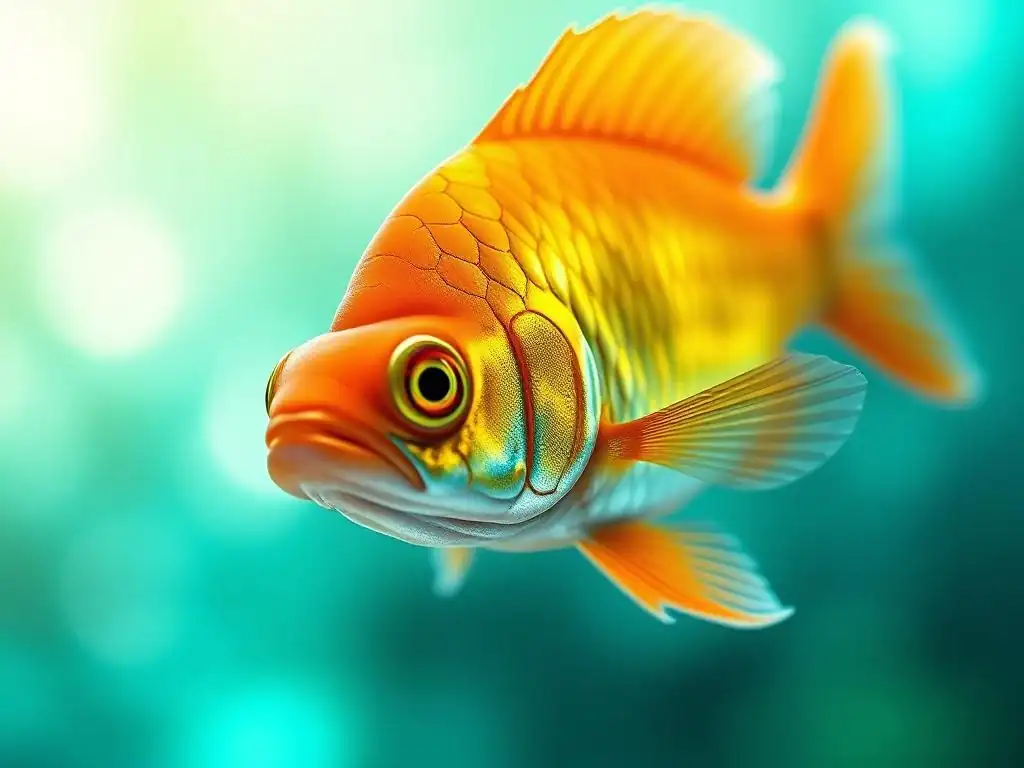
Breeding Black Skirt Tetras can be a rewarding experience for the dedicated aquarist, showcasing their natural reproductive behaviors. While not as straightforward as some livebearers, with proper preparation and conditions, these egg-laying fish will readily spawn. Understanding the subtle differences between sexes and providing an optimal breeding environment are key aspects of successful Black Skirt Tetra care for reproduction.
The process typically involves setting up a dedicated breeding tank to protect the eggs and fry from being eaten by the parents or other tank inhabitants. Patience and observation are vital throughout the breeding cycle, from conditioning the parents to raising the delicate fry.
Identifying Male and Female Black Skirt Tetras
Distinguishing between male and female Black Skirt Tetras, particularly when mature, is generally straightforward, though it can be more challenging with younger fish. Females tend to be noticeably larger and rounder in the body, especially when gravid (full of eggs), appearing plumper in the belly region. Their anal fin is also typically broader and more rounded compared to that of the male.
Males, on the other hand, are generally slimmer and smaller in body size. Their anal fin is usually narrower and more pointed. During breeding season or when displaying, males may also exhibit more intense coloration, particularly in their fins, and might engage in more active chasing or fin-flaring behaviors. Observing a group of Black Skirt Tetras for these characteristics will usually allow for accurate sexing, which is the first step in successful Black Skirt Tetra care for breeding.
Setting Up a Breeding Tank for Black Skirt Tetras
To maximize breeding success and fry survival, a dedicated breeding tank is highly recommended for Black Skirt Tetras. A 5-10 gallon (19-38 liter) tank is usually sufficient for a single breeding pair or a small group of one female and two males. The tank should be dimly lit and contain plenty of fine-leaved plants, such as Java Moss, Anacharis, or spawning mops, which provide a substrate for the eggs to adhere to and offer protection for the newly hatched fry. A bare bottom tank is often preferred as it makes cleaning easier and allows for better observation of eggs.
Water parameters in the breeding tank should be soft (3-8 dGH) and slightly acidic (pH 6.0-6.5), with a temperature at the higher end of their preferred range, around 78-80°F (26-27°C). A small sponge filter or gentle air stone is sufficient for filtration, as strong currents can harm delicate eggs and fry.
Conditioning the breeding pair with high-protein live or frozen foods for a week or two before introducing them to the breeding tank will significantly increase their readiness to spawn. Once spawning occurs, which often happens in the morning, the adult fish should be removed immediately, as they will readily consume their own eggs.
Black Skirt Tetra Fry Care: Raising Healthy Offspring
Raising Black Skirt Tetra fry requires meticulous attention to diet and water quality. The tiny fry are extremely vulnerable and require specific conditions to survive and grow into healthy juvenile fish. Their initial size necessitates very fine, specialized foods, and their delicate nature means impeccable water parameters are non-negotiable for successful Black Skirt Tetra care in this stage.
Maintaining a stable environment free from pollutants and sudden changes is paramount. The absence of adult fish or large tank mates in the fry tank is also critical to prevent predation. Consistent monitoring of the fry's growth and behavior will guide feeding adjustments and ensure their optimal development.
Feeding Black Skirt Tetra Fry: First Foods and Growth
Black Skirt Tetra eggs typically hatch within 24-36 hours, depending on temperature. The fry are extremely small and will initially feed on their yolk sacs for the first 2-3 days. Once they become free-swimming, they require infusoria or commercially prepared liquid fry food as their first diet. After about a week, they can graduate to newly hatched brine shrimp or microworms, which are highly nutritious and stimulate rapid growth. Feeding should occur 3-4 times a day in small amounts to prevent fouling the water.
As the fry grow, usually after 2-3 weeks, they can transition to finely crushed high-quality flake food. It's crucial to ensure the food particles are small enough for their tiny mouths. Consistent, small feedings are preferable to large, infrequent ones, as this ensures a steady supply of nutrients and reduces the risk of uneaten food decaying and polluting the water. This careful progression of diet is a cornerstone of successful Black Skirt Tetra care for fry.
Maintaining Water Quality in the Fry Tank
Maintaining pristine water quality in a fry tank is arguably the most challenging and crucial aspect of Black Skirt Tetra care for their offspring. Due to the high frequency of feeding and the small volume of the tank, water parameters can quickly deteriorate. Daily small water changes of 10-20% are often necessary, using a thin airline tubing to siphon out debris from the bottom without sucking up the tiny fry. The replacement water should be pre-conditioned to match the tank's temperature and pH precisely.
A gentle sponge filter is ideal for fry tanks as it provides biological filtration without creating strong currents that could harm the delicate fry. Regular monitoring of ammonia, nitrite, and nitrate levels is essential. Any detectable levels of ammonia or nitrite indicate a problem and require immediate action, such as a larger water change. Overfeeding is the most common cause of water quality issues in fry tanks, so careful portion control is paramount to ensure the healthy development and survival of Black Skirt Tetra fry.
Black Skirt Tetra Health: Common Diseases and Prevention
Maintaining the health of your Black Skirt Tetras is a primary goal of good aquarium husbandry. While generally robust, these fish, like all aquarium inhabitants, can be susceptible to various diseases if their environment is not optimal or if proper preventive measures are neglected. Recognizing the early signs of illness and understanding common treatments are vital for preserving the Black Skirt Tetra population in your tank.
Prevention is always better than cure, and many common ailments can be avoided by adhering to consistent Black Skirt Tetra care practices, including regular tank maintenance, proper diet, and careful introduction of new fish. A proactive approach significantly reduces the risk of disease outbreaks.
Recognizing Signs of Illness in Black Skirt Tetras
Early detection of illness is crucial for successful treatment and preventing the spread of disease within your Black Skirt Tetra school. Aquarists should observe their fish daily for any changes in appearance, behavior, or feeding habits. Common signs of illness include:
- Changes in coloration: Fading, dullness, or the appearance of unusual spots (white spots for Ich, cottony growths for fungus, red streaks for bacterial infections).
- Abnormal swimming patterns: Erratic swimming, darting, rubbing against tank decorations (flashing), lethargy, difficulty swimming upright, or clamped fins (fins held tightly against the body).
- Physical changes: Swelling of the body (dropsy), frayed or torn fins (fin rot), cloudy eyes, visible parasites, or ulcers/lesions on the body.
- Behavioral changes: Loss of appetite, hiding excessively, gasping at the surface, or increased aggression towards tank mates.
Any combination of these symptoms warrants immediate investigation into water parameters and potential disease. Early intervention, often involving isolating the affected fish in a quarantine tank, can significantly improve the prognosis for Black Skirt Tetra health.
Treating Common Tetra Diseases: Ich, Fin Rot, and More
Several common diseases can affect Black Skirt Tetras, but many are treatable if caught early.
- Ich (White Spot Disease): Characterized by small, white spots resembling grains of salt on the body and fins. Treatment typically involves raising the water temperature gradually to 82-84°F (28-29°C) (if compatible with tank mates) and using an Ich medication containing malachite green or formalin. Salt baths can also be effective.
- Fin Rot: Appears as frayed, ragged, or disintegrating fins, often with a reddish or white edge. This is usually caused by poor water quality or bacterial infection. Treatment involves improving water quality through frequent water changes and using broad-spectrum antibiotics or antibacterial medications.
- Fungal Infections: Manifest as white, cottony growths on the body or fins. Often secondary to injury or stress. Treatment involves antifungal medications and improving water quality.
- Dropsy: Characterized by a swollen body and scales protruding outwards, giving a "pinecone" appearance. This is usually a symptom of internal organ failure, often bacterial. It's often difficult to treat successfully, but aggressive broad-spectrum antibiotics and Epsom salt baths might help in early stages.
Always follow medication instructions carefully and remove activated carbon from the filter during treatment, as it will absorb the medication. Treating in a separate quarantine tank is ideal to avoid medicating the main display tank unnecessarily and to protect sensitive invertebrates or plants.
Preventive Measures for a Healthy Black Skirt Tetra Population
Proactive prevention is the most effective strategy for maintaining a healthy Black Skirt Tetra population and minimizing disease outbreaks. Consistent adherence to best practices in Black Skirt Tetra care significantly reduces stress on the fish, bolstering their natural immune systems and making them less susceptible to pathogens. A healthy environment is the first line of defense against illness.
Beyond general maintenance, specific measures when introducing new fish or managing the tank's inhabitants can prevent the introduction and spread of diseases. These practices are not merely about treating symptoms but about creating a robust, resilient aquarium ecosystem where Black Skirt Tetras can thrive.
Regular Water Changes and Tank Maintenance
Regular water changes are the cornerstone of preventive Black Skirt Tetra care. Performing weekly or bi-weekly partial water changes of 25-30% removes accumulated nitrates, phosphates, and other dissolved organic compounds that can build up and stress fish. Always use a good quality dechlorinator to treat tap water, as chlorine and chloramines are toxic to fish. Ensure the new water matches the tank's temperature and pH as closely as possible to avoid shocking the fish.
In addition to water changes, routine tank maintenance includes vacuuming the substrate to remove uneaten food and fish waste, cleaning filter media (rinsing in old tank water to preserve beneficial bacteria), and wiping down tank glass to remove algae. A clean, stable environment directly translates to healthier Black Skirt Tetras, as it prevents the proliferation of harmful bacteria and parasites.
Quarantine New Fish Before Introduction
Quarantining new fish is one of the most critical preventive measures in Black Skirt Tetra care, yet it is often overlooked. A separate quarantine tank (a simple 10-gallon tank with a heater, sponge filter, and hiding spots) should be used to house all new fish for a period of 2-4 weeks before introducing them to the main display tank. This practice serves several vital purposes:
- Observation: Allows you to observe new fish for any signs of disease, parasites, or unusual behavior without risking the health of your established fish.
- Treatment: If any signs of illness appear, you can treat the new fish in the quarantine tank, preventing the spread of pathogens to your main aquarium.
- Acclimation: Provides a less stressful environment for new fish to acclimate to your water parameters and recover from the stress of transportation.
During the quarantine period, maintain excellent water quality and observe closely. If no signs of disease appear after 3-4 weeks, the new fish can be safely introduced to the main tank, significantly reducing the risk of introducing diseases that could devastate your Black Skirt Tetra population.
Enhancing the Black Skirt Tetra’s Color and Vigor
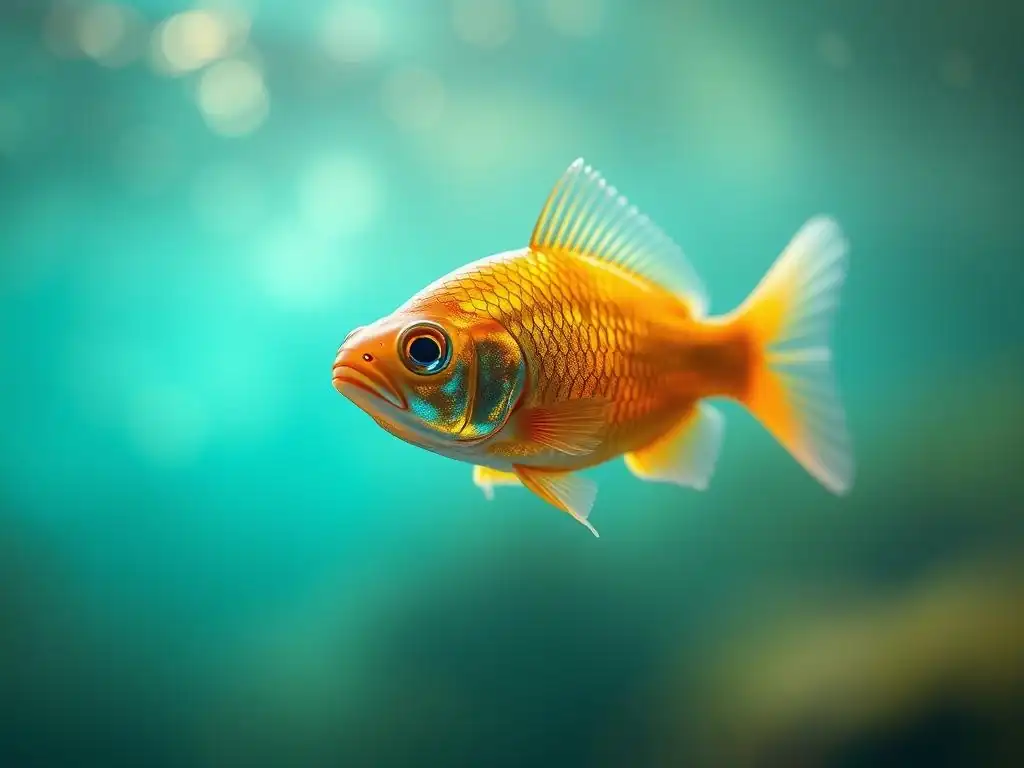
While Black Skirt Tetras are naturally appealing, certain aspects of their care can be optimized to enhance their vibrant coloration and overall vigor. A healthy, well-fed Black Skirt Tetra will display more intense and defined black markings, contributing significantly to the aesthetic appeal of your aquarium. These enhancements are not merely cosmetic; they are indicators of excellent Black Skirt Tetra health and well-being.
Focusing on a high-quality diet and appropriate lighting conditions are two primary ways to bring out the best in your Black Skirt Tetras. These elements directly influence their physiological processes, including pigment production and overall vitality.
Optimizing Diet for Vibrant Colors in Tetras
A diverse and nutrient-rich diet is paramount for enhancing the vibrant colors of Black Skirt Tetras. While their natural coloration is primarily black and silver/gray, a diet rich in essential fatty acids, amino acids, and certain vitamins can deepen their existing pigments and improve overall fish health. High-quality flake or pellet foods that list spirulina, astaxanthin, or other natural color-enhancing ingredients are beneficial. Astaxanthin, for example, is a powerful antioxidant that can enhance red and orange pigments, which might subtly influence the depth of their black hues.
Supplementing their staple diet with live or frozen foods such as brine shrimp, bloodworms, and daphnia provides crucial proteins and fats that contribute to overall vigor and a healthy, shiny appearance. These foods are packed with nutrients that support metabolic processes, leading to better coloration. Feeding small, frequent meals also ensures consistent nutrient uptake, preventing deficiencies that could dull their appearance. Consistent and varied feeding is a key component of optimal Black Skirt Tetra care for color enhancement.
The Role of Lighting in Black Skirt Tetra Appearance
The type and intensity of lighting in an aquarium play a significant role in how the colors of Black Skirt Tetras are perceived and can even influence their comfort and stress levels. While lighting doesn't directly create pigments, it can make existing colors appear more vibrant. A moderate lighting setup, mimicking the subdued light of their natural river habitats, often works best. Overly bright lighting can stress Black Skirt Tetras, causing them to wash out their colors and appear paler as a defensive mechanism.
Using full-spectrum LED lighting that allows for color temperature adjustments can be particularly effective. Lights with a slightly warmer Kelvin temperature (e.g., 6500K) or those that emphasize certain wavelengths can make the black and silver tones of the tetras stand out more. Additionally, providing shaded areas within the tank through floating plants or dense foliage allows the fish to retreat from direct light when desired, reducing stress and encouraging them to display their best colors. This thoughtful approach to lighting is an often-underestimated aspect of Black Skirt Tetra care.
Troubleshooting Common Black Skirt Tetra Issues
Even with diligent Black Skirt Tetra care, aquarists may occasionally encounter common issues related to behavior or breeding. Understanding how to identify and address these problems effectively is crucial for maintaining a healthy and harmonious aquarium. Many issues stem from environmental factors or social dynamics within the tank, rather than inherent flaws in the fish themselves.
Proactive observation and a systematic approach to problem-solving can help mitigate these challenges. Addressing the root cause rather than just the symptoms will lead to more sustainable solutions and better long-term outcomes for your Black Skirt Tetras.
Addressing Aggression in Black Skirt Tetras
While generally peaceful, Black Skirt Tetras can exhibit fin-nipping or mild aggression, particularly if not kept in a sufficiently large school or if the tank is too small. If you observe aggression, especially towards fish with long, flowing fins, the first step is to assess the school size. Black Skirt Tetras thrive in groups of at least 6-8 individuals; smaller groups can lead to increased stress and redirect aggression towards tank mates. Increasing the school size often dilutes aggression among the tetras themselves and reduces their tendency to nip at other fish.
Secondly, evaluate tank size and setup. A cramped environment can exacerbate territorial disputes. Ensure the tank is adequately sized for the school and any tank mates. Adding more hiding spots, plants, and broken lines of sight (e.g., with driftwood or rocks) can help reduce stress and provide escape routes for targeted fish. If aggression persists despite these measures, consider re-evaluating tank mate compatibility or, as a last resort, rehoming the aggressive individual or the affected tank mates. Consistent Black Skirt Tetra care involves creating an environment where their schooling instincts are met.
Solving Problems with Breeding and Fry Survival
Challenges in Black Skirt Tetra breeding or low fry survival rates are common and often stem from environmental factors or parental conditioning. If your tetras are not spawning, ensure the breeding tank parameters (soft, acidic water, 78-80°F) are met precisely. Conditioning the breeding pair with a high-protein diet of live or frozen foods for 1-2 weeks prior to introduction is crucial; well-fed fish are more likely to spawn. Sometimes, a slight drop in water temperature followed by a gradual increase can simulate natural rainfall, triggering spawning behavior.
For low fry survival, the primary culprits are usually predation by parents, inadequate food, or poor water quality. Ensure adult fish are removed immediately after spawning. Feed the fry appropriate first foods like infusoria or newly hatched brine shrimp 3-4 times daily in tiny amounts. Most importantly, maintain pristine water quality through daily small water changes (10-20%) and gentle filtration. Ammonia and nitrite must be 0 ppm. Overfeeding and resulting water pollution are the most common reasons for fry mortality, so meticulous Black Skirt Tetra care during this phase is paramount.
Black Skirt Tetra vs. Other Tetra Varieties
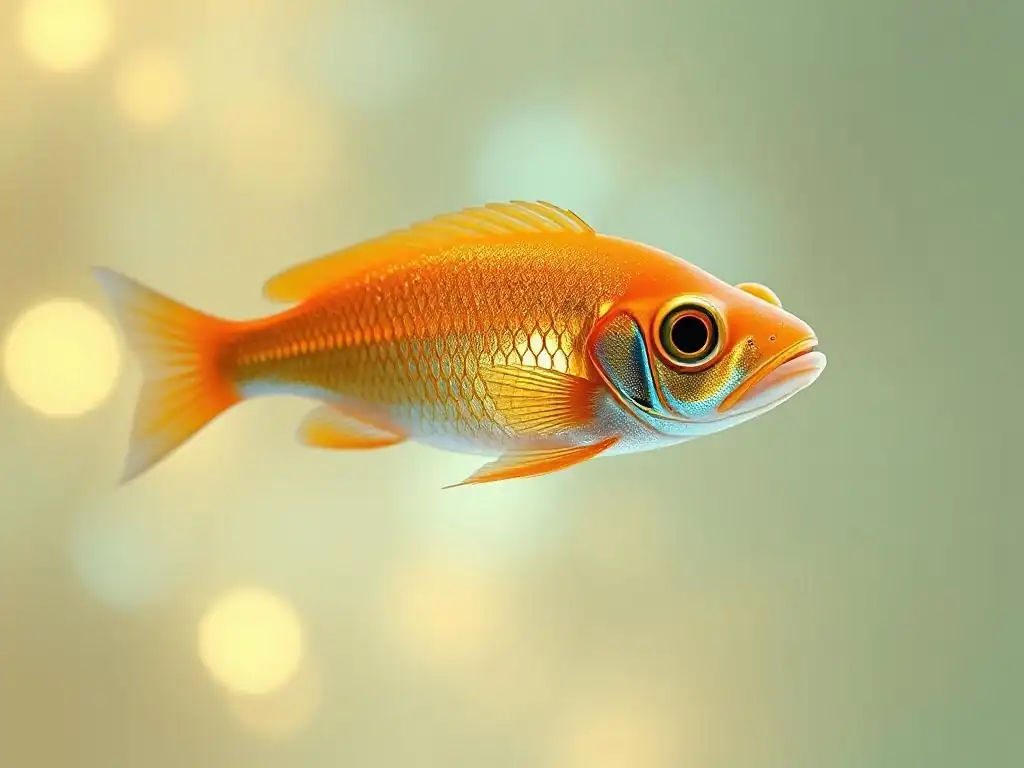
Understanding the differences between Black Skirt Tetras and other popular tetra varieties is essential for making informed decisions about tank stocking and ensuring compatible community environments. While all tetras share some common characteristics, their specific needs, temperaments, and appearances can vary significantly. This comparison helps aquarists choose the right species for their setup and ensures proper Black Skirt Tetra care in a mixed tetra tank.
Considering the unique attributes of each species will prevent potential conflicts and optimize the overall health and behavior of all inhabitants. It highlights why a "one-size-fits-all" approach to tetra care isn't always effective.
Comparing Black Skirt Tetras to Neon Tetras
Black Skirt Tetras and Neon Tetras (Paracheirodon innesi) are both popular freshwater fish, but they differ significantly in size, appearance, and some aspects of temperament. Black Skirt Tetras are larger, reaching 2-2.5 inches, with a deep body and prominent black fins, giving them a more robust appearance. Neon Tetras are much smaller, typically growing to only 1.5 inches, and are famed for their iridescent blue and red stripe.
In terms of temperament, Black Skirt Tetras can be slightly more boisterous and occasionally prone to fin-nipping if not kept in large enough schools. Neon Tetras are generally more peaceful and delicate, preferring very soft, acidic water and being more sensitive to fluctuating parameters. While both are schooling fish, Neons are often perceived as more tightly schooling.
Black Skirt Tetra care involves ensuring adequate space to mitigate their more active nature, whereas Neon Tetra care emphasizes stable, pristine water conditions due to their sensitivity. Both can be kept together in a sufficiently large and well-planted tank, provided the Black Skirts are kept in a good-sized school to minimize nipping.
Comparing Black Skirt Tetras to Serpae Tetras (Hyphessobrycon eques) highlights differences in coloration, body shape, and temperament, despite both being characins. Serpae Tetras are known for their vibrant, deep red bodies with a distinct black spot behind the gill plate, and often have a more compact, rhomboid body shape compared to the deeper, more compressed body of the Black Skirt Tetra. Both species typically reach a similar adult size of around 1.5-2 inches.
The key difference lies in their temperament. Serpae Tetras are notoriously more aggressive and prone to fin-nipping than Black Skirt Tetras. They are often not recommended for community tanks with long-finned or very peaceful species. Black Skirt Tetras, while occasionally nippy, are generally considered more peaceful when kept in proper schools. Therefore, while both require similar water parameters and schooling, Black Skirt Tetra care is generally less challenging in a mixed community tank setting due to their milder temperament compared to the more feisty Serpae Tetra.
Conclusion: The Joy of Keeping Black Skirt Tetras
The Black Skirt Tetra stands out as a truly rewarding species for the freshwater aquarium. Their striking black and silver appearance, coupled with their active schooling behavior, adds a dynamic and visually appealing element to any community tank. As we've explored, successful Black Skirt Tetra care hinges on a few fundamental principles: maintaining stable and appropriate water parameters, providing a balanced and varied diet, ensuring an adequately sized and well-furnished habitat, and carefully selecting compatible tank mates.
From the meticulous requirements for breeding to the vigilance needed for disease prevention, every aspect of their care contributes to their overall health and longevity, often extending their lifespan to 3-5 years. The relatively forgiving nature of Black Skirt Tetras, combined with their engaging personalities, makes them an excellent choice for aquarists ranging from enthusiastic beginners to seasoned hobbyists. By adhering to the comprehensive guidelines outlined, you can ensure your Black Skirt Tetras not only survive but truly thrive, bringing immense joy and a constant splash of life to your aquatic world.
Frequently Asked Questions
How difficult is it to care for Gold Doubloon Mollies?
Gold Doubloon Mollies are generally considered easy to care for, making them suitable for beginner aquarists. They are relatively hardy and adaptable to a range of water parameters.
What are the ideal water parameters for Gold Doubloon Mollies?
They thrive in water temperatures between 72-78°F (22-26°C) with a pH of 7.0-8.0. Maintaining stable water conditions is crucial for their health.
What do Gold Doubloon Mollies eat?
These mollies are omnivores and require a varied diet. Offer them high-quality flake food, supplemented with live or frozen foods like brine shrimp and bloodworms.
How large of a tank do Gold Doubloon Mollies need?
A minimum tank size of 20 gallons is recommended for a small group of Gold Doubloon Mollies. This allows them ample space to swim and reduces stress.
Are Gold Doubloon Mollies peaceful fish?
Yes, they are generally peaceful and get along well with other community fish. Avoid keeping them with aggressive or fin-nipping species to prevent stress.
Final Reflection: A Glimmering Future for Gold Doubloon Mollies
The journey of understanding Gold Doubloon Molly care extends far beyond the confines of a fish tank; it's a testament to our responsibility as stewards of the natural world and the delicate ecosystems we choose to bring into our homes. These vibrant fish, with their shimmering scales, represent a small but significant piece of the aquatic tapestry, reminding us of the beauty and fragility that deserves our utmost attention.
My own fascination with Gold Doubloon Mollies stems from their resilience and adaptability, qualities that mirror the challenges and triumphs we face in our own lives. Their vibrant color and playful nature serve as a constant reminder to find joy in the simple things and to appreciate the beauty that surrounds us. In one drop of water are found all the secrets of all the oceans.
- Kahlil Gibran. This quote encapsulates the profound interconnectedness of life, even within the seemingly small world of a fish tank.
As you embark on your own journey with Gold Doubloon Mollies, remember that providing proper care is not just about maintaining a healthy environment; it's about fostering a connection with these captivating creatures and contributing to their well-being. Let their radiant presence inspire you to cultivate a deeper appreciation for the natural world and to embrace the responsibility of creating a thriving ecosystem, both within your tank and beyond.
Dive Deeper: Cultivate Your Aquatic Paradise!
Thank you for exploring the captivating world of Gold Doubloon Mollies with us. Now that you’re equipped with the knowledge to appreciate and care for these radiant fish, let's take the next step in enriching your aquarium experience.
Here are some actionable steps to further connect with the beauty and joy these fish can bring:
- Prioritize Acquiring the Perfect Trio: Commit to creating a thriving community by acquiring a male and two females to balance the social dynamics and encourage natural behaviors.
- Share Your Success:** Post a photo of your Gold Doubloon Molly setup on Instagram using #AquariumMastery for a chance to be featured!
- Explore Beyond Gold:** Research complementary fish species to create a vibrant and harmonious community tank.
What unique decorations will you choose to enhance your Gold Doubloon Molly's aquatic world?