
Betta Fish Fasting: Benefits and How to Do It Safely


Welcome to Aquarium Mastery, fellow aquarist!
Ever wondered if your finned friend could benefit from a little... break from eating? Dive in to discover everything you need to know about safe betta fish fasting. We'll explore the surprising benefits and guide you through the process, ensuring your Betta stays happy and healthy. Ready to unlock the secrets of a well-balanced Betta diet?
- Understanding Betta Fish Fasting: An Overview
- Benefits of Safe Betta Fish Fasting
- How to Safely Fast Your Betta Fish: A Step-by-Step Guide
- Identifying Signs Your Betta Fish May Benefit From Fasting
- Troubleshooting Common Issues During Betta Fish Fasting
- Best Practices for Maintaining a Healthy Betta Diet
- Betta Fish Health and Fasting: Key Takeaways
- Frequently Asked Questions
- Final Reflection: The Balanced Ecosystem of Care
- Rediscover Your Betta's Vitality!
Understanding Betta Fish Fasting: An Overview
What is Betta Fish Fasting and Why is it Important?
Betta fish fasting refers to the intentional, short-term withholding of food from your betta. This practice typically involves periods ranging from 24 to 72 hours without any food. While it might sound counterintuitive to purposefully skip meals for your pet, it's a vital component of responsible betta care that mimics natural feeding patterns found in the wild. Wild bettas, for instance, do not have a consistent, daily food supply; their meals are often sporadic, depending on the availability of insects and larvae.
The importance of this practice stems from the unique digestive system of bettas. They are carnivores with relatively short digestive tracts, meaning they process food quickly. However, in captive environments, bettas are frequently overfed, leading to a host of digestive issues. Implementing a safe betta fish fasting routine helps to prevent and alleviate these common problems, ensuring their internal systems can rest and reset, similar to how human digestive systems benefit from periods without constant food intake.
The Purpose of Betta Fasting for Betta Health
The primary purpose of betta fasting is to give their digestive system a much-needed break. When a betta is fed continuously, its digestive organs are constantly working, which can lead to strain and inefficiency. A brief fasting period allows the gut to clear out any undigested food, reduce internal inflammation, and regain optimal function. This digestive reset is crucial for maintaining the overall health and vitality of your betta.
Beyond just a digestive reset, safe betta fish fasting serves as a preventative measure against several common betta ailments. It significantly reduces the likelihood of constipation, bloating, and swim bladder disorders, which are often direct consequences of overfeeding or feeding low-quality foods. By incorporating regular fasting, aquarists can proactively support their betta's long-term health, ensuring they remain active, vibrant, and less susceptible to diet-related illnesses.
Debunking Myths: Is Betta Fasting Cruel?
One of the most common misconceptions surrounding betta fish fasting is that it is cruel or harmful to the fish. This belief often arises from a human perspective, where going without food for even a day can feel severe. However, for a betta, a short fast is not only not cruel but actively beneficial, provided it is done correctly and for appropriate durations. A healthy adult betta can comfortably go without food for 2-3 days without any adverse effects, and in some cases, even longer.
The key distinction lies between safe betta fish fasting and starvation. Starvation implies a prolonged, involuntary lack of food leading to detrimental health effects and eventually death. A controlled fast, on the other hand, is a brief, purposeful abstinence from food designed to promote health. It is comparable to a doctor recommending a short liquid diet for a human with digestive issues, rather than withholding food indefinitely. When implemented responsibly, fasting is a testament to thoughtful and informed betta care, not neglect.
Benefits of Safe Betta Fish Fasting
Improved Digestion and Reduced Bloating in Bettas
One of the most immediate and noticeable benefits of safe betta fish fasting is a significant improvement in digestion and a reduction in bloating. Betta fish are prone to digestive issues, particularly when their diet consists primarily of dry pellets or flakes that expand in their stomach, or if they are simply overfed. This can lead to a distended abdomen, making the fish appear visibly swollen and uncomfortable.
A 24 to 48-hour fast allows the betta's digestive tract to completely clear out any blockages or undigested food particles. This process alleviates pressure on internal organs and helps to reduce gas buildup, which is a common cause of bloating. For example, a betta observed with a noticeably round belly after a large meal often shows a flatter, more streamlined appearance after a single day of fasting, indicating that the digestive system has successfully processed and eliminated the excess. This digestive rest is fundamental for preventing chronic gastrointestinal problems.
Preventing Overfeeding and Obesity in Betta Fish
Overfeeding is arguably the most common mistake made by betta owners, leading directly to obesity and a myriad of associated health problems. A betta's stomach is roughly the size of its eyeball, meaning it requires very little food to be satiated—typically just 2-4 pellets or an equivalent amount of frozen food per feeding, once or twice a day. Constant overfeeding leads to excessive fat accumulation around internal organs, which can reduce lifespan and compromise organ function, similar to obesity in humans.
Incorporating regular safe betta fish fasting into their routine acts as a critical countermeasure against accidental overfeeding and the development of obesity. By skipping one day of feeding each week, you effectively reduce the overall caloric intake over a seven-day period without depriving the fish. This controlled reduction helps in maintaining a healthy weight and prevents the build-up of internal fat deposits that can strain the liver and kidneys.
For instance, a betta consistently fed 6 pellets a day, seven days a week, consumes approximately 42 pellets weekly. Introducing a 24-hour fast reduces this to 36 pellets, a 14% reduction in weekly intake, significantly mitigating obesity risks.
Reducing the Risk of Dropsy with Strategic Fasting
Dropsy is a severe and often fatal condition in fish, characterized by a "pinecone" appearance due to fluid retention and scale protrusion. While dropsy itself is a symptom of underlying organ failure (often kidney or liver), chronic stress on these organs due to poor diet, overfeeding, and resulting digestive issues can be significant contributing factors. When a betta's digestive system is constantly overworked, it can put undue strain on other vital organs involved in waste processing and detoxification.
Strategic safe betta fish fasting supports the overall health of internal organs by reducing their workload periodically. By allowing the digestive system to rest, the kidneys and liver are also given a reprieve from processing excessive nutrients and waste products.
This preventative measure helps to maintain the optimal functioning of these critical organs, thereby potentially reducing the risk of them failing and leading to conditions like dropsy. While fasting is not a cure for established dropsy, maintaining a healthy digestive system through regular fasting contributes to a betta's overall resilience and can lower its susceptibility to such severe systemic illnesses.
How to Safely Fast Your Betta Fish: A Step-by-Step Guide
Determining if Your Betta Fish Needs Fasting
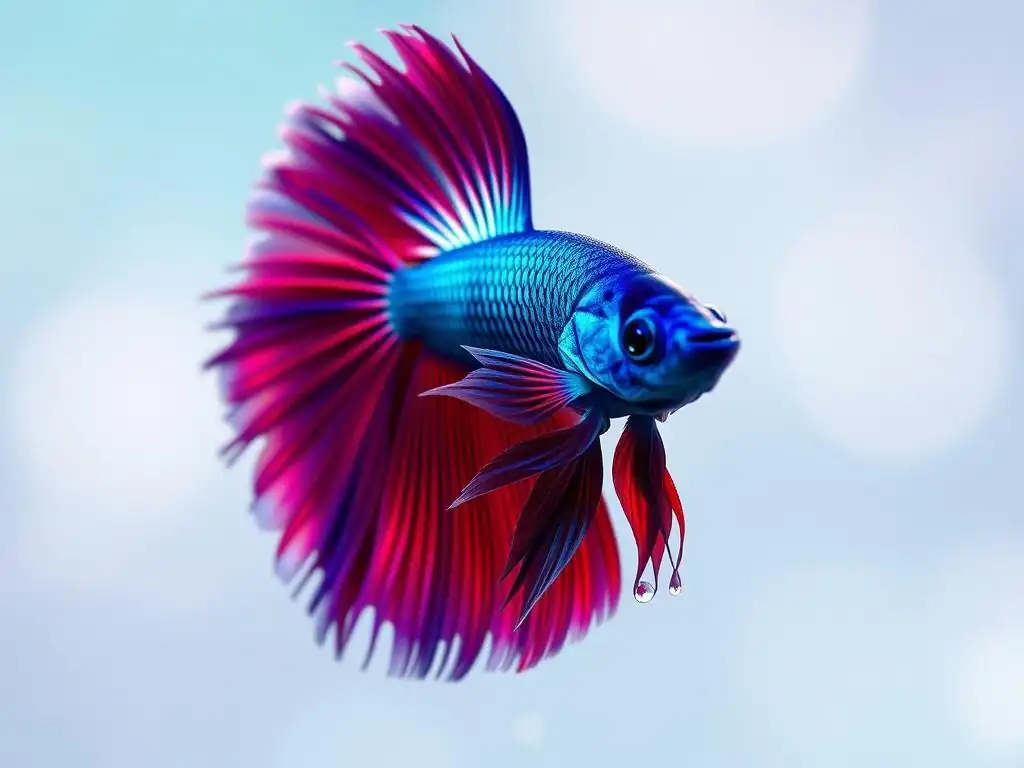
Deciding if your betta fish needs fasting involves observing its behavior and physical condition. While a routine weekly fast is beneficial for most healthy bettas as a preventative measure, certain signs indicate an immediate need for a fast. Look for a distended or bloated abdomen, which suggests constipation or overfeeding. Your betta might also appear lethargic after eating, exhibit difficulty swimming (such as floating uncontrollably or sinking to the bottom), or produce stringy, white feces, all of which point to digestive distress.
Even without obvious symptoms, incorporating a safe betta fish fasting day into your regular routine is a proactive step towards maintaining optimal digestive health. This is particularly true for bettas fed exclusively dry pellets or flakes, which can sometimes lead to blockages. If your betta is very young (under 3 months), extremely old, or visibly sick with conditions unrelated to digestion, it's advisable to consult a veterinarian before initiating a fast, as they may have different nutritional requirements or be too weak for the process.
Preparing for a Betta Fish Fast: What You'll Need
Preparing for a betta fish fast is straightforward and requires minimal effort, as the main action is simply not feeding your fish. However, ensuring the environment is optimal beforehand is crucial for a safe betta fish fasting experience. First, ensure your aquarium water parameters are pristine. Perform a partial water change if necessary to minimize any environmental stressors that could compound the lack of food. This means checking ammonia, nitrite, and nitrate levels to ensure they are within safe limits (ammonia and nitrite at 0 ppm, nitrate below 20 ppm).
Beyond water quality, the only other "preparation" is to commit to not offering food for the designated period. There's no need for special equipment or additives. It's also helpful to have easily digestible foods on hand for when the fast is over, such as frozen daphnia or high-quality betta pellets. This ensures a smooth reintroduction of food and helps to prevent any sudden shock to their system after the fasting period.
The Recommended Betta Fasting Schedule: How Often and For How Long
For most healthy adult bettas, a safe betta fish fasting schedule typically involves a 24-hour period without food, once a week. For example, if you feed your betta twice a day, you could fast them from Sunday evening until Tuesday morning, effectively giving them an entire Monday without food. This weekly interval is generally sufficient to allow their digestive system to rest and reset without causing any stress or nutritional deficiency.
In cases where your betta is showing clear signs of bloating or constipation, a longer fast of 48 to 72 hours may be necessary to help clear the blockage. However, it is crucial to monitor your fish very closely during these extended periods. Do not exceed 72 hours without consulting a qualified aquatic veterinarian, as prolonged fasting can become detrimental. Always err on the side of caution; if the betta appears weak or unusually lethargic during any fast, it's best to break the fast immediately with a tiny amount of easily digestible food.
Monitoring Your Betta Fish During the Fasting Period
Monitoring your betta fish closely during a fast is a critical component of ensuring a safe betta fish fasting experience. While healthy bettas generally tolerate 24-72 hours without food well, observation helps you identify any unexpected signs of distress. Pay attention to your betta's activity level: they should still be active, exploring their tank, and reacting to your presence. Look for normal swimming patterns; avoid any signs of listing, struggling to stay upright, or excessive lethargy beyond their usual resting periods.
Also, observe their coloration and fin condition. A stressed or unwell betta might exhibit dulled colors or clamped fins. Check their breathing rate – it should be consistent and not excessively rapid or labored. If you notice any concerning changes, such as extreme weakness, unresponsiveness, or a significant decline in their usual behavior, it's important to break the fast immediately and investigate other potential underlying issues, such as poor water quality, which might be exacerbating their condition.
Reintroducing Food After a Betta Fast: A Gradual Approach
Reintroducing food after a safe betta fish fasting period requires a gradual and careful approach to avoid overwhelming the digestive system. After the designated fasting period (e.g., 24 hours), do not immediately revert to a full meal portion. Instead, offer a very small amount of easily digestible food. For instance, give just one high-quality betta pellet, or a tiny pinch of defrosted frozen daphnia or bloodworms, which are excellent for their laxative properties and ease of digestion.
Observe your betta as it eats this small portion. If it consumes the food readily and shows no signs of distress, you can offer another small portion later in the day, or resume a slightly larger, but still conservative, feeding the following day. The goal is to slowly re-engage their digestive system without causing a sudden influx of food that could lead to renewed bloating or constipation. This gentle reintroduction is key to maximizing the benefits of the fast and ensuring long-term digestive health.
Identifying Signs Your Betta Fish May Benefit From Fasting
Recognizing Overfeeding Symptoms in Bettas
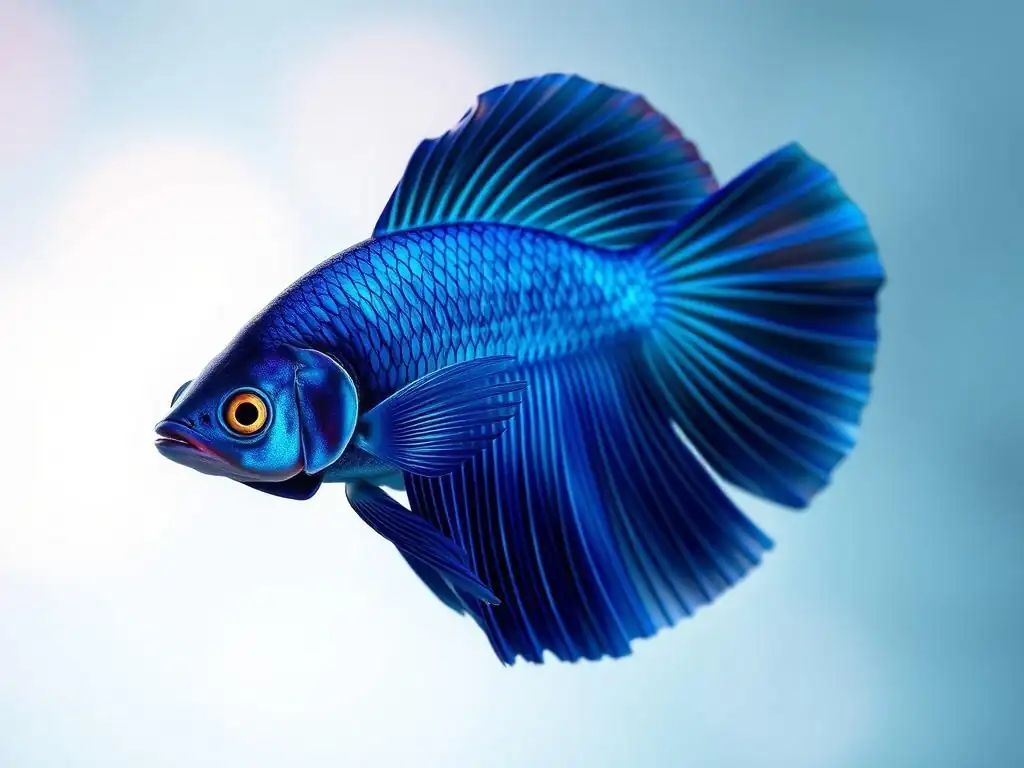
Recognizing the signs of overfeeding in your betta is crucial for preventing serious health issues and indicates a strong need for safe betta fish fasting. The most obvious symptom is a visibly distended abdomen that remains rounded even long after a meal, rather than flattening out. This isn't just a full belly; it's a persistent, often symmetrical bloat. Another common sign is an excessive amount of waste produced by the fish, or the presence of uneaten food accumulating at the bottom of the tank, which quickly fouls the water.
Beyond physical appearance, behavioral changes can also signal overfeeding. Your betta might appear lethargic or sluggish shortly after eating, or spend more time resting near the bottom of the tank due to discomfort. In severe cases, chronic overfeeding can lead to buoyancy issues, where the betta struggles to swim properly, either floating uncontrollably towards the surface or sinking awkwardly. If you observe any of these symptoms, incorporating a fast is a primary step towards recovery and preventing further complications.
Spotting Bloating and Constipation in Your Betta Fish
Bloating and constipation are closely related to overfeeding and are definitive indicators that your betta could benefit significantly from a fast. Bloating manifests as a swollen, often tense abdomen, making the fish appear unnaturally plump. This can sometimes be accompanied by a slight raising of the scales, although if scales are severely protruding like a "pinecone," it's a symptom of dropsy, a much more severe condition, and while digestive issues can contribute, dropsy requires immediate and different veterinary attention.
Constipation is often indicated by a lack of defecation over a 24-48 hour period, or the presence of stringy, white, or unusually long feces that may hang from the betta for an extended time. The fish might also exhibit a loss of appetite despite appearing otherwise healthy, or show signs of discomfort such as rubbing against tank decor. Difficulty swimming, particularly maintaining balance, is another red flag. If you observe these symptoms, a safe betta fish fasting period of 24-72 hours, often followed by feeding daphnia, is highly recommended to help alleviate the blockage and restore normal digestive function.
Troubleshooting Common Issues During Betta Fish Fasting
What to Do if Your Betta Fish Appears Weak During a Fast
While safe betta fish fasting is generally well-tolerated, it's crucial to monitor your fish for any signs of distress. If your betta appears unusually weak, lethargic, or unresponsive during a fast, it's a clear signal to intervene immediately. The first step is to gently break the fast by offering a very small amount of easily digestible food, such as a single crushed pellet or a tiny piece of defrosted bloodworm. This provides a quick energy boost without overwhelming their system.
Simultaneously, thoroughly check your tank's water parameters (ammonia, nitrite, nitrate, pH, temperature). Poor water quality can significantly stress a fish and exacerbate any weakness, making them appear ill even if the fast itself isn't the primary cause. If water parameters are off, perform a partial water change. Consider if the fish might have been unwell before the fast, or if it's too young or old for such a routine. If weakness persists despite breaking the fast and correcting water parameters, consult an aquatic veterinarian immediately, as there might be an underlying health issue unrelated to diet.
Addressing Aggression or Fin Nipping During Fasting
It is highly uncommon for a safe betta fish fasting period to directly cause aggression or fin nipping in bettas. Bettas are naturally territorial and can exhibit aggression, but this behavior is almost always linked to other factors like an undersized tank (minimum 5 gallons for a single betta), inappropriate tank mates, poor water quality, or a lack of adequate hiding spots and enrichment. A short period without food for digestive rest typically does not trigger such behaviors.
If you observe increased aggression or fin nipping during a fast, it's more likely that the fasting period simply coincided with an existing stressor. Re-evaluate your betta's environment: Is the tank large enough? Is the water pristine and at the correct temperature (78-82°F or 25.5-27.8°C)? Are there adequate plants and decor for security? Address these underlying issues first. If aggression becomes extreme and you suspect the fast is somehow contributing, you can break the fast and re-evaluate the need for future fasting or shorten the fasting period to 12-18 hours instead of 24.
How to Handle Uneaten Food After Feeding Before a Fast
Effectively handling uneaten food, especially before initiating a safe betta fish fasting period, is paramount for maintaining pristine water quality and preventing health issues. Any food left uneaten in the tank quickly begins to decompose, releasing harmful ammonia and nitrites into the water. This rapid deterioration of water quality can stress your betta, compromise its immune system, and ultimately counteract any benefits gained from the fast.
Therefore, it is crucial to remove any uneaten food within 2-3 minutes of feeding. This can be done easily with a small net or a gravel vacuum (siphon). This practice not only keeps the water clean but also helps you gauge the appropriate amount of food for your betta in future feedings, preventing overfeeding in the first place. Always ensure the tank is free of decaying organic matter before beginning a fasting period, as a clean environment is fundamental to the betta's overall well-being.
Best Practices for Maintaining a Healthy Betta Diet
Choosing High-Quality Betta Fish Food
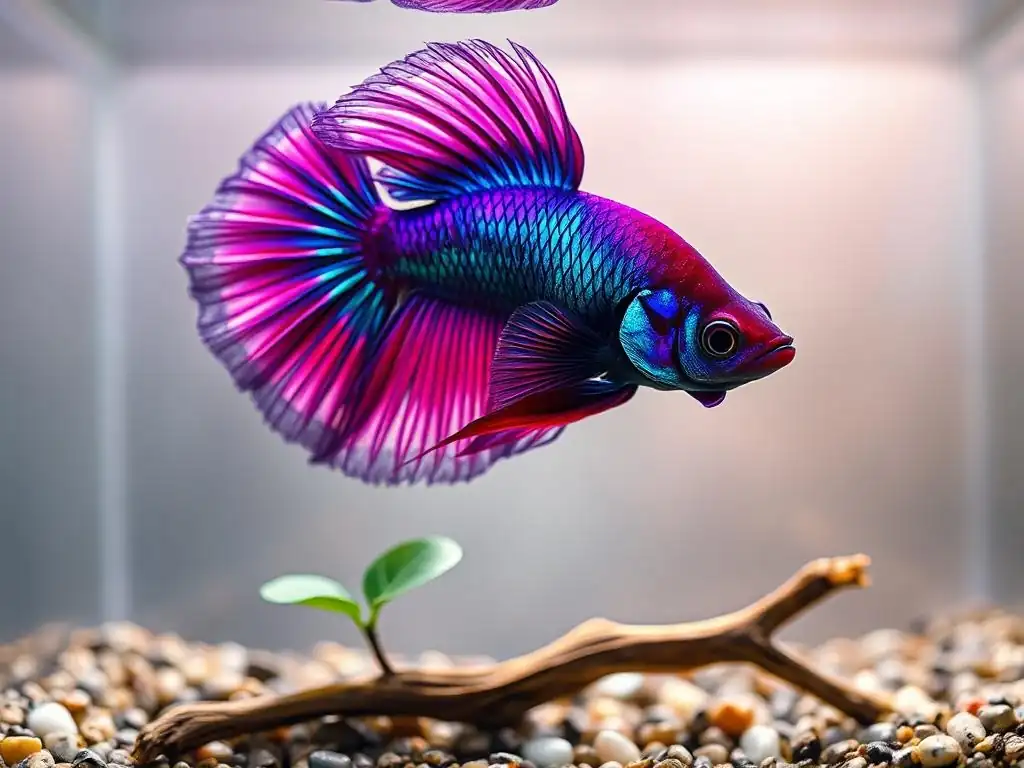
Selecting high-quality food is the cornerstone of a healthy betta diet and significantly reduces the need for frequent intervention with safe betta fish fasting. Betta fish are obligate carnivores, meaning their diet in the wild consists primarily of insects and larvae. Therefore, their captive diet should reflect this. Look for foods where the first few ingredients are animal-based proteins such as fish meal, shrimp meal, or spirulina. Avoid foods that list excessive fillers like corn, wheat, or soy as primary ingredients, as these are difficult for bettas to digest and offer little nutritional value.
Reputable brands often formulate specific betta pellets that are rich in protein (typically 35-45% crude protein or higher) and contain essential vitamins and minerals. Examples include Hikari Betta Bio-Gold, NorthFin Betta Bits, or Omega One Betta Buffet. While pellets form a good staple, a varied diet is even better. Supplementing with frozen or live foods like bloodworms, brine shrimp, or daphnia provides additional nutrients and enrichment, mimicking their natural feeding behaviors and contributing to overall health.
Establishing a Consistent Feeding Schedule
Establishing a consistent feeding schedule is vital for your betta's digestive health and helps ensure the effectiveness of any safe betta fish fasting routine. Betta fish thrive on predictability. Feeding them at roughly the same time each day, once or twice, helps their digestive system regulate and anticipates the arrival of food. For instance, feeding once in the morning and once in the evening, or just one larger meal in the evening, can work well depending on your schedule and the betta's appetite.
Consistency also helps prevent overfeeding, as you're less likely to "top off" the tank with food throughout the day. A regular schedule allows you to observe how much your betta eats and how quickly, helping you fine-tune portion sizes. Most adult bettas only require about 2-4 pellets per feeding, consumed within 2-3 minutes. This controlled, consistent approach is far superior to sporadic or random feeding times, which can lead to digestive upset and a tendency to overfeed.
Avoiding Overfeeding: Tips and Techniques
Avoiding overfeeding is perhaps the single most important aspect of maintaining a healthy betta and minimizing the need for reactive measures like extended safe betta fish fasting. The golden rule is to feed only what your betta can consume entirely within 2-3 minutes. For most adult bettas, this translates to a very small amount—typically 2 to 4 high-quality pellets, or an equivalent small pinch of flake food, once or twice a day. Remember, their stomach is only about the size of their eye.
To prevent overfeeding, consider these techniques: use a small measuring spoon for precise pellet counts, or a dedicated feeding dish/ring to contain the food and make it easier to remove uneaten portions. Always remove any uneaten food promptly, within five minutes, using a net or siphon, as decaying food quickly fouls the water. Some owners find it helpful to create a feeding calendar or use a daily reminder to ensure they don't accidentally double-feed. By consciously limiting portions and removing excess, you promote better digestion and prevent common issues like bloating and obesity.
Supplementing Your Betta's Diet (When Necessary)
While high-quality pellets form an excellent staple, supplementing your betta's diet with varied foods is crucial for providing a full spectrum of nutrients and keeping them engaged. This practice also supports the efficacy of safe betta fish fasting by ensuring a robust baseline diet. Live or frozen foods are excellent choices. Frozen bloodworms (Chironomid larvae) and brine shrimp are highly palatable and provide essential protein and fats. Offer these as a treat 2-3 times a week, in small quantities.
Daphnia (water fleas) are particularly beneficial for bettas prone to constipation or bloating. They act as a natural laxative due to their chitinous exoskeletons, aiding digestive motility. Offer a small amount of defrosted frozen daphnia after a fasting period or if you notice signs of digestive distress. Avoid over-reliance on freeze-dried foods, as they can expand significantly in the betta's stomach and contribute to bloat if not rehydrated before feeding. A varied diet not only boosts their health but also provides mental stimulation for your inquisitive betta.
Betta Fish Health and Fasting: Key Takeaways
The Importance of Responsible Betta Care
Responsible betta care extends far beyond just feeding them daily. It encompasses creating an optimal environment that supports their physical and mental well-being, of which safe betta fish fasting is just one component. This includes providing a suitably sized tank (minimum 5 gallons for a single betta) with proper filtration, a heater to maintain a consistent temperature between 78-82°F (25.5-27.8°C), and regular water changes to ensure pristine water quality (zero ammonia and nitrite, low nitrates).
Furthermore, responsible care involves enriching their environment with appropriate hiding spots, live or silk plants, and smooth decor to prevent fin damage. It also means understanding their specific dietary needs as carnivores and providing high-quality, varied foods in appropriate portions. A holistic approach that integrates all these elements is fundamental to ensuring your betta lives a long, healthy, and vibrant life, reducing the likelihood of common ailments.
Integrating Fasting into a Holistic Betta Health Plan
Integrating safe betta fish fasting into a comprehensive betta health plan is a proactive and preventative strategy, rather than just a reactive measure for when problems arise. Think of it as a regular maintenance step, similar to routine water changes or filter cleaning. By incorporating a weekly 24-hour fast, you are consistently giving your betta's digestive system the necessary rest, preventing the buildup of undigested food, and mitigating the risks of overfeeding and related issues like bloating and obesity.
This practice works synergistically with other aspects of good care, such as providing a high-quality, varied diet and maintaining excellent water parameters. When combined, these elements significantly reduce stress on the betta's internal organs, enhance their immune system, and contribute to overall vitality. A well-executed fasting routine is a testament to an informed aquarist's commitment to their betta's long-term health and resilience.
When to Consult a Veterinarian About Your Betta's Health
While safe betta fish fasting can resolve many minor digestive issues, it's crucial to know when a situation warrants professional veterinary attention. If your betta exhibits persistent bloating that does not resolve after a 72-hour fast, or if the bloating is accompanied by scales sticking out (the "pinecone" appearance indicative of dropsy), immediate veterinary consultation is essential. These symptoms often point to severe underlying organ failure or systemic infection that requires specialized medical intervention.
Other red flags include prolonged lethargy, significant loss of color, clamped fins for extended periods, rapid or labored breathing, unexplained lesions, or any unusual growths. If your betta's condition rapidly deteriorates, or if you are unsure about the cause of their symptoms despite your best efforts, seeking advice from an aquatic veterinarian is always the safest course of action. Early diagnosis and treatment can significantly improve your betta's prognosis and prevent further suffering.
Frequently Asked Questions
How often should I fast my betta fish?
It's generally recommended to fast your betta fish one day per week to help prevent bloating and digestive issues. This allows their digestive system to rest and process food more efficiently. Avoid fasting for multiple consecutive days unless specifically advised by a vet.
What are the benefits of fasting a betta fish?
Fasting can help prevent overfeeding, which is a common cause of health problems in bettas. It also allows their digestive system to clear out undigested food, reducing the risk of constipation and bloating, and can help with Swim Bladder Disease.
How do I know if my betta fish needs to be fasted?
Signs your betta might benefit from fasting include bloating, lethargy, and a lack of appetite. If you notice these symptoms, fasting for a day can sometimes help alleviate the issue. However, persistent symptoms require veterinary attention.
What do I do if my betta fish looks hungry during a fast?
It's normal for your betta to look for food, but resist the urge to feed them. Ensure there are no uneaten food particles in the tank. A single day of fasting is not harmful and is generally beneficial.
What if my betta fish is already underweight? Should I still fast it?
No, do not fast an underweight betta fish. Fasting is only recommended for healthy or slightly overweight bettas. Consult with a veterinarian about the best feeding plan for an underweight or sick fish before implementing any fasting regimen.
Okay, here's a final reflection designed to close your article, "Betta Fish Fasting: Benefits and How to Do It Safely," keeping in mind your keyword focus ("Safe betta fish fasting") and the structure you mentioned (which I'll assume includes information about the benefits of fasting, how to do it safely, and potential risks):
Final Reflection: The Balanced Ecosystem of Care
The principles of safe betta fish fasting, as we've explored, extend far beyond simply withholding food. They represent a deeper understanding of the delicate ecosystem within a fish tank and the responsibility we bear as caretakers to maintain that balance. Neglecting this understanding can lead to unforeseen health issues, highlighting the importance of informed and mindful practices in pet ownership.
This journey into betta fish fasting underscores the profound connection between our actions and the well-being of these captivating creatures. It reminds us that responsible pet ownership isn't just about providing sustenance, but about understanding their biological needs and adapting our care accordingly. The greatness of a nation and its moral progress can be judged by the way its animals are treated.
- Mahatma Gandhi. This quote, though broad, resonates deeply with the specific responsibility we have to our betta fish, urging us to prioritize their health and happiness.
Now, consider the lessons learned about moderation, observation, and the importance of understanding your betta's individual needs. How can you apply these principles to other areas of your life, fostering a more balanced and mindful approach to your own well-being and the care of other living beings? Embrace the knowledge you've gained and continue to learn and adapt, ensuring your betta fish thrives in a healthy and happy environment.
Rediscover Your Betta's Vitality!
Thanks for exploring the benefits of fasting your Betta fish! We hope you've gained a new perspective on maintaining their health and well-being. Now, let's put that knowledge into action.
Here's what you can do next:
- Carefully plan and execute your Betta's first 24-hour fast, observing their behavior closely before and after.
- Share this guide with other Betta enthusiasts to spread awareness about responsible fishkeeping.
- Brainstorm some enrichment activities for your Betta during their regular feeding schedule to keep them engaged.
What signs of improved health are you hoping to see in your Betta after implementing a fasting routine?