
Dealing with a Bully Cichlid: Intervention and Rehoming Strategies

Welcome to Aquarium Mastery!
Ever feel like your beautiful Cichlid tank has turned into a real-life soap opera? Discovering a bully among your finned friends can be incredibly frustrating, but don't despair! This article dives deep into Cichlid bullying intervention strategies, offering practical advice and solutions to restore peace and harmony to your underwater world. Intrigued? Let's explore the best ways to handle a troublemaker and create a thriving, balanced ecosystem. Keep reading to learn more!
- Understanding Mbuna Cichlid Aggression and Bullying Behavior
-
Frequently Asked Questions
- What are the primary signs of cichlid bullying that I should watch out for in my aquarium?
- What are some initial steps I can take to reduce cichlid bullying before considering rehoming?
- How does the size and shape of my aquarium affect cichlid aggression and bullying?
- What are some factors to consider when determining whether rehoming a bully cichlid is the best course of action?
- If I decide to rehome a bully cichlid, what are the best practices for finding it a suitable new home?
- Final Reflection: Finding Harmony in the Aquarium
- Claim Your Cichlid Harmony!
Understanding Mbuna Cichlid Aggression and Bullying Behavior
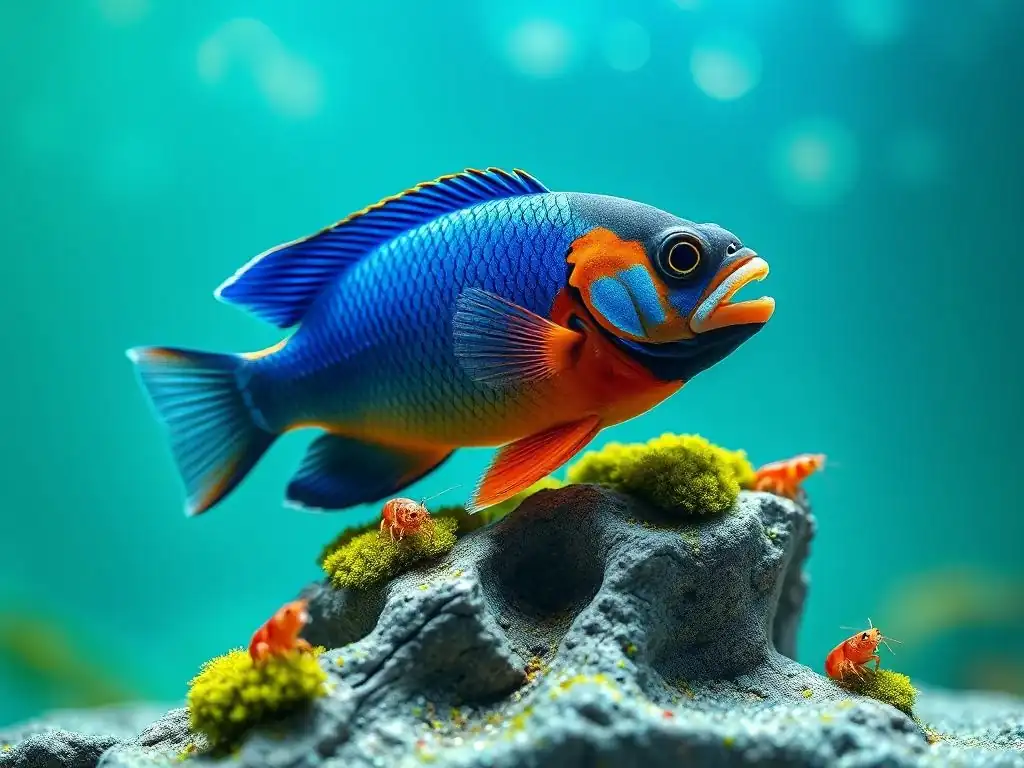
Identifying Bullying Behavior in Mbuna Tanks: Signs to Watch For
Identifying bullying behavior in Mbuna cichlids is crucial for timely Cichlid bullying intervention strategies. The signs can range from subtle behavioral cues to obvious physical damage. Common indicators include persistent chasing, fin nipping, and torn fins, which can lead to bacterial infections.
A bullied fish may exhibit faded coloration, rapid breathing, or clamped fins, all classic signs of chronic stress. Furthermore, the victim often appears withdrawn, hiding constantly behind rocks or plants, and may be reluctant to come out even during feeding times, leading to malnourishment and stunted growth. Observing these behaviors consistently over several hours or days, rather than isolated incidents, confirms a bullying problem.
Beyond physical and behavioral stress signals, a clear sign of bullying is the dominant fish preventing others from accessing resources. This includes monopolizing prime hiding spots, blocking access to food, or relentlessly chasing specific tank mates away from preferred areas.
For instance, a dominant male Melanochromis cyaneorhabdos (Maingano) might repeatedly corner a smaller male Labidochromis caeruleus (Yellow Lab), preventing it from feeding or resting. Such sustained aggression indicates an established bully and necessitates immediate Cichlid bullying intervention strategies to prevent severe injury or even death of the submissive fish, especially in tanks where the bullied fish constitutes less than 10% of the total biomass.
Common Causes of Mbuna Aggression: Overcrowding, Territory Disputes, and Species Compatibility
Mbuna cichlids are inherently territorial, and their aggression is often a direct response to suboptimal tank conditions. Overcrowding is a primary culprit; while paradoxically, a slightly overstocked tank can sometimes diffuse aggression by spreading it out, true overcrowding (e.g., keeping 20 adult Mbuna in a 40-gallon breeder tank) severely limits individual territory size. This lack of personal space leads to constant skirmishes and stress. Each Mbuna typically requires a minimum "personal bubble" of about 6-8 inches in diameter, and when this is compromised, aggression escalates rapidly, making Cichlid bullying intervention strategies a necessity.
Another significant factor is poor species compatibility. Mixing highly aggressive Mbuna species like Pseudotropheus lombardoi (Kenyi) or Melanochromis auratus with more docile species such as Iodotropheus sprengerae (Rusties) almost guarantees a bullying scenario. Even within the same genus, certain species are known for heightened intraspecific aggression, particularly between males. For example, multiple male Metriaclima estherae (Red Zebra) in a tank without sufficient females or space will often fight to the death. Understanding these species-specific traits is fundamental to preventing aggression and forms the basis for effective Cichlid bullying intervention strategies.
Specific Aggression Triggers in Mbuna Cichlids: Dominance Hierarchies and Spawning
Mbuna cichlids establish rigid dominance hierarchies within their communities, which is a natural aspect of their social structure. However, this hierarchy can quickly devolve into bullying, especially if there is an imbalance in male-to-female ratios or insufficient hiding places for submissive fish. The dominant male typically asserts control over the best territories and displays the most vibrant coloration, while submissive males may appear dull or stressed, often being chased relentlessly. This constant subjugation can lead to chronic stress, weakened immune systems, and susceptibility to diseases like bloat, underscoring the importance of timely Cichlid bullying intervention strategies.
Spawning behavior is another potent trigger for aggression in Mbuna tanks. When a male is ready to breed, he becomes intensely territorial, defending a chosen spawning site (often a flat rock or cave entrance) with fierce determination. He will relentlessly pursue females to entice them to spawn and will actively chase away any other fish that approaches his perceived territory.
Females, once they are mouthbrooding eggs or fry, can also become surprisingly aggressive, defending their brood from perceived threats. This temporary, breeding-related aggression can sometimes become persistent, especially if the tank is too small or lacks adequate visual breaks, necessitating specific Cichlid bullying intervention strategies tailored to the breeding cycle.
Frequently Asked Questions
What are the primary signs of cichlid bullying that I should watch out for in my aquarium?
The main signs include chasing, nipped fins, and hiding by the bullied fish. Also, look for a decrease in appetite or lethargic behavior.
What are some initial steps I can take to reduce cichlid bullying before considering rehoming?
First, increase hiding places with rocks and plants to break lines of sight. Next, rearrange the tank decorations to disrupt established territories. Finally, consider increasing the overall number of cichlids (if tank size allows) to dilute aggression.
How does the size and shape of my aquarium affect cichlid aggression and bullying?
A smaller tank with limited space encourages territorial disputes and bullying. A rectangular tank with clear boundaries can also exacerbate the problem, as it's easier to dominate.
What are some factors to consider when determining whether rehoming a bully cichlid is the best course of action?
Consider the severity of the bullying, the stress levels of the bullied fish, and whether other intervention strategies have failed. If the bullying is causing physical harm or death, rehoming is often the most humane option.
If I decide to rehome a bully cichlid, what are the best practices for finding it a suitable new home?
Contact local aquarium clubs, reputable fish stores, or online forums dedicated to cichlids. Be honest about the fish's behavior and ensure the new owner has experience with aggressive cichlids and a suitable setup.
Final Reflection: Finding Harmony in the Aquarium
The strategies outlined in this article, from careful observation to strategic rehoming, are more than just techniques for managing aggressive cichlids; they represent a broader lesson in fostering balance and harmony within any community. Just as a bully cichlid can disrupt the delicate ecosystem of an aquarium, unchecked aggression can poison human relationships and social structures. Understanding and implementing effective intervention strategies, whether in a tank or in life, is crucial for creating a thriving environment for all.
This journey into the world of cichlid behavior has underscored the importance of empathy and proactive problem-solving. Witnessing the impact of bullying, even in a miniature aquatic world, serves as a potent reminder of the responsibility we have to protect the vulnerable and promote peaceful coexistence. The greatness of a nation and its moral progress can be judged by the way its animals are treated.
- Mahatma Gandhi. This quote, though speaking of animals generally, resonates deeply with the ethical considerations involved in responsible fishkeeping and, indeed, in all our interactions.
Now, consider the lessons learned from these "Cichlid bullying intervention strategies." How can you apply the principles of observation, intervention, and rehoming – of recognizing imbalances and taking decisive action – to create more harmonious environments in your own life? Reflect on the dynamics of your relationships, your workplace, and your community. Are there situations where you can step in to protect the vulnerable, mediate conflict, or advocate for a more equitable distribution of resources? The power to foster harmony lies within each of us; let's use it wisely.
Claim Your Cichlid Harmony!
Thanks for diving deep into the world of cichlid dynamics! We hope this article has shed light on effective strategies for managing bullying behaviors and maintaining a peaceful aquarium. Now it's time to take action and create a thriving environment for your fish.
Here's what you can do next:
- Re-arrange your tank decorations today to disrupt the bully's established territory and create new hiding spots for the bullied.
- Explore alternative tank mates that can naturally temper aggression, such as larger, more robust fish that can hold their own.
- Share your experiences and strategies for dealing with aggressive cichlids in the comments section below - let's build a community of supportive aquarists!
What specific behavioral changes did you observe after implementing any of these strategies in your tank?