
Pearl Gourami Lifespan: Nurturing These Jewels for a Full Life

Welcome to Aquarium Mastery!
Ever wondered how to help your Pearl Gourami thrive, not just survive? Dive into our comprehensive guide on Pearl Gourami lifespan expectations and care, and unlock the secrets to nurturing these shimmering jewels for a long and fulfilling life. Discover everything you need to know, from tank setup and optimal water parameters to recognizing early signs of illness. Ready to give your Pearl Gourami the best possible life? Let's get started!
- Understanding Pearl Gourami Lifespan Expectations
- Creating the Ideal Habitat for a Long-Lived Pearl Gourami
- Pearl Gourami Care: Ensuring a Healthy and Happy Life
- Minimizing Stress to Maximize Pearl Gourami Lifespan
- Extending Pearl Gourami Lifespan: Advanced Care Tips
- Comparing Pearl Gourami Lifespan to Other Gourami Species
- Signs of Aging in Pearl Gouramis: What to Expect
- Maximizing Your Pearl Gourami's Quality of Life
- Conclusion: Providing the Best Possible Care for a Long and Healthy Pearl Gourami Life
-
Frequently Asked Questions
- What is the typical lifespan of a Pearl Gourami in a home aquarium?
- What are the most important factors affecting a Pearl Gourami's lifespan?
- What are some signs that a Pearl Gourami is nearing the end of its natural lifespan?
- How can I ensure my Pearl Gourami lives a long and healthy life?
- What diseases are Pearl Gouramis particularly susceptible to, and how can I prevent them?
- Final Reflection: Cherishing the Pearl's Enduring Beauty
- Embrace Your Pearl Gourami Journey!
Understanding Pearl Gourami Lifespan Expectations
Average Pearl Gourami Lifespan in Captivity
The average Pearl Gourami lifespan in a well-maintained home aquarium typically ranges from 4 to 6 years. However, with exceptional care and optimal conditions, some dedicated aquarists have reported their Pearl Gouramis living for up to 8 years, showcasing the potential for these beautiful fish to thrive for an extended period. This longevity is largely dependent on the environment provided and the genetic predisposition of the individual fish.
Compared to their wild counterparts, captive Pearl Gouramis often experience a longer, more stable life due to consistent food availability, absence of natural predators, and controlled environmental factors. However, poor water quality, inadequate nutrition, and chronic stress can significantly shorten their lives, sometimes reducing their Pearl Gourami lifespan to just 1-2 years. Therefore, understanding and implementing proper Pearl Gourami care is paramount to maximizing their time in your aquarium.
Factors Influencing Pearl Gourami Longevity
Several critical factors directly influence Pearl Gourami longevity. Primary among these is water quality, specifically the consistent maintenance of low levels of ammonia and nitrite, and manageable nitrate concentrations (ideally below 20 ppm). Fluctuations in pH or temperature can also induce stress, weakening their immune system and making them susceptible to disease, thereby reducing their potential Pearl Gourami lifespan.
Beyond water parameters, a balanced and nutritious diet, appropriate tank size, and compatible tank mates play significant roles. Chronic stress from aggression, overcrowding, or an unsuitable environment can suppress their immune response, leading to illness and premature death. Conversely, a stable, peaceful habitat with a varied diet, as part of comprehensive Pearl Gourami care, significantly enhances their chances of living a full and healthy life.
Creating the Ideal Habitat for a Long-Lived Pearl Gourami
Tank Size and Setup for Optimal Pearl Gourami Health
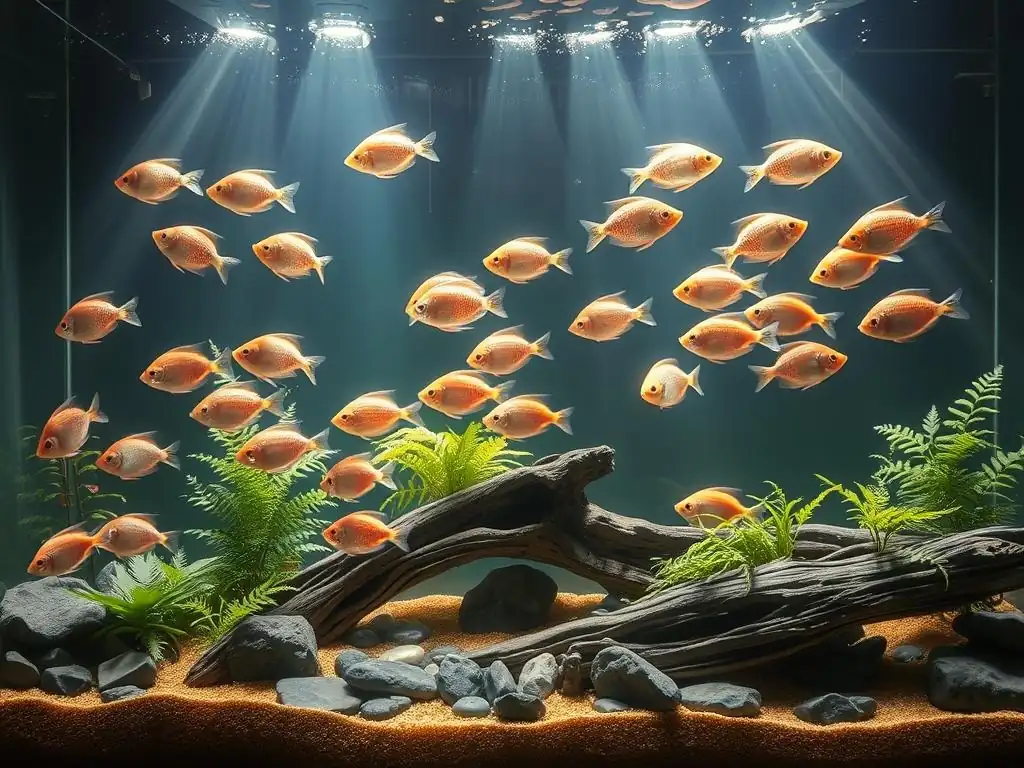
To ensure optimal Pearl Gourami health and a long Pearl Gourami lifespan, tank size is a crucial consideration. A single Pearl Gourami requires a minimum of a 20-gallon long aquarium to provide adequate swimming space and help maintain stable water parameters. For a pair or a small trio, a 30-gallon or larger tank is highly recommended. The larger volume of water in bigger tanks helps dilute waste products and prevents rapid fluctuations in water chemistry, creating a more stable environment for these labyrinth fish.
The physical setup of the tank should mimic their natural habitat, which includes densely planted areas and open swimming spaces. Dim lighting, often achieved with floating plants like Amazon Frogbit or Water Lettuce, helps reduce stress. Hiding spots, such as driftwood, smooth rocks, or ceramic caves, are essential for them to retreat when feeling shy or stressed. A well-structured environment contributes significantly to their overall well-being and extends their Pearl Gourami lifespan expectations.
Water Parameters and Quality for Extended Lifespan
Maintaining precise and stable water parameters is fundamental for an extended Pearl Gourami lifespan. These fish thrive in soft to moderately hard water with a pH range of 6.0 to 8.0, with an ideal range being 6.5 to 7.5. The water temperature should consistently be between 75-82°F (24-28°C). Sudden temperature drops or spikes can be highly detrimental, leading to stress and susceptibility to disease.
Beyond these parameters, pristine water quality is non-negotiable. Ammonia and nitrite levels must always be zero, as even trace amounts are highly toxic. Nitrate levels should be kept below 20 ppm through regular water changes and efficient filtration. Consistent monitoring with a reliable test kit is an essential part of Pearl Gourami care, allowing for immediate adjustments to prevent health issues that could shorten their life.
The Importance of a Planted Tank for Pearl Gouramis
A heavily planted tank is not merely aesthetically pleasing; it is vital for the well-being and extended Pearl Gourami lifespan. Live plants contribute significantly to water quality by absorbing nitrates and providing natural oxygenation, helping to maintain a healthier aquatic environment. Species like Java Fern, Anubias, Water Sprite, and various stem plants are excellent choices, offering both visual appeal and functional benefits.
Furthermore, plants provide crucial hiding spots and territories, which reduce stress and aggression, especially if keeping multiple Pearl Gouramis or other tank mates. The dense foliage mimics their natural habitat, making them feel secure and encouraging natural behaviors. This naturalistic setup greatly enhances their quality of life, directly impacting their Pearl Gourami lifespan expectations by fostering a calm and stable environment.
Pearl Gourami Care: Ensuring a Healthy and Happy Life
Proper Diet and Feeding Strategies for Pearl Gouramis
Proper nutrition is a cornerstone of robust Pearl Gourami care and essential for maximizing their lifespan. Pearl Gouramis are omnivores, and their diet should be varied to provide all necessary nutrients. A high-quality flake or small pellet food specifically formulated for tropical fish should serve as the staple, fed once or twice daily in small amounts that can be consumed within 2-3 minutes.
To supplement their staple diet, offer live or frozen foods 2-3 times per week. Excellent options include bloodworms, brine shrimp, daphnia, and small pieces of finely chopped earthworms. These protein-rich foods not only provide essential nutrients but also offer enrichment, stimulating their natural foraging behaviors. Overfeeding should be avoided, as it can lead to digestive issues, obesity, and contribute to poor water quality, all of which negatively impact the Pearl Gourami lifespan.
Recognizing and Treating Common Pearl Gourami Diseases
Early recognition and prompt treatment of common Pearl Gourami diseases are critical to preventing severe health decline and ensuring a long Pearl Gourami lifespan. Common ailments include Ich (white spot disease), Fin Rot, and Columnaris. Symptoms of Ich include small, white spots resembling salt grains on the body and fins. Fin Rot manifests as frayed or disintegrating fins, often with a milky edge. Columnaris, a bacterial infection, can appear as cotton-like growths or mouth rot.
Prevention is key: a robust quarantine process for new fish (e.g., 2-4 weeks in a separate tank) and maintaining impeccable water quality are the best defenses. If disease strikes, isolate the affected fish if possible and treat with appropriate medications following manufacturer instructions. For instance, Ich can often be treated with elevated temperatures and specific Ich medications, while Fin Rot requires antibiotic or antifungal treatments. Swift action significantly improves prognosis and protects the fish's overall health and longevity.
Maintaining Pristine Water Conditions for Gourami Well-being
Consistent maintenance of pristine water conditions is arguably the most vital aspect of Pearl Gourami care for their long-term well-being and extended lifespan. This involves performing regular partial water changes, typically 25-30% of the tank volume weekly. When performing water changes, use a gravel vacuum to remove uneaten food and waste trapped in the substrate, which are major sources of ammonia and nitrates. Always use a dechlorinator to neutralize chlorine and chloramines in tap water.
In addition to water changes, regular filter maintenance is crucial. Rinse filter media (sponges, ceramic rings) in old tank water during water changes to preserve beneficial bacteria. Avoid cleaning filter media under tap water, as the chlorine can kill these essential bacteria, leading to a mini-cycle. A clean, efficient filtration system combined with regular water changes creates a stable, healthy environment that directly contributes to the Pearl Gourami lifespan expectations.
Minimizing Stress to Maximize Pearl Gourami Lifespan
Choosing Compatible Tank Mates for Pearl Gouramis
Minimizing stress is paramount for maximizing the Pearl Gourami lifespan, and selecting compatible tank mates is a major component of this. Pearl Gouramis are generally peaceful and shy fish, making them susceptible to stress from aggressive or overly boisterous tank mates. Ideal companions include other peaceful, similarly sized community fish that do not nip fins or compete aggressively for food.
Good examples of compatible tank mates include peaceful schooling fish such as Neon Tetras, Cardinal Tetras, Harlequin Rasboras, and small bottom dwellers like Corydoras catfish or Otocinclus. Avoid fin-nipping species like Tiger Barbs, and refrain from housing Pearl Gouramis with significantly larger or highly aggressive fish like Cichlids (unless very specific, peaceful dwarf species). While multiple Pearl Gourami males can be kept in very large, heavily planted tanks, aggression can occur, particularly in smaller setups, which can severely impact their Pearl Gourami lifespan.
Avoiding Overcrowding and Maintaining a Peaceful Environment
Overcrowding is a significant stressor that can drastically shorten the Pearl Gourami lifespan. A crowded tank leads to increased waste production, making it difficult to maintain stable water parameters, even with diligent Pearl Gourami care. Furthermore, it often results in heightened aggression among fish as they compete for limited space, food, and hiding spots.
Maintaining a peaceful environment is crucial. Ensure each fish has enough personal space and access to hiding spots. For Pearl Gouramis, this means adhering to the recommended tank sizes (e.g., 20 gallons for one, 30+ for a pair/trio) and avoiding the temptation to add too many fish. A well-spaced, naturally decorated aquarium allows Pearl Gouramis to exhibit their natural behaviors without constant stress, promoting a longer and healthier life.
Regular Tank Maintenance and Water Changes
Regular tank maintenance, particularly consistent water changes, is foundational to minimizing stress and ensuring a long Pearl Gourami lifespan. While touched upon earlier, its role in stress reduction cannot be overstated. A stable environment, free from fluctuating water parameters, directly translates to reduced physiological stress on the fish. This consistency is achieved through a disciplined maintenance schedule.
Performing weekly water changes of 25-30% of the tank's volume, coupled with gravel vacuuming, prevents the buildup of harmful nitrates and other pollutants. This proactive approach avoids the "crash" scenarios that often occur in neglected tanks, which are highly stressful and often fatal for fish. A predictable and clean environment is a key aspect of optimal Pearl Gourami care, allowing these fish to thrive and reach their full Pearl Gourami lifespan expectations.
Extending Pearl Gourami Lifespan: Advanced Care Tips
Implementing a Quarantine Process for New Fish
One of the most effective advanced care tips for extending your Pearl Gourami lifespan, and indeed the lifespan of all your aquarium inhabitants, is to implement a strict quarantine process for all new fish. A separate quarantine tank, typically a 10-20 gallon bare-bottom tank with a filter and heater, should be used to house new arrivals for a period of 2 to 4 weeks. This allows for observation and treatment of any potential diseases without exposing your main display tank.
During the quarantine period, observe the new fish daily for signs of illness such as white spots (Ich), clamped fins, labored breathing, or abnormal swimming. If disease is detected, it can be treated in the quarantine tank, preventing the spread of pathogens to your established fish. This preventative Pearl Gourami care measure significantly reduces the risk of widespread illness, protecting the health and longevity of your entire aquatic community.
Using Water Conditioners and Supplements Wisely
While essential for tap water, the wise use of water conditioners and supplements can further support an extended Pearl Gourami lifespan. A high-quality water conditioner is absolutely necessary to neutralize chlorine, chloramines, and heavy metals present in tap water before it's added to the aquarium. Some conditioners also include beneficial additives like aloe vera to protect fish slime coats.
Beyond basic conditioners, consider products that enhance water quality naturally, such as blackwater extracts containing humic substances. These can help mimic the soft, slightly acidic water conditions found in many Gourami's natural habitats, potentially reducing stress and boosting their immune system. However, avoid over-reliance on chemical supplements; a balanced ecosystem achieved through excellent husbandry and regular Pearl Gourami care is always superior to quick fixes from bottles.
Monitoring for Early Signs of Illness and Disease
Vigilant daily monitoring for early signs of illness and disease is a proactive advanced care tip that can dramatically extend the Pearl Gourami lifespan. By observing your fish closely each day, you can detect subtle changes in behavior or appearance that might indicate the onset of a health issue, allowing for immediate intervention. Look for changes in swimming patterns (e.g., erratic swimming, listlessness), appetite (refusal to eat, spitting out food), or color (fading, darkening).
Physical signs to watch for include white spots, frayed fins, bloating, sunken bellies, cloudy eyes, or visible lesions. Early detection of issues like Ich, bacterial infections, or parasitic infestations allows for prompt and targeted treatment, which is significantly more effective than waiting until the disease is advanced. This attentive level of Pearl Gourami care can often mean the difference between recovery and succumbing to illness, thereby maximizing their potential lifespan.
Comparing Pearl Gourami Lifespan to Other Gourami Species
Lifespan Differences Between Pearl Gouramis and Dwarf Gouramis
When comparing the Pearl Gourami lifespan to that of other popular Gourami species, a notable difference exists with Dwarf Gouramis (Colisa lalia). While Pearl Gouramis typically live 4-6 years, potentially up to 8, Dwarf Gouramis often have a shorter average lifespan, usually ranging from 2 to 4 years. This disparity is partly attributed to the inherent robustness of Pearl Gouramis and, unfortunately, the susceptibility of Dwarf Gouramis to a specific ailment known as Dwarf Gourami Disease (DGD), or iridovirus, which is highly contagious and often fatal.
Pearl Gouramis are generally considered hardier and less prone to widespread species-specific diseases than their smaller cousins, provided they receive appropriate Pearl Gourami care. The longer Pearl Gourami lifespan expectations reflect their resilience when kept in optimal conditions, making them a more reliable long-term inhabitant for many aquarists compared to the often more delicate Dwarf Gourami.
Exploring the Longevity of Other Popular Gourami Varieties
Beyond Dwarf Gouramis, other popular Gourami varieties also exhibit varying lifespans. For instance, the large and charismatic Kissing Gouramis (Helostoma temminckii) can be quite long-lived, often reaching 5-7 years, and sometimes over 10 years in very large, well-maintained tanks. Blue Gouramis or Three Spot Gouramis (Trichopodus trichopterus) generally share a similar Pearl Gourami lifespan, typically living for 4-6 years under good care.
The longevity of any Gourami species, while influenced by genetics, is overwhelmingly determined by the quality of their environment and the consistency of their care. Species-specific requirements regarding tank size, water parameters, diet, and social dynamics all play a role. Ultimately, regardless of the Gourami variety, dedicated and informed care—much like the detailed Pearl Gourami care outlined here—is the most significant factor in allowing these fascinating fish to live out their full potential lifespan.
Signs of Aging in Pearl Gouramis: What to Expect
Changes in Appearance and Behavior
As Pearl Gouramis approach the later stages of their lifespan, typically after 4-5 years, subtle changes in their appearance and behavior may become noticeable. Their vibrant "pearl" spotting might appear less distinct, and their overall coloration could fade slightly, becoming duller. The fins, particularly the ventral fins, might show signs of wear or slight fraying, and in some cases, a very subtle curvature of the spine might develop.
Behaviorally, older Pearl Gouramis often become less active and more sedentary. They may spend more time resting near the bottom or in sheltered areas of the tank, showing less interest in exploring. Their movements might appear slower and more deliberate compared to the active, graceful swimming of younger individuals. These changes are a natural part of their Pearl Gourami lifespan journey, indicating the onset of senescence.
Decreased Activity Levels and Feeding Habits
A significant sign of aging in Pearl Gouramis is a noticeable decrease in their overall activity levels. They may swim less frequently, show reduced curiosity, and interact less with their tank mates or their environment. This reduced energy expenditure is a common aspect of aging in many aquatic species, reflecting a general slowing down of metabolic processes as they near the end of their Pearl Gourami lifespan.
Furthermore, changes in feeding habits are common. Older Pearl Gouramis might show a decreased appetite, take longer to finish their food, or even occasionally refuse meals. They may also become less competitive during feeding times, potentially needing food placed directly in front of them to ensure they get enough. Adjusting their diet to softer, easily digestible foods and monitoring their weight closely are important aspects of senior Pearl Gourami care.
Maximizing Your Pearl Gourami's Quality of Life
Providing Enrichment and Stimulation
Even as Pearl Gouramis age, providing enrichment and stimulation is crucial for maximizing their quality of life throughout their lifespan. A well-structured tank with varied decor, such as different types of plants, driftwood, and smooth rocks, offers new areas to explore and interact with. Gently varying the tank's layout occasionally (e.g., rearranging a few plants) can also provide novel stimuli without causing undue stress.
Live foods, offered occasionally, can also serve as excellent enrichment, encouraging natural hunting and foraging behaviors. Ensuring a gentle water flow and appropriate lighting conditions that mimic natural daylight cycles further contributes to their psychological well-being. A stimulating environment helps prevent boredom and promotes natural behaviors, ensuring that even in their senior years, Pearl Gouramis remain engaged and content, contributing to a full Pearl Gourami lifespan.
Ensuring Proper Care During Their Senior Years
As Pearl Gouramis enter their senior years, ensuring proper, tailored care becomes even more critical to support their declining faculties and maintain their quality of life. Closer monitoring for health issues is paramount, as older fish are often more susceptible to diseases and take longer to recover. Adjustments to their diet, such as offering smaller, more frequent meals of softer, easily digestible foods, may be necessary if their appetite wanes.
It's also important to ensure their environment remains calm and stable. If tank mates become too boisterous or aggressive, consider rehoming them or the Pearl Gourami to a more peaceful setup. Maintaining impeccable water quality is non-negotiable, as older fish are less tolerant of fluctuations. Providing a comfortable, low-stress environment allows senior Pearl Gouramis to live out their remaining time with dignity and comfort, truly maximizing their Pearl Gourami lifespan.
Conclusion: Providing the Best Possible Care for a Long and Healthy Pearl Gourami Life
Frequently Asked Questions
What is the typical lifespan of a Pearl Gourami in a home aquarium?
Pearl Gouramis typically live for 4 to 5 years in a well-maintained aquarium. However, with optimal care and conditions, they can sometimes live even longer.
What are the most important factors affecting a Pearl Gourami's lifespan?
Key factors include water quality, a balanced diet, and a stress-free environment. Consistent maintenance and attention to their specific needs are crucial.
What are some signs that a Pearl Gourami is nearing the end of its natural lifespan?
Signs may include decreased activity, loss of appetite, and fading coloration. They may also become more susceptible to disease.
How can I ensure my Pearl Gourami lives a long and healthy life?
Provide a spacious, planted tank with stable water parameters. Offer a varied diet of high-quality foods and monitor for any signs of illness.
What diseases are Pearl Gouramis particularly susceptible to, and how can I prevent them?
Pearl Gouramis can be prone to Ich (white spot disease) and bacterial infections. Maintaining clean water and quarantining new fish are important preventative measures.
Final Reflection: Cherishing the Pearl's Enduring Beauty
The journey of understanding the Pearl Gourami lifespan is more than just learning about fishkeeping; it's about recognizing the responsibility we undertake when bringing these living jewels into our care. The insights shared throughout this article highlight the crucial role proper care, optimal environment, and mindful attention play in ensuring these delicate creatures thrive and reach their full potential. Neglecting these aspects not only shortens their lifespan but also diminishes the joy and wonder they bring to our lives.
The delicate beauty and peaceful nature of the Pearl Gourami have captivated aquarists for generations. This enduring appeal underscores the importance of responsible fishkeeping and a commitment to providing the best possible life for these fascinating creatures. Their presence in our homes serves as a constant reminder of the intricate balance of nature and our role in preserving it. The greatness of a nation and its moral progress can be judged by the way its animals are treated.
- Mahatma Gandhi. This quote resonates deeply when considering the ethical implications of keeping any animal, including the Pearl Gourami, and compels us to strive for excellence in their care.
As you reflect on the information presented, consider how you can apply these principles not only to the care of Pearl Gouramis but also to all aspects of your life. Let the dedication and attention to detail required for nurturing these fish inspire you to cultivate a deeper appreciation for the natural world and to embrace the responsibility that comes with caring for another living being. Strive to be a steward of life, enriching the world around you, one Pearl Gourami, one action, at a time.
Embrace Your Pearl Gourami Journey!
Thank you for diving into the world of Pearl Gouramis! We hope you've gained valuable insights into ensuring a long and fulfilling life for these captivating fish. Now, it's time to translate that knowledge into action and deepen your connection with these aquatic gems.
- Dedicate 15 minutes this week to meticulously assessing your Pearl Gourami's current environment. Evaluate tank parameters, plant cover, and the overall tranquility of their home.
- Share a photo of your Pearl Gourami's habitat on your favorite aquarium forum, along with a brief description of your care routine, to inspire fellow enthusiasts and learn from their experiences.
- Consider adding a unique, floating plant to your tank to provide extra shade and a sense of security for your Pearl Gourami – think outside the box!
What's one small change you'll implement today to enhance your Pearl Gourami's quality of life?