
The Secret Social Lives of Apistogramma: Harems & Hierarchies

Welcome to Aquarium Mastery!
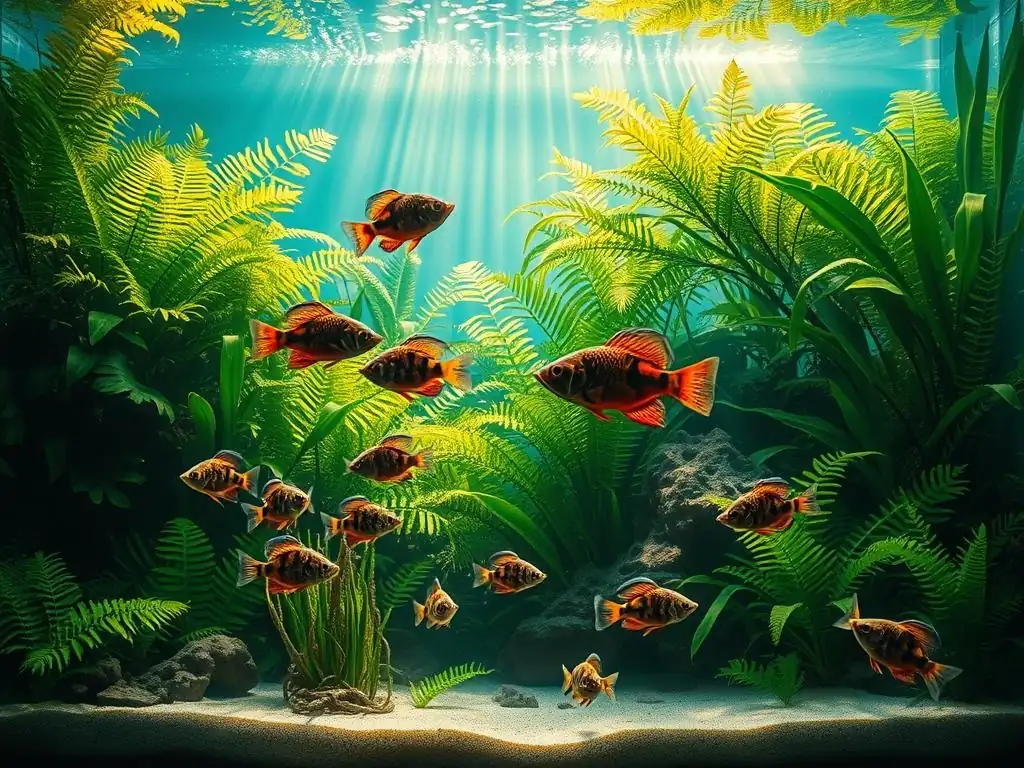
Ever wondered what really goes on in your Apistogramma tank? Dive into the fascinating world of these vibrant fish as we uncover their surprising social dynamics. Prepare to be amazed as we reveal the Apistogramma social behavior secrets that will transform the way you understand, and care for, your finned friends. Intrigued? Let's explore the hidden harems and pecking orders shaping their underwater lives...
- The Social Lives of Apistogramma cacatuoides: Harems & Hierarchies
- Unveiling Apistogramma cacatuoides Social Behavior in the Aquarium
- Apistogramma cacatuoides Harems: The Foundation of Their Social Structure
- Decoding Apistogramma cacatuoides Hierarchy: Dominance and Submission
- Apistogramma cacatuoides Social Interactions: Beyond Harems and Hierarchies
- Creating a Harmonious Apistogramma cacatuoides Community Tank
- Managing Aggression in Apistogramma cacatuoides Social Groups
- Other Apistogramma Species: A Brief Comparison
- Factors Influencing Apistogramma cacatuoides Social Behavior
- Advanced Apistogramma cacatuoides Social Management: Promoting Healthy Interactions
- Troubleshooting Common Apistogramma cacatuoides Social Issues
- Mastering Apistogramma cacatuoides Social Dynamics for a Thriving Aquarium
- Resources for Further Learning About Apistogramma cacatuoides Social Life
-
Frequently Asked Questions
- How do Apistogramma typically organize themselves in a social structure?
- What is the role of a dominant male Apistogramma within a social group?
- How does water chemistry impact the social behavior of Apistogramma?
- Are Apistogramma always compatible with other fish species in a community aquarium?
- What are some common signs of stress or aggression in Apistogramma social interactions?
- Final Reflection: Unveiling the Intricacies of Apistogramma Society
- Unveil the Secrets: Transform Your Apisto Aquarium!
Apistogramma cacatuoides, commonly known as the Cockatoo Dwarf Cichlid, are renowned for their striking colors and intricate social interactions within the aquarium environment. Originating from slow-moving blackwater rivers and streams in the Amazon basin of South America, these fish have evolved complex social dynamics that are fascinating to observe. Understanding these Apistogramma social behavior secrets is paramount for aquarists aiming to provide a thriving habitat that mimics their natural conditions, ensuring their well-being and natural expression of behavior.
Unlike many schooling fish, Apistogramma cacatuoides exhibit more nuanced social structures centered around territory, breeding, and hierarchical dominance. Their typical lifespan of 3 to 5 years in a well-maintained aquarium allows ample opportunity to witness the full spectrum of their social repertoire. These behaviors include elaborate courtship rituals, territorial disputes, and the subtle communication of dominance and submission, all of which contribute to the unique appeal of keeping these beautiful dwarf cichlids.
Exploring the Male-Female Ratio in Apistogramma cacatuoides Harems
The social structure of Apistogramma cacatuoides is inherently polygamous, meaning one male typically maintains a territory encompassing the domains of multiple females. The most successful and recommended male-to-female ratio for a stable harem in an aquarium is usually one male to two or three females (1:2 or 1:3). This arrangement allows the male to distribute his attention and, more importantly, any potential aggression across several partners, significantly reducing stress on any single female and promoting natural Apistogramma social behavior secrets.
An imbalanced ratio can lead to significant issues. For instance, a single male paired with just one female often results in the female being constantly harassed, especially during non-breeding periods or if she is not receptive. Conversely, introducing too many males into a confined space without adequate territory can lead to intense, often fatal, territorial battles. A 20-gallon long aquarium, for example, can comfortably house one male and two females, allowing each female a distinct corner or cave to call her own.
Benefits and Challenges of Maintaining Apistogramma cacatuoides Harems in Aquariums
Maintaining Apistogramma cacatuoides in a harem setup offers numerous benefits that closely replicate their natural social dynamics. This structure encourages more natural behaviors, including elaborate courtship displays, complex inter-female interactions, and a higher likelihood of successful breeding cycles. By spreading the male's attention, the overall stress levels within the group are generally lower, leading to healthier fish and more vibrant displays of their natural Apistogramma social behavior secrets.
However, this approach is not without its challenges. The primary difficulty lies in managing potential aggression, particularly among females vying for the most desirable breeding territories or when a female is unresponsive to the male's advances. Adequate tank size and abundant, strategically placed hiding spots are absolutely crucial to mitigate these issues. For example, a 30-gallon tank with dense planting, driftwood, and multiple ceramic caves provides sufficient cover and visual barriers to allow multiple females to establish their own safe zones, reducing direct confrontation.
Decoding Apistogramma cacatuoides Hierarchy: Dominance and Submission
Identifying Dominant and Submissive Behaviors in Apistogramma cacatuoides
Within an Apistogramma cacatuoides group, a clear hierarchy quickly establishes itself, with the male typically being the dominant figure. Dominant behaviors include flaring fins, intense color displays (especially the male's vibrant yellow and black markings), chasing, and body posturing to appear larger. A dominant male might also claim the most prominent or secure hiding spot. These are key Apistogramma social behavior secrets that signal status within the group.
Conversely, submissive behaviors are characterized by muted colors, clamped fins, retreating to hiding places, and avoiding direct eye contact or confrontation with the dominant fish. Females, while establishing their own pecking order, will generally display submissive postures towards the male, especially when not actively breeding. Recognizing these subtle cues is vital for aquarists to assess the overall health and stress levels of their Apistogramma cacatuoides community.
Territory plays an indispensable role in defining the social hierarchy of Apistogramma cacatuoides. Each female will attempt to establish her own small territory, usually centered around a cave or dense plant cluster, which becomes her breeding site and refuge. The male's territory encompasses these female territories, and he will actively defend it against perceived threats, including other males or overly aggressive females.
The availability and quality of suitable territories directly influence the stability of the social structure. In an aquarium lacking sufficient hiding spots or distinct territories, conflicts will intensify as fish are forced into closer proximity. For instance, in a 20-gallon tank, providing at least three distinct caves or dense plant clumps for two females and one male can drastically reduce stress and aggression, allowing each fish to feel secure within its defined space.
Apistogramma cacatuoides Communication: Body Language and Color Changes
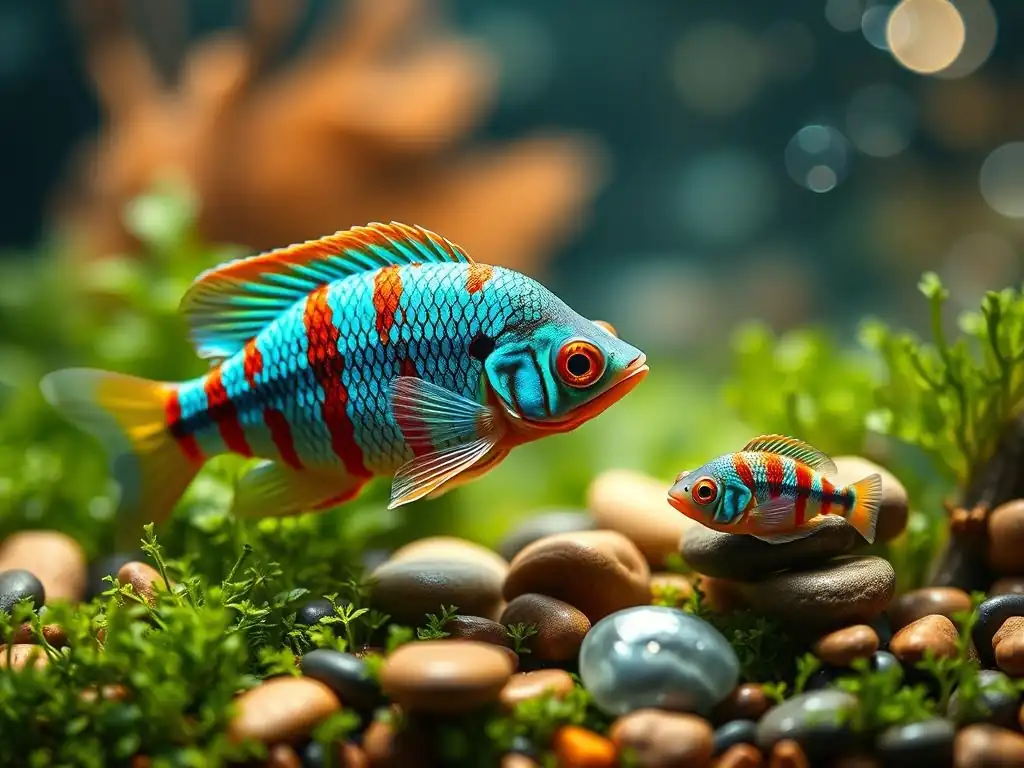
Apistogramma cacatuoides communicate primarily through an intricate combination of body language and rapid color changes, revealing many Apistogramma social behavior secrets. When a male is displaying aggression or courtship, his colors intensify dramatically, particularly the vibrant red-orange on his caudal fin and the distinct black lateral stripe. His fins will flare, and he might perform a "shiver" or "dance" to attract a female.
Conversely, stressed or submissive fish will exhibit faded colors, often appearing pale or dull, and keep their fins clamped close to their bodies. A female ready to spawn will display a bright yellow body coloration, often with prominent black markings, indicating receptiveness. Observing these subtle yet profound changes provides critical insight into their current social state and interactions.
Breeding behavior is a central aspect of Apistogramma cacatuoides social dynamics, profoundly influencing their interactions. Once a female selects a breeding site, typically a small cave or a hollow in driftwood, she becomes highly territorial, guarding it fiercely. The male will then court her, often with elaborate displays, until she accepts his presence in her territory.
After spawning, the female takes primary responsibility for egg and fry care, becoming intensely protective. The male's role shifts; he guards the perimeter of the female's territory, fending off intruders. Sometimes, if the tank is large enough and other females are present, he might attempt to breed with another female while the first is still raising fry, showcasing the dynamic nature of their Apistogramma social behavior secrets within the harem structure.
Creating a Harmonious Apistogramma cacatuoides Community Tank
For optimal Apistogramma social interaction and to minimize aggression, tank size and intelligent aquascaping are crucial. A minimum tank size of 20 gallons (approximately 75 liters) is recommended for a single male and two females, though larger tanks, such as 30 gallons (113 liters) or more, are ideal for a larger harem or a community setup. The additional space allows for distinct territories and reduces encounters.
Aquascaping should focus on providing ample hiding places and visual barriers. This includes dense live plants like Java Fern or Anubias, driftwood pieces forming caves or crevices, and ceramic caves. Arrange these elements to break up sight lines, allowing subdominant fish to retreat and feel secure. For example, placing a large piece of driftwood centrally with plants around it can create multiple secluded zones.
Choosing Compatible Tank Mates for Apistogramma cacatuoides
Selecting appropriate tank mates is essential for a harmonious Apistogramma cacatuoides community tank, as their Apistogramma social behavior secrets can be easily disrupted by unsuitable companions. Ideal tank mates are peaceful, mid-water schooling fish that do not compete for bottom territory. Examples include small tetras like Neon Tetras or Ember Tetras, small rasboras such as Harlequin Rasboras, and peaceful schooling Pencilfish.
Avoid aggressive or fin-nipping fish, as well as very large or boisterous species that could intimidate or injure your Apistogramma. Bottom-dwelling fish that are too large or territorial, such as some larger catfish species, should also be avoided as they may compete for the same vital space and resources, leading to stress and conflict for the Apistogramma.
Identifying and Addressing Aggression Issues in Apistogramma cacatuoides
Aggression in Apistogramma cacatuoides, while a natural part of their Apistogramma social behavior secrets, can become problematic if it leads to constant stress, injury, or death. Signs of excessive aggression include persistent chasing, fin nipping, faded colors in the targeted fish, reluctance to feed, and visible physical damage like torn fins. Often, a single female may become the target of male or other female aggression if she is perceived as weaker or encroaching on territory.
Addressing aggression often involves evaluating the current tank setup. If aggression persists, consider increasing the number of hiding spots, rearranging the aquascape to break up territories, or even increasing the tank size if possible. Sometimes, temporarily removing the most aggressive fish (e.g., the dominant male) for a few days can help reset the hierarchy upon reintroduction, though this is a short-term solution.
Providing Hiding Places and Visual Barriers to Reduce Stress
Providing an abundance of hiding places and visual barriers is arguably the most effective strategy for mitigating aggression and reducing stress in Apistogramma cacatuoides. These elements allow less dominant or targeted fish to escape confrontation and establish their own secure zones. Without adequate cover, submissive fish have no refuge, leading to chronic stress and a weakened immune system.
Examples of effective hiding places include ceramic caves, coconut shells, small clay pots, and intricate driftwood structures with numerous crevices. Dense planting, particularly stem plants or broad-leafed plants that create shaded areas, also serves as excellent visual barriers. For a 30-gallon tank, aim for at least 5-7 distinct hiding spots spread throughout the lower and mid-levels of the aquarium, ensuring each female has multiple options.
Other Apistogramma Species: A Brief Comparison
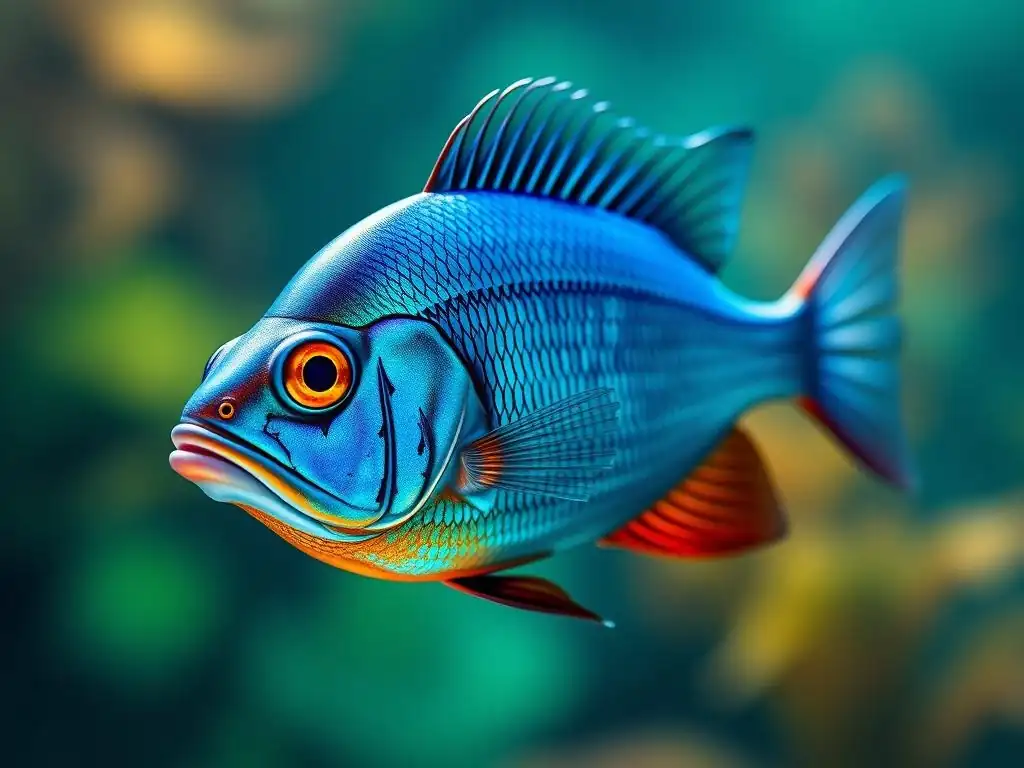
While Apistogramma agassizii share the haremic tendencies of A. cacatuoides, their Apistogramma social behavior secrets often lean towards being slightly more aggressive, particularly the males. A. agassizii males can be more territorial and less tolerant of other males, even in larger tanks. For this reason, a single male with multiple females is almost always recommended, even more so than with A. cacatuoides.
Their territorial defense can extend to other bottom-dwelling fish more readily than A. cacatuoides. While A. cacatuoides might primarily focus aggression on conspecifics, A. agassizii might chase other peaceful bottom dwellers if they encroach too closely on their established breeding territory. Therefore, tank mate selection for A. agassizii requires even more careful consideration regarding shared bottom space.
Apistogramma borellii, often known as the "Umbrella Apisto," typically exhibits a more peaceful disposition compared to both A. cacatuoides and A. agassizii. Their Apistogramma social behavior secrets often involve less overt aggression, and they are generally more tolerant of other peaceful bottom-dwelling fish. While still haremic, the male's territoriality is usually less intense, and inter-female aggression can also be less pronounced.
This species is often considered a better choice for smaller community tanks (e.g., 15-20 gallons) where space is more limited, as their reduced aggression allows for a more tranquil environment. However, they still require ample hiding spots and well-defined territories for females, even if the disputes are less volatile than with their more boisterous cousins.
Water quality plays a profound role in influencing the Apistogramma social behavior secrets of A. cacatuoides. Pristine water conditions, with stable parameters, are crucial for their overall health and disposition. High levels of ammonia, nitrite, or nitrate can cause significant stress, leading to suppressed immune systems and increased aggression or extreme timidity. For example, nitrates should ideally be kept below 20 ppm.
Consistent water parameters, including a slightly acidic pH (typically 6.0-7.0) and soft water (GH 2-8 dGH), replicate their natural habitat and promote natural behaviors, including breeding. Sudden fluctuations in temperature or pH can cause stress, leading to erratic social interactions, including heightened aggression or lethargy. Regular small water changes (e.g., 20-25% weekly) are essential to maintain stable, high-quality water.
A balanced and varied diet is fundamental to the health and natural expression of Apistogramma social behavior secrets. Malnourished or underfed fish can become listless, aggressive, or overly territorial as they compete for limited resources. A diet rich in protein, consisting of high-quality flakes, pellets, and a variety of live or frozen foods, ensures optimal health and vigor.
Live foods such as brine shrimp, daphnia, bloodworms, and blackworms are particularly beneficial. They not only provide essential nutrients but also stimulate natural hunting behaviors, which can contribute to a more active and engaged social group. For instance, feeding live blackworms a few times a week can significantly boost their vitality and reduce stress-related aggression.
Understanding the social development of Apistogramma cacatuoides fry is crucial for successful breeding and raising. In the early stages, the fry remain closely with the female, who provides intense parental care, aggressively defending them from all perceived threats, including the male if he comes too close. This strong maternal bond is a key Apistogramma social behavior secret.
As the fry grow, typically around 3-4 weeks post-hatch, they begin to explore further from the female's immediate vicinity. At this point, the female's protective instincts may wane, and the fry will start to develop their own rudimentary social interactions, often schooling together for safety. It's important to provide ample micro-hiding spots (e.g., fine-leafed plants) for the fry as they become more independent.
Introducing New Apistogramma cacatuoides to an Established Group
Introducing new Apistogramma cacatuoides to an established group can be challenging due to their territorial nature and existing Apistogramma social behavior secrets. The established fish, particularly the dominant male and females, will likely view newcomers as intruders. To maximize success, it's often best to add multiple new fish (e.g., two females) simultaneously to diffuse aggression.
Rearranging the aquascape just before introduction can help by disrupting existing territories, forcing all fish to re-establish their domains. This "resets" the social hierarchy to some extent. Ensure ample hiding spots are available for the new arrivals. Observe closely for several days, and be prepared to remove any fish that shows excessive or persistent aggression, such as constant chasing or fin nipping for more than 24 hours.
Dealing with Overly Aggressive Apistogramma cacatuoides
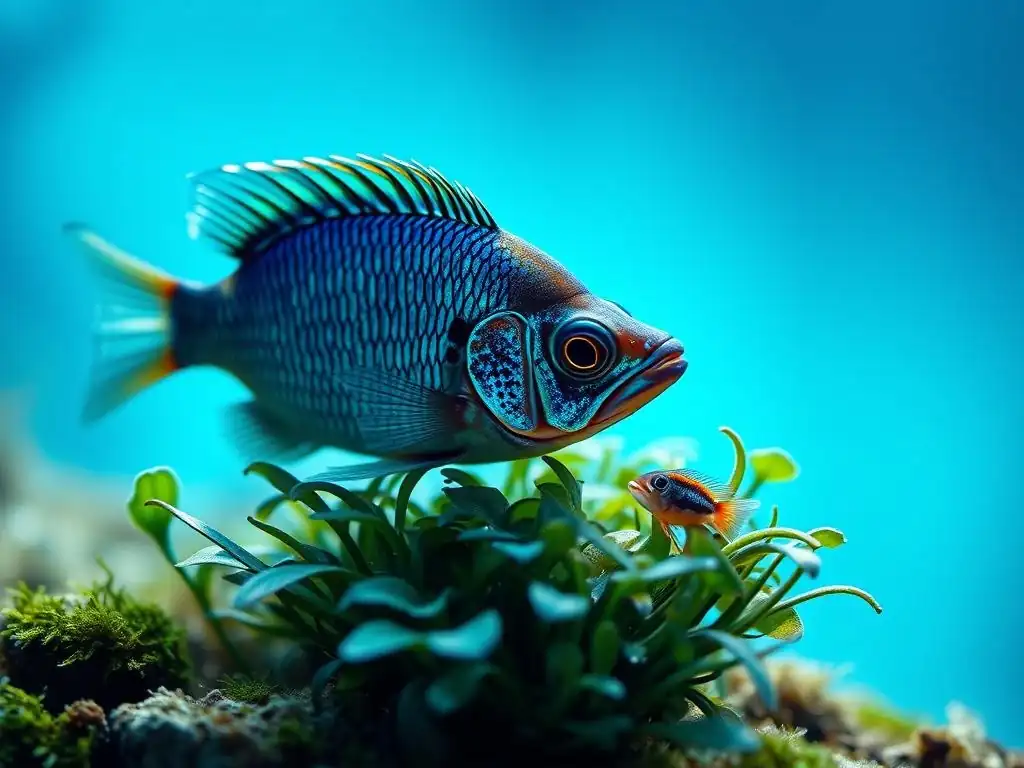
An overly aggressive Apistogramma cacatuoides can disrupt the entire tank, causing stress and potential harm to its tank mates. If rearranging the aquascape and adding more hiding spots don't alleviate the aggression, consider the possibility of an imbalanced male-to-female ratio. Sometimes, adding another female can help diffuse male aggression.
If a specific female is relentlessly harassing others, she might be the dominant female trying to secure all prime breeding spots. In extreme cases, temporary isolation of the aggressive individual in a separate tank for a few days can sometimes "cool them down," though this is not a guaranteed long-term solution. As a last resort, rehoming the overly aggressive fish might be necessary to maintain harmony.
Resolving Conflicts Within the Apistogramma cacatuoides Harem
Conflicts within an Apistogramma cacatuoides harem often stem from competition for territory or breeding rights. One common scenario is a dominant female persecuting a submissive one, especially if prime breeding caves are limited. The key to resolving these Apistogramma social behavior secrets is providing enough distinct territories.
Ensure each female has at least one, preferably two, secure hiding spots that she can claim as her own, out of sight from other females. Using tall plants or driftwood to create visual barriers between these territories can significantly reduce direct confrontations. If a female is consistently harassed, try moving her to a different part of the tank or adding more cover in her current area.
Mastering the Apistogramma social behavior secrets of your A. cacatuoides requires keen observation and a willingness to adapt your aquarium setup. Spend time daily watching their interactions: note who is dominant, who is submissive, and if any fish appear stressed. Look for color changes, fin clamping, and chasing behaviors.
Based on your observations, be prepared to make adjustments. This might involve adding more plants, rearranging decor, or even adjusting the male-to-female ratio if it appears unbalanced. The goal is to create an environment where all fish can thrive, express their natural behaviors, and feel secure, leading to a vibrant and engaging display.
Understanding and actively managing the Apistogramma social behavior secrets of your A. cacatuoides offers significant long-term benefits for both the fish and the aquarist. Fish kept in an environment that respects their natural social structure are less stressed, more colorful, and less prone to disease. This leads to a longer, healthier lifespan for your dwarf cichlids, often extending beyond the typical 3-5 years.
For the aquarist, a harmonious Apistogramma tank is a source of immense satisfaction. Witnessing their complex interactions, successful breeding, and vibrant displays of natural behavior provides a deeper connection to the aquatic world. This knowledge transforms tank keeping from a simple hobby into an engaging and rewarding experience.
Seriously Fish: Apistogramma cacatuoides Profile and Care
Seriously Fish offers a comprehensive profile on Apistogramma cacatuoides, detailing their natural habitat, diet, and specific care requirements. This resource often includes valuable insights into their social behavior and breeding, drawing upon scientific observations and experienced aquarist knowledge. It's an excellent starting point for understanding the fundamental Apistogramma social behavior secrets of this species.
Aquatic Plant Central: Apistogramma cacatuoides Discussion Forum
The discussion forums on sites like Aquatic Plant Central provide a community platform where aquarists share personal experiences, tips, and challenges related to keeping Apistogramma cacatuoides. These forums can be invaluable for gaining practical advice on managing social dynamics, troubleshooting aggression, and learning about successful breeding strategies directly from other enthusiasts.
Frequently Asked Questions
Apistogramma often form social structures based on harems and hierarchies. A dominant male will typically preside over a group of females in a harem structure. This leads to complex social dynamics.
The dominant male Apistogramma is usually responsible for territorial defense and mating. He will often display bright colors and engage in displays of dominance.
Water chemistry significantly affects their overall health and stress levels. Poor water conditions can lead to increased aggression and disruption of social hierarchies. Stable water parameters are crucial for harmonious social interactions.
Are Apistogramma always compatible with other fish species in a community aquarium?
Not always. Apistogramma can be territorial, especially during breeding periods. Careful selection of tank mates is essential to avoid aggression and stress. Research compatible species beforehand.
Signs include fin nipping, chasing, and loss of color. Hiding excessively or refusing to eat can also indicate stress related to social dynamics. It's important to observe their behavior closely.
Final Reflection: Unveiling the Intricacies of Apistogramma Society
The exploration of Apistogramma social behavior secrets reveals a world far more complex than many aquarium enthusiasts might imagine. What began as a scientific curiosity transforms into a profound appreciation for the intricate dynamics of these miniature cichlids, highlighting the importance of understanding their needs to ensure their well-being in captivity and, ultimately, contributing to their conservation in the wild.
This journey into the harems and hierarchies of Apistogramma underscores how much we can learn from even the smallest creatures. Observing their complex interactions reminds us that social structures, dominance displays, and parental care are not exclusive to larger, more "advanced" species. The greatness of a nation and its moral progress can be judged by the way its animals are treated.
- Mahatma Gandhi. This quote, while often applied to larger animals, resonates deeply when considering the ethical responsibility we have towards all living beings, including these fascinating fish.
Now, as you consider the secrets unveiled within these pages, I invite you to reflect on your own interactions with the natural world. How can you apply this newfound understanding of Apistogramma social dynamics to create more enriching environments for your own aquatic companions, or even to foster a deeper appreciation for the hidden complexities that exist all around us? Let the intricate social lives of these tiny cichlids inspire you to look closer, learn more, and contribute to a world where all creatures, great and small, thrive.
Unveil the Secrets: Transform Your Apisto Aquarium!
Thanks for diving into the fascinating world of Apistogramma social dynamics! Now that you understand their complex behaviors, let's take that knowledge and turn your aquarium into a thriving Apisto paradise. Here’s how you can make a difference:
- Carefully re-evaluate your Apistogramma's tank setup to ensure appropriate space and hiding places for each fish, considering their harem needs and avoiding overcrowding.
- Share this article with fellow aquarium enthusiasts to spread awareness about responsible Apistogramma keeping.
- Experiment with introducing different types of leaf litter to observe how it affects your Apistogramma's behavior and spawning habits.
What’s one small change you can make today to better accommodate the social needs of your Apistogramma?