
Do All Aquarium Plants Need CO2? Debunking Common Myths

Welcome to Aquarium Mastery!
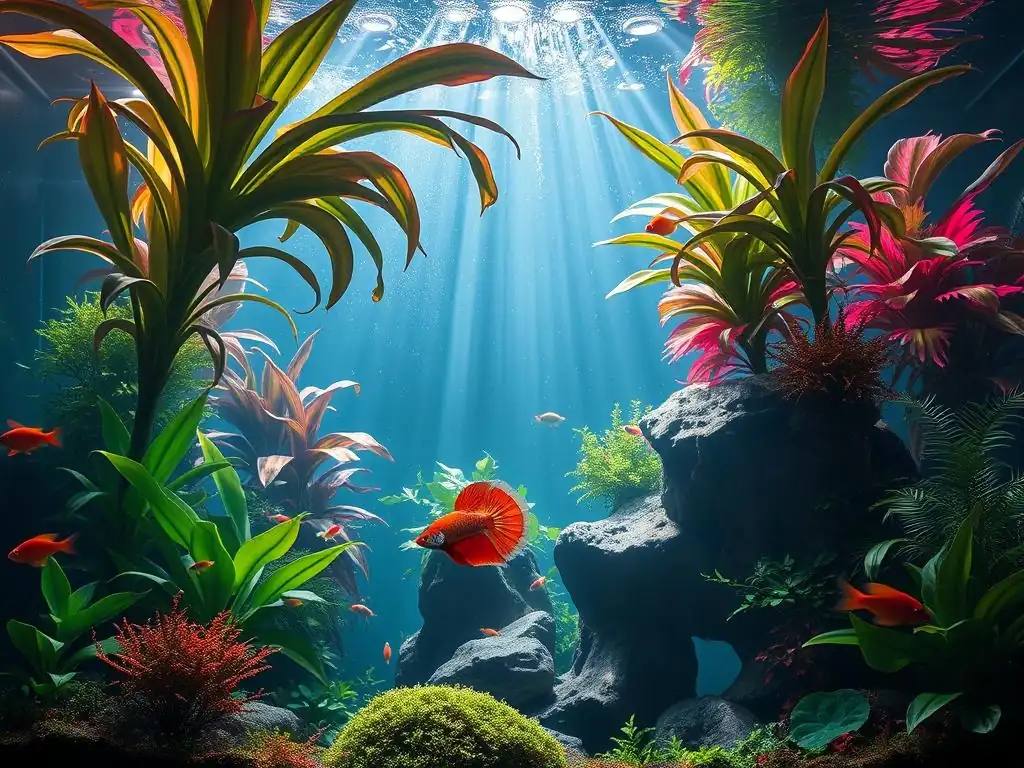
Curious about whether your vibrant aquarium dreams require CO2 supplementation for your plants? Dive into our comprehensive guide, "Do All Aquarium Plants Need CO2? Debunking Common Myths," and discover the truth! We'll unravel the complexities of aquatic plant care, revealing essential insights for both freshwater and saltwater aquariums. Prepare to unlock the secrets to a thriving underwater ecosystem and find out if CO2 is the missing piece of your Aquatic Plants & Macroalgae puzzle. Let's explore!
- Understanding CO2 Supplementation for Aquarium Plants
- Myth #1: All Aquarium Plants Require CO2 Injection
- Myth #2: CO2 Supplementation Guarantees Lush Plant Growth
- CO2 Requirements of Different Aquarium Plant Species
- Factors Influencing CO2 Needs in Planted Aquariums
- Identifying CO2 Deficiency Symptoms in Aquarium Plants
- Alternatives to CO2 Injection for Planted Tanks
- Optimizing CO2 Supplementation for Planted Aquariums (When Needed)
- Common Mistakes with CO2 Supplementation in Planted Aquariums
- Conclusion: Choosing the Right Approach to CO2 for Your Planted Aquarium
-
Frequently Asked Questions
- Do all aquarium plants absolutely require CO2 supplementation?
- What are the benefits of using CO2 supplementation in a planted aquarium?
- How can I determine if my aquarium plants need CO2 supplementation?
- What are the different methods of CO2 supplementation for aquarium plants?
- Is it possible to overdose CO2 in an aquarium, and what are the risks?
- Final Reflection: Breathing Life into Aquatic Worlds
- Unlock Your Aquarium's Full Potential!
Understanding CO2 Supplementation for Aquarium Plants
The Role of CO2 in Aquatic Plant Growth
Carbon dioxide (CO2) plays a pivotal role as the primary carbon source for aquatic plants, much like it does for terrestrial vegetation. Through the process of photosynthesis, plants convert light energy into chemical energy, utilizing CO2 and water to produce sugars for growth and oxygen as a byproduct. In an aquatic environment, the availability of dissolved CO2 is often the limiting factor for robust plant growth, as it's typically less abundant than in the atmosphere. This essential compound is crucial for building the complex organic molecules that form the plant's structure, from cell walls to enzymes.
Without sufficient CO2, even with optimal lighting and nutrients, aquatic plants will exhibit stunted growth, pale coloration, and a general lack of vigor. The demand for CO2 increases significantly with higher light intensity, as plants are able to photosynthesize more rapidly. Therefore, understanding the delicate balance of carbon availability is fundamental to cultivating a thriving planted aquarium, especially when considering CO2 supplementation aquarium plants.
CO2's Impact on Photosynthesis in Aquarium Plants
Photosynthesis in aquarium plants is a complex biochemical pathway represented by the general equation: 6CO2 + 6H2O + Light Energy → C6H12O6 (Glucose) + 6O2. When CO2 is readily available, this process accelerates, leading to faster growth rates, stronger stems, and more vibrant leaf coloration. Conversely, a deficiency in carbon dioxide can lead to "carbon limitation," where plants struggle to convert light energy efficiently, often resulting in slow growth, nutrient lockout symptoms, and an increased susceptibility to algae growth.
The impact of CO2 on photosynthesis is profound; it allows plants to fully utilize the light energy provided, converting it into biomass. For instance, a tank with adequate CO2 supplementation can see a growth rate increase of 2-3 times compared to a similar setup without it, particularly for demanding species. This enhanced photosynthetic activity not only benefits the plants directly but also contributes to a healthier aquarium ecosystem by producing more oxygen and outcompeting nuisance algae for available nutrients.
Myth #1: All Aquarium Plants Require CO2 Injection
Debunking the Myth: Not All Plants Need CO2 Injection
One of the most widespread misconceptions in the planted aquarium hobby is that every single aquatic plant species requires active CO2 injection to survive and thrive. This is simply not true. While CO2 supplementation aquarium plants can significantly boost growth for many species, a vast number of common and popular aquarium plants can flourish beautifully without any external CO2 input. The necessity of CO2 injection largely depends on the specific plant species chosen, the desired growth rate, and the overall lighting intensity of the aquarium.
Many resilient plant species are adapted to lower carbon levels found in natural aquatic environments and can utilize ambient CO2 produced by fish respiration and surface gas exchange. These plants have slower metabolic rates and do not demand the same high concentrations of dissolved carbon that more fast-growing or demanding species do. Therefore, for aquarists aiming for a simpler, less equipment-intensive setup, choosing the right plant species is key to success without the need for additional CO2.
Low-Tech Planted Tanks: Flourishing Without CO2
Low-tech planted tanks are a testament to the fact that beautiful, thriving aquariums can be maintained successfully without active CO2 injection. These setups typically involve lower lighting intensities, which in turn reduces the plants' demand for carbon dioxide. The focus in low-tech tanks is on creating a stable environment where slower-growing, adaptable plant species can gradually establish themselves. Ambient CO2 from the air-water interface and fish respiration usually suffices for these plants.
For instance, many hobbyists achieve lush growth with plants like Anubias, Java Fern, and various Cryptocoryne species, relying on good substrate, regular water changes, and a balanced, albeit minimal, fertilization regime. The key is balance: lower light equals lower CO2 demand, which in turn means less need for comprehensive nutrient dosing. This approach emphasizes stability over rapid growth, offering a forgiving and rewarding experience for those new to planted aquariums or seeking a less demanding setup for their aquarium plants CO2 needs.
Myth #2: CO2 Supplementation Guarantees Lush Plant Growth
Why CO2 Alone Isn't Enough: Essential Nutrients and Lighting
While CO2 supplementation is a powerful tool for accelerating plant growth, it is not a magic bullet that guarantees a lush, vibrant planted aquarium on its own. The growth of aquatic plants, like all living organisms, is governed by Liebig's Law of the Minimum, which states that growth is limited by the scarcest essential resource. This means that even with optimal CO2 levels, if any other vital nutrient or environmental factor is deficient, plant growth will be stunted or compromised.
Beyond carbon dioxide, plants require a balanced spectrum of macro-nutrients (Nitrogen, Phosphorus, Potassium) and micro-nutrients (Iron, Manganese, Boron, Zinc, Copper, Molybdenum). Furthermore, adequate lighting—in terms of intensity, spectrum, and duration—is equally critical. If, for example, a tank has high CO2 but insufficient iron, plants will still exhibit chlorosis (yellowing of leaves). Similarly, if the lighting is too dim, plants cannot utilize the available CO2 effectively. A holistic approach to aquarium plants CO2 and overall care is paramount.
The Importance of Balanced Fertilization for Planted Aquariums
Balanced fertilization is indispensable for maximizing the benefits of CO2 supplementation in aquarium plants. Without it, even the most advanced CO2 injection system will yield disappointing results. Plants absorb nutrients from both the water column and the substrate, depending on their species and root structure. Macronutrients are needed in larger quantities, while micronutrients, though required in smaller amounts, are equally vital for specific physiological processes.
A common issue in high-tech tanks with CO2 is nutrient depletion due to rapid plant growth. For instance, a tank with a high concentration of fast-growing stem plants might quickly deplete nitrates (N) and phosphates (P), leading to stunted growth or algae outbreaks despite ample CO2. Therefore, a comprehensive fertilization regime, often involving daily or weekly dosing of liquid fertilizers and/or regular replenishment of root tabs, is essential. This ensures that all required nutrients are available in sufficient quantities, allowing plants to fully leverage the increased CO2 for robust and healthy growth.
CO2 Requirements of Different Aquarium Plant Species
High-Light, High-Demand Plants: CO2 Injection Recommended
Certain aquarium plant species, particularly those originating from environments with high light exposure and abundant CO2, are classified as high-demand plants. These species typically exhibit rapid growth rates and vibrant coloration when their needs are met. For these plants, CO2 injection is not just recommended but often essential for their long-term health and preventing melting or stunted growth. Their high metabolic activity under intense lighting necessitates a constant and ample supply of dissolved carbon dioxide for efficient photosynthesis.
Without supplementary CO2, these plants struggle to keep pace with their inherent growth potential, often leading to a cascade of problems such as nutrient deficiencies, susceptibility to algae, and a failure to thrive. For example, many carpeting plants or highly colored stem plants fall into this category, as they are bred or naturally adapted for rapid biomass production. Successfully cultivating these challenging but rewarding species invariably involves precise CO2 supplementation aquarium plants.
Low-Light, Low-Demand Plants: Thriving Without Added CO2
In stark contrast to their high-demand counterparts, many aquarium plant species are perfectly suited for low-light, low-tech setups where CO2 injection is not utilized. These plants are generally slow-growing and highly adaptable to lower dissolved carbon levels, often found in typical home aquariums. Their slower metabolic rates mean they can efficiently utilize the ambient CO2 produced by fish respiration and surface gas exchange, making them ideal for beginners or those seeking a less maintenance-intensive planted tank.
These resilient species often include epiphytes (plants that attach to hardscape), rhizome plants, and some hardy stem plants. They absorb nutrients effectively from the water column or through their roots in a nutrient-rich substrate, without requiring the accelerated nutrient uptake that comes with high CO2 levels. Their ability to thrive without active CO2 makes them excellent choices for community tanks where the primary focus might be on fish, but a natural, green environment is still desired.
Examples of CO2-Dependent Aquarium Plants
For aquarists aiming for lush, high-impact planted aquariums, understanding which species benefit most from CO2 supplementation is crucial. These plants typically exhibit their best growth, color, and form when provided with consistent carbon dioxide.
- Hemianthus callitrichoides 'Cuba' (Dwarf Baby Tears): A popular carpeting plant, it requires high light and consistent CO2 to form a dense carpet. Without CO2, it struggles to grow, often melts, or becomes stringy.
- Glossostigma elatinoides: Another carpeting plant, similar to HC Cuba in its demands, thriving with strong light and CO2 injection.
- Rotala rotundifolia (especially 'Red' or 'Colorata' varieties): These fast-growing stem plants achieve their vibrant red and orange hues under high light and ample CO2, which promotes the production of anthocyanins.
- Alternanthera reineckii (all varieties): Known for its striking red and purple foliage, this plant needs significant light and CO2 to maintain its intense coloration and healthy growth.
- Blyxa japonica: A beautiful midground plant that forms dense bushes, it can easily melt or stunt without adequate CO2 and nutrients.
- Ludwigia repens 'Rubin': A demanding red stem plant that requires high light and CO2 to develop its deep red coloration.
- Eriocaulon species: Many species within this genus are notoriously difficult and require precise conditions, including high CO2, soft water, and intense lighting, to flourish.
Examples of Aquarium Plants That Can Thrive Without CO2
Conversely, many beautiful and popular aquarium plants are perfectly suited for low-tech setups, requiring no external CO2 supplementation. These are excellent choices for beginners or those seeking a low-maintenance planted tank.
- Anubias barteri (all varieties, e.g., 'Nana', 'Coffeefolia'): Extremely hardy, slow-growing epiphytes that attach to wood or rock. They thrive in low to moderate light and require no CO2.
- Microsorum pteropus (Java Fern): Another classic epiphyte, Java Fern is incredibly adaptable to various water parameters and light levels, growing well without CO2.
- Bucephalandra species: These beautiful, relatively slow-growing epiphytes come in many forms and colors and do well in low to moderate light without CO2, though they appreciate stable conditions.
- Cryptocoryne species (e.g., Cryptocoryne wendtii, Cryptocoryne parva): These root-feeding plants are known for their resilience and ability to "melt" and then regrow when introduced to new conditions, thriving in low to moderate light without CO2 once established.
- Vallisneria spiralis (Corkscrew Val): A tall, grass-like plant that propagates rapidly via runners, it is very hardy and requires no CO2 for healthy growth.
- Sagittaria subulata (Dwarf Sagittaria): A foreground or midground plant that can form a carpet under good conditions, it is tolerant of a wide range of parameters and does not require CO2.
- Taxiphyllum barbieri (Java Moss): One of the easiest and most versatile mosses, it grows well in virtually any aquarium condition, including low light and no CO2, making it popular for breeding tanks and aquascaping.
Factors Influencing CO2 Needs in Planted Aquariums
Lighting Intensity and Its Correlation to CO2 Demand
The intensity of light provided to a planted aquarium is perhaps the most significant factor influencing the CO2 demand of the plants within. Light is the energy source for photosynthesis; the more intense the light, the faster plants can perform this process, and consequently, the more carbon dioxide they will require to sustain that high rate of activity. In setups with low to moderate lighting (e.g., 10-20 PAR), plants have a lower metabolic rate and can often acquire sufficient CO2 from ambient sources.
However, once lighting levels increase to medium or high (e.g., 30+ PAR), the demand for CO2 escalates dramatically. Without adequate CO2 supplementation aquarium plants in such conditions will become carbon-limited, leading to stunted growth, pale leaves, and a struggle to outcompete algae for nutrients. This imbalance is a primary reason why high-light tanks without CO2 injection often suffer from rampant algae outbreaks, as the plants cannot photosynthesize effectively to absorb available nutrients.
Water Parameters and Their Effect on CO2 Availability
Several water parameters directly influence the availability and stability of dissolved CO2 in a planted aquarium. The most critical are pH and KH (carbonate hardness). These parameters are intrinsically linked to CO2 levels through the carbonate buffering system. In general, a lower pH indicates higher dissolved CO2, assuming a stable KH. For instance, a common target for optimal CO2 levels (around 30 ppm) in a tank with a KH of 4-5 dKH typically results in a pH of approximately 6.8-7.0.
Fluctuations in pH or KH can significantly impact CO2 availability, stressing plants and potentially harming aquatic life. Higher water temperatures also reduce the solubility of gases, including CO2, meaning warmer tanks may require slightly higher CO2 injection rates to maintain target levels. Furthermore, proper water circulation is vital to distribute dissolved CO2 evenly throughout the tank, ensuring all plants have access to this essential nutrient.
Substrate Type and Nutrient Availability in Relation to CO2
The type of substrate used in a planted aquarium plays an indirect yet important role in relation to CO2 needs, primarily through its impact on nutrient availability. Inert substrates like gravel or sand offer little to no nutritional value to plants and require nutrient supplementation through liquid fertilizers and root tabs. In such setups, plants rely heavily on water column fertilization, and their overall health, which in turn affects their CO2 uptake efficiency, is dependent on consistent nutrient dosing.
Conversely, active substrates, such as aquasoil, are designed to release nutrients into the water column and provide a rich environment for root development. These substrates often have a high cation exchange capacity (CEC), allowing them to store and release nutrients as needed by the plants. While these substrates don't directly provide CO2, a healthy root system in a nutrient-rich substrate can lead to more vigorous plant growth, thereby increasing their demand for CO2. The synergy between a well-nourished plant and sufficient CO2 allows for maximum photosynthetic efficiency and robust growth.
Identifying CO2 Deficiency Symptoms in Aquarium Plants
Visual Cues: Stunted Growth, Yellowing Leaves, and Algae Blooms
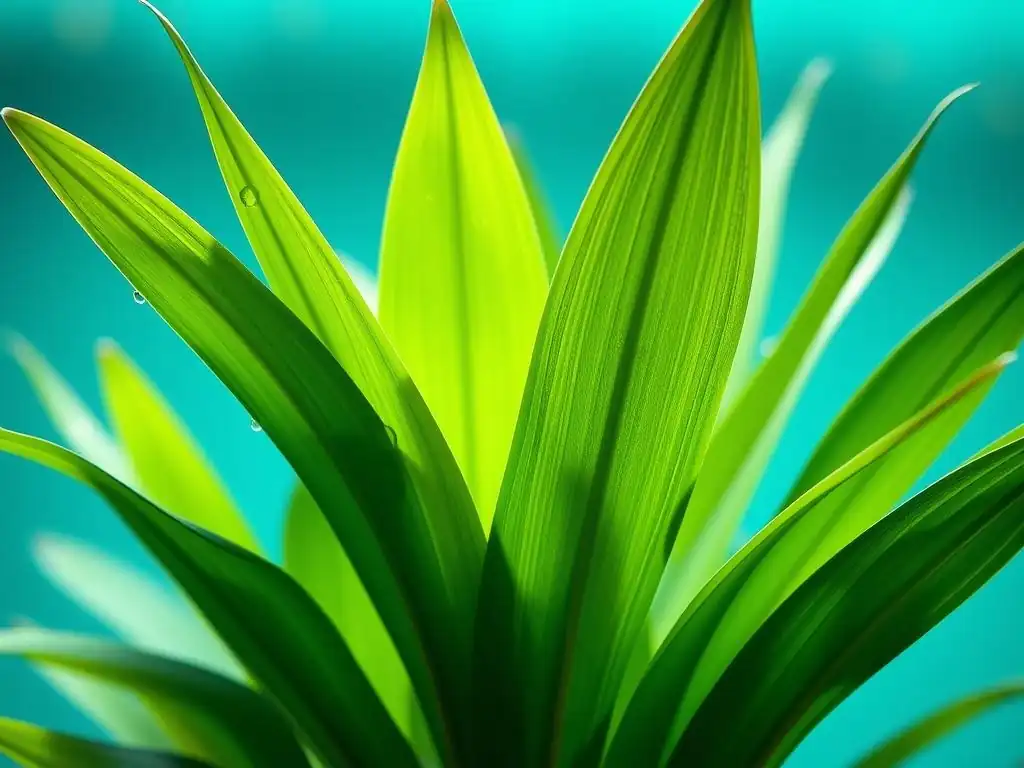
Recognizing the signs of CO2 deficiency in aquarium plants is crucial for maintaining a healthy planted tank. One of the most common visual cues is stunted new growth, where the newest leaves appear significantly smaller, deformed, or twisted compared to older, established leaves. This indicates that the plant lacks the fundamental building blocks for proper cell division and expansion. Another prominent symptom is yellowing or pale leaves (chlorosis), particularly noticeable on new growth or between the veins of older leaves, though this can also be a sign of iron deficiency.
Furthermore, a significant indicator of carbon limitation is an increase in nuisance algae blooms, such as Green Spot Algae (GSA) or Black Brush Algae (BBA). When plants are stressed due by insufficient CO2, their ability to outcompete algae for available nutrients (like phosphates and nitrates) is severely compromised. Algae, being less demanding, take advantage of the nutrient surplus, proliferating rapidly. Observing these symptoms collectively often points to a need to adjust CO2 supplementation aquarium plants.
Testing Your Aquarium Water for CO2 Levels
Accurately testing the CO2 levels in your aquarium water is essential for both identifying deficiencies and preventing over-supplementation. The most common and reliable method for continuous monitoring is using a CO2 drop checker. This device contains a small amount of indicator solution (usually bromothymol blue) and a specific KH solution that reacts to the dissolved CO2 in the tank's water, changing color to reflect the CO2 concentration.
- Blue: Indicates insufficient CO2 (below 20 ppm).
- Green: Optimal CO2 levels (approximately 20-30 ppm).
- Yellow: Excessive CO2 (above 30-35 ppm), potentially dangerous for fish.
While pH testing can indirectly indicate CO2 levels (as higher CO2 lowers pH), it's less precise, especially in tanks with fluctuating KH or other acids/bases. The drop checker, placed opposite the CO2 diffuser, provides a consistent visual reference, allowing aquarists to fine-tune their CO2 injection rates to maintain the ideal range for their aquarium plants CO2 needs.
Alternatives to CO2 Injection for Planted Tanks
Liquid Carbon Supplements: A Viable Alternative?
For aquarists who prefer not to invest in pressurized CO2 injection systems, liquid carbon supplements offer a viable, albeit less potent, alternative. Products like Seachem Flourish Excel or Easy-Life EasyCarbo contain a bioavailable carbon source, typically glutaraldehyde, which plants can utilize for photosynthesis. While these supplements do not provide dissolved gaseous CO2, they offer a source of organic carbon that can significantly improve the growth and health of many low to medium demand plants.
These liquid supplements are particularly effective at boosting the growth of plants in low-tech setups and can also help in controlling certain types of algae, such as Black Brush Algae (BBA), due to their algaecidal properties. However, it is important to note that they are generally not as effective as pressurized CO2 injection for high-demand plants that require consistently high levels of carbon dioxide. They serve as an excellent bridge for those looking to enhance plant growth without the complexity and cost associated with a full CO2 system.
Optimizing Lighting and Nutrient Levels for CO2-Free Tanks
Achieving a thriving planted tank without CO2 injection largely hinges on optimizing other critical factors: lighting and nutrient levels. For CO2-free tanks, it is crucial to select lower intensity lighting (e.g., 10-20 PAR) to reduce the plants' photosynthetic rate and thus their demand for carbon dioxide. Overly intense lighting in a tank without CO2 will inevitably lead to algae issues, as plants cannot process the light energy efficiently due to carbon limitation.
Alongside appropriate lighting, a balanced fertilization regime is paramount. Since plants in these setups rely more heavily on nutrients from the water column and substrate, regular dosing of macro and micro-nutrients through liquid fertilizers or root tabs is essential. For instance, Cryptocoryne species will benefit greatly from nutrient-rich substrates or root tabs, while Java Ferns will thrive with liquid column fertilizers. Consistent water changes also play a role in replenishing trace elements and removing accumulated waste, contributing to overall plant health and reducing the need for high CO2 supplementation aquarium plants.
Choosing Suitable Plant Species for Your Aquarium Setup
The most effective strategy for a successful CO2-free planted aquarium is the careful selection of plant species that are naturally adapted to lower carbon environments. As previously discussed, many beautiful and hardy plants can flourish without any external CO2 input, relying solely on ambient levels and other optimized conditions.
By focusing on species known for their low CO2 requirements, aquarists can avoid the common pitfalls of stunted growth and algae that often plague tanks attempting to grow high-demand plants without the necessary carbon supplementation. This approach ensures that the plants' metabolic needs align with the available resources, leading to a healthy, stable, and visually appealing planted aquarium. It minimizes frustration and maximizes the chances of long-term success for any aquarist, especially beginners.
Optimizing CO2 Supplementation for Planted Aquariums (When Needed)
CO2 Injection Methods: DIY vs. Professional Systems
When CO2 supplementation is deemed necessary for your aquarium plants, two primary injection methods are available: Do-It-Yourself (DIY) systems and professional pressurized CO2 systems. DIY CO2 systems typically use yeast and sugar to produce CO2 through fermentation. These are inexpensive to set up and are suitable for smaller tanks (under 20 gallons) or for those just experimenting with CO2. However, their main drawbacks include inconsistent CO2 output, short lifespan (requiring frequent refills, often every 1-3 weeks), and a lack of precise control over the CO2 flow rate.
Professional pressurized CO2 systems, on the other hand, consist of a CO2 cylinder, a high-quality regulator with a solenoid valve, a bubble counter, a check valve, and a diffuser. While the initial investment is higher (ranging from $150-$500+), these systems offer highly consistent and precise CO2 delivery, allowing for fine-tuning of bubble rates and automatic shut-off with a timer. They are ideal for larger tanks, demanding plant species, and aquarists seeking optimal and stable CO2 supplementation aquarium plants. The cylinders typically last months, reducing maintenance frequency.
Monitoring CO2 Levels to Avoid Toxicity
Proper monitoring of CO2 levels is critical when using CO2 injection to prevent toxicity to fish and invertebrates. Excessive CO2 rapidly lowers the pH of the water, which can lead to CO2 poisoning in aquatic life, characterized by gasping at the surface, rapid gill movement, lethargy, and in severe cases, death. The ideal range for dissolved CO2 in a planted tank is generally between 20-30 parts per million (ppm).
The most reliable tool for continuous monitoring is a CO2 drop checker placed in the tank, as discussed earlier. Its color (blue, green, yellow) provides a visual indicator of CO2 concentration. Additionally, observing the behavior of your fish is paramount. If fish are showing signs of distress, it's an immediate signal that CO2 levels are too high, and the injection should be reduced or temporarily stopped. Always prioritize the well-being of your livestock over maximizing plant growth.
Maintaining a Stable CO2 Level for Optimal Plant Health
Consistency is key when it comes to CO2 supplementation for aquarium plants. Plants adapt to a specific dissolved CO2 concentration, and significant fluctuations can cause stress, leading to stunted growth, melting, and making them more susceptible to algae. An inconsistent CO2 supply means plants cannot photosynthesize efficiently and steadily.
To maintain stability, a pressurized CO2 system with a solenoid valve connected to a timer is highly recommended. The CO2 should be turned on 1-2 hours before the lights come on and turned off 1 hour before the lights go off. This ensures CO2 is available when plants are actively photosynthesizing and allows the levels to stabilize overnight when CO2 is not needed. Regular checks of the bubble counter and drop checker, along with ensuring no leaks in the system, are vital for maintaining stable CO2 levels and promoting optimal plant health.
Common Mistakes with CO2 Supplementation in Planted Aquariums
Over-Supplementation: The Risks to Fish and Invertebrates
One of the most dangerous mistakes when using CO2 supplementation in aquarium plants is over-supplementation. While plants thrive with adequate CO2, fish and invertebrates are highly sensitive to rapid drops in pH and elevated CO2 levels, which can lead to carbon dioxide poisoning. Symptoms in fish include rapid breathing, gasping at the surface (as their gills struggle to extract oxygen from CO2-saturated water), lethargy, and disorientation. For sensitive invertebrates like shrimp, over-supplementation can be fatal very quickly.
It is crucial to understand the relationship between pH, KH, and CO2, and to use a reliable CO2 drop checker to maintain levels within the safe range of 20-30 ppm. Always err on the side of caution, especially when first dialing in your CO2 system. It is far better to have slightly lower CO2 than to risk the lives of your tank inhabitants. Monitoring fish behavior is your ultimate indicator of safe CO2 levels.
Inconsistent CO2 Levels: Fluctuations and Their Impact
Another common pitfall is inconsistent CO2 delivery. Whether due to fluctuating DIY systems, faulty regulators, or manual adjustments, variations in dissolved CO2 levels can severely stress aquatic plants. Plants prefer stable conditions; when CO2 levels swing wildly throughout the day or week, they struggle to adapt their photosynthetic processes. This stress can manifest as stunted growth, nutrient deficiencies even when nutrients are present, and increased susceptibility to various forms of algae, such as hair algae or green spot algae.
For example, a tank experiencing daily CO2 fluctuations from 10 ppm to 40 ppm will see less healthy plant growth than a tank consistently maintained at 25 ppm. The key to success with CO2 supplementation aquarium plants is stability. Investing in a high-quality regulator with a solenoid valve and a reliable timer ensures that CO2 is delivered consistently and precisely during the photoperiod, promoting robust and continuous plant growth.
Neglecting Other Essential Nutrients
A significant mistake made by many aquarists new to CO2 supplementation is focusing solely on CO2 while neglecting other essential plant nutrients. As highlighted by Liebig's Law of the Minimum, CO2 is just one component of healthy plant growth. Even with perfect CO2 levels, if macro-nutrients (Nitrogen, Phosphorus, Potassium) or micro-nutrients (Iron, Manganese, etc.) are deficient, plants will not thrive. This often leads to frustration, as aquarists might blame their CO2 system when the real problem lies elsewhere.
For instance, a tank with high CO2 but insufficient iron will still exhibit yellowing new growth. Similarly, a lack of nitrates can cause overall stunted growth and pale coloration, despite ample CO2. Therefore, a comprehensive fertilization strategy that includes regular dosing of both macro and micro-nutrients is crucial. This integrated approach ensures that plants have all the necessary building blocks to fully utilize the added carbon dioxide, leading to lush, vibrant, and healthy growth in your planted aquarium.
Conclusion: Choosing the Right Approach to CO2 for Your Planted Aquarium
Balancing CO2 Supplementation with Plant Needs and Tank Ecosystem
Deciding whether and how to implement CO2 supplementation in your aquarium plants is a critical choice that hinges on balancing the specific needs of your chosen plant species with the overall health and stability of your tank ecosystem. It is clear that not all aquarium plants require CO2 injection; many hardy species can flourish in low-tech setups. However, for those aiming to cultivate high-demand, fast-growing, or vibrant red plants, CO2 supplementation becomes an indispensable tool.
The key is to tailor your approach. Assess your desired aesthetic, the types of plants you wish to grow, your available time for maintenance, and the species of fish and invertebrates you plan to keep. A successful planted aquarium is a harmonious ecosystem where all components – light, nutrients, CO2, water parameters, and livestock – are in a delicate balance. Understanding this interplay allows aquarists to make informed decisions about CO2, ensuring both lush plant growth and the well-being of their aquatic inhabitants.
Creating a Thriving Planted Aquarium: A Holistic Approach
Ultimately, creating a truly thriving planted aquarium is a holistic endeavor that extends far beyond just CO2 supplementation. While carbon dioxide is a vital nutrient for photosynthesis, it works in concert with a multitude of other factors. Optimal plant health is achieved through the synergy of appropriate lighting intensity and spectrum, a balanced and consistent supply of macro and micro-nutrients, suitable substrate, stable water parameters, and thoughtful plant selection.
Regular maintenance, including water changes, pruning, and consistent monitoring of water chemistry and plant health, also plays a crucial role. By adopting a comprehensive and informed approach, aquarists can cultivate beautiful, vibrant, and sustainable planted aquariums, whether they choose to utilize advanced CO2 injection systems or opt for a simpler, CO2-free setup. The journey of mastering a planted tank is one of continuous learning and observation, culminating in a rewarding display of aquatic life.
Frequently Asked Questions
Do all aquarium plants absolutely require CO2 supplementation?
No, not all aquarium plants need CO2 supplementation. Some plants can thrive in low-tech setups with minimal or no added CO2, relying on the naturally occurring CO2 in the water. However, growth rates and vibrancy will likely be lower without it.
What are the benefits of using CO2 supplementation in a planted aquarium?
CO2 supplementation significantly boosts plant growth and health, allowing for a wider selection of demanding species. It also helps create a more stable and balanced ecosystem, reducing algae growth by providing plants with a competitive advantage.
How can I determine if my aquarium plants need CO2 supplementation?
Observe your plants closely. Signs of CO2 deficiency include slow growth, yellowing leaves, and algae outbreaks. Also, consider the specific species you're keeping; some are notoriously CO2-hungry.
What are the different methods of CO2 supplementation for aquarium plants?
Common methods include DIY CO2 systems, pressurized CO2 cylinders with regulators, and liquid carbon supplements. Each method has its own advantages and disadvantages regarding cost, maintenance, and effectiveness.
Is it possible to overdose CO2 in an aquarium, and what are the risks?
Yes, overdosing CO2 is possible and can be harmful to your fish and invertebrates. High CO2 levels can suffocate aquatic life. Careful monitoring and adjustment of your CO2 system are crucial.
Final Reflection: Breathing Life into Aquatic Worlds
The exploration of CO2 supplementation in aquarium plants reveals a fascinating intersection of science and art, moving beyond simple myths to uncover the nuanced needs of our underwater gardens. This understanding is particularly relevant today, as the popularity of aquascaping soars and hobbyists seek to create increasingly complex and thriving ecosystems within their glass boxes. The knowledge shared here empowers aquarists to make informed decisions, fostering healthier and more vibrant aquatic environments.
The impact of understanding plant needs extends beyond aesthetics; it touches upon the very ethics of responsible aquarium keeping. My own journey into aquascaping has underscored the importance of respecting the delicate balance within these miniature worlds, recognizing that each element, from lighting to CO2, plays a crucial role in the overall health and well-being of the ecosystem. The best time to plant a tree was 20 years ago. The second best time is now.
This ancient proverb resonates deeply with the aquascaping hobby, reminding us that consistent effort and mindful planning are key to long-term success.
Now, armed with a clearer understanding of CO2 supplementation, I invite you to reflect on your own aquascaping practices. Consider the specific needs of your plants, the balance of your ecosystem, and the impact of your choices on the overall health of your aquarium. Let this knowledge inspire you to cultivate not just beautiful aquascapes, but thriving and sustainable aquatic environments that bring joy and wonder for years to come.
Unlock Your Aquarium's Full Potential!
Thank you for diving into the world of aquarium plants with us! We hope this article has illuminated the truth about CO2 and plant care. Now it's time to put that knowledge into action.
- Implement a CO2-free plant strategy: Start with low-light, easy-to-care-for plants like Java Fern or Anubias to build a thriving ecosystem without CO2 injection.
- Explore local aquarium clubs or online forums to share your experiences and discover unique plant combinations.
- Consider experimenting with different lighting durations and intensities to fine-tune your plant growth without CO2.
What's one small step you'll take this week to optimize your aquarium's plant health, regardless of CO2?