
The Walstad Method Substrate: A Deep Dive into Natural Planted Tanks

Welcome to Aquarium Mastery!
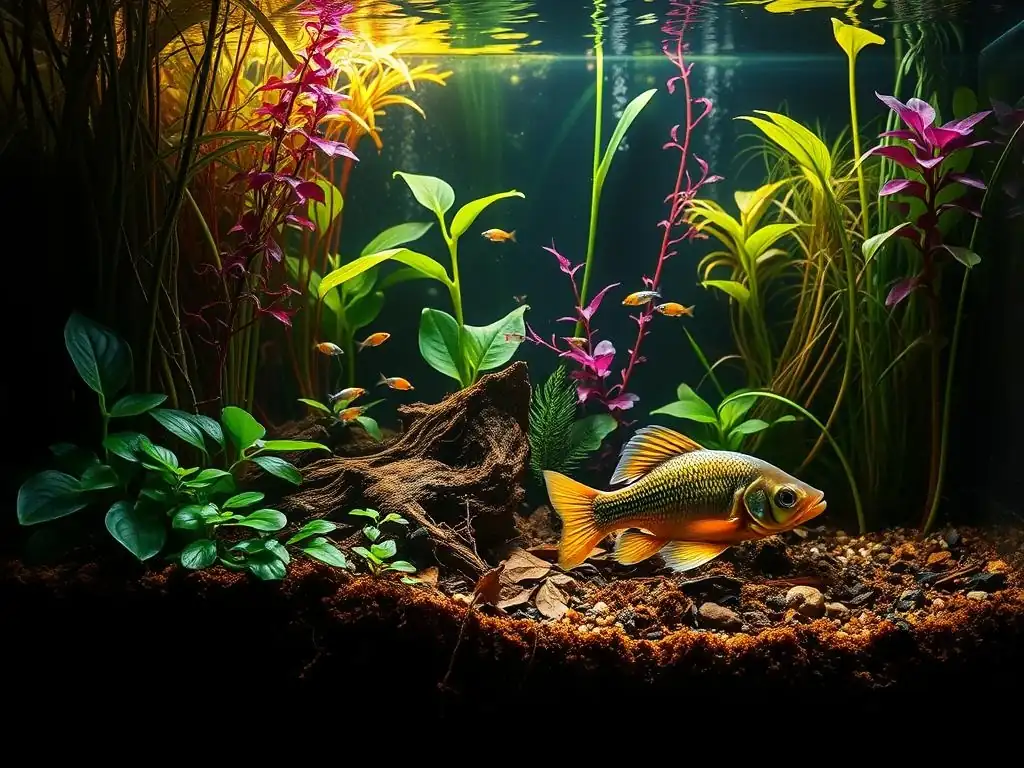
Intrigued by the idea of a thriving, low-tech planted tank? Then you're in the right place! Ever wondered about the secret ingredient to a truly natural aquarium ecosystem? Our deep dive into Walstad method aquarium substrate is about to unlock the secrets to creating a self-sustaining underwater paradise. Prepare to be amazed at how this simple yet powerful approach can revolutionize your planted tank experience. Ready to discover the magic?
- The Planted Tank Substrate: A Guide to Healthy Aquatic Ecosystems
- Understanding Planted Aquarium Substrates
- Selecting the Right Substrate for Your Planted Aquarium
- Preparing Your Planted Aquarium Substrate
- Plants and Substrates: Matching Plants to Substrate Types
- Fertilization and the Planted Aquarium Substrate
- Maintaining Your Planted Aquarium Substrate
- Substrate and the Nitrogen Cycle
- Troubleshooting Common Substrate Problems
- Advanced Substrate Techniques
- Choosing the Right Substrate: Weighing the Options
-
Frequently Asked Questions
- What is the Walstad Method, and how does the substrate play a role?
- What are the key components of a Walstad Method aquarium substrate?
- What types of soil are suitable for a Walstad Method substrate?
- How thick should each layer of the Walstad Method substrate be?
- What are the potential benefits of using the Walstad Method substrate in my aquarium?
- Final Reflection: Cultivating Ecosystems, One Grain at a Time
- Unleash Your Inner Ecosystem Architect!
The Planted Tank Substrate: A Guide to Healthy Aquatic Ecosystems
Understanding Planted Aquarium Substrates
What is a Planted Aquarium Substrate and Why is it Important?
A planted aquarium substrate refers to the material laid at the bottom of an aquarium, serving as the foundation for aquatic plants to root and thrive. Beyond providing physical anchorage, it acts as a vital nutrient reservoir, a habitat for beneficial bacteria, and a medium for gas exchange. For the Walstad method, a specific type of natural planted tank, the substrate is not merely a base but the cornerstone of the entire ecosystem, designed to mimic natural aquatic environments where plants draw the majority of their nutrients from the soil.
In a Walstad method aquarium, the substrate's importance is amplified as it replaces the need for high-tech equipment like CO2 injection systems and frequent liquid fertilization. Diana Walstad's pioneering approach emphasizes the use of a nutrient-rich soil layer capped with inert gravel, allowing the substrate to become the primary engine for nutrient cycling. This design fosters a self-sustaining environment where plants efficiently absorb nutrients from the soil, outcompeting algae and maintaining pristine water quality.
Key Functions of a Planted Aquarium Substrate
The primary function of a planted aquarium substrate, especially in a Walstad method setup, is to serve as a long-term nutrient reservoir. Organic soil, a key component of the Walstad method aquarium substrate, is rich in essential macro and micronutrients such as nitrogen, phosphorus, potassium, iron, and manganese. These nutrients are slowly released and made available to plant roots, ensuring sustained growth without the fluctuating nutrient levels often associated with water column dosing.
Beyond nutrient provision, the substrate also plays a crucial role in biological filtration and gas exchange. Its porous structure provides an expansive surface area for nitrifying bacteria, which convert toxic ammonia and nitrite into less harmful nitrates. In deeper, anoxic zones, denitrifying bacteria can further convert nitrates into nitrogen gas, completing the nitrogen cycle. Furthermore, the substrate facilitates gas exchange, preventing the buildup of harmful gases and promoting healthy root oxygenation, especially important in a densely planted Walstad tank where roots actively oxygenate the soil.
Types of Planted Aquarium Substrates: A Comparison
Planted aquarium substrates generally fall into three main categories: inert, active, and soil-based. Inert substrates, such as gravel or sand, offer physical support but minimal nutrients. Active substrates, often called aquasoils, are specially formulated clay-based products that buffer pH and slowly release nutrients, commonly used in high-tech setups. Soil-based substrates, the foundation of the Walstad method, utilize natural topsoil or potting mix, providing a rich, long-term nutrient source.
The Walstad method's distinct approach relies on a specific type of soil-based substrate: a thin layer of organic potting soil capped with an inert layer of gravel or sand. This Walstad method aquarium substrate design is crucial for its low-tech philosophy. Unlike active substrates that might significantly alter water parameters (e.g., lowering pH and kH), the Walstad substrate aims for stability by keeping the most reactive organic material contained, allowing plants to draw nutrients directly from the soil while the water column remains relatively clean and stable.
Selecting the Right Substrate for Your Planted Aquarium
Gravel Substrates: Inert and Affordable Options
Gravel substrates are a popular and cost-effective choice for many aquariums due to their inert nature, meaning they do not significantly alter water chemistry. They primarily serve as a physical anchor for plants and a surface for beneficial bacteria. In the context of a Walstad method aquarium substrate, gravel's role shifts from a primary substrate to a crucial capping layer, preventing the underlying nutrient-rich soil from leaching into the water column and causing cloudiness or algae issues.
When used as a cap in a Walstad setup, the gravel layer, typically 1 to 2 inches thick, is essential for maintaining the integrity of the soil layer. It acts as a barrier, keeping the soil in place while still allowing plant roots to penetrate and access nutrients. This specific application highlights gravel's utility not for its inherent nutrient content, but for its stability and ability to create the necessary anaerobic conditions within the deeper soil layers, which are vital for the Walstad method's success.
Gravel Size and Texture Considerations
For the capping layer of a Walstad method aquarium substrate, gravel size is a critical consideration. A particle size ranging from 2 to 5 millimeters (approximately 0.08 to 0.2 inches) is generally ideal. This range is large enough to prevent the fine soil particles from easily migrating upwards and clouding the water, yet small enough to allow plant roots to penetrate easily and for some beneficial gas exchange to occur. Avoiding very fine sand can prevent excessive compaction and potential anaerobic dead zones.
The texture of the gravel should ideally be smooth or slightly rounded to prevent damage to fish, especially bottom-dwelling species. While texture primarily affects aesthetics and ease of cleaning in traditional setups, for a Walstad method aquarium substrate, its role is more functional: providing a stable, non-compacting cap that allows for adequate water flow through the upper layers while securely holding down the soil. Sharp-edged gravel should be avoided as it can compact more easily and potentially harm delicate plant roots during planting.
Choosing Plant-Friendly Gravel Types
When selecting gravel for a Walstad method aquarium substrate, the most important characteristic is its inertness. Natural river gravel, pea gravel, or pool filter sand are excellent choices because they are chemically stable and will not leach minerals that alter water parameters like pH or hardness. Conversely, gravels containing significant amounts of calcium carbonate, such as crushed coral or certain decorative sands, should be avoided as they can raise the water's pH and hardness, which may not be suitable for all aquatic plants or the low-tech philosophy of the Walstad method.
The gravel in a Walstad setup serves as a neutral barrier, allowing the underlying soil to dictate the primary nutrient dynamics. Therefore, its "plant-friendliness" stems from its lack of interference with the carefully balanced Walstad method aquarium substrate system. It provides essential physical support and a clean surface for the aquarium, without contributing unwanted chemical changes to the water column, ensuring the stability and long-term health of the natural planted tank.
Soil-Based Substrates: Nutrient-Rich Options for Plant Growth
Benefits of Soil-Based Substrates for Rooted Plants
Soil-based substrates are the backbone of the Walstad method, providing a comprehensive and long-lasting source of nutrients for rooted aquatic plants. Natural organic topsoil contains a diverse array of macro and micronutrients, including nitrogen, phosphorus, potassium, iron, and trace elements, which are vital for robust plant growth. Unlike liquid fertilizers that are quickly diluted in the water column, nutrients in the soil are released slowly and steadily, mimicking the natural processes found in ponds and lakes.
Furthermore, soil possesses a high Cation Exchange Capacity (CEC), which is its ability to hold onto positively charged nutrient ions and release them as needed by plant roots. This property makes the Walstad method aquarium substrate incredibly efficient at nutrient management, preventing nutrient spikes that can fuel algae growth while ensuring a consistent supply for plants. This natural buffering and nutrient cycling capability is fundamental to the Walstad method's success in creating a self-sustaining and low-maintenance planted aquarium.
Selecting and Preparing Soil-Based Substrates
Selecting the right soil is paramount for a successful Walstad method aquarium substrate. The ideal choice is an organic potting mix or topsoil that is free from synthetic fertilizers, pesticides, or large chunks of wood or perlite. Look for products labeled "organic topsoil" or "organic potting mix" with a fine, consistent texture. A thin layer, typically 0.5 to 1 inch (approximately 1.2 to 2.5 cm), is recommended, as excessive thickness can lead to severe anaerobic conditions and potentially harmful gas buildup.
Preparation of the soil for a Walstad method aquarium substrate is relatively simple but crucial. While some aquarists opt to mineralize their soil (a process of repeatedly drying and wetting it to stabilize nutrients), Diana Walstad herself often advocates for a simpler approach: sifting the soil to remove any large debris, twigs, or rocks. Extensive rinsing is generally avoided to preserve beneficial microbes and nutrients within the soil, with careful layering and slow tank filling used to prevent initial cloudiness.
Specialized Planted Aquarium Substrates: Active and Nutrient-Enriched
Understanding Active Substrates and Their Buffering Capabilities
Active substrates, commonly known as aquasoils, are specially engineered granular materials derived from volcanic ash or clay, designed to actively influence water chemistry. Their primary function is to buffer pH, typically lowering it to an acidic range (e.g., pH 6.0-6.5), which is beneficial for many sensitive aquatic plants and fish species from softwater environments. They also possess a high cation exchange capacity and often come pre-loaded with nutrients that they slowly release into the water column.
While highly effective for high-tech planted tanks with CO2 injection, active substrates differ fundamentally from the Walstad method aquarium substrate. The Walstad method relies on the natural, long-term fertility of organic soil and its inherent microbial activity, aiming for stability without chemically altering the water. Active substrates, by contrast, are designed to be more reactive, making them less aligned with the low-tech, naturalistic philosophy of the Walstad method, which seeks minimal external intervention.
Exploring Nutrient-Enriched Substrates for Demanding Plants
Nutrient-enriched substrates are pre-packaged mixtures designed to provide a sustained release of essential plant nutrients, often used as a base layer beneath an inert cap in traditional planted aquariums. These substrates are formulated to cater to the high demands of specific aquatic plants, particularly those in high-light, CO2-injected setups that require a constant and robust nutrient supply directly at their roots. They aim to reduce the reliance on frequent liquid fertilization.
In stark contrast, the Walstad method aquarium substrate inherently provides all necessary nutrients from its organic soil base. The fertile soil in a Walstad tank naturally delivers a balanced diet to plants, rendering the use of additional nutrient-enriched substrates largely redundant. The Walstad method's core principle is to leverage the self-sustaining power of natural soil and biological processes, simplifying the setup and maintenance by avoiding specialized, often costly, nutrient-enriched products.
Preparing Your Planted Aquarium Substrate
Cleaning and Rinsing New Substrates
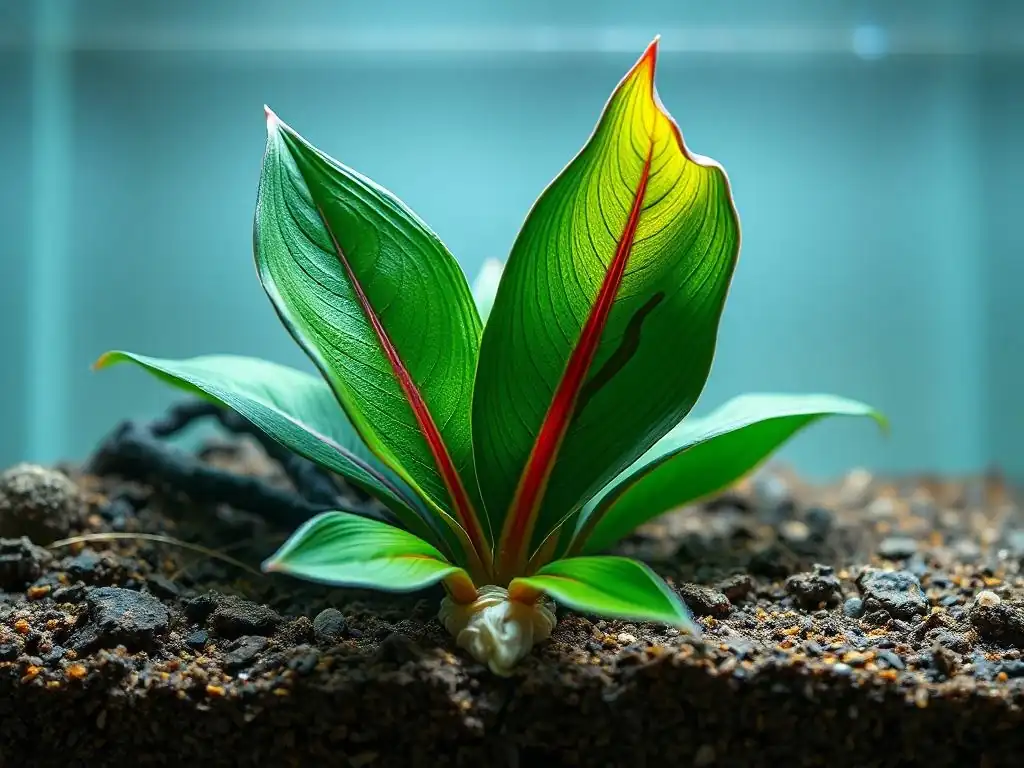
Proper preparation of new substrates is crucial for a clear and healthy aquarium, particularly for the Walstad method aquarium substrate. The inert gravel or sand used for the capping layer must be thoroughly rinsed. This involves placing small batches of gravel into a bucket and running water through it while stirring, continuing until the water runs completely clear and free of dust or fine particles. Failing to rinse the cap adequately will result in persistently cloudy water after filling the tank.
For the organic soil layer in a Walstad method setup, however, extensive rinsing is generally avoided. The goal is to preserve the beneficial microbes and nutrients within the soil. Instead of rinsing, careful handling is key: the soil should be gently layered, and the tank should be filled very slowly to prevent disturbance and clouding. Any initial slight cloudiness from the soil usually settles within a few hours to a day, as the Walstad method relies on the soil's natural integrity.
Layering Substrates for Optimal Nutrient Distribution
The layering of the Walstad method aquarium substrate is a hallmark of this naturalistic approach and is critical for optimal nutrient distribution and system stability. The process begins with a thin base layer of organic potting soil, typically 0.5 to 1 inch (1.2 to 2.5 cm) thick. This relatively shallow layer is deep enough to provide ample nutrients for plant roots but thin enough to help prevent the formation of highly anaerobic zones that could produce toxic gases.
Once the soil layer is evenly spread, it is then carefully capped with a layer of inert gravel or coarse sand, usually 1 to 2 inches (2.5 to 5 cm) thick. This capping layer serves multiple vital functions: it physically holds the soil in place, preventing it from clouding the water; it allows plant roots to penetrate easily to the nutrient-rich soil below; and it provides a clean, aesthetically pleasing surface. This specific Walstad method aquarium substrate layering ensures that nutrients are available to plants at their roots while keeping the water column relatively clean, minimizing algae issues.
Substrate Depth Considerations for Plant Growth
The overall depth of the Walstad method aquarium substrate is a critical factor influencing plant growth and tank stability. A total depth of approximately 2 to 3 inches (5 to 7.5 cm) is typically recommended. This depth, comprising the soil base and gravel cap, provides sufficient volume for robust root development for most aquatic plants, allowing them to access the rich nutrient reserves within the soil layer.
An adequate substrate depth in a Walstad tank supports strong plant establishment, which is vital for the system's success. If the substrate is too shallow, plant roots may not be able to fully develop or access enough nutrients, leading to stunted growth. Conversely, an excessively deep substrate, particularly with a thick soil layer, can increase the risk of severe anaerobic pockets and harmful gas buildup, though the Walstad method's reliance on dense planting helps to mitigate this by promoting oxygenation through the roots.
Plants and Substrates: Matching Plants to Substrate Types
Selecting Plants That Thrive in Different Substrates
For a Walstad method aquarium substrate, the selection of plants is paramount, as this system excels with heavy root feeders. Species like Cryptocoryne, Echinodorus (Amazon Swords), various Anubias species, and many stem plants (e.g., Ludwigia, Rotala) are ideal candidates. These plants are naturally adapted to drawing a significant portion of their nutrient requirements directly from the substrate, making the nutrient-rich soil of a Walstad tank an incredibly fertile environment for them to flourish.
Conversely, plants that are primarily water column feeders, such as Java Fern (Microsorum pteropus), Anubias, and floating plants (e.g., Frogbit, Dwarf Water Lettuce), while they can coexist, do not fully utilize the substrate's fertility in the same way. The strength of the Walstad method lies in its ability to provide a stable, long-term nutrient source for plants that root deeply, allowing them to establish extensive root systems and grow vigorously without the need for constant external fertilization.
Root Feeding vs. Water Column Feeding Plants
Understanding the distinction between root-feeding and water column-feeding plants is crucial for optimizing plant growth in any planted aquarium, especially within the Walstad method. Root-feeding plants, as their name suggests, primarily absorb nutrients through their root systems from the substrate. Examples include most Cryptocorynes, Amazon Swords, and many stem plants like Vallisneria and Sagittaria, which thrive in a nutrient-rich Walstad method aquarium substrate.
Water column-feeding plants, such as Anubias, Java Fern, Bucephalandra, and floating plants, derive most of their nutrients directly from the water. While the Walstad method focuses on substrate fertility, these plants can still benefit from trace nutrients naturally released into the water column by the soil or from fish waste. However, for maximum success in a Walstad tank, prioritizing a dense population of root feeders will best leverage the unique advantages of the Walstad method aquarium substrate.
Maximizing Plant Growth with Appropriate Substrate Choice
Maximizing plant growth in a Walstad setup hinges on leveraging the inherent fertility of the Walstad method aquarium substrate. The continuous, slow release of nutrients from the organic soil directly to the plant roots promotes consistent and robust growth, often leading to lush, dense plant biomass. This stable nutrient supply minimizes the common "feast or famine" cycles seen with liquid fertilization, allowing plants to develop strong root systems and healthy foliage.
By carefully selecting plants that are primarily root feeders and providing them with this rich Walstad method aquarium substrate, aquarists can create a self-sustaining ecosystem where plants naturally outcompete algae for available nutrients. This synergistic relationship between the fertile substrate and thriving plants leads to a healthier, more stable aquarium environment that requires less intervention and maintenance compared to conventional planted tank setups.
Fertilization and the Planted Aquarium Substrate
Understanding Nutrient Needs of Aquatic Plants
Aquatic plants, like their terrestrial counterparts, require a balanced array of macro and micronutrients for healthy growth. Macronutrients such as nitrogen (N), phosphorus (P), and potassium (K) are needed in larger quantities for overall growth, chlorophyll production, and cellular functions. Micronutrients, including iron (Fe), manganese (Mn), boron (B), and zinc (Zn), are vital in smaller amounts for various enzymatic processes and specialized functions within the plant.
In a Walstad method aquarium substrate, the organic soil layer is designed to be the primary source of these essential nutrients. The decomposition of organic matter within the soil, combined with nutrients from fish waste and decaying plant material, continually replenishes the substrate's fertility. This natural, slow-release mechanism significantly reduces or often entirely eliminates the need for external liquid or solid fertilizers, aligning with the low-tech, self-sustaining philosophy of the Walstad method.
Using Substrate Fertilizers for Root Feeding Plants
While many planted tanks rely on specialized substrate fertilizers or root tabs to provide nutrients for root-feeding plants, the Walstad method aquarium substrate inherently contains a rich, long-lasting nutrient supply from its organic soil base. Consequently, supplemental substrate fertilizers are largely unnecessary, especially during the initial years of a Walstad tank's operation. The system is designed to be self-sufficient, drawing upon the natural fertility of the soil.
However, in very long-established Walstad tanks (e.g., 5-10 years or more), some aquarists might observe signs of specific nutrient deficiencies in heavy root feeders. In such rare cases, targeted root tabs containing specific nutrients like iron or potassium could be strategically placed near the roots of affected plants. This approach adheres to the Walstad philosophy by keeping nutrients localized within the Walstad method aquarium substrate rather than dispersing them into the water column.
Avoiding Over-Fertilization and Nutrient Imbalances
Over-fertilization is a common pitfall in conventional planted tanks, often leading to aggressive algae blooms due to an excess of free nutrients in the water column. This imbalance can stress plants and make maintenance more challenging. The Walstad method, by design, naturally mitigates the risk of over-fertilization by sequestering most nutrients within the Walstad method aquarium substrate.
In a Walstad setup, nutrients are primarily available to plant roots from the soil, rather than being freely dissolved in the water column. This mechanism ensures that plants absorb nutrients as needed, preventing the buildup of excess nutrients that could otherwise fuel algae. The self-regulating nature of the Walstad method aquarium substrate promotes a balanced ecosystem where plants thrive, and algae are kept in check without the constant monitoring and adjustment of fertilizer levels.
Maintaining Your Planted Aquarium Substrate
Vacuuming and Cleaning the Substrate
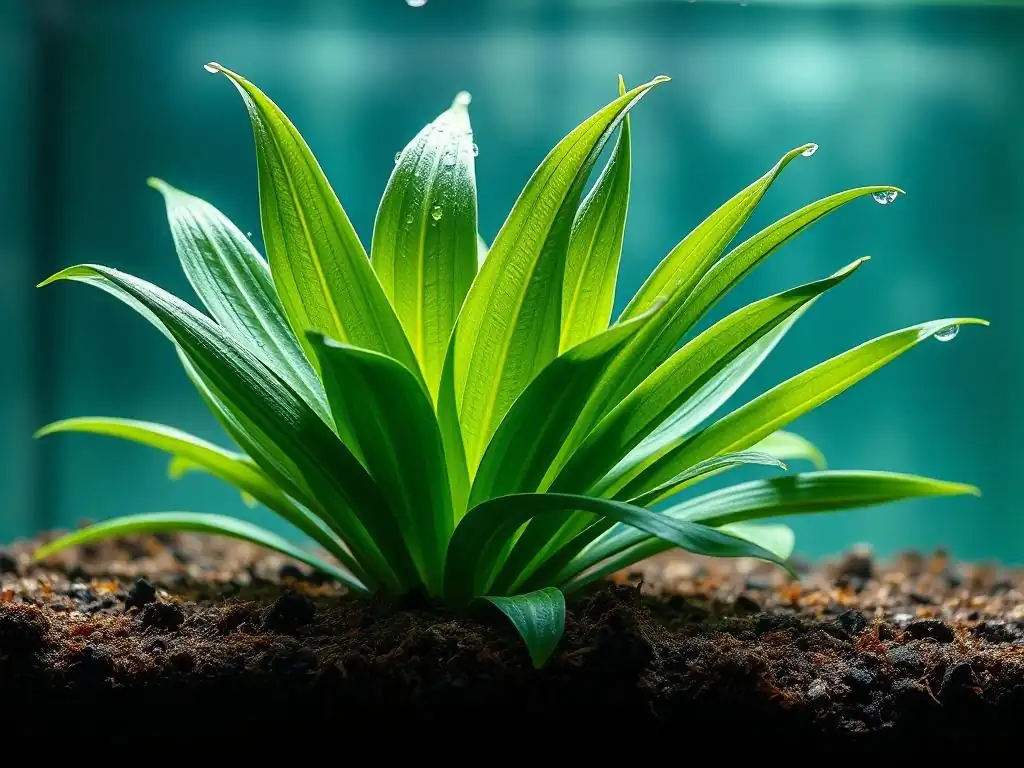
Maintaining a Walstad method aquarium substrate differs significantly from cleaning traditional gravel beds. Deep gravel vacuuming, which disturbs the substrate and removes detritus, is generally avoided in a Walstad tank. The goal is to allow organic matter, such as fish waste and decaying plant leaves, to break down and slowly return valuable nutrients to the underlying soil layer, enriching the substrate and feeding the plants.
Instead of deep cleaning, maintenance for a Walstad method aquarium substrate typically involves only light surface vacuuming, if at all. This might be done to remove unsightly detritus from the very top of the gravel cap without penetrating deeply enough to disturb the soil. This minimal intervention ensures that the beneficial microbial activity within the substrate remains undisturbed, allowing the natural nutrient cycling processes to continue unimpeded, which is crucial for the long-term health of the Walstad system.
Replenishing Nutrients in Depleted Substrates
Over an extended period, typically several years (e.g., 5-10 years), the initial nutrient supply in a Walstad method aquarium substrate may gradually diminish. However, this natural depletion is significantly offset by the continuous input of nutrients from fish waste, uneaten food, and the decomposition of old plant matter. These organic materials break down and are incorporated into the soil layer, effectively replenishing its fertility over time.
Should signs of specific nutrient deficiencies become apparent in very mature Walstad tanks, there are simple, non-disruptive ways to revitalize the Walstad method aquarium substrate. This might involve strategically placing a few root tabs near heavy root feeders, or in more advanced cases, carefully adding a small amount of new organic topsoil under the existing cap in localized areas. These methods ensure the long-term viability of the Walstad system without requiring a complete substrate overhaul.
Preventing Anaerobic Pockets and Gas Buildup
Anaerobic pockets, characterized by black areas within the substrate and the release of hydrogen sulfide (a rotten egg smell), can be a concern in very deep or compacted substrates, as they are toxic to aquatic life. The Walstad method aquarium substrate design, however, inherently mitigates this risk through several key factors. The relatively thin soil layer (0.5 to 1 inch) reduces the volume where severe anoxia can occur.
Furthermore, the dense planting that is characteristic of the Walstad method plays a crucial role in preventing anaerobic zones. Plant roots actively oxygenate the substrate as they grow, creating channels for gas exchange and preventing compaction. This natural biological activity within the Walstad method aquarium substrate ensures a healthy environment and minimizes the chances of harmful gas buildup, contributing to the overall stability and safety of the tank.
Substrate and the Nitrogen Cycle
How Substrate Supports Beneficial Bacteria
The Walstad method aquarium substrate provides an expansive and ideal habitat for the beneficial bacteria crucial to the nitrogen cycle. The porous structure of the gravel cap and the rich organic material within the soil layer offer vast surface areas for nitrifying bacteria (Nitrosomonas and Nitrobacter) to colonize. These aerobic bacteria are responsible for the vital conversion of toxic ammonia, produced by fish waste and decaying organic matter, into less harmful nitrite, and then into nitrate.
Beyond aerobic nitrification, the deeper, anoxic zones within the Walstad method aquarium substrate also support anaerobic bacteria. These bacteria are capable of denitrification, a process where nitrates are converted into nitrogen gas, which then off-gases from the aquarium. This complete nitrogen cycle, facilitated by the diverse microbial communities within the Walstad substrate, contributes significantly to water purification and stability, making the system highly efficient at managing waste.
Maintaining a Healthy Nitrogen Cycle
Maintaining a healthy nitrogen cycle in a Walstad tank is largely self-regulating due to the robust biological activity within the Walstad method aquarium substrate and the efficient nutrient uptake by dense plant growth. The substrate's capacity to host vast colonies of nitrifying and denitrifying bacteria ensures continuous processing of nitrogenous waste. This natural filtration minimizes the need for extensive external filtration and frequent water changes typically required in other aquarium setups.
Regular partial water changes, usually 20-30% every two to four weeks, remain beneficial in a Walstad tank to export any excess nitrates not absorbed by plants and to replenish essential trace elements. However, the stability provided by the nutrient-rich Walstad method aquarium substrate and the active plant biomass means that ammonia and nitrite spikes are rare in a well-established system, contributing to a consistently healthy and stable environment for all aquatic inhabitants.
Upon initial setup, a Walstad method aquarium substrate might present some temporary water quality issues, such as slight cloudiness or minor ammonia spikes. Cloudiness typically results from fine soil particles suspending in the water during filling and usually settles within 24-48 hours. Ammonia spikes can occur as the nitrogen cycle establishes itself within the new soil and bacterial populations multiply, but these are generally mild and short-lived in a properly planted Walstad tank.
Long-term water quality issues directly attributable to a well-established Walstad method aquarium substrate are uncommon. The capping layer effectively prevents significant nutrient leaching into the water column, and the dense plant growth efficiently absorbs nitrates. Provided the substrate is not excessively deep or severely disturbed, the system tends to maintain stable water parameters, demonstrating the robustness and self-correcting nature of the Walstad method in preventing substrate-related water quality problems.
Troubleshooting Common Substrate Problems
Algae Growth in the Substrate
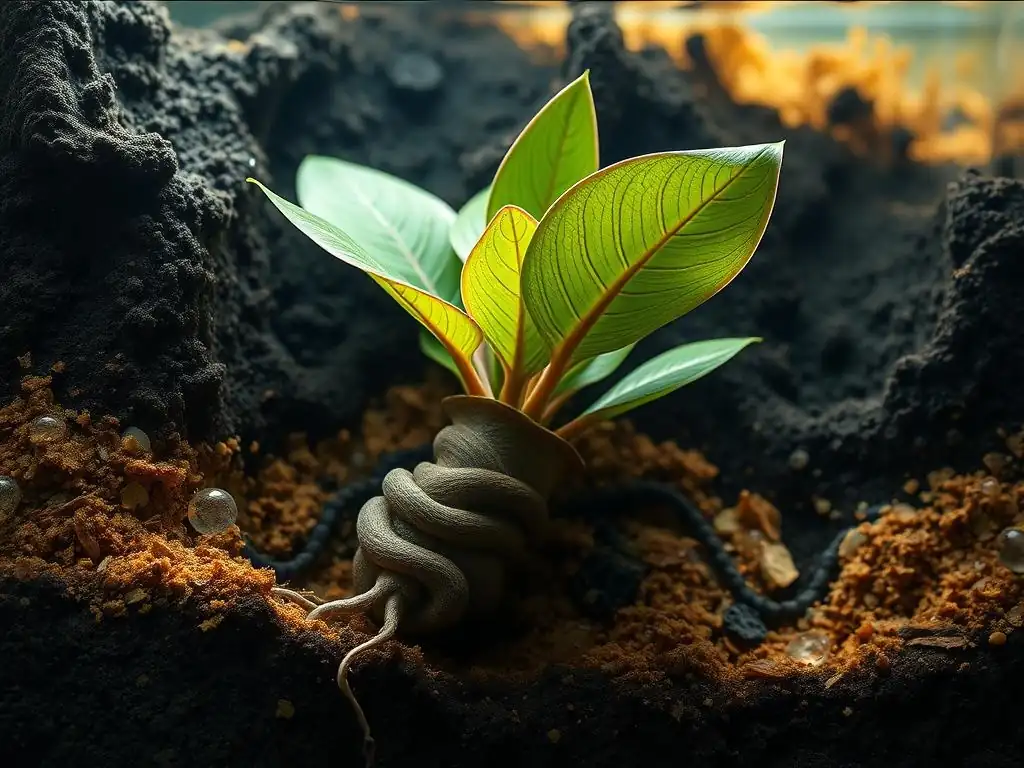
Algae growth on the substrate, such as green spot algae or brown diatoms, can occur from excessive light or the presence of silicates, but algae growing within the Walstad method aquarium substrate itself is extremely rare. If algae appears on the gravel cap, it often indicates an imbalance in light duration or intensity, or an excess of nutrients in the water column that the plants are not consuming quickly enough.
The Walstad method's design, with its emphasis on nutrient sequestration within the soil and robust plant growth, is inherently effective at preventing widespread algae issues. By providing a consistent nutrient supply to plant roots and fostering dense plant biomass that outcompetes algae for available light and nutrients in the water column, the Walstad method aquarium substrate system naturally keeps algae in check, making substrate-related algae a less frequent concern than in other planted tank setups.
Substrate Compaction
Substrate compaction occurs when substrate particles settle too tightly, reducing porosity and hindering water and gas exchange. This can lead to the formation of anaerobic pockets and impede root growth. While common in very fine sand beds or overly deep substrates without adequate circulation, the Walstad method aquarium substrate is less prone to severe compaction due to its specific design and the continuous activity within it.
The relatively thin layer of organic soil in a Walstad tank, coupled with the vigorous root systems of densely planted aquatic plants, naturally resists compaction. Plant roots actively tunnel through the soil, creating pathways for water and nutrient flow and helping to aerate the substrate. This biological "tilling" action ensures that the Walstad method aquarium substrate remains adequately porous, preventing the buildup of harmful gases and promoting long-term substrate health.
Plant nutrient deficiencies manifest as specific symptoms, such as yellowing leaves (nitrogen, iron), stunted growth (phosphorus), or pale new growth (iron, manganese). While these are common issues in planted tanks relying solely on water column fertilization, they are less frequent in a properly established Walstad method aquarium substrate due to its inherent fertility. The organic soil provides a comprehensive and slow-release supply of essential macro and micronutrients directly to the roots.
Should plant deficiencies appear in a mature Walstad tank, especially after several years of operation, it typically indicates a localized depletion of specific trace elements or the needs of particularly demanding plants. These can often be remedied with targeted interventions, such as placing root tabs rich in iron or potassium near the affected plants. This approach maintains the integrity of the Walstad method aquarium substrate while addressing specific plant nutritional needs, ensuring continued lush growth.
Advanced Substrate Techniques
Using Root Tabs for Targeted Fertilization
While the Walstad method aquarium substrate is designed to be self-sufficient in terms of nutrients, root tabs can serve as a targeted supplemental fertilization method for very heavy root feeders or to address specific localized deficiencies in a long-established Walstad tank. Unlike liquid fertilizers that disperse into the water column, root tabs are pushed directly into the substrate near a plant's roots, delivering a concentrated dose of nutrients precisely where they are needed.
This approach aligns with the Walstad philosophy by keeping nutrients locked within the Walstad method aquarium substrate, minimizing their presence in the water column where they could potentially fuel algae growth. Root tabs are particularly useful for plants like large Amazon Swords or Cryptocorynes that may eventually deplete the immediate surrounding soil of certain elements after years of vigorous growth, providing a boost without disrupting the overall balance of the natural planted tank.
Incorporating Laterite or Clay for Enhanced Plant Growth
Laterite and various types of clay, such as bentonite or akadama, are known for their high iron content and excellent cation exchange capacity (CEC), making them valuable additives to conventional planted tank substrates. They can significantly enhance the substrate's ability to hold and release nutrients, particularly iron, which is crucial for plant health and color. These are typically mixed into the base layer of a substrate or used as a dedicated layer.
While the core Walstad method aquarium substrate relies on standard organic potting soil, some aquarists experimenting with the Walstad approach might choose to incorporate a small amount of red clay or laterite into their soil mix to further boost iron availability and CEC. However, the fundamental Walstad method emphasizes simplicity and the inherent fertility of common organic topsoil, suggesting that such specialized additives are often not strictly necessary for a thriving natural planted tank.
Creating a DIY Substrate Mix
Creating a DIY substrate mix for a Walstad method aquarium substrate typically revolves around a base of organic topsoil or a high-quality organic potting mix. The primary goal is to ensure the soil is free from harmful chemicals, synthetic fertilizers, or large, undecomposed organic matter that could cause anaerobic issues. Sifting the soil to remove larger debris is a common preparation step to achieve a more uniform texture.
Some DIY enthusiasts might experiment with adding small quantities of other natural materials to their Walstad method aquarium substrate, such as a tiny amount of peat moss (for slight acidity and humic substances), mineralized topsoil (for stabilized nutrients), or even a small percentage of red clay for enhanced iron. However, the most faithful and often most effective DIY Walstad substrate remains a simple, clean organic topsoil capped with inert gravel, emphasizing simplicity and natural processes.
Choosing the Right Substrate: Weighing the Options
Considerations for Budget, Plant Needs, and Maintenance
When choosing a substrate, several key considerations come into play, and the Walstad method aquarium substrate offers compelling advantages in each. From a budget perspective, the Walstad method is exceptionally cost-effective, relying on inexpensive organic topsoil and common gravel, significantly cheaper than specialized aquasoils or nutrient-enriched substrates. This accessibility makes it an attractive option for aquarists on a budget.
Regarding plant needs, the Walstad method aquarium substrate excels for heavy root-feeding plants and low-tech setups, providing a stable, long-term nutrient source without the need for constant external fertilization. In terms of maintenance, it stands out for its low intervention requirements: less frequent water changes, no deep substrate vacuuming, and minimal need for liquid fertilizers. This combination of affordability, effective plant support, and low maintenance makes the Walstad method a highly appealing choice for a thriving planted aquarium.
Conclusion: Creating a Thriving Planted Aquarium
The choice of substrate is undeniably foundational to the success and long-term health of any planted aquarium. For those seeking a natural, self-sustaining, and low-maintenance aquatic ecosystem, the Walstad method aquarium substrate offers a unique and highly effective solution. Its reliance on a nutrient-rich organic soil base, carefully capped with inert gravel, provides a robust and continuous supply of nutrients directly to plant roots, mimicking nature's own processes.
By understanding and faithfully implementing the principles behind the Walstad method, aquarists can cultivate lush, vibrant aquatic landscapes that thrive with minimal external intervention. The self-regulating nature of the Walstad method aquarium substrate system, combined with dense plant growth, naturally manages water quality, inhibits algae, and fosters a balanced environment. Ultimately, embracing the Walstad method means unlocking the power of natural processes to create a truly thriving and beautiful planted tank.
Frequently Asked Questions
What is the Walstad Method, and how does the substrate play a role?
The Walstad Method is a natural planted tank approach that aims for a self-sustaining ecosystem. The substrate is crucial because it acts as a nutrient source for plants and a biological filter for the aquarium.
What are the key components of a Walstad Method aquarium substrate?
Typically, a Walstad Method substrate consists of a soil layer capped with a layer of gravel or sand. The soil provides nutrients and the cap prevents the soil from clouding the water.
What types of soil are suitable for a Walstad Method substrate?
The best soil is usually organic potting soil without added fertilizers or pesticides. Look for natural garden soil or topsoil that is free of harmful chemicals for your aquarium inhabitants.
How thick should each layer of the Walstad Method substrate be?
A common recommendation is about 1 inch of soil followed by 1-2 inches of gravel or sand. This balance provides sufficient nutrients while preventing excessive anaerobic conditions.
What are the potential benefits of using the Walstad Method substrate in my aquarium?
The Walstad Method can lead to a low-maintenance, naturally balanced aquarium. It can reduce the need for filters and water changes, creating a thriving environment for plants and fish.
Final Reflection: Cultivating Ecosystems, One Grain at a Time
The exploration of the Walstad Method substrate, as we've seen, is far more than just choosing the right dirt; it's about understanding and fostering a self-sustaining ecosystem. This pursuit of balance, of mimicking nature's intricate processes within the confines of a glass box, resonates deeply in a world increasingly aware of its environmental impact. The principles of the Walstad Method, emphasizing natural filtration and reduced reliance on artificial interventions, offer a tangible and beautiful way to connect with the natural world, even within our own homes.
The enduring appeal of the Walstad Method lies in its simplicity and its profound respect for the natural world. It's a reminder that sometimes, the most effective solutions are the ones that work with nature, not against it. This approach has not only influenced the aquarium hobby, but also subtly shifted perspectives on sustainable practices in other areas. The best way to observe a fish is to become a fish.
- Jacques Cousteau. This quote encapsulates the essence of the Walstad Method: understanding and respecting the needs of the ecosystem to achieve harmony.
As you consider the insights shared in this article, I invite you to reflect on the power of observation and the beauty of simplicity. How can you apply the principles of the Walstad Method – balance, natural processes, and mindful intervention – to other aspects of your life? Perhaps it's in your garden, your approach to resource consumption, or even your relationships. Embrace the opportunity to cultivate your own ecosystems, both literal and metaphorical, and discover the profound rewards of living in harmony with the world around you.
Unleash Your Inner Ecosystem Architect!
Thank you for exploring the wonders of the Walstad Method! We hope you've discovered the potential for creating a thriving, low-maintenance planted aquarium. Now, it's time to put that knowledge into action and build your slice of underwater paradise!
Ready to get started? Here are a few things you can do right now:
- Commit to building your first Walstad tank! Choose a tank size, gather your materials (remember that soil! ), and document your journey.
- Share your newly acquired knowledge! Talk to your friends who are hobbyists and spread this knowledge!
- Research unique, locally sourced soil options for your Walstad substrate. Could your backyard hold the key to an incredibly fertile environment?
What unexpected plant or fish species are you most excited to include in your natural planted tank?