
Culling Neocaridina Shrimp: An Ethical Breeder's Guide to Improving Stock

Welcome to Aquarium Mastery!
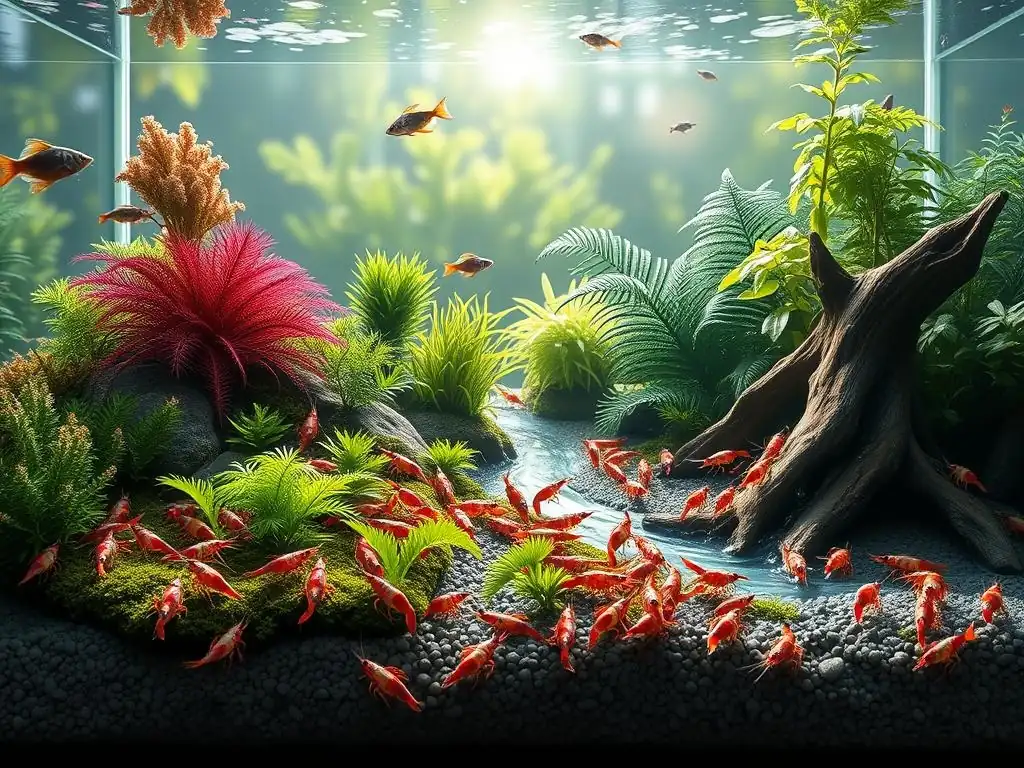
Ever wondered if selective breeding could lead to healthier, more vibrant shrimp in your aquarium? Dive into our latest article, " Culling Neocaridina Shrimp: An Ethical Breeder's Guide to Improving Stock," where we explore the often-overlooked, yet crucial, topic of ethical Neocaridina shrimp culling. Learn how responsible culling practices can enhance the quality and resilience of your shrimp colony. Ready to uncover the secrets to a thriving, colorful shrimp population? Let's get started!
- Understanding Ethical Neocaridina Shrimp Culling
- Preparing for Neocaridina Shrimp Culling: The Ethical Breeder's Checklist
- Identifying Neocaridina Shrimp for Culling: A Step-by-Step Guide
- The Ethical Culling Process for Neocaridina Shrimp
- Improving Your Neocaridina Shrimp Stock Through Selective Breeding
- Alternatives to Culling: Rehoming and Responsible Disposal of Neocaridina Shrimp
- Avoiding Common Mistakes in Neocaridina Shrimp Culling
- Advanced Neocaridina Shrimp Culling Techniques
- The Long-Term Benefits of Ethical Neocaridina Shrimp Culling
-
Frequently Asked Questions
- How does ethical culling benefit Neocaridina shrimp populations?
- What are the primary criteria for selecting Neocaridina shrimp for culling?
- Why is it considered "ethical" to cull Neocaridina shrimp?
- What are the recommended methods for humanely euthanizing Neocaridina shrimp?
- How often should a Neocaridina shrimp breeder cull their colony?
- Final Reflection: Cultivating Beauty, Choosing Life
- Dive Deeper: Transform Your Shrimp Tank Today!
Understanding Ethical Neocaridina Shrimp Culling
What is Neocaridina Shrimp Culling? Definition and Purpose
Neocaridina shrimp culling refers to the intentional removal of specific individuals from a breeding colony. This practice is undertaken by breeders to improve the overall quality, health, and genetic stability of their shrimp lines. Its primary purpose is to select for desirable traits, such as vibrant coloration, robust health, and correct body form, while eliminating individuals that exhibit undesirable characteristics like poor color, deformities, or signs of genetic weakness.
The process of ethical Neocaridina shrimp culling is not about discarding life arbitrarily, but rather a strategic management tool. It ensures that only the healthiest and most exemplary specimens are allowed to reproduce, thereby concentrating the desired genetic material within the colony. This meticulous selection helps prevent the propagation of genetic defects and maintains the aesthetic and biological integrity of a specific shrimp morph, crucial for serious aquarists.
Why Ethical Culling is Crucial for Neocaridina Shrimp
Ethical culling is paramount for the long-term vitality and sustainability of Neocaridina shrimp populations in captivity. Without selective removal of less desirable individuals, a shrimp colony can quickly revert to a "wild type" appearance, characterized by dull, inconsistent coloration and potentially weaker genetic predispositions. This genetic degradation can manifest as reduced lifespan, increased susceptibility to disease, and lower reproductive rates.
Furthermore, responsible Neocaridina shrimp culling prevents the proliferation of genetic abnormalities. Conditions such as bent rostrums, curled tails, or stunted growth can become prevalent if affected individuals are allowed to breed, diminishing the overall health and aesthetic appeal of the entire line. By maintaining strict culling standards, breeders contribute to a healthier hobby, ensuring that robust and visually appealing shrimp are available for fellow enthusiasts.
The Importance of Selective Breeding in Neocaridina Shrimp Keeping
Selective breeding, with ethical Neocaridina shrimp culling as its cornerstone, is the driving force behind the diverse array of beautiful shrimp morphs available today. Breeders meticulously choose shrimp displaying the best examples of a desired trait – be it a deep red hue in a Red Cherry shrimp or a solid blue in a Blue Dream – to become the parents of the next generation. This intentional pairing aims to intensify and stabilize these characteristics over successive generations.
For instance, a breeder aiming for a high-grade Red Cherry line might find that only 50-70% of offspring in early generations exhibit the desired deep red coloration. Through consistent selective breeding and thorough culling of less pigmented or wild-type individuals, this percentage can often be increased to 90% or more within three to five generations. This demonstrates how culling is not just about removal, but about actively shaping the genetic future of a shrimp line.
Preparing for Neocaridina Shrimp Culling: The Ethical Breeder's Checklist
Setting Up a Separate Culling Tank for Neocaridina Shrimp
Establishing a dedicated culling tank is an essential step for any ethical Neocaridina shrimp breeder. This separate aquarium provides a designated space for shrimp that do not meet the breeder's standards, preventing them from mixing with the main breeding colony and potentially diluting the desired gene pool. A 5 to 10-gallon tank is often sufficient for this purpose, equipped with basic filtration (sponge filter recommended), a heater if necessary to maintain stable temperatures (e.g., 72-78°F or 22-26°C), and some plant matter or substrate for the shrimp to graze on.
The culling tank should be cycled and maintained with the same diligence as the primary breeding tank, ensuring optimal water parameters (e.g., 0 ppm ammonia, 0 ppm nitrite, low nitrates, GH 4-8, KH 3-6). This allows culled shrimp to live comfortably if they are to be rehomed or observed further, rather than simply being discarded. It reflects a commitment to animal welfare even for shrimp that are not part of the primary breeding program.
Essential Equipment for Identifying and Removing Unwanted Neocaridina Shrimp
Accurate identification and gentle removal are key to effective ethical Neocaridina shrimp culling. Essential equipment includes a small, fine-meshed net, preferably one designed for delicate aquatic creatures, to minimize stress and prevent injury during capture. A magnifying glass or a clear, small specimen container (such as a plastic deli cup) is invaluable for close inspection of individual shrimp, allowing breeders to scrutinize coloration, body form, and subtle signs of health issues without removing the shrimp from water for extended periods.
A strong, directed light source, like a small LED flashlight, can also be beneficial, especially when examining shrimp in a planted tank or during specific times of day. This helps illuminate subtle color variations or deformities that might otherwise be missed. The goal is to make the identification and transfer process as swift and stress-free as possible for the shrimp involved, upholding the ethical standards of the practice.
Understanding Neocaridina Genetics and Color Variations for Effective Culling
A thorough understanding of basic Neocaridina genetics and the specific color variations within your chosen morph is crucial for effective ethical Neocaridina shrimp culling. Different color morphs, such as Red Cherry, Blue Dream, or Sunkist, have specific genetic expressions that dictate their appearance. For example, a Red Cherry shrimp's coloration is largely polygenic, meaning multiple genes contribute to its intensity and coverage. Breeders must learn to distinguish between a truly low-grade individual and one that is simply a younger shrimp still developing its full coloration.
Knowing the typical traits of "wild type" reversion – where shrimp lose their specialized coloration and revert to a brownish, translucent appearance – is also vital. This reversion often indicates a weakening of the desired genetic line. By understanding these genetic principles, breeders can make informed decisions about which shrimp to cull, ensuring that their efforts are scientifically sound and contribute effectively to the long-term health and purity of their Neocaridina shrimp line.
Identifying Neocaridina Shrimp for Culling: A Step-by-Step Guide
Recognizing Undesirable Traits in Neocaridina Shrimp: Color, Form, and Health
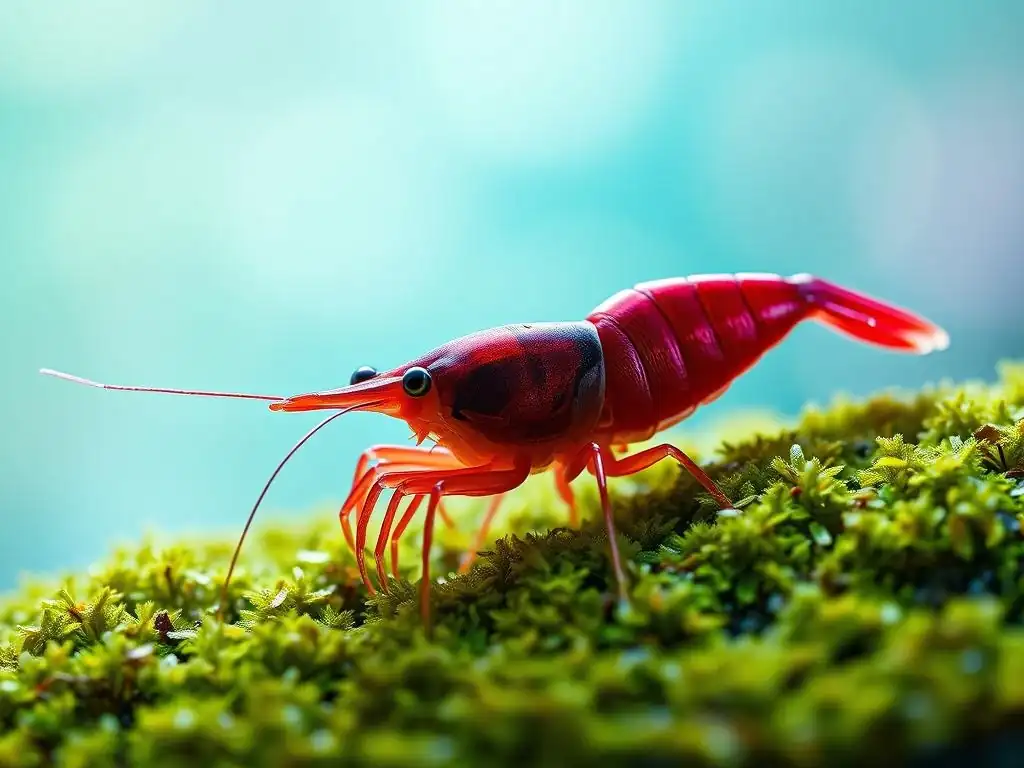
Identifying shrimp for ethical Neocaridina shrimp culling involves a systematic assessment of several key criteria: color, body form, and overall health. Undesirable traits in coloration include faded or patchy colors where solid coverage is expected, or the presence of wild-type patterning (e.g., stripes or spots) in morphs bred for uniform color. In terms of form, look for physical deformities such as bent rostrums (the pointed projection from the head), curled tails, or irregular body shapes that deviate significantly from the species' natural streamlined appearance.
Health indicators are equally important; shrimp that are consistently lethargic, show signs of chronic illness, or fail to thrive despite optimal water parameters may possess genetic weaknesses. The goal is to distinguish between temporary stress or injury and genuine genetic predispositions that would negatively impact the breeding line. A holistic approach ensures that culling decisions are well-rounded and serve the long-term well-being of the colony.
Assessing Neocaridina Shrimp Coloration: Identifying Wild Types and Fades
Coloration is often the most immediate and visible trait used in Neocaridina shrimp culling. For most popular morphs, the ideal is a dense, opaque, and uniform color across the entire body, with minimal clear spots or splotches. When assessing, look for individuals that exhibit significant fading, especially on the legs or underside, or those that show a translucent quality where a solid color is desired. A common issue is "wild type" reversion, where specialized color morphs begin to show the brown, mottled appearance of their ancestors.
For example, a high-grade Bloody Mary Neocaridina should be a deep, opaque red throughout, including the legs. A shrimp from this line that appears pale pink, has clear patches, or shows distinct brown mottling would be a prime candidate for ethical Neocaridina shrimp culling. Consistent observation over several weeks, as shrimp mature, helps confirm if a low-grade appearance is temporary (e.g., due to stress or age) or a persistent genetic trait.
Evaluating Body Structure and Deformities in Neocaridina Shrimp
Beyond color, the physical structure of a Neocaridina shrimp is a critical indicator of genetic health. Deformities can range from subtle to obvious and often point to inbreeding depression or specific genetic mutations that should not be propagated. Common deformities include a bent or twisted rostrum, which can sometimes appear as a slight curve or a severe, unnatural angle. Curled or permanently bent tails are another red flag, as are visibly stunted growth compared to age-matched tank mates, or an overall frail and underdeveloped appearance.
An ethical Neocaridina shrimp breeder pays close attention to these structural anomalies. While a single shrimp with a minor deformity might occur randomly, a recurring pattern of similar deformities across multiple generations or a significant percentage of offspring (e.g., more than 5-10% in a stable line) strongly suggests a genetic issue that requires aggressive culling. Maintaining a robust gene pool free from such defects is paramount for a healthy colony.
Recognizing Signs of Disease and Genetic Weakness in Neocaridina Shrimp
Distinguishing between a treatable illness and a chronic genetic weakness is vital for ethical Neocaridina shrimp culling. Signs of disease can include fungal infections (like the green fungus Cladogonium), parasitic infestations (e.g., Vorticella), or bacterial infections leading to lethargy, loss of appetite, or unusual swimming patterns. If a shrimp exhibits recurring health issues despite optimal water parameters and no obvious external cause, it might possess a compromised immune system or genetic predisposition to illness.
Genetic weakness can also manifest as poor molting success, chronic stress, or a general failure to thrive. While a single difficult molt might be an isolated incident, repeated molting problems within a specific lineage or a high mortality rate among offspring not attributable to environmental factors are strong indicators for culling. The goal is to remove individuals that could pass on susceptibility to disease or overall frailty, thus strengthening the resilience of the entire colony.
The Ethical Culling Process for Neocaridina Shrimp
Humane Methods for Euthanizing Neocaridina Shrimp
When humane euthanasia is necessary as part of ethical Neocaridina shrimp culling, it is crucial to employ methods that ensure rapid and minimal suffering. One widely accepted method is the ice slurry method: preparing a mixture of ice and water (primarily ice) and placing the shrimp directly into it. The rapid and extreme drop in temperature quickly induces hypothermia, leading to a loss of consciousness and then death within seconds, often before the shrimp can react significantly. This method is considered one of the most humane for invertebrates.
Another method, suitable for individual shrimp, is rapid crushing. This involves placing the shrimp on a hard surface and quickly and decisively crushing it with a blunt object, such as a rock or the back of a spoon. The key is absolute certainty and speed, ensuring instantaneous destruction of the nervous system. Regardless of the chosen method, the priority is to execute it swiftly and definitively, preventing any prolonged distress.
Avoiding Cruel or Inhumane Culling Practices
Ethical Neocaridina shrimp culling explicitly prohibits practices that cause prolonged suffering or distress. Flushing shrimp down a toilet or drain, for example, is highly inhumane as they will inevitably die slowly from temperature shock, lack of oxygen, and toxic chemicals in the water system. Similarly, simply leaving shrimp to die by desiccation (drying out) or prolonged exposure to harsh chemicals is unacceptable.
These methods are not only cruel but also reflect a disregard for the life of the animal. An ethical breeder prioritizes the welfare of all their creatures, even those deemed unsuitable for breeding. The principle is to ensure that if a life must be ended, it is done so with the utmost respect and minimal pain, adhering to the highest standards of animal husbandry.
Minimizing Stress During the Neocaridina Shrimp Culling Process
Minimizing stress during the ethical Neocaridina shrimp culling process is paramount, both for the individual being culled and for the remaining colony. The selected shrimp should be gently netted and immediately transferred to the euthanasia setup without unnecessary handling or delay. The process should be conducted away from the main aquarium to avoid disturbing other shrimp or exposing them to any distress signals.
Speed and efficiency are key. Once a shrimp is identified for culling, the transfer and euthanasia should be performed decisively. Prolonged observation or hesitation only prolongs potential stress. By conducting the process quickly and privately, the breeder ensures that the impact on the shrimp's welfare is as limited as possible, reinforcing the commitment to humane practices throughout the entire breeding operation.
Improving Your Neocaridina Shrimp Stock Through Selective Breeding
Maintaining Detailed Records of Your Neocaridina Shrimp Lineage
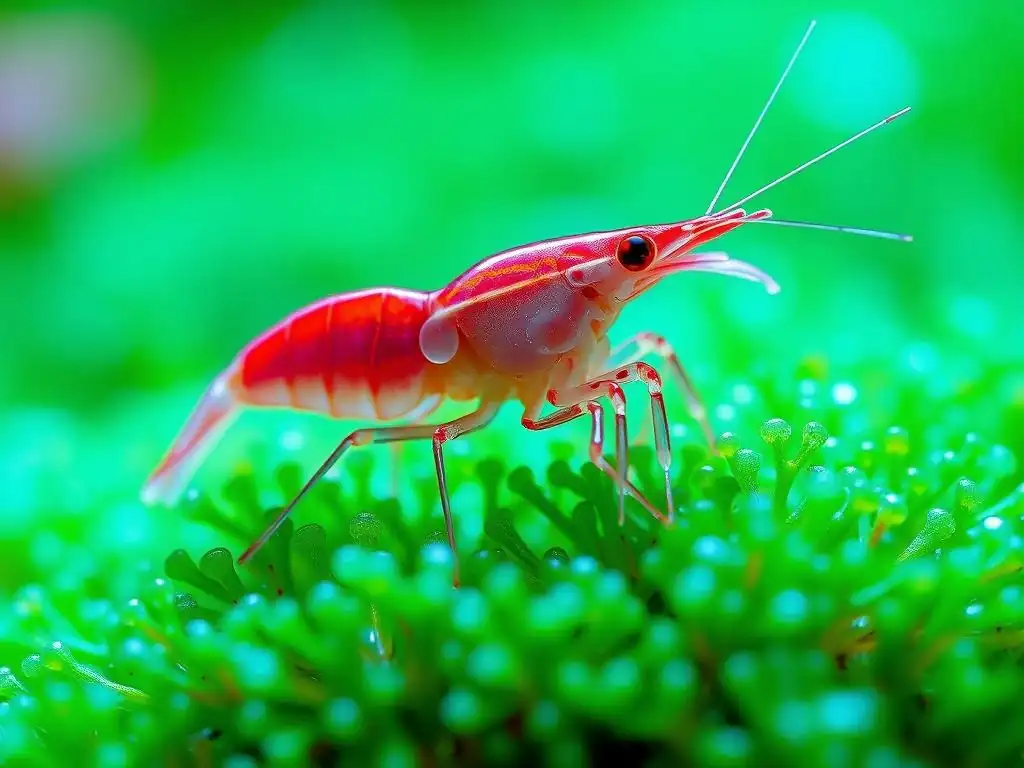
Maintaining meticulous records is an indispensable practice for any ethical Neocaridina shrimp breeder committed to improving their stock. These records should include information on breeding pairs, dates of breeding, offspring numbers, and, critically, the number and reasons for culling in each generation. A simple spreadsheet or a dedicated notebook can track these details, allowing breeders to identify trends, such as a consistent percentage of low-grade offspring from a particular parent pair (e.g., 20-30% culled per batch).
Such detailed lineage tracking helps pinpoint which breeding lines are consistently producing high-quality shrimp and which might be contributing to undesirable traits. For instance, if a specific male consistently produces offspring with faded colors, despite being paired with high-grade females, this information recorded over several batches (e.g., 3-4 successful spawns) guides future breeding decisions, allowing for his removal from the breeding program and selection of a more suitable male.
Focusing on Specific Traits for Neocaridina Shrimp Breeding Goals
Effective selective breeding, supported by ethical Neocaridina shrimp culling, requires a clear focus on specific breeding goals. Before beginning, a breeder should define what "improvement" means for their particular shrimp line. Is it a deeper, more opaque red? A more uniform blue? Enhanced hardiness? Or perhaps a specific pattern like the Rili gene expression? By concentrating on one or two primary traits at a time, breeders can make more precise culling decisions and achieve faster progress.
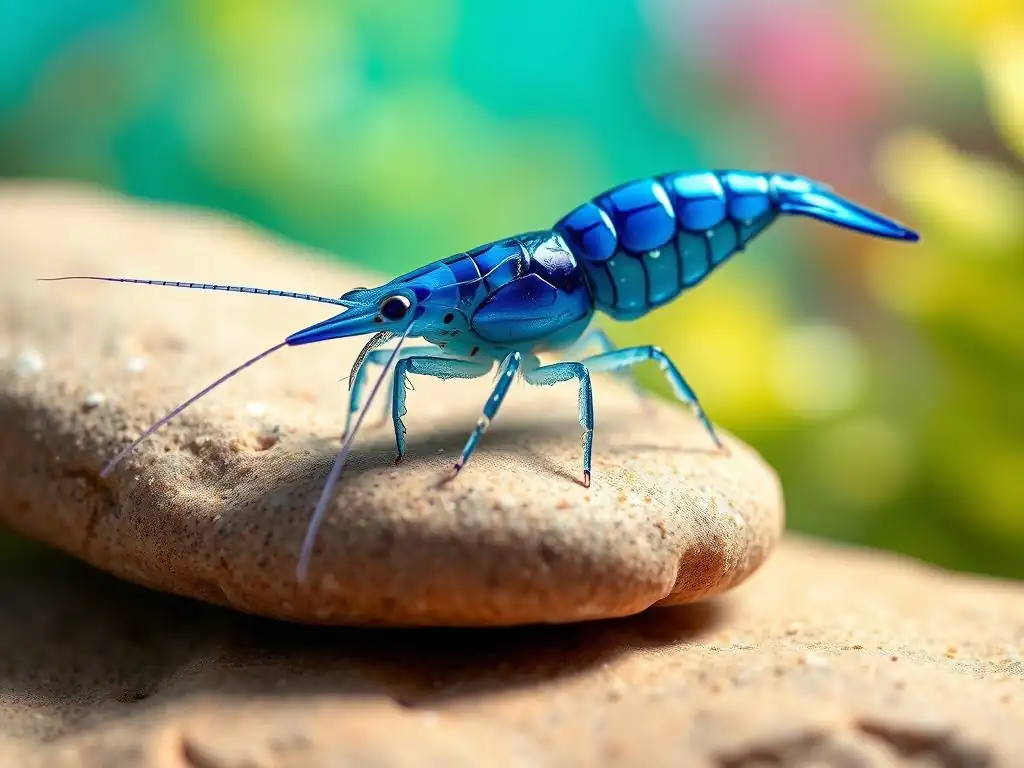
For example, a breeder aiming for a high-grade Blue Dream Neocaridina might prioritize culling any shrimp that show inconsistent blue coloration, wild-type stripes, or a tendency towards black or brown hues. They might tolerate slight variations in size initially if the color is exceptional, but once the color is stabilized (e.g., 90% or more of offspring are high-grade blue), they can then shift their focus to improving size or form. This targeted approach maximizes the impact of each culling decision.
Introducing New Genetic Material Responsibly to Enhance Neocaridina Shrimp Quality
While ethical Neocaridina shrimp culling helps refine existing lines, introducing new genetic material, or "outcrossing," is sometimes necessary to prevent inbreeding depression and enhance overall stock quality. This involves acquiring high-quality shrimp from a different, unrelated bloodline. However, this process must be undertaken with extreme caution and responsibility. New shrimp should always undergo a strict quarantine period, typically 4-6 weeks, in a separate tank to ensure they are free of diseases or parasites that could decimate an established colony.
Furthermore, the new genetic material should be carefully selected to complement the existing line's strengths and address its weaknesses. For instance, if a line consistently produces smaller shrimp, introducing a new, robust, and larger individual of the same high-grade morph could help improve size while maintaining color quality. While outcrossing can temporarily increase genetic variation and potentially necessitate more diligent ethical Neocaridina shrimp culling in the immediate offspring, it is crucial for long-term genetic health and vitality.
Alternatives to Culling: Rehoming and Responsible Disposal of Neocaridina Shrimp
Finding Suitable Homes for Cull Neocaridina Shrimp
While ethical Neocaridina shrimp culling is a necessary part of selective breeding, not all culled shrimp need to be euthanized. Many "culled" shrimp are simply those that don't meet the breeder's specific aesthetic standards but are otherwise healthy and perfectly suitable as pets for general hobbyists. Finding suitable homes for these individuals is a responsible alternative. Options include offering them to local fish stores, which sometimes accept them as feeder shrimp (though this should be disclosed), or selling/giving them away to other hobbyists through local aquarium clubs, online forums, or social media groups.
Transparency is key when rehoming culled shrimp; clearly communicate that they are "culls" and explain why (e.g., "lighter coloration than my breeding standard," or "not ideal for breeding specific morphs"). This ensures the new owner has realistic expectations. For example, a Red Cherry "cull" might be a perfectly healthy, active shrimp, just not the deep, opaque red required for a high-grade breeding line.
Responsible Disposal Options for Culling Neocaridina Shrimp
In cases where rehoming is not feasible and euthanasia has been performed as part of ethical Neocaridina shrimp culling, responsible disposal of the deceased shrimp is the final step. Simply discarding them in household waste is permissible, but more environmentally conscious options exist. Small numbers of deceased shrimp can be composted, adding nutrients to garden soil, or buried in a garden, returning their organic material to the earth.
The key is to avoid any disposal method that could be considered disrespectful or could potentially introduce foreign organisms into local ecosystems. For instance, never release deceased shrimp into natural waterways. By choosing responsible disposal, an ethical breeder completes the cycle of care, ensuring that even after death, the shrimp are treated with respect and the environment is protected.
Avoiding Common Mistakes in Neocaridina Shrimp Culling
Over-Culling and Its Impact on Neocaridina Shrimp Genetic Diversity
One of the most significant mistakes in ethical Neocaridina shrimp culling is over-culling, which involves removing too many individuals from a breeding colony, especially in early generations or when the desired trait is not yet fully stable. While culling aims to refine genetics, excessive culling can drastically reduce the genetic diversity within a line. This can lead to a dangerously small gene pool, increasing the risk of inbreeding depression, which manifests as reduced vitality, lower fertility, increased susceptibility to disease, and a higher incidence of deformities.
For example, if a breeder consistently culls 70-80% of offspring in every generation, they might inadvertently remove valuable genes that contribute to overall hardiness, even if those individuals don't perfectly meet color standards. A healthy balance involves maintaining a sufficiently large breeding population (e.g., at least 50-100 breeding adults for a stable line) and culling primarily based on objective, undesirable traits rather than overly strict aesthetic preferences, especially in the initial stages of line development.
Culling Based on Subjective Preferences Rather Than Objective Standards
Ethical Neocaridina shrimp culling should always be guided by objective breeding standards for the specific morph, rather than purely subjective personal preferences. For instance, if breeding a solid color morph like a Blue Dream, the objective standard is a uniform, opaque blue. Culling based on a slight shade difference that still falls within the accepted range for that grade, simply because the breeder personally prefers a slightly darker blue, can be counterproductive.
Subjective culling can lead to the removal of healthy, genetically robust individuals who simply don't match a fleeting personal aesthetic, potentially narrowing the gene pool unnecessarily. Instead, breeders should consult established grading scales (e.g., for Red Cherry or Blue Dream shrimp) and focus on removing individuals that clearly deviate from these agreed-upon standards, such as those reverting to wild type, exhibiting clear patches where color should be solid, or showing obvious deformities.
Neglecting Water Quality and Overall Tank Health During Culling
A critical mistake that can undermine all ethical Neocaridina shrimp culling efforts is neglecting water quality and overall tank health. Culling is a genetic management tool; it cannot compensate for poor husbandry. If shrimp are dying or failing to thrive due to inadequate water parameters (e.g., high ammonia, nitrite, or nitrate levels), improper GH/KH, or unstable temperatures, then even the most rigorous culling program will fail to produce a healthy, vibrant colony.
For instance, a breeder might cull shrimp for poor coloration, but if the water parameters are consistently suboptimal (e.g., pH fluctuations outside the ideal 6.5-7.5 range, or GH too low), even genetically superior shrimp will struggle to express their full color potential or maintain robust health. Therefore, ethical culling must always be part of a comprehensive care regimen that prioritizes stable, clean water and a healthy environment, ensuring that any issues observed are truly genetic rather than environmentally induced.
Advanced Neocaridina Shrimp Culling Techniques
Selective Breeding for Specific Color Patterns and Mutations
Beyond simply enhancing solid colors, advanced ethical Neocaridina shrimp culling techniques extend to selectively breeding for specific color patterns and identifying emerging mutations. This requires an even more discerning eye and a deeper understanding of genetics. For example, breeding for Rili patterns involves culling shrimp that have too much or too little clear body area, or whose color patches are not well-defined. Similarly, working with morphs like Sunkist or Black Rose requires precise culling of individuals that deviate from the desired orange or deep black, respectively.
Advanced breeders might also be on the lookout for new, spontaneous mutations within their colony. These could be novel color variations, unique patterns, or even changes in body form. If a potentially new mutation is observed, an advanced culling strategy would involve isolating those individuals and carefully breeding them to determine if the trait is heritable and stable, while culling any offspring that revert to the original form.
Understanding Mendelian Genetics in Neocaridina Shrimp Breeding
A foundational understanding of Mendelian genetics significantly enhances the effectiveness of ethical Neocaridina shrimp culling. Knowledge of dominant and recessive traits, homozygous and heterozygous states, and basic Punnett squares allows breeders to predict offspring ratios and make more informed culling decisions. For instance, some desired traits might be recessive, meaning they only express when two copies of the gene are present. If a breeder understands this, they can identify "carrier" shrimp (heterozygous individuals) that appear high-grade but carry the recessive gene for an undesirable trait.
Knowing that two carriers might produce a certain percentage of culled offspring (e.g., 25% if it's a simple recessive trait) helps the breeder plan their culling strategy and understand why certain traits appear. This scientific approach allows for more precise elimination of undesirable genes from the gene pool, rather than just removing the phenotype (visible trait).
Line Breeding and Inbreeding Considerations for Neocaridina Shrimp
Line breeding, a form of inbreeding, is an advanced technique used to fix desirable traits within a Neocaridina shrimp colony by breeding closely related individuals (e.g., father-daughter, half-siblings). While highly effective for consolidating specific genes, it also increases the risk of inbreeding depression, where detrimental recessive genes become more prevalent, leading to reduced vitality, smaller size, lower fertility, and increased deformities. Ethical Neocaridina shrimp culling becomes even more critical in line breeding programs.
In these scenarios, culling is not just about aesthetics but about ruthlessly removing any shrimp that show signs of inbreeding depression, such as stunted growth, chronic illness, or physical deformities. This aggressive culling ensures that only the most robust and genetically sound individuals from the inbred lines are allowed to propagate, mitigating the negative effects of reduced genetic diversity and maintaining the overall health and vigor of the specialized line.
The Long-Term Benefits of Ethical Neocaridina Shrimp Culling
Creating a Stable and Healthy Neocaridina Shrimp Colony
The most significant long-term benefit of consistent, ethical Neocaridina shrimp culling is the creation of a stable, healthy, and resilient shrimp colony. By systematically removing individuals with genetic weaknesses, poor health, or undesirable traits, breeders foster a population that is inherently more robust. This leads to higher survival rates for offspring, increased resistance to common ailments, and a more consistent breeding output.
A stable colony means less troubleshooting for the aquarist and more predictable results. For example, a well-culled line might consistently produce 80-95% high-grade offspring, significantly reducing the amount of effort needed for subsequent culling and ensuring a continuous supply of top-tier shrimp. This stability is the hallmark of a well-managed and ethically maintained Neocaridina shrimp breeding program.
Enhancing the Value and Appeal of Your Neocaridina Shrimp
Ethical Neocaridina shrimp culling directly enhances the value and appeal of a breeder's stock. High-grade shrimp, characterized by vibrant, opaque coloration, correct body form, and robust health, are highly sought after by hobbyists and can command a premium price compared to lower-grade or wild-type individuals. A breeder known for producing consistently high-quality shrimp builds a reputation for excellence within the aquarium community.
This enhanced appeal extends beyond monetary value; it also brings satisfaction to the breeder in knowing they are contributing beautiful and healthy animals to the hobby. For instance, a breeder specializing in high-grade Sakura Red Neocaridina can expect their shrimp to be more desirable than generic "cherry shrimp" due to their superior color saturation and consistency, a direct result of diligent culling.
Contributing to Responsible Practices in the Aquarium Hobby.
Finally, ethical Neocaridina shrimp culling contributes significantly to responsible practices within the broader aquarium hobby. By focusing on genetic health and the welfare of their animals, ethical breeders set a positive example. They help prevent the proliferation of unhealthy or genetically compromised shrimp lines, which can lead to frustration for hobbyists and unnecessary suffering for the animals.
This responsible approach fosters a community where animal welfare and genetic integrity are prioritized. It encourages other hobbyists to understand the importance of selective breeding and ethical treatment, ultimately raising the standards for Neocaridina shrimp keeping across the board. Such practices ensure the long-term health and diversity of these fascinating invertebrates in captive environments.
Frequently Asked Questions
How does ethical culling benefit Neocaridina shrimp populations?
Ethical culling allows breeders to remove inferior specimens from the breeding pool, preventing the propagation of undesirable traits and improving the overall health and appearance of the shrimp population. This leads to a stronger and more vibrant colony.
What are the primary criteria for selecting Neocaridina shrimp for culling?
Breeders typically cull shrimp based on color intensity, body conformation, and overall health. Shrimp exhibiting deformities, poor coloration, or signs of disease are often removed to prevent these traits from being passed on.
Why is it considered "ethical" to cull Neocaridina shrimp?
Ethical culling is about responsible breeding practices. It prioritizes the welfare of the overall colony by preventing the spread of genetic weaknesses and ensuring a healthier, more resilient shrimp population. It's also about humane euthanasia of individuals deemed unsuitable.
What are the recommended methods for humanely euthanizing Neocaridina shrimp?
The most recommended methods are clove oil overdose and freezing. These methods aim to minimize suffering and provide a quick and painless death for the shrimp. Proper research on these methods is crucial before implementation.
How often should a Neocaridina shrimp breeder cull their colony?
Culling frequency depends on the size of the colony and the breeder's goals. Regular culling, perhaps during water changes, helps maintain the desired traits and prevents the overpopulation of undesirable shrimp.
Final Reflection: Cultivating Beauty, Choosing Life
The principles of ethical Neocaridina shrimp culling, as explored in this guide, are not merely about maintaining vibrant colors and robust health within our tanks; they represent a microcosm of the choices we face in shaping the world around us. This practice, when approached with compassion and understanding, becomes a powerful lesson in responsibility, reminding us that even in the smallest ecosystems, our actions have profound consequences. The dedication to improving stock through thoughtful selection is a testament to the breeder's commitment to the well-being of these fascinating creatures.
The act of culling, while seemingly harsh, is ultimately about ensuring the overall health and vitality of the colony. It’s a delicate balance between acknowledging the inherent value of each individual shrimp and recognizing the responsibility to prioritize the collective good. This process mirrors the difficult decisions we often face in life, forcing us to confront our values and make choices that align with our ethical compass. The greatness of a nation and its moral progress can be judged by the way its animals are treated.
- Mahatma Gandhi. This quote, though often applied to larger animals, resonates deeply with the ethical considerations involved in even the smallest of creatures like Neocaridina shrimp.
As you consider the principles outlined in this guide, I encourage you to reflect on the broader implications of ethical breeding and responsible stewardship. Let the lessons learned from the shrimp tank inspire you to cultivate beauty, choose life, and approach all living beings with respect and compassion. Embrace the challenge of making informed decisions, and strive to create a world where even the smallest creatures thrive under our care.
Dive Deeper: Transform Your Shrimp Tank Today!
Thank you for exploring the art of ethical shrimp culling with us! Now that you understand the principles and practices, it's time to put your knowledge into action and elevate your shrimp-keeping experience.
Here's how you can continue your journey towards a thriving, healthy shrimp colony:
- Start Culling Strategically: Begin carefully evaluating your shrimp based on the discussed traits and remove those that don't meet your breeding goals. Remember to prioritize humane practices.
- Document Your Progress: Keep a detailed journal or spreadsheet to track your culling efforts and observe the improvements in your shrimp population over time.
- Share Your Expertise: Join our community forum at Aquarium Mastery to discuss your culling strategies, share your successes, and learn from fellow shrimp enthusiasts.
What specific trait will you focus on improving in your shrimp colony first, and what methods will you use to track your progress?