
Simulating Sunrise & Sunset: Advanced Lighting for Natural Plant Rhythms

Welcome to Aquarium Mastery!
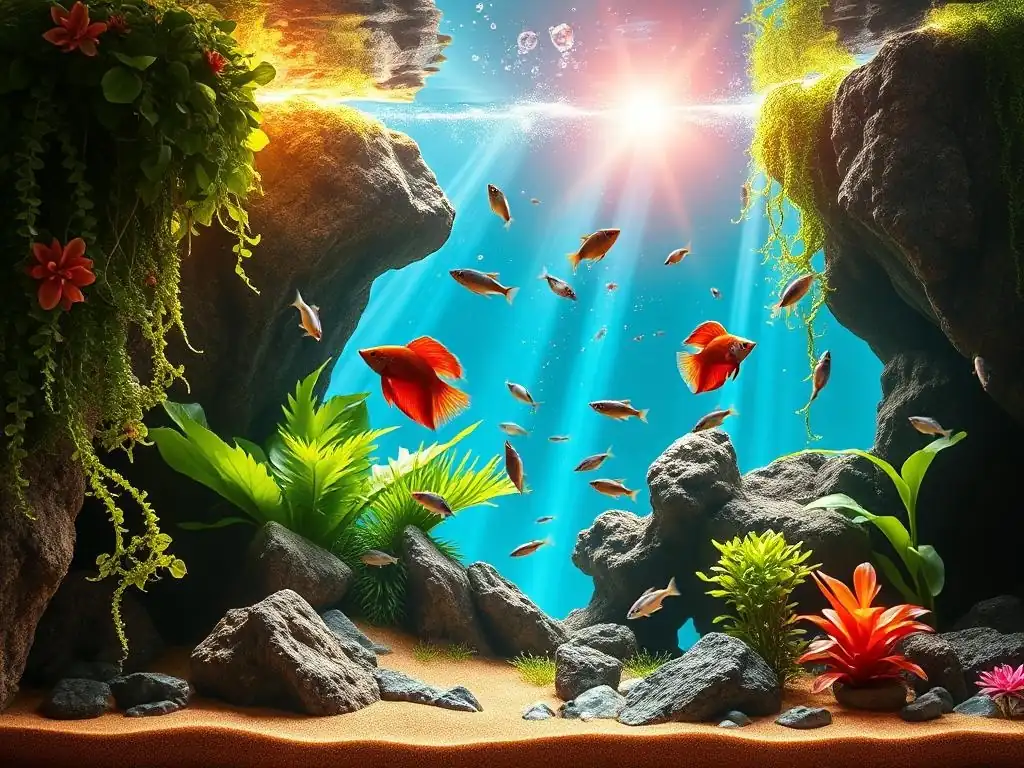
Ever wondered how to unlock the true potential of your planted aquarium and witness your aquatic plants thrive like never before? Dive into our comprehensive guide on Natural Aquarium Lighting Schedules and discover the secrets to simulating sunrise and sunset, optimizing plant growth, and creating a breathtaking underwater ecosystem. Ready to bring nature's rhythm to your tank? Let's get started!
- Understanding the Importance of Natural Aquarium Lighting Schedules for Plant Health
- Designing Natural Aquarium Lighting Schedules: A Step-by-Step Guide
- Advanced Techniques for Enhancing Natural Lighting Simulation
- Troubleshooting Common Issues with Simulated Lighting
- Long-Term Maintenance of Natural Aquarium Lighting Schedules
-
Frequently Asked Questions
- How does simulating sunrise and sunset benefit my aquarium?
- What are the key components of a natural aquarium lighting schedule?
- Why is a consistent lighting schedule important for aquatic plants?
- Can incorrect lighting schedules contribute to algae growth in my aquarium?
- What type of lighting is best for simulating a natural aquarium lighting schedule?
- Final Reflection: Embracing the Dawn of Natural Light
- Ignite Your Aquarium's Potential: Experience the Dawn of a New Ecosystem!
Understanding the Importance of Natural Aquarium Lighting Schedules for Plant Health
Why Replicating Natural Light Cycles Matters for Aquatic Plants
Aquatic plants, much like their terrestrial counterparts, have evolved over millennia under the influence of natural day and night cycles. Their internal biological clocks, known as circadian rhythms, are intrinsically linked to these predictable shifts in light and darkness. During the "day" phase, plants actively engage in photosynthesis, converting light energy into chemical energy for growth. The "night" phase is crucial for respiration, nutrient transport, and repair, allowing the plant to recover and prepare for the next photosynthetic period.
Abrupt transitions from complete darkness to full light, or vice versa, can induce significant stress on aquatic plants. This sudden shock disrupts their physiological processes, potentially hindering efficient nutrient uptake and causing a disproportionate allocation of energy. Such stress can manifest as stunted growth, discolored leaves, or increased susceptibility to algae colonization, as the plants struggle to adapt to the unnatural, instantaneous light changes. Replicating a natural aquarium lighting schedule with gradual transitions minimizes this stress, promoting healthier, more robust plant growth.
The Impact of Light Spectrum and Intensity on Plant Growth
The quality and quantity of light are paramount for healthy aquatic plant growth. Light spectrum, specifically the Photosynthetically Active Radiation (PAR) range (400-700 nanometers), determines which wavelengths are available for photosynthesis. Chlorophyll, the primary pigment in plants, efficiently absorbs light primarily in the blue (around 450 nm) and red (around 660 nm) regions of the spectrum. A balanced spectrum ensures plants receive the necessary wavelengths for optimal chlorophyll production and overall metabolic function.
Light intensity, often measured in PAR, dictates the rate of photosynthesis. Too low an intensity will result in slow, leggy growth as plants stretch to reach more light, while too high an intensity can lead to photoinhibition, where the photosynthetic apparatus is damaged, or, more commonly, trigger aggressive algae blooms that outcompete the plants. For instance, low-light plants like Anubias and Java Fern typically thrive in 15-30 PAR, medium-light plants such as Cryptocorynes and many stem plants prefer 30-50 PAR, while high-light carpeting plants like Dwarf Hairgrass or demanding red stem plants often require 50-80+ PAR to flourish.
The Benefits of Simulating Sunrise and Sunset for a Balanced Aquarium Ecosystem
Simulating natural aquarium lighting schedules with gradual sunrise and sunset effects offers profound benefits beyond just plant health. For aquatic plants, these soft transitions reduce the physiological shock of sudden light changes, leading to more efficient photosynthesis, improved nutrient absorption, and vibrant coloration. Plants can gradually ramp up their photosynthetic activity as light increases, making better use of available CO2 and nutrients, and then wind down gracefully as darkness approaches, optimizing their nocturnal recovery processes.
The advantages extend to the entire aquarium ecosystem. Fish, being sensitive to their environment, are less startled by a gentle increase or decrease in light, leading to reduced stress and more natural behaviors. This can be observed in calmer schooling patterns and less frantic darting at the start or end of the day. Furthermore, by avoiding sudden bursts of high intensity light, which can favor the rapid proliferation of opportunistic algae, a gradual natural aquarium lighting schedule contributes significantly to maintaining a cleaner, more balanced, and aesthetically pleasing planted tank environment.
Designing Natural Aquarium Lighting Schedules: A Step-by-Step Guide
Step 1: Determining the Optimal Photoperiod for Your Plant Species
Researching the Native Habitats of Your Aquarium Plants
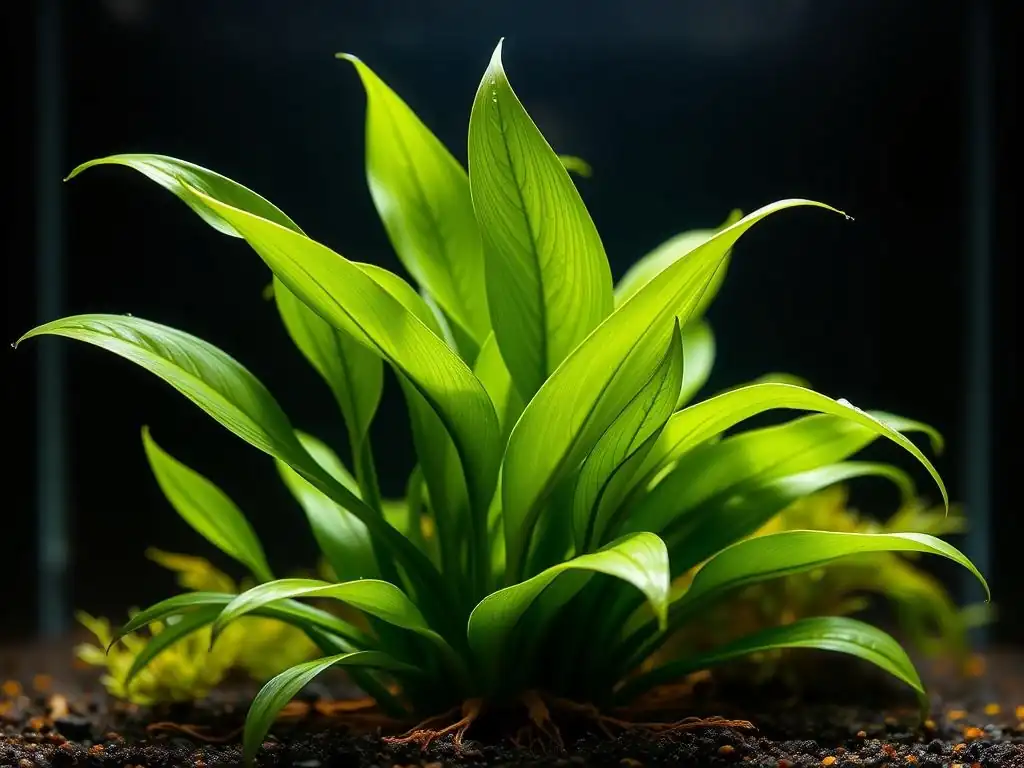
Understanding the native habitats of your aquarium plants is the foundational step in designing an effective natural aquarium lighting schedule. Plants like Anubias barteri and Bucephalandra species typically originate from shaded, forest floor environments where they receive filtered or indirect light for moderate durations, often thriving with a peak photoperiod of 6-8 hours at lower intensities (e.g., 20-30 PAR).
In contrast, many stem plants, such as Rotala rotundifolia or Ludwigia repens, are found in open, sun-drenched waterways and require longer, more intense light exposure, often benefiting from 8-10 hours of peak light at 40-60+ PAR to exhibit their full growth and coloration potential.
This research allows aquarists to approximate the light conditions their plants would experience in the wild, leading to more successful cultivation. For instance, plants from equatorial regions generally experience consistent day lengths of approximately 12 hours year-round, while those from higher latitudes might experience more seasonal variation. However, within an aquarium, the primary focus is on providing a consistent daily photoperiod that mimics the optimal light exposure for the specific species, rather than seasonal fluctuations.
Understanding Photoperiodism in Aquatic Plants
Photoperiodism refers to the physiological response of plants to the relative lengths of light and dark periods. For aquatic plants, the duration of the light cycle directly influences their photosynthetic efficiency, growth rate, and overall health. A common range for a healthy planted aquarium, accommodating most plant species, is a peak photoperiod of 7 to 10 hours. This duration is generally sufficient to provide the energy needed for robust growth without promoting excessive algae proliferation.
If the photoperiod is too short (e.g., less than 6 hours for most plants), plants may not photosynthesize enough to sustain healthy growth, leading to stunted development or nutrient deficiencies even if fertilizers are abundant. Conversely, an excessively long photoperiod (e.g., 12 hours or more) can lead to an oversupply of light, which plants cannot fully utilize. This unused light becomes an energy source for opportunistic algae, often resulting in widespread algae blooms, particularly in tanks with insufficient CO2 or nutrient imbalances.
Step 2: Selecting the Right Aquarium Lighting System
LED Lighting for Sunrise and Sunset Simulation: A Comprehensive Overview
LED lighting systems have become the gold standard for creating natural aquarium lighting schedules due to their unparalleled control, efficiency, and longevity. Unlike traditional fluorescent or metal halide lamps, LEDs offer precise dimmability from 0% to 100%, allowing for seamless ramp-up and ramp-down effects that perfectly mimic sunrise and sunset. Many advanced LED fixtures also feature multiple independent color channels (e.g., red, green, blue, and various white temperatures), enabling aquarists to fine-tune the light spectrum throughout the day, enhancing plant coloration or simulating specific natural conditions.
Beyond their dimming capabilities, modern LED lights are highly energy-efficient, consuming significantly less power than older lighting technologies while producing comparable or superior PAR values. Their long lifespan, often rated at 50,000 hours or more, translates to fewer bulb replacements and consistent light quality over many years. This combination of granular control over intensity and spectrum, coupled with energy savings and durability, makes LED fixtures the ideal choice for implementing sophisticated natural aquarium lighting schedules.
Choosing a Programmable Lighting Controller
A programmable lighting controller is an indispensable component for executing sophisticated natural aquarium lighting schedules. These devices, often integrated directly into advanced LED fixtures or available as standalone units, allow aquarists to set precise timings and intensity levels for different parts of the day. Key features typically include daily timers with multiple on/off points, the ability to program gradual ramp-up and ramp-down periods (e.g., 30-90 minutes), and sometimes even memory for multiple custom programs.
Many contemporary controllers offer intuitive interfaces, including dedicated LCD screens or, more commonly, smartphone applications that connect via Bluetooth or Wi-Fi. These apps simplify the programming process, allowing users to visually design their desired light curve, set specific PAR targets for different times, and even integrate additional effects like moonlight or cloud simulation. For example, a controller might enable setting a sunrise ramp from 6:00 AM to 7:00 AM, a peak light period from 7:00 AM to 5:00 PM, and a sunset dim from 5:00 PM to 6:00 PM, all with customizable intensity percentages at each interval.
Step 3: Programming Your Aquarium Lighting Schedule for Natural Transitions
Creating a Gradual Sunrise Effect: Programming a Ramp-Up Cycle
The gradual sunrise effect is a cornerstone of natural aquarium lighting schedules, designed to mimic the slow increase of light at dawn. To program this, you typically set a starting time (e.g., 6:00 AM) and an initial very low intensity (e.g., 1-5% of peak brightness, often with a slight blue or red tint).
The controller then progressively increases the light intensity over a specified duration, usually between 30 to 90 minutes, until it reaches the desired peak intensity for the main photoperiod. For example, a 45-minute sunrise might see the light ramp from 5% intensity at 6:00 AM to 60% intensity by 6:45 AM.
This gentle ramp-up provides numerous benefits. It prevents shocking fish with a sudden burst of light, allowing them to wake up gradually and display more natural behaviors. For plants, it signals a slow commencement of photosynthetic activity, enabling them to efficiently utilize available CO2 and nutrients as light levels rise. This gradual acclimatization to increasing light also helps to prevent the initial surge of light from being immediately exploited by opportunistic algae, contributing to a more stable tank environment.
Implementing a Gentle Sunset Dimming: Programming a Ramp-Down Cycle
Mirroring the sunrise, a gentle sunset dimming cycle is crucial for completing a natural aquarium lighting schedule. This involves gradually decreasing the light intensity from the peak daytime level down to near zero (or a very low moonlight setting) over a set period, typically ranging from 30 to 90 minutes. For example, if your peak light period ends at 6:00 PM, the sunset dimming might start then, slowly reducing intensity until the lights are fully off or at moonlight levels by 6:45 PM.
The advantages of a gradual sunset are similar to those of sunrise but focused on the transition to darkness. It allows fish to naturally find their resting spots and settle down for the night without being abruptly plunged into darkness, which can cause stress and disorientation. For plants, it signals the end of the photosynthetic period, allowing them to shift into their nocturnal respiration and recovery phase smoothly. This contributes to a more balanced ecosystem by preventing the sudden cessation of light that can disrupt the delicate biological processes within the aquarium.
Step 4: Fine-Tuning Your Lighting Schedule Based on Plant Response
Monitoring Plant Growth and Algae Development
After implementing your initial natural aquarium lighting schedule, continuous monitoring of your aquarium's inhabitants and conditions is critical for fine-tuning. Healthy plants will exhibit vigorous growth, vibrant and characteristic coloration (e.g., rich greens, reds, or browns), and minimal signs of stress or nutrient deficiencies.
The absence of excessive algae on plant leaves, substrate, or tank glass is also a strong indicator of a balanced lighting schedule. Conversely, signs like stunted growth, melting leaves, pale or yellowing foliage, or the proliferation of specific algae types (e.g., green spot algae, hair algae, or black beard algae) often signal an imbalance that may be related to light.
For instance, if your stem plants are growing leggy with long internodes, it could indicate insufficient light intensity or duration. If you observe green spot algae appearing rapidly on glass and slow-growing plant leaves, it might suggest that your light intensity is too high or your photoperiod is too long for your current CO2 and nutrient levels. Brown diatom algae, while common in new tanks, can also persist if light levels are too low for established plants to compete effectively. Careful observation helps diagnose these issues.
Adjusting Light Intensity and Duration for Optimal Results
Based on your observations, iterative adjustments to your natural aquarium lighting schedule are necessary to achieve optimal results. For example, if you're experiencing excessive algae, try reducing your peak light intensity by 5-10% or shortening your peak photoperiod by 30-60 minutes. Make only one adjustment at a time and observe the tank for at least a week before making another change. If plants are not thriving, consider increasing the peak intensity slightly or extending the photoperiod by 30 minutes, always watching for any signs of algae increase.
A common starting point for a moderately planted tank with CO2 injection might be 8 hours of peak light at 40-50 PAR, with 60-minute ramp-up and ramp-down periods. For a low-tech tank without CO2, a shorter photoperiod of 6-7 hours at 20-30 PAR might be more appropriate. Remember that total daily light integral (DLI), which accounts for both intensity and duration, is ultimately what matters to plants. Adjustments should aim to balance the DLI with the plant's metabolic needs and the availability of CO2 and nutrients.
Advanced Techniques for Enhancing Natural Lighting Simulation
Implementing Moonlight Simulation for a Realistic Night Cycle
Using Low-Intensity Blue LEDs for Moonlight Effects
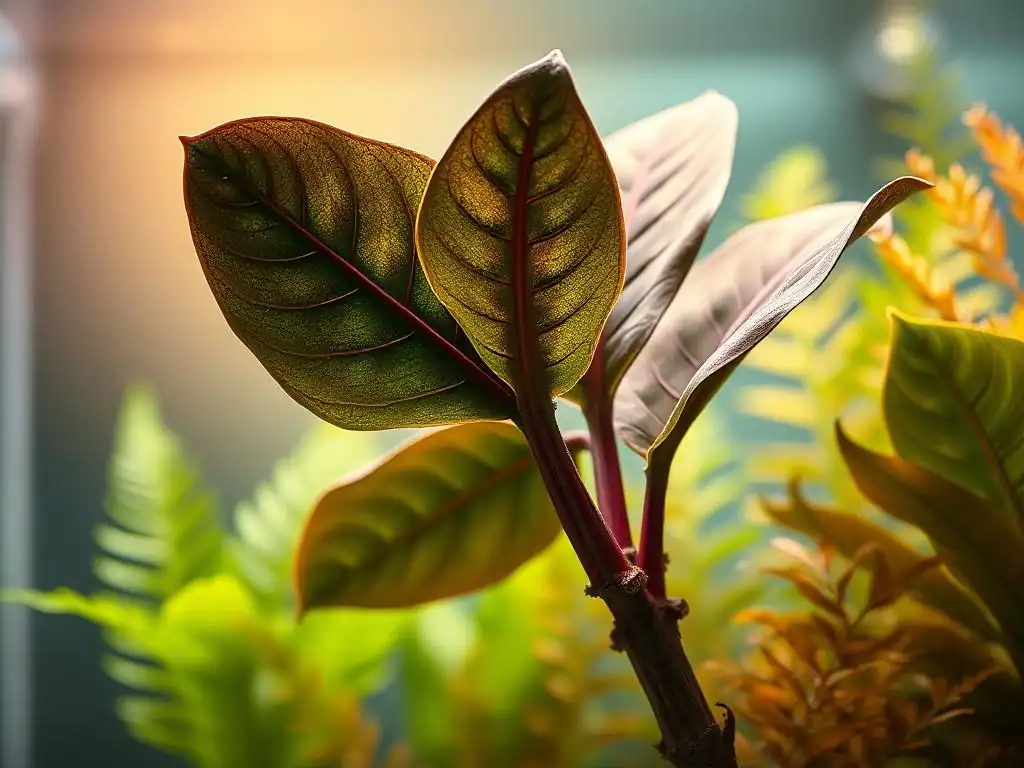
Implementing moonlight simulation is an advanced technique that significantly enhances the realism of natural aquarium lighting schedules, extending the natural cycle beyond the sunset. This is typically achieved by programming very low-intensity blue LEDs (often 1-5% of their full brightness) to turn on after the main lights have fully dimmed for the night. This soft, ethereal blue glow mimics the natural light of the moon, creating a captivating nocturnal ambiance in the aquarium.
Beyond aesthetic appeal, moonlight simulation offers practical benefits. It allows aquarists to observe nocturnal fish and invertebrate behaviors that would otherwise be hidden in complete darkness, such as catfish foraging or shrimp grazing. For the fish themselves, a subtle moonlight provides a sense of security, preventing them from being startled by complete darkness or sudden light changes, and allowing them to navigate their environment more comfortably during their active nighttime hours. The blue spectrum is chosen as it is least disruptive to the sleep cycles of both fish and plants.
Utilizing Cloud Cover Simulation for Dynamic Lighting
Creating Realistic Cloud Patterns with Programmable Controllers
Advanced programmable lighting controllers can further enhance the natural aquarium lighting schedule by simulating dynamic cloud cover. This feature works by randomly and temporarily dimming the light intensity by a preset percentage (e.g., 20-50%) for short durations (e.g., 5-15 minutes) throughout the main light period. This creates a realistic effect of clouds passing overhead, causing momentary drops in the light reaching the water surface, mimicking the natural fluctuations found in real aquatic environments.
The primary benefit of cloud cover simulation is the added dynamism and realism it brings to the aquarium's visual appeal. It prevents the light from being static and monotonous, reflecting the subtle changes in natural daylight. While largely aesthetic, these brief dips in intensity can also subtly reduce the total daily light integral (DLI), which might be marginally beneficial in very high-light setups to slightly alleviate the risk of algae, though its main purpose remains environmental immersion.
Combining Lighting Schedules with CO2 Injection and Fertilization Strategies
Synchronizing Lighting and CO2 for Maximum Plant Growth
For optimal plant growth, particularly in high-tech planted aquariums, synchronizing natural aquarium lighting schedules with CO2 injection is crucial. Plants require CO2 for photosynthesis, and this process is directly driven by light. Therefore, CO2 injection should ideally begin 1 to 2 hours before the peak light period starts. This allows CO2 levels in the water to reach their optimal concentration (typically 20-30 parts per million, or ppm, for most planted tanks) by the time the lights reach their full intensity, ensuring plants have ample carbon available for photosynthesis.
Conversely, CO2 injection should be turned off 30 to 60 minutes before the lights fully dim or turn off for the night. During the dark period, plants cease photosynthesis and instead respire, consuming oxygen and releasing CO2. Continuing CO2 injection overnight can lead to dangerously high CO2 levels and critically low oxygen levels, which can be detrimental or even fatal to fish and other aquatic livestock. Precise synchronization ensures plants maximize growth while maintaining a safe environment for all inhabitants.
Optimizing Fertilization Based on Light Intensity and Duration
The intensity and duration of your natural aquarium lighting schedule directly influence the nutrient demands of your plants. Higher light levels and longer photoperiods drive faster photosynthesis and metabolism, which in turn increases the plants' uptake of essential macro (Nitrogen, Phosphorus, Potassium) and micro (Iron, Manganese, Boron, etc.) nutrients. Failing to provide sufficient nutrients under high light conditions will lead to deficiencies, stunted growth, and potentially algae issues as plants struggle to compete.
For low-light planted tanks (e.g., 15-30 PAR) with a shorter photoperiod (6-7 hours), a comprehensive all-in-one liquid fertilizer dosed once or twice a week might suffice, as nutrient demands are moderate. However, in high-light, CO2-injected setups (e.g., 50+ PAR) with longer peak light periods (8-10 hours), nutrient consumption is significantly higher. In these cases, daily dosing of macro and micro nutrients, often following methods like the Estimative Index (EI) or a modified approach, is typically necessary to prevent deficiencies, support robust growth, and maintain a competitive advantage over algae.
Troubleshooting Common Issues with Simulated Lighting
Algae Blooms and Inadequate Lighting Schedules: Identifying the Cause
Algae blooms are one of the most common and frustrating issues in planted aquariums, and they are frequently linked to imbalances in the natural aquarium lighting schedule. Algae often thrive when there's an excess of light relative to the available CO2 and nutrients, or when light is provided for too long.
For instance, a sudden proliferation of green dust algae on the glass or green spot algae on slow-growing plant leaves often indicates that the light intensity is too high or the photoperiod is excessively long for the tank's current balance. Hair algae or thread algae can also appear if light is too intense or nutrients are imbalanced.
To diagnose, first review your photoperiod and peak intensity. If you suspect too much light, try reducing the peak photoperiod by 1 to 2 hours or dimming the peak light intensity by 10-15% for a week. Secondly, ensure your CO2 levels are stable and adequate (e.g., 20-30 ppm during the entire light cycle) if you are injecting it. Inadequate CO2 supply means plants cannot fully utilize the light, leaving excess energy for algae. Finally, check your nutrient levels; imbalances, such as very low nitrates or phosphates, can also trigger certain types of algae.
Plant Stunting and Nutrient Deficiencies: The Role of Light
While nutrient deficiencies are often attributed solely to a lack of specific elements, light plays a critical role in how plants absorb and utilize these nutrients. Plant stunting or signs of deficiency can occur even with adequate fertilization if the light provided is insufficient or unstable. For example, Ludwigia species that typically display vibrant red hues may appear pale or green and grow slowly under low light conditions, despite sufficient iron. Similarly, Cryptocoryne species might "melt" (rapidly lose leaves) if light conditions are too unstable or suddenly changed.
To differentiate between a light issue and a true nutrient deficiency, observe the growth pattern. If plants are leggy, stretching excessively towards the light, or growing very slowly but otherwise appear healthy, it often points to insufficient light intensity or duration. If, however, leaves are yellowing (indicating nitrogen or iron deficiency), developing holes (potassium deficiency), or showing stunted growth tips (calcium or boron deficiency), it's more likely a nutrient issue, although high light can exacerbate these by increasing demand. Adjusting the natural aquarium lighting schedule to provide optimal PAR for your specific plants often resolves these light-related growth problems.
Adjusting Lighting Schedules for Different Plant Species and Tank Setups
There is no universal "perfect" natural aquarium lighting schedule; it must be tailored to the specific plant species, overall plant biomass, and the setup of your individual tank. A tank heavily populated with low-light plants like Java Fern, Anubias, and Cryptocoryne will require a significantly different schedule than a high-tech tank filled with demanding stem plants such as Rotala macrandra or carpeting plants like Hemianthus callitrichoides 'Cuba'. The former might thrive on 6-8 hours of moderate light (20-30 PAR), while the latter could demand 9-10 hours of high light (50-70+ PAR) coupled with robust CO2 and fertilization.
When adjusting, consider the tank's maturity. A newly set up tank with sparse planting often benefits from a shorter initial photoperiod (e.g., 6 hours) at moderate intensity to prevent overwhelming the nascent ecosystem with light before plants are established and consuming nutrients efficiently. As plants grow and biomass increases, the photoperiod or intensity can be gradually increased. Regularly assess the tank's response; if plants are thriving and algae is under control, your natural aquarium lighting schedule is well-tuned.
Long-Term Maintenance of Natural Aquarium Lighting Schedules
Regularly Monitoring and Adjusting Light Output
The dynamics of a planted aquarium are constantly evolving, making regular monitoring and subsequent adjustments to your natural aquarium lighting schedule essential for long-term success. As plants grow and mature, their biomass increases, leading to higher demands for light, CO2, and nutrients. Conversely, if you prune heavily or remove plants, the remaining plant mass might require less light. Consistent observation, perhaps weekly or bi-weekly, of plant health, growth rates, algae presence, and even fish behavior, provides crucial feedback.
While LED lights boast long lifespans, their output can gradually degrade over several years. If you notice a inexplicable decline in plant growth or a sudden surge in algae after a few years, it might indicate that your light's PAR output has diminished. Using a PAR meter periodically, if available, can confirm this. Otherwise, visual assessment and comparison to earlier tank photos can help identify if your current natural aquarium lighting schedule is still meeting the tank's needs or if it requires a slight increase in intensity or duration to compensate for aging equipment.
Replacing Aquarium Bulbs and LEDs as Needed
While LED lights significantly outlast traditional fluorescent bulbs, both have a finite operational life during which their spectral output and intensity can degrade. Fluorescent bulbs, for instance, typically need replacement every 6-12 months, even if they still appear to be working, because their spectrum shifts and PAR output diminishes considerably over time, negatively impacting plant health and promoting algae. Failing to replace them on schedule means your natural aquarium lighting schedule is delivering suboptimal light.
Modern LED fixtures, while rated for 50,000 hours or more, can still experience a gradual reduction in intensity over several years of continuous use. If your plants, which were once thriving, begin to show signs of light deficiency (e.g., stretching, pale growth) and you've ruled out CO2 and nutrient issues, it might be an indication that your LED unit is aging. Replacing the entire fixture or individual LED modules, if possible, will restore the intended light output and ensure your natural aquarium lighting schedule remains effective for robust plant growth.
The Future of Aquarium Lighting: Smart Lighting and Automated Systems
The evolution of technology promises an even more sophisticated future for natural aquarium lighting schedules through smart lighting and fully automated systems. Many current high-end LED lights already integrate with smartphone apps, offering unprecedented control over color channels, intensity, and dynamic effects like cloud cover. The next generation of smart lighting systems is moving towards integration with broader home automation platforms, allowing for remote monitoring and control from anywhere in the world, and potentially even linking to local weather data to precisely mimic real-time natural light conditions.
Looking further ahead, automated systems could incorporate real-time sensors that measure PAR levels, water parameters (like pH and CO2), and even plant growth rates. This data could then be used by intelligent algorithms to dynamically adjust the natural aquarium lighting schedule throughout the day, optimizing light delivery based on the actual needs of the plants and the tank's current biological state. Such advancements would not only maximize plant health and minimize algae but also significantly reduce the manual effort required for maintaining a perfectly balanced planted aquarium.
Frequently Asked Questions
How does simulating sunrise and sunset benefit my aquarium?
Simulating sunrise and sunset with a natural aquarium lighting schedule helps reduce stress on fish, encourages natural plant growth, and minimizes algae blooms by providing a more gradual adjustment to light levels.
What are the key components of a natural aquarium lighting schedule?
A natural aquarium lighting schedule typically involves a gradual increase in light intensity (sunrise), a period of full illumination during the day, and a gradual decrease in light intensity (sunset), often utilizing a programmable LED controller.
Why is a consistent lighting schedule important for aquatic plants?
Consistent lighting, mimicking natural aquarium lighting schedules, is vital for photosynthesis. It ensures plants receive the proper light duration and intensity, promoting healthy growth and preventing nutrient imbalances.
Can incorrect lighting schedules contribute to algae growth in my aquarium?
Yes, abrupt changes in light or excessive light duration, deviating from a natural aquarium lighting schedule, can disrupt the aquarium's ecosystem and create conditions favorable for excessive algae growth.
What type of lighting is best for simulating a natural aquarium lighting schedule?
Programmable LED lights are generally considered the best option. They offer the flexibility to adjust intensity, color spectrum, and duration, allowing for precise control over your natural aquarium lighting schedule.
Final Reflection: Embracing the Dawn of Natural Light
The principles explored in this article, detailing the simulation of sunrise and sunset for optimal plant growth, extend far beyond the confines of the aquarium. The ability to precisely control and mimic natural light cycles represents a powerful tool for fostering healthier ecosystems and promoting sustainable practices in various fields, from agriculture to indoor gardening. It's a testament to our growing understanding of the intricate relationship between light and life.
This journey into natural aquarium lighting schedules has underscored the profound impact of environmental factors on living organisms. Witnessing the vibrant health and balanced ecosystems that result from mimicking natural light cycles is truly inspiring, and highlights the importance of considering the subtle nuances of nature in our technological endeavors. Look deep into nature, and then you will understand everything better.
- Albert Einstein. This quote reminds us that the most innovative solutions often lie in understanding and emulating the natural world around us.
As you consider the information presented here, I encourage you to reflect on the potential applications of these principles in your own life. Whether you're a seasoned aquarist, a budding gardener, or simply someone seeking to create a more harmonious environment, remember that understanding and respecting the rhythms of nature can unlock a world of possibilities. Embrace the dawn of natural light, and discover the transformative power it holds.
Ignite Your Aquarium's Potential: Experience the Dawn of a New Ecosystem!
Thank you for diving into the world of advanced aquarium lighting and plant rhythms. You've unlocked valuable insights into creating a more natural and thriving aquatic environment. Now, it's time to bring that knowledge to life!
Here are a few ways to take your aquarium to the next level:
- Implement a sunrise/sunset simulation using a programmable LED controller. Start small with gradual transitions and observe your plants' reactions.
- Share your aquarium's new lighting schedule and plant growth progress on social media with other aquascaping enthusiasts. Encourage them to share their experiences, too!
- Consider experimenting with alternative color spectrums during sunrise and sunset to mimic different geographical locations and seasons.
What unique lighting challenges have you faced in your aquarium, and how might simulating natural light cycles help overcome them?